Classic Songs of My Youth Revisited #26

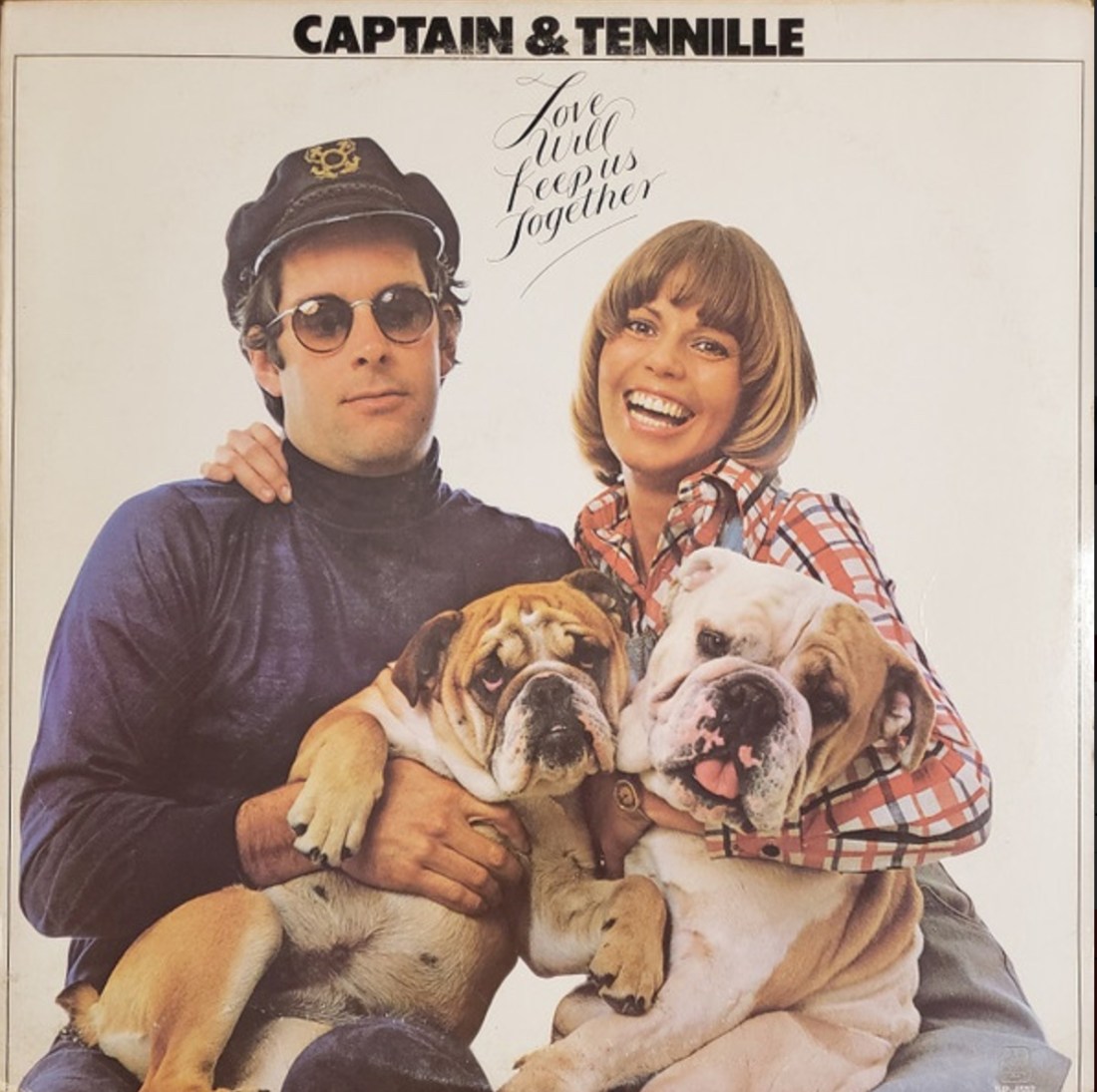
Captain & Tennille – Love Will Keep Us Together

From the mid-1970s into the early 1980s, New Year’s Day would always find me doing the same thing. Around noon, I would set myself down next to a radio and spend the remaining half of the day listening as CJCB counted down the top 100 songs of the year just ended. I think they picked it up from a station in Toronto, but it wasn’t CHUM-FM, and whoever was compiling it wasn’t following the RPM chart. It was a critical part of my musical life, a clearing of the deck before the exciting new sounds to come.

The songs were mixed in with little anecdotes and sometimes interview snippets. I learned – and have never forgotten – the story behind “I Don’t Like Mondays”. The announcer told me in 1978 that The Rolling Stones were the greatest rock ‘n’ roll band in the world. (I had thought it was Kiss.) I also heard – though I’ve never been able to verify that this actually happened – that Al Stewart claimed to make dance music for people with two left feet. My brain is littered with trivia from those long ago January 1s.

The countdown also meant learning that some of the songs I loved best weren’t as widely adored by others, or others that I hated were in fact monster hits. I really disliked Kim Carnes’ “Bette Davis Eyes”, so its place at the top of 1981’s chart befuddled me. (I am so not the same listener I was in my youth – “Bette Davis Eyes” rocks!) There would be a delicious tension as the top 10 were counted down and one mega hit after another fell short of the top spot. I was devastated when the 1976 countdown found my beloved Bay City Rollers and “Saturday Night” falling to Wings’ unquestionably drecky “Silly Love Songs”. The 1977 countdown was the oddest, when a song I’d pretty much already forgotten – Leo Sayer’s “When I Need You” – came out of nowhere to take the top spot.

But in 1975, everything went as the music gods intended. The top song of the year was “Love Will Keep Us Together” by Captain & Tennille. And I was very okay with that.

1975 seems like a pretty decent year for pop music. There were a lot of songs that hold up well today: “Jive Talkin'” by the Bee Gees. Neil Sedaka (with a helping hand from Elton John) and “Bad Blood”. “Ballroom Blitz”, “Someone Saved My Life Tonight”, “Nights on Broadway”, “Fame”, “Only Women Bleed”. Not a bad start. But look a little deeper into the top 100 and things get sketchy. There are hits from The Carpenters, Barry Manilow, Paul Anka, Olivia Newton-John, Frankie Valli. There were a lot of lame tracks in heavy rotation that year. And I liked a lot of them.

The lamest of the lame – and therefore champion of that most lame of musical years – was the married team of Captain & Tennille and “Love Will Keep Us Together”. And I loved that song. I don’t think it was my favourite of the year – “Magic” by Pilot had a serious hold on me – but it was up there. Listening to it now, I can’t really make sense of it. The best explanation is that I was probably a pretty lame 11-year-old. I’ll defer further comment to those who remember me from then.

Yet, as I listen to it now, the song starts to get under my skin again, and it really is something of a masterful pop confection. There’s a simple piano hook and weird little fuzzy synth notes that catch your attention, anchored by Toni Tennille’s sweet but potent voice. Neil Sedaka wrote the song, but his version is sluggish and more discrete, missing the energy that Toni brings. It also lacks the Brill Building feel of Neil’s roots, but Captain & Tennille capture that air a bit with their girl-group background singers. The production from Captain Daryl Dragon is smart, putting the vocal front and centre and most instruments lower in the mix, emphasizing the cheery positivity of the song. The tempo change with jangly piano – again, very subtle, a little trick in the back of your brain – when she sings “young and beautiful” picks up the energy just when it starts to become too familiar, and if you don’t get chills every time Toni hits a run of “I will”s, especially the last one, then you just aren’t listening closely enough.

This was Captain & Tennille’s first song to get wide release, and they never flew so high again – who could? – but they remained reliable hit makers for several years, including giving us the delightfully bizarre soft core “Muskrat Love”. Their marriage was long-lasting but not a happy one, yet they remained on friendly terms afterwards, and Toni was at his bedside when Daryl passed in 2019. You can put your own spin on the title of their biggest hit for a line to end this piece.
Classic Songs of My Youth Revisited #25

Peter Frampton – Jumpin’ Jack Flash

So, yeah. Peter Frampton. Let’s start there.

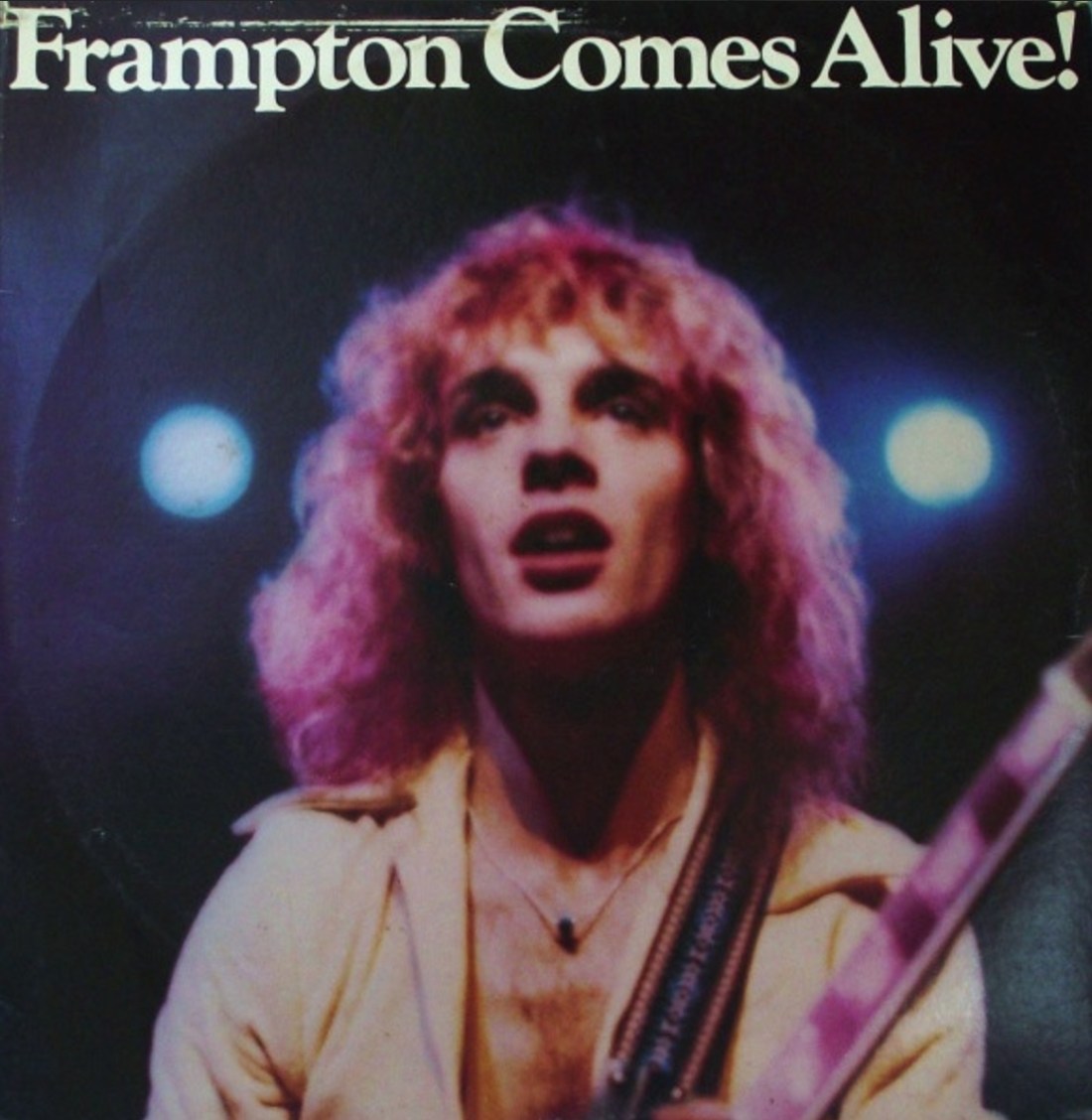
In 1976, for reasons that are not clear in hindsight and probably didn’t make a lot of sense at the time, A & M Records released “Frampton Comes Alive!” The question is why Frampton, after four albums and only modest commercial success, was deemed worthy of the double live album treatment. Clearly, someone at the label was at the top of their game because the record was a true sensation, selling around 10 million copies and producing three hit singles. Buried in all the hype was, at the end of side three, a cover of “Jumpin’ Jack Flash”. And though I read the liner notes and knew it was a Rolling Stones song, it may as well have been a Frampton original, because I had never heard the Stones’ version. I don’t know how that could have happened but it did, and that made it – still makes it – a Peter Frampton song for me. (I also never heard “Tumbling Dice” until it showed up on the “FM” soundtrack as a Linda Ronstadt cover in 1978. Someone older than me clearly fell down in not turning me on to the Stones.)

The album still kicks ass, especially the 14:15 long “Do You Feel Like We Do” and the guitar lick at 3:04 and 4:20 of “Something’s Happening”, and Frampton, now in his 70s, remains one of the coolest guys out there. His Twitter feed is a frequent delight, though it helps that we tend to agree on political and social issues.

With that out of the way, let’s get to the crux of this: every teenage boy wants to be a rock star. Okay, maybe a few don’t, but they all have equally preposterous alternate goals. It doesn’t matter if you can’t sing or play an instrument: in your bedroom, you’re a rock ‘n’ roll god. And it never really goes away: even at 58, you can at times find me in my kitchen at 5:00 a.m. supporting Tom Scholz with some wicked air guitar licks on “More Than A Feeling”.

I actually had friends who sort of were rock stars in our community. Robert Barrie and Alan Sutherland were two of my pals in high school, and they played together in a series of bands, even releasing a pretty cool single when we were in Grade 12. (Shout out to “Endlessly” backed with “Coke Avenue”, though I was always a “Kiss Your Picture” guy – you can’t beat a good power ballad.) I haven’t seen Alan in ages, but Robert’s house has always been a guaranteed stop on my rare trips back to Cape Breton. I can’t remember if they were still playing together, but when my rock star moment came, Robert was the one who made it happen.

It was summer, I’m pretty sure 1985. I was back in Cape Breton for a visit, as were some other old friends – definitely Doug Maxwell (R.I.P., you magnificent bastard – BTW, if you don’t get that that was a compliment, I can’t help you), almost certainly Sandy Nicholson, probably Darrell Clark. Robert’s band was playing a charity event and our gang went out to support the cause, of course, but mostly to drink cheap beer, try to win a raffle and see our friend play. Towards the end of the night, Robert called Doug to the stage, and, somehow thinking it was intended for all of us (it really wasn’t), the rest of our group followed, and before I knew it we had become an impromptu backing chorus on “Jumpin’ Jack Flash”. I learned that night that years of bedroom listens didn’t mean I knew the lyrics very well. I can’t remember what I thought was being sung, but “It’s a gas! Gas! Gas!” was not it.

It’s important to understand that I was born to be a backup singer. I would have made a great Pip, had I but only found my Gladys Knight. I can carry a tune, only sound good as part of a group, and am generally happy just to be included. The synchronized dancing would’ve been a challenge, but we’d have worked it out – it’s not like those guys were channeling James Brown or anyone equally electric. So that night, for the four or five minutes we were on stage, was glorious.

Oh, and Peter’s version? It’s good, but the original is so much better. There is, of course, no shame in that – they’re The Rolling Stones, for god’s sake – and I imagine Frampton would agree. Like all live versions, it seems, it goes on forever – twice the length of the Stones’ original. The original is a true strut song: crisp, with a propulsive backbeat, deep bass notes and a rich chorus. Frampton’s version is slightly sluggish, more plodding – more of a guitar god record than the singer’s showcase of the original – and stretched out for audience interactions.

All of this is part of why I love cover versions: every few years, sometimes longer, a new group of people gets to call a song their own. My “Hurt” is by Johnny Cash, but yours could be Nine Inch Nails’ original. Your “Always on My Mind” could be by Elvis or Willie, while mine is by the Pet Shop Boys. Versions of “Hallelujah” are like Tim Hortons – there’s one for every block in Canada. There’s no right or wrong answer here: it’s whatever makes you fall in love with the song.

Classic Songs of My Youth Revisited #24

Thompson Twins – If You Were Here

I could write a dozen of these about songs from John Hughes’ movies, and I just might by the time I hang up my, uh, . . . keyboard? Or digital pen? Fingers? Anyway, let’s start with this one, the first song – and film – that made me realize that Hughes was a genius at integrating pop music and teen comedy.

This wasn’t a hit, and it wasn’t even released as a single, which is a bit of a surprise, since the non-Twins hit number 3 the same month the film was released with “Hold Me Now” (worthy of its own write up, for sure). It could be record label shenanigans – it was a track from two albums ago, and maybe they didn’t want any focus taken off the current release. Or maybe they thought it wasn’t a worthy single, which is (1) completely stupid and (2) irrelevant. The streaming era has its flaws, but one good thing is that record labels – and artists for that matter – have little say about what becomes a hit. The listener decides which tracks to stream and which to skip, and the charts reflect that. And “If You Were Here” found its audience – it’s one of the band’s most popular tracks on Spotify.

So, no single, so you only heard this song if you were already a fan of the band or saw the movie or bought the soundtrack, which you likely would only have done if you, you know, saw the movie. I don’t remember why I went to see this, but I was already a massive Hughes fan thanks to some of his truly demented writings in National Lampoon during the 1970s. It was summer 1984, and after crashing out of university in spectacular fashion (I think I changed majors four times in five months then just stopped attending classes entirely – yeah, direction I did not have), then wallowing in my failure in Cape Breton for three months (including a horrendous fishing trip on my father’s boat), I returned to St. Catharines – the scene of my academic washout – and secured a job with the catering company at the university, where I had previously worked part-time. And, most importantly, rented a room in the house where my friend Serge was living.

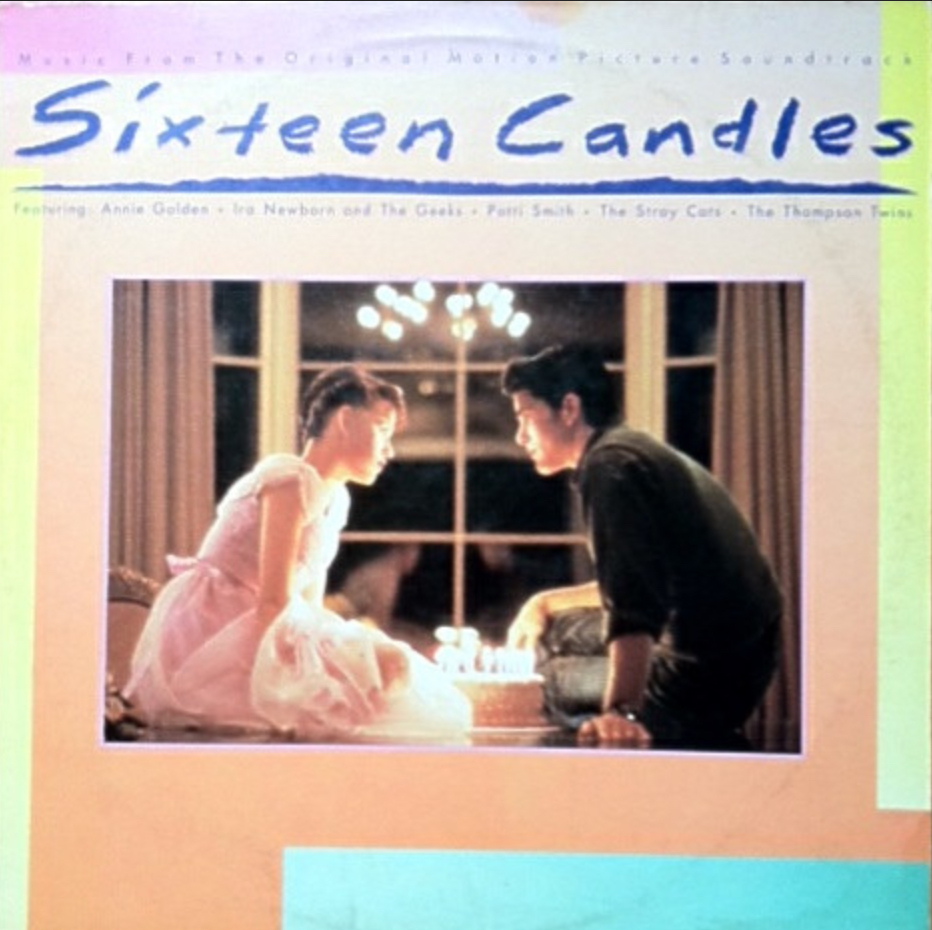
My friendship with Serge ended in spectacular fashion, but before it all went south, that summer might just have been the best of my life. On one of those nights, with nothing better to do, Serge and I jumped in his car with a case of beer and went to the drive-in to see “Sixteen Candles” and some other film whose identity has been lost to time.

I wish I could say I was really focused on the film, but when two or more young men get together and alcohol is involved, there’s usually as much screwing around as paying attention to any nominal focal point like a movie or whatever bullshit your girlfriend is complaining about. So it wasn’t until 6 or 9 months later when it showed up on The Movie Network that I appreciated what a great – albeit juvenile, sexually inappropriate and racially insensitive – film it was. But the music? Yeah, that caught me right away.

There are a ton of great songs in this film, and just seeing the titles takes me in my mind to the accompanying scene. It of course helps that I’ve probably watched it all the way through a dozen times, and can’t help but watch for 10 or 15 minutes if I come across it while channel surfing. It’s my favourite Hughes film – for all it’s inappropriateness, there is also a strange innocence to the film, and, yes, I am of the school that Farmer Ted is a complete gentleman who doesn’t take advantage of Caroline, and so that kiss is romantic, not creepy. The teens are not Ferris Bueller cool, they have issues: Ted hides his insecurity with bravado, Jake feels unappreciated, Sam’s whole family forgets her 16th birthday. Real teen trauma. Yeah, I know that’s a bit thick – it’s a movie. But I really love it.

And a big reason why it’s stuck with me is this song. After an entire film of misfortune – including having her story stolen out from under her by Anthony Michael Hall as Ted – Molly Ringwald’s Sam, emerging from the church after her sister’s wedding, watches the crowd disperse only to see dreamboat Michael Schoeffling’s Jake waiting for her. As the song’s opening plays under the scene, Sam and Jake navigate some miscommunication to come to the realization that both want the same thing: to be together. (I’m not crying, you’re crying.) (Also, pair this with “Breaking Away” for a double feature of Paul Dooley playing great dads.) And the film ends with their first kiss over her birthday cake, the end of an unexpectedly perfect day – just a day later than Sam had been hoping for, but far better than she ever imagined it could be.

It sounds like I love the song because of the movie but it goes both ways – the song helps me love the movie, too. It’s a perfect early ‘80s pop confection, all atmospheric synth and Tom Bailey’s whispery vocal and perfectly placed percussion from Joe Leeway. Despite the romantic context in the film, it’s about a dying love, not a blossoming one – the word “deceive” is not sung by accident. But the vibe of the song is completely New Romantic, and it sweeps you up.

Leeway left the band in 1986, and while it’s probably coincidental (no disrespect intended), they never had another major hit. But they left behind some great pop tunes – “King for a Day” is another personal favourite – and a couple of classic albums that probably don’t get played enough these days. The music of the early ‘80s was fun, and there isn’t nearly enough of that in the world today, or in music for that matter. It’s well worth spending some time with those records.

Pazz and Jop 1974 #4

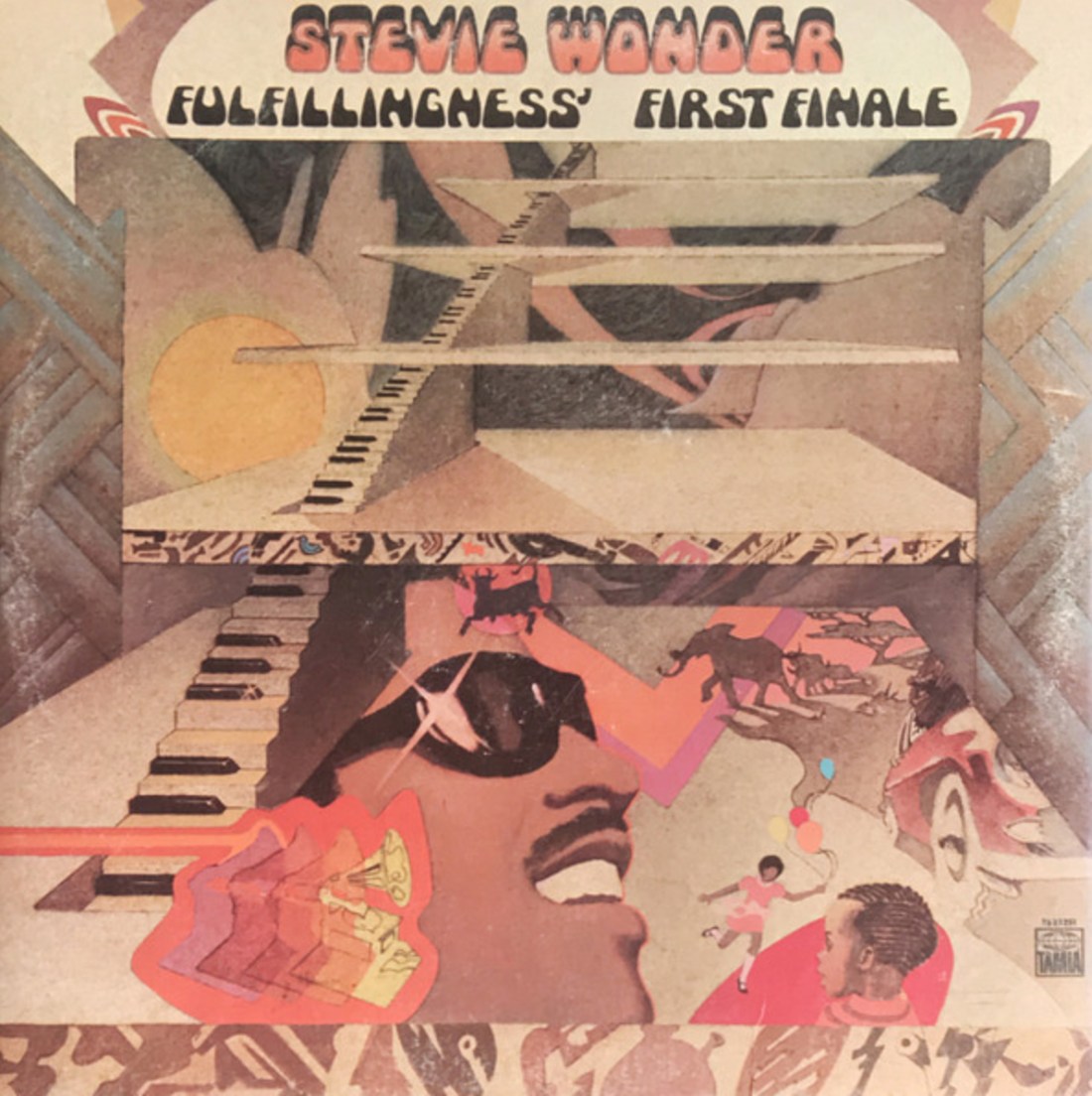
Stevie Wonder – Fulfillingness’ First Finale

The more I play an artist’s music, the closer I get to understanding them, or at least understanding what they are willing to let us see. In the early 1970s, Stevie Wonder, was a very spiritual and socially conscious man, and a true believer in romantic love. And, perhaps most importantly, he knew that sometimes you needed to put aside the seriousness and get down.

I always favour the upbeat Stevie, so the electro funk of “Boogie On Reggae Woman” and “You Haven’t Done Nothin’” rank highest from this album. The latter has fuzzy chords and slurred lyrics, paralleling the sexual despair of the narrator, but the pairing with tinkling piano, harmonica (has anyone ever loved a good harmonica solo like Stevie?) and an on-fire tempo make it a feel-good track. The former has a more sluggish beat, fitting for a peppy but far from light tune. Absent of funk but still upbeat is the toe-tapping “Smile Please”, which is very much of its era, conjuring up visions of men in brightly-coloured suits and big hair with wide collars and wider ties spinning women in flowing print dresses cut at mid calf across a lounge room dance floor.

As for romantic and spiritual Stevie, his ballads are too often sunny border­ing on sappy, with an undercurrent of obsession – especially “Creepin’” – and deep insecurity about the love in question. “Too Shy to Say” does a good job of balancing this with the piano in a lower register than Wonder’s voice. The deep vein of spirituality seen on his last few albums is tempered here somewhat, but still significant: “Heaven is 10 Zillion Light Years Away” feels like a gospel song, and the repeated line – “feel it, feel His spirit” – leaves no room for doubt. The dirge-like piano opening of “They Won’t Go When I Go” soon turns into a hymn of sorts. It’s a beautiful song, but it unfortunately compels some great artists – Kanye and, more sadly because he seems like an awesome guy (and damned funny – check out his SNL bits as a basketball reporter on a new assignment), Chance the Rapper – to think they are singers. (They are not.)

The only real downside to Wonder’s records is that some of the songs begin to have the repetitive sameness of a wallpapered room. Some of this is at least partly a product of his early dabbling with synthesized sounds: on many tracks, the notes seem to blur together, flowing, indistinct. And he has an all-star team of past, present and future hitmakers on backing vocals – Paul Anka, The Jackson 5, Minnie Riperton, Deniece Williams – but none of them really stand out: it’s Stevie’s show, no matter who (including bass legend James Jamerson) comes along for the ride.

There are few matches in pop music history for the acclaim that Wonder received for his five-album run from 1972 to 1976. Retrospective consideration of those records has defined a clear top 3 – “Songs in the Key of Life” (coming to this blog, at the current rate, sometime in late 2023) with “Innervisions” close behind, then “Talking Book” a distant third – followed, way back, by “Fulfillingness’ First Finale”. I don’t really understand the gap, because this is a damned good album, and well worth a listen or five.

Favourite “New” Music – September 2022

A well-known quote, typically misattributed to Albert Einstein (but likely originating with Rita Mae Brown), says that “Insanity is doing the same thing over and over again, but expecting different results”. I’m pretty sure I’m not insane – who can really tell these days? – so, in the words of Castor Troy pretend­ing to be Sean Archer, “When all else fails – fresh tactics!” (Side note: What’s not to love about a movie where John Travolta out-overacts Nicolas Cage?)

How this blog came to exist is set out here. Since writing those words, I’ve learned a few things. The most important of those is who I am as a music writer. I knew I wasn’t a critic – my pretensions have their limits, plus you have to be a pretty enormous asshole to have no musical ability yet still think you can tell people with such ability how to do their jobs. (Of course, such people do exist, I’m just not one of them. It’s a small victory.) But what was I? As it turns out, I’m a memoirist telling my story through the music I love (and sometimes don’t). (Rob Sheffield is possibly the master of this form.) Those are the pieces I most enjoy writing, and the ones that people engage with (which my recent George Jones/Wilfred Poirier post really brought home to me). So, let’s steer into that skid.

This started as a place to write about older albums I’d never listened to before. It was fun in the beginning, but it soon became clear that, no matter how many classic records came from people like Stevie Wonder and Steely Dan and Bob Marley, I didn’t have much to say about them after the first or second go-around. On the other hand, I have lots to say about singles from the 1970s and 1980s, and weird cover versions, and why Olivia Rodrigo is sort of awesome. Every Pazz and Jop/Not the Pazz and Jop post is one less chance to write about my irrational love for “Thunder Island” by Jay Ferguson (as well as to share some awesome Jay Fergusion trivia that I just learned).

So, that’s what this blog will now be – whatever I feel like writing about on a given day. There will be more Classic Songs of My Youth Revisited and more Cover Version Showdowns. There will be stories about songs that connect me to my daughters, and about the songs that got me through my divorce, and about songs that I love without a grand thematic connection to anything else. And, yes, I’m still going to work through the Pazz and Jop, but I’ll probably skip or bunch together the records I have less personal feelings about (save for one more Stevie Wonder post, since I already wrote that.) It will be personal and sometimes messy, like the best music often is. I am, at all times, a work in progress, and this space reflects that. I’ll try not to make it too awkward for anyone, but make no promises (my ex-wife probably shouldn’t stop by here), and you can always skip along without reading further if I go too far for your tastes. I failed (in part – there’s probably a talent issue in play here, too) at writing fiction because I wasn’t honest on the page. I’m too old now to give a fuck, and a blog is hardly the place to start censoring yourself.

I hope you’ll stick around.

—————————

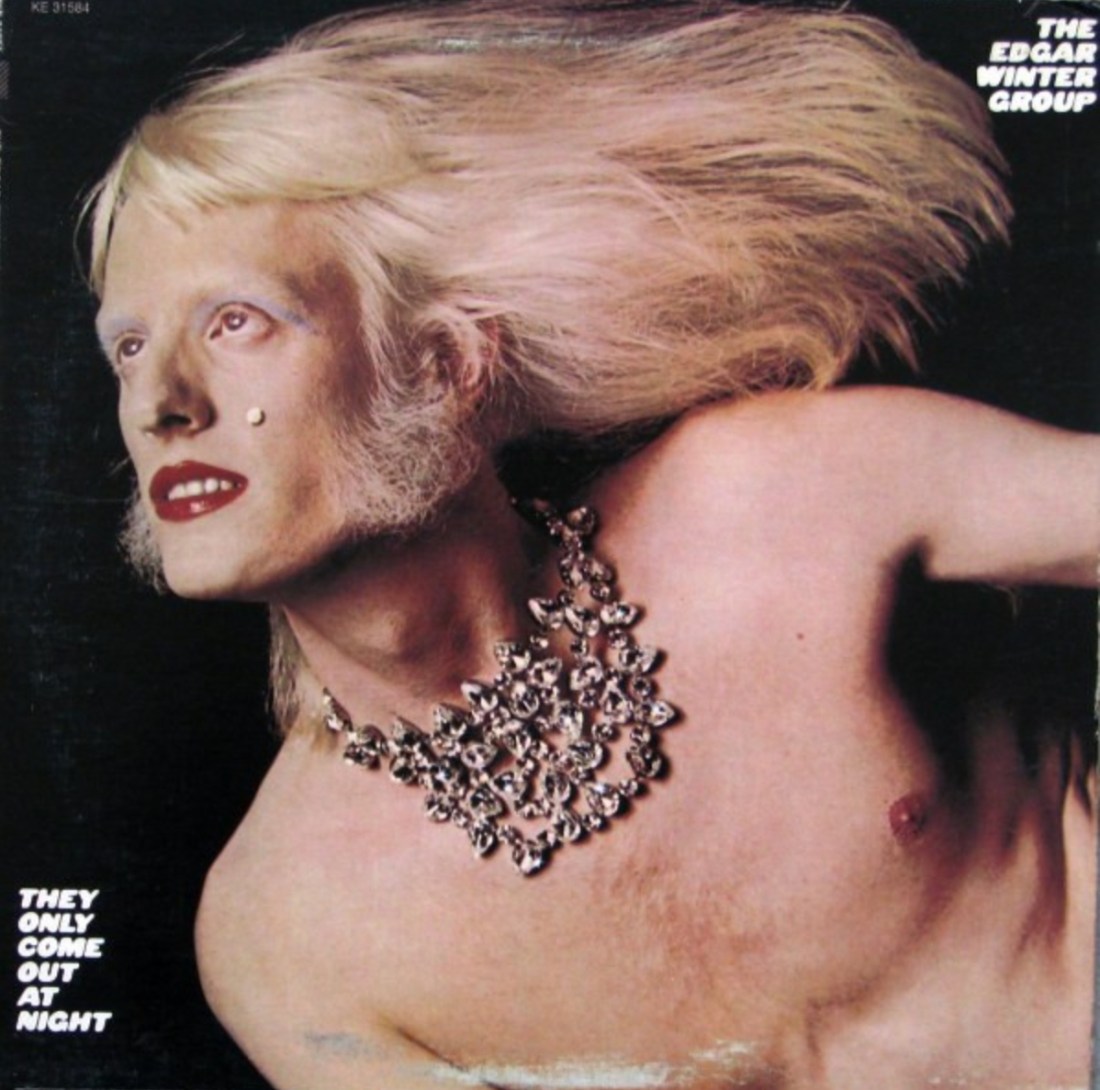
Now, to my favourite music of last month. I was in a bit of a rut in September, revisiting music I already love more than fresh listens. Yet, in my creative morass, I still found some gems. Edgar Winter gets this month’s photo for catching me completely by surprise and putting Dan Hartman back on my radar.

  • Johnny Cash – At Folsom Prison (1968)
  • The Edgar Winter Group – They Only Come Out at Night (1972) (My favourite Spotify suggestion of the month. It’s only one record, but they definitely feel under-appreciated.)
  • Joe Jackson – Look Sharp! (1979) (A bit of a cheat, since I probably already knew three-quarters of the songs, but too good to leave off.)
  • The Beat – I Just Can’t Stop It (1980) (A non-stop party, and another band that deserves a revisit. Also, R.I.P. Ranking Roger.)
  • J.J. Cale – Shades (1981)
  • Warren Zevon – Sentimental Hygiene (1987)
  • Julian Cope – Saint Julian (1987) (I had completely forgotten Cope even existed, but tracks from this record deservedly received heavy play on CFNY when this came out.)
  • New Order – Republic (1993)
  • Alex Chilton – Set (1999) (Released everywhere but the U.S. as the much cooler named “Loose Shoes and Tight Pussy”. American Puritanism triumphs again.)
  • Phoenix – Alphabetical (2004)
  • Lo-Fang – Blue Film (2014) (I had been wondering why he only released one album, only to discover this morning that a new record just dropped after 8 years. Very excited to check it out.)
  • Young Fathers – Cocoa Sugar (2018)
  • Slow Pulp – Moveys (2020)
  • Stella Donnelly – Flood (2022)
  • Tim Hicks – Talk to Time (2022) (No idea why Spotify suggested this, but I’m glad they did. Solid Canadian country music, with a real sense of place. “Whiskey Does” knocked me out.)
  • Martin Courtney – Magic Sign (2022)
  • Kiwi jr. – Chopper (2022)
  • Santigold – Spirituals (2022)
  • The Wonder Years – The Hum Goes on Forever (2022)
  • Mura Masa – demon time (2022) (Includes possibly my favourite song of the year, “prada (i like it)”.)

Classic Songs of My Youth Revisited #23

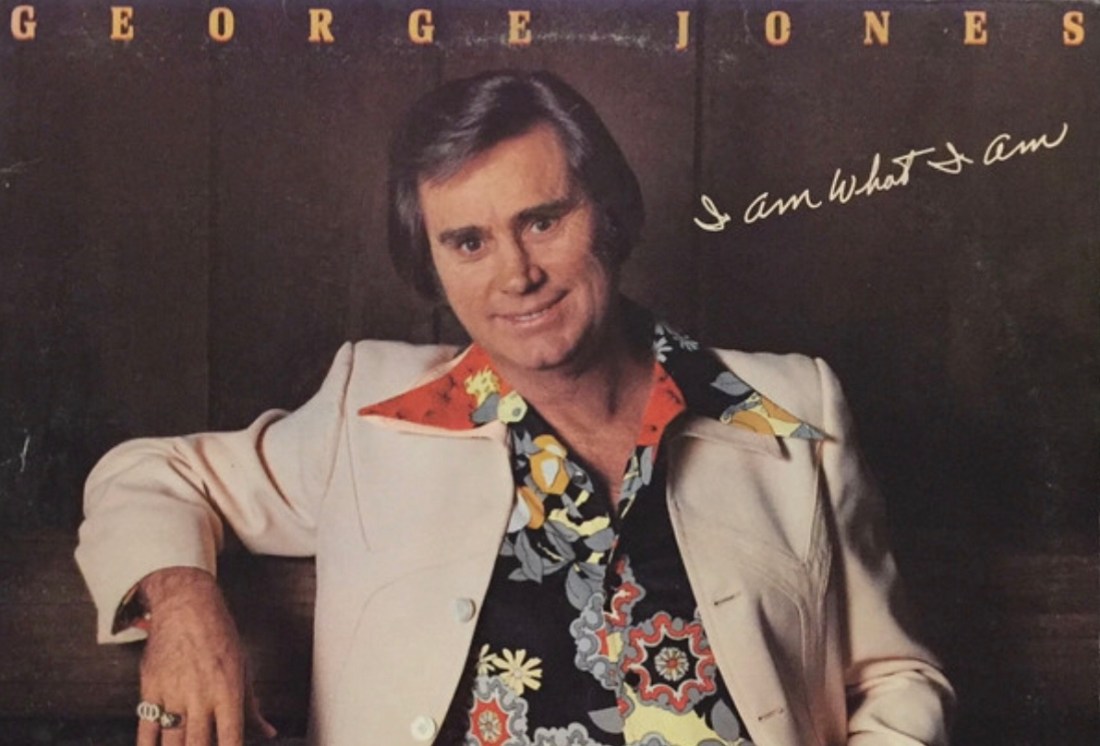
George Jones – He Stopped Loving Her Today

Every time I see a photo of Johnny Cash, I think of my father. For the longest time, I couldn’t figure out why. If I look at the right photo at the proper angle I can see a physical resemblance, but that isn’t it. No, I think of my father when I see Johnny Cash because of who Cash isn’t. It’s because he isn’t George Jones.

I grew up around country music because that’s what my parents mostly listened to. (My mother also played the shit out of Helen Reddy’s “I Am Woman”, and her album collection included such pop-folk wonders as Dan Hill’s “Longer Fuse”.) I know there was some Cash in there, because how else would I have heard it, and there was Merle Haggard and Don Williams (I think that was my mother’s pick) and the Statler Brothers and lots of others. And there must have been some Jones, because I knew “The Race is On” and “She Thinks I Still Care”, though the latter at least is a song that my dad also played.

I loved my father and I believe he loved me, in his own fashion, but I don’t think he liked me, and most of the time I didn’t much care for him either. We were just two very different people who could never find much common ground. We both loved hockey when I was younger, but that only took us so far (and still managed to be a source of conflict between us most of the time). Other than being someone I didn’t wish to emulate, I can’t say he played much of a role in who I became. (My mother is a very different story.) If he was still here, he’d probably agree with that statement, and be okay with me saying it – he likely wouldn’t want people thinking I was too much like him either.

In the early 2000s, I bought my father a Johnny Cash songbook for Christmas. He was underwhelmed, which is how I learned that George Jones was his favourite singer. (Merle Haggard was right up there, too.) Me being wrong about Cash and Jones’ places in my dad’s musical hierarchy is just another measure of the closeness of our relationship.

“He Stopped Loving Her today” (yes, this piece is still about a song, smartass – but thank you for sticking around this far into my therapy session) came out in April 1980, and I am absolutely certain that soon-to-be 16-year-old me did not have the song on his radar. By then, I had been fully emancipated from my parents’ musical tyranny, and likely had Billy Joel’s “Glass Houses” on repeat that spring and summer, along with Elvis Costello’s “Get Happy” and Pete Townshend’s “Empty Glass”. It wasn’t until sometime in the 1990s that I became aware of the song. The hows and whys don’t matter – it’s the discovery that counts. Because I am completely in agreement with those who rank it the greatest country song ever.

For a song about a life-altering love, there is a surprising amount of dark humour. The opening line – “He said I’ll love you ‘til I die” – immediately alerts you in its answer to the title that this is not a love song in its traditional form. There is also the mention a bit further on of “First time I’d seen him smile in years”, that rictus grin being a gift from death itself. Gently strummed guitar is paired with chill-inducing harmonica and slide guitar, leading into the operatic chorus. Jones’ vocal is impassioned and heartfelt: it’s a song that only a mature voice can do justice to, a voice that is a tiny bit shaky but still holding most of its former abundance.

After someone is gone, you don’t get do-overs, and I’ve never wanted one when it came to my father: I think we could have lived a thousand lifetimes together and never bridged the gap between us. In this case, biology is destiny. But I do wish I had embraced country music sooner: it would have at least given us something to talk about that (probably) wouldn’t have us butting heads in mere minutes. As for what happened after he was gone, a different version of us both may have found a way to bond over a song like George Strait’s “Give It Away” when my life was falling apart and I turned to music again and again for sustenance. That was something that he understood very well, and it makes me sad that we missed out on that opportunity: I think it would have done us both a world of good.

Pazz and Jop 1974 #3

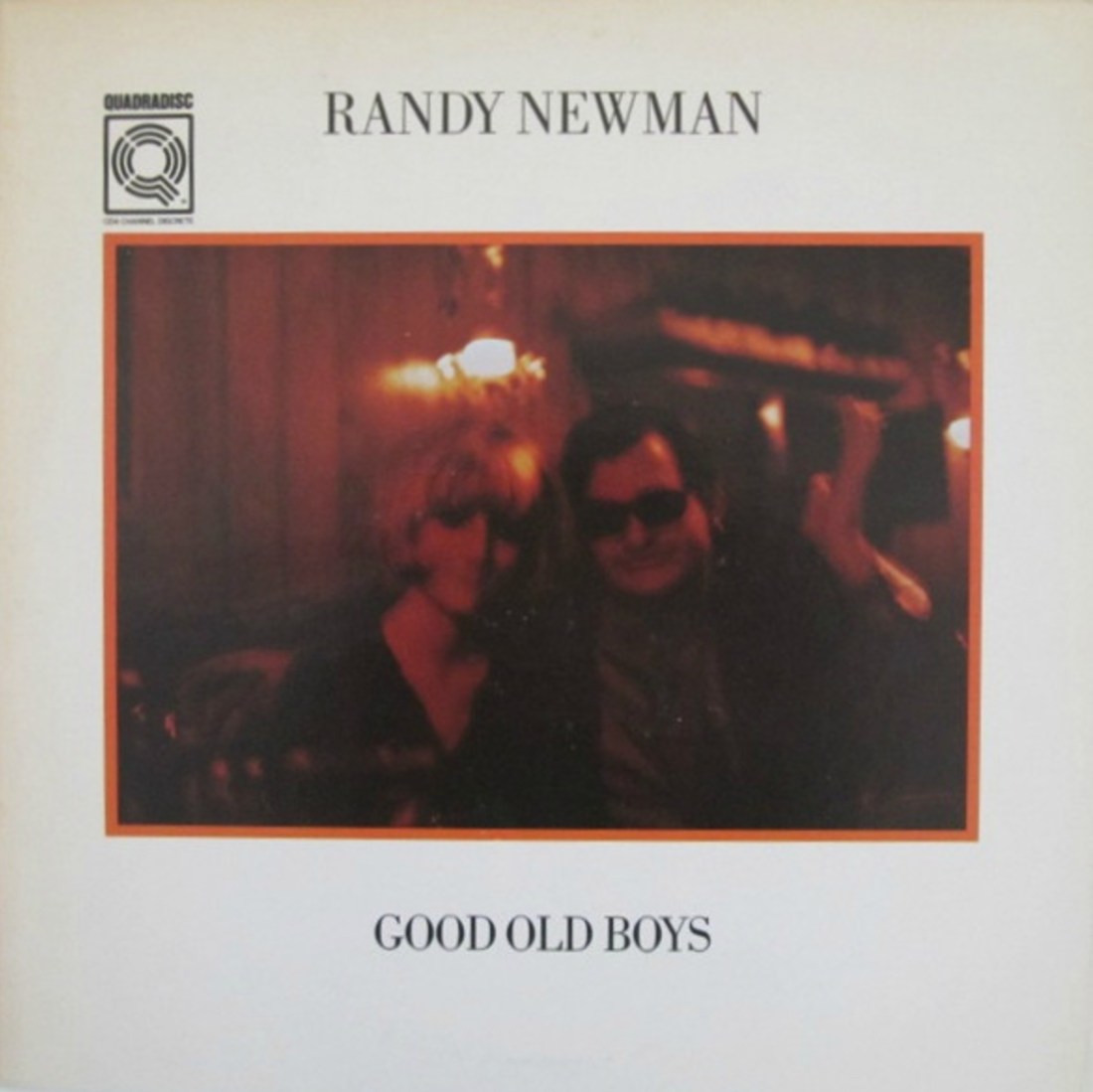
Randy Newman – Good Old Boys

There is nothing at stake here, so I can be brutally honest: this album is sort of boring.

There’s a difficulty at the heart of all of Randy Newman’s work: he writes (mostly) great songs that he then, unfor­tunately, chooses to perform himself, often with little more than his own piano-playing as an accompaniment. His observational lyrics (gently skewered by “Family Guy”) force you to pay attention, but rarely does the music part of the song do the same.

The early part of the album has a sluggish ragtime feel, as if each track should be playing over a sepia-toned title card in a black-and-white silent movie. It’s a fitting style, as much of the lyrical content deals with an ironic longing for the American south of the pre-civil rights era (with some pointed smartassery about northern hypocrisy), but ragtime itself has more variety than these tunes. There are odd moments of excitement that slip in – a country echo in “Birmingham”, the hint of a tropical feel in “Naked Man”, sneaky southern rock forays in bits of “Kingfish” and “Back on My Feet Again” – but these really just highlight the sameness of the rest. Even those clever lyrics become a problem: unless you already understand this going in, it can be challenging to get Newman’s point of view when almost everything is sung sarcastically.

The record is not without its moments. “Marie” is a delicate love song from an unworthy lover, and “Every Man A King” (co-written by Huey Long, the subject of “Kingfish”) is a snappy honkytonk ditty with a rich chorus from Eagles on a daycation. But in its entirety, the album left me with little compelling reason to listen to it again, since, unlike the very best music, I have no expectation of being surprised or brought to joy on any future play. Which is fine – there are lots of records that do that for me already.

Classic Songs of My Youth Revisited #22

Dan Hartman – I Can Dream About You

There are a LOT of jobs in the music business. The glamour spots, of course, involve being a successful solo performer or front person in a band. But every song ever recorded didn’t get that way without the involvement of writers, other musicians and singers, engineers, producers and/or a host of other players who don’t make the liner notes other than as special thank you’s to the artist’s significant other, massage therapist, dealer or life coach. Which means that a lot of people who are famous for a few minutes then seem to disappear are probably still very much involved in making music: they just aren’t famous for it anymore. Which brings us to Dan Hartman.

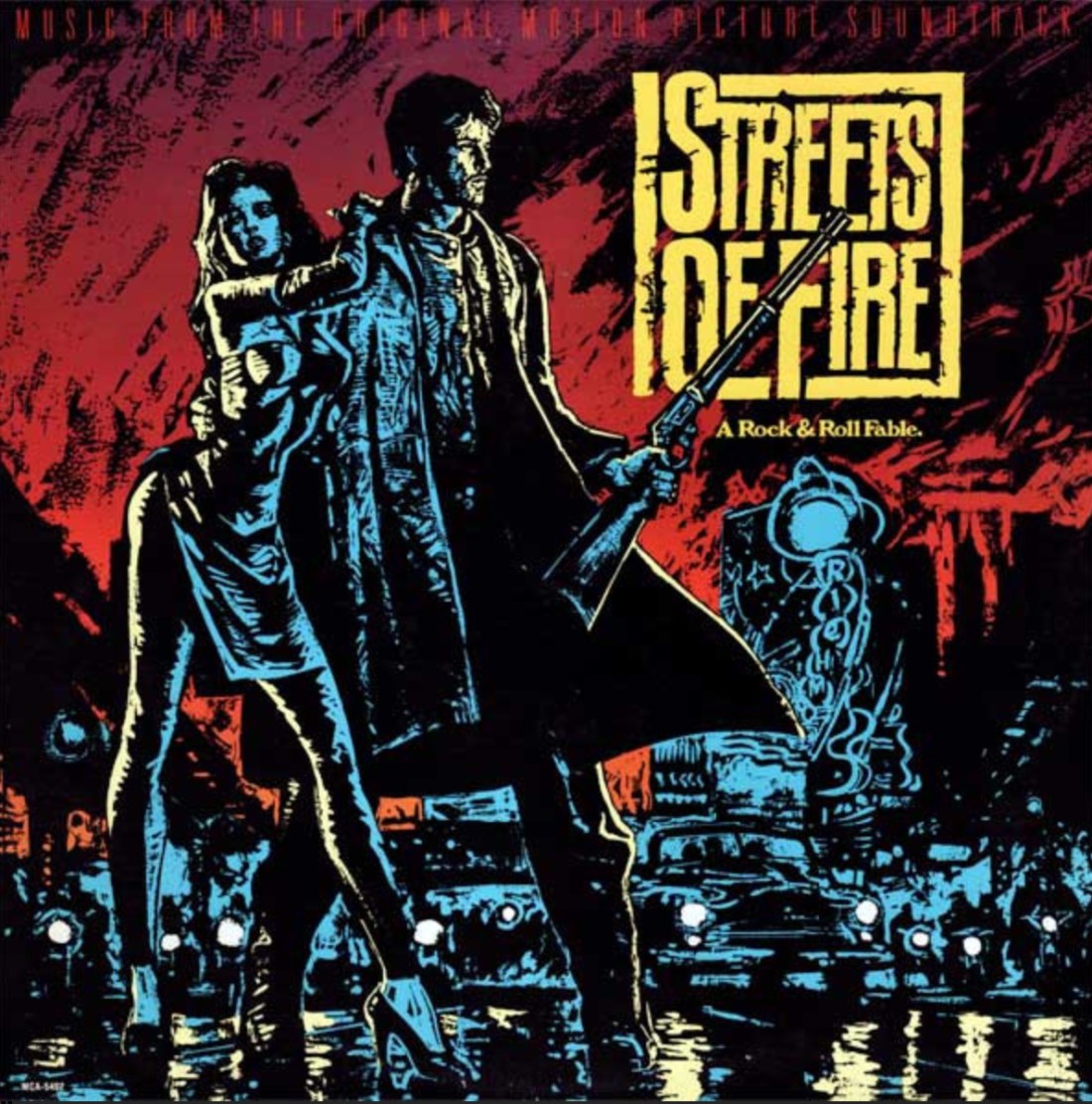
I have loved “I Can Dream About You” since I first heard it in 1984 in connection with the film “Streets of Fire”. I was not alone: it became a Top 10 hit, and has over 58 million steams – presumably mostly from nostalgic boomers like myself – on Spotify. But there are some odd background notes about this song. For years I thought Hartman was Black, which he absolutely was not. I guess I never saw the video when the song was a hit, so when the movie showed up on television around a year later (shoutout to a young Willem Defoe as the villain, but I don’t remember much else about the film but this song and Diane Lane looking like, well, Diane Lane, and that was enough), what I saw was four Black guys performing it. Even that was a bit of a trick: the actor playing the lead singer was lip syncing to a recording by another guy who was not Dan Hartman. Ah, movie magic.

Despite loving the song, and being a total music trivia nerd, I never looked into Hartman to see what became of him post-fame. This morning, Spotify suggested I listen to The Edgar Winter Group’s 1973 album “They Only Come Out at Night”, which turned out to be a brilliant recommendation. I’m reading about who worked on the album, and there I see Dan Hartman’s name. As it turned out, he had a pretty impressive career as a performer, writer, engineer and producer. He wrote and sang “Free Ride” for the Winter band, and co-wrote (with the awesomely-named Charlie Midnight) James Brown’s “Living in America”. As an artist, he sandwiched the disco hit “Instant Replay” between his rock work with Winter and the synth soul of “I Can Dream About You”. He worked with a ton of notable artists (including Tina Turner, Steve Winwood and Joe Cocker) and died way, way too fucking young from AIDS in 1994.

It sets the beat off the top, with a funk-lite edge and some thumping drums, followed by a sort-of scuzzy synth bass and faux piano, then Hartman starts singing, sounding like he was dropped onto the stage in front of a mic, as surprised as the audience is to see him there, and just decided to go for it. In a flash, we’re into the chorus, with smooth soul backing vocals acting as a layered echo to Hartman’s lead, and then it just sort of repeats the same motifs for the next round, before the tone alters slightly through said backup singers at just under the two-minute mark. Then we’re back to the initial setup, before the obligatory guitar solo as Hartman keeps on dreaming over and over and over until it fades out.

I can’t really rationalize my love for this song. The lyrics are meh, and the music is pretty much unvaried from beginning to end. But something about it picks me up and makes me want to strut. If I could dance, I could totally see myself swirling around a club floor, the star of my own “Saturday Night Fever” knockoff. (Check out the movie for what I see in my head. The outfits are pretty terrific, too.) That’s the ineffable magic of great pop music. It doesn’t comply with a logical analysis – it’s all about how it makes you feel. “I Can Dream About You” makes me happy, and it’s been doing so for 38 years and counting. Nothing else really matters, right?

Favourite “New” Music – August 2022

Yep, still here. I just paid for another year of this domain name, so I’m not going away just yet. Like all hobbies, writing a blog sometimes has to take a back seat to other things in life that need to be prioritised, or just going through periods where you need to step away to refresh. My paying gig is 90% reading and writing or talking about the things I’ve read/written or will read/write, and there are many days when writing for another hour – even something I enjoy as much as doing this blog – is the last thing I want to do. But I am back to pontificate some more.

I’ve been listening to a lot of 1950s rock lately, thanks to a playlist (prepared by someone with Job-level commitment) compiling the almost 150 hours of music referred to in Bob Stanley’s fantastic book “Yeah! Yeah! Yeah! The Story of Pop Music from Bill Haley to Beyoncé”, so naturally there was a good chunk dedicated to the works of Elvis Presley. It didn’t just stick to the 1950s, so the journey passed through the godawful low of “Yoga is as Yoga Does”. Elvis’ career in the 1960s was a series of bad movies with soundtracks that would have been even worse but for The King’s splendid instrument. “Yoga is as Yoga Does” fits the mould, coming from a 1967 film called “Easy Come, Easy Go”. Bonus points if you know it: the song is so obscure that the biggest Elvis fan I know had never heard of it. That obscurity is well-deserved.

The movies don’t get a lot of attention in Baz Luhrmann’s film “Elvis”, which strikes me as a better creative choice than Presley made in appearing in them. The film is both an indelible portrait of what made Elvis great, and a reminder of how often he failed to honour his prodigious talents. It does a great job of showing the force of nature that Elvis was at his peak. Those powers never went away, even when Elvis misused or abused them, and his fans somehow kept that idealised image in their heads, so that when he lifted himself out of the muck and gave the world art again in something like the 1968 television special, there was always a parched desert of believers eagerly waiting to drink. His career was an endless series of failures to be great, yet the highs are so powerful and the hits so unforgettable that he remained great in spite of making bad choice after worse choice.

That the film works is thanks to star Austin Butler, a Disney/Nickelodeon kid now grown up and kicking ass. (Next up: picking up (not literally, I hope) Sting’s codpiece for “Dune”.) Playing such an icon is a tall order, but if you don’t buy Butler as Presley, you didn’t see the same movie I saw. The film is cheesy and campy – it is a Baz Luhrmann film, after all – and a lot of fun until it isn’t. Tom Hanks is sort of over the top as Colonel Tom Parker, and other than the young fellow playing Little Richard and the Butler lookalike playing the juvenile Elvis, I barely remember the rest of the cast. But Butler makes it worth your time.

• • •

And now, to my favourite listens of August 2022.

  • The Ronettes – Presenting the Fabulous Ronettes featuring Veronica (1964)
  • Fred Neil – Fred Neil (1966)
  • Muddy Waters – Electric Mud (1968) (Blues purists hate this album. It’s that lack of purity that I love.)
  • Fleetwood Mac – Mystery to Me (1973) (I was never much of a Mac fan, and definitely didn’t pay attention to the pre Nicks/Buckingham incarnations. This album comes from when Bob Welch was the dominant creative force, and the poppy brilliance that later gave the world “Ebony Eyes” and “Sentimental Lady” is on display, along with Christine McVie’s prodigious talents. So good, I played most of it back-to-back.)
  • AC/DC – Back in Black (1980)
  • The dB’s – Like This (1984)
  • Guns N’ Roses – Appetite for Destruction (1987) (These guys really were (are?) a significant cut above other hard rock bands of their time, weren’t they? (Of course, I had this same thought an hour later about “Back in Black” era AC/DC, so either (1) I’m an unaware hard rock fan or (2) I need to listen to more hard rock so I can actually develop a coherent opinion about this stuff before I make more such comments.))
  • Del the Funky Homosapien – I Wish My Brother George Was Here (1991) (Spotify claimed that my friends were listening to this. I must meet these “friends”.)
  • Kathy McCarty – Dead Dog’s Eyeball (1994)
  • The Jayhawks – Tomorrow the Green Grass (1995)
  • STRFKR – Vault Vol. 1 (2017)
  • Austin Jenckes – If You Grew Up Like I Did (2019)
  • Jeremy Ivey – Invisible Pictures (2022)
  • Flo Milli – You Still Here, Ho? (2022)
  • Maggie Rogers – Surrender (2022)
  • Megan Thee Stallion – Traumazine (2022)
  • Fireboy DML – Playboy (2022)
  • Horace Andy – Midnight Rocker (2022) (The search for reggae that I enjoy finds a place to land.)
  • Sun’s Signature – Sun’s Signature (2022) (If you’ve been missing Cocteau Twins, and assuming you’re a little less depressed now than you were from 1982 to 1996, this could be your new favourite band.)
  • Jeshi – Universal Credit (2022)

Classic Songs of My Youth Revisited #21A/B

John Travolta & Olivia Newton-John – Summer Nights/You’re the One that I Want

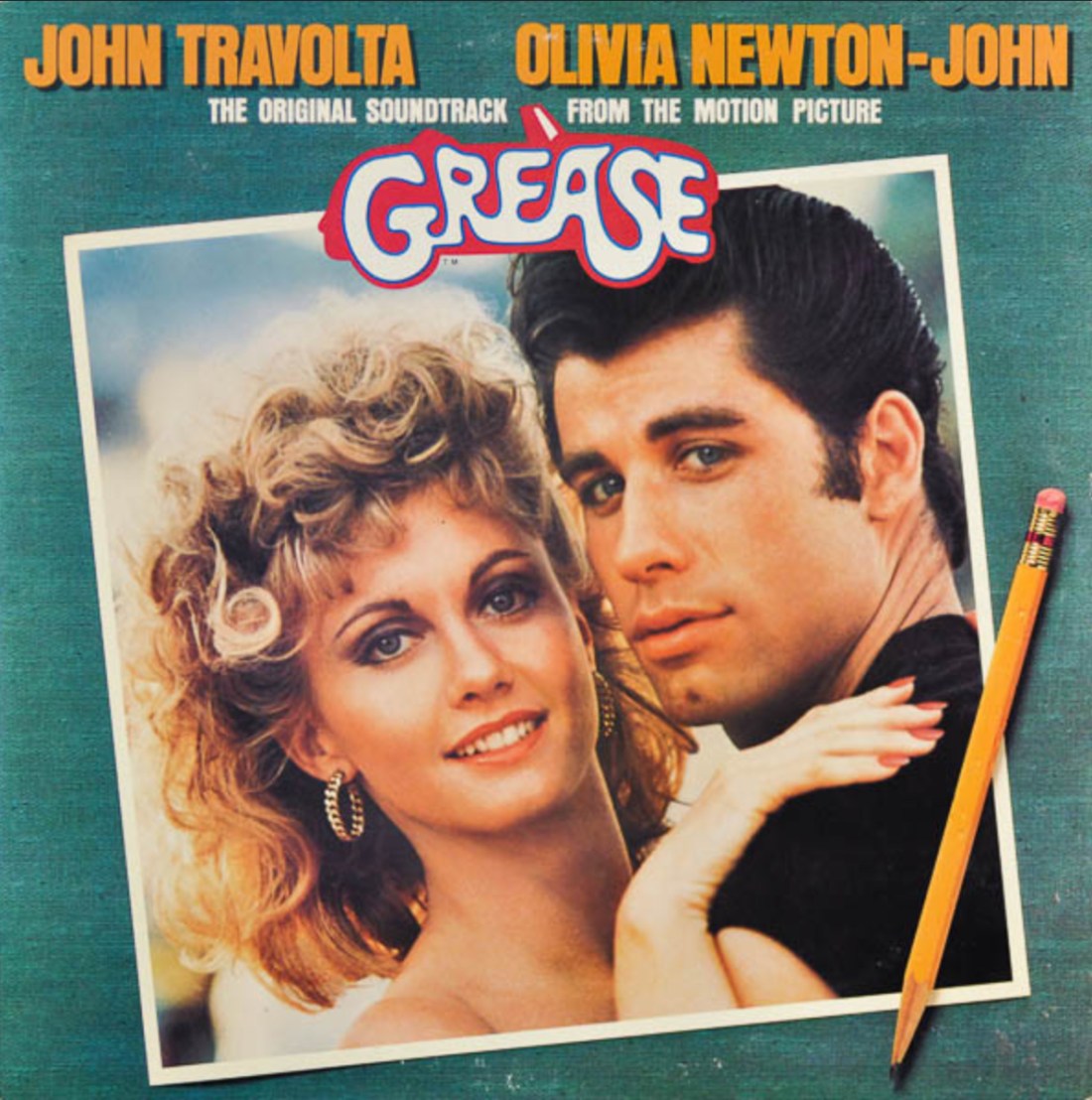
If you were a young boy – or girl, for that matter – who arrived on June 16, 1978 without having reached puberty, there’s a good chance your progress got a significant boost sometime that summer at the 1:41:38 mark of “Grease”. At that moment, after over 101 minutes of sexist jokes and bad acting but undeniably great music, Olivia Newton-John showed up all in black (save for those red shoes that angels so urgently desire) in a tight sweater and tighter pants (apparently, she did not simply slide into those pants but had to have them sewn onto her body), hair frizzed to its theoretical limits, and showed you the future, with all its potential delights and inevitable frustrations. And a glorious reveal it was.

If you had “Olivia Newton-John becomes a sex symbol” on your 1978 bingo card, you were very much in the minority. She was certainly pretty enough for the gig, but her music – all heartfelt ballads and country twang – did not fit the pop vixen model. The first 101 minutes of “Grease” hewed to this image: the last 10 did not. Let’s set aside for now the problematic suggestion that a girl needs to become a tart in order to win over the man she loves. Sure, he claims he is prepared to clean up his act so that he might be worthy of said love. But let us also not forget how quickly his makeover is abandoned when he sees that she has come over to the dark side.

The movie is pretty awful, and amazingly conservative for being so sex obsessed (or maybe it’s sex obsessed because it’s conservative – there was a great “Daily Show” joke in connection with Mark Sanford’s hike along the Appalachian Trail which noted that a lot of conservative men had liberal penises.) The women fare much better than the men, especially Stockard Channing as Rizzo and, to my surprise, Olivia’s often understated work as Sandy. (As an aside, we really didn’t need to wait until Olivia’s makeover – Dinah Manoff was just standing there, looking gorgeous and waiting to be noticed.) Her co-star, John Travolta, almost never stops mugging, and only his star power enables him to overcome this in quieter moments. But the music is the real star anyway, from rock ‘n’ roll classics to songs from the original stage production to new songs like “Hopelessly Devoted to You”.

“Summer Nights” and “You’re the One that I Want” are a matched pair, the former a contradictory account of young love, the latter coming after the lovers have travelled their journey into each other’s arms again. “Summer Nights”, which was taken from the stage show, is a traditional theatrical song, in that the music – with a lot of quietly picked bass notes and even quieter snare taps – is far less important than the lyrics, since it needs to help push the narrative along. Travolta’s thin singing voice works well with Olivia’s angelic tone, helping to highlight the distinction between their characters’ – in his case, fake – perspectives on events of their shared recent past. It is even shot in contrast, with the camera largely aimed up at Travolta and company, and more frequently at eye level – and thus more intimate – when the women are singing. The song has an updated 1960s’ girl group feel (if you ignore the boys’ guttural “well-a, well-a, well-a, huh” contribution), like the Brill Building hit that Goffin and King never got around to writing.

You’re the One that I Want”, written specifically for the movie, is more modern, and maybe sounds a bit too much like “We Go Together”, which follows it in the film. It doesn’t have to carry any narrative weight, so it can be a simple declaration of – well, what, exactly, is it declaring? Attraction and desire, for sure, but not really love. And the way it is staged in the movie is just weird AF. The T-Birds and Pink Ladies, the Greek chorus of the film to that point, are barely seen after the song’s first minute, but a bunch of unnamed backup dancers, including three creepy guys doing weird hand motions and a woman whose dancing style I would characterise as drunk duck, get ample screen time. Plus, the choreography towards the end of the song includes a way-ahead-of-its-time and completely-wackadoodle-for-its-tonal-incongruity country line dancing takeoff. Like I said, weird AF.

I loved “Grease” when I was 14: the following Halloween, my friend Kirk Boutilier and I were paired T-Birds, with me learning in the process – following several hours of repeated washing – that the greasers of the film’s era were not using Johnson’s Baby Oil to achieve their look. But times change: Olivia is, sadly, now gone, as is Jeff Conaway, who played Kenickie, and Travolta has probably never mattered less to the culture in the 50 years that he has been in the public eye. Nostalgia can only take you so far, and the movie will make you squirm at certain points (such as one male character committing what we would now characterize as sexual assault but was then just boys being boys, though certainly not for the girls involved). But the music – boisterous, joyful – hasn’t faded. Nostalgia is best served on your stereo, not your screen, in this case.