Favourite ”New” Music – May 2022

I spent a chunk of May checking out music that came up in “Major Labels”, a fantastic book by Kelefa Sanneh that I was reading, and a few of them ended up on the list below. Sanneh does a sort of history of seven major genres: rock, R&B, country, punk, hip-hop, dance and pop. I say “sort of” because it takes a lot of pruning to survey such a topic in under 500 pages, but also because the book is as much about the author’s journey through the music he loves (and loathes) as the music itself. A writer after my own heart.

There’s a fantastic quote in the introduction that shapes much of what is to follow:

  • But even those of us who are nominally grown-ups may find that we never quite outgrow the sense that there is something profoundly good about the music we like, something profoundly bad about the music we don’t, and something profoundly wrong with everyone who doesn’t agree.

I’m on record as saying there is no such thing as bad music, and I stand by that. But I think Sanneh is spot on here. It makes sense that we would have difficulty understanding others’ tastes. What are these people hearing in Ariana Grande that I’m missing? Or why don’t they get how fantastic Fountains of Wayne were? We like what we like, and are confused that everyone else doesn’t hear what we hear. Sanneh tries to make sense of that dynamic. I highly recommend it to any music lover.

To my amazement, this month’s list (21 albums again – I just couldn’t bring myself to make that last cut) does not include the new Kendrick Lamar record, “Mr. Morale & the Big Steppers”. I expect I will listen to this multiple times over the year to come, and perhaps it will rise in my estimation. But after the majesty of “DAMN.”, I just wasn’t feeling this one after two plays. Which means that anyone paying attention to this list might get a chance to find something else new and exciting, which is why I do this every month anyway. Sorry, Kendrick. (He’ll be fine without me.)

  • Muddy Waters – At Newport 1960 (1960)
  • Alice Cooper – Billion Dollar Babies (1973) (I don’t understand why Vince doesn’t get more love as one of the giants of his era.)
  • Waylon Jennings – Honky Tonk Heroes (1973) (Probably my favourite lyric in a while, from “Black Rose”: “Well, the devil made me do it the first time / The second time I done it on my own”.)
  • Cristina – Sleep It Off (1984) (An amazing dance-pop record from one of the earliest arts world victims of COVID-19.)
  • Black Sheep – A Wolf in Sheep’s Clothing (1991)
  • Dr. Octagon – Dr. Octagonecologyst (1996)
  • The Darkness – Permission to Land (2003) (I totally slept on these guys when they had their brief moment as stars – there is much more to them than just “I Believe in a Thing Called Love”.)
  • Free Cake for Every Creature – Talking Quietly of Anything With You (2016)
  • The Obsessives – The Obsessives (2017)
  • She Drew the Gun – Revolution of Mind (2018) (Updated mid-60s psych pop with a danceable vibe.)
  • Sir Chloe – Party Favors (2020) (Bristling alt pop with a punkish flare and a keen sense of when to turn it up to 11.)
  • Miranda Lambert – Palomino (2022)
  • Sunflower Bean – Headful of Sugar (2022)
  • Let’s Eat Grandma – Two Ribbons (2022)
  • Arcade Fire – WE (2022) (Not understanding some of the negative press for this – sure, it’s no “The Suburbs”, but it’s hardly fair to expect that from anyone.)
  • Yard Act – The Overload (2022)
  • The Juliana Theory – Still the Same Kids Pt. 1 (2022)
  • Say Sue Me – The Last Thing Left (2022)
  • Phelimuncasi – Ama Gogela (2022)
  • Pastor Champion – I Just Want to Be a Good Man (2022) (Uncomplicated songs of faith, sung with conviction.)
  • Barrie – Barbara (2022)

Classic Songs of My Youth Revisited #17

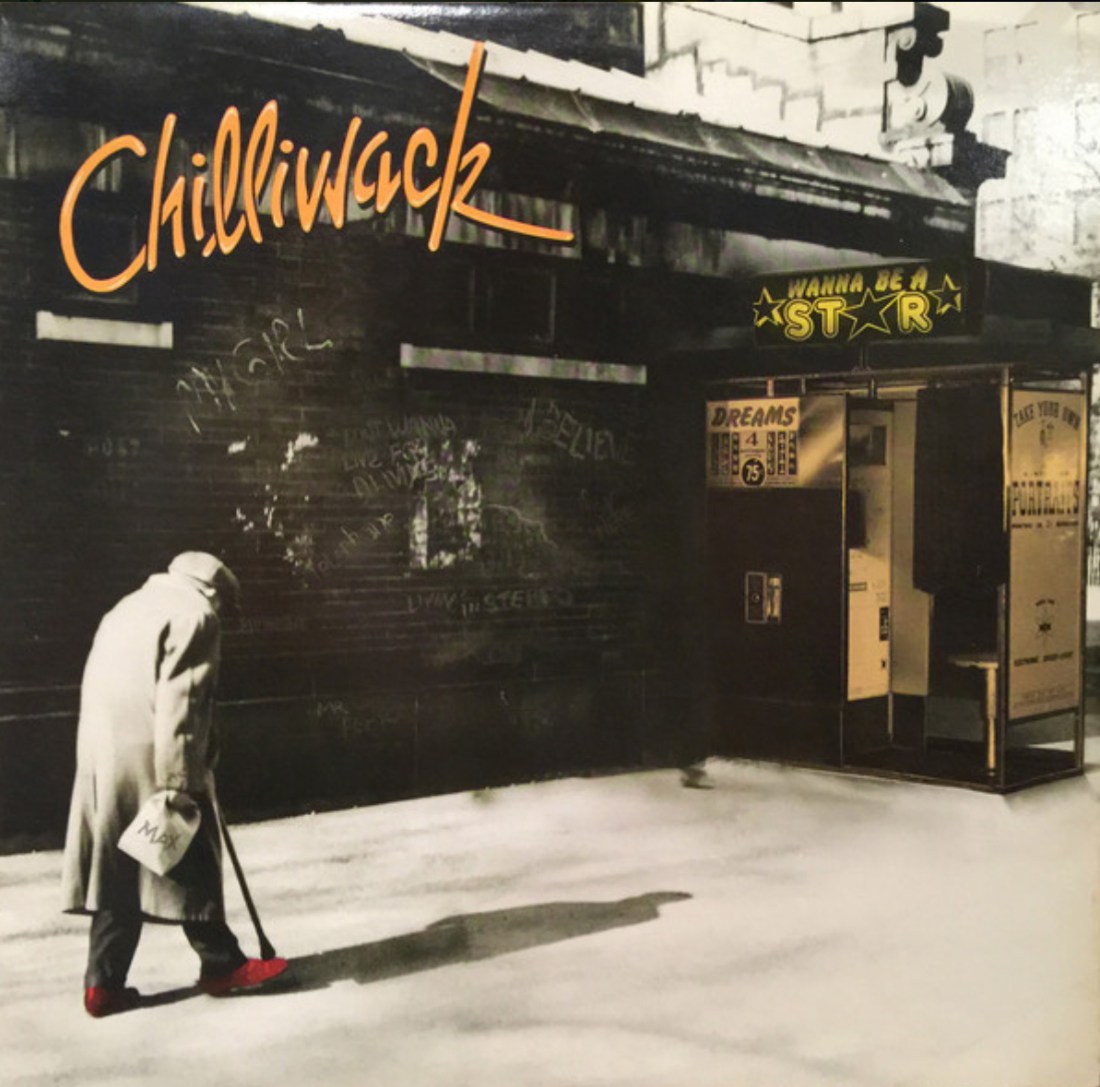
Chilliwack – My Girl (Gone, Gone, Gone)

I never much cared for Chilliwack, or most of the other Canadian groups that got lots of airplay, like Bachman-Turner Overdrive, Trooper and April Wine, when I was growing up in Cape Breton in the 1970s. (Rush was the notable exception.) Their songs were fine, but that’s a pretty mealy-mouthed bit of non-praise. I never bought any of their albums or singles, and only rarely recorded them off the radio for replay. I didn’t leave the room when they came on: I was simple apathetic about their existence.

I wonder if Canadian content rules hurt some artists creatively while helping them fiscally. It certainly gave lots of acts a boost, guaranteeing that more of them got on the air. But sometimes that protection granted an unearned spot that could have gone to a better, non-Canadian band. As an example, I coincidentally (because I would never play it on purpose) heard “California Girl” by Chilliwack while browsing in a Halifax thrift shop just two days ago. I hated this song in 1977, and I still think it sucks in 2022. My local rock station could’ve used that time on a whole bunch of classics that never made it to their airwaves: Television’s “Marquee Moon” on its own could’ve replaced two plays of “California Girl” (though radio stations everywhere were missing out on this particular masterpiece in 1977). On the flip side, if those MAPL protections are the reason for “My Girl (Gone, Gone, Gone)” coming along four years later, I guess it was worth it. I guess.

Nope, it was totally worth it, because “My Girl” still kicks ass 41 years later. As a measure of this, I bought the album it came from, “Wanna Be A Star”, and the one that came after it a year later out of pure continuing good will. I first heard the song in the basement of Jay Galpin’s house. Jay and I were in the same grade, but ran in different circles. (Well, Jay probably ran – I hung near the back and slunk in when I saw a gap.) I briefly dated his younger sister Jill, and one Saturday night, as Jill and I were hanging around in their basement listening to music, Jay came in, barely acknowledged our presence, and commandeered the stereo. He played two songs – “Destroyer” by The Kinks and “My Girl” – then fucked off without another word. It was pretty gangster, in retrospect, and I had heard two amazing new songs.

“Destroyer”, which I hadn’t listened to in years, is still fantastic, but we’re here to talk about “My Girl”. There’s a real ‘50s doo wop feel right out of the gate, like a bunch of guys standing in a tunnel over a trash can fire or scattered around a high school washroom, snapping their fingers to set the beat for the echoey “gone, gone, gone” intro. It’s a song that was made for singing along to. It quickly turns into a modern pop song, with a really solid toe-tapping backbeat, but never loses that air of nostalgia, including a nice Beach Boys-esque “woo ooo” just before the 1:00 mark. The obligatory guitar solo is pleasant enough, and they get it out of the way early, so you haven’t lost interest by the time the chorus kicks back in at 2:13, upping the drama with just the tiniest uptick in tempo. Then, right when they should be winding down, the energy kicks up just before 3:00, and it becomes a balls out race to the fade out.

One thing that makes it great is the interplay between the lead and backing vocals. And while it hasn’t been covered widely, all three versions that made an impression on me were completely faithful to the original, while taking advantage of that dynamic. The Stanford Mendicants, the Treblemakers of this particular tale, though hopefully less dickish than Bumper, do a classic a capella take, and Bailey Pelkman has a gals only countrified version that feels like this is a song The Andrews Sisters and their ilk could’ve knocked out of the park. But the version that really reveals the song’s strength comes from a dedicated ‘80s covers act, The B.A. Baracus Band, who hit it with their unique blend of acoustic guitar, djembe and kazoos (the singer is no match for Bill Henderson – he’s game as fuck though, so major props to him). Pity the fool who doesn’t appreciate the effort.

This was Chilliwack’s biggest hit by far, though “I Believe” from the same album also did well. Amazingly, “Fly at Night”, a Canada-only hit from 1976, is more popular than “My Girl” on Spotify, and I don’t understand that at all. In 1982, they tried to recapture the magic with “Whatcha Gonna Do?”, and it sort of worked, but it was no “My Girl” and had nowhere near the success. By the next year, they were a band in name only. But they left us one perfect 4:14 record of their time on our airwaves.

Not the Pazz and Jop 1973 #19

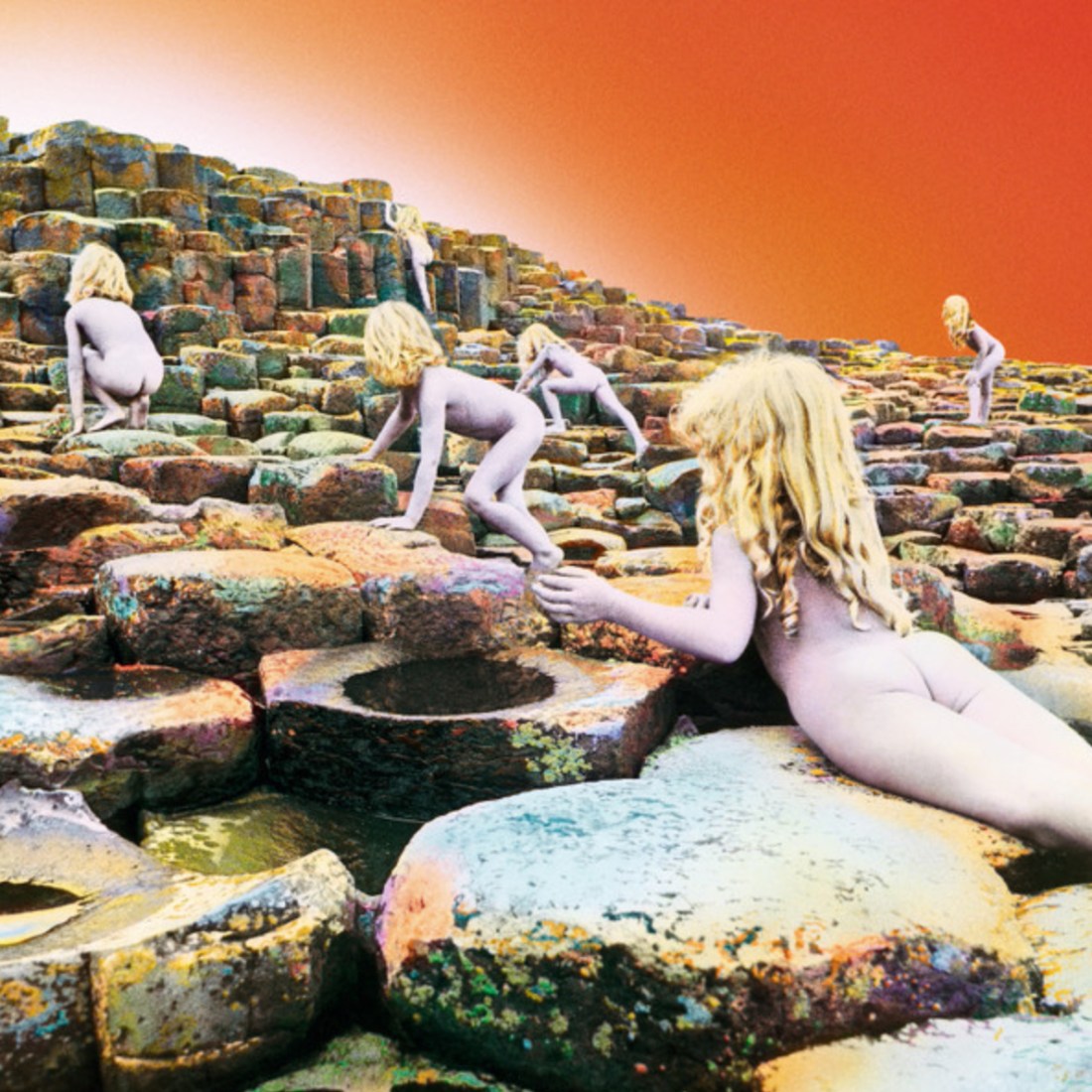
Led Zeppelin – Houses of the Holy

What kind of band, exactly, was Led Zeppelin?

To call them heavy metal, as many have, doesn’t meet my personal smell test for the genre. Blues rock is a better fit, and their acknowledged debt to Muddy Waters led me to listen to two of his albums, so that I am now unreservedly in love with his sound. They are certainly hard rock, but I’ve also seen them classed as folk rock, and I can hear that, too, in some songs.

They might also be the coolest progressive rock band in the world – read the lyrics to “Stairway to Heaven” and then try to convince me there isn’t a prog-rock masterpiece lurking somewhere in there. Some of the songs on this record – mainly “No Quarter”, with a surreal opening and acid guitar, plus the space-aged guitar, twinking keys and helium vocal of “The Song Remains the Same” – also have that feel.

But has anyone ever called them a dance band?

I loved Led Zeppelin in my teens, but not the way a lot of young guys did. I was familiar with the band’s history, of course, but that lumbering dinosaur sound of the songs I had been initially exposed to did nothing for me. My love bloomed with the 1979 release of “In Through the Out Door”, which is very much the picture of a band stepping away from its past to try and evolve a new sound. Unfortunately, it ended there. A year later, drummer John Bonham was dead, and the remaining threesome dissolved the band rather than go on without him. The next stage in Led Zeppelin’s evolution became a giant “what if..?”.

“Houses of the Holy” seems to me to have been an early effort to change what they were doing, and while longtime fans were not taken with it in 1973 (nor did they much care for “In Through the Out Door” six years later), I love it in 2022. And, in places, it is crazy danceable.

Once the sweet acoustic opening of the third song, “Over the Hills and Far Away”, passes, it turns into a thumping, very bassy record that led me to write down “there’s a great dance tune buried in here”. They completely embrace this with a full-on James Brown knockoff on the next track, “The Crunge”. It’s followed by an amazing opening pop guitar hook in “Dancing Days” that, frankly, should have been the prelude to a massive hit single: that it was only a B side was a colossal misstep by their label. “D’yer Mak’er” also has a great hook, and the closer, “The Ocean”, while more of a straightforward rocker, still gets you moving. This album changed my perception of what Led Zeppelin was. Even “The Song Remains the Same”, while not danceable, will get your blood pumping a bit harder, so it sort of counts as cardio.

My two favourite tracks are very different. “The Rain Song” is melancholy, with gently strummed guitar, faux strings, and an overall orchestral effect that is well paired with Robert Plant’s heartfelt vocal. But it is topped by the reggae-lite “D’yer Mak’er”. With a great backbeat from Bonham, and a bit of a Del Shannon feel, it could have been an overwrought 1950s ballad sung by four White guys with crewcuts and wearing ties under their letterman cardigans. It is no surprise that the guy singing this ended up fronting The Honeydrippers a decade later.

We tend to be attracted to the type of music that we first fell in love with, and especially the things we loved when we were young. “Houses of the Holy” matches, more than any of their older records, what Led Zeppelin was to me when I was a teenager, so it had an unfair edge before I even hit play. Which is fine – I am happy to do the work it can take to properly appreciate a record, but it’s nice to have the artist make it easy for me sometimes, too.

Favourite “New” Music – April 2022

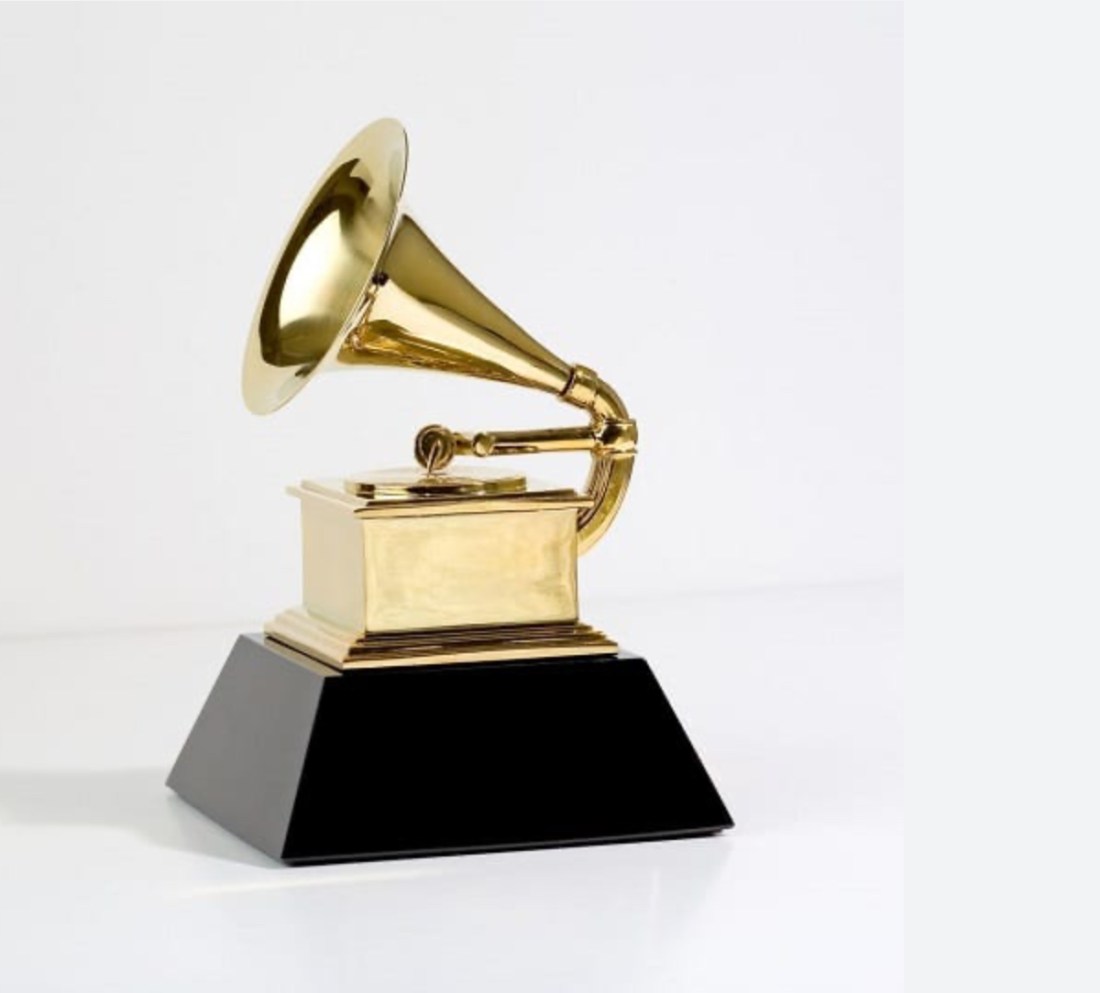
After the latest edition of the Grammys, a list was circulated on Twitter of artists who have never won the music industry’s most prestigious (for all that that’s worth) award. It’s an impressive group – Hendrix, Queen, Joplin, The Who, Buddy Holly and Diana Ross (that one shocked me) were all there. But the purpose of the list seemed to be more about pointing out that Kanye West has 22 of the little gramophones, and that their lack and his surfeit was a travesty. And that’s just some first-rate bullshit.

Let’s start with the premise that awards shows are aimed at honouring the “best” of a given year. Taking a glance at any list of critics’ favourites in any year and then comparing it to the major award winners for that year will quickly reveal the folly of such a belief. Sometimes, it takes time for a work of art to be appreciated properly: people were so incensed by what they heard that there was a riot after Stravinsky’s “The Rite of Spring” debuted in 1913 (no Grammy for Igor that year, though he already had a pair for “The Firebird” and, in a controversial win at the time,  “Petrushka”).

Awards are also a form of committee decision, and thus reflect a con­sensus, and sometimes a capitulation, and such a process tends to squeeze out greatness in favour of something pretty good that everyone can live with. It’s how A Taste of Honey beat out Elvis Costello and The Cars for the Best New Artist Grammy in 1979 (though good old commerce played a big part there, too). And, of course, that isn’t limited to music. It’s also how “Dances with Wolves” beat “Goodfellas “for best picture at the Oscars, and how Jim Parsons won four Emmys for “The Big Bang Theory” while it took Jon Hamm’s eighth and final try to get just one for “Mad Men”. Weird shit happens at award shows.

Another problem is that the list of unrewarded worthies included Journey. Look, I have screamed along with “Don’t Stop Believin'” just like everyone else. But if there was ever a year when something from Journey was the very best those 365 days had to offer in any category of endeavour, then that was one weak-ass year. (There is no such year.)

And Kanye is the guy they go after? If you don’t get that he’s a musical genius, one of the true masters of our era, then I can’t help you, but I also probably can’t take anything you say all that seriously unless your reason is that he just isn’t your thing, which I totally get: I don’t get all the love for Ariana Grande, and probably never will. Taste is personal. Any other rationale, though, is very much an old man yelling at kids to get off his lawn scenario. You can dislike Kanye – and I get that, his music isn’t always user friendly – but don’t try to turn that into him being overrated. And if you don’t like him, know that you are in my thoughts and prayers.

And, with that, I present my favourite “new” music of April 2022. There are 21 albums instead of my usual 20 because I just couldn’t make that last cut without re-listening to about half of these, and we’re already halfway to the next list, so screw it, I can change the rules whenever I want, right?

  • Dave Mason – Alone Together (1970)
  • The dB’s – Stands for Decibels (1981)
  • Talk Talk – Spirit of Eden (1988) (Probably best to listen to in a dark room with really good headphones.)
  • The Records – Smashes, Crashes and Near Misses (1988)
  • John Hiatt – Perfectly Good Guitar (1993) (This crowded out a really good record from Little Village, a supergroup that Hiatt was a part of.)
  • Lyle Lovett – The Road to Ensenada (1996)
  • Failure – Fantastic Planet (1996)
  • Sleater-Kinney – Dig Me Out (1997)
  • The Juliana Theory – Understand This Is A Dream (1999) (In retrospect, this should have permanently been in my CD player for most of the 2000s.)
  • Jimmy Eat World – Bleed American (2001 (This one, too.)
  • Depeche Mode – Delta Machine (2013)
  • Kelsy Karter – Missing Person (2020)
  • Mr Twin Sister – Al Munro Azul (2021)
  • Natalie Gelman – Moth to the Flame (2021)
  • Maren Morris – Humble Quest (2022)
  • Letting Up Despite Great Faults – IV (2022)
  • Wet Leg – Wet Leg (2022)
  • Guerilla Toss – Famously Alive (2022)
  • Mom Jeans. – Sweet Tooth (2022)
  • Tanika Charles – Papillon de Nuit: The Night Butterfly (2022)
  • Girlpool – Forgiveness (2022)

Cover Version Showdown #2

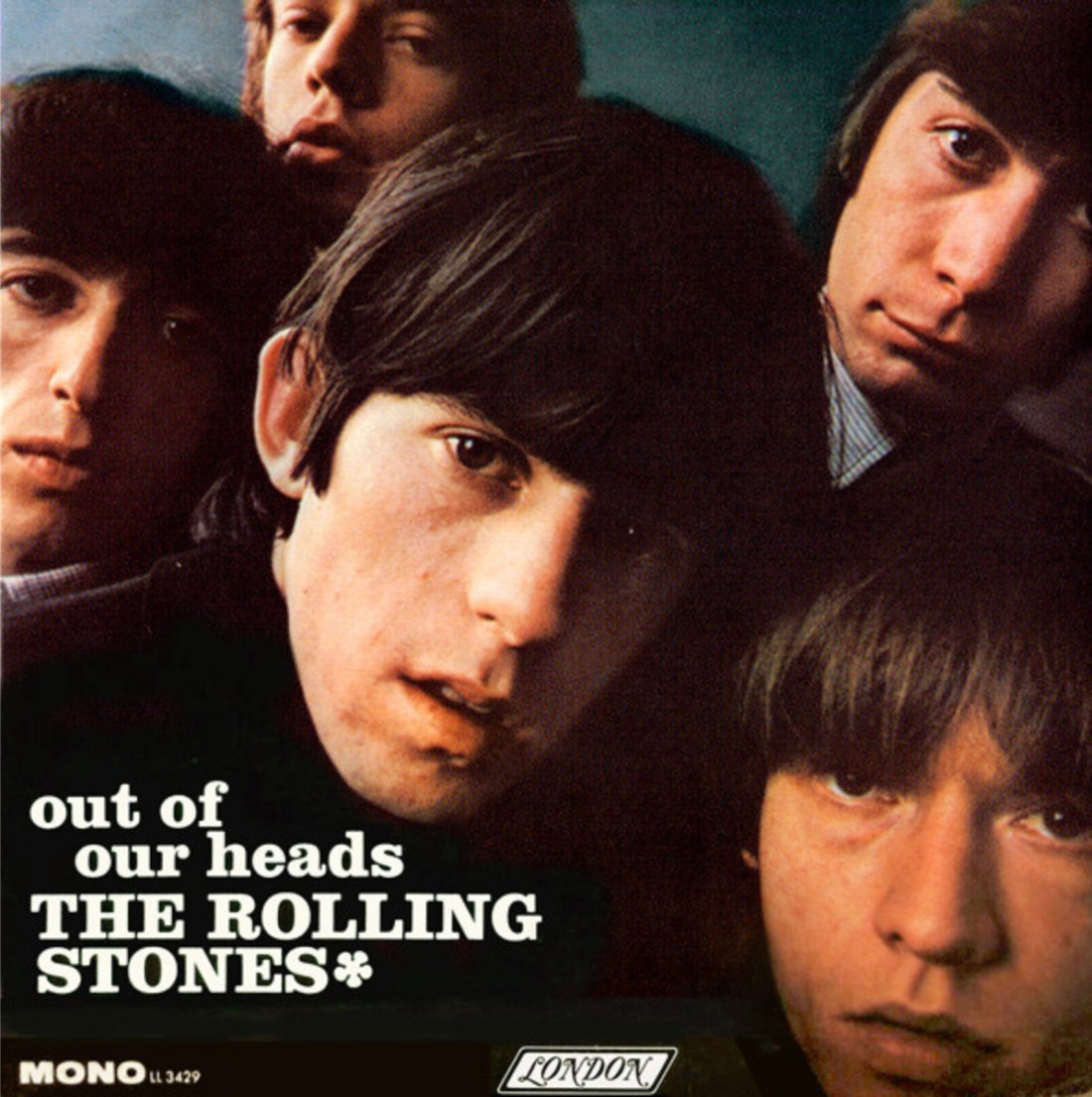
The Rolling Stones, “(I Can’t Get No) Satisfaction” – Devo vs Cat Power

My image of The Rolling Stones was formed by a comment I read comparing their appearance on “The Ed Sullivan Show” to The Beatles’ edition. This came at a point where I still loved the boys from Liverpool while the Stones were barely on my radar. The writer said that while the Beatles wanted to hold your hand, the Stones had something more adult in mind. This was a reference to “Let’s Spend the Night Together” – infamously rewritten to “let’s spend some time together” for the show – but the idea of a bunch of sex-hungry wild boys stuck in my head. Why I didn’t immediately beg my mother for money to buy their records is beyond my present-day comprehension.

I don’t know when I first heard “(I Can’t Get No) Satisfaction“, but it sure feels like it’s always been a part of my listening exper­ience. It is one of those songs that everyone seems to know the chorus to without actually having paid all that much attention to the verses. Count me among those until recently, although I did recognize that there was a lot more happening there than the title would suggest. It is, of course, about sexual frustration, but it is also about being frustrated with the world in general and its commercialism specifically. It’s also about fitting in, about wearing the right clothes and smoking the right cigarettes. It is both cynical and idealistic in that way that only the very young would even dare to try and pull off. And, yes, Mick, Keith and company were once very, very young. That is sometimes forgotten since they’ve been in our lives in one form or another for over 55 years.

It, of course, opens with that all-time Top 5 riff from Keith. Mick slides in, loose and carefree at first, calm on the I-can’t-get-no’s, then getting amped up. A lot of shit is bothering Mick, and he needs to tell us about it. As the verses roll along, he becomes more impassioned, but he never completely loses his cool, pulling back just in time. It’s like when Zuko and Kenickie get caught up in the moment and hug in “Grease”, then quickly act like they didn’t just show some genuine human emotion. And throughout it all, Keith and company roll along, the comb sliding through the greased-back hair of life (I’m stretching this metaphor to its absolute limits, I know).

Picking the contenders gave me a wealth of options. Should I pit the Queen of Soul Aretha Franklin against a fellow R&B master in Otis Redding, or, for the greatest mismatch since the 1992 U.S. basketball Dream Team decimated Angola, have her take on Page-3-girl-turned-pop-star Samantha Fox? What about Fox against fellow dance pop hottie Britney Spears? Or maybe borderline paedophile Jerry Lee Lewis matching up with mid-60s celebrity sons trio Dino (Martin), Desi (Arnez) and Billy (okay, they didn’t all have famous parents)? In the end, because I prefer covers that put a unique spin on the original, I went with quirk versus cool.

For the former we have Devo, an all-time quirk great. Their take on the song is a sort of robotic funk. If you have ever wondered (and let’s be honest here, we know you have), what a horny robot would sound like, well, I give you Devo. The vocal is something of a monotone, and at first it seemed to me that he never really gets worked up, because that is just how shit goes. Then I realized he is always worked up, with that slight rise on “satisfaction” suggesting it’s a bit of a fight to keep things together. The song has a rhythm that keeps you off balance, and the monotony of his voice and the song’s tone gradually wear you down. In the end, no one really feels satisfied.

Satisfaction seems besides the point in Cat Power’s dreamy guitar-only acoustic take: she doesn’t sing the chorus, so the key word never passes her lips. It’s a sultry and world weary take on the song, slowed down and sluggish, played late in a sweaty bar as last call approaches. You are forced to pay attention to those oft-overlooked verses, and, as if to hammer home the point, the last verse is sung twice, slightly modified, and then ends in the middle. There is no catharsis, and the song just drifts off.

The Winner: Cat Power

The Devo version is fun, but Power’s take has more of a pull than even the original, because you never get that jolt from the chorus. There is no satisfaction, but it’s pretty clear Devo isn’t satisfied either. Devo’s reads as resignation, while Power’s is a more adult acceptance, and maybe more about someone who has control over the situation, as well as a clearer understanding of why things are the way they are, and thus maybe a better chance of fixing them. More importantly, of course, is that I think her piano bar version opens the song up, shows new tones and levels, while Devo’s, while an absolute reinvention, doesn’t really tell you anything new about the song, only about the performer. That Power somehow does both puts her in the winner’s circle this time around.

Classic Songs of My Youth Revisited #16

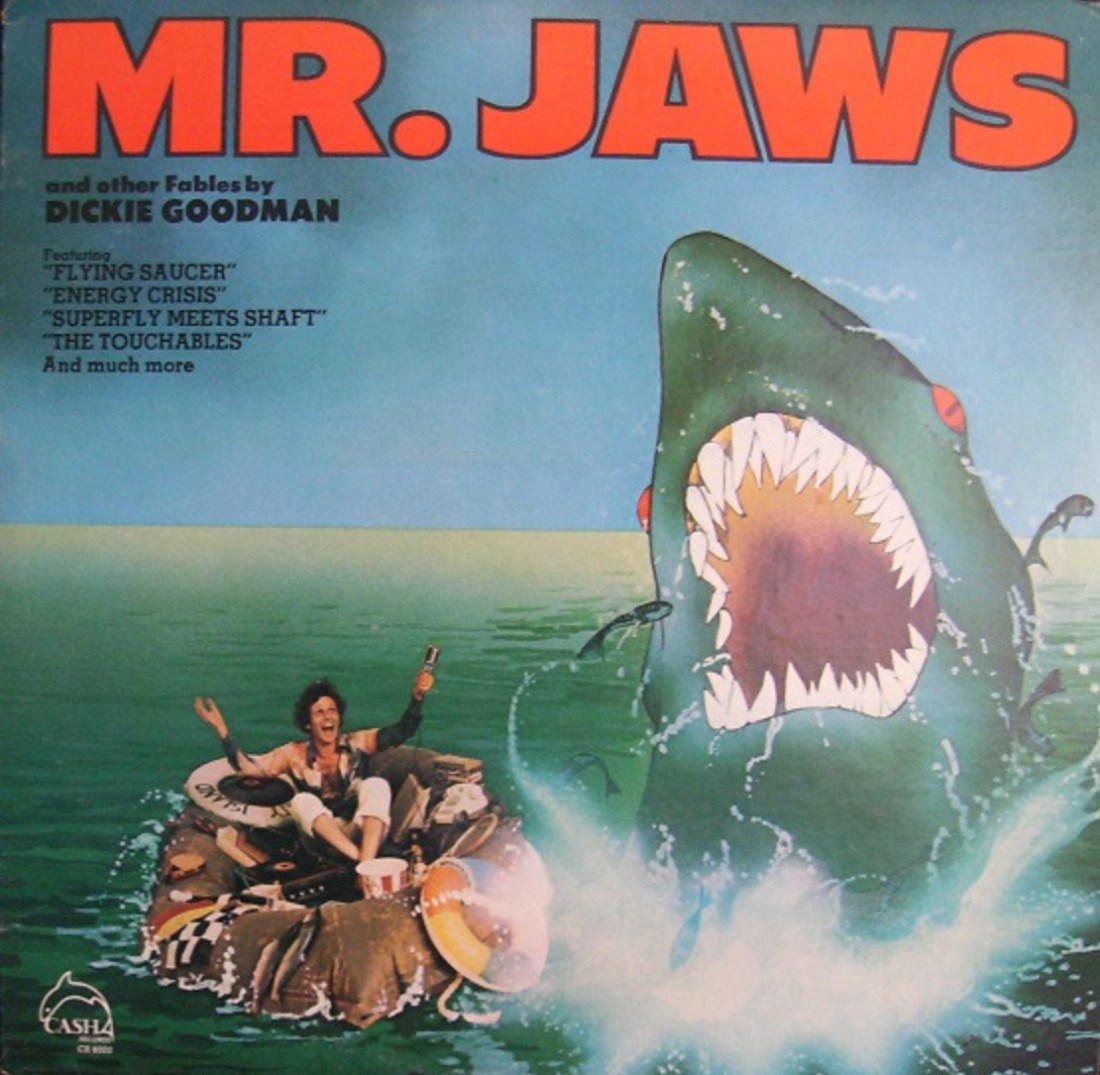
Dickie Goodman – Mr. Jaws

I don’t know if any young people will read this, but I’m here to perform a service for them if they do. The next time someone of your parents’ or grandparents’ generation makes a snotty comment about the music you love – and they will – I want you to play “Mr. Jaws” for them, and leave the room. It’s the ultimate mic drop.

Now, when I was 11 years old, I loved “Mr. Jaws”. But I had a good excuse: I was 11. Who else was listening to this and thinking they wanted more? An army of 11-year-olds couldn’t have pushed a song to number 4 on Billboard and number 1 on Cash Box. (We didn’t do much better in Canada – it reached number 13 on RPM’s chart.) Who were those people who called into radio station request lines and picked this over, say, Neil Sedaka’s magnificent “Bad Blood”, which knocked it from the top of Cash Box’s chart? Or who went to the local record store and put down $1.29 for this rather than one of the great songs that “Mr. Jaws” uses clips from, like “Jive Talkin’” or “Why Can’t We Be Friends?”, or pretty much anything else in the store? Why?

If you don’t remember, we were all a bit nuts over sharks in 1975. “Jaws” was the first real movie blockbuster, dominating the culture that summer, and it definitely had a lot of us looking at the ocean differently. I didn’t even see it until it came to our local drive-in in the summer of 1976, but just knowing it existed – knowing that sharks ATE PEOPLE! – made me wary of the ocean, and I can’t say that’s ever really changed (I feel a bit anxious just remembering it now). But “Mr. Jaws”? Shouldn’t there be a limit to fanaticism? Imagine if something similar were done in our era for Harry Potter or The Avengers. Would we even notice, let alone stream it? Once, maybe, out of curiosity, but we might also skip it after the first few seconds. That may say more about our attention spans than the quality of the track, but even if streaming didn’t exist, we sure as hell wouldn’t get in our cars and trek down to Sam the Record Man (R.I.P.) for the latest parody record.

None of this is to disrespect Goodman. His “break-in” style of sampling was ahead of its time, and he made a nice career out of it, charting tracks (it feels wrong to call them songs) for over 20 years. He didn’t really make any money from it, since, as hip hop artists were to later learn, creators don’t much like it when other people repurpose their stuff. According to his children, financial problems were likely a factor when Goodman killed himself at 55.

As campy as it is, “Mr. Jaws” still has a few good bits. My favourite is when Goodman asks the shark why nothing seems to hurt him, and he responds with the whispered “Big boys don’t cry” from 10cc’s “I’m Not in Love”, which is pretty brilliant.

And here’s a confession. I was so in thrall of what Goodman was doing that when he took a shot at “Star Wars” two years later, I decided to do the same. The ambition is mind-numbing to consider: my record collection was a bunch of K-tel compilations and maybe two dozen 45s, and my recording device was a small tape recorder. I would record my question, position the microphone next to my stereo speakers, start the song and wait to hit the “record” button right before the lyric I wanted came on. If I was too early or too late, I’d rewind and try again. The man hours that went into that thing – which got close to 10 minutes long as I recall – is astonishing. The lesson from this: never underestimate the power of a nerd on a mission. Which is maybe something you could say about Goodman, too.

Not the Pazz and Jop 1973 #18

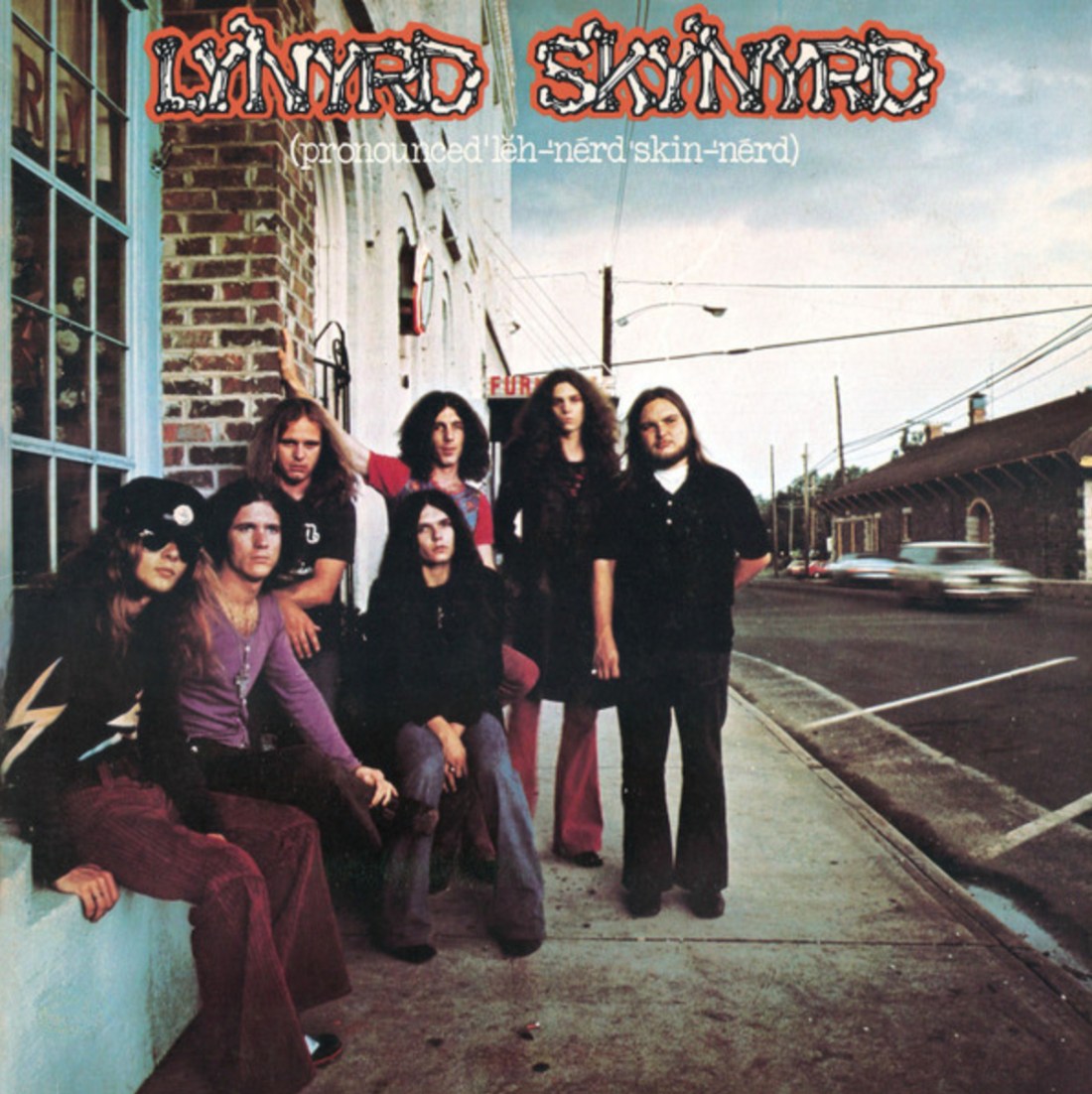
Lynyrd Skynyrd – (Pronounced ‘Leh-‘Nérd ‘Skin-‘Nérd)

Let’s start with a confession: I don’t really care all that much for “Sweet Home Alabama”. Sure, I’ve sung along to it in bars, got hopped up when it accompanied a great scene in a movie, and turned it up a bit louder when it came on while I was driving. On the other hand, I have also sung along with “My Humps”, got teary-eyed to “My Heart Will Go On”, and have at least once played “Friday” not as a hate listen, but out of some sort of perverted joy. The takeaway? My opinions can’t always be trusted, and my behaviours even less so.

But something about this song has always sat wrong with me. And because of that, it polluted my view of southern rock.

First, what exactly is southern rock? It’s a descendant of blues and country, but you can say that about outlaw country and cowpunk and maybe heartland rock a bit as well. It seems like it’s a style that you just know when you hear it, though people get that wrong, too – just because Elvin Bishop played southern rock didn’t mean that “Fooled Around and Fell in Love” was, too, especially when it’s a song that you just know Daryl Hall would have absolutely crushed (and I’m saddened that he appears to have never even tried), and Daryl may be many things, but southern is not one of them.

So, because I didn’t like “Sweet Home Alabama”, I would hear its echoes in other songs, and pull back. It’s no tragedy: there is a lot of music out there, and you need to filter it somehow. It’s a dumb way to do it, especially since I was perfectly fine with listening to one Nickelback song after another at one point in my life (I’d rather not talk about it), but it was all I had.

Now, here I am, closer to 60 than I care to think about, and I am finding myself enjoying southern rock. The Allman Brothers’ “Eat A Peach” was a revelation, and now I can add this Lynyrd Skynyrd album to the list of southern rock that I love (total: two albums).

From the opening drums that draw you in on “I Ain’t the One” to the howling guitars that play you out on “Free Bird”, there isn’t a song on this album that doesn’t justify the time spent in listening to it. It’s a record that grabbed me on the first play, and gets richer and more interesting with each repeat. The blues influences are more prevalent than anything that could pass as country at that time (“Gimme Three Steps”, a bouncy tale of cowardice in a bar that steers into cliche but knowingly and with a sense of fun, comes closest). The playing is selectively showy: the keyboard player has some nice moments and those guitars rule the second half of “Free Bird” and in a few other places as well. And while it’s all rock, it tests different waters, from the more conventionally bluesy sounding “Mississippi Kid” to the hillbilly honkytonk of “Things Goin’ On” to the beautiful prog rock-esque “Simple Man”.

In addition to ”Simple Man”, two other songs stand out for me. I have heard “Free Bird” dozens of times without paying it the least bit of attention before now. The opening keyboards and steady, clean drumming are the definition of “spine tingling”, then are joined by cool guitar. It invokes the freedom of a wandering spirit, but it’s also a love song, with a hint of regret in that declaration, and sadness (“If I leave here tomorrow, Would you still remember me?”). It then turns into a completely different song around the midpoint, only tangentially connected to the beginning. It becomes a showcase for some blistering guitar work and pounding drums. The song races along the open road – propulsive, maddening – ripping you apart with an ending that celebrates that freedom the narrator was seeking: an exuberant roar of delight. Magnificent.

But my favourite might be (it’s close) the plaintive ballad of loss “Tuesday’s Gone”, which feels like a bridge between blues rock and southern rock. The song never feels repetitive, despite the 7-minute length and simple declarative lyrics. It’s a true epic, with an orchestral feel from the electronic strings, and some beautiful and very delicate piano just past the 3-minute mark. It will envelop you if you let it. It will likely be the first song I think of whenever I hear southern rock referred to in future.

I still don’t like “Sweet Home Alabama”, and I’m fine with that: as it turns out, you can love Lynyrd Skynyrd without liking their signature song. I might just have to give The Black Eyed Peas another chance (yeah, no way that’s happening).

Classic Songs of My Youth Revisited #15

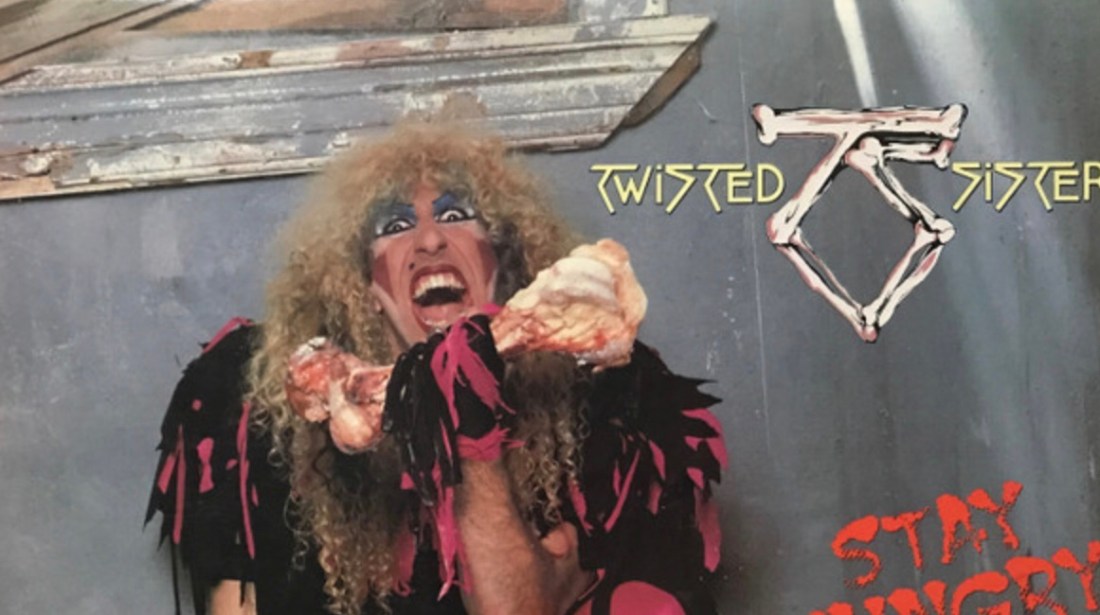
Twisted Sister – We’re Not Gonna Take It

I don’t listen to heavy metal very often, and those times that I do leave me confused about the genre. Classic so-called metal bands like Led Zeppelin seem more like blues rock to me, yet there they are, slotted in next to acts like Motorhead – which more match my expectations for the genre – and hair metal posers like Ratt. The stuff I think of as metal – with words like “speed”, “thrash” and “death” preceding it – has no real appeal to me as a listener.

And yet, my God, I get that appeal. While writing the above paragraph, I had my phone open to Wikipedia to look up subgenres and artists, which I then punched into Spotify for a listen. At this very second, “Prepare for Attack” by Havok is playing, and my heart is racing. I want to run out into the street and punch something, or at least just run and run and run until I fall down exhausted. Now Havok’s “Point of No Return” is on, and I feel slightly different, but still brimming with energy. Crazy evidence of how music can affect us – even music that we don’t much like.

The heavier stuff that I have liked over my listening lifetime falls more on the hard rock side than metal. Bands like Def Leppard (those guys were great – very melodic tunes that still kicked ass) and Guns N’ Roses, or alt metal bands like Faith No More (“Epic”), Korn (“Falling Away from Me”) and Linkin Park (“In the End”) were what I’d play when I wanted some­thing loud. These days, it will be the Sex Pistols first, then Nirvana.

Glam metal bands were always a joke to me, with their fake tough guy act (five minutes of watching Sebastian Stan play Tommy Lee will convince you of how much of a comic set piece Lee was, though it is possible he was at least in on the joke). So, why was Twisted Sister different? They definitely looked ridiculous. And they emerged into the wider public’s aware­ness just a few months after a more conventional-looking set of rockers, Quiet Riot, had hit the Top Ten with “Cum on Feel the Noize”. Why did I like Twisted Sister?

I think it’s because the band knew the whole thing was ridiculous and, rather than pretend otherwise, they steered into the skid. They wore outlandish costumes and cartoonish makeup, and made violently comic videos starring actor Mark Metcalf, whose prior claim to fame was as the villainous ROTC jagoff Douglas Neidermayer (who later met his demise in Vietnam at the hands of his own troops) in “National Lampoon’s Animal House”. They were a band that was obviously having fun, and fun is infectious.

Also, 1984 was a delightfully weird year in popular music, fueled at least in part by the explosion of music videos. Cyndi Lauper and her wrestling-related antics, Steve Perry’s cheeseball “Oh, Sherrie”, the over-the-top head-bobbing glory of Corey Hart’s “Sunglasses at Night”, Tracey Ullman with her secret sweetheart Sir Paul McCartney in “They Don’t Know”, the celebrity cameos in “Ghostbusters” because Ray Parker Jr. wouldn’t say the word (a guilty conscience, perhaps?), this nutbar appearance by Matthew Wilder on “Solid Gold”, Rockwell, The Romantics, Nena, and a duet from Willie Nelson and Julia Iglesias.  Prog rock gods Yes had a number one hit. I’m pretty sure that I had “We’re Not Gonna Take It” on a K-tel compilation that also included soap star Jack Wagner’s “All I Need”. WTF was in our water that year?

And what about the song itself? It starts with a straightforward drum intro, then frontman Dee Snider jumps in at the eight-second mark with the title. The song is a howl against the Reagan-era establishment, against other people – mainly older people, like parents and teachers – telling you how to live your life. It isn’t poetry or philosophy, and it is far from profound. It’s just rock ‘n’ roll, and that’s more than enough. 

One of the weird twists of modern life is that Trump-loving right wingers have somehow adopted this song as their anthem, which completely misses the point. When rich white guys think they’re the ones being oppressed, we’ve defi­nitely entered cuckooville. Snider is so not having this bullshit. It’s not about picking a political side: in the 1980s, he went toe-to-toe with Tipper Gore and the PMRC over censorship. Today, he gently takes down dim conservatives on Twitter, where he is a constant source of delight and one of my favourite music industry tweeters (along with Peter Frampton and Richard Marx). He continues to have a great sense of humour about his career.

Twisted Sister had one other lesser hit, then faded out of the limelight without ever really going away. Young people don’t seem to watch videos like we did in the ‘80s, so a band like this might not get the same chance to happen today, although maybe they’d just do the same thing but with Tiktok and a lot fewer shots of C-list actors getting thrown through windows. I’m sure Dee would find a way to make it work.

Not the Pazz and Jop 1973 #17

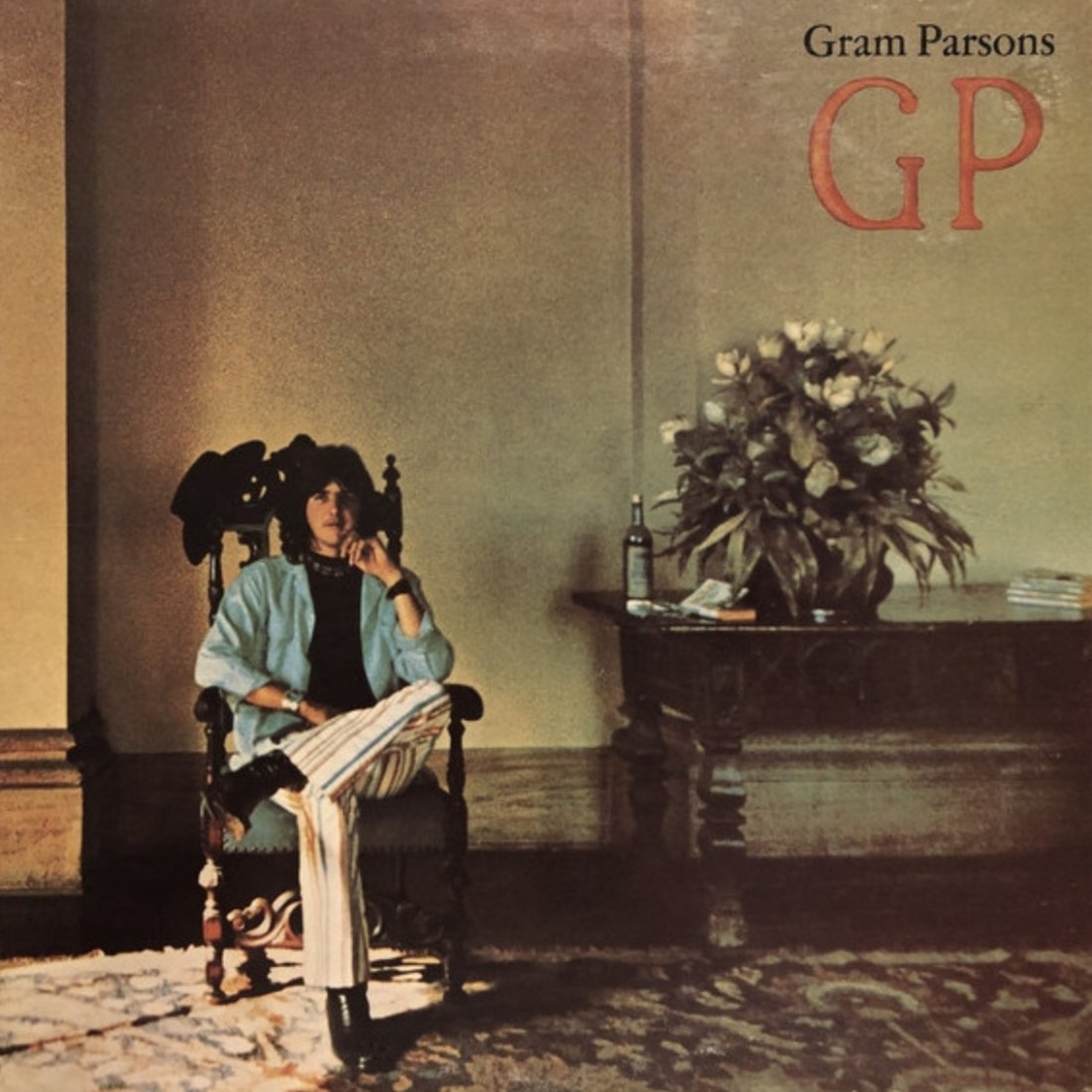
Gram Parsons – GP

When I think about Gram Parsons, what comes to mind first isn’t his music, or his early death that left him outside the 27 Club by less than two months. No, what is foremost is what came after, when his road manager Phil Kaufman and assistant Michael Martin stole his body from an airport, transported it in a borrowed hearse to Joshua Tree National Park and set it on fire, thereby fulfilling the deceased’s wish to be cremated there. It’s a great story, and not even close to the nuttiest thing Kaufman was ever involved in. For that, you need to dig into his relationship with Charles Manson and his role in getting a Manson album released at the height of his infamy. Kaufman, now 86, had moves.

But this is about Parsons the musician, and, damn, that is a wonderful thing to behold. Parsons was a country rocker – maybe even the first and best example of the type – and this record leans strongly to the country side of that formula, with frequent twangy vocals, heavy doses of fiddle and pedal steel guitar, and lots of songs about lost, forlorn or forbidden love.

The album is a blend of six originals, some co-written, and five covers. The covers are a nice mix, from a classic about losing his love to the city (“Streets of Baltimore”) to a George Jones deep cut (“That’s All It Took”). My favourite is his take on The J. Geils Band’s “Cry One More Time”, a slowed down rockabilly country tune that feels like a relic from the late 1950s that could have been a hit for Fats Domino. It’s probably the least mannered vocal on the record, and includes a nice guitar bridge around the midpoint. Finally, there’s a duet with Emmylou Harris – the answer to the musical question “Who are they talking about when they say someone has a voice like an angel?” – on the we-know-we-shouldn’t-but-screw-it-let’s-do-it of “We’ll Sweep Out the Ashes in the Morning”.

The originals include the languid south-of-the-border feel of “The New Soft Shoe” and “A Song for You”, the latter being the most heartfelt of a collection of fairly impassioned ballads. “She” offers up a sentimental idealized version of the American south, and a bit of slander of the Christ-loving central figure, who “wasn’t very pretty” but “sure could sing”. The highlights are the opener “Still Feeling Blue” and the closer “Big Mouth Blues”. The first blue song has a jaunty hepped-up bluegrass feel with the heart-crushing line “Every time I hear your name I want to die”, while the last is an upbeat rocker about urban malaise that would serve as a great encore tune, sending the audience out into the night in a good mood after all the sadness that preceded it.

Parsons didn’t make much of a dent on the culture during his lifetime, but left behind a half dozen records, including his work with The Byrds and Flying Burrito Brothers, that proved highly influential. His songs have been covered by Harris and such diverse artists as Elvis Costello, Lucinda Williams, Willie Nelson, Whiskeytown, Band of Horses and Yo La Tengo. “GP” straddles two worlds, and remains faithful to both rock and country. It’s a record I know I will keep listening to, and that’s as good a marker of greatness as I can imagine.

Favourite “New” Music – March 2022

In early March, my wife and I were discussing the latest Ed Sheeran plagiarism news, and, as is often the case during such chats, my position changed mid-conversation. Initially, I thought Ed might be the Robin Williams of pop music, absorbing ideas and influences until they became a part of him, only to later emerge from his subconscious without any actual knowledge of their origins. But I soon decided he had done nothing untoward, not even through inadvertence, and not just because the song he’s accused of stealing from completely sucks (you’ve been warned, so it’s on you if you click on the link).

A tremendous amount of music is released every year. I could find no authoritative source on this, but one conservative estimate put it at 100 new albums each week, so let’s use that. At approximately 45 minutes each, that would total 75 hours of new music. If you have around 11 hours each day to spare, you could get through it all with an attention level that would likely vary greatly.

Now the true number is probably much, much higher. Two years ago, Spotify was adding about 40,000 tracks each day, which at four minutes apiece, would come to almost 19,000 hours of content each week. This doesn’t include the hours and hours of un-Spotified content from places like Soundcloud and Bandcamp. And whatever the number for new recordings, there’s also the long history of music that came before today. At this writing, Spotify has over 5 million hours of music in total. That number is insane.

I love the TwinsthenewTrend guys, but when I first saw them I was puzzled by how they’d never before heard “In the Air Tonight“. But then I considered that they were two modern teens who maybe weren’t inclined to (at least initially) go looking for music that was twice as old as they were, and definitely would not be considered cool in their circle (unless it was a retro ”Miami Vice” crowd, which I would pay to see). Or consider Sam Smith, who claimed never to have heard Tom Petty’s “I Won’t Back Down” until its similarity to his “Stay With Me” was pointed out to him. (For what it’s worth, I don’t hear it – this is no “Got to Give It Up”/ “Blurred Lines” or Olivia Rodrigo/ half-the-music-business scenario.) Is it so unusual that Sam maybe didn’t grow up listening to a classic rock track that peaked at #28 in his home country three years before he was born? Is it a song we would expect a gay chubby musical theatre nerd to be hunting down for a listen? I don’t think so.

So, no, Ed didn’t steal the “oh I, oh I, oh I” part of “Shape of You” from a shitty song that has – even after all the recent attention – a mere 274,000 streams (around $1,000 in revenue) on Spotify. (For perspective, “Shape of You” tops 3 billion, or around $12 million in revenue.) The odds of him even having heard that song are astronomical. I’m sure Ed has better things to do than looking for shitty songs to plagiarise.

The point of this – other than slamming a song I don’t like (hey, Jethro Tull can’t carry the entire burden) – is to play my little part in cutting through some of that noise. Below are the “new” albums I enjoyed most over the month just ended. It was a great month – I cut several records that I genuinely loved (including, to my shock and delight, one from Alicia Keys) to make this of reasonable length. May you find something in there to love – and, if nothing else, I will have spared you the horror of “Oh Why”.

  • Sparks – A Woofer in Tweeter’s Clothing (1973)
  • T-Bone Burnett – Trap Door (1982)
  • The Del Fuegos – The Longest Day (1984)
  • Hindu Love Gods – Hindu Love Gods (1990) (Warren Zevon and three-quarters of R.E.M. playing classic blues and a kick-ass Prince cover? Yes, please.)
  • Madonna – Ray of Light (1998) (It might have been a mistake to spend the last quarter century trying to ignore her music.)
  • David Byrne – Look into the Eyeball (2001)
  • Julien Baker – Sprained Ankle (2015)
  • Franz Ferdinand – Always Ascending (2018)
  • Lana Del Rey – Blue Banisters (2021)
  • Tyler, the Creator – Call Me If You Get Lost (2021)
  • Tears for Fears – The Tipping Point (2022) (I might like this more than their classic albums from the 1980s – no longer angsty youths, Roland and Curt have seen some shit, and come out the other side reinvigorated.)
  • Conway the Machine – God Don’t Make Mistakes (2022)
  • Nilüfer Yanya – Painless (2022)
  • Charlotte Adigéry and Bolis Pupul – Topical Dancer (2022)
  • Dashboard Confessional – All the Truth that I Can Tell (2022) (A mature and introspective return from one of my favourite emo bands of the 2000s. (Others on that list: Something Corporate, Brand New, A New Found Glory.)
  • Young Guv – GUV III (2022) (Delightful power pop that, at its best, puts me in mind of peak Matthew Sweet.)
  • Dave East – HDIGH (2022) (Fast becoming one of my favourite rappers.)
  • Buzzard Buzzard Buzzard – Backhand Deals (2022)
  • midwxst – better luck next time. (2022) (It’s like the whiny parts of Drake were filtered out and replaced with DNA from Fall Out Boy.)
  • The Boo Radleys – Keep On with Falling (2022)