Classic Songs of My Youth Revisited #14

Wham! – Wake Me Up Before You Go-Go

When the first frames of the video for “Wake Me Up Before You Go-Go” flashed across the screen, my initial thought, I kid you not, was that Ted McGinlay had started a band. Now, this was ridiculous for two reasons. First, I had recently seen the (and I write this unironically for all the elitists out there) masterpiece “Revenge of the Nerds“, so I should have had a clearer idea about Ted’s looks. Second, other than a similar bouncy hairstyle, Ted and Wham! frontman Yog Panas really didn’t look all that much alike (though I can still see a resemblance in some shots – and I wasn’t the only one to see it.)

If you watched that video without any awareness of the band, you would have likely concluded it was a foursome, with Panas a.k.a. George Michael and long-time pal Andrew Ridgeley joined by the female duo of Pepsi and Shirlie (plus two other women who get a lot of screen time for people whose names I can’t even find on the internet). But the women were never more than hired help, and George had long before this moment passed Andrew as the creative force driving the bus that was Wham!. Andrew, who had once had to push George into music, was a smart lad who knew when he was in the presence of genius. He was just happy to be making music with his best friend.

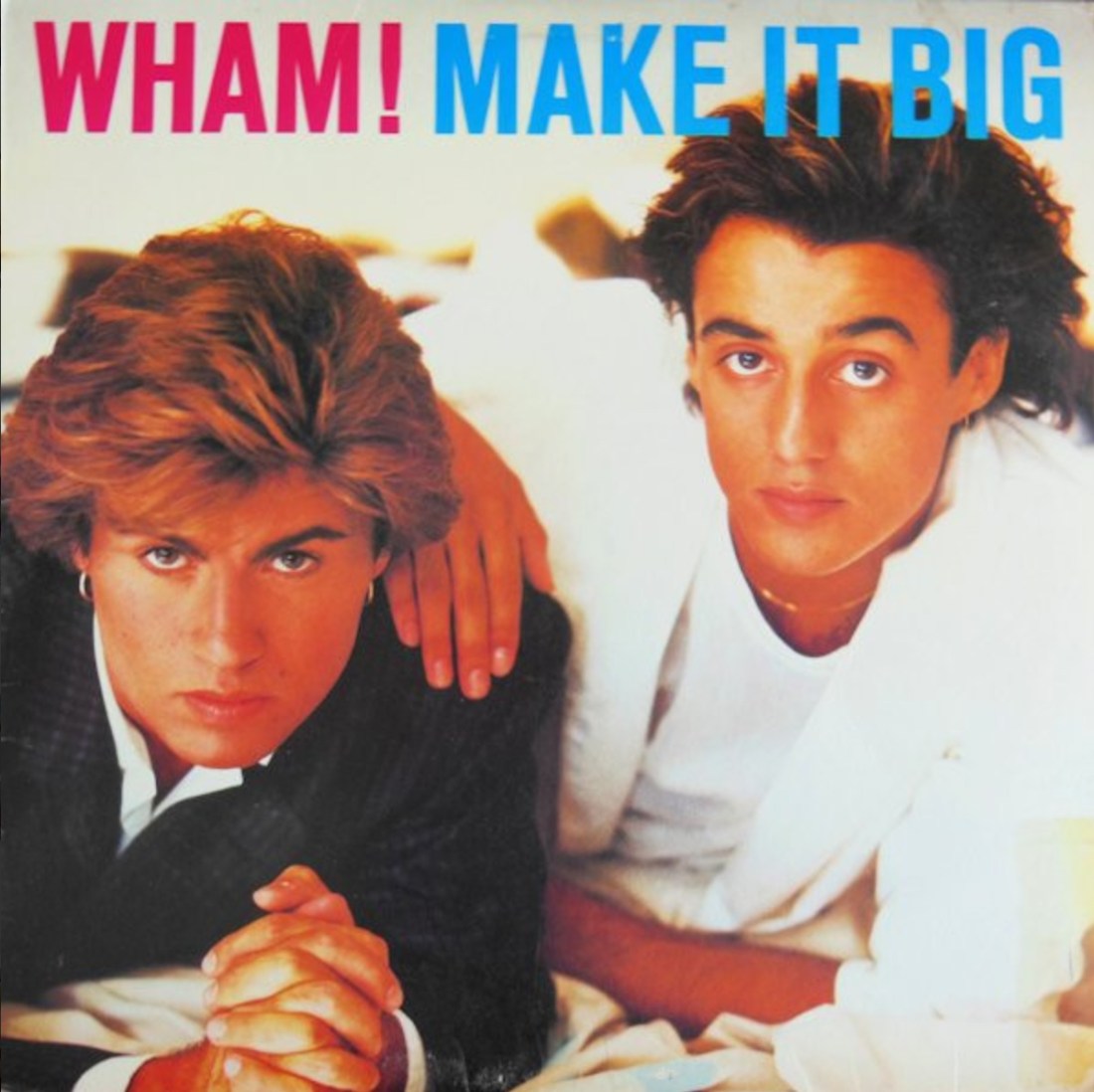
I loved Wham! from the first listen, and, as a heterosexual 20-year-old male, was rather embar­assed by this initially. When I bought “Make It Big”, the album led off by “Wake Me Up”, I made sure to pair it with Van Halen’s “1984” so the cashier at Records on Wheels or wherever it was would know I wasn’t a wuss. My cassette of “1984″ was played all the way through once – maybe. “Make It Big” remained in regular rotation for several years, the cassette end­lessly flipped back over from B to A for one more listen to “Wake Me Up” (and often the next song, ”Everything She Wants”).

The song is a joyous pop confection that sounded like nothing else on the radio at the time. It has the feel of ’60s girl group hits, with finger snaps,  hand claps, ooo ooos and yeah yeahs, but sped up and with synths, and missing those booming drums and Phil Spectoresque pretensions. The use of the goofy “jitterbug” refrain calls back to swing dancing and early rock ‘n’ roll, and instantly pulls you into the song with a “WTF is that?”. I don’t know if any song feels happier, and it always puts me in a good mood.

George Michael went on to greater acclaim and bigger hits but no other song quite captures his mastery of the pop idiom. My wife and I don’t have much in common musically, but the Venn diagram of our tastes has George Michael smack dab in the middle of where the circles overlap. That his pop sensibility can align two such people – she’s never once listened to “Never Mind the Bollocks ” (which I played right after Wham! this morning, spazzing all over my kitchen), and I often greet her choices with a giant shrug – speaks to his genius.

As great as the song is, it really works better with the video. It’s so goofy, especially after they discard the all-white Choose Life get-ups they start out in for pastel beachwear. George has a sexy come-on at one point that even he seems to know is ridiculous. Andrew carries a guitar around and appears to be playing in a song that has little in the way of recognizable guitar parts other than Deon Estus’ bass, and they both pretend to play horns. Mistakes during filming are weaved in, and there is an energy that’s inescapable.

At the heart, though, is the love between George and Andrew. Ridgeley was a bit of a punchline, the much-less-talented hard-partying friend who George carried until he outgrew him. That Andrew then struggled post-breakup to figure out what came next (with a failed album (so obscure it isn’t even on Spotify) and even more disastrous car racing efforts) added to this. But the truth was, all Andrew had wanted to do for a long time was be in a band with George, and when you achieve all you want in life before age 25, it can take some time to come up with a Plan B. Like most of us, he eventually found another path.

You can see the bond in the video. My favourite moment is at 3:13. Michael makes a mistake, coming out of a twirl and landing in front of Ridgeley, who howls and puts a hand on his friend’s back. It’s such a sweet moment that the director included it twice. Then, at the end, George is alone at centre stage, looking confused, needing his support system. I always loved that they remained friends until Michael’s far too early death. And though their reign was short, the pairing left us with a lot of great songs – if you’ve forgotten that, just wait until next Christmas. It’ll come back to you.


Not the Pazz and Jop 1973 #16

The Wailers – Burnin’

After my previous encounter with a reggae album, I promised myself I would be better informed about the genre the next time such a record came along. That didn’t happen. So, after multiple plays of “Burnin’”, I finally did it. I listened to albums from Peter Tosh, Burning Spear, Toots and the Maytals, and The Upsetters. And now, having been exposed to a broader selection of what the genre has to offer, I’m still not sure how I feel about reggae. I can, however, say one thing with a fair degree of certainty: I don’t much care for Bob Marley’s form of reggae. (A hush falls over the room.)

Not liking Marley can be a problem if you’re new to the genre, because he towers over it: the top five albums on Acclaimed Music are his. No one else dominates a genre the same way (though Springsteen comes close, with five of the top seven heartland rock records, which isn’t entirely a fair comparison, since it seems to have been invented just to give rock critics a box to contain Bruce). Unless you actively seek it out – at least so far as Canadian mainstream radio goes – you will hear Marley, and then more Marley, and, hey, let’s play some Marley.

There is no shame in that confession. Discernment is a big part of our experience of culture. I keep listening to Marley’s music and I just don’t care. This isn’t the distaste I feel for Jethro Tull, or the deep anxiety caused by most metal, or the loathing of everything related to Ted Nugent. I just don’t see anything to get my blood up about. It is pleasant enough to listen to, but doesn’t engage me – it’s just one song after another that sounds like the last one and the one that comes next. I wish it wasn’t this way – I may be missing out on something marvellous. But, like classical music and a lot of jazz, I am probably without that tiny strand of DNA that gets Marley. Marley sounds the way he sounds, and that’s just how it is. Just because a ton of other people love an artist does not obligate you to do the same. There are lots of celebrated rock/pop artists towards whom I am lukewarm: Dylan, The Who, Joni Mitchell, The Band, The White Stripes, Foo Fighters. I make different choices: give me more Elvis Costello, Fountains of Wayne, Mitski.

What I have learned is that there is a lot of fun music under the reggae banner. It isn’t all the plodding, uninteresting-to-my-ears work of the King. The Upsetters play dub, a reggae subgenre, and it’s playful and goofy and just a delight. Tosh’s record (“Equal Rights”) was very political, but it doesn’t get in the way of some lovely and really interesting beats, and Toots & the Maytals had me bouncing around my house.

As for “Burnin'”, “Get Up, Stand Up” is a justifiable classic, but I much prefer the version from Tosh, who co-wrote the song with Marley. I also prefer Eric Clapton’s (even though he is a racist POS) version of “I Shot the Sheriff”. And the rest is what it is. Like all reggae, it makes me feel like I’m by the pool with a rum cocktail in my hand as I drift off, feeling more relaxed than I have any right to be.

I know there will be more Marley in my future, and I will listen to it multiple times and write about it in this space, God willing. Maybe something will click. Maybe it won’t. But I’ll give it its fair due. Because that’s all any artist has the right to ask of us, and the one thing we should be willing to give them back.

Favourite ”New” Music – February 2022

I recently spent some time browsing through the genre section on Acclaimed Music. It was educational to discover all sorts of categories of music that I hadn’t considered. Darkwave? UK garage? Indietronica? Sophisti-pop? Breakbeat?

Some of these are obvious. The heartland rock genre is ruled by Bruce Springsteen, Tom Petty and Bob Seger, and of course Bob Dylan tops folk rock AND singer/songwriter. But would you consider The Everly Brothers a traditional country act? Or Michael Jackson a disco artist? (“Off the Wall” is top ranked in that category.) Is Sufjan Stevens really indie folk, and how is there an Aretha Franklin album that is traditional folk? In what parallel universe is Neu! progressive rock?

A lot of records and artists don’t fit into a neat box, and those are often the most interesting. I try to mix up my listening, moving among eras, styles, production values, etc. The list below reflects this, though it’s very heavy on new releases. 2022 has already seen some fantastic records, with hopefully more to come. This list could have been twice as long, but that would have seemed indiscriminate. These are the records that pleased me the most in the year’s briefest month.

  • 10cc – 10cc (1973) (These guys made some gloriously fun records in the ‘70s – “Sheet Music” is another great one.)
  • John Martyn – Solid Air (1973)
  • Yo La Tengo – Fakebook (1990)
  • Paul Westerberg – 14 Songs (1993)
  • MC Solaar – Prose combat (1994) (Hiphop from France – a most unexpected pleasure.)
  • Silver Jews – Starlite Walker (1994)
  • Caroline Rose – Loner (2018)
  • Playboi Carti – Whole Lotta Red (2020)
  • Julien Baker – Little Oblivions (2021) (Fast becoming one of my favourites – her 2015 debut will definitely be on my March list.)
  • CHVRCHES – Screen Violence (2021)
  • Mitski – Laurel Hell (2022) (I have stanned for Mitski many times, and will continue to do so. Happy to see her finally having some commercial success after a string of consistently delightful records.)
  • Adekunle Gold – Catch Me If You Can (2022)
  • The Wombats – Fix Yourself, Not the World (2022)
  • Years & Years – Night Call (2022)
  • Pinegrove – 11:11 (2022)
  • Spoon – Lucifer on the Sofa (2022)

Photo by Glen Carrie on Unsplash

Classic Songs of My Youth Revisited #13

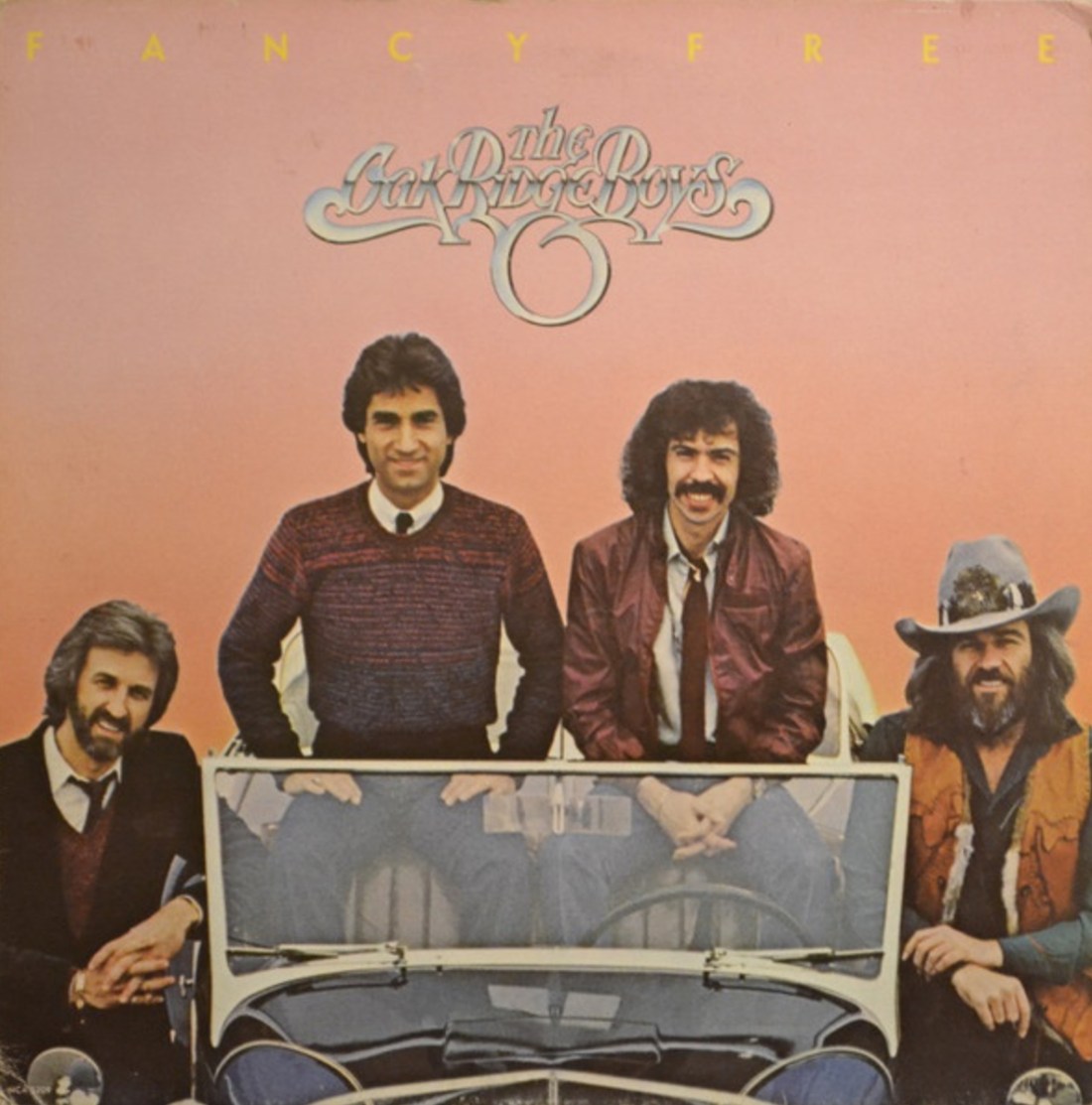
The Oak Ridge Boys – Elvira

Nostalgia can be very dangerous. It can easily lead you down a path where you greatly overstate the awesomeness of some past thing. But I don’t think it’s nostalgia when I say that I had more fun in the summer of 1981 than any other.

The linchpin of this was one Calvin Hood, who decided in the fall of 1980 that I was his friend, so I (after some brief hesitation) gladly jumped on for the ride. He was several years older, back in high school on a part-time basis to finish an aborted diploma now that he had figured out his path in life. Calvin might have been the most essentially decent person I ever met – and one of my aunts is a nun. He made decisions for his own life based in part on how they might impact YOUR immortal soul. He was unabashedly Christian, but never preachy or pushy – he just lived his life in a way that you couldn’t help but admire.

The highlight of that summer would come on Sunday nights. An ever-changing group of four to six of us would go to the drive-in for the midnight double feature, a carful of rowdy late teens and young adults who were usually too busy trying to crack each other up or visiting friends in other vehicles to pay much attention to the movie (mostly cheesy action or detective flix and soft core erotica (I think Calvin took a pass on those nights) from the 1960s and early 1970s – I (sort of) saw “Vixen!” and “Supervixens” in one night). After­wards, we would drive into the nearby city, play “spy” on the dark empty streets (basically, chasing each other around) or have Chinese fire drills, then head to Tim Hortons, where we would consume most of a large portion of Timbits before heading out to play tennis badly as the sun was coming up. We did this for several weeks, then Calvin left town for a new job and Doug Maxwell – the only decent tennis player among us (and I better not hear from anyone else who was there trying to defend their tennis game) – left to join the military, and the rest of us drifted off to other activities. As stupid as it all sounds now, it was a blast, and that was really more about who I was with than what we did. To paraphrase the narrator at the end of “Stand by Me“, I never had any friends later on like the ones I had when I was 16.

On CJCB radio, lords of the soundtrack to our summer, the biggest song – or at least the one that seemed to always be playing that year – was “Elvira” by The Oak Ridge Boys. Sometimes, we would request it, timing our call so that it came on the air while we were at the coffee shop. But it was better if it played when you weren’t expecting it. You would be rolling along, laughing about something stupid or ragging one of the other guys (or being ragged on), and then you’d hear that intro and – boom! – a car full of idiots were singing along in full voice.

It’s such a fun song to sing along with. Maybe it’s a karaoke standard by now but I expect it’s better to have the Boys as your backing track. Those giddy ups and oom poppas are delightful – I defy you to sing along and not feel happy. It’s almost entirely corn, like good bourbon mash, and that’s also part of the fun. A lot of the best country music doesn’t take itself too seriously – think of people like Brad Paisley or Toby Keith, or consider a song like “I’m Gonna Hire a Wino to Decorate our Home” or “You’re the Reason our Kids Are Ugly” or “It’s Hard to Be Humble”. This makes them a buttload of fun to sing along with, to give in to the ridiculousness of the thing, and let loose and just have fun with it. “Elvira” tapped into that, and for a group of rock-loving boys – I was at a party on prom night that June where we kept playing the same Minglewood Band album over and over and over until we were too drunk to care anymore – The Oak Ridge Boys owned an awful lot of our aural real estate for that brief window in time. I’ll never be able to separate that song from the love I felt – never expressed, of course, because I was a male teenager of a certain generation – for the friends I sang along with. I’ve had a lot of great summers since, with a lot of great songs, but I don’t think any of them can compete with 1981 and “Elvira”.

Not the Pazz and Jop 1973 #15

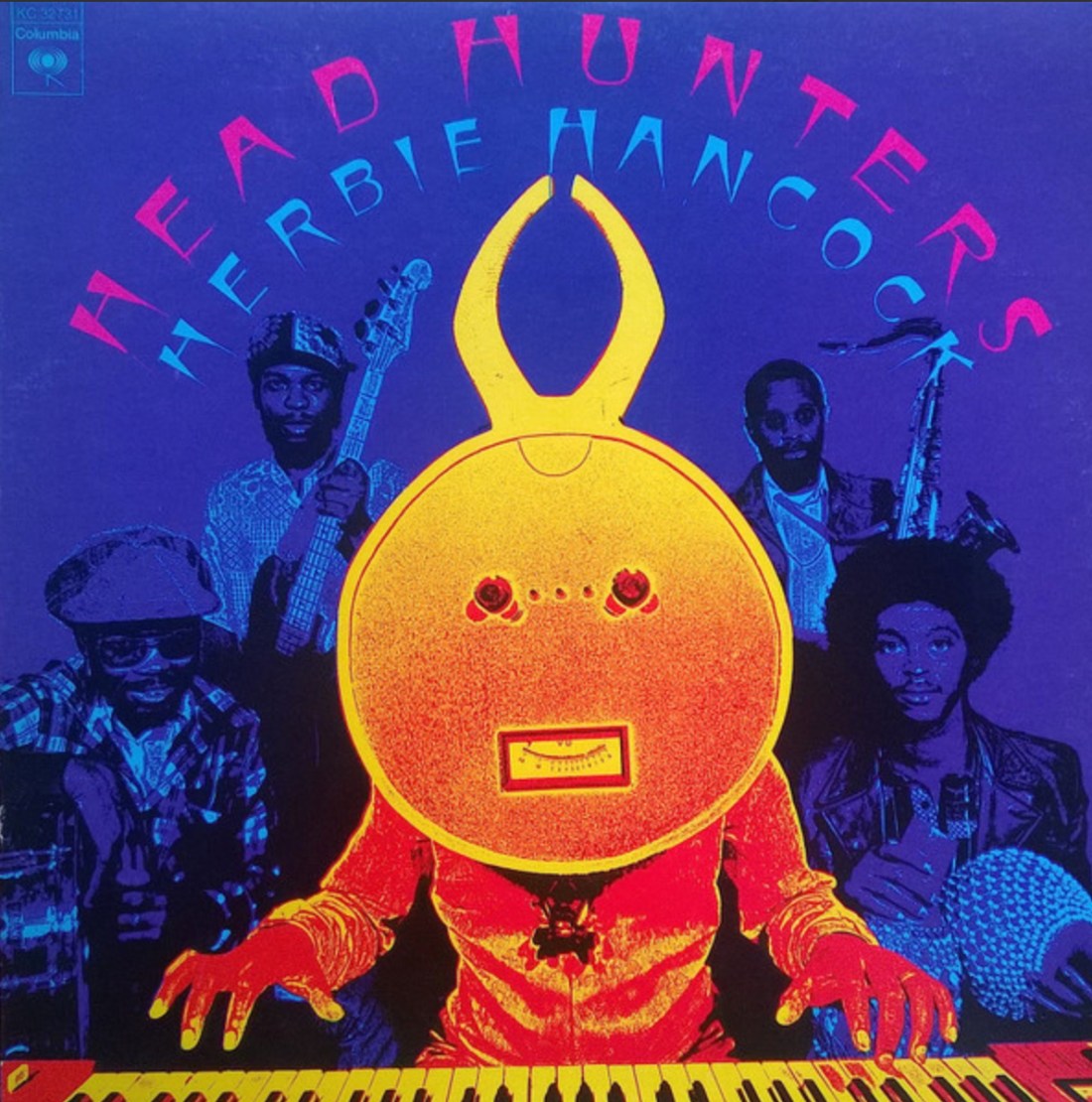
Herbie Hancock – Head Hunters

This site is called PopNotes for a reason. Pop music and it’s many subgenres and fusion genres – and, to a lesser extent, popular music – is the type I’m most familiar with and most enjoy. It isn’t MetalNotes or RapNotes or SkaNotes. (Hmm, sister site branding opportunities galore.) Give me a great pop record and I have more to say than I can comfortably ask you to endure. With many other genres, my ignorance of the art form, that lack of historical perspective, can leave me ill-equipped to write intelligently about a record.

As part of my never-ending effort to be a more rounded listener, I have been playing more jazz. To the extent I’ve played such music previously, it’s definitely leaned heavily on the smooth or easy listening side. Guided by sites like Acclaimed Music, I’ve checked in on classics from folk like Miles Davis and John Coltrane. That’s not how I got around to Herbie Hancock, of course, but “Head Hunters” is certainly not my usual fare. My wife made that point when she heard it playing on arriving home yesterday. Of course, exposing myself to “not my usual fare” was sort of the reason this site came to exist in the first place. 

But is this jazz?

If you punch “Herbie Hancock” into Google, the sidebar on your iPad will tell you he’s an “American jazz pianist”. Google has that way of reducing things to their finest point. Or maybe not so finest: Clint Eastwood is “former Mayor of Carmel-by-the-sea” (I was expecting “American actor”, thus ignoring his two Oscars for directing), Mother Teresa is “Saint” (the details are a bit more complicated), and Jesse Jackson is “former Shadow US Senator”, the meaning of which escapes me. And sometimes it leaves out critical information: Tucker Carlson is an “American television host”, instead of the far more accurate “racist entitled POS American television host”.

The point of this is that I, too, would describe Hancock as a jazz musician, despite the one track I knew by him being absolutely not jazz. The “experts” who pick the Grammys called it rhythm and blues, which is so, so wrong. I’ve also seen “Rockit” described as electro and jazz hip-hop, which gives you a sense of the challenges that come with such labelling.

When I think of jazz, this album is not where my head goes. My first impression is that it’s more of a funk record, but that’s too simplistic. Jazz fusion is probably the most accurate term. It starts from a jazz base, but there are rock and funk and soul elements and probably a dozen other things I haven’t noticed yet.

Someone – the source is very uncertain – said that writing about music is like dancing about architecture. Part of that is about the subjective messiness of taste, but it’s mainly a comment on the challenge of using one form of expression to explain a different form. My solution to that problem has been to try and filter my experience of a piece of music through some connection to my life. It can be a difficult trick when dealing with something completely new, so then it becomes about how the music makes me feel. In that vein, the almost 16-minute long opener “Chameleon” is the track that shines most for me. It feels fun, fresh, alive. Your stride turns into a strut and you may even feel like doing a spin. You feel like you have an edge on all the poor bastards who aren’t listening along with you. I felt fitter, more dapper. I felt cool, in a way that I really am not, like I had the answer to a question that I’d never before thought of asking. As weird as all of that may come across, it isn’t about a sound – it’s a vibe. A mood. A spirit.

None of the above probably helps that much in deciding whether you want to spend 42 minutes listening to “Head Hunters”. All I can offer in the way of assistance is that I loved it, but it took more like 126 to 168 minutes to get comfortable with the record. I did that at the expense of spinning a Ben Folds or Elvis Costello favourite for the 500th time, but I’m okay with that: it’s just part of the tradeoff in becoming “more rounded”.

Cover Version Showdown #1

Prince, ”Darling Nikki” – Foo Fighters vs Rebecca Romjin Stamos

Prince is on the front page of this site, but I haven’t written about him yet. His debut album was released in 1978 and he first received Pazz and Jop notice in 1980, after which he was a regular for much of the following decade. So, when I decided to start this series, I went looking for a Prince song. And, in “Darling Nikki“, I found, like a gift from the gods, Rebecca Romjin (formerly Rebecca Romjin Stamos – does it bother Jerry O’Connell that she didn’t change her name for him, too?). You know, model Rebecca Romjin. Actress Rebecca Romjin. But a singer? She has exactly one song on Spotify – this one. Her music career is so obscure that it doesn’t even warrant a mention on her Wikipedia page. Yes, please, I’ll have that one, thank you.

As for our other contender, the Foo Fighters are a band I am certainly familiar with, and have occasionally enjoyed, without actually paying even the tiniest bit of attention to. Dave Grohl is one of the coolest guys around (and I love Nirvana), but I have never once consciously played one of their songs. Seriously – not a single time. I have to strain my mind to remember any titles (I’m not going to check this – they have one called “Learning to Fly”, right?), and I don’t think I’ve ever heard anyone in my circle say they can’t wait for the next Foo Fighters record.

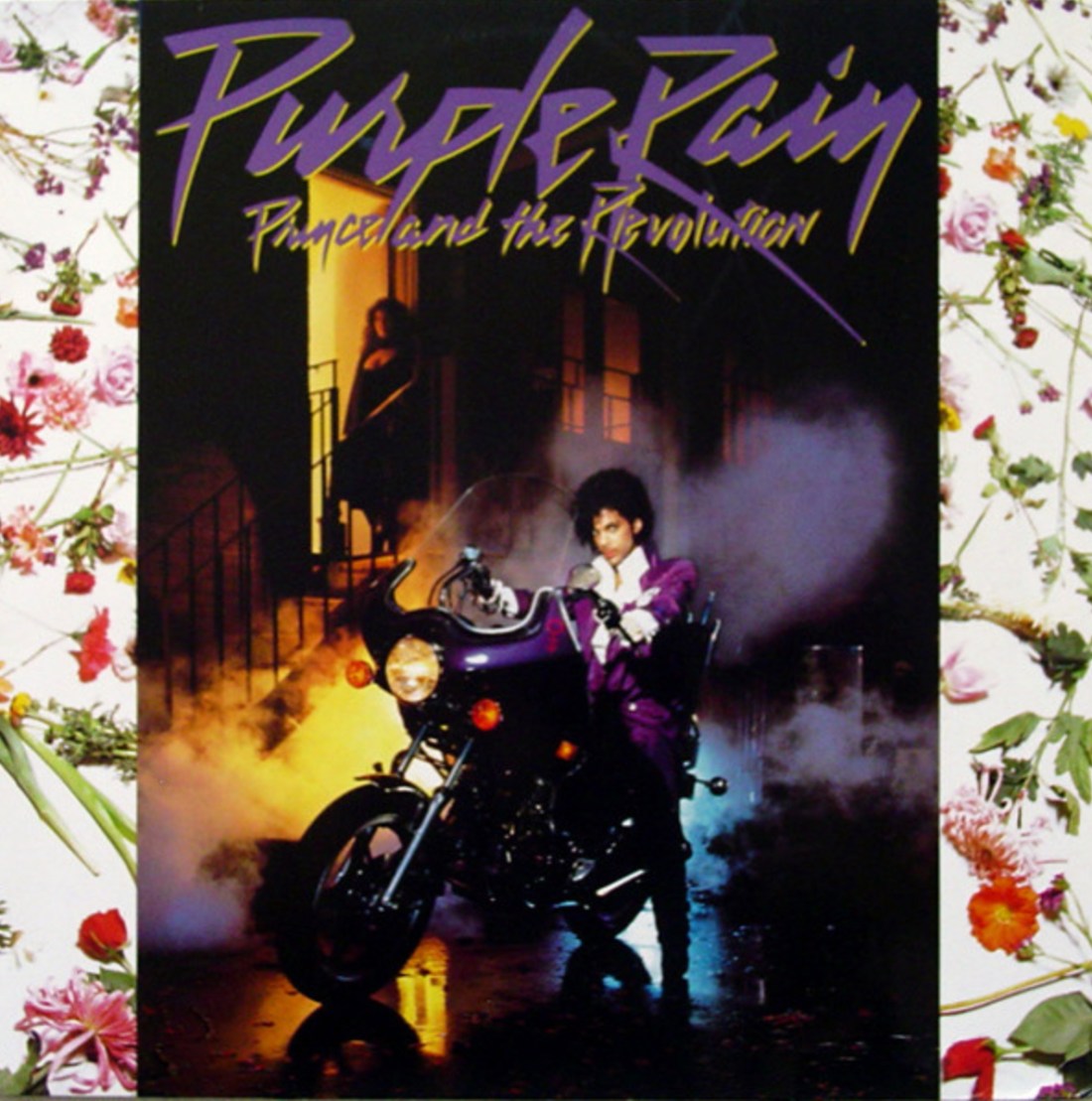
But first, let’s check in with the champion. In 1984, Prince was at the height of his powers, with “Purple Rain”, the Oscar-winning film and Grammy- winning album. There are so many great options coming out of that album. Lydia Loveless does a killer version of “I Would Die 4 U”. “Purple Rain” filtered through Dwight Yoakam will make you forget it didn’t start out as a country song. And Susanna Hoffs does a lovely “Take Me with U” that I think I like more than the original.

But “Darling Nikki” was contro­versial. Tipper Gore completely lost her shit when she heard what her 11-year-old daughter was listening to. (It doesn’t seem to have harmed her too much.) Back when we were still buying CDs, those “Parental Advisory” stickers could be traced back to that moment when Tipper met Prince. Thanks in part to this song, Luther Campbell was arrested in June 1990. A butterfly flaps its wings.

Anyway, the song itself kicks ass, like pretty much everything good on that album. (I love Prince but all songs are not created equal.) “Let’s Go Crazy” rocks harder, but “Nikki” has Prince’s most impassioned vocal outside of the title track. 40 seconds in, almost every straight man listening wishes he could meet a girl like Nikki, and is terrified of what might become of him if he did. Prince has no such concerns – he jumps right in. In the movie, it’s a revenge song when his lover abandons him for a rival impresario (Morris Day just does not get talked up enough). Nikki uses the narrator, and moves on, leaving him a changed man.

And what of Ms. Romjin? How the hell did this become the one song she seems to have ever recorded? It comes from an album so obscure that it also is absent from Wikipedia: “Party o’ the Times: A Tribute to Prince“. The artists involved who I’ve heard of were way past their best before dates when this came out in 1999: Heaven 17, Missing Persons, Gary Numan, Information Society. Ice T is the closest thing to someone with a functioning music career, and he hadn’t made a great record since 1991’s “O. G. Original Gangster” (which I owned on cassette and played, and played, and played some more). Yet, for all the strangeness of this project, the presence of Rebecca takes first place.

So, how did she do? Pretty great, actually. It’s less raunchy musically, and her vocal is cool, sultry, casual, with that girl-on-girl air that makes it more risque – this was 1999 after all. It’s sexy AF without even trying all that hard, and I really wish she had sang more. Maybe the Romjinaissance that’s coming with her extended foray into the “Star Trek” universe will make this happen.

The Foo Fighters version is more faithful to the original, but it is unmistakably their song. It rocks harder than Prince did, and while Grohl roars like His Purpleness, it isn’t sexy, it’s pained. Prince came away from the encounter a new man – Grohl sounds like she left him a mere husk of what he was.

The Winner: Rebecca Romjin

No one outdoes Prince, except maybe Sinead O’Connor or The Bangles – and it’s telling that he gave those songs to others rather than release them himself. “Darling Nikki” is no exception. And the Foo Fighters do a respectable job in making it their own, but the bar is high when a band is already so accomplished. I put on Romjin’s version expecting a travesty, and was instead delighted. It’s faithful, yet also personal – my definition of a perfect cover version. That the source is so unexpected only adds to the delight.

Classic Songs of My Youth Revisited #12

The Knack – My Sharona

If you turned on your radio for even an hour in the summer and fall of 1979, you could not avoid hearing “My Sharona” by The Knack at least once. It was the biggest song of the year, and I don’t remember anything else being particularly close in the way it took over our airwaves.

That kind of dominance almostly certainly means that we’re going to get sick of the thing we once loved, and this was no exception. The backlash against The Knack, when it came, was particularly vicious. Some of this, I think now, was due to category confusion. The Knack were marketed as a new wave band, and this probably contributed strongly to general denigration of the band. New wave, to my mind at least, meant more melodic and smarter punks, like Elvis Costello, Joe Jackson, Blondie, The Police. Stacking The Knack up against those bands made them seem like lightweights.

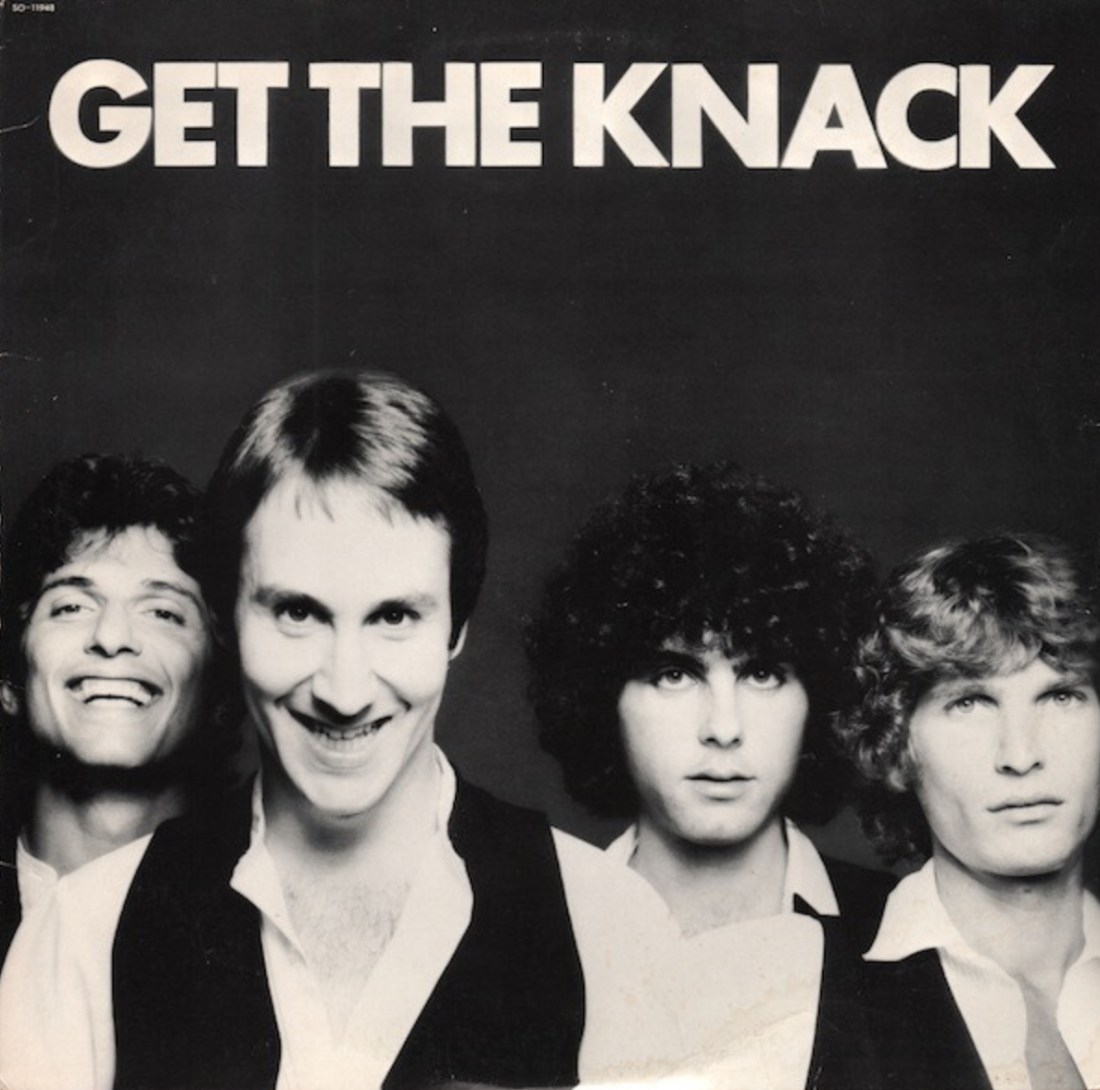
Replaying their first album, “Get the Knack!”, I saw how faulty this label was. No, The Knack were not a weakass new wave band: they were a holy-shit-this-is-fucking-awesome power pop band. Their antecedents weren’t the punks that evolved into new wave – they were Todd Rundgren, and Big Star, and (fuck you, Eric Carmen and the Trump-loving train you rode in on) Raspberries. They made big, melodic, energetic blasts of joy that had you – well, me – jumping around your bedroom like the demented hormone monster that you really were.

So, let’s get this out of the way off the top – this is an incredibly pervy song. This is obvious even if you didn’t know that there actually was a Sharona, who was 17 years old, while frontman Doug Fieger was, umm, not. I probably at 15 wouldn’t have gotten the point had I even been paying close attention to a line like “I always get it up for the touch of the younger kind”. So let’s just set aside for a moment this ode to ephebophilia (don’t worry – Sharona seems to have turned out fine), and focus on the song itself.

Actually, one other thing needs to be mentioned: The Knack were NOT a one-hit wonder. “Good Girls Don’t” also did well, and even hit in some markets.

It opens with pounding drums, then a throbbing bass joins in to lay the foundation. And this just keeps repeating, with guitar flourishes added, and occasionally a sped-up tempo. It’s an insistent, pulsating beat, and the song feels much shorter than its 4:55 length (the single release was about half a minute less). There isn’t a lot of variety – they aren’t trying to impress you with their songwriting virtuosity, they just want to rock. The guitar solo is serviceable, but nothing that wasn’t being matched by reams of bedroom rockstar teenagers – more noise than finesse. But that’s what makes it so great – you might’ve wanted to be Keith Richards, but you couldn’t see it happening. But The Knack? They seemed so normal, and that was some­thing you could be. Well, maybe not entirely normal: Fieger looks like a creepy uncle in the jacket photo, and the faces he makes in this video do not lower the cringe factor. Drummer Bruce Gary had model-quality cheekbones – I could see him flashing Magnum, or at least Blue Steel – but the others are just normal-looking guys.

After their second album tanked (don’t blame me – I owned a copy), I never gave much thought to The Knack. About a decade later, in the thrall of Was (Not Was)’s “What Up Dog?”, I plucked their 1983 album “Born to Laugh at Tornadoes” from a vinyl discount bin and found Fieger singing on a few tracks. The Knack ultimately released six albums, trying over and over to recapture glory, without success. Cancer took Gary in 2006, and then Fieger in 2010. 

I don’t think this song has ever really stopped being played, and it had a bit of a bump from “Reality Bites” in 1999. (The world can probably be divided into Ethan Hawke, and everyone else.) It’s still a great song, and a great album, too. Rediscovering The Knack has been one of the true joys of writing this series.

Not the Pazz and Jop 1973 #14

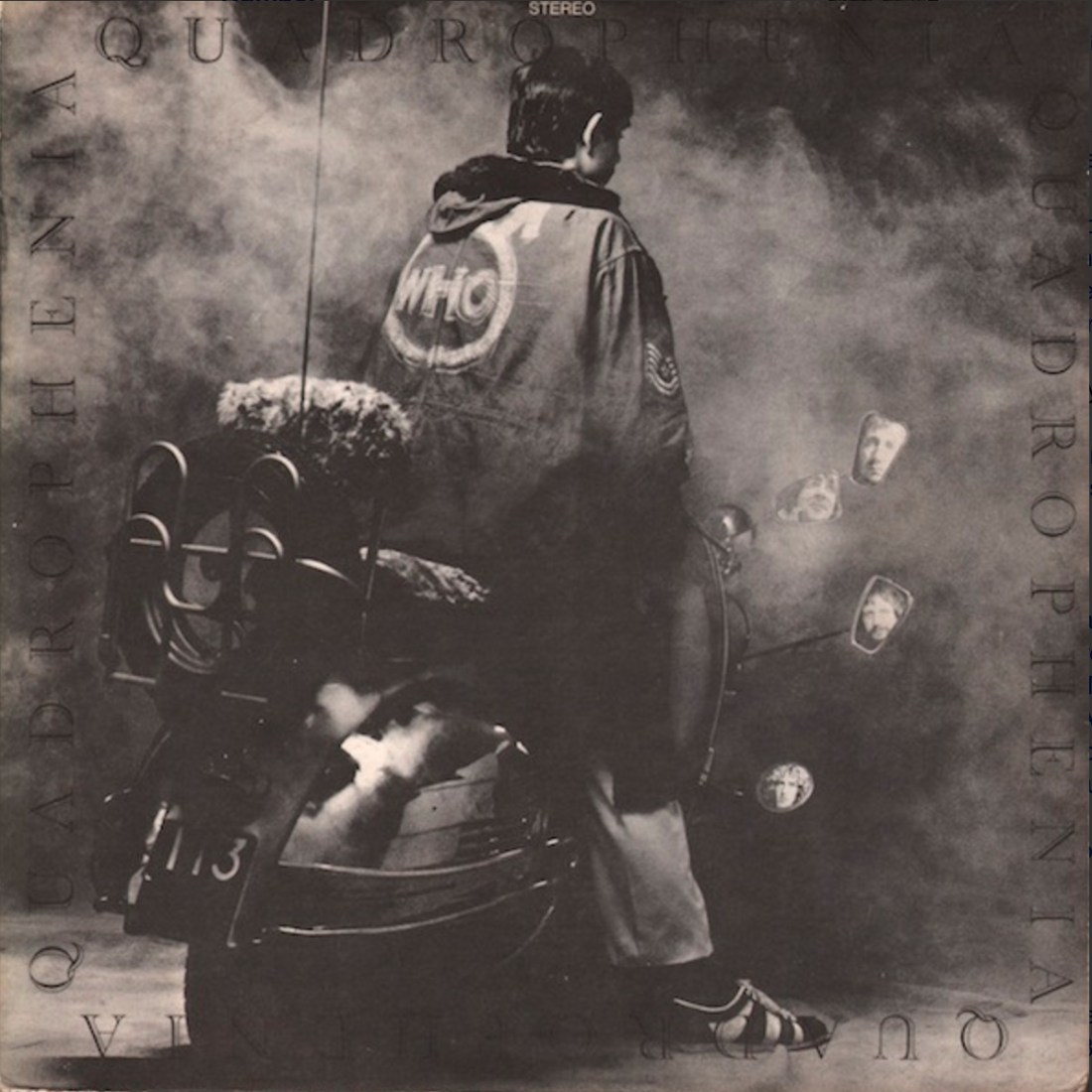
The Who – Quadrophenia

When “The Breakfast Club” was released in early 1985, I saw it in the theatre twice during opening week. I was 20, floating in life, a university dropout, underemployed, pining for an embarrassingly long time over an ex-girlfriend (first heartbreaks are hard – I’m not crying, it’s eye sweat!), and connected intensely with the confusions of characters just a bit younger than me. Then I saw it again a few years later, and, having gotten my shit together to some degree, their constant whining annoyed me to no end. Stop complaining, I thought. Do something about your problems.

For me, “Quadrophenia” is “The Breakfast Club” of rock records.

Let’s step back for a moment. Growing up in the 1970s in Cape Breton, I had a passing familiarity with The Who. Radio was where I mostly learned about bands and I just don’t remember them being that popular with the disc jockeys at CJCB. They weren’t very prolific, so hits were spaced out and not numerous: there was the weirdness of ”Squeeze Box” and the obviousness of ”Who Are You?” and I don’t recall much else. Culturally, I knew that Keith Moon’s death was significant, and the tragedy at Riverfront made for a compelling episode of “WKRP in Cincinnati”. But I simply did not appreciate what a big deal they were.

In September 1982, I moved to Ontario to attend university. That fall, The Who were on a farewell tour (the first of several such “you’ll never see us live again” tours) that was set to end in Toronto on December 17. My roommate was a big fan, and while I can’t remember if he had tickets to the concert, its mere existence was an enormous deal to him and his circle of friends.

If I were a different sort of person, I could tell here the story of how I then became a fan of the band, and have in the almost 40 years since dug deep into their catalogue and charted their subsequent comings and goings. Alas, I am not that kind of person, so this will not be that tale. Instead, this will be the tale of how “Quadrophenia” blew me away on first listen, but I have become less and less enamoured of it with each repeat play and dig into its back story.

Rock bands often seem to go off the rails when they take themselves too seriously, and a rock opera is about as self-important as a band can get. The line between creative genius and self-indulgent pretension is razor thin and overreaching can sully a nice collection of songs by trying to make them seem like more than they are. What works as a guiding principle should probably not evolve into a mission statement. The original release of ”Quadrophenia” included notes explaining the plot for journalists, which might be a clue that maybe the songs haven’t accomplished what you set out to do. It’s the story of a disaffected mod struggling with mental health issues, drug abuse and a series of personal failures. So, maybe not someone you want to spend an hour and a half with. 

None of the songs really stands out – they don’t pop, which is likely why the singles that came off the album failed to become even modest hits. (“Love, Reign O’er Me”, easily the most impressive song for me, peaked at #31 in Canada, and much lower in the U.S.) They’re all good, but none of them are great or at least not great in the way that makes you want to keep hitting repeat. It isn’t prog rock, but there is a sameness across the record, an almost blandness that comes perhaps from the attempt to create a unity that ends up shaving off those rough edges that can make a great record so invigorating. (Pete Townshend’s demos, which come with the ”Super Deluxe Edition” of the album, made more of an impression on me.) It’s, well, pleasant to listen to, which is a pretty damning statement about a rock record. The Sex Pistols are not pleasant. Nirvana is not pleasant. The Who shouldn’t be either.

In the end, I don’t feel any connection to this album. The air of youthful confusion, of trying to find your place in the world, is palpable, but not anything that I’m all that interested in. I really should have encountered this in 1982, or 1985. I have bigger concerns right now.

Favourite “New” Music – January 2022

There was a (very) minor kerfuffle in recent weeks over a piece from Ted Gioia – whose “Music: A Subversive History” is high up on my to-read list (so many books!) – about how little people are listening to new music these days. Other than the issues this raises for the music industry – who are just the next generation of artist-fucking-over sharks who’ve always been drawn to the business – and current artists struggling to find their place in this messed-up economy, I don’t see this as a giant concern. As he notes towards the end, art is a bottom-up process, not top-down, and, inevitably, good work does find its place. Hopefully, that comes soon enough for the artist to profit from it, as opposed to a sort of “A Confederacy of Dunces” situation (though at least the writer’s beloved mother made out well in that particular mess).

One thing he skirts around is that a lot of this older music that is being played is, in fact, new music to a lot of these listeners. I started my Pazz & Jop project because I was woefully uninformed about much of the best music of my lifetime. I have a 30+-year head start on the people of my daughters’ generation, so for those among them who love music, there is an insane amount of ground to make up. While I am completely on board with newer artists becoming as insanely wealthy as some of their predecessors (please do your part to help Mitski get there – I can’t do this on my own), putting another penny in the pockets of Sting or Bruce because you just discovered “Every Breath You Take” or “The River” and can’t get enough of them is a magnificent thing that should absolutely be encouraged. “New” music isn’t determined by the calendar – it’s the moment in time when you encounter it that matters.

Anyway, this is all a preamble to a new list of recommendations. When putting together my 2021 favourites list, I realized I need to do a better job of tracking the things I like going forward in case I’m still writing this blog in January 2023. (I hope to be.) So this is the first of a monthly listing of things I listened to and liked over the previous 30 days or so. (It’s a long list, but maybe only 15 or 20%, at most, of the things I’ve listened to.) It won’t include anything from Pazz & Jop or any other focussed pieces that I might post. They’ll generally be without comment, though I reserve the right (see below, for example) to change that whenever the mood strikes me. Hopefully, you’ll find some things here that will reward the effort that you put in to listen to them. And it doesn’t really require that much effort – the Skip button will quickly take you to the next song waiting to be discovered.

  • The Zombies – Begin Here (1965) (I was floored by how much I loved this. Never really gave them any attention before, and will definitely be trying to make up for it going forward.)
  • Roberta Flack – First Take (1969)
  • Isaac Hayes – Hot Buttered Soul (1969) (This warmed me immensely as I shovelled our cars out after this winter’s biggest storm (so far).)
  • Al Green – Al Green Gets Next to You (1971)
  • Dire Straits – Making Movies (1980)
  • Marshall Crenshaw – Marshall Crenshaw (1982)
  • R.E.M. – Reckoning (1984)
  • Sad13 – Slugger (2016)
  • Sarah Shook & the Disarmers – Years (2018) (From my PopNotes Twitter account (liked by the artist!): “Is punk country a thing? Alt bluegrass? Country blues? There’s so much happening here that labels are pointless.”) New album coming in nine days!
  • Indigo De Souza – Any Shape You Take (2021)
  • Spelling – The Turning Wheel (2021) (Definitely a Kate Bush vibe here if you’re into that (I sort of am, obviously).)
  • Faye Webster – I Know I’m Funny haha (2021) (Twitter again: “A gentle, woozy gem of a record, like the feeling of drifting off to sleep after one too many margaritas on a sticky summer evening.”)
  • Silk Sonic – An Evening with Silk Sonic (2021) (I was pretty much done with Bruno Mars – everything was starting to sound too much alike – so I hope this collaboration reinvigorates him, because I loved his first two albums.)
  • Angèle – Nonante-Cinq (2021) (This was great to work out to.)
  • Magdalena Bay – Mercurial World (2021) (Glittery female-sung indie pop – sort of my kyptonite.)
  • Cassandra Jenkins – An Overview on Phenomenal Nature (2021)
  • Sturgill Simpson – The Ballad of Dood & Juanita (2021)
  • Dot Allison – Heart-Shaped Scars (2021)
  • Courtney Barnett – Things Take Time, Take Time (2021)
  • The Weeknd – Dawn FM (2022)
  • Elvis Costello & the Imposters – The Boy Named If (2022) (His most instantly enjoyable record in over 20 years.)

Photo by Glen Carrie on Unsplash

Classic Songs of My Youth Revisited #11

Elvis Presley – Don’t Be Cruel

Anyone who knows when I was born and is capable of inter­preting a calendar will right about now be calling ballshit on my framing of “Don’t Be Cruel” as a classic song of my youth. To that, I have three comments (well, four):

  • The first time I became aware of Elvis was during my youth. (This creates a lot of leeway: I’m coming for you, “Rock Around the Clock” by Bill Haley and the Comets. Hell, even Mozart (a.k.a. the first pop star) isn’t safe.)
  • Elvis has never stopped being popular, and thus his songs are classics of everyone’s ­youth.
  • Women are born with all the eggs they will have in their lifetimes (well, maybe), so when this song was released in 1956 a significant chunk of my DNA was just hanging around waiting to become me. Science!
  • Finally, this is my blog. The only rules are my own.

Now, to our story.

Possibly the first album I claimed ownership over (but didn’t actually own) was a 1973 compila­tion called “Elvis”. It had a blue cover with yellow lettering, and until writing this, I had long believed it was a K-Tel compilation. It was packed with 20 of his biggest hits, and I think I loved every one of them. But the song I loved best was the first track on the A side of disc two: “Don’t Be Cruel”.

By the end of the 1970s, I had stopped listening to Presley, having moved on to that other Elvis who claimed to be King. That’s never really changed even to this day. But I still remember those songs well, and get a small spark of joy when I hear one without warning.

When my father passed away in 2007, he didn’t leave much in the way of a material legacy for his four offspring. As it was, I only wanted one thing: his Fender guitar. It wasn’t worth anything (his was a mass market axe), and I couldn’t play. But a love of music was one of the few things we had in common, and I guess that was a factor. 

Flash forward to Christmas 2009, and my future wife bought me guitar lessons as a present. I attended for several months, then started law school and had little time for much else over the next few years. My guitar has sat in its case, neglected, pretty much ever since. But the one song I had started learning to play was an Elvis tune. Taken off an album called “Elvis ‘56”, I had never heard “Too Much”  before, even though it had been a hit. It’s a good song for a beginner – straightforward strumming of some basic chords without much in the way of changes. I wasn’t a bad student, even with my aging digits and sluggish reflexes, thanks to having a pretty good ear, and I was actually getting the hang of playing it before I packed my guitar away. And that “Elvis ‘56” album is pretty great.

But it still can’t top “Don’t Be Cruel”. It opens with Bill Black’s thumping double bass, and if you don’t immediately recognize it, that can only be because you haven’t listened to pop radio at any point in the last 65 years. The backup singers create atmosphere with their bop-bops and aah’s, and that deep bass never lets up, paired with a simple drum beat, driving through as Elvis presses on to the end, seeking his girl’s undying love. 

It isn’t his greatest vocal, and he is downright minimalist when it comes to clear articulation (now that I’ve read the lyric sheet, I know how many of these I misheard). He fully commits to the song, with a hint of pathos to his hopeful romanticism. He starts out saucy, despite the pleading in the words – even when Elvis is begging a girl, he never stops being cool. He then does what every cool guy does when a girl is blowing him off: he ups the ante, with Mr. Confident thinking the solution to his problem is to get her to marry him. This is a false hope, and there is a slight hitch in his voice towards the end, as he realises “maybe this isn’t going to work out”, with the now clear and earnest delivery from Elvis and doo-doo’s of the last chorus sending a chill along your spine (or neck into the upper shoulders in my case).

It’s a classic for good reasons, and the uncomplicated production allows the musicianship to shine through. Great music doesn’t need to be fussy. It just needs to grab and hold your attention, and there were few equal to Elvis in doing just that.