Classic Songs of My Youth Revisited #47

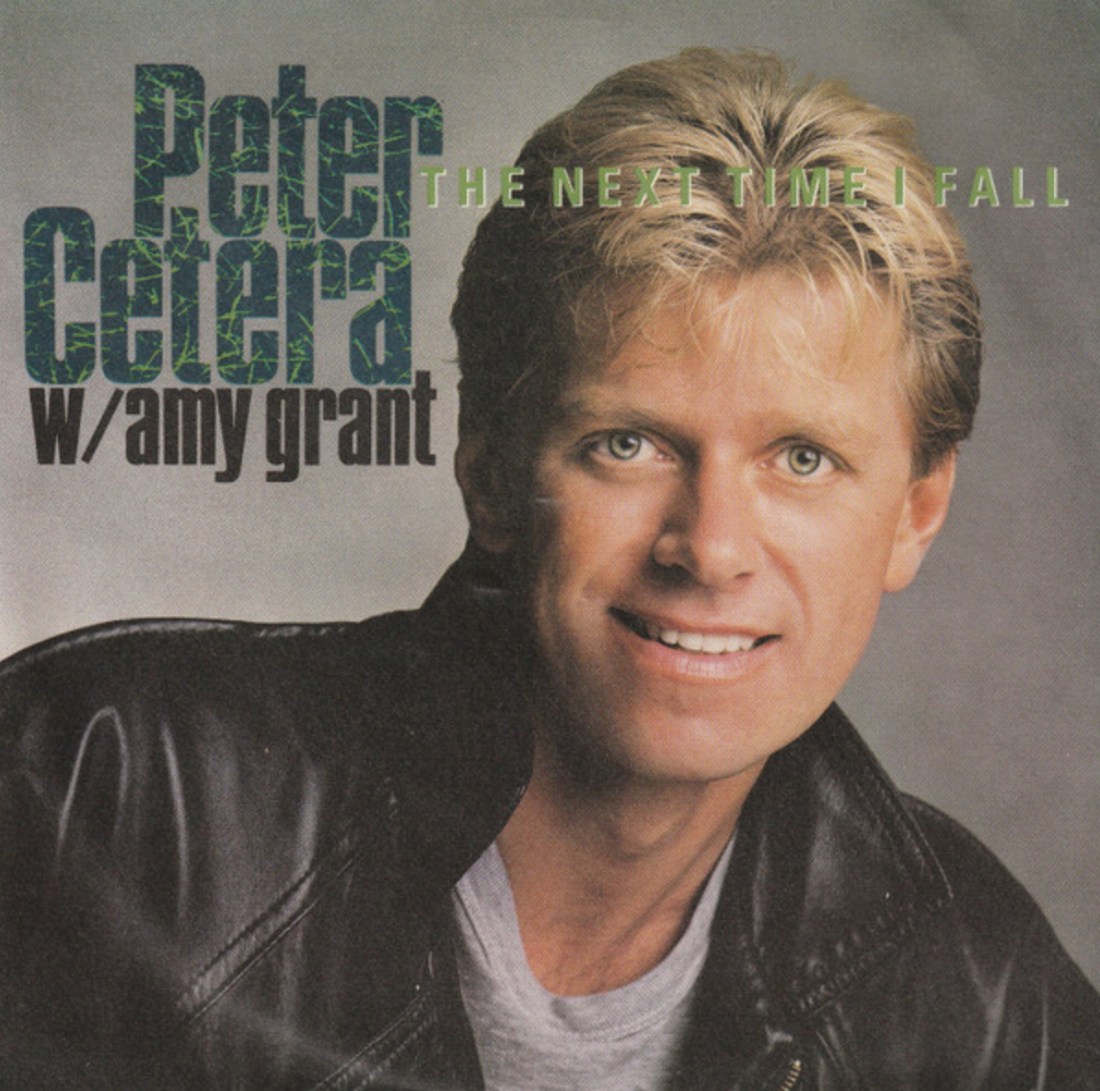
Peter Cetera with Amy Grant – The Next Time I Fall

I don’t remember what music was playing when I lost my virginity. (TMI, I know, but most of us get there eventually so settle down.) It was definitely something from the ‘60s, because my college girlfriend hated modern – that is, 1982 – music, and had reacted by becoming a big fan of a local oldies station. This lead to her calling in one night to speak with The Monkees’ Peter Tork, who earned my eternal enmity by making a lame joke (I have purged my memory of what he actually said) about her boyfriend – that is, me. Screw you, Peter Tork. (And you, too, Janice, for not verbally bitch slapping him in response.) (Blogs are apparently designed for score settling.)

Anyway, that’s my “first time” story. I don’t remember what was playing over my first real kiss either (or exactly when it was), but I remember the who and the where, and that means the song would’ve been a pop ballad from the 1970s. And that means there is at least a slight possibility that the vocal stylings of Peter Cetera were in the air. 

Outside of Lionel Richie, and later Phil Collins and George Michael, was there a more reliable guy to turn to in the late ‘70s or most of the ‘80s for a romantic ballad than Cetera? Whether on his own, in Chicago or teamed with a female partner, Cetera always brought it. Not the prettiest voice by far, but definitely distinctive. How many of us had our first kisses on a sweaty gymnasium floor as Peter crooned over the not-designed-for-music speakers? How many others lost their sexual innocence cuddled on a basement chesterfield or the backseat of a car under his guiding voice? And how many more, after the kisses and lovemaking inevitably ended in heartbreak, turned to him for solace and a good cry before getting back in the game?

It’s a challenge to decide which of his tunes is the highlight. (Not really, but anyway . . .) With Chicago there was “If You Leave Me Now”, the “Hard” duo of “… to Say I’m Sorry” and “… Habit to Break”, the first dance sappiness for a million newlyweds of “You’re the Inspiration”, and a half dozen other songs whose names mean nothing to me because either (1) I stopped paying attention or (2) they all sound the same. His Oscar-nominated movie tune “Glory of Love” is great, but in the end, the only choice for me is his duet with Amy Grant on “The Next Time I Fall”. It’s the only one that I laid down cash to own my own copy of when it came out, and the only one that I still listen to on purpose years later.

It was an odd pairing: Grant was (is?) so Christian that she had to vet even the songwriters before agreeing to make the record. And without casting aspersions, Cetera had been the frontman for one of the biggest rock bands in the world for 20 years, and I think I’ll stop right there. But Grant wanted to expand her dominance in the gospel and contemporary Christian music worlds into pop, and there were few more reliable partners to be found than Peter. And off they went.

With a faux orchestral swell to open, then tinkly synths and guitars, it announces itself as a song of the mid 1980s, with all the big hair, shoulder pads and “Miami Vice” pastels that the world could muster. Is it cheesy? God, yes. But that doesn’t have to be a bad thing. Cheese happens to be probably my favourite eat-without-cooking food, and I bet a lot of people feel the same way, so why do we use the word to signify something negative? It’s a hopeful song, of two people who’ve loved and lost, but stubbornly persist, in the belief that the bad experiences of the past have finally prepared them to make love work this time. Their voices go well together, Cetera’s slightly nasal, almost synthetic sheen contrasting with Grant’s natural country girl sweetness. The song is lush, comforting – it washes over you like the best pop of that era, embracing you in an aural blanket. My favourite part comes after the second run through of the chorus, at around 2:21. Grant sings them out of the chorus with “It will be with you”, Cetera smooths the edges off his voice while Grant croons behind him, then they sing the next line together, newly committed to the plan of, you know, falling in love. I still get chills during this section, and those carry through the rest of the song, and if I could explain why that happens to me I am sure I could earn an insane fortune making pop music. 

The video for the song seems odd initially, because at no point do Grant and Cetera appear together. They are shot mostly around the edges of a room of people either rehearsing for or performing a dance. Shots are in black and white, washed out colour, oversaturated with sunlight, in low resolution, jittery handheld – there’s barely a clean shot in the entire video. The visual effect is to give the impression of two emotionally unsettled people moving closer together, and the last part of the video would have you believe the singers are looking at each other through gaps in the dancers, furtively, maybe – at least on Grant’s part – flirtatiously. Other than one shot where the demonic look in Cetera’s eyes completely took me out of the moment (it’s at 2:43 of the video), it’s a pretty decent marriage of song and visuals.

One of the songwriters was Bobby Caldwell, who had a top 10 hit of his own with 1978’s lounge jazz come-on “What You Won’t Do For Love”. He did his own version of this song a few years later, retitling it “Next Time (I Fall)”, and while I don’t want to speak ill of a talented artist who is no longer with us, the difference between Caldwell and the superstar power of Cetera and Grant is obvious in the grooves. Maybe that stereotypical momma was right: for all the bedroom eyes of most of his hit ballads, Peter just needed to settle down with a good Christian girl to find true musical happiness.
Lesser (Known) Lights #4

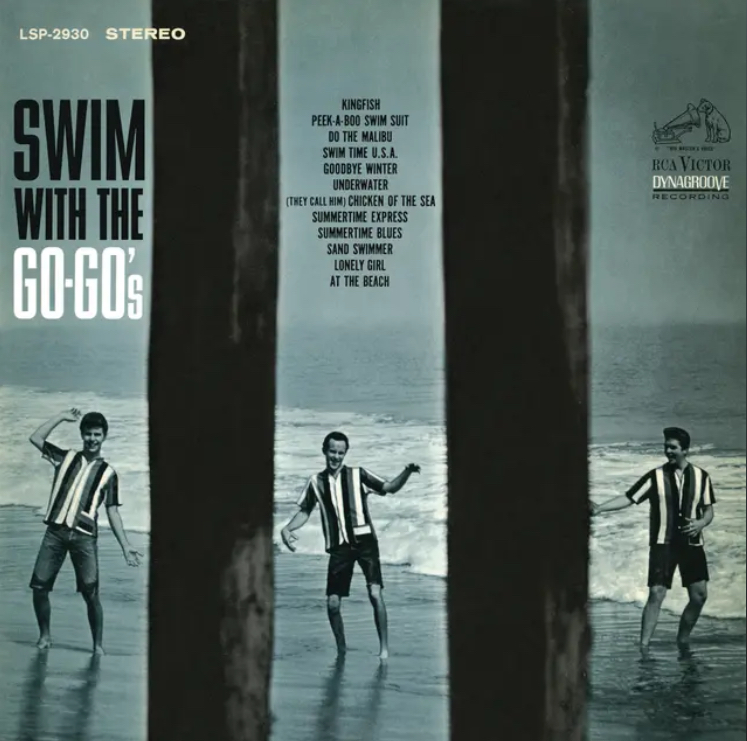
The Go-Go’s – Swim with the Go-Go’s

Counting those no longer in use, there are between 218,000 and 470,000 words in the English language. Spotify reportedly has over 11,000,000 artists and creators on the service. Considering this ratio, the not unlimited ways in which those words can be combined and the inherent limitations in naming something (special shout-out to The The for finding a clever workaround), it’s no surprise that there are a lot of situations where two bands have the same name. 

I happen to love the 1980s version of The Go-Go’s, but I’ve lately developed considerable affection for their early 1960s doppelgänger. The band is pretty unknown even for an active hunter of the obscure like me: most of what I know about them comes from the fantastic podcast “Bizarre Albums”, which describes how they became hired guns on an album aimed at capitalizing on the television hit “The Munsters” (some decent tracks, but the charms of its conceit quickly wear thin). Both records were released in 1964, and both are on Spotify and barely listened to. 

Swim with the Go-Go’s” is an absolute hoot. Although the sound and themes are pure surf pop, the lyrics delight in pricking the bubble of SoCal surfer dude narcissism that marked the hit tunes of the era. “(They Call Him) Chicken of the Sea” is about a guy who spends his time at the beach but can’t swim. The homoeroticism of young fit shirtless men spending all their time together is (possibly unintentionally) brought to the fore when they sing “If it weren’t for the girls, we’d have a lot of fun” in “At the Beach”, while at the same time the song plays up their aimless peacocking for those girls’ attentions. And “Peek-A-Boo Swimsuit” highlights the objectification of women in the genre, with the girl merely a vessel so the narrator “can be alone with your skintight polka dot peek-a-boo swimsuit”.

The highlight is “Goodbye Winter”, which satirizes surf music’s incessant male gaze eight years before John Berger and then Laura Mulvey wrote about it. The narrator is overjoyed because he has found the accessory he needs to bring back the highs of summer: a girl who will “wax my surfboard” (that could be a euphemism), “watch me swim”, cook wieners for him (another euphemism?), listen “to every word I say” and basically bury her entire personality in order to “join in everything I do”.

I don’t know if these guys were feminists, but they were definitely swimming in a different pool than the Beach Boys and others of that ilk, so the fact that the album flopped despite having great harmonies, the backing of a major label and the services of a multiple Grammy-winning producer is maybe not all that surprising. And that’s unfortunate: just like Emily Lou in “Goodbye Winter”, listening to either version of The Go-Go’s can chase away the gloom of a cold day.

Classic Songs of My Youth Revisited #46

The Romantics – What I Like About You

It’s easy to forget this now, in our world of Shazam and asking Siri about pretty much everything, but not so long ago, it could sometimes be a challenge to find anything out about a random song that you heard. One of the things that drew me to listen to Mike Viola’s music was this line from his Spotify profile: “I’ve spent a lifetime chasing a secret AM radio hit coming out of my mom’s kitchen radio balanced on the windowsill in the summer of 1973.” If you’re part of my generation, you know that feeling. Even in early 1998, when in a feverish haze I heard Fastball do an acoustic version of “The Way” during a radio station visit and thought, “Well, I’ll never hear whatever that was again”. I was happily wrong: by June, it was the song in Canada.

For years, I danced to “What I Like About You” at weddings and bars having no idea who the performer was. I don’t even remember now if I wondered about that at the time. How it ended up on Canadian disc jockey playlists is a mystery, since as best I can tell the song never even charted in this country, and only reached #49 in the U.S. (though it was a massive hit in Australia). 

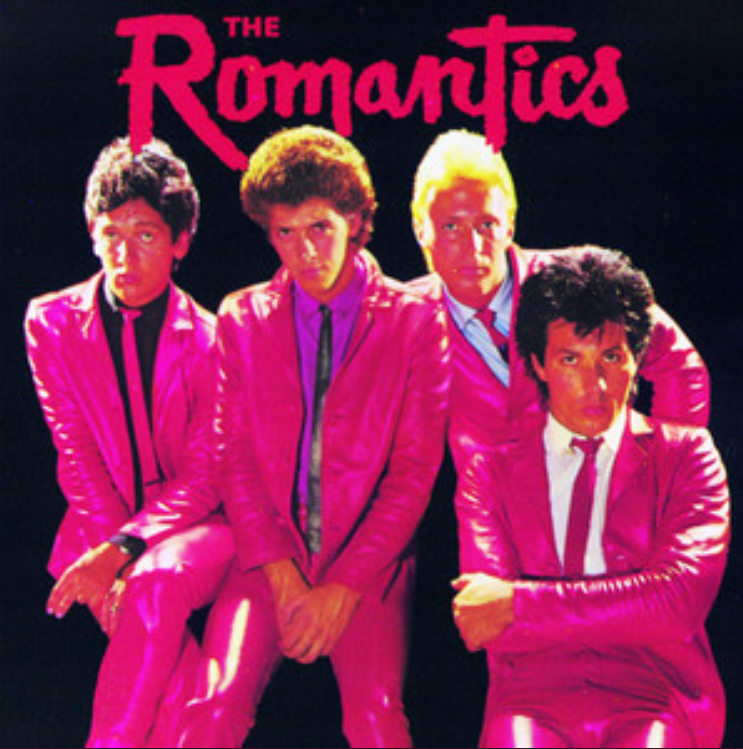
When I learned it was by The Romantics, I had a bit of cognitive dissonance trying to match this song that I loved with the guys in this video. Not that I didn’t like “Talking in Your Sleep”, which was a Canadian . But the video is just, umm, weird: the first appearance of the band, floating up into the viewfinder like glossy big-haired aliens, is chuckle worthy. And while you can hear the similarities in the two songs once you know it’s the same band, I don’t think you would make that connection unguided. I certainly didn’t.

I don’t think my failure to appreciate that this was a 1979 release is all that odd since the song sounds like something out of the 1960s. The Wikipedia page for the tune lists such influences as The Yardbirds, Chuck Berry and Neil Diamond (!) – you know, acts from the ‘60s. Bob Seger’s 1969 “Ramblin’ Gamblin’ Man” could be this song’s hungover uncle. There is a certain timelessness to the tune, with jangly garage band guitars, hand claps, “Hey!”s and “Uh-huh-huh”s and “Ahhhhhh”s. Pounding but unobtrusive drums provide a steady backbeat, and while there is a guitar solo, it is then immediately upstaged by a harmonica solo, which is so incredibly rock and roll. At one point, it seems to be heading into the fade out, before revving up again, then suddenly ending on one last “Hey!” The song jumps in, does its job, then slips back out in a nifty 2:54.

AllMusic has this great feature that links a record to thematically similar works. The album this tune came from is categorised under Guys Night Out, Late Night and Hanging Out, all of which feel pretty appropriate. Guys Night Out is by far the best match, with tunes that include Thin Lizzy’s “The Boys Are Back in Town”, Joe Walsh’s “All Night Long”, Kiss’ “Rock and Roll All Nite”, The Rolling Stones’ “Honky Tonk Woman”, “I Wanna Be Sedated” from The Ramones, and “Louie Louie” by The Kingsmen. “What I Like About You” fits quite nicely, albeit with a slightly more bubblegum finish. AllMusic missed out though by not having Community Hall Wedding Reception as a theme. What else would be on there? “Don’t Stop Believin’”? “Livin’ on a Prayer”? “Shout” (Isley Brothers, not Tears for Fears)?

There is something about “What I Like About You” that has kept it in the airwaves for over 40 years. It’s the kind of tune that a kid in his bedroom hears and thinks, “I could play that”, and that kid isn’t wrong. I have danced to this song with male and female friends, with a girl I was (secretly) in love with, even with my mother at my stepbrother’s wedding reception. I have soberly danced in my kitchen to this tune, and tapped my toes while sitting on my couch drinking coffee, but it works best when you’re just a little drunk, in a room where there are a few too many people, so that everyone is a bit too warm and starting to run out of steam. It’s at that moment that those opening bars kick in, and everyone feels energised again, ready to take on the night. That might be the key to its longevity: hearing it just makes you, well, happy. And what’s not to like about that?

Olivia Rodrigo – GUTS

The biggest challenge for any musical artist is the sophomore record after a brilliant freshman outing. The first record is made in relative anonymity with a lifetime of creative efforts to draw on: its follow up is made in less contemplative conditions, with the world watching and a whole lot less time. More than a few acts have faltered.

Those acts weren’t Olivia Rodrigo.

I, to my surprise and a little bit of dismay, enjoyed her first album. But I love “GUTS”: it just feels like a massive leap forward in figuring out who she is, which right now feels like a way smarter less scruffy updating of Avril Lavigne for the influencer generation. I don’t really care if a lot of this is derivative, as others have suggested. That just makes her part of a line of great repurposers, and since I don’t know most of the artists she’s borrowing from, Olivia can be my gateway drug.

The ballads are fine (except the closer “teenage dream”, which kicks), and probably a necessary bloodletting for Olivia and her similar-aged fan base, but where she truly excels here is when she rocks. She’s still angry at unappreciative exes, but instead of just lamenting the loss, she’s in revenge mode. “get him back!” starts out like you think a song with that title would, but the chorus soon makes it clear why she wants that: I laughed out loud when she sang “I wanna meet his mom / Just to tell her her son sucks”. Her narrators are young women taking control of their messy lives, and, yes, being in charge means you screw up sometimes (“bad idea right?” is a howl), and you live with the consequences and move on. Other favourites are “all-american bitch”, “ballad of a homeschooled girl” and “love is embarrassing”. When the record ended, I paid it the ultimate compliment: I moved the needle back to the beginning.

SoundTracking #3

Career Planning

Growing up, there were two jobs that I set my sights on attaining once I entered the workforce. First and foremost, I wanted to be a professional hockey goalie. If that didn’t work out, my backup plan was to be a statistician. I really had no idea what the latter position entailed, but I liked math, and my imagining of it was that I’d be the guy who tracks all the assists and penalty minutes and figures out what someone’s goals against average was. Now that I have some idea of what a statistician actually does, it’s clear my conception was really more of a scorekeeper role, and not the analytics-type worker that professional sports teams hire in droves these days. (Career tip for anyone still figuring things out: statisticians are in high demand right now and will remain so for the foreseeable future.)

Eventually, I did a lot of jobs that had nothing to do with hockey or numbers before settling in the legal field and ultimately becoming a lawyer. And while I (usually) like what I do, it isn’t a calling: I’m a lawyer because they let me into law school. (Crazy bastards.) If they hadn’t, I’d have tried something else.

It’s too late to head down this path now, but ever since I learned that such a gig existed (yes, it was after law school), my dream job has been to be a music supervisor for film and television. These are the folks who, working with other members of the creative team, help to come up with the songs that you hear in a movie or show, including such simple things as a background tune in a diner, or the critical mood-setter underlying a scene.

I think this job would’ve been a great fit because I’ve always had a filmmaker’s sensibility without any actual cinematic eye. Music almost always sparks a visual connection for me. A good reminder of this came one recent day in my car with a Spotify playlist on when the Swedish behemoth served up “You Should Be Dancing” from the Bee Gees. What my brain pulled up was not a picture of the Gibb brothers in their satiny disco era glory. No, what I saw was Gru, the supervillain turned father-of-the-year from “Despicable Me” (and four sequels/spin-offs). There are a lot of other songs that my mind spontaneously connects with cinematic visuals. I can’t hear any version of “I’m A Believer” without seeing the celebration of Shrek and Fiona’s nuptials in “Shrek”. Queen’s “Bohemian Rhapsody” means I’ll soon imagine the head shaking and hair flying everywhere of “Wayne’s World”. And there are a half-dozen songs – including ELO’s “Mr. Blue Sky” and David Bowie’s “Moonage Daydream” – that bring back scenes from the first two “Guardians of the Galaxy” films. Even a noteworthy cover version can have this effect: what fan of The Police and “48 Hrs.” does not see – and, more importantly, hear – Eddie Murphy’s falsetto when “Roxanne” comes on?

What I am talking about are songs we already love that the movies have hijacked. There are, of course, songs we love that were created for the movies, like “Don’t You (Forget About Me)” or “Streets of Philadelphia” or “Lose Yourself”. Or a song like Yello’s “Oh Yeah”, which was not widely known before it became associated with a movie. And then there are smaller bits of songs that show up in movies, sometimes without us even realising that they have a pre-history outside of the film. I love the movie “Moneyball” (the book is awfully good, too), and there is a mournful bit of music that I always thought was composed for the film but turns out to be a piece called “The Mighty Rio Grande” from a band named This Will Destroy You. 

We’ve all seen different movies, so your list will differ from mine. But below (SPOILER ALERT!!!) are five more songs that my brain can no longer separate from the movies in which they later appeared.

The Rolling Stones, “You Can’t Always Get What You Want” (The Big Chill)

Truly one of the great song scores, this track sets the tone for the almost-midlife reckoning to come.

The Beatles, “Twist and Shout” (Ferris Bueller’s Day Off)

We should all be honest and admit that super cool Ferris Bueller is something of a selfish dick. But when he climbs up on a parade float and lip syncs to this classic (and Wayne Newton’s “Danke Schoen”), who wouldn’t want to be in his orbit?

Derek and the Dominos, “Layla” (Good Fellas)

As betrayal follows betrayal and the bodies pile up, the haunting piano and wailing guitar lead into one of the most unexpected deaths in the history of cinema.

Stealers Wheel, “Stuck in the Middle with You” (Reservoir Dogs)

Once you’ve heard a song played while a lunatic dances around, cuts off a man’s ear, then covers that man in gasoline, you can never go back.

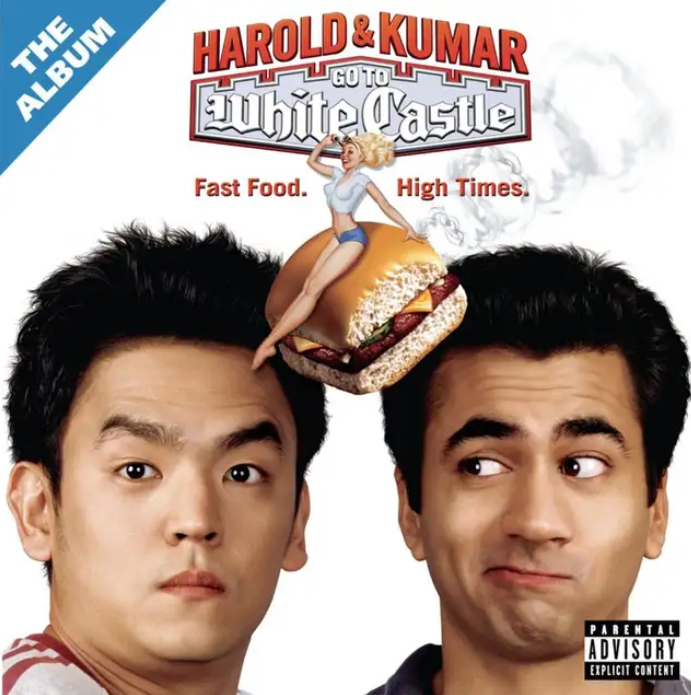
Wilson Phillips, “Hold On” (Harold and Kumar Go to White Castle)

I won’t try to convince you that this is one of the great comedies of the last 20 years: either you are on board, or you aren’t. But in this scene, near the end of a night that tested their friendship, the titular heroes somewhat reluctantly bond over a pop classic.

Classic Songs of My Youth Revisited #45

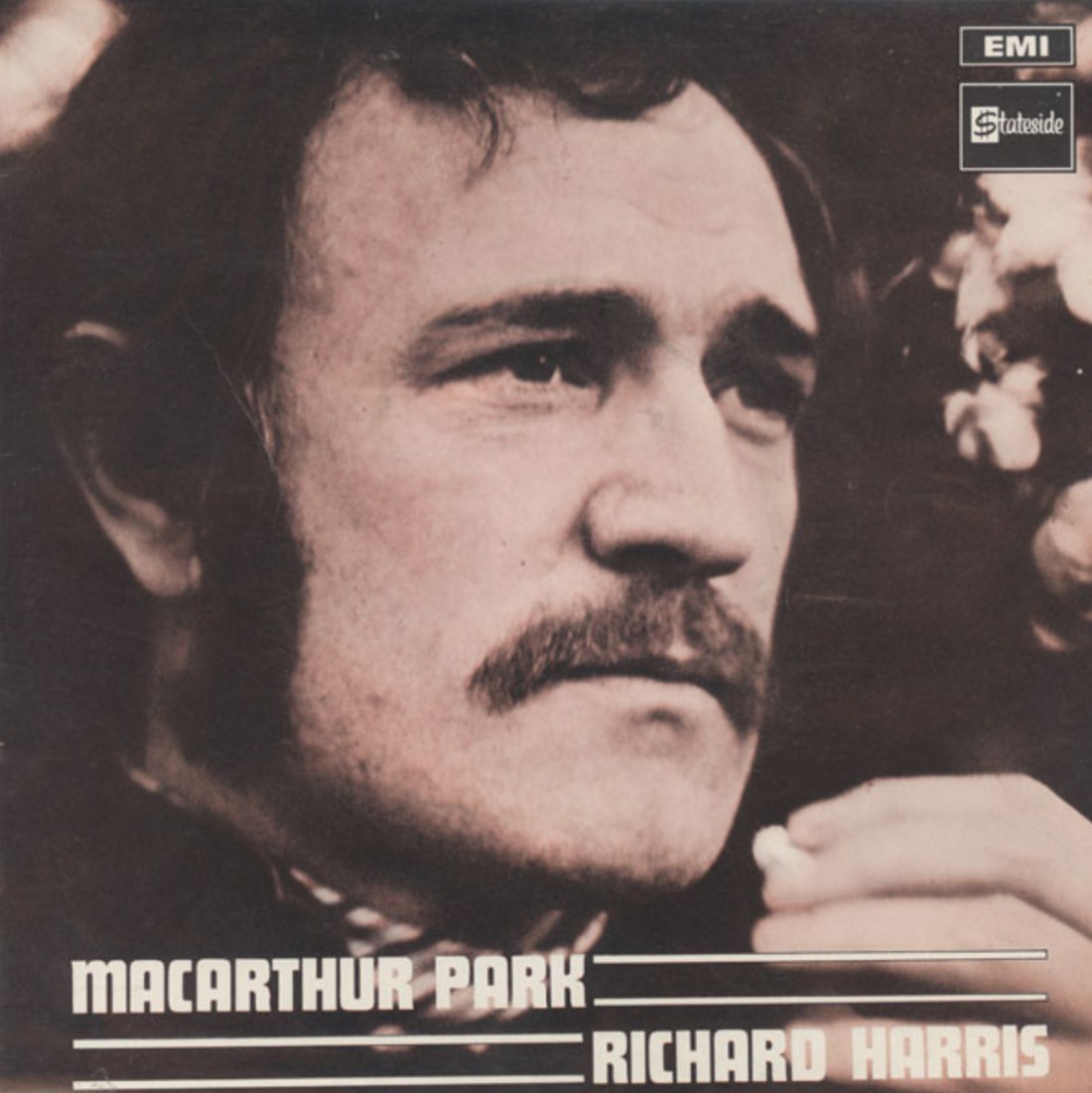
Richard Harris – MacArthur Park

Sometimes, a song can make such an impression that you can clearly recall a time in your life when you heard it playing. It might be the backdrop to your first kiss with your true love, or the soundtrack to a heartache (I’m going to do a whole series on those songs, just you wait), or just the theme to a great sports memory (I’m sorry Chicago Bears fans – in no parallel universe does “The Super Bowl Shuffle” count). What matters is the connection between how you were feeling and the song that was in the air.

And sometimes, you remember because you were confused.

I know exactly when I first really listened to Richard Harris’ take on “MacArthur Park”. At some point in 1982, CJCB ran a countdown of the Top 100 rock and pop songs of all time. I know it was 1982 because I was at that point under the delusion that John Lennon’s “Woman” might be the greatest song ever recorded – I had kissed a girl that I was crushing over badly while we slow danced to it, so my perspective was of course quite skewed – and I listened to eight-plus hours of great music only to end up, weirdly, disappointed. (That “Hey Jude”, a to my mind vastly overrated tune, was did not help.) I don’t know who was polled to come up with this ranking, but it definitely was outside the mainstream. The oddest song that made it onto the list was probably “Vehicle” from The Ides of March, and I have no idea why that one in particular stuck in my head, but I’m glad it did. It’s a pretty good tune, but so little considered now that Acclaimed Music lists 222 songs from the year it came out in its top 10,000 tunes, and “Vehicle” isn’t one of them (though it is “bubbling under”).

Anyway, getting back to Harris, I knew his original had been a hit, and then there was Donna Summer’s smash disco cover from a few years earlier, but tracking down an older song was no easy task back then, especially if you were a teenager and, let’s be honest, didn’t really care all that much. (If me not having heard it seems unlikely to you, ask yourself how Sam Smith had never heard Tom Petty’s “I Won’t Back Down” before 2014 – and I happen to believe him – and then reconsider my position between 1968 (age: 4) and 1982.) So when I finally heard Harris’ take, I was – what? Dumbfounded, maybe. Perplexed for sure. This was a hit? This? How? Why?

Although he had starred on stage in “Camelot”, Harris wasn’t known as a singer, and I can’t say this recording really furthers any argument in his favour. Yet, in 1968, that’s exactly what he – with the considerable help of songwriter/producer Jimmy Webb – told the world he was, and the world said “Okay!” The song got to #2 on Billboard and earned him a Grammy nomination for Contemporary Pop Male Vocalist. (He lost to Jose Feliciano.) The album it came from, “A Tramp Shining”, was nominated for top album, along with Feliciano, The Beatles, Simon & Garfunkel and the winner, Glen Campbell. The category feels like a bit from “Sesame Street”.

This song shows up on some lists of the worst songs of all time, and I can only assume those people are not listening to it in the proper frame of mind. This is high camp, and while I have no way of knowing if that was Harris’ intention, I’m giving him the benefit of the doubt. He was a larger than life figure, and in more than a few of his film roles he leaned into the more foolish side of his character’s personality. (Plus, with no disrespect to the great Michael Gambon, he gave us the definitive Dumbledore.)

But leaving aside what Harris brought to the party, it’s simply a great song. There are three movements (making the world safe for “Paradise by the Dashboard Light”), the first being the baroque (thank you, harpsichord) moanings of a lovelorn troubadour. This blends into the gracefully balletic and contemplative second movement, before we get to the heart racing third movement, with the breathless pace of the theme song to a spy television show, or a stand-in for Supertramp on “W5”. Then we end with a call back to the first movement, with the big finish that sounds like the soaring choir at the curtain drop of a stage musical. And if all that isn’t enough, we have some of the most wackadoodle lyrics to ever grace the pop charts, like a poem from Shelley off his meds (in other words, just regular ole Shelley). Beautiful.

As weird as the song is – and for a pop song, it is mighty weird – you need only look at the heavyweights who have covered it to get a sense of its greatness: in addition to Summer, there’s Frank Sinatra, Tony Bennett, Glen Campbell, Waylon Jennings, Four Tops, and a bunch more. A lot of these are heavily edited, dropping a movement or two, none more so than the brisk 97 seconds of punk howl from The Queers, which makes things easier – for them, not us – by dispensing with any pretence of sounding like the song Webb wrote. My favourite might be the 1979 ska-esque version from Morgan Fisher under the names The Burtons and Hybrid Kids. The final results may vary, but what they have in common is an appreciation for the song’s scale and adaptability. It was an unusual recipe, but there is no denying that the cake itself is delicious.

Lesser (Known) Lights #3

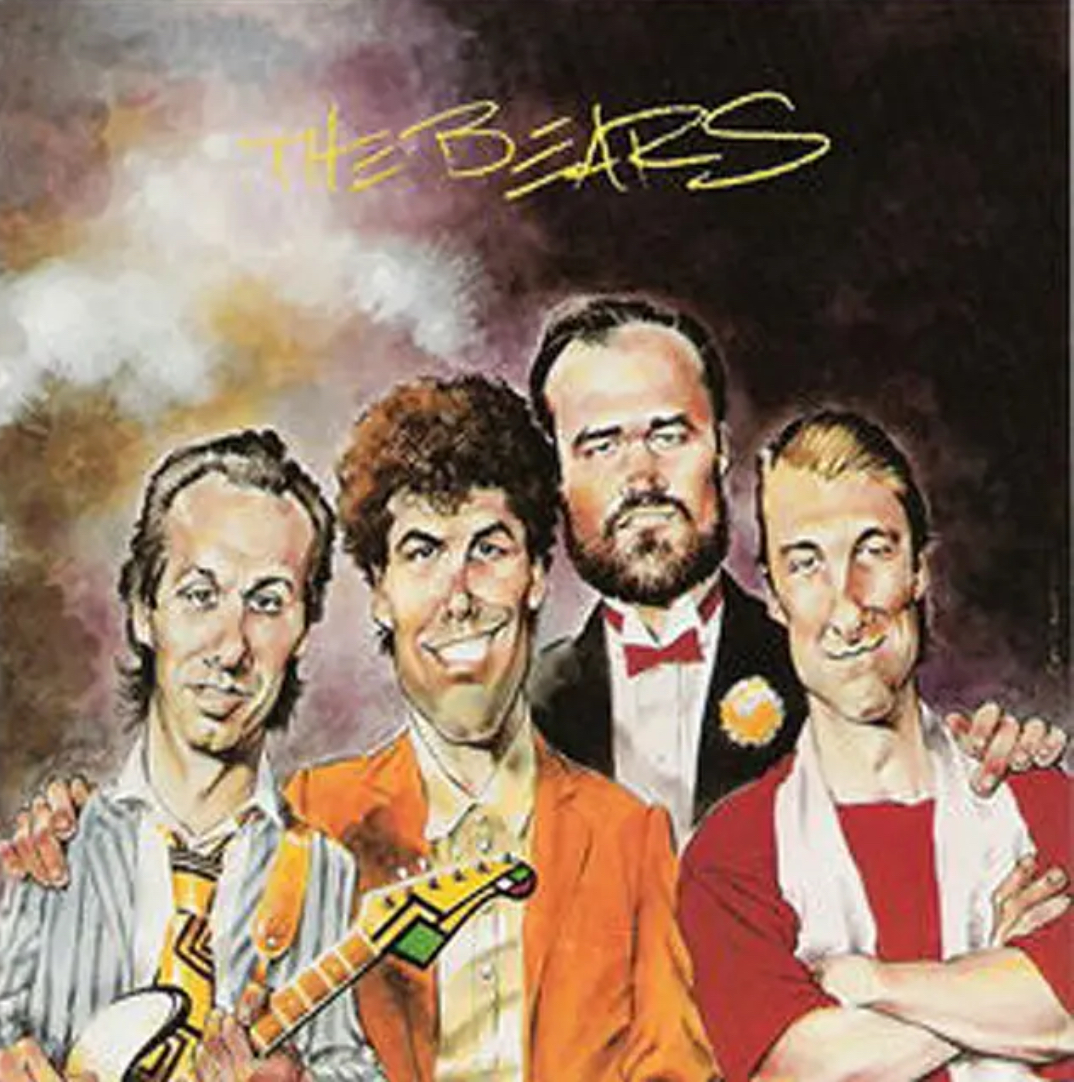
The Bears – The Bears

In one of the mid-credits scenes from the third “Guardians of the Galaxy” film, the reconstituted titular heroes are discussing favourite musical artists. Adam Warlock has the most out-there choice with Adrian Belew, citing both his solo outings and his work with King Crimson. But why no love for The Bears? Their self-titled debut album from 1987 was a favourite of mine at the time, and when I looked it up again after the streaming era began, our reacquaintance was, for my part at least (I can’t speak for the band), a joyful one.

The Bears came together after former members of The Raisins joined up with Belew, who had produced the band’s one album, after King Crimson was, well, dissolved by leader Robert Fripp. The result is a sort of eccentric power pop: it has the power pop markers of hooky melodies, vocal harmonies and generally sunny-sounding tunes, but with the kind of weird little musical flourishes that one would expect from a band that included a guy who once co-wrote a song called “Larks’ Tongues in Aspic Part III”. (I also loved the stylized cover art – the chin on Rob Fetters is Tony Robbinsesque.) The album didn’t sell very well, and though CFNY played the song “Trust” for a time, the album didn’t make the station’s list of the year’s top 100 releases. Favourite tunes here include “Fear Is Never Boring”, “Man Behind The Curtain”, “Figure It Out” and, yes, “Trust”. I could live just fine without some tracks – it’s 36 years and counting of being mildly annoyed by “Wavelength” – but aren’t most records like that?

After 1988’s “Rise and Shine” also faltered commercially, they split up, but have twice reunited to release new albums and play some shows. And now they are largely overlooked, and not just by Adam Warlock: the band has roughly 1500 monthly listeners on Spotify, yet over 66 million people spent some time this past month listening to Ariana Grande smother drunk sparrows. “Guardians of the Galaxy Volume 3” had the chance to help change this, but dropped the ball. For shame, James Gunn. For shame.

Classic Songs of My Youth Revisited #44

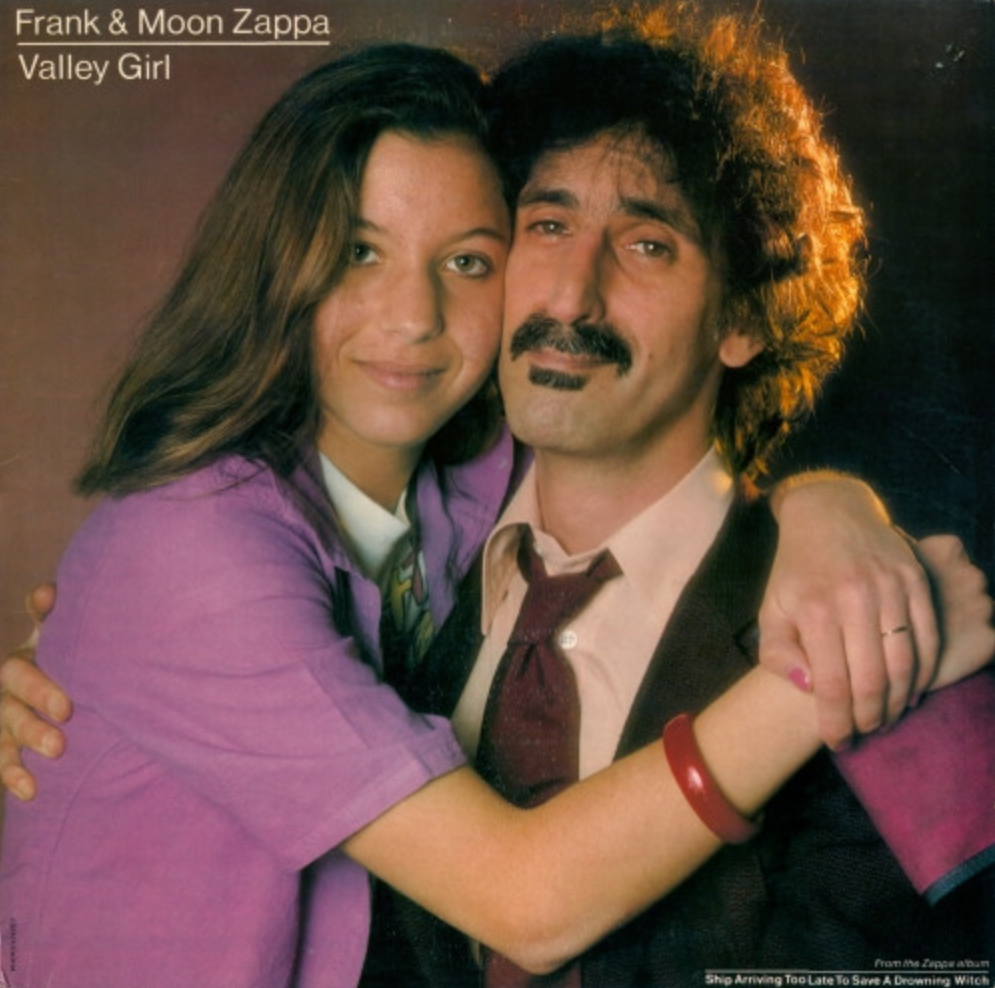
Frank & Moon Zappa – Valley Girl

I recently wrote about a novelty song, and that of course lead to thinking about other songs of this type. There’s a natural goofiness to such tunes, but it doesn’t mean that the artists writing and performing them aren’t deadly serious about what they’re doing, or applying all of their talents to make them, well, not great, because let’s not overstate this, but good, maybe. Frank Sinatra did one (“Mama Will Bark”, quickly defeating my above “good” position – WTF was Frank on when he agreed to this monstrosity?), as did The Coasters (“Yakety Yak”), Roger Miller (“You Can’t Roller Skate in a Buffalo Herd”), Chuck Berry (“My Ding-a-Ling”, which turns out to be about exactly what giggling 12-year-old me thought it was) and probable future Rock and Roll Hall of Famer Warren Zevon (“Werewolves of London”).

I don’t know when I last heard “Valley Girl” in nature, but 1982 is definitely a possibility. And I know I still had positive memories of its silliness. So, when Spotify served it up one recent Sunday afternoon as part of my personal “Discover Weekly” playlist, I was struck with an odd joy on hearing the opening notes.

It didn’t last.

Frank Zappa apologised to his fans for this song – he promised never to accidentally write a hit again (giving a very elastic definition to “hit”), and he was good to his word. But I don’t think he had creator’s remorse about it. Elvis Costello once talked about hoping he never had a hit with a crappy song that he would then be forced to sing over and over again despite hating it. (For my money, he accomplished this unfortunate end with “Veronica”.) Zappa never seems to have expressed regret about the fact of “Valley Girl” existing (though this Letterman clip comes close), but only that it was successful. Alas, he was bothered by the wrong thing.

It sort of is a great song, if not a good one, and, yes, something can be the former without being the latter. Zappa hated the San Fernando Valley and the people who lived there, and turned his daughter Moon Unit’s gift for mimicking them into a satirical masterpiece that shows how ridiculous they are. (And, yes, that is her given name.) But that’s one of the problems with satire – it needs an audience that understands what is being satirised. In this case, the Valley aesthetic was largely unknown to the outside world, and the song helped popularise it for a brief time, which couldn’t have pleased Zappa very much.

Also, satire isn’t really designed to stand up to repeated scrutiny: there’s only so many times you can hear the same joke before you want to punch the person telling it to you. “Valley Girl” is almost five excruciating minutes long, and if the aim is to make you feel annoyed, it only half succeeds: I actually feel sort of sympathetic towards the girl that Moon is channelling, while dad Frank’s bits are just abrasive. Again, the latter at least seems to be intentional, but it doesn’t make it any more satisfying as a listen.

In the end, I’m glad I stumbled across this again. I was rooting for this song to be a hit in 1982 – it got to #18 in Canada – and just because 2023 me finds it annoying doesn’t devalue 1982 me’s love of it. And while I also enjoyed Buckner & Garcia’s “Pac-Man Fever” – which is exactly as awful as you would expect – that year, I was also listening to albums from The Human League, Go-Go’s, Rush, Elvis Costello and ABC, so I wasn’t a complete idiot. I just had moments of idiocy, and we’ve all been there. Even Frank Sinatra.

SoundTracking #2

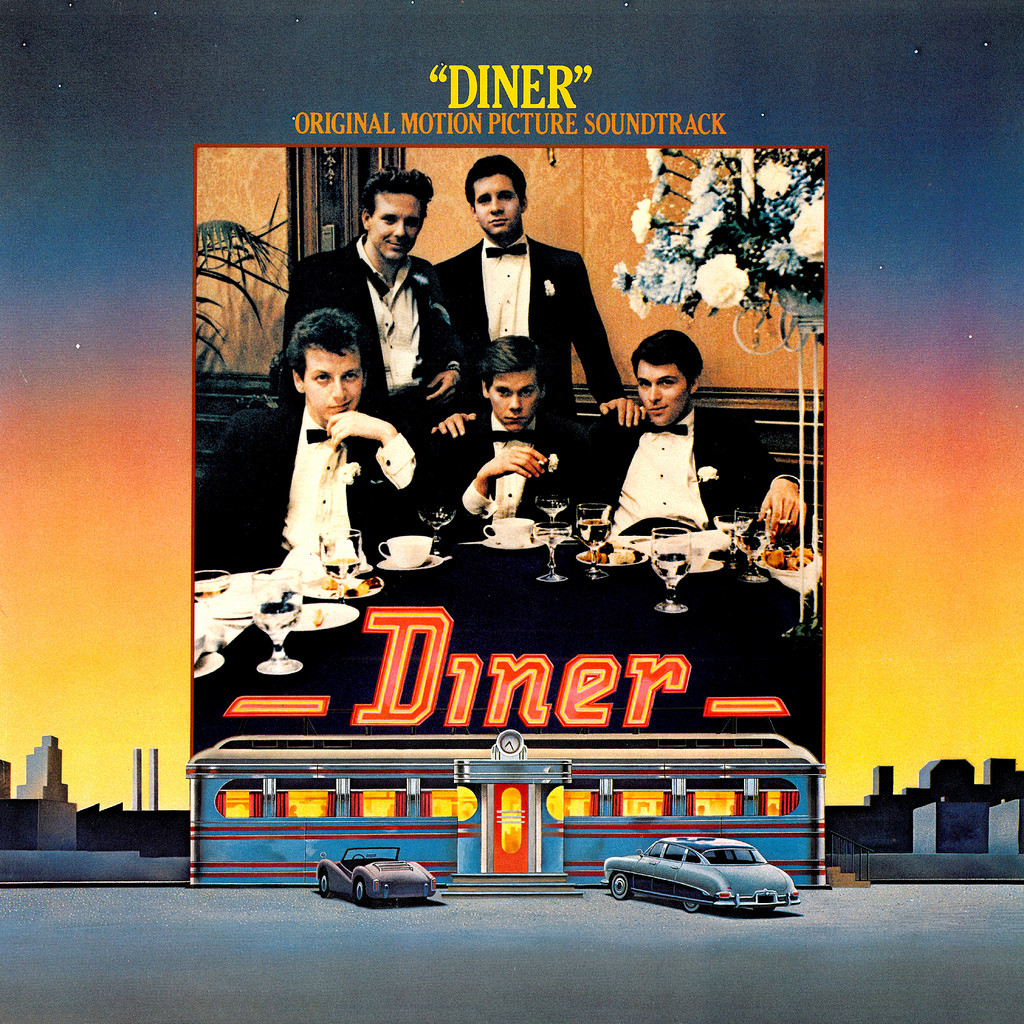
”We always got the diner.”

Now that we live in a world where, for the right price, you can watch pretty much every movie ever made on your telephone with no more effort than a few thumps of your thumb, it can be jarring to think back to when you had no control, when you watched what the television programmers chose to show you and were damned happy about it. Which is why the video cassette recorder was such a godsend.

We never owned a VCR while I still lived under my parents’ roof, and for good reason: almost no one did. The average price of a VCR was $647.44 Canadian as of July 1, 1983, or $1,752.74 today. It was a luxury item, and me and most of my friends were part of multi-kid families with parents who had seasonal employment. There were a lot of better places to put money like that.

But you could rent one for a more reasonable expenditure, and on the Canada Day weekend of July 1 to 3, 1983, my father did exactly that. With the glorious machine, he also brought home six movies. “Blade Runner” was one of them, along with “An Officer and a Gentleman” and maybe “On Golden Pond”. As good as those were – yes, even “On Golden Pond” – the one I liked best, and have watched the most times since that lost weekend, was “Diner”.

None of them were stars then, but pretty much everyone in the young cast went on to have a solid career. Mickey Rourke, Kevin Bacon, Ellen Barkin: you could’ve made a decent ‘90s thriller with those leads. Steve Guttenberg and Daniel Stern had major parts in some very successful comedies, and Timothy Daly, Paul Reiser and even the slightly-older Michael Tucker have all had great runs on television.

Taking place over the last few days of 1959, music plays an important part in the film. It opens at a dance and ends at a wedding reception. In one scene, several characters discuss whether Johnny Mathis’ or Frank Sinatra’s music is better for making out. Shrevie (played by Stern) is obsessed with his record collection, leading to tension with his wife (Barkin), who doesn’t understand this. The soundtrack of ‘50s classics never falters: Jerry Lee Lewis, Dion and the Belmonts, Eddie Cochran, Bobby Darin, Fats Domino and, of course, Elvis Presley.

I haven’t seen it in years, but it’s the kind of movie that, were I to stumble across it while channel surfing, would absolutely end with me watching the whole thing. (It’s a programming failure that this has never happened to me.) There are so many great scenes (the football test given to a bride-to-be, a character’s unfortunate encounter with a box of popcorn) and sharp lines (“I’ll hit you so hard, I’ll kill your whole family.” “We all know most marriages depend on a firm grasp of football trivia.”), but one has always stood out for me. Eddie (Guttenberg) is so afraid of settling down that he cancels his wedding over the results of said football test. Billy (Daly) has the opposite concern: he wants to settle down with reluctant Barbara, who is pregnant with his child. They take their woes to where men have gone since time immemorial to contemplate life’s challenges: to a strip club, where the entertainment is uninspiring. And then this happens:

I’ve watched this clip over a dozen times in recent months, and it never ceases to please me. Does it move the plot forward? Not really, though it does lead to an eye opening discussion with the stripper (Billy: “Just in love.” Stripper: “Does the girl know?” Billy: “Yeah, I told her about it.” Stripper: “Told her? Didn’t you show her?”) and to Eddie deciding to get married after all. In a movie like “Diner”, the plot is besides the point: it’s all about getting to know the characters, and the scene tells us things we didn’t know about Billy (he’s really good on the piano) and Eddie (he’s, umm, a great dancer?). And then there’s a New Years Eve wedding and the bride’s bouquet lands on the table in front of the young leads. It’s an invitation to embrace uncertainty, with a new decade hours away. And, whatever may come, as Eddie and Shrevie observe, they’ve “always got the diner”, where there’ll be decent food (just ask Earl), good conversation and, of course, great music.

Lesser (Known) Lights #2

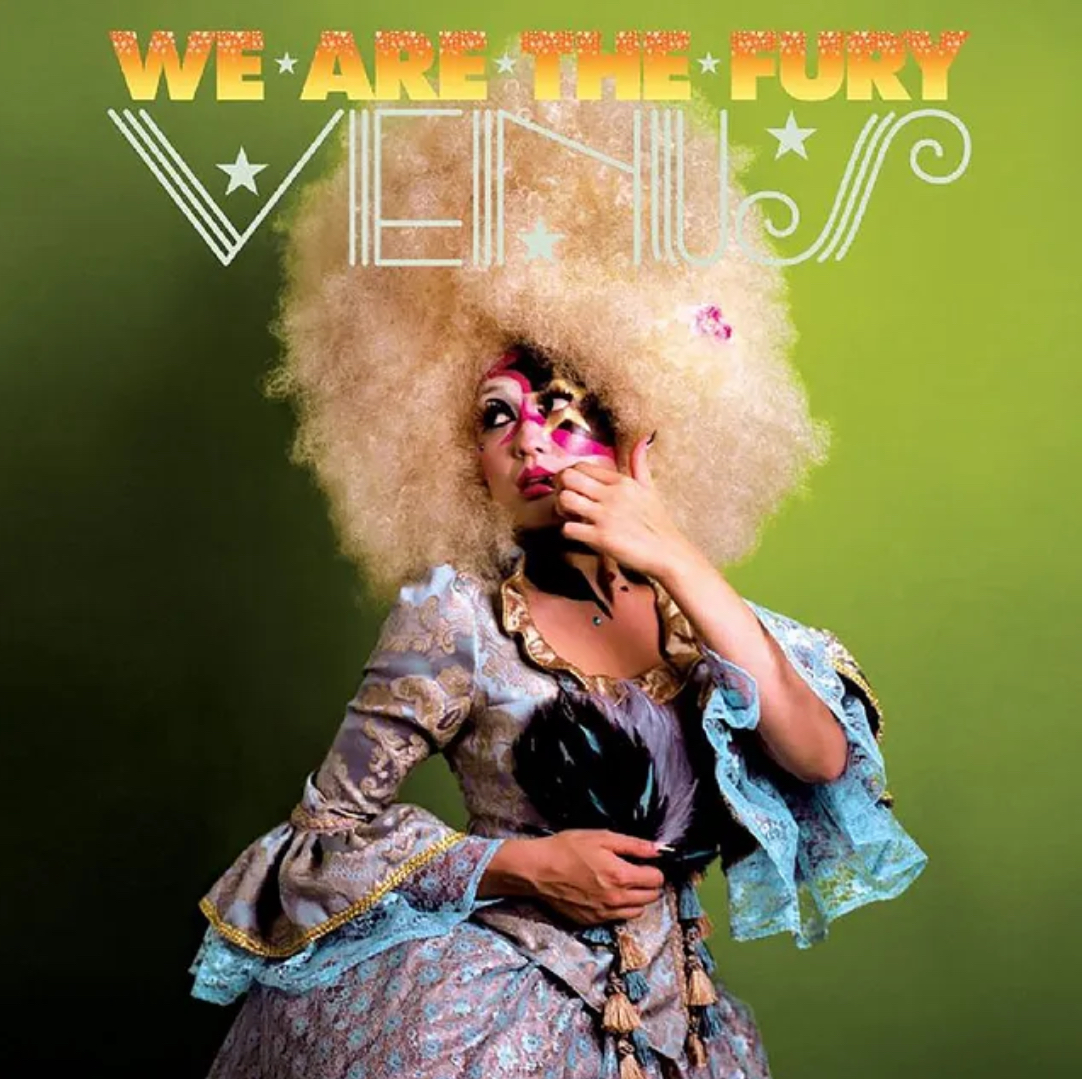
We Are The Fury – Venus

Sometimes you come to a band in an unusual way. I’m a fan of the writer David Foster Wallace, whose 1996 novel “Infinite Jest” is one of those books which lots of people start but can’t finish. (It took awhile, but I made it to the end. Many have been helped in this task by the Infinite Summer challenge.) Browsing the Wikipedia entry for the novel, I learned about this band from Ohio that named an EP after it. The EP was great, so I of course checked out their only album, “Venus”, and was not disappointed. Rolling Stone called them an “Artist to Watch” in 2007, but the album either tanked hard or the band imploded because there was no follow up until they dropped a few singles in 2018/19. I saw it described somewhere as glam punk, and I think that’s spot on: there are echoes of bands like New York Dolls filtered through an emo sensibility with a hair metal band’s confidence and a garage band aesthetic, coming out on the other side with something that at times feels like The Strokes on Ritalin. They remind me very much of a band I already know, but that band’s name is just beyond the fingertips of my dwindling memory. There are certainly some rock star cliches here – yes, I’m pretty sure cowbell makes an appearance – but it’s done in a playful, we’re-in-on-the-joke kind of way. The record is frenetic, except for the obligatory power ballads, which are fine but don’t stand out like the bangers. Fave tracks include “Now You Know”, “Camera Tricks”, “Still Don’t Know Your Name”, “Saturday Night” and “You’re My Halo (Prom Song)”. A good listen from needle drop to the last howl: if you love Jet’s “Are You Gonna Be My Girl” (and who are these heathens who don’t?), this is an album for you.