Classic Songs of My Youth Revisited #43

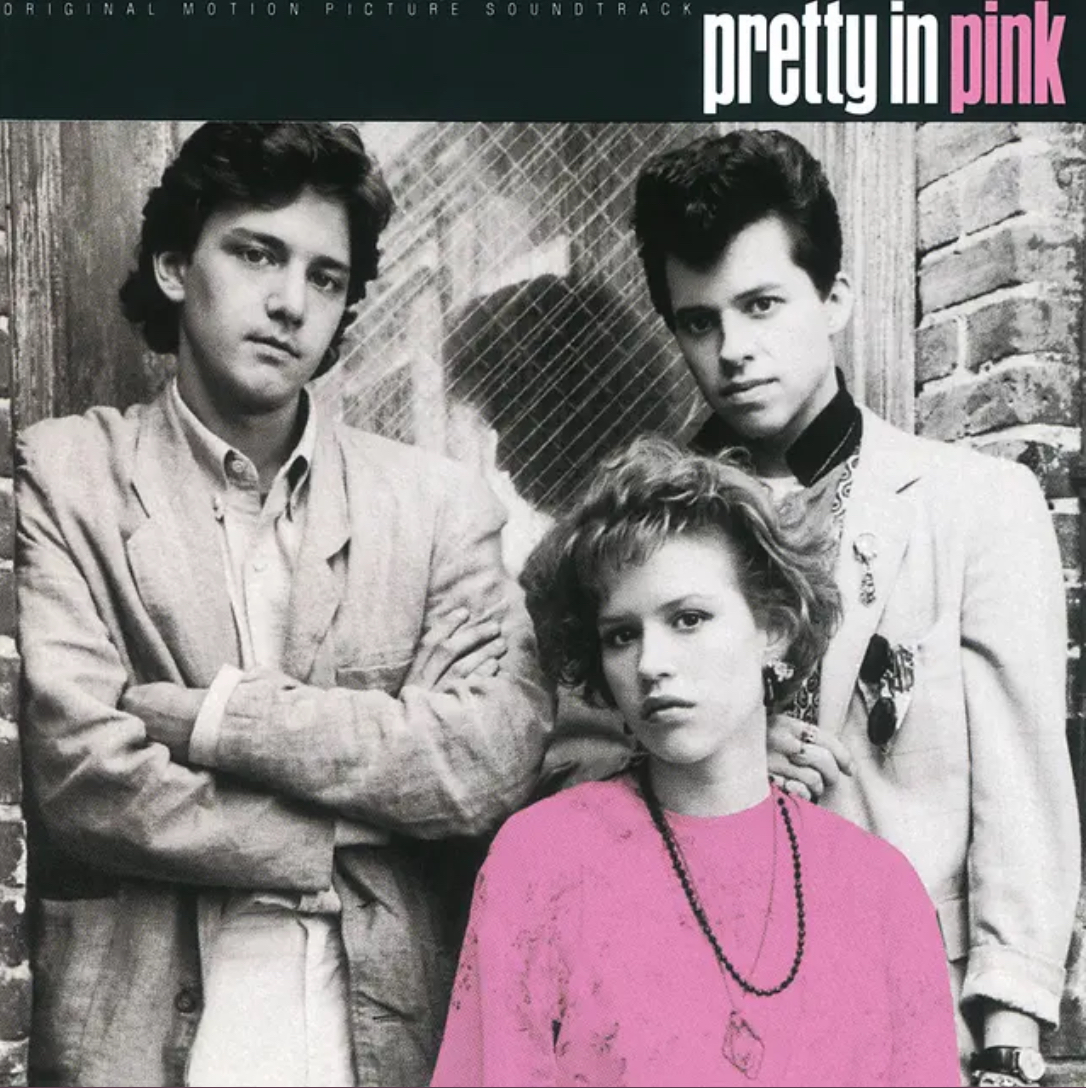
The Psychedelic Furs – Pretty in Pink

One of the worst things a music fan can say about a favourite artist is to call them a sellout. It’s such a dirty word: it implies a corruption of intent, a sacrifice of one’s true artistic identity in the pursuit of something crass. We almost never say it about people who are already stars: whatever you may think of the latest Taylor Swift or Drake record, you can’t really sell out when there is already a massive crowd ready to spend money on whatever musical grievance settling you choose to release. I’m not even sure the word was used when folks like Rod Stewart and The Rolling Stones dabbled in disco beats in the late 1970s. No, it is generally reserved for so-called independent or alternative artists who change their sound or image in some way, and then become more commercially successful. Whether there is a connection between the change and the increase in sales seems besides the point.

My friend Shelley thought The Psychedelic Furs sold out when they released their 1987 album “Midnight to Midnight”, saying it was too commercial. I was not much of a Furs fan at the time – my appreciation for them developed later – so I didn’t really hear that big of a change from their previous records. Yes, “Heartbreak Beat” was definitely more upbeat than its predecessor singles, which were in continuous rotation on CFNY, and the record is more cleanly produced and upbeat. But it’s not like Richard Butler changed his singing style, which is one of the things that made the band stand out. And if they were selling out, it had happened the year before, when they re-recorded their 1981 release “Pretty in Pink” for the soundtrack to the movie of the same name.

I loved John Hughes’ movies in the mid-1980s (though not all have aged well, with their sexualizing of teen girls and questionable racial attitudes among the issues), but “Pretty in Pink” (which he wrote but did not direct) did not move me like others had. I guess in part it was because I was ageing out, and didn’t really share the concerns of the main characters, with first loves and prom night micro dramas. Hughes was starting to repeat himself, too, with diminishing returns: Jon Cryer was fantastic as the lovelorn Duckie, but his lip syncing to Otis Redding’s “Try A Little Tenderness” is too much in the vein of Matthew Broderick’s iconic “Twist and Shout” from “Ferris Bueller’s Day Off” the year before. (Both are also bits that neither advance the plot nor tell us anything about the two teens we couldn’t figure out on our own, but let’s skip past that part for now.) But the soundtrack? For my money, it’s the best of Hughes’ teen films: The Smiths, Joe Jackson, Suzanne Vega, INXS, Orchestral Manoeuvres in the Dark, New Order, Echo & the Bunnymen. I owned it on cassette, and played it and played it over and over for the next several years, and even now I sometimes call it up (minus the New Order track and one other for some reason) on Spotify. It’s just one great tune after another.

The centrepiece – and my favourite – is the Furs with the title track. Unless you listen to the two versions back to back, you might not pick up on the difference. What they mainly did for the movie version is clean up the song, like wiping the grime off something so that it shines a bit more brightly. That’s it: less scuzz on the guitars, less muting of the drums, putting the vocals near the end higher in the mix so you can actually hear (sort of) what Butler is mumbling about. The only substantive change comes towards the end, when they tack on about 45 seconds to wind down with a horn section, more Butler mumbling, and a bit more horns. Hardly such a massive corruption of their talent to be labelled a sellout.

Either way, it’s a great tune, though I do favour the cleaned-up version: I like to (sort of) hear what singers are going on about. The meaning of the song is far removed from the film: unlike the chaste Andie of the movie, the Caroline of the song is a girl who, in Butler’s words, “sleeps around a lot and thinks that she’s popular because of it. It makes her feel empowered somehow and popular, and in fact, the people that she’s sleeping with are laughing about her behind her back and talking about her.” And while I am loath to disagree with a creator about his own work, I’ve never felt that was true. Caroline just seems to be looking for someone to love her, and is unfortunately aiming that desire at a lot of undeserving people. But take away the sex, and the experiences of Caroline and Andie – being treated poorly just for being true to who they are – aren’t all that different, and you can see how the song could have been a beacon for Hughes. I always feel sad for Caroline, and am hopeful that she found a way to move past the douchebags in her life and find love with someone who appreciated her. Unlike poor Duckie, who is matched with future vampire slayer and Trump supporter Kristy Swanson in the film’s closing moments while his true love Andie goes off with the boring “major appliance” that is Blane. It’s a bittersweet ending, but it was the one that test audiences demanded. Now, that’s a sellout.
Lesser (Known) Lights #1

Mike Viola – Lurch

It’s been barely six weeks since I first learned of the existence of Mike Viola, and two albums in I can certify actual fan hood. You’ve heard him already even if you didn’t know it: he was the voice of the lead singer of The Wonders in “That Thing You Do!”, including the Oscar-nominated #41 (I remain stunned that this glorious tune wasn’t even a top 40 hit) title track. I won’t judge his whole ouvre here – there are six more albums waiting for me on Spotify – but “Lurch” is a gloriously sunny pop record. He was pals with the late Adam Schesinger of Fountains of Wayne (who wrote “That Thing You Do!”), and sometimes plays in the same pool as FoW, with bouncy melodies and clever lyrical turns of phrase. He uses odd instruments at times – I swear there’s a glockenspiel on one track – but it is always in service of the song. I don’t think there’s a dud on this, but “The Strawberry Blonde” is a true standout, as are “So Much Better”, “When I Hold You In My Arms”, “You’re Alright But You Never Admit When You’re Wrong” and “Something Electric”. This is crisp, breath-stealing, should-be-on-the-soundtrack-to-an-indie-coming-of-age-love-story power pop, and a record that will end with you thinking of going back to the beginning to listen to the whole thing over again.

Classic Songs of My Youth Revisited #42

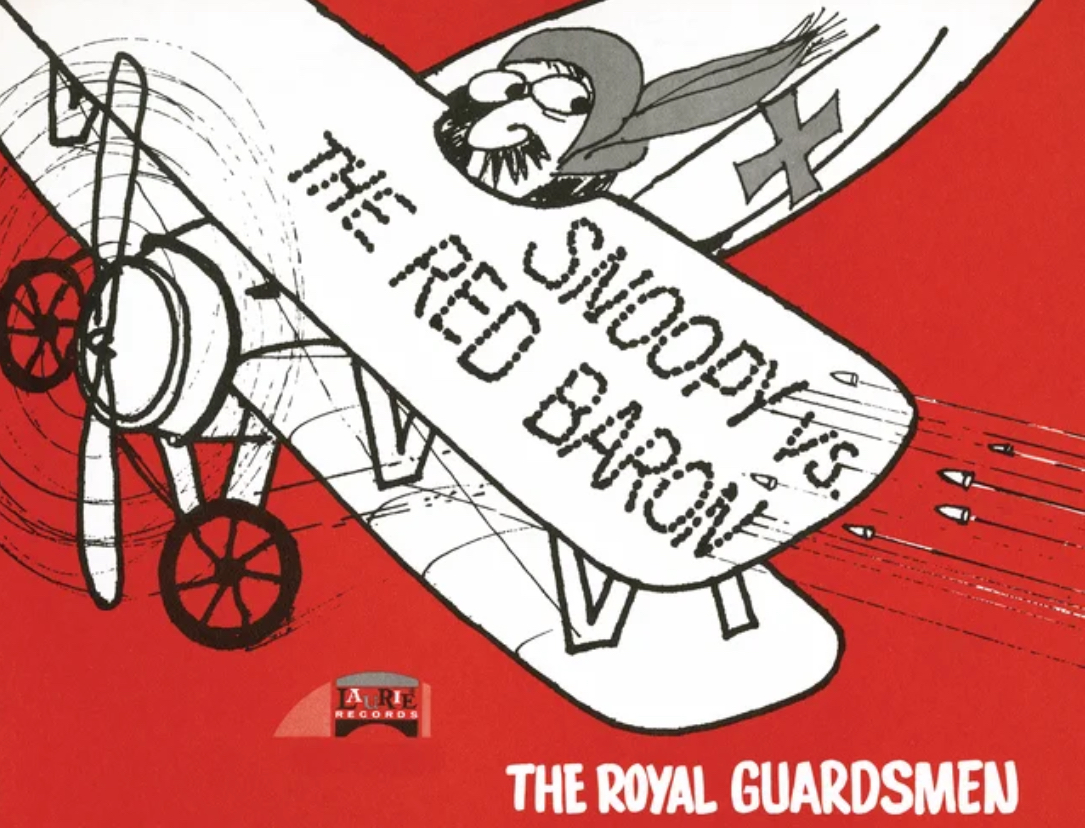
The Royal Guardsmen – Snoopy vs. the Red Baron

The 1960s was probably the era in musical history that the word “goofy” can best be applied to. It was the glory days of the novelty song, when a weird record might be followed by an even weirder record, and none of this weirdness could stop both of them from climbing into the upper reaches of the singles chart. This included acts like The Singing Nun and The Irish Rovers – just those names tell you something about what you’re going to be listening to – but these were mere glimpses of the nuttiness of those years. There was Larry Verne’s “Mr. Custer”, which might get him cancelled today, with “Injuns” and “redskins”, whoops and scalping. The Trashmen’s gloriously obnoxious “Surfin’ Bird” (which wears out its welcome about 30 seconds in), The Hollywood Argyles’ comic strip-inspired “Alley Oop”, and other oddballs like “Simon Says” and “Yummy Yummy Yummy” were all hits. Ray Stevens made a career out of novelties, with two songs that I can recall the lyrics to today almost in their entirety in “Ahab the Arab” and “Gitarzan”. Even some acts that were very serious about the music they were making, like The Monkees, had a decidedly non-serious image.

Novelty songs didn’t have much staying power on radio, as listeners would soon tire of them and move on to the next strange thing. Luckily, for a child in the 1970s, there was K-tel. The discount record label would, as it did with all the popular music it could get hold off, repackage these tunes in collections of 20 tracks, and deliver them to our ears with teasing television commercials that lured us to the bins and racks of our local record store. My family owned several of these compilations, but the only one I can remember by name is “Goofy Greats”. The tracks listed above save “Gitarzan” were included, along with a dozen-plus more. And starting it off, in keeping with its cultural might, was The Royal Guardsmen and “Snoopy vs. the Red Baron”.

Snoopy, of course, is the pet beagle of Charlie Brown, the protagonist of the “Peanuts” comic strip. Like most kids of that era, I would read “Peanuts” and other comics in the daily paper, skipping over more adult offerings like “Mary Worth” (while also bemoaning the space being wasted on them), and my family’s book offerings included some paperback collections of older strips. Snoopy was the breakout, the supporting character who became the real star: the Steve Urkel of his day. He had a rich interior life full of bold adventures, sometimes accompanied by his bird friend Woodstock. And most prominent of these was his long-running feud as a World War I fighter pilot with the dastardly German flying ace, Manfred von Richthofen, a.k.a. the Red Baron. So, in the spirit of the era, it was logical for the writers of a tune about the Baron to add some new lyrics – the inevitable litigation to come be damned – after failing to capitalize on the vogue for historical songs to try and instead take advantage of this helpful new attention being paid to their very old subject. That lawsuit meant that the songwriters had to give up the publishing revenues from the tune, but the song got out into the world, and eventually hit #2 on Billboard, losing out on the top spot to the non-novelty Monkees and “I’m A Believer”.

The song is definitely worthy of the label “goofy”. There’s lots of psychotic-sounding German – the opening spiel calls Snoopy pig-headed – along with machine gun fire and the sound of airplanes falling out of the sky. Snoopy, after initially failing to take out the Baron, consults with renowned military strategist the Great Pumpkin (Linus is redeemed!), forms a plan and shoots down his foe, stealing glory from the soldier – whose identity has never been definitively agreed upon, but may have been a Canadian pilot – who actually did the deed. The backbeat feels like a sped-up march, and there’s a pseudo sample of “Hang on Sloopy” that almost resulted in a second bit of litigation for this little tune. Musically, there is nothing much happening here, but it has the virtue of a taut narrative: it just races through the entire tale in a crisp 2:40. That precision has another benefit: you can listen to it several times in a row without wanting to throw yourself out of the nearest Sopwith Camel in mid-flight.

This is possibly the greatest novelty tune of all time for several reasons. First, The Royal Guardsmen didn’t just disappear like so many bands after their moment of oddball chart glory passed: they later had some minor non-novelty hits, and with some interruptions and changes in personnel, remained a functioning act as recently as 2011, and possibly beyond. Second, it spawned numerous (and occasionally successful) sequels, including “Snoopy for President” (my wife owned the album), “Snoopy’s Christmas” and the absolutely nutbar 2006 release “Snoopy vs. Osama”, in which our beloved beagle seems a tad bloodthirsty (while suggesting that “Zero Dark Thirty” is as true a tale as the Apollo moon landing). Third, the song itself has had surprising longevity: Quentin Tarentino even used a snippet in “Once Upon A Time in Hollywood”. Finally, and most importantly, there are covers: in Spanish, Italian and Finnish, and ska and punk-ish versions, too. The last two are kind of fun, but the others are just the same song in a different language. But that, too, is a triumph because someone thought it was worth the trouble to do that.

There is, however, a clear winner for the weirdest version of this song. Fearful of litigation, the Canadian arm of The Royal Guardsmen’s record label refused to release it as written, so the band re-recorded it with new lyrics under the name “Squeaky vs. the Black Knight”. It actually got some traction on Canadian airwaves before the legal issues were sorted out and the original began its journey to becoming the most popular song in the country. The song is identical in almost every way but for a few changes in the lyrics, but those changes make it completely nonsensical, entirely detached from any context that would help you enjoy it: only here can you find a buck-toothed beaver keeping the skies over Europe free from German tyranny. It’s a true novelty song: horrible, but not so horrible that you won’t be tempted to hit “repeat” at least once to make sure of what you thought you heard.

Classic Songs of My Youth Revisited #41

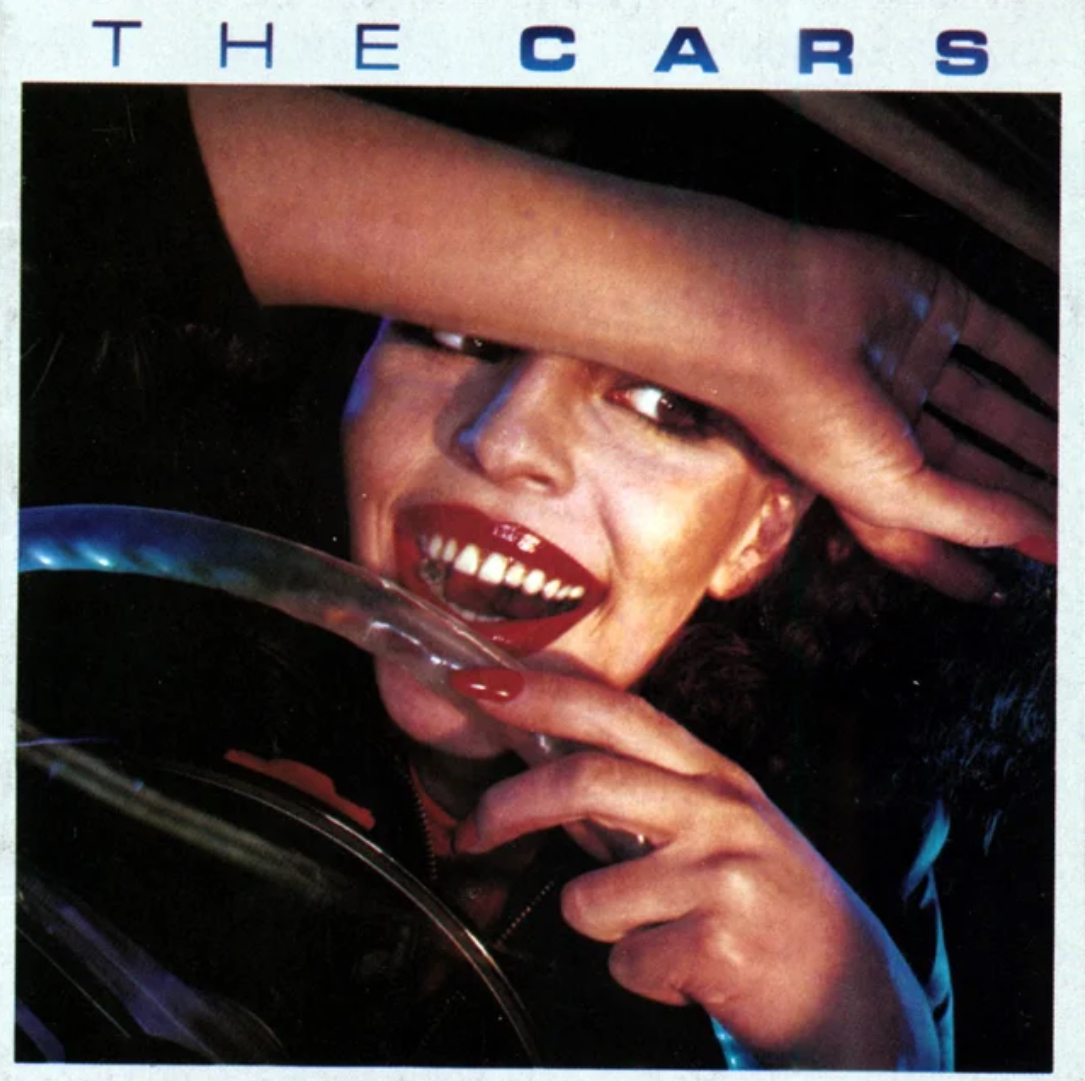
The Cars – Just What I Needed

Growing up in Cape Breton, punk rock was more a rumour than something we could actually experience. Other than the bits offered up on “90 Minutes With A Bullet”, CBC Radio’s weekly pop music show, it simply wasn’t to be found on local airwaves. I can’t say I was all that broken up by it – those Wednesday night dribs and drabs from the CBC made it clear that, for the 1978 version of me, punk was more something I thought I should like than something I actually did like. Even punk’s housebroken cousin, new wave, wasn’t much of a force in Canadian radio: nothing on this list of RPM’s top 100 songs of the year even remotely qualifies. (That definitely changed the following year.)

The closest thing we had to new wave in 1978 was The Cars’ “Just What I Needed”, but it was more than enough. It wasn’t much of a hit, peaking at #38 nationally, and I don’t recall it doing markedly better in my neighbourhood. But it made it onto CJCB radio at least often enough for me to hear it, and one listen was all it took for me to want the 45. It quickly became – and this is impressive considering everything else happening in pop music that year – one of my most frequently played songs. I would get together with my friend Kirk to play records, and this was the song that would have us bouncing around my living room, in an approximation of what we thought punks might be doing, crashing into furniture and each other, caught up in the energy of the song.

Written by the band’s primary lead singer, Ric Ocasek, I always thought he was singing it, which in retrospect just seems dumb. I learned only a few years ago that the singer was in fact Benjamin Orr, who I knew had sung 1984’s “Drive” but also – and I learned this just now – their 1979 hit “Let’s Go”. Ocasek’s influences in writing the tune included The Velvet Underground and bubblegum band Ohio Express, which makes it kind of odd that he was so defensive about artists being influenced by his song. He accused Fountains of Wayne of sampling it in “Stacy’s Mom”, and forced the destruction of the entire first print run of Car Seat Headrest’s “Teens of Denial” (one of my favourite albums of 2016) after revoking (not without a decent reason, to be clear) his permission to use the song. Ric was a very intense guy when it came to defending his intellectual property. Or maybe it was just part of his prickly personality: his last will and testament disinherited his wife and two of his children.

Of course, it’s only sort of new wave: a better way to describe it is as sneering power pop. The opening guitar stretch (a direct theft, in possibly the most bizarre lift ever, from Ohio Express’ “Yummy Yummy Yummy”) draws you in, simple but pulsating, then amping up by adding just one rich double-pump beat where there had been a single. The opening verse is underlain with straightforward guitar and drum, with the guitar getting more forceful at the end and the bridge between verses taken over by a chilly siren-like synth. The obligatory guitar solo comes at the midpoint of the song, and it serves nicely as a bridge rather than, as is too often the case, dull filler that just delays the song’s proper end from arriving on time. The second half of the song more or less repeats the first, with very little difference, but it never feels like it’s going on too long. This is a begrudging love song (“I don’t mind you comin’ here / And wastin’ all my time”), but “I needed someone to bleed” in the chorus certainly complicates that calculus. When Orr sings “So bleed me” near the end, you can detect that sneer underneath, but I wonder, too, if maybe it’s a shift in power, and the cool narrator now finds himself having let his pursuer get too close.

This has long been a favourite of mine, and Spotify will back me up: it has been consistently among my five most listened to tracks every year since at least 2019. It’s the clear star of my “songs I never skip” list, which includes such delights as Fountains of Wayne’s “Maureen”, Jonathan Coulton’s “Ikea”, “All to Myself” by Marianas Trench and Brand New’s “Jude Law and A Semester Abroad”. It’s a song that was made to be sung along to by hopped up males – the shouting of the title by the backing singers in the chorus works for even the least vocally gifted in a crowd. Something of that vibe can be seen when The Strokes played it live, with Pulp’s Jarvis Cocker seeming like a guy at karaoke night being confronted with a song he does not know. Orr and Ocasek are both gone, but they and their band mates left us with at least one immortal tune. There are some other top acts who’ve covered it live – including Red Hot Chili Peppers, The Killers and Eric Church – and every time that opening starts up there is a howl of recognition from the audience. My enduring love for the song may mean I’m in a rut, but I have a lot of company there.

Classic Songs of My Youth Revisited #40

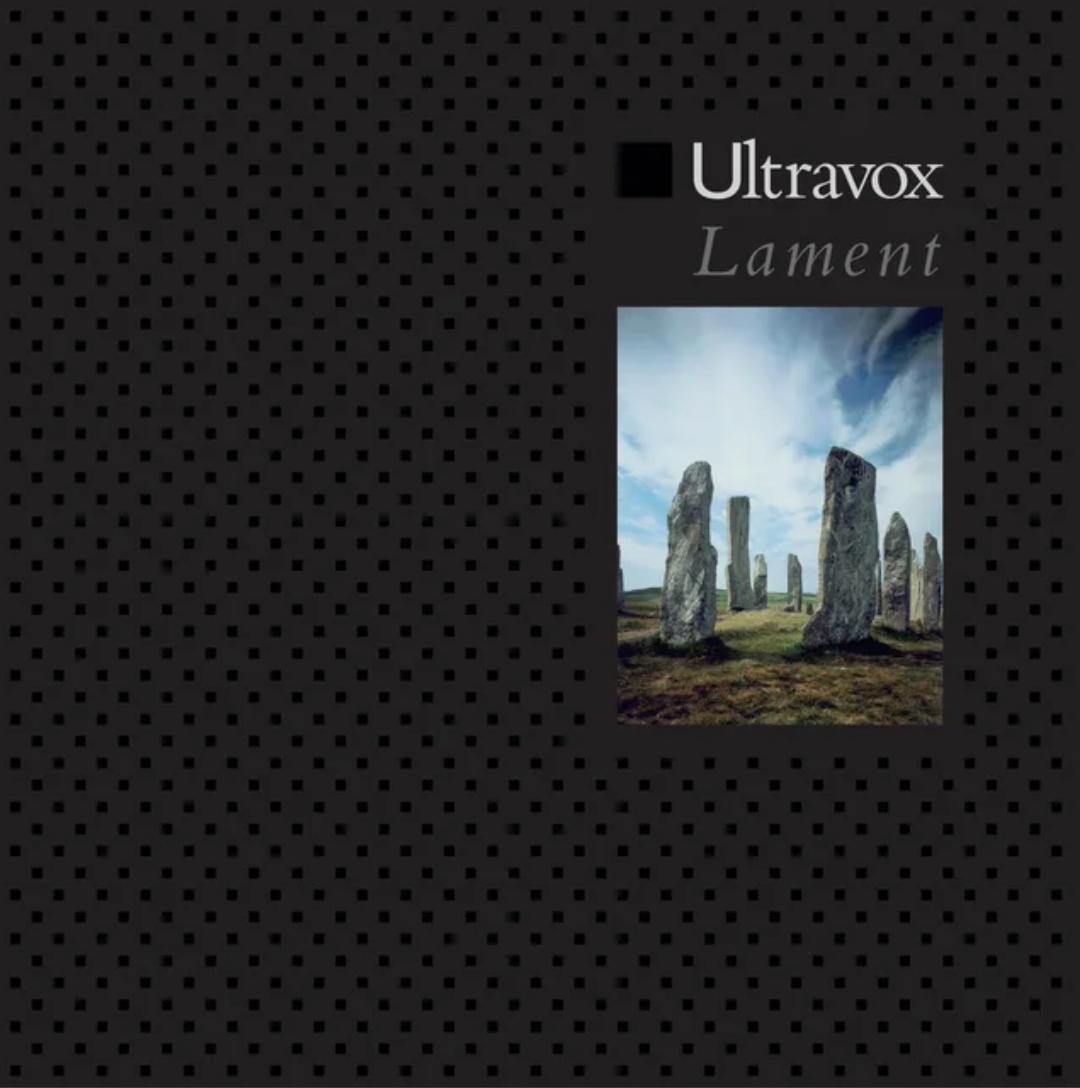
Ultravox – Dancing with Tears in My Eyes

Living during the Cold War, you could never entirely shake yourself free of the concern that your life might end in a nuclear war. I haven’t thought of this in years, but this was something I was genuinely worried about in real time, to the point of adding scary dreams about this potential war to my other major sleep time worry: my mother driving our car over the cliff and into the water at the end of the road that we took to get from Little Pond to Alder Point. Part of that was the unavoidable reality of our geography: the missiles fired by the United States and Soviet Union stood a good chance of flying over our Canadian heads. Whether through a misfire, an intentional shot at America’s most faithful ally or just the subsequent fallout, Canada was as likely as anywhere to be a hellscape after the bombs stopped falling.

This seemed to become more prominent in pop culture after the near-disaster at Three Mile Island in March 1979. Over the next decade, major films with a nuclear war/reactor element included “The China Syndrome”, “The Day After”, “The Dead Zone” (Martin Sheen has never been more chilling – he makes Christopher Walken’s future-seer seem rational), “Terminator”, and, the champion of all such films, 1983’s “WarGames”, which gave me a long-lasting crush on Ally Sheedy and a deep mistrust of video games. In literature, heavyweights like Martin Amis and Bernard Malamud weighed in on the subject. And in music we had such songs as Nena’s “99 Luftballons”, “Def Con One” by Pop Will Eat Itself (I had forgotten this fantastic song, with samples that include a chilling use of Lipps Inc.’s “Funkytown”), “Walk the Dinosaur” from Was (Not Was), Frankie Goes to Hollywood’s “Two Tribes”, and “I Melt With You” by Modern English. I did not realise until seeing them on a comprehensive Wikipedia list (and I don’t entirely trust the inclusion of all entries) that some of these were even about nuclear concerns. The subtlety of great pop music continues.

For me, though, the most compelling – and therefore terrifying – of these came from Ultravox. The band has released 11 albums, and I am pretty certain that “Dancing With Tears in My Eyes” is the only one of their songs that I know. (Frontman Midge Ure’s Canadian #12 “If I Was” from 1985 doesn’t count, nor does his writing and production work on “Do They Know It’s Christmas?” (Sidebar: Why doesn’t Ure’s role in this charitable work that is also a great song – as opposed to, say, the self-important dreck that is “We Are the World” – get the same attention as Bob Geldof’s? Feel free to discuss among yourselves.)) I only ever bought one of their records, the 1984 album “Lament”, and that was just so I could get this song, which I’m pretty confident is the only track I ever played. Sorry, guys.

As I have mentioned previously, I watched a lot of music videos in the first half of the 1980s, and I am quite certain this is how I was introduced to “Dancing With Tears In My Eyes”. The images from the video have always shaped my perception of the song, even though I hadn’t seen it in at least a decade and probably a lot further back than that. On the cusp of a nuclear reactor failure, a man rushes to get back to his wife and child. Everything is either dark or washed out, bereft of colour, as they drink their last drink together, dance their last dance, and, presumably, make love for the final time. Then, as they lay together, a window blows out, light floods the room, and it’s over. We see their home, emptied of life, before ending with an extended selection of brightly coloured and lively home movies of happier days, before the film melts in the apocalypse.

That’s the video, of course, but the song is awfully potent without it. Against a synth-and-drum-machine-heavy new wave beat, Ure’s vocal is taut, pained, desperate. Opening with a thumping like a sped up heartbeat, then a quick drumbeat and power stance guitar strokes, Ure explodes without any preamble into the chorus and the title line, with spine tingling keyboard in the background, just outside of your direct notice. The tempo never really changes, but the verses feel less rushed than the chorus. The lyrics speak of things already lost – a life gone by, a love that has died – but we aren’t there yet. Through each verse, the final moment looms, and there is soon a resigned and even grateful acceptance of the unavoidable. And then, with the word “time” repeating like a warning cry, there is no more. Guitar rises, and we get one more run of the chorus before the song draws to an end, fading at first, then simply over.

I know that sounds like I’m putting an awful lot of weight on a pop song. But there’s a reason why this still hits me hard after 39 years.

I thought this was a hit in Canada, but it only peaked at #52 on RPM’s weekly chart. I guess my perception was skewed by seeing it three times a day on MuchMusic and regular plays on southern Ontario’s leading (only?) alternative radio station. It did better in Europe, and is the band’s second biggest song after “Vienna” (which did not chart in Canada or the U.S. and rang no bells when I listened to it). They played it at Live Aid in 1985 – I think I had the same shirt (or at least a lower-priced knockoff) that Ure is wearing – but there was no bump in popularity on this side of the pond.

With Putin-related terrors a constant in our lives, I’ve been expecting a revival of 1980s nuclear angst music, but so far that does not seem to have happened. If you read the YouTube comments under the video (try to ignore the political stuff), you will see a lot of people who feel as I do about the song and video, including its relevance to today’s world. At the same time, the film “Oppenheimer”, and its account of how this awful story began, is almost upon us. Time passes, and we make the same mistakes, and live with the same horrors. Music, at least, can be a tiny respite from that, even when the song scares the crap out of you. And if you need a happy ending, there’s always “WarGames”.

Favourite “New” Music – June 2023

A Multitude of John Hendersons

When Liz Phair was first coming up in the music business, she worked with a man named John Henderson. They had a falling out over that timeless notion of “creative differences”, and Liz worked with other people on her first record. It turned out just fine: “Exile in Guyville” placed first in 1993’s Pazz and Jop (my write up on this record is scheduled to drop in April 2036), and ranked #56 on Rolling Stone’s 2020 poll of the best albums ever. (The Henderson version is also one of the great what-ifs of indie music history.) I expected learning more about Henderson, who was a figure of note in the indie scene of the time (he ran the Feel Good All Over record label, whose roster included Alternative TV and The Magnetic Fields), would be easy, but I was very wrong: other than in relation to Phair, there aren’t really any clues on the internet about what other music he has been personally involved with.

I turned to Spotify to see if I could find music by him, only to discover that there are a LOT of John Hendersons out there. 19 variations on the name, to be exact. (Five of them are verified artists, and the process for doing this seems so simple that I’m offended that no one has given me this yet as a Christmas present.) Setting up an artist account does not in fact require you to upload any music: both John T. Henderson and his equally prolific offspring John T. Henderson, Jr. offer zero tracks to potential listeners. This is also true of one of the several fellows going by Johnny Henderson. 

For a few of the John Hendersons, I may be their first listener. One of them released a pair of repetitive instrumentals in 2019. (I suspect that John Paul Henderson – two tracks, also repetitive – might be the same guy.) Another has five tracks, but only one of them, “All Children Are The Same” (very lo-fi, guitar only with a strained vocal, but not a bad tune overall), is an actual song, while the other four are basically background noise from a party. Then we have Johnnie Henderson, who sings on One Son’s (120 listeners) 2021 single “Outta My Mind” – uninspiring raps, but Johnnie’s voice is fine and the song isn’t horrible, but it would likely pass by without you taking notice. There is also Johnathan Henderson, who appears in some unknown capacity on four tracks from a compilation called “Bangin’ Beats 2” (Marc Ferrari, with almost 30,000 listeners, seems to be the key player in this), and they aren’t really songs but there are some good beats, for sure. Finally, the zero listeners club fills its last seat with another Johnny Henderson, our first verified artist. This Johnny is represented by a two-sided single from 2022. “Love” is a soulful track about, well, you know. The lyrics are banal, but I sort of enjoyed the gentle beat – let’s just say that a lot of worse songs have been massive hits. “God is with me” is similar in vibe, and, again, I found it reasonably pleasant to listen to. Neither of these songs pop, but they’re competently produced (though a bit tinny) and would’ve fit in fine on late night AOR in 1979.

One of our John Hendersons has but 6 listeners, but this one is kind of interesting. He’s credited with Liam Melly, an Irish DJ with almost 20,000 listeners, on a propulsive, definitely-makes-you-want-to-move bit of (I guess) instrumental EDM from 2012 called “Take Control”. As is typical of this style of music, it goes on way too long, but there is enough variety within the tune to hold your interest, and if you’re horned up and tripping, who really notices that kind of thing? There’s also a second song, “Inner State”, that Spotify credits to him, but other sources make no mention of Henderson on this track, so I’m going to treat this as a Spotify labelling error. This John also has a second artist entry with 17 listeners, with a much shorter and way less club-friendly version of “Take Control” and what appears to be the same club-friendly version (it can be so hard to tell these types of songs apart, let alone when some slight change is made to one of them) but just released via a different compilation. Also, very strangely, Spotify links three tracks of a guy reading something in Gaelic from a record called “Scottish Tradition 27 – Sguaban a tir an  eorna/Traditions of Tiree”. Clearly, another mistake has been made. Do better, Spotify.

One of my favourite songs encountered is a track from Johny (as he is named on “Hillbilly: Bop, Boogie & The Honky Tonk Blues, Volume 4 1956 – 1957”) or Johnny (on “Country Boogie” and volume 16 of “Boppin Hillbilly”, which are both weirdly linked to another Johnny who is so not this guy) called “Any Old Port in a Storm”, which is about exactly what you’re thinking right now. But this old hillbilly music is a lot of fun, and I went down a bit of a rabbit hole (sort of like this whole post). The Johnny Henderson who did not sing “Any Old Port in a Storm” has 9 listeners and released an album called “Humble Begining” (yep, it’s spelled wrong) in 2013. I was feeling JH fatigue by this point, so I did some scanning and found tracks that are mostly whispery slow jams that feel like the demos from a Color Me Badd album that the label sent back (that’s not much of a burn – I love “I Wanna Sex You Up”).

We come now to our last five John Hendersons:

  • I don’t know this verified John’s story or why he only has 4 listeners, but he released five albums between 2001 and 2014, and every track I’ve listened to so far has been a delight, just really diverse and catchy indie pop. Will absolutely be listening to more of this.
  • At 5 listeners, this John provides a single track, being a jazzy instrumental called “vamping for days” – piano in the fore, it’s kind of disjointed, which makes it a bit funky.
  • With 23 listeners, the next verified John does Christian pop/rock, so this was painful for me to listen to. I tried to ignore the preachiness, which I understand is part of the appeal of this kind of music to Christians. I want to be fair to it – it’s not like lots of non-Christian pop isn’t equally meh in other ways. But this is a hard pass (though I didn’t mind a few of the tracks on his 2019 album “Jesus Still Loves You”).
  • Matt John Henderson (our fourth verified artist) has 71 listeners, and is the opposite of father and son John T.: he released four albums between 2020 and 2022. I only dipped in, but found very pleasant guitar-based folk/pop, so I will likely give this more time down the road.
  • Finally, with 64 listeners, this verified John plays guitar-driven indie folk with a variety of female vocalists, and it’s all very pleasant, though it really feels like something you would barely pay attention to while it plays in the background at your favourite hipster coffee bar.

There you have it. My best candidate for the Liz Phair colleague is the last guy, based on his age, but his Twitter feed gives me the sense that music is a side gig, not his life’s work. So, the mystery continues.

And now, to my favourite music of last month. The four-listener John Henderson has a real shot at being on this in future.

  • Great Speckled Bird – Great Speckled Bird (1970) (Ian and Sylvia Tyson try out rock music, and the results are magnificent.)
  • Good Rats – Ratcity in Blue (1976) (A great band that never found a following outside their little chunk of New York.)
  • X-Ray Spex – Germ Free Adolescents (1978)
  • Dead Kennedys – Fresh Fruit for Rotting Vegetables (1980) (I’ve been busy filling in gaps in my punk listening history.)
  • Violent Femmes – Violent Femmes (1983)
  • Pansy Division – Undressed (1991) (The first openly gay rock band, this album is frankly sexual (and X-rated sex at that), howlingly funny and just rocks really hard. One of the best surprises I’ve ever had listening to a record.)
  • The Divine Comedy – Promenade (1994)
  • Pulp – Different Class (1995)
  • Bikini Kill – Reject All American (1996)
  • The Verve – Urban Hymns (1997) (There is so much more to these guys than “Bittersweet Symphony”.)
  • The Coup – Pick A Bigger Weapon (2006)
  • M83 – Saturdays = Youth (2008)
  • Dr. Rubberfunk – Hot Stone (2010)
  • Adia Victoria – Beyond the Bloodhounds (2016)
  • Twen – One Stop Shop (2022)
  • Ravyn Lenae – Hypnos (2022)
  • Sparks – The Girl is Crying in Her Latte (2023)
  • Juan Wauters – Wandering Rebel (2023) (Adorably goofy.)
  • Janelle Monáe – The Age of Pleasure (2023) (Instagram took down my post of the album cover for being too sexual. I suspect the sensors at Meta have never actually used the app.)
  • Youth Lagoon – Heaven Is A Junkyard (2023)

Classic Songs of My Youth Revisited #39

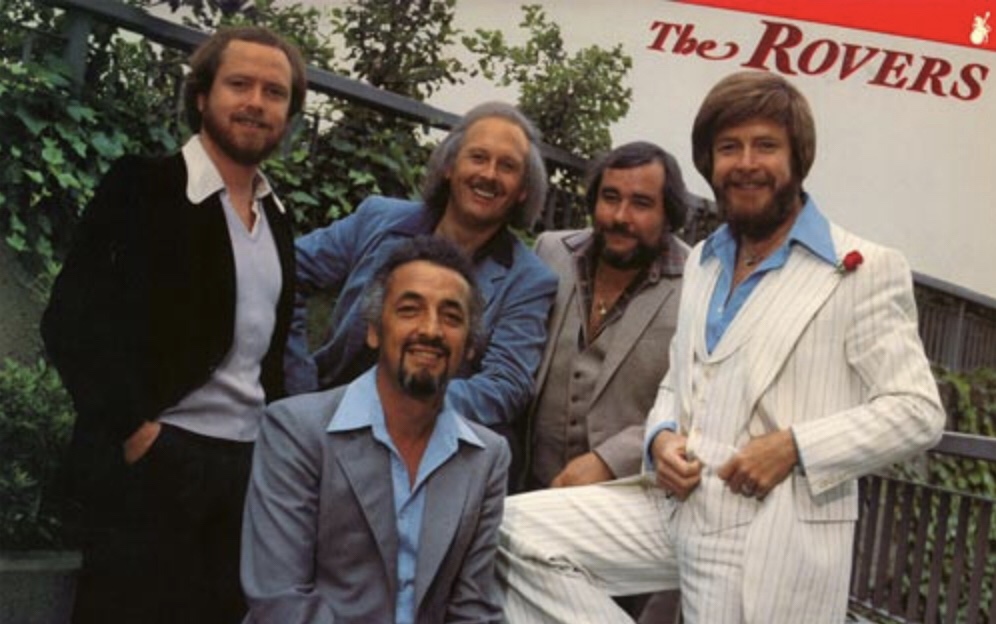
The Rovers – Wasn’t That A Party

Growing up in Canada in the 1970s, I was not a fan of our national television networks. They were great for sports and, to the extent I was paying attention, news, but our scripted programming left much to be desired. There were such short-lived “classics” as “The Trouble with Tracy” (which I mostly remember now in connection with co-star Steve Weston’s tragic early death) and “Excuse My French”, and long-lived but mostly not-much-better shows like “The Beachcombers” and “The King of Kensington”. I did love some of the children’s shows – “The Waterville Gang” stands out in my memory (it’s crazy that almost 50 years later I can remember character names and what their voices sounded like) – and there were smart quiz shows, like “Headline Hunters”, “Front Page Challenge” and my beloved “Reach for the Top”. But all of the musical and variety shows were pretty old fashioned, with such gems as “The Pig and Whistle”, “The Bobby Vinton Show”, “The Tommy Hunter Show” and the stars of today’s missive, The Irish Rovers, and their eponymous series.

I had nothing against The Irish Rovers, or anyone else on these shows. But their music had nothing to offer me when, for example, Don Cornelius and “Soul Train” were airing on Saturdays (which I foolishly almost never watched because I didn’t know the songs – soul music didn’t have a big presence on our local radio band waves). I knew there were other great shows being denied to me – like “American Bandstand” and “Don Kirshner’s Rock Concert” – from reading “TV Guide” and other print media. Instead, I was being served up traditional Irish music, country and soft pop. My ears were not interested.

Then, in 1980, The Irish Rovers went rogue. They rebranded – punting the Irish part of their name – and made a stab at the pop charts. They’d been there before, but 1968’s Top 10 “The Unicorn” was one of those freak occurrences that could only happen in the pop folk environment of the era. It wasn’t a half-hearted effort either – they appeared on frickin’ “Solid Gold”. (I offer this fake but oh-so-accurate clip from “The Boys” as some evidence of how truly bonkers that show was.) And it worked: it got them back into the American top 40, and to #3 in Canada, which seems somehow factually wrong to me even though I remember it happening.

What I have trouble understanding now is why this song was a hit at all: it should’ve been a tune that got a few plays, was rewarded with some earnest chuckles, and then consigned to the musical dustbin other than being hauled out now and then at evening’s end by a not-as-clever-as-he-thinks-he-is dive bar deejay. (On the other hand, Joe Dolce’s “Shaddap You Face” was an even bigger hit the following year, so it’s possible we were all just idiots back then.) It’s a fun song, but it’s not a good one. How do I know it’s not good? Because good songs reward repeated plays. There are songs that compel you to play them again, and again, and maybe again, only to reveal more depths over time. That’s not “Wasn’t That A Party”. The lyrics have a few cute lines (you won’t go wrong with me by throwing in references to cats and the law), but the music is simple and repetitive, save for some honky tonk piano and horn bits. On the first replay, I was bored after two minutes, and there is really no reason for this recording to last longer than 2:30 – almost everything after that simply repeats what came before, so that a cute little ditty becomes something you have to survive. And survive is what I did. On the second play, my ears began to hurt. On the third, blood began to flow from my eyes. I stopped there, fearing one more would put me in “Scanners” territory. (I may be exaggerating a bit here.) If you can get to four, you are clearly made of tougher stuff than I, and probably also way too drunk to be on your phone right now.

As it turns out, this was a cover of a song by a fellow named Tom Paxton, whose version is vastly superior. Gentler, more melancholy, remorseful as opposed to boasting, and, though some 33 seconds shorter, not at all repetitive.

Anyway, I hadn’t thought of the band in years, save for every Christmas season when “Grandma Got Run Over By A Reindeer” turns up again. I can’t even say why I thought of them now. So I was surprised to learn they are still very much an active concern, 38 years after they last had a song on the charts. (That would be 1985’s “Everybody’s Making It Big (But Me)”, also a cover and, yes, also not even close to as interesting as Shel Silverstein’s drunken piano bar blues original, or Dr. Hook’s goofily strained version.) They toured from Sarnia to Victoria in March and April 2023, supporting the January 2022 release of their latest album, “No End in Sight”. The title song is an original in the traditional style, and I like it a lot. 10-year-old me would be shaking his head at the codger I’ve turned into.


One-Hit Wonderment #3

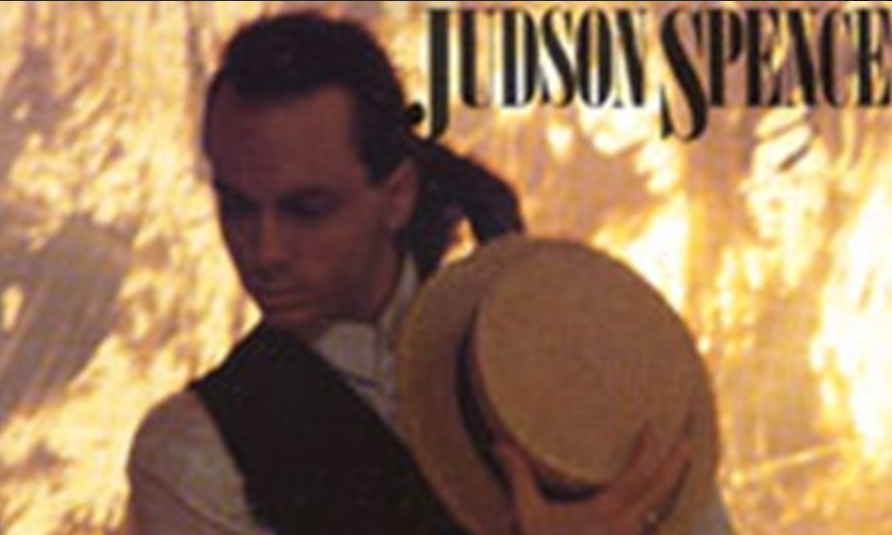
Judson Spence – Yeah, Yeah, Yeah

If writing this blog has demonstrated one thing to me, it’s that pretty much every song I ever loved or record I ever bought has a story behind it. It might not be a story in which I look cool or even decent, like buying Van Halen’s “1984” as a beard so that people wouldn’t think I was gay – yep, that’s the word that my 20-year-old male mind conjured up – for buying Wham’s “Make It Big”. I might even come off as pathetic (we’ll get to one of those eventually – unless my “1984” story counts). I might not even realize what the story is until I start writing about it. But it’s there.

For example, I became a Judson Spence fan because I could not resist the lure of free stuff.

There was a stretch in the mid to late 1980s when I spent such a disproportionate share of my take-home income on music and music adjacent products and activities that there should have been an intervention. Without giving away too much, my average weekly spend would be the equivalent in 2023 dollars of $200 to $250, which is insane. It was sort of an investment, since when I reached a particularly low point in the summer of 1988 and was forced to sell some of my albums in order to eat, I got two weeks worth of groceries out of one trip to the local used record store. (Goodbye, pristine copy of Led Zeppelin’s “In Through the Out Door”, among other gems.)

A few months later, in early October 1988, I relocated to Toronto from St. Catharines and found an exponential increase in music buying possibilities, though the cost of living and lack of a safety net (St. Catharines had lots of people who were happy to feed me and generally watch out for me, and I ran away to Toronto to free myself from their strangling embrace) led me to temper my profligacy. But I would still journey downtown every Saturday morning to walk around the record (and book) stores, travelling north with my finds in mid afternoon to my basement room in a boarding house.

It was on an autumn 1988 Saturday, possibly my second in the city, that I noticed concert tickets sitting on the counter near the cash register at one such record store. I learned from the clerk that they were free, all for mid-week shows being sponsored by some record label to promote a new act. I didn’t know who any of the artists were, and thought it would be greedy to take more than one pair, so I pretty much randomly decided to go with Judson Spence, who at least sounded normal.

My date for the show was my friend Chris, who hadn’t heard of him either but had nothing better to do that night. It was a completely platonic date – we had once tried the real thing just to see what might happen, which turned out to be nothing (attraction can’t be faked, and she at least was smart enough to pretend afterwards that the date had never happened). I don’t remember much about the show, other than we didn’t know any of the songs yet still had a great time. Great enough that on the following Saturday, I bought the cassette, and played it many, many times over the next few years.

Although I have not listened to Spence’s music for a very long time, a few lines from his song “Attitude” have claimed a permanent space in my brain: “The lawyers all grin / As she makes her way in / Like a scene from a movie” and “Falling apart at the seams / My heart gets the message she’s sending” have often been conjured up out of the ether. Neither is a particularly original line, but that again is one of the mysteries of music. Like when I played “Yeah, Yeah, Yeah” for the first time in what has to be at least 25 years, and quickly had a sort of muscle memory, of jumping up and down with Chris in a crowd of more or less equally unknowing people, just caught up in the flow of the sounds and his energy as a performer, and the lyrics quickly started coming back to me so that on the second play I could sing along (to my cats’ chagrin) for almost the entire song. It’s a bouncy tune, trying to be funky but just too white bread to pull it off. It aims for the feel of a rocking gospel tune, with church organ and finger-picked bass, but it’s gospel lite at best. What it really is is a pretty good example of uptempo late 1980s’ blue-eyed soul (the real giveaway is when he adds in saxophone, the official instrument of “someone’s getting laid tonight” of the era), maybe with some sloppy urban thievery, and the whole album would fit nicely on your Hall & Oates or Steve Winwood playlist. I happened to love those guys in the 1980s, so Spence’s record was right in my wheelhouse.

Spence, like a lot of artists, probably didn’t have the career he wanted. “Yeah, Yeah, Yeah” peaked at #32, and that was the end. As best I can tell, he’s managed to release four albums over the past 35 years, only two of which are on Spotify or Apple. He’s still active – he released two singles in 2022, and I can’t say I liked either of them, but that’s just how it is with music: all my faves have music I dislike (or actively hate – cough, “We Didn’t Start the Fire”, cough). I don’t know what else is going on in Judson’s life, but I hope everything has worked out, because his first record gave me a lot of joy in 1988 and the next few years after, and again with relistening to it now. For free, as it was in the beginning.

Favourite “New” Music – May 2023

Mick Jagger famously said (though the exact wording is contested) that he’d rather be dead than playing “(I Can’t Get No) Satisfaction” in his 40s. Mick turns 80 this year and he’s still at it, but you can’t deny that there is a cult around youth in pop music. The so-called 27 Club of artists who died at that age includes Mick’s band mate Brian Jones, along with lots of people for whom last names are enough of an introduction, like Hendrix, Joplin, Cobain and Winehouse. The attention paid to this odd phenomenon is out of proportion to its reality as a mere cultural footnote, since it ignores the many, many more artists – such as, say, Mick Jagger and the rest of the Rolling Stones – who carried on making music into their 70s and beyond.

Two of those elder statesmen, Paul Simon and Smokey Robinson, released albums in May, and they reflect rather different approaches to life at its outer edge.

Unless you’re listening carefully, Simon’s album, “Seven Psalms”, can come across as ponderous and overly serious, the title pretentious enough before you get to the very pretentious apparent lack of song titles (which exist, he just makes you look for them) and lots of references to “the Lord”. But it’s actually rather fun: shambling and messy. Simon is like that guy in the corner at a party who brought his guitar for no good reason and is just picking away and accidentally stumbles onto a melody that works and just plays it out, coming back to it whenever energy or ambition flag. He even gets the pretty girl who he’s been side-eying all night to jump in a few times. It really is an older person’s record: he’s earned the right to tell the story his way: meandering, languid, taking his time – like your mother taking 20 minutes (including a stop for tea biscuits with jam) to tell you the 2-minute tale of your uncle’s medical concern. (Sorry, mom!)

Meanwhile, Smokey is also at that party, but while Paul is getting spiritual, Mr. Robinson is trying to get some action, if the title of “Gasms” didn’t already make that clear. His voice still sounds great (where Simon is basically talk-singing most of the time now), and the result is a lush, relaxed (he knows he’s going to score), bedroom-eyes-in-musical-form record. It’s like they are playing out the Prince duality – the spirit vs the flesh – and in this case, the flesh wins, at least initially. I liked the Simon record better on the second play (I was bored and barely paying attention the first time out), but Smokey held up nicely on replay, too. I suspect “Seven Psalms” will continue to grow for me, while “Gasms” will remain the lovely gem it is right now.

They don’t all go out this way. Anne Murray gave up singing for pay (I assume she still sings while working on her sourdough, or whatever the hell retired multimillionaires do with their days) at age 63 before she (her words, not mine) stopped being good at it. Tina Turner, having proven for any doubters her greatness, released her last full album of new material just before turning 60. But it’s hard to walk away like that: Frank Sinatra retired at 55, then was back two years later.

The artists below who are still with us are (mostly) much younger, and maybe some of them will still be making albums (or whatever we’re doing with music then) when they hit 80, too. For now, they at least pleased me more this past month than did the above masters, which is no small feat.

  • The Byrds – The Notorious Byrd Brothers (1968)
  • Young Black Teenagers – Young Black Teenagers (1991) (That none of them were Black was permissible only because Public Enemy had their backs.)
  • Gin Blossoms – New Miserable Experience (1992) (Knowing none of their songs, I saw them open for (I think) Elvis Costello while touring for this record. A group of teenage girls in front of us sang along to every tune and danced ecstatically, then left before the headliner came out. I didn’t understand it then. I do now.)
  • Material Issue – Destination Universe (1992)
  • The Muffs – Blonder and Blonder (1995) (I listened to a lot of female-fronted punk and post-punk this month, which is where this and the next three albums fit in.)
  • The Kowalskis – All Hopped up on Goofballs (1999)
  • Tina & the Total Babes – She’s So Tuff (2001)
  • Manda & the Marbles – More Seduction (2003)
  • Tinted Windows – Tinted Windows (2009) (I am unable to explain why it took me this long to listen to an album from members of Cheap Trick, Smashing Pumpkins, Fountains of Wayne and Hansen.)
  • Cossbysweater – Cossbysweater (2013) (Proving that Allie Goertz is much more than an object of nerd desire for Nerf Herder.)
  • Tacocat – This Mess Is A Place (2019)
  • Indigo De Souza – All of This Will End (2023)
  • The National – First Two Pages of Frankenstein (2023)
  • Joseph – The Sun (2023)
  • The Utopiates – The Sun Also Rises (2023)
  • Rae Sremmurd – Sremm 4 Life (2023)
  • Kesha – Gag Order (2023)
  • Alex Lahey – The Answer Is Always Yes (2023)
  • Blues Lawyer – All in Good Time (2023) (I don’t think they actually are blues lawyers, since a newish indie band can’t afford such a lifestyle, but maybe this record starts them on that path.)
  • Sleaford Mods – UK GRIM (2023) (There is something nutbar about these guys that I find irresistible.)

Pazz and Jop 1974 #11

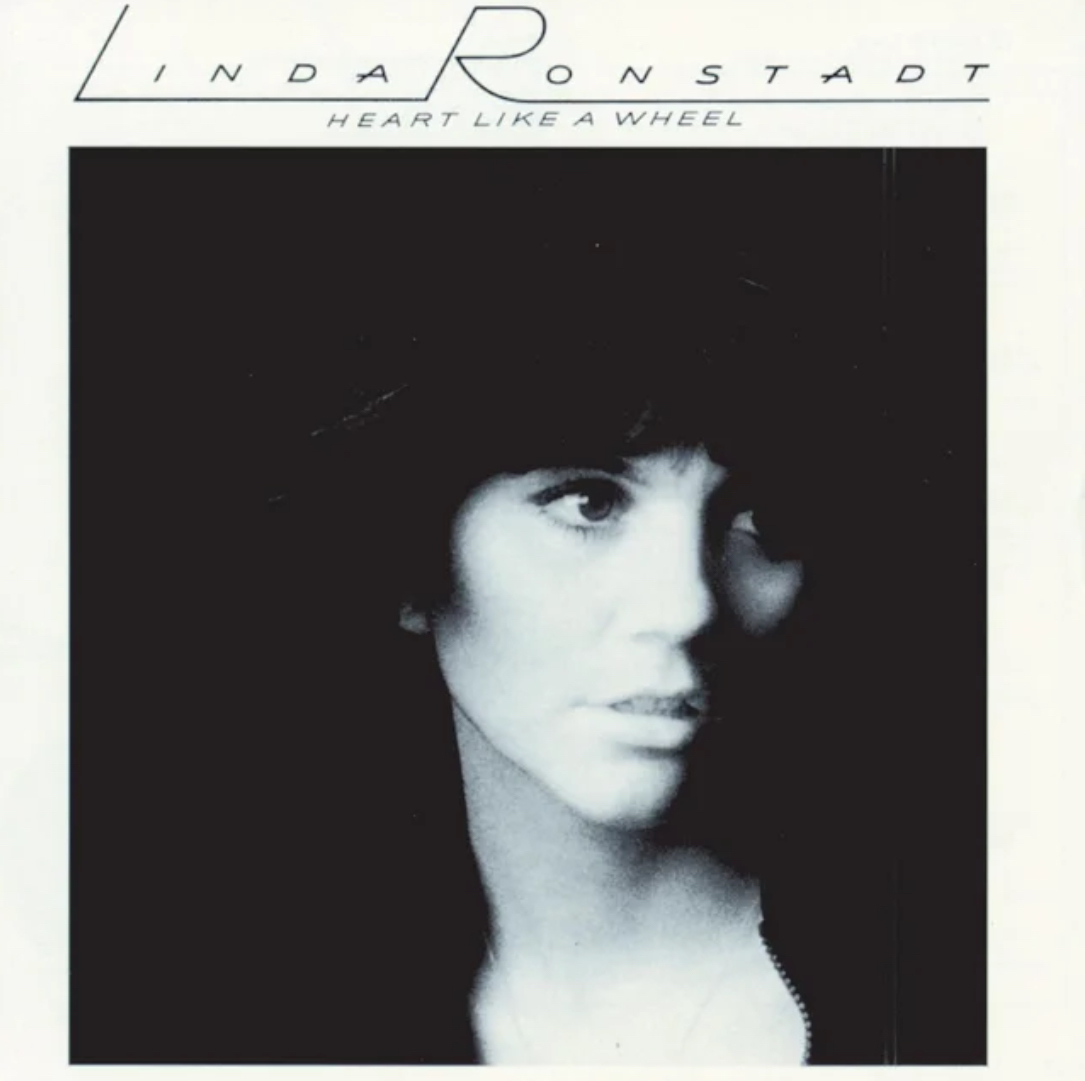
Linda Ronstadt – Heart Like a Wheel

When you decide, as I have, to put on the record your opinion about something, that opinion had better be right. Not “right” in the sense of true or false (since I believe there is no such thing when it comes to music), but in the sense of being a true expression of what you believe. Because while it is fine to change your mind over time, you should at least be clear about why you had a particular opinion in the first place.

With that in mind, I ask: How many chances should you give an album to win you over? The question matters a lot to me because, tragically, I’m beginning to think I need to listen to “Aqualung” again. For Linda Ronstadt’s “Heart Like a Wheel”, after three plays I felt completely lukewarm about it. I was sitting on my couch, writing an earlier version of this post, with the album in the background for a fourth run through, when I unexpectedly found myself singing along. Up to that point, I was certain I was the wrong audience for this record. That’s the best explanation I could come up with for why I found most of it so, well, bland.

I was not a Linda Ronstadt fan growing up, though her music was a regular part of my listening diet in the 1970s thanks to its prevalence on CJCB. It was sort of perfect for that time and place, with a blend of folk and country influences filtered for a pop audience, making it something you could play at any time of the day. “Heart Like a Wheel” produced hits on the pop and country charts, and the artist who could pull that off was catnip for a split format station like CJCB. My feelings about her music weren’t helped by her wussy cover of Elvis Costello’s “Alison” in 1979 (which still sucks), yet a year later I rather liked her turn to a rockier sound with the hits “How Do I Make You” (the songwriter was influenced by “My Sharona”, so I was helpless not to like it) and “Hurt So Bad”.

I never felt compelled to listen to any of her albums, and wouldn’t have now but for the Pazz and Jop showing this one so much love. So, here we are. Which is where?

Here’s the thing: I tend to like music that surprises me the first time I hear it, and I almost never felt surprised by the sound of this record. It’s all very professionally done, with excellent musicianship (shoutout to Andrew Gold especially) and that luscious voice. But I almost never thought, “Huh, I didn’t see that coming” or “That’s an interesting choice” with this record. There are a few of those moments – when JD Souther joins in on “Faithless Love”, the epic soundscape of “The Dark End of the Street”, her attempt to sound like a McGarrigle on Anna’s “Heart Like a Wheel” (and the strings on said track), the guitars on “Keep Me From Blowing Away” – but mostly it’s just Linda being Linda, which is pleasing enough to the ear, but did little for my soul.

This situation wasn’t helped by all but one song being a cover, so not only did I already know several of these tunes, but I could also check the others against the originals. (Here’s a playlist of those tracks.) Her “You’re No Good” lacks the impertinence of Dee Dee Warwick’s. James Carr’s “The Dark End of the Street” has a sense of danger that is lost when Ronstadt sings it. Even my general lack of interest in southern rock isn’t enough to make me pick her version of “Willin’” over Little Feat’s. You can’t argue with her taste: these are all great songs. I just kept wishing she had done something more daring with them.

But the twist was that the more I listened to the album, the more interesting it got, though it’s an emotional complexity, not a musical one. She imbues “The Dark End of the Street” and its tale of forbidden love with great depth of feeling, and you almost feel the pain of the lost soul in “Keep Me From Blowing Away” (the pedal steel guitar does some heavy lifting here). (Also, check out My Chemical Romance’s “Welcome to the Black Parade” – the slowed-down opening of that anthem feels like it jumps off from the latter tune.) My favourite is the album’s closer, James Taylor’s “You Can Close Your Eyes”, and it feels transcendent when her voice rises on the second line of the chorus. 

It was a roller coaster ride, and what I am left with is a record that I sort of begrudgingly love, or at least a big chunk of it. My adoration of cover versions isn’t without limits: I don’t need Linda’s “It Doesn’t Matter Anymore” when Buddy Holly’s is already perfect. It doesn’t all work, but the parts that do are sort of miraculous in their ability to make your spirit soar. It makes me glad for that fourth listen (and I’ve since added a fifth), even if it means that another date with Jethro Tull probably awaits me.