Classic Songs of My Youth Revisited #38

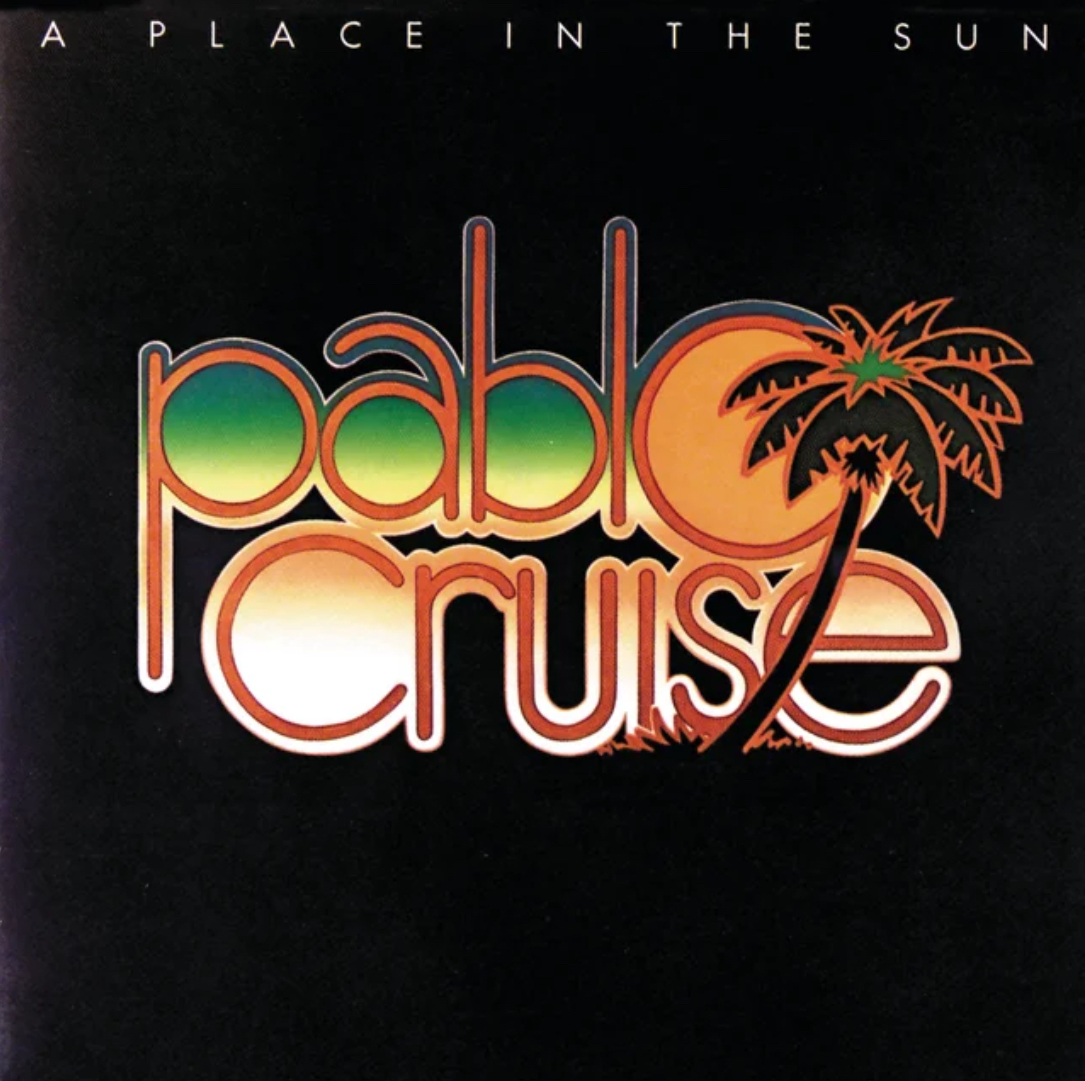
Pablo Cruise – Whatcha Gonna Do?

When I was growing up, the fastest way to build your vinyl collection without a heavy upfront cost was to join the Columbia House Record Club. And that is how I came to own not one, but two Pablo Cruise albums.

The Columbia House pitch was simple: buy 11 records now for $1.29, then seven more over three years (at highly inflated prices) to fulfil your membership obligations. (The reality was, of course, not that simple, but that isn’t our concern right now.) If you paid a bit more at the start, you got another three albums and only had to buy six more to escape their clutches. The goal going in was to buy those extra six as fast as you could, then quit and rejoin. In fact, when you quit, they would usually make you an enticing offer of free music to stick around. Plus there were coupons that came after so many purchases that enabled you to get more records at a discount. The whole package was irresistible.

Every month, you would get a mailer listing records available for purchase, along with an order card that included the month’s featured album. You had a few weeks to return the card, otherwise that album was shipped to you automatically. Columbia House was banking on its largely youthful membership forgetting to return the cards, and this was how I ended up with albums I had no interest in, like Journey’s “Captured”, which I ended up liking anyway.

The idea of having hundreds of records to choose from seems like a great idea, but finding 14 that I actually wanted when I first joined in 1979 proved challenging. Most of the offerings were past their best before dates, and included a lot of artists I had no interest in then (I think of the Springsteen records that I missed out on, not long before “The River”, later obtained through Columbia House, made me a fan). The first two Elvis Costello records were easy picks, along with two (well, three, since one was a double album) Peter Frampton discs. I got the first Boston and Eddie Money albums in that order, Meatloaf’s “Bat Out of Hell”, the “FM” soundtrack, and Chicago’s “Hot Streets” (the first post-Terry Kath vs handgun record). And, with the clock winding down, for reasons that are no clearer to me now with the wisdom gained in the intervening years, Pablo Cruise’s “A Place in the Sun” and “Worlds Away”.

Now, this is not intended as a dis of the band, who I liked just fine. But they were sort of just there, delivering a few nice pop songs to slot in around the RSO domination of 1977-78 radio, fighting for scraps like every other pop group not named the Bee Gees. They weren’t an act to fall in love with, to obsess about, to study.

Their signature hit was “Love Will Find A Way”, but “Whatcha Gonna Do?” is the song that has lived with me these many years. It has a sunny disco/funk-lite beat (it feels like it should have been used in “Boogie Nights” – try not to see Wahlberg and Reilly dancing to this), and the entire song is a dire warning from well meaning friends to a man who doesn’t realise how good his romantic situation is. What is weird to me is that I probably didn’t give a moment’s thought to this song in the years since I stopped listening to the album, yet I have on many, many, many occasions spontaneously sung the lines “And all at once, you’re ready to hang it up / Cause things didn’t turn out the way you planned, no / And all your friends, they callin’ you a fool / Cause you don’t know a good thing when you got it in your hand”. I can’t explain it, other than perhaps that the song simply became a part of my pop culture identity in that subconscious way that we all carry odd little things around in our heads, like the Habs third string goalie in 1973-74 (Michel Plasse) or Cher’s full name (Cherilyn Sarkisian) or the name of Ross’ monkey on “Friends” (Marcel). Pablo Cruise, without me ever knowing it, became a part of who I am.

And here’s the kicker: they were a great band, and anyone who says otherwise is just wrong. I replayed all of “Worlds Away” recently (of the two albums, it was my preference back in the day) and was floored by the musicianship (the piano starting at 2:11 of the title track is breathtaking, and it’s followed by some serious shredding), the nimble melodies, the carefree spirit (don’t tell me these guys don’t look like a great hang). The band explained the name (there is no Pablo) as representing an “honest, real, down-to-earth person” with a “fun-loving and easygoing attitude towards life”. We could probably all benefit from being a bit more like Pablo Cruise.
Classic Songs of My Youth Revisited #37

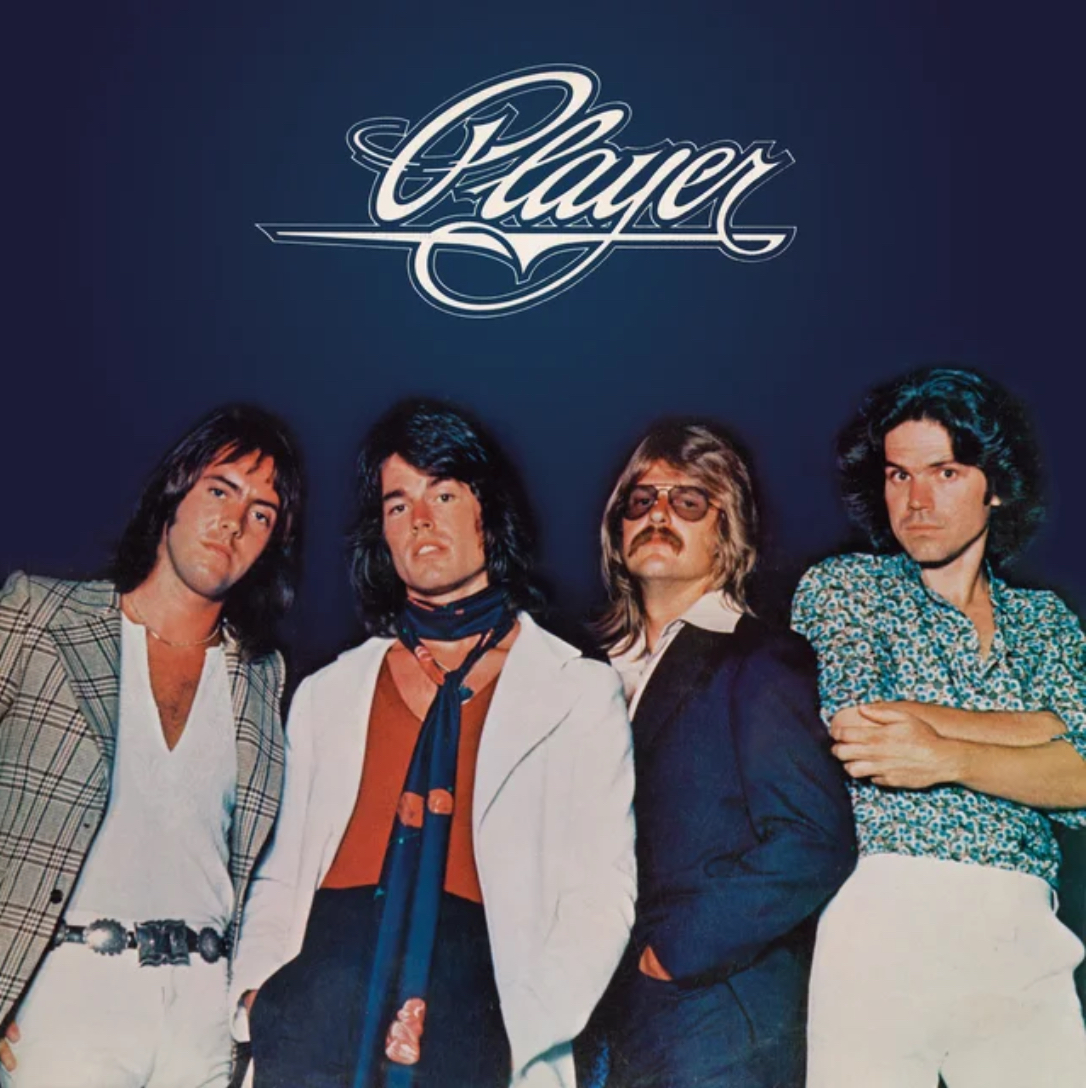
Player – Baby Come Back

In 1978, Robert Stigwood was king of the music industry, and it wasn’t close. He’d been doing just fine before then – managing (Cream, the Bee Gees) and booking (The Who) bands, owning a scriptwriters’ agency (where the British originals that became “All in the Family” and “Sanford and Son” found a home), producing musicals for Broadway (“Hair”) and film (“Tommy”), and running his record label, RSO – but it went to another level that year. On September 24, 1977, “How Deep Is Your Love”, the first Bee Gees single from the upcoming “Saturday Night Fever” soundtrack, was released, and this began an onslaught of single after single that dominated the charts in the coming year, and into the next. Add to this multiple hits from the “Grease” soundtrack and Andy Gibb, along with Stigwood mainstay Eric Clapton, and you couldn’t listen to your radio for very long – and no one wanted to – without hearing an RSO jam.

A chunk of my own limited cash went into Stigwood’s pockets: the little red cow that was the RSO logo was on a lot of my favourite 45s that year. And, in the middle of this were a bunch of transplants to California with an ode to lost love. I certainly liked “Baby Come Back” at the time – I owned a copy – but I never gave the band a moment’s thought, and could not have picked them out in a police lineup. (They still do that, right? Did they ever do that? Or is it just on TV?) And when it comes up on a ‘70s playlist, I’m happy to hear it. But the band was never interesting to me. That is, it wasn’t until Ronn Moss showed up on “The Bold and the Beautiful”.

Soap operas were a big part of my viewing entertainment from the mid and late ‘70s (“Another World”) into the early and mid ‘80s (“General Hospital”, of course) and late ‘80s (“Santa Barbara”, baby!). I loved the form, and would even follow the stories of shows I didn’t have time to watch, through summaries in “Soap Opera Digest”. I would also read the actor profiles in the magazine, which is how I learned that the square-jawed actor playing Ridge Forrester was a former rock star. I thought his career arc was pretty cool. The only other music stars I knew from a soap were Rick Springfield (whose acting and music careers followed different paths) and Jack Wagner (whose music success flowed out of his soap career). Moss had been at the top of the heap – three weeks at – and here he was, working away at a new career.

Now, Moss can present as a little bit ridiculous as a person. I learned this when I stumbled across an episode of “Celebrity Wife Swap” that he appeared on. But he was completely comfortable with this ridiculousness, which is rather charming. And though his soap hunk days are long past, he’s a soap producer now, and doing well at it.

And he’s still making music! So, as part of my commitment to bringing you the best in music journaling, I listened to some of it. There were multiple choices, so I went with the oldest, 2004’s “I’m Your Man”, on the presumption his younger voice would sound best. And I didn’t completely hate it. There’s a Latin feel on a lot of tracks (think Enrique Iglesias, not Celia Cruz), and it’s a breezy listen. He’s a very relaxed performer, and I could see soap fans swooning over this dude. I think a lot of these are covers (Marty Balin’s “Hearts” for sure (which he does a pretty good job on), and Timmy T’s “One More Try”), but good luck finding out much about this record on the internet.

Moss’ old band mate Peter Beckett has only released one album as a solo artist, 1991’s “Beckett”. The album is a pop singer’s idea of what a rock record should sound like: lots of screeching guitars, booming vocals, very little nuance. But I liked it. It’s soooo 1991, and I quickly found myself spontaneously bobbing my head back and forth. These tunes wouldn’t be out of place on a playlist with fellow ‘70s icons like John Waite and Lou Gramm, and that’s not bad company at all.

A third band member, J.C. Crowley, released one country album in 1988 and had a few minor hits, but it’s not on Spotify or Amazon. There are a few songs on YouTube, and I might like them more than Beckett’s record, especially “I Know What I Got”, which is a real toe tapper. After that, he focussed on writing for other artists.

Player still existed as a band into the mid 2010s, though it was just Moss, Beckett and an ever-changing cast of supporting players. They performed on two tours that I absolutely wish I’d been aware of when they happened: Sail Rock 2013, with Christopher Cross, Al Stewart and Robbie Dupree among others on the bill, and Rock the Yacht 2015, which also included Little River Band and Ambrosia. It looks like the partnership finally ended in 2018 following a legal dispute, though the band’s Wikipedia page is vague enough about this to suggest they could still work together again.

And what about “Baby Come Back”? Though an outlier in terms of sound, it fit squarely within the RSO ethos of catchy hooks and great production values. Beckett thought their sound was R&B pop, but if that’s true, it’s the lamest R&B you’ve ever heard. No, this falls squarely in the post-facto yacht rock genre, and that is not a pejorative: any grouping that includes Steely Dan, Pablo Cruise, Seals & Croft and Boz Skaggs is the kind of team I want to support. It’s jazzy without the danger, rock without the volume. And, for a song I think I know pretty well by now, it still has the power to surprise me: I never really appreciated the low-key shredding going on in the song’s last minute. It’s the musical equivalent of being encased in bubble wrap: you feel safe and protected while it plays. But maybe that’s true of all the music we loved in our youth.

One-Hit Wonderment #2

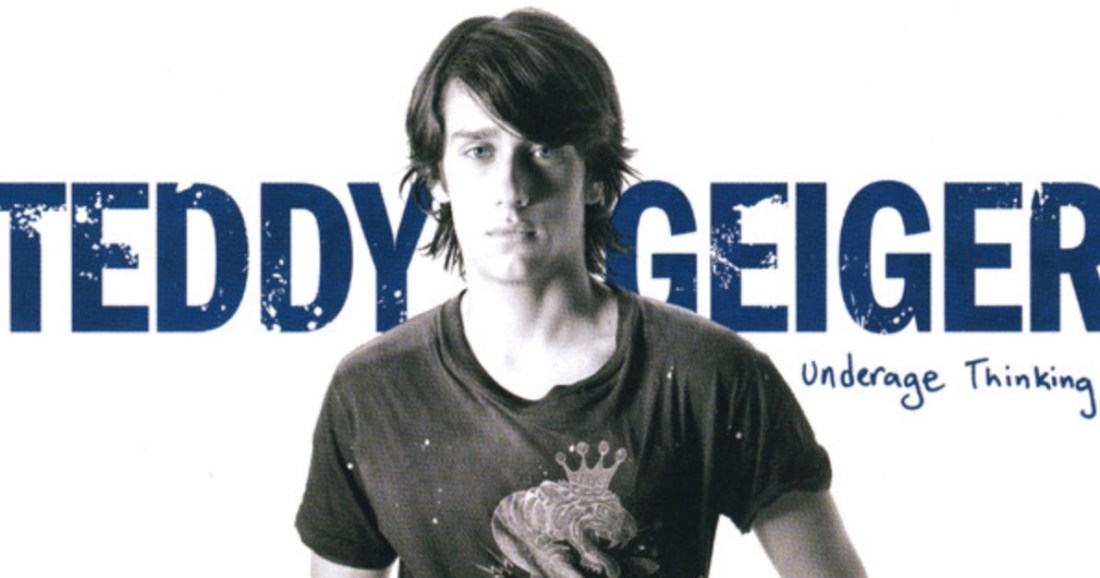
Teddy Geiger – For You I Will (Confidence)

I’m a dedicated Spotify user, but it isn’t without its issues. Certainly, a lot of artists are screwed by the payment model, but artists being abused by the industry side of “music industry” is hardly a new phenomenon. More bothersome to me personally (yes, because that’s what counts) are the murky dealings that lead to songs entering and exiting the massive database of available tracks. Sometimes they might have a prolific artist’s entire catalogue (Van Morrison comes to mind) but for an album or two. Or a song you love might just show up one day on a playlist when it wasn’t there before (“Flagpole Sitta” by Harvey Danger, which I had been actively seeking on a regular basis). Or, in the case of Teddy Geiger’s “For You I Will (Confidence)”, a song I had on two of my own playlist creations, you might not even notice it’s gone until you go looking for it.

I have no recall of how the song came into my life, only that it caught my attention and never really lost it. On my old iPod is a version downloaded from LimeWire that differs from the single, and which I prefer. I love this song so much that I put it forward in 2011 to my fiancé as one of the possibilities for our first dance together as husband and wife. We ended up going with Ben Folds’ “The Luckiest” (I could do a whole series on what Folds’ music has meant to my life), Steve Earle’s “Valentine’s Day” found a place somewhere in the festivities, and “Linus and Lucy” marked our exit. I’ve never been to a wedding with cooler ceremony music than my own.

Geiger was something of a teen idol but there was a secret under this: Geiger had long known she was really female in a male body. She came out as trans in 2017, and carries on her life now as Teresa while still being Teddy in her career, releasing music as recently as October 2021. It’s also a bit of a cheat to call Geiger a one-hit wonder, since she has moved heavily into writing and production, working with such acts as One Direction, Maroon 5 and, most notably, Shawn Mendes, with the hits “Stitches”, “Mercy” (my two favourite Mendes tunes), and many others.

There’s no easy way to explain why the song still gets me in the feels. It’s about taking a risk for a chance at love, about diving in and having faith that everything will work out. I love the sort of echoey and bubbly feel with the slightly tinny guitars during the intro. I love how the verses suddenly explode with pent up emotion then drop low again before a colossal drum run into the chorus. I love the break after the second verse where Geiger states things she would do to get the girl’s attention. I love the way she sings “But I’ve got to try” in the last chorus. I love that a pop song uses the word “muster”. (That can’t be too common, right?) I love the romantic belief that everything will work out fine if you just commit

The music video is a classic of teen movie cliches. Shots of Geiger looking with longing at her dream girl – Kristin Cavallari of “Laguna Beach” fame – intertwined with Kristin’s obviously douchey and unworthy boyfriend (who reminds me of Derek, Justin Long’s competition for the love of Julie Gonzalo in “Dodgeball: A True Underdog Story”) are intercut with Geiger in her home recording studio. It moves then to a pool party where Geiger takes that leap of faith she’s been singing about and gets to kiss the girl (bewildered Derek stands by with his red Solo cup, the universal label of young male douchery), who wakes up on a couch in that home studio, smiling at Geiger as she puts the finishing touches on the song she just wrote about them coming together as a couple.

Yes, it sounds cheesy, but I’ve never thought that meant something had to be bad: cheese as a food is as good as it gets! Sometimes we think things are cheesy because they’re too familiar, too direct, too emotional. But maybe that just makes them universal, too: most of us have known that feeling of wanting to be with someone who doesn’t see us that way. I listened to this song a lot in late 2007 and early 2008 as my world was falling apart and I felt completely unloved, and again later in 2008 when life was rapidly becoming better than I had ever thought possible. Maybe that’s why it still hits me hard even now: it feels like my own story was being told, that I was the one cannonballing into the water.

Favourite “New” Music – April 2023

I would never call myself a fan of Gordon Lightfoot, and I don’t have a story connecting me to one of his songs, because none of them ever played a part in a significant moment in my life. But they were always there, part of the CanCon 30% coming through my radio speaker, and I guess that means I took him for granted. That, of course, was a mistake.

My friend Alan Sutherland did not take him for granted: for our major English paper in Grade 12, he wanted to write about Lightfoot’s “Canadian Railroad Trilogy”. I should have taken that as a cue to listen more carefully, but overall I wasn’t giving Alan’s musical loves enough respect: it took me 40 years after all to clue in to the genius that was Ritchie Blackmore. At least I developed some appreciation for Lightfoot at a less leisurely pace.

I always liked “Sundown” (which my wife intensely dislikes) and “The Wreck of the Edmund Fitzgerald”. I hated “If You Could Read My Mind” – my “Sundown” – and that was not helped by the dance version cover. But in recent years, it’s grown on me considerably, and I sort of love its grandiose (“In a castle dark or a fortress strong / With chains upon my feet”) expressions of love and heartbreak. If you just let yourself wallow in it, I’m pretty sure you’d end up babbling in the corner.

Lightfoot never seemed cool, but that was only because he was cool in that understated Canadian way: he was so cool that you never saw it happening. (His former neighbour Aubrey should’ve been paying closer attention.) He was a songwriter’s songwriter, and greats like Dylan and Prine respected his craft. His time at the forefront of pop culture – to the extent he ever was there – was over before 1980, but we never stopped hearing his old hits on the radio. He continued to write and record and perform, invulnerable to trends, still his own unique artist. His importance in Canadian culture never really dimmed even though the hits stopped coming: he remained to the end one of those artists who sort of defined the country. And though the music lives on, it feels wrong that he won’t be here anymore to perform it.

I didn’t listen to any Lightfoot in April, but here are some other records that I did love last month.

  • Tom Verlaine – Tom Verlaine (1979)
  • Wipers – Is This Real? (1980)
  • Slint – Spiderland (1991) (The soundtrack to the gloomiest Thursday afternoon you ever spent, this is bourbon-soaked shoegaze that burrows deep and drags you along in its melancholy wake.)
  • Material Issue – International Pop Overthrow (1991)
  • Tricky – Maxinquaye (1995)
  • The Dollyrots – Eat My Heart Out (2004)
  • Kid Confucius – Kid Confucius (2005)
  • Go Betty Go – Nothing Is More (2005)
  • Nerf Herder – Rockingham (2016) (These guys, like Bowling for Soup below, make me smile, and that’s more than enough – the high energy and bouncy tunes are a bonus.)
  • Pkew Pkew Pkew – Pkew Pkew Pkew (2016) (Canadian punks, including an ode to predrinking.)
  • Bowling for Soup – Drunk Dynasty (2016)
  • The Pretty Flowers – Golden Beat Sessions (2019) (They do such a great job of making these songs personal, it took four tracks before I realized that every cut was a cover.)
  • The Allergies – Say the Word (2020)
  • Mo Troper – Natural Beauty (2020)
  • The 1975 – Being Funny in a Foreign Language (2022)
  • cheerbleederz – even in jest (2022)
  • The Greeting Committee – Dandelion (2022)
  • Dumb – Pray 4 Tomorrow (2022)
  • Andrew McMahon in the Wilderness – Tilt At The Wind No More (2023) (Catchy pop melodies with theatrical flair and emo bent.)
  • 100 gecs – 10,000 gecs (2023) (Delightfully odd and oddly delightful, their sound is messy and overstuffed, but with a keen melodic awareness)

Pazz and Jop 1974 #10

New York Dolls – In Too Much Too Soon

New York Dolls are what you would get if a band from the late ‘50s was suddenly transported to the early ‘70s, took a look around and decided, “We can work with this”.

I liked their previous album, but it took time for me to warm to it. This one grabbed me right away. It has a cleaner sound, more accessible, but still frenetic. Initially a punked up version of glam, while the punks got dirtier as the ‘70s progressed, the Dolls were getting cleaned up, even looking like a more traditional rock band. There’s a strong rockabilly feel to some of their songs (the American parts of “Stranded in the Jungle”, “Bad Detective” – and, yes, these are very racially problematic tunes), lots of harmonica (with a nice solo in “Don’t Start Me Talking”), and backing vocals out of another time (“Bad Detective” again). They are a band with one foot stuck firmly in the past, and my two favourite tracks reflect this. “Who Are the Mystery Girls?”, with handclaps and those nostalgia inducing backing singers, has the feel of an old fashioned pop song about love and romance (though it’s not clear what they’re actually singing about). And for all the grinding guitars of “(There’s Gonna Be A) Showdown”, the song could soundtrack Paul LeMat versus Harrison Ford

At times it feels like a great dance record, with lots of toe tappers, and it’s legitimate to wonder if it’s too poppy to still be punk. David Johansen is a playful frontman, with a sort of yelly singing style in which he over pronounces while slurring at the same time. It comes across as very mannered – Jaggeresque without Mick’s soulfulness. They try hard, from the dirtied up blues riff that opens “Babylon” to the muffled guitars on the closing tracks, but it feels like they never completely let their guard down and just play – they want so badly to be genuine punks, but they’re just a little too talented to go that route. “Human Being” might have the least grit of any gritty song I’ve ever heard, and it’s the closest they get to being unrestrained and messy, in the best way.

I get why a lot of people – including some of the band, apparently – prefer this record to the first. I like the DIY feel of their debut (despite the aid of the estimable Todd Rundgren), which gives it an energy that this one doesn’t have. But as follow ups go, there may not be many better.

Classic Songs of My Youth Revisited #36

Rick Springfield – Jessie’s Girl

I’ve always thought that “13 Going on 30” had a Rick Springfield problem.

If you know the movie (and if you don’t, then shame on you), 13-year-old Jenna is a big Springfield fan. I, too, had been a fan, but by 1987, when the “13” part of the movie is set, Rick’s time at the top of the charts was long past. He hadn’t released an album since 1985, and his last single had peaked at #22. Jenna would have been 7 when he was at his peak, and 11 when he last mattered. I know that first musical loves hit hard, but I have been the father to two 13-year-old girls, and I am fairly certain that they would have moved on if someone disappeared from their sights for two years. Surely, Jenna was more likely to be listening to Debbie Gibson or Tiffany (two singles that year) or Glenn Medeiros or some other pop icon that you may have forgotten but that burned brightly back then. 1987 Rick Springfield was also 38 years old. Ick.

I’m pretty certain this is because of the lag time between when the script was written and when the movie actually came out. If, say, the script was written in 2001, that would have made Jenna 13 in 1984, the year of “Hard to Hold”, when film stardom was still a possibility for our hero. You also see this problem with the reference to “Thriller”, which was not a song that a lot of people cared about in 1987; by then, we were all listening to “Bad”. But “Thriller” – and it’s video – played a fairly central role in advancing the film’s plot, so factual logic be damned.

None of this is meant to condemn the movie, which I love. Anyone who comes out of it not adoring Jennifer Garner is dead inside. Judy Greer, who has to be a lovely person to keep getting so much work, creates a first class bitch in Jenna’s best frenemy. Andy Serkis shows he’s capable of much more than motion capture, and Mark Ruffalo makes for a charming romantic lead. It’s also got some neat actors in smaller parts. Brie Larson plays one of the teen bad girls. The actor playing the younger version of Ruffalo’s character grew up to become the sort of cool sax playing Johnny Atkins on “The Goldbergs” (and is brother to the guy who played Ryan Reynolds’ horny kid brother in “Just Friends”). And, finally, Jim Gaffigan shows the unfortunate mess (sorry, Jim!) that your teen crush might turn into.

The song, as would appear obvious from the opening lines, is about the narrator’s attraction to his pal Jessie’s new girlfriend. Yet, one of the more amazing things about the song’s pop culture afterlife is the theory that the narrator is actually in love with Jessie (somehow misheard through a sort of wishful thinking as “I wish that I was Jessie’s girl”), and sees the woman as a barrier to that. It’s the sort of thing that would never occur to most of us, but, once pointed out, is hard to ignore. I can find no reason to believe that was Springfield’s intention, but it is odd how vague the object of his affection is as compared to the friend he envies – she doesn’t even have a name. 

There are a lot of cover versions, most of which are too faithful to the original to be worth anyone’s time. Craig Robinson’s version from “Hot Tub Time Machine” is fun because, well, it’s Craig Robinson, so of course it is. Matt the Electrician does a folky version that would confuse you in that “How do I know this?” way if you encountered it accidentally in nature (the way I felt when the acoustic version of “Take On Me” turned up in “Deadpool 2”). Mary Lambert strips it down to just piano, turning it into a torch song, but my absolute favourite is from Tate Logan and Zachary Ross and the Divine, who give it a pop punk spin that shows the true emo roots of the song. (What could be more emo than pining for another dude’s lady?) It even has a sequel, which is a decent tune in its own right.

But this is supposed to be about the original, and Springfield’s “Jessie’s Girl” rules. What’s less clear is why that is so. It certainly wasn’t an obvious hit at the time – it wasn’t even the first single off “Working Class Dog”. It’s a fun song, but as catchy as it is, no one would ever mistake it for an objectively great song, which becomes clearer on repeat listens. It opens with some fairly simple strumming, then Springfield comes in singing, all fey and breathy. Even after the song revs up, it feels confused, like it wants to be a rock song but knows it’s too insubstantial for that. There’s fuzzy guitar on the verses and then tinny on the chorus, and the obligatory solo (which absolutely no one is playing air guitar to) feels like Rick wanting to prove he’s more than another pretty boy who can sing.

And yet, “Jessie’s Girl” can’t be ignored – that opening guitar is immediately recognizable and can transport you to the early 1980s. I have no recall of loving this in 1981, yet I must have: when I got a new cassette player in June 1982, two of my earliest purchases were “Working Class Dog” and its follow up “Success Hasn’t Spoiled Me Yet”. He was so big at the time that we talked about his songs like any other important artist: I remember a friend having a theory about the meaning of a lyric from “What Kind of Fool Am I”. We knew that the dog on his album covers was named Ron. And it attained ultimate cultural relevance by showing by in a Paul Thomas Anderson movie, with stoned Alfred Molina singing along. The now 73-year-old Springfield is still playing his ass off (and looking pretty fine doing it), and the song has never really left the airwaves, or stopped making new fans: on TikTok there is a clip of Harry Styles from 2012 saying it’s the song that gets him and Zayn Malik pumped up before a gig, and they were still doing a little dance routine to it two years later. Teen idols, separated by more than 30 years, but connected by a song. Maybe it’s not so odd after all that Jenna still loved him in 1987.

Classic Songs of My Youth Revisited #35

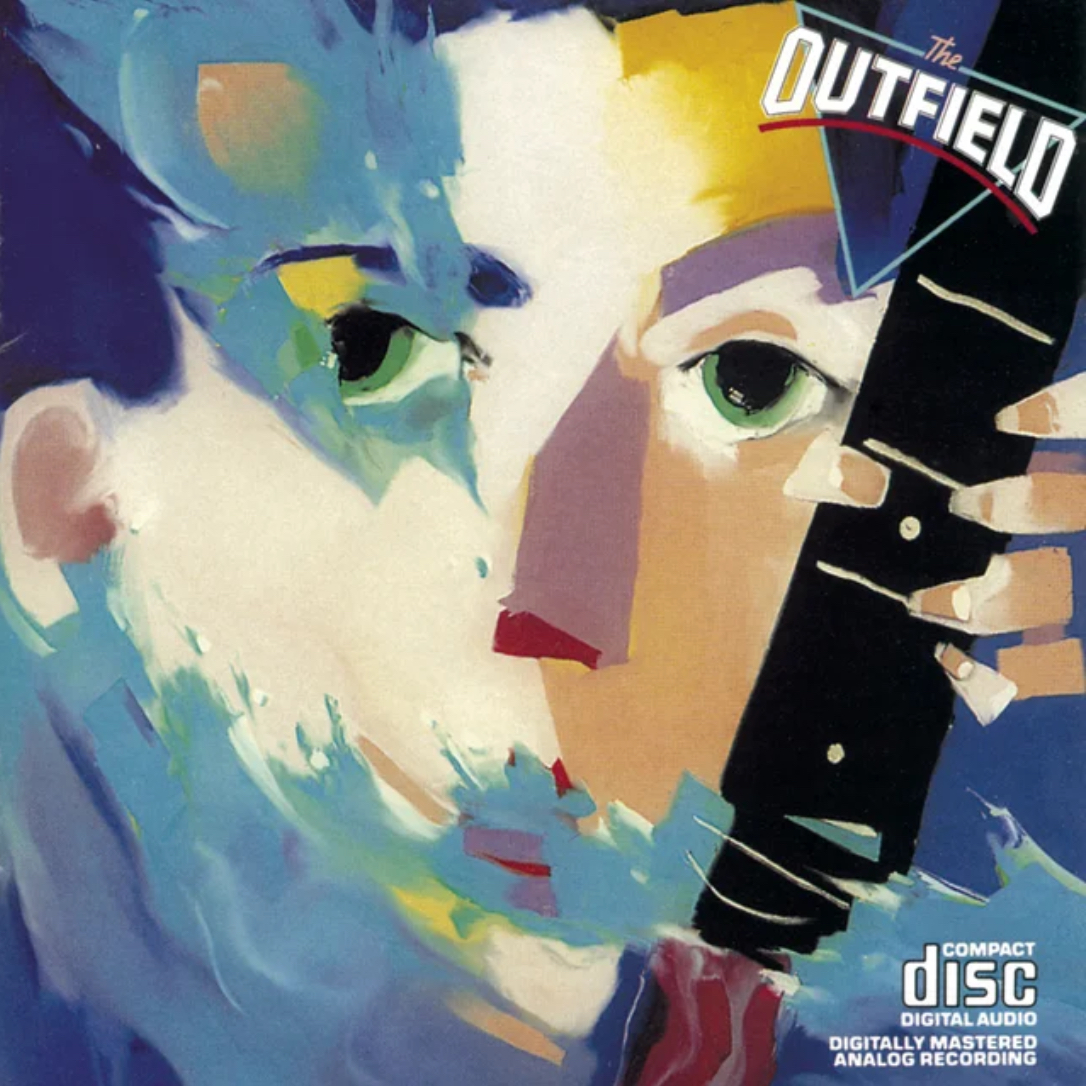
The Outfield – Your Love

From September 1984 to the spring of 1986, my main source of new music – and primary viewing pleasure – was MuchMusic, Canada’s only 24-hour music video channel. That was sort of a lie – they initially had eight hours of programming that was then repeated twice – but in that lie was also the knowledge that if they played, say, “Like A Virgin” at 1:38 p.m., you could safely tune in at 9:38 that night and 5:38 the next morning for another Madonna fix.

That all came to an end in the spring of 1986 when I began renting a room in the home of a lovely lady in her 90s who was known to all in her circle (regardless of actual blood affiliation) as Granny. Granny controlled the television with occasional jokey (though I never tested this) threats of lethal force, as I had enough problems right then without adding “fistfight with a near-centenarian” to the list. Granny had her shows (I wish I could say for certain that “Murder, She Wrote” was one of them, but let’s just agree that it was) and I could either watch with her or do something else. The one concession was that I convinced her to check out “ALF” when it debuted in September 1986, and it soon became our weekly ritual to watch together, even past the point when I had tired of the show, because it seemed to make Granny happy to do this one small thing together.

Because I no longer had a television or reasonable access to someone else’s, I rarely saw music videos between May 1986 and spring 1990, when I moved in with my then-girlfriend and her Panasonic. As a result, I had no awareness of the video representations of most of my favourite songs of that era (and still don’t, really) unless they became ubiquitous in the culture, like Peter Gabriel’s “Sledgehammer”. Which meant that when I finally watched the video for The Outfield’s “Your Love”, more than 37 years after its release, I was, umm, a little confused.

I have been hooked on “Your Love” since I first heard it in early 1986, so I don’t know why I missed the video initially. I bought the album on cassette and regularly listened to the entire thing – it’s just one pop gem after another. The lyrics to “Your Love” always seemed pretty straightforward to me: the narrator’s girlfriend Josie is out of town and he’s hooking up with his slightly older and very secret side piece who he’s more attached to than he’s prepared to admit. But there are other theories. That Josie is the older girl, and he’s hooking up with someone too young for him. (Creepy.) That Josie is a man and he’s sneaking around with his friend’s gal. (Plausible – though there aren’t a lot of male Josies.) Who expected such worlds of possibility in a humble pop song?

But that video? There is some conceptual weirdness going on here. Why is the woman painting the album cover during the video shoot? Is she supposed to be drawing inspiration from being with the band? There is a sort of flirtation with chipmunk-cheeked frontman Tony Lewis and then that out of left field check in from guitarist John Spinks (R.I.P. to both men), but it’s also clear she isn’t even looking in their direction while they perform, despite some shots through the glass she is painting on that suggest otherwise. And do Spinks and his fellow guitar player think they’re in a different band? A power stance? This isn’t metal, fellows: it barely qualifies as rock. And just a style question: is there a rule somewhere that blind keyboard players have to wear shades? (See Milsap, Ronnie, and Charles, Ray, and Wonder, Stevie, and – oh, you get the point.) Then there is the paint dripping down the screen, suggesting a connection between the song and the painting that doesn’t really exist. And, finally, she just ups and starts to leave halfway through the song. Sorry, boys – at least you’re going to get a pretty cool album cover out of it.

“Your Love” isn’t exactly unique: the strain to connect the visuals to the song was a constant in that era, though considering that this song actually tells a story, the effort really should’ve been saved for some other tune. And let’s face it: some bands are just meant to be heard and not seen, and the era when videos were the key promotional device threw that reality out of whack. I’m not saying The Outfield were such a band, but not everyone could fit as smoothly into that box as, say, Huey Lewis & the News, with their strong-jawed but obviously goofy frontman and his super cool and very game band mates.

In the end, though, it’s the song that perseveres. It’s a fantastic power pop record, a little more new wave influenced perhaps than others of that ilk, and with a great opening guitar hook that draws you in (and different hooks later that keep you listening – the guitar has three different motifs by my count, which come and go throughout). There’s an echoey effect to the whole song, and I’ve always loved the drums, which have a subtle boom that serves as a nice counterpoint to the texture of Lewis’ voice (which I like best when he goes low about a third of the way through) and the shift to more tinny guitar in parts (and the song doesn’t really kick into gear until drummer Alan Jackman shows up 29 seconds in). It’s a song that doesn’t overstay its welcome, a mere 3:36 of boy meets girl/boy cheats on girl with another girl or on his best friend with girl/boy feels deep regret and shame but knows he’s going to do the whole thing all over again the first chance he gets. You know: a pop song.

One-Hit Wonderment #1

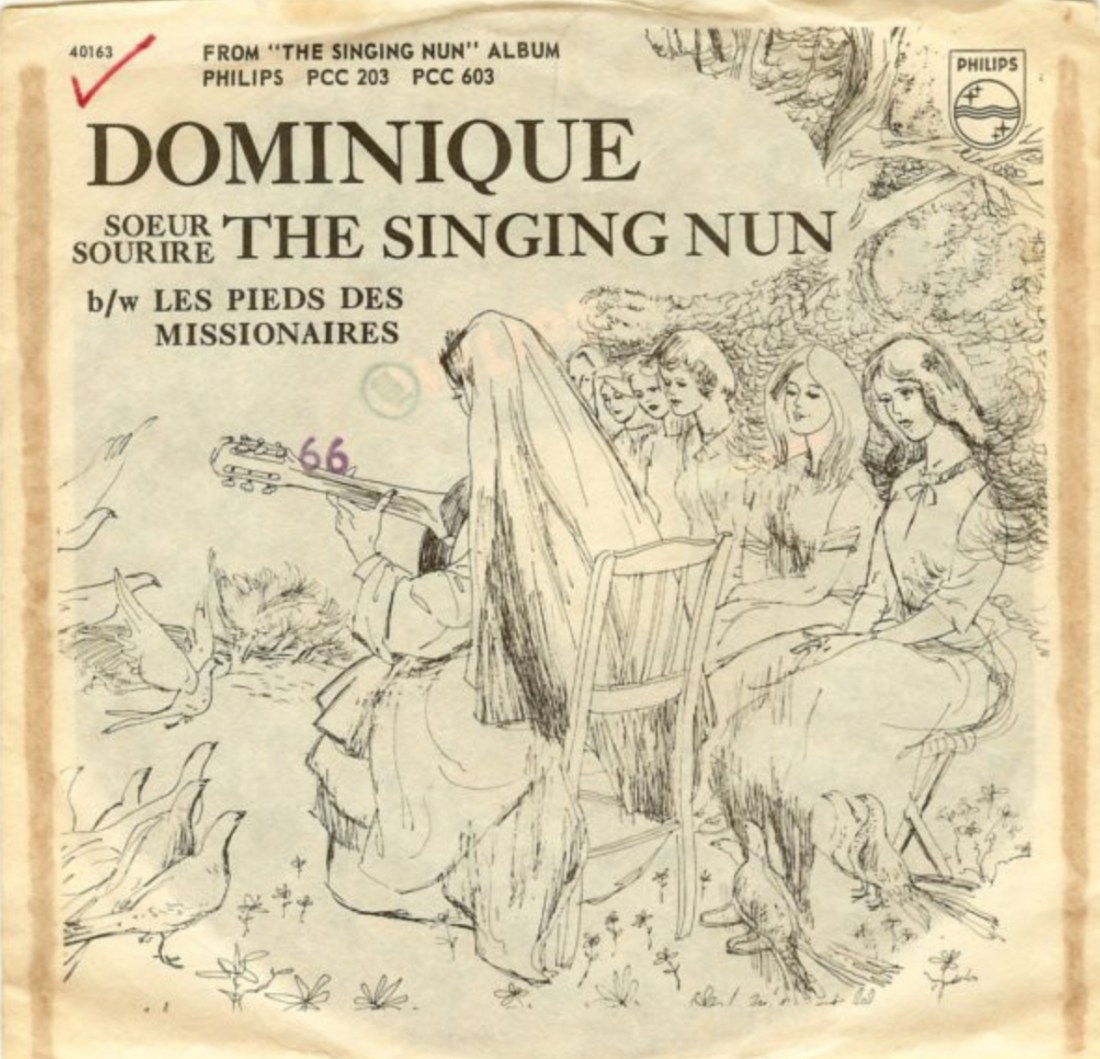
The Singing Nun – Dominique

What makes a hit song? There are people who are paid a lot of money to figure this out and they are as clueless as the rest of us. For proof, I offer two (well, three) examples. 

In 1983, Sheriff hit #61 on Billboard with “When I’m With You”. A most modest success, it was soon relegated to the last spot on stripper set lists. Five years later, it was resurrected by a Las Vegas disc jockey (one wonders where he was spending his off hours), rereleased as a single and went to . Or take Billy Vera & the Beaters, whose “At This Moment” stalled at #79 in 1981. Ignored even by strippers after that, it also became a hit five years later when it was featured prominently on an episode of “Family Ties”. The point? Timing has a lot to do with whether or not a song “pops”. (A pop culture tie-in helps: see also Bush, Kate).

Second (or third) example. History records “Passionfruit” as the second single from Drake’s 2017 mixtape “More Life”. But what I remember in real time is that his label was pushing another song but fans weren’t having it so they had to pivot to support the listeners’ choice. The point? You can’t make people like stuff.

I mention this because it leads into one of my favourite things in music: the one-hit wonder. These are the most unpredictable of musical treats, since no one has the goal of having but one popular song. The artist captures the cultural moment – or at least part of it – with a song that can’t be denied, then is returned to where they were, maybe a little richer, maybe heartbroken by the failure to stay on top, maybe just thrilled to have had that moment. The songs that got them there might be all-time classics (The Penguins’ “Earth Angel”), craven attempts to capitalize on a trend (Buckner & Garcia’s “Pac-Man Fever”), novelties (“They’re Coming to Take Me Away, Ha-Haaa!” by Napoleon XIV), viral sensations (Tay Zonday’s “Chocolate Rain”, which actually never charted, because Billboard had no idea what to do with YouTube streams in 2007), or earnest efforts that end up being just weird enough to stand out (“Dominique” by The Singing Nun). Or they might just be good songs.

The definition of what makes an act a one-hit wonder is so subjective that it can defy reason and even simple math. Case in point: Simple Minds. In early 1985, after several acclaimed albums but no hit singles in North America, they reached with “(Don’t You) Forget About Me”. For a lot of people, it seems their career ended there, which ignores that their very next single, “Alive & Kicking”, reached #3 less than a year later. Somehow, because people are too dim to continue listening to the latter song, which is damned good if not the former’s equal, the band has this label. WTF?

In my eyes, to be a one-hit wonder you must (1) have a song make the Billboard top 40 and (2) never have another song get even a whiff of the top 100. That leaves out a band like A-Ha, who followed up their “Take On Me” with another top 20 single just five months later (plus had a long and successful career outside North America). Nor should it include actors who briefly steer into music, like Anna Kendrick (#6 with “Cups” in 2013), or side projects from established stars/band member stars turned solo stars (both too many to mention), or artists with great careers that were not built on having pop hits (Bobby McFerrin already had five Grammys before any of us had ever heard “Don’t Worry, Be Happy”). So, yes, my standard is subjective as well, but it sure as hell would never include an artist with two top 3 hits in one 12-month period. That’s just stupid.

In the end, one-hit wonders are just fun to listen to (usually) and read and write about, and there are hundreds (I’ve been making a list) of them to remember, and celebrate. I mean, what’s not to love about a singing nun. She’s a nun! Who sings! Count me in.

So, about that. Not only was Jeannine Deckers an actual nun, but her song is about a saint, which has to make it one of the most Catholic songs to ever chart (and thus kind of appealing to a reformed Catholic like myself). Her story is sad in so many ways: she was screwed out of most of the profits from her surprise hit (a pretty common occurrence), was forced out of her beloved Dominican order followed by the Church interfering at times as she tried to establish a singing career, was possibly a closeted lesbian, and, ultimately, ended her own life (as did her purported life partner) at a far too young age. A pretty glum back story to a very cheery tune.

It’s a rather simple song – unless my ears are missing something, guitar is the only instrument – with a straightforward verse/chorus/repeat until nauseated format. Deckers is joined by what my mind imagines to be a small chorus of other nuns, in austere black behind her glowing white habit, palms pressed together as they look heavenward and Jeannine strums away. It’s also far from original: this Spike Jones mashup with “When the Saints Go Marching In” shows that in pretty awesome fashion.

Most importantly, it’s another one of those songs that makes me wonder WT actual F was in people’s minds when masses of them said “I want to own that record” in late 1963. Enough of them said it that it spent all of December at , which boggles the mind. The more you listen to it, you can almost talk yourself into seeing why people loved it so (unless they were pioneering hate buys, like the later Sanjaya voters or many viewers of “Emily in Paris”): it has a bouncy energy that gives the endorphins a boost. Or maybe it was just the times, since 1963 was a year when none of the following classics topped the charts: “Be My Baby”, “Louie Louie”, “Blowin’ in the Wind”, “Ring of Fire”, “Surfin’ U.S.A.”. Instead, a lot of weeks they had the likes of Bobby Vinton, Steve Lawrence and “Deep Purple” to choose from. “Dominique” may have been an unexpected joy in musically dark times. That’s how I like to see it.

Luckily, The Beatles were coming to change that.

Classic Songs of My Youth Revisited #34

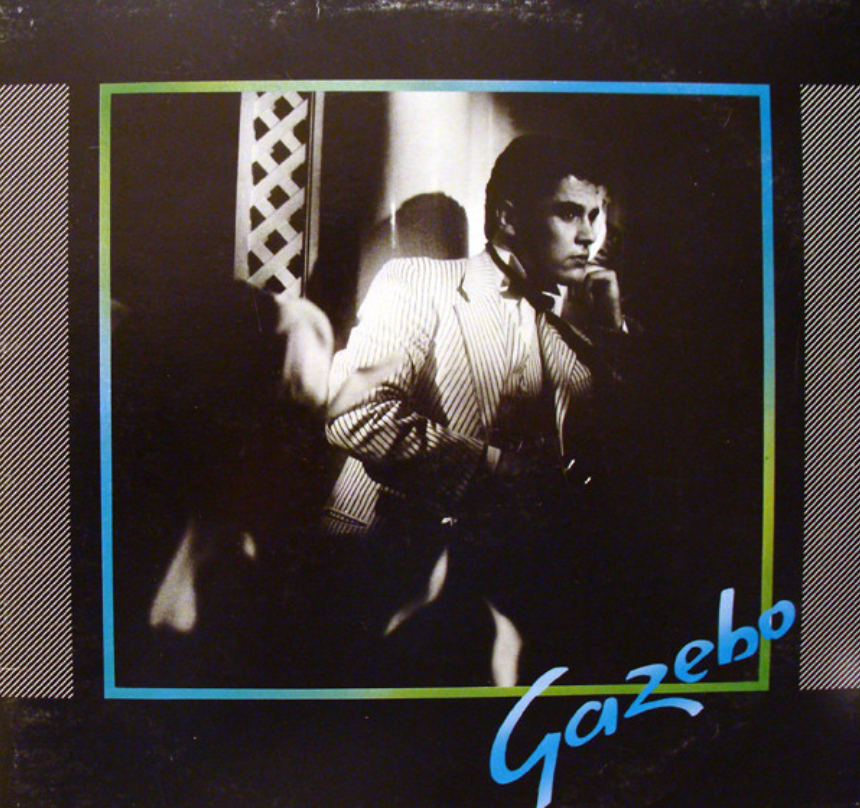
Gazebo – I Like Chopin

I don’t think I’ve ever given up on a friend (even when I probably should have), but I know for certain that at least three friends gave up on me. Two of them had good reasons: Chris got tired of me cancelling plans with her after I got a new girlfriend, and Shelley got tired of waiting for me to figure out whether I wanted to be a Jehovah’s Witness or not (I did not). The third friend was Serge, and he gave up on me because of Shelley, and that was just wrong, though I completely understand now where he was coming from.

I met Serge in September 1982 when I started university, and he was sort of a larger than life figure. He was a week late to school that year, and I heard stories about him (mostly from one source) throughout frosh week, finally meeting him when we both drunkenly staggered into the same corridor of our residence while looking for something to eat. We quickly became friends, and he was yet another in my rapidly growing collection of slightly older comrades who had a driver’s licence (which I avoided getting until I was 43) and a car (ditto). By the summer of 1984, he had graduated and I had dropped out, and we were housemates and coworkers in the university’s cafeteria.

Serge and I fell out when he and Shelley broke up and I completely misunderstood the bro code that demanded that she now be persona non grata or else I was betraying our friendship. Weirdly, our other friends also behaved as I did, but I was the only one deemed to have betrayed him. People with broken hearts are not logical.

In any event, at some point during our friendship, which ended on a crisp Saturday night in the fall of 1984 at the main bus stop on the Brock University campus, Serge bought Gazebo’s self-titled album on vinyl. He bought it for just the one song (the whole album is pretty good, though), and he was eager to play it for his friends. The first time I heard “I Like Chopin”, I fell in love. But after the falling out, I knew that if I wanted to listen to it again, I needed to find my own copy.

If you’ve never heard this song before, you are not alone: it was never close to being a hit in Canada or the United States (though it went to all over Europe). The odds of me finding the album without serious effort were low. And yet, I did exactly that: I walked into a chain record store, went to “G” in the cassette section, and there it was. I didn’t even have to travel to Toronto: it was right there in St. Catharines, a city hardly at the forefront of contemporary ItaloDisco sounds. At the checkout, the clerk approved of my selection. I felt like Gazebo fandom was some sort of secret club that I had unexpectedly stumbled into, blinking in wonder. What I later learned – and I don’t know if this is actually true – is that demand for “I Like Chopin” was linked to its periodic plays on CFNY (a.k.a. “The Spirit of Radio” for all the Rush fans). Whenever the station aired it, even years later, there would be calls asking what that song was. 

What it was, and is, is a synth pop wonder, and I always pick the extended 7-minutes plus version for the full effect. It may not be for everyone, but I’m yet to meet anyone who knows the song and doesn’t love it. (Okay, there’s just one other person, but, as you’ll see, that’s a pretty critical vote.) It’s about love and longing, a melancholy song of rainy days and a lot of other cheesy abstractions that are sort of beside the point when you’re in love. The piano (an original melody, not lifted from Chopin) is the centrepiece, a delicate backdrop between rounds of glittery synth and snare-shot drum machine. It has a mysterious feel in parts, like the score to a chase scene from an espionage B movie set in some pre-Gorbachev Eastern Bloc country. It feels sad and cheerful all at once, and there is a hypnotic energy that draws you in. I sometimes play it back-to-back-to-back, 23 minutes plus on repeat, and it never fails to please me, even almost 40 years later.

Serge and I never really made up, though his anger subsided enough that we could at least exchange a few non-hostile words from time to time before we moved to new homes in May 1985. My Gazebo cassette was played less often as time passed, and eventually it was gone from my collection and never replaced. I don’t remember when I found out that my wife loved “I Like Chopin”, but if we weren’t married yet, I should have proposed on the spot. It’s the only ItaloDisco record I’ve ever owned, and there is no way that my soulmate also loving the song could be a coincidence. I often feel something akin to fate about how we came to be together, and it makes sense that “I Like Chopin”, and the odd twists of my love for it, would find its small place in that story.

Favourite “New” Music – March 2023


My favourite movie, without question, of 2022 was “Everything Everywhere All At Once”. Not only was it a great science fiction/action/sort-of superhero movie, but it was funny and visually distinctive and a very heartwarming story that ultimately was really about family, and love, and finding your place in the world. So, when it dominated the Oscars last month, I took an unusual amount of joy out of an awards show (a thing I usually don’t give a crap about).

Heading into the awards, I knew one category it had no chance of winning: best original song for “This Is A Life”. I was rooting for it – my Mitski stanning has not yet reached its limit – but even I didn’t think it was anything special, and it was definitely odd by the usual standards of the Academy. It did occur to me, however, that I really didn’t know the other four nominated songs very well, so I set out to change that.

The eventual winner, “Naatu Naatu” from “RRR”, is a fun tune that’ll get your blood racing, but I question whether it is that much better than the literally thousands of other songs that are in Bollywood movies every year, none of which were ever even nominated. And I understood from the outset that “Applause” from “Tell It Like A Woman” wouldn’t win, because losing at the Oscars for writing a song from a film that almost no one has seen seems to just be Diane Warren’s fate. (They have now given her a special Oscar, so a competitive win could be close at hand. Stay the course, Diane.)

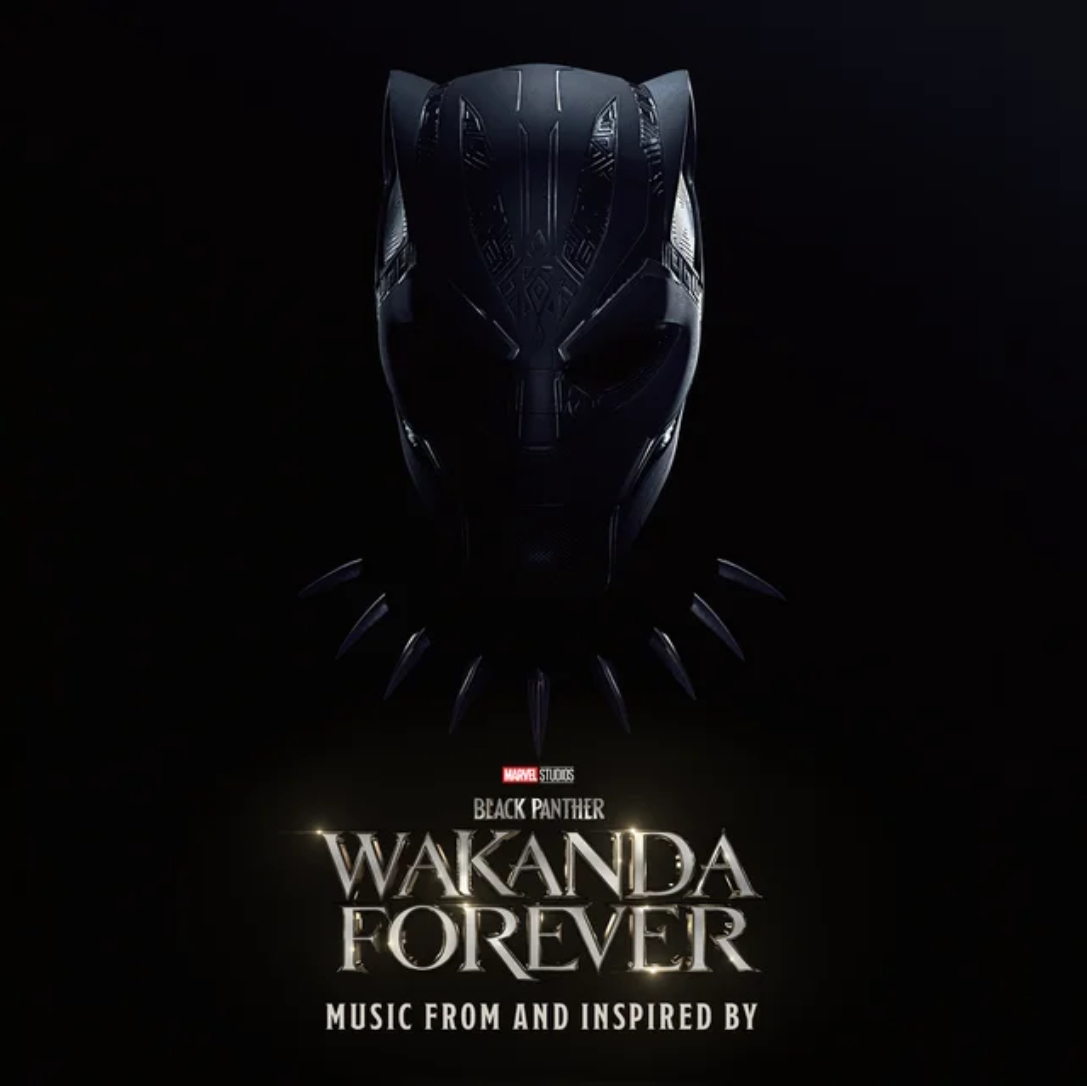
Had I been given a vote, it would have been between the two pop queens: Lady Gaga (“Hold My Hand” from “Top Gun: Maverick”) or Rihanna (“Lift Me Up” from “Black Panther: Wakanda Forever”) and their various co-writers. “Hold My Hand” is a power ballad that definitely taps into a kind of mid-‘80s vibe that makes it a worthy successor to the original film’s Oscar-winning “Take My Breath Away”. The song is very stirring, but it’s also pretty one-note, all large gestures and epic booms. It needs a big voice to match the sonic weaponry that backs it, and Gaga qualifies. It’s a song that will have couples swaying side by side at the Daytona 500 a decade from now, one arm wrapped around their partner’s waist, the other raising up a beer in celebration.

“Lift Me Up” is more subtle: with humming, single strike piano keys and gentle strings, the song generates an emotional response from Rihanna’s compelling vocal performance. The movie was weighed down by its need to mourn Chadwick Boseman, but the song feels free and unburdened. It’s just as emotional as “Hold My Hand”, but it doesn’t seem to be working quite so hard to get there, and that just feels like a bigger accomplishment, and one that’s more worthy of recognition with, as Dustin Hoffman said of the Oscar, a little gold man with no genitalia who is holding a sword.

In the end, it was a pretty good year for movie songs (Drake, Taylor Swift, The Weeknd, Jazmine Sullivan and Selena Gomez all made the 15-song shortlist, and I would’ve loved to see one of the tunes from “Spirited” get nominated), and “Naatu Naatu” is really growing on me. It’s a fun song from another year that needed levity wherever it could be found.

Here’s some other music that I loved last month:

  • The Rolling Stones – Out of Our Heads (1965) (I never played the whole thing before, though I was halfway through side two before that became clear to me)
  • Bob Weir – Ace (1972) (I’ve never much cared for the Grateful Dead, but Weir, separated from the jam band artifice, is a different animal)
  • Shigeru Suzuki – Band Wagon (1975)
  • The Jam – In the City (1977)
  • Van Halen – Van Halen II (1979) (I always like the DLR-era albums, so I can’t figure out why I don’t play them more often)
  • Television Personalities – And Don’t the Kids Just Love It (1981)
  • Robyn Hitchcock and the Egyptians – Globe of Frogs (1988)
  • Pixies – Doolittle (1989) (this 30 years overdue play is proof that I’ve never been a very serious music listener)
  • Green Day – Kerplunk! (1991) (yes, they were great before “Dookie”)
  • Jay-Z – The Blueprint (2001) (okay, so there are gaps in my hip hop knowledge, too – but I’m working on it)
  • The Format – Interventions and Lullabies (2003) (Nate Reuss’ former band before fun. was his former band)
  • Eddie Vedder – Into the Wild (2007)
  • Setting Sun – Be Here When You Get There (2013)
  • Ducks Ltd. – Modern Fiction (2021)
  • EarthGang – Ghetto Gods (2022)
  • The Beths – Expert In A Dying Field (2022) (one of my favourite indie pop bands right now)
  • Paramore – This Is Why (2023)
  • Pearla – Oh Glistening Onion, the Nighttime is Coming (2023)
  • Yves Tumor – Praise a Lord Who Chews but Which Does Not Consume; (Or Simply, Hot Between Worlds) (2023) (a close winner over Pearla for most pretentious album name of the month)
  • Depeche Mode – Memento Mori (2023)