Classic Songs of My Youth Revisited #33

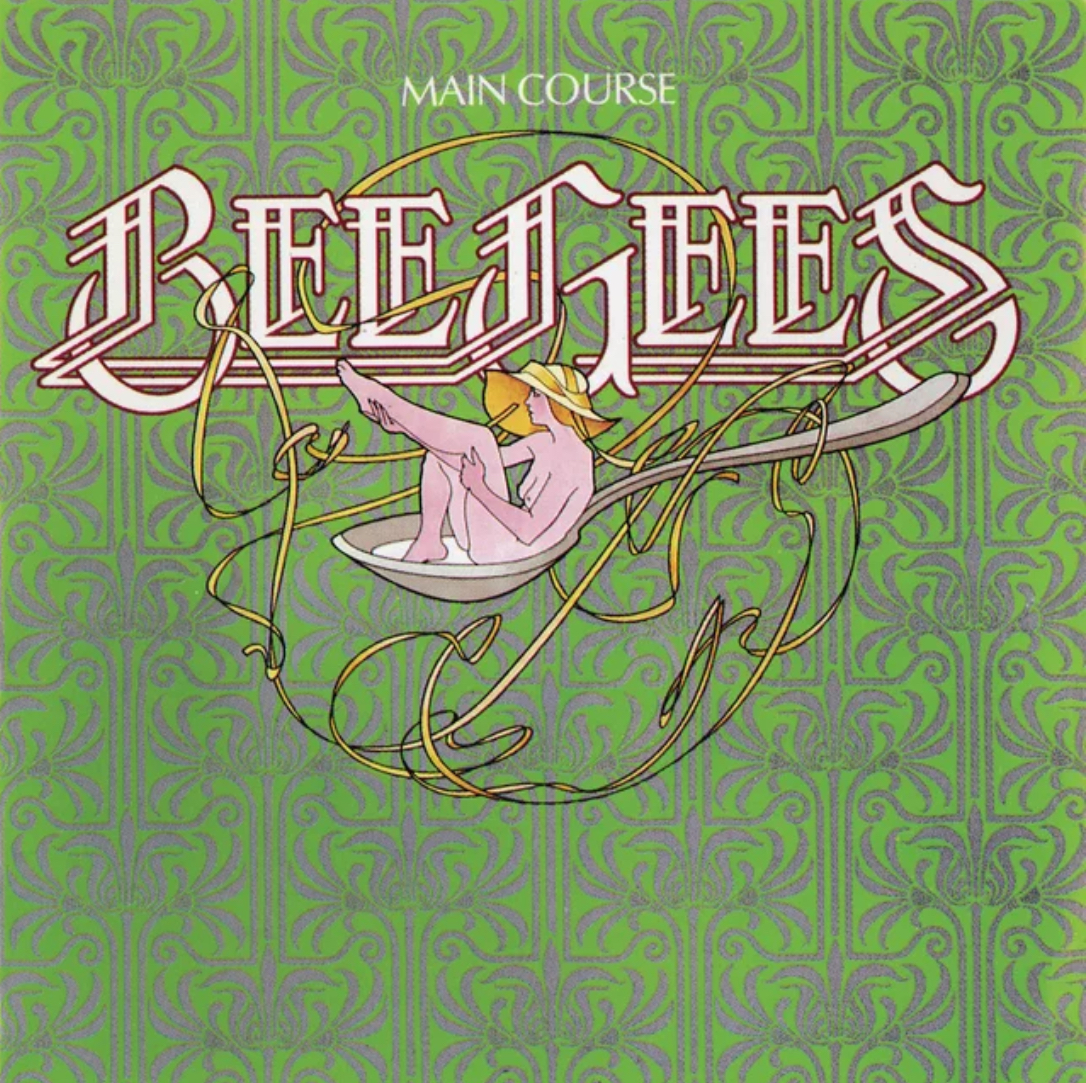
Bee Gees – Fanny (Be Tender with My Love)

On the landing page for this site is a photo of three all-time favourites – Prince, Elvis Costello and Billy Joel – but it could just as easily have been a photo of the three brothers Gibb. For while those artists have fallen in and out of favour – Prince released some barely listenable records, Costello’s “North” will have you looking for synonyms for “dull”, and Joel could deliver a dozen songs like “Scenes from an Italian Restaurant” and still not clear the unforgivable stench of “We Didn’t Start the Fire” – I have never not loved the Bee Gees, or at least the version that I grew up to. Even when much of the world abandoned them in the alleged disco backlash of 1979, I kept playing all my “Saturday Night Fever” 45s, and even the less pleasing tracks on “Spirits Having Flown” went unskipped.

Picking a favourite Bee Gees song was a no-brainer, which is sort of amazing since I could probably start singing without any hesitation about two dozen of them, and that’s without including Bee Gees-adjacent tunes from little brother Andy and folks like Samantha Sang and Frankie Valli. Bob Stanley raved about their songwriting chops in his magnificent book “Yeah! Yeah! Yeah! The Story of Pop Music from Bill Haley to Beyoncé”, and their insane versatility in that area is what made them stars again after every dip in their fortunes as a band. Add the unmistakable harmonies, and you have something undeniable.

Now, my wife may disagree with this choice. For all our years together, she’s been entertained by my response to “Nights on Broadway” whenever it pops up in a playlist. I have an almost physical reaction: my cares lighten, a smile etches itself onto my heart, my vocal cords soften, and then I am howling away like the poppiest pop diva. It is by far my favourite of their songs to sing along to. 

And yet, it is “Fanny” that moves me most, in part because it is probably the ballsiest song they ever recorded. I am a sucker for big epic statements in music, for rock songs that are operatic in scope and in the emotions they convey. For songs that start out gentle and build to an insane intensity that almost makes your heart explode out of your chest. For songs that are so complex in their structure that to perform them as recorded is nearly impossible in a live setting. Ladies and gentlemen, I give you “Fanny (Be Tender with My Love)”, which meets all of these criteria yet is somehow even more than that.

“Fanny” is a song about love, but, as the title makes clear, there’s a lot of trepidation on the narrator’s part about what this love might do to him. It opens with a relaxed tempo, with tinkling keyboards, slightly throbbing guitar and delicate piano bar drums. The intensity rises with the layered voices of the first chorus, then again with the roar of frustration in the second verse of “Do you think I’m gonna stand here / All night in the rain?” It’s a nice song, but it’s from 1:55 to 2:15, in the section ending “You made a promise / You’ll always love me forever”, that you first sense (1) how truly fucked this guy is and (2) you might just be listening to something great.

After another chorus, more intense than the last, voices overlapping in a barely controlled cacophony, the song reaches at 2:55 what could be its natural endpoint. There’s nothing more to say about Fanny, and you could fade out with a few more lines of the chorus and be proud of the work you put in. But there’s more than a minute left, and what a minute it is. From 2:55 to 3:10, the drums pick up and the brothers “ooh” and “aah” and almost howl before Barry comes out for one more chorus on absolute fire, displaying all the vulnerability and terror that lies at the heart of giving yourself to another person so completely, the existential “oh, fuck, what have I gotten myself into?” that every last one of us, if we’ve been lucky, has experienced at least once. Having released that pain, his energy finally depleted, the song fades out, into history.

So, maybe too much weight for a pop song? Hell, no. Music at its best triggers an emotional response, and I can listen to “Fanny” again and again and never not feel that same thrill over the last minute or so. It’s a work of studio wizardry – the brothers never played it live because it was impossible to recreate what they had done – but it isn’t clinical like so much manufactured music because the technology is warm, not cold: the genius isn’t the manipulation of a Pro Tools-wielding producer demigod, but of professional musicians committed to making something timeless and using the tech to enhance their talent, not as a substitute for it. It’s another song that I want played at my funeral (that’s going to be a kickass playlist – too bad I’ll have to miss it), and I hope people start singing along. It’s sort of impossible to resist.
Classic Songs of My Youth Revisited #32

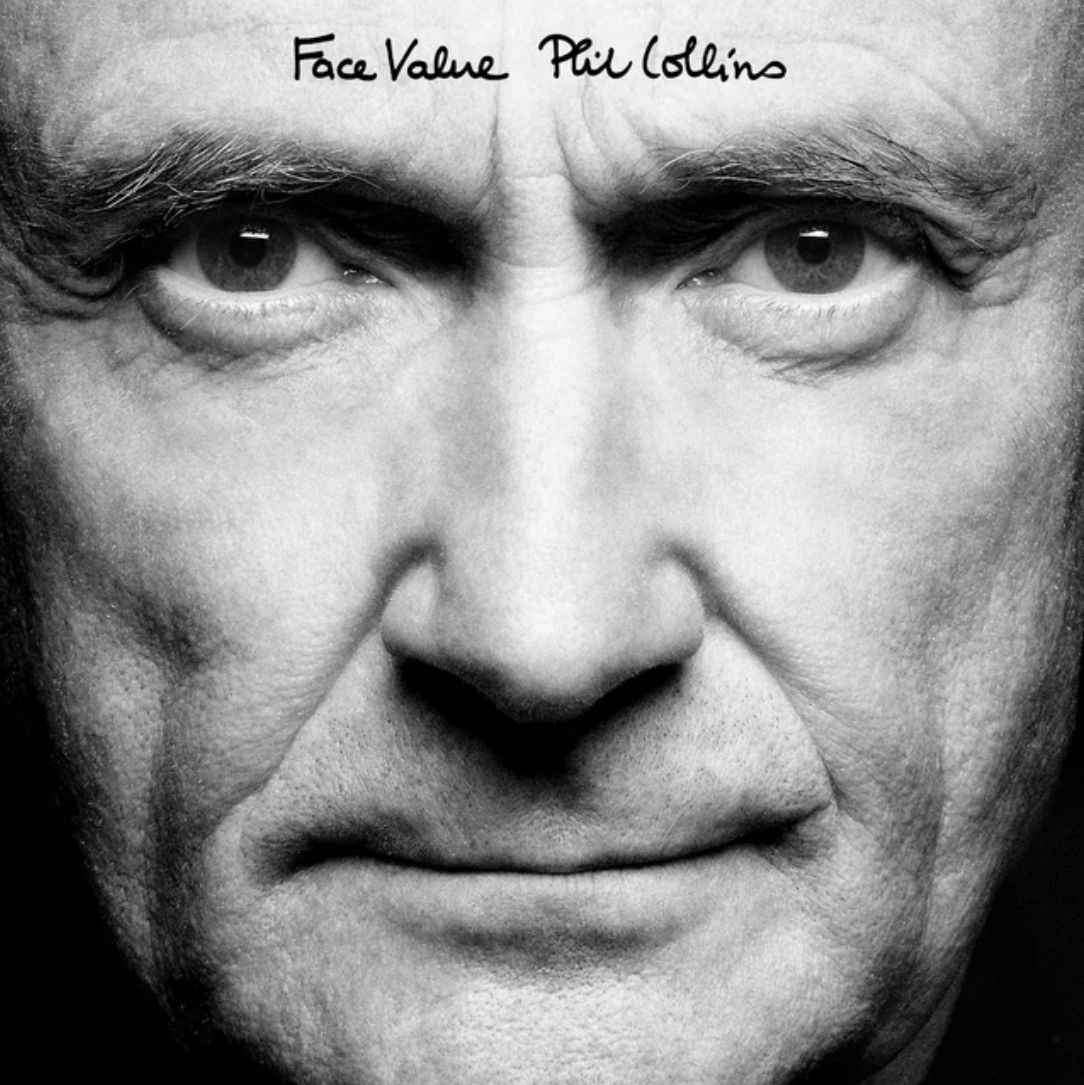
Phil Collins – In the Air Tonight

If you set yourself the task of revisiting your past, musical or otherwise, you are soon going to find yourself writing about a lot of dead people. I don’t think that’s an inherently sad enterprise, as much as I still find myself surprised by all those who are gone who once shone brightly in my days.

It was Doug Maxwell who first played “In the Air Tonight” for me, and he did it in the worst way possible. Before the needle dropped, he told me I was going to be blown away. Never do that to someone. First, it’s a song – keep expectations realistic. It’s also a lot of pressure. What if I’m not blown away? Am I somehow lacking as a result?

I had really crappy music players when I was a kid. First, there was a record player with a tiny speaker in the front, then a proper stereo with detached speakers that was still about 95% cheap plastic. I don’t recall our home ever having an 8-track system, and our cassette player was also low tech. My high school graduation present from my parents was a higher end boombox-type cassette player/radio that gave me my first glimpse of personal hi-fidelity. Up until then, sound quality was something experienced only at friends’ homes.

Doug had a great system. I could not begin to tell you a single thing about it because I just wasn’t paying attention. For all my love of music, sound quality has never been a big priority for me, which might explain my love for jangly guitar rock, the low-effort instinct of punk, and bedroom pop: a great hook is a great hook and a clever lyric still resonates no matter how cruddy it sounds. It could be that because I fell in love with music in a cruddy sonic environment, I developed an ear for hearing what really mattered in a record, since that’s all I could get from it. Music is completely democratic: you just need will, creativity and something to make a sound with. You don’t even need money: your voice is enough of an instrument, and you can set a beat by tapping on, well, anything. What happens after that is mostly out of your control, but you’re still making music, and that DIY aesthetic has long found a home in my ears.

Thankfully, I was blown away by “In the Air Tonight”, though it was never a tune that made it into heavy rotation for me, likely because it really is one of those songs that benefits immensely from being played on a great sound system. It’s all gloomy atmospherics, and sounds like it’s being sung underwater, or at least in an empty swimming pool. No wonder the “Miami Vice” producers were attracted to it: it’s pure feeling distilled into sound (it was from Phil’s divorce album, after all, and divorce is very much about feeling powerless and incapable of expressing how you feel without devolving into histrionics). It’s an incredibly bitter song – “Well, if you told me you were drowning / I would not lend a hand” is an all-time Top 10 “fuck you” – and there is a tension, an edginess, that never relents.

But what makes this song legendary is the drum solo, and everything that comes after that. If you watch the official music video (Speaking of democratic, remember when pop stars could look like the guy who fixes your broken household items?), you can tell the director had no idea what a weapon he had at his disposal in that oh-so-brief drum solo. The song changes after Phil lets rip at 3:41 for a mere three seconds of “holy fuck, what was that?” bloodletting as all his anxiety and fear and anger are taken out on his kit. And though the tempo doesn’t really change, it somehow feels more urgent, with the drum a constant throbbing presence until the end. And that end takes forever to come: it has the longest fade-out in my experience, with a noticeable volume change 52 seconds before the song ends. And Phil is at full howl for all of it, a Janovian rant against the wilds.

Doug passed away less than a year ago, far too fucking early as usual. He had a big personality in a small form, and was one of many music-loving friends that I, coincidentally, surrounded myself with during those years of growth. He was also one of too many friends who I mostly lost touch with over the years. It happens: life’s journey is, hopefully, a long and varied one, and it’s foolish to think that the people who mattered most to you at 17 will still be on the ride with you when it comes to a stop. And yet, once again, I feel sad about it. It might be that drifting apart is the best way for a friendship to end: the happy memories aren’t tinged by the less happy stuff that came after. With Doug, I have a lot of musical memories: “Elvira”, “Jumping Jack Flash” and the still-to-be-told “Can’t You See” prom night tale. It’s nice that they aren’t befouled by an argument over something like Limp Bizkit’s “Nookie”. Wouldn’t that be awful?

Favourite “New” Music – February 2023

I’ve ranted about the Grammys previously, and it remains as futile an endeavour now as it was then. The Grammys (and, really, all awards in the arts – I mean, have you seen “Bohemian Rhapsody”?) have never entirely been about rewarding creative achievements – commerce and personal relationships (with voters) also play a large part. But, somehow, the music industry’s leading prize has a stronger record than any other when it comes to rewarding blandness. Why is that?

Here’s my theory: it’s largely thanks to white men. (We get blamed for so much these days, but stick with me on this.) The music industry, like pretty much every business in the 20th century, was run by white guys, many of them not exactly youthful. And their collectively bland tastes are reflected in who was nominated for and then winning awards. If you doubt me, let’s start by taking a look at the nominees for the Grammys’ top prize, Album of the Year, for 1964, the year The Beatles took over the world. I have nothing against any of the chosen artists, but folks like Al Hirt and Henry Mancini were not on the cutting edge of contemporary music. (Barbra Streisand is an outlier from that year’s nominees, and even she was old school in style but with the kind of outrageously undeniable talent that is often honoured.) Now, take a look at the top 5 albums for 1964 at Acclaimed Music: Stan Getz & João Gilberto (the one Grammy nominee in the pack) made the cut (have to check that album out), as did some guy named Lee Morgan (ditto) and Eric Dolphy, along with The Beatles and The Rolling Stones. It feels like a transition year, with album-oriented rock on the rise, but jazz still a strong player. Surely, the Grammys would start to reflect this reality in years to come.

They did not. The Beatles remained a sure thing to pick up a nomination, but other nominees over the next few years included the likes of Eddy Arnold, Vicki Carr and Ed Ames while all-time great albums from Bob Dylan, Otis Redding, the Stones, the Beach Boys (yes, they failed to nominate “Pet Sounds”), Jimi Hendrix, Van Morrison and The Band got passed over.

And my point is . . .? Pop music changes fast, but the music industry changes very, very slowly, as the old order is replaced by the new, who have their own soon-to-be-fossilized opinions. It’s happening right now, only with a different (probably still mostly white) group at the top: it’s the only way to explain why Kanye West (forget the crazy for just one moment), Kendrick Lamar and Beyoncé have a total of zero Album of the Year awards, but Taylor Swift has three and Adele two. No knock on either of those women, but even they have to be wondering about this imbalance. And it will continue to happen in the major categories, because whatever the hot new thing is of a given year will always run up against the monolith of everything that came before.

Which brings us to Harry Styles. I like Harry as a singer. I have mixed feelings about his public persona (the “Don’t Worry Darling” publicity cycle was not kind to him), but his talent is significant and I enjoyed his first two albums. But, other than a few tracks (“Music for A Sushi Restaurant” sticks in my head), I found “Harry’s House” bland and unremarkable. Its win at the Grammys would suggest I am largely alone in feeling this way. I didn’t have a horse in this race – of the albums I know among the nominees, I would have voted for Kendrick, and I didn’t even like “Mr. Morale & the Big Steppers” that much – but when your choice as a voting body is this dull, let’s just give the damned thing to Beyoncé so we can stop talking about why she doesn’t have one. If anyone other than Harry Styles fans is playing this album 50 years from now, I’ll be shocked. Maybe we should check in with today’s Ed Ames fans (still over 25,000 monthly listeners on Spotify) so they can know what to expect.

And, with that, I turn to some music that I do love. After a fallow January, I had a good February, as I got my emotional mojo back. Did I love music last month because I was feeling like myself again, or was I feeling like myself again because I was listening to great music? This is my personal chicken and egg scenario. Hopefully, some of these will help you through the blah month that March will likely be.

  • Throbbing Gristle – 20 Jazz Funk Greats (1979) (All the power pop that I listen to can start to blend together after a while. That is NOT this record, a delightfully weird mess with a very misleading title.)
  • Cake – Fashion Nugget (1996)
  • Fruit Bats – Mouthfuls (2003)
  • Hurry – Guided Meditation (2016)
  • Gentle Hen – Be Nice to Everyone (2018)
  • Sobs – Telltale Signs (2018) (Probably my favourite band right now – a lesser record than 2022’s “Air Guitar”, but it shows the pop masters that they were on their way to becoming.)
  • 2nd Grade – Hit to Hit (2020)
  • The Boys with the Perpetual Nervousness – Songs from Another Life (2021) (Some bands you just know you’re going to love based on their name.)
  • Ovlov – Buds (2021)
  • Coco & Clair Clair – Sexy (2022)
  • For Tracy Hyde – Hotel Insomnia (2022) (Of course, I discover these Japanese shoegazers just as they’re calling it quits. Luckily, there’s a back catalogue to fall in love with and fuel my regrets.)
  • The Foxies – Who Are You Now, Who Were You Then? (2022) (Also check out the video for their 2020 single “Anti Socialite” – does the gym teacher look at all familiar to the over-50 crowd?)
  • Cakes da Killa – Svengali (2022)
  • Ladytron – Time’s Arrow (2023)
  • Fantastic Negrito – Grandfather Courage (2023)
  • RAYE – My 21st Century Blues (2023)
  • The Men – New York City (2023)
  • Beauty Pill – Blue Period (2023) (A bit of a cheat – this is a reissue of two records from the early 2000s, but I would have listed both separately, so this combo frees up a spot for someone else for you to discover. You’re welcome.)
  • Young Fathers – Heavy Heavy (2023)
  • Karol G – Mañana Será Bonito (2023)

Pazz and Jop 1974 #9

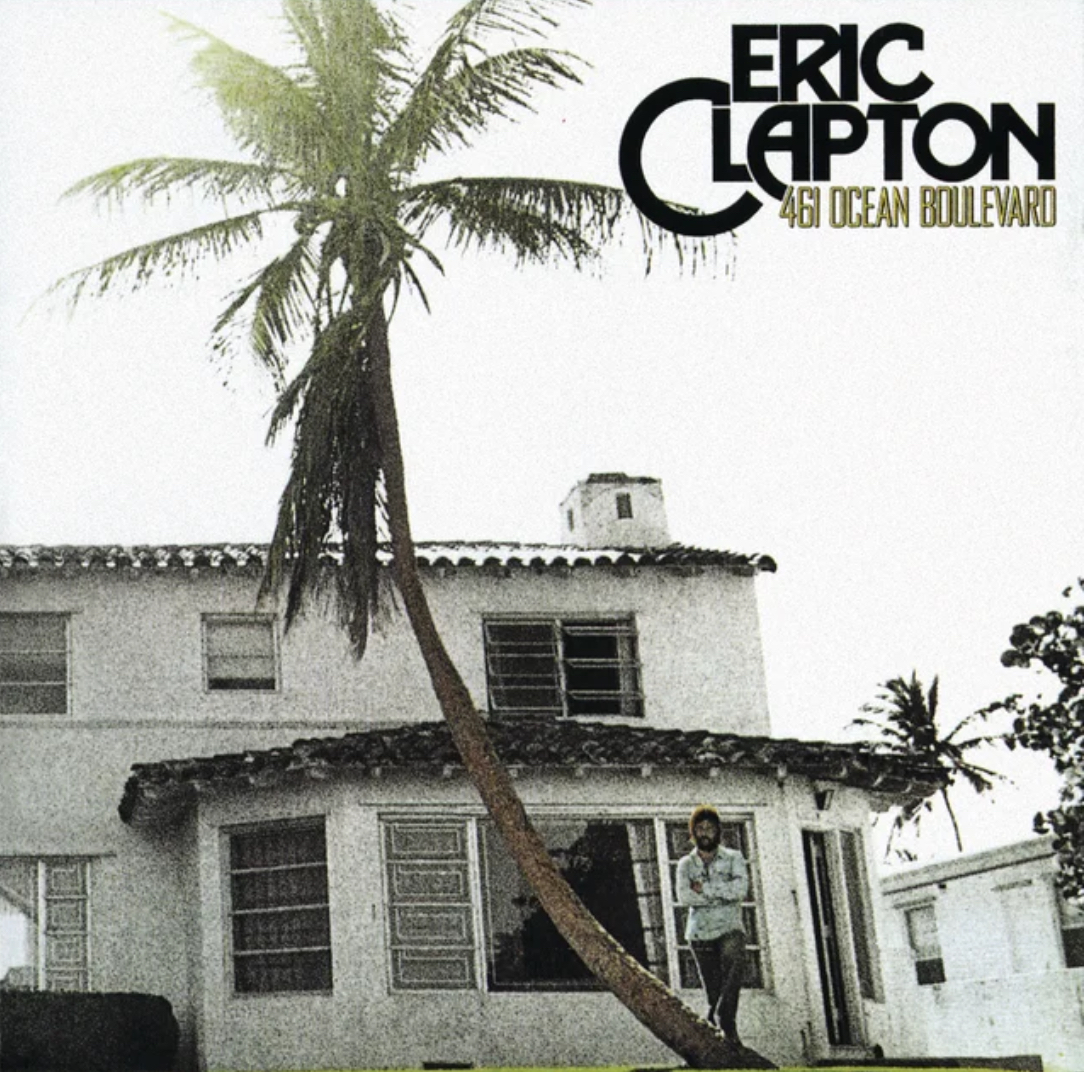
Eric Clapton – 461 Ocean Boulevard

As a body of work, I’ve never had much interest in Eric Clayton’s music. “Layla” is an all-time great, and I liked some of his singles from the 1970s and 1980s, but I have never once felt compelled to check out his albums, whether solo or with any of the several successful bands he’s been part of. It just wasn’t a sound that I connected with overall, and that’s fine: we all have to make choices.

Then came the tragic death of his son (followed years later by Anthony Jeselnik’s brilliant and completely tasteless joke – I won’t link to it here because it’s very dark, but search “Jeselnik Clapton” on YouTube if you’re curious and have a high tolerance for inappropriate humour), and the absolutely dreadful song that he wrote about this loss. I know that an awful lot of people love “Tears in Heaven”, and I won’t argue with that, but to me it’s just mawkish and, frankly, pandering to sentiment for commercial gain. I respect the need to write it as therapy and a memorial to his child. I just wish he’d stopped there.

Anyway, Clapton is the kind of artist who can force you to decide whether you can still enjoy the art while loathing the artist. Let us never forget that “Layla” was written about a woman who he was trying to steal from her husband, who was supposed to be his friend. More recently, he’s held some really shitty and dangerous beliefs during the COVID pandemic. There’s a past history of horrific substance abuse, and he blamed the former for a racist diatribe from an English stage that not nearly enough people seem to know about. The racism also is in the context of a man who feathered his pockets on the backs of Black blues greats. There is a LOT of evidence that he is something of a douche, at minimum, and a monster at worst.

And yet, there is the music. I came to this album, with my historic disregard for his music and general loathing of his person, ready to dislike it. Alas, it was not to be, because it’s a pretty awesome album.

Recorded after Clapton got off heroin, “461 Ocean Boulevard” (named for the street address of the house he lived in while recording) is a shambling record, completely at ease with itself. I don’t want to say he was taking any risks here, since half the songs are covers of old blues or traditional tunes, but Clapton was also definitely not mailing it in: there is a genuine sense of commitment in almost every track. For a guitar god, he made an album where the guitar is not merely a showcase for his playing. On, for example, “I Can’t Hold Out”, it’s played with finesse, not pyrotechnics: careful, technically precise playing, getting the notes right, making sure it is in service of the song. If any instrument takes centre stage overall, it’s the keyboards: the light ballpark organ of “Give Me Strength” gives the track a Christian spiritual feel, and it is similarly highlighted on “I Can’t Hold Out” and “Mainline Florida”.

He’s playing (lightly) with genre here, with souped-up southern rock on “Motherless Children”, sauntering blues on “Willie and the Hand Jive”, low-key funk on “Get Ready”, reggae-lite on “I Shot the Sheriff”, and barroom blues on “Steady Rollin’ Man”. “Let It Grow” feels like the next-to-closing track on a prog rock album, after the hero’s journey is at an end and he’s summing up what it all means before the hallelujah ending. The only real rocker is “Mainline Florida”, and it’s the track that is the most fun and features Clapton’s best vocal for my money. There’s a disjointed feel to several of the songs (on “Get Ready” in particular), with the instruments finding a weird harmony by competing with each other. These last two are my favourite songs on the album, along with “Give Me Strength” and “Please Be With Me”.

It’s far from a perfect record: some tracks run too long (“Motherless Children” runs out of ideas about 90 seconds into its almost five-minute run time), and most of the lyrics are nothing to get excited about. At its best, the album feels like the peace that comes at the end of a long battle, with the person you love most at your side. I don’t know if Clapton deserves that peace – see above re the racism, substance abuse, vaccination denial and wife stealing – but he definitely earned it. I guess there’s some form of redemption to be found here, though I leave it to others to put in the work to find it: he’s too much of a dick for me to bother.

Cover Version Showdown #5

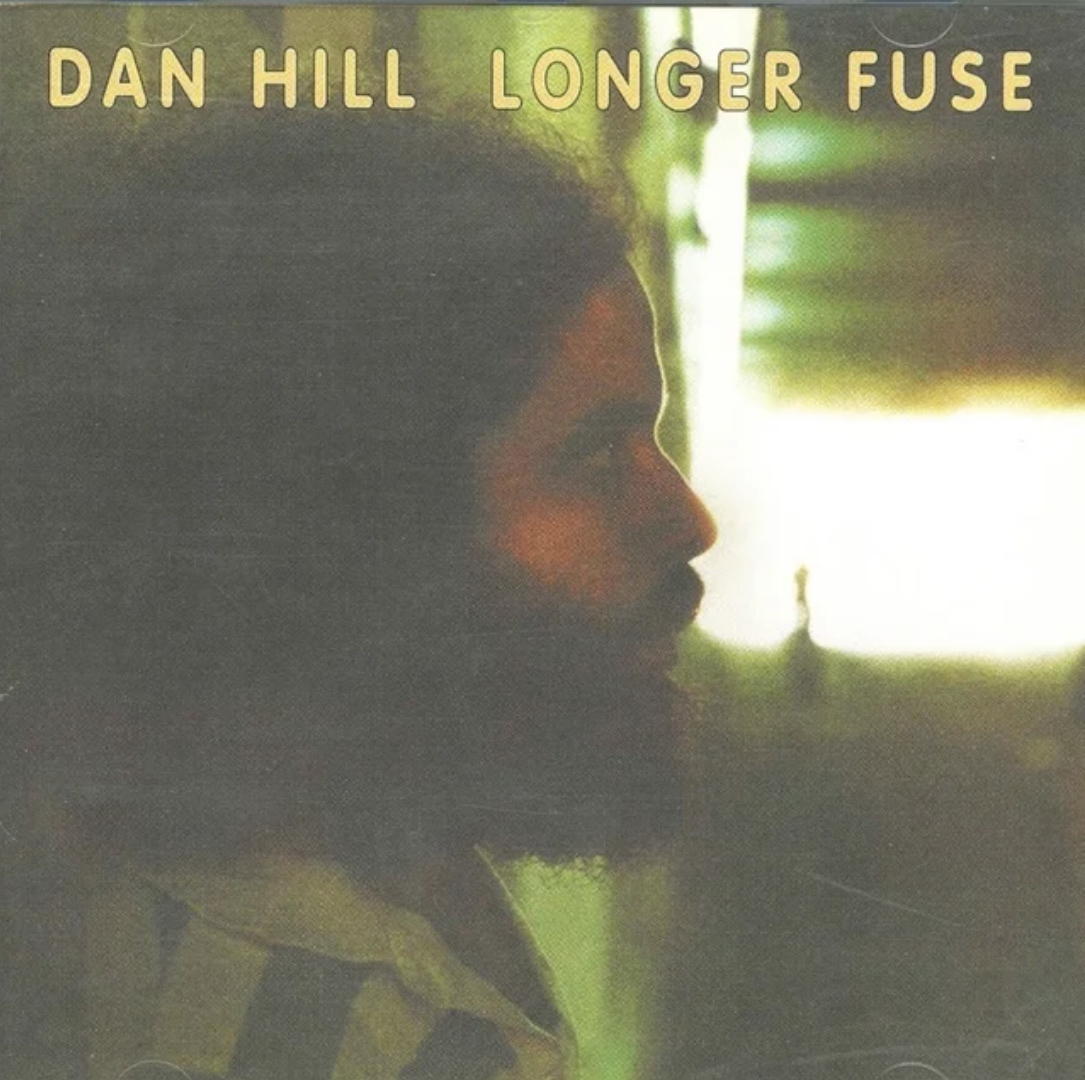
Dan Hill, “Sometimes When We Touch” – Tina Turner v Diesel

It’s probably due to growing up in the cultural shadow of the United States, but I will never not cheer the success of Canadian creatives. It doesn’t matter whether I personally think what they are doing is good – it only matters that other people do (though Bieber pushes the envelope on this support). So, critics can take all the shots they want at Nickelback, and I might even agree with some of them (though, honestly, this is so worn out): the band has sold over 50 million records, “How You Remind Me” remains a fantastic power ballad, and don’t get me started on my love for “Hero”, frontman Chad Kroeger’s duet with Josey Scott. Nickelback are Canadian and loved by millions, and the haters are just jealous knobs.

So, yeah, when Dan Hill was kicking major chart ass in 1978 with “Sometimes When We Touch”, I was very happy about that. Likewise, I was pleased when he did it again in 1987 with “Can’t We Try”. He’s Canadian and was briefly loved by millions, and . . . well, that’s all I need.

I think I owned the 45, but I wouldn’t have needed it because my mom had the album it came from. Her record collection was a mix of country and soft pop, and by the time Hill was getting attention for the song in late 1977 and the first half of 1978, I was already into my Gibb brothers-centric listening phase that would dominate the next year and a half.

Something about this song attracts bizarre cover versions. The most painful listen was from some guy named Vernon, who has over 4,000 monthly listeners on Spotify, and I would love to speak to just one of those people to ask, “Why?” (But do make sure to check out his version of “Every Breath You Take”, though it might be better if you don’t – let’s not encourage him.) Or musical genius Oscar Peterson, whose piano bar version is quite lovely but would have been better served by pretty much any singer besides himself (well, anyone besides himself and, of course, Vernon). Finally, we have former world boxing champion turned politician Manny Pacquiao, whose thin monotonous voice is overshadowed on the chorus by Hill, who, based on the video, can still somehow get worked up to sing this tune that has been part of his artistic life for a very long time.

But they aren’t all duds. There are lots of competently sung country versions, including one from icon Marty Robbins, who leaves out the histrionics and ends up with a recording that is very compelling for its subtlety. It clearly was noticed in Asia, with three female singers – Tracy Huang, Olivia Ong and Susan Wong – delivering lovely if uninspired takes (I like Ong’s voice best). Cleo Laine’s might actually be the cover that I found the most fun, but in the “Well, that was a wacky thing that I’m glad I tried” way, not in a “Let’s do that again” way. And reggae singer Eddie Lovette really takes ownership of the song, though it is in no way a reggae version.

(By the way, lest you, dear reader, ever question my commitment to this little musical and literary project of mine, know that I listened to every version of the song referenced herein, and a bunch more. Never doubt that I take my mission very, very seriously.)

But for a battle like this, you need heavyweights who can do justice to Hill’s original, and you’d be hard pressed to find two more potent voices than Tina Turner and Bonnie Tyler. Both were in rather fallow periods when they covered the song. After her 1978 hit “It’s A Heartache”, which had risen up the charts as Hill was headed down, Tyler’s next two albums were barely noticed, and she wouldn’t have another hit until 1983’s monster “Total Eclipse of the Heart”. Turner was newly divorced and finding her way as a solo performer, with her breakout coming the year after Tyler’s.

And yet, Tyler just doesn’t make the cut, because I don’t get any sense that she actually believes in the song that she’s performing. Say what you like about the high cheese content of Hill’s original, but you can’t tell me he doesn’t mean with all his person every word he’s singing. It wasn’t a hit by accident: from the gentle underlying piano to the tour de force of the final minute, with pounding drums, clashing cymbals and swelling strings, this was manufactured to take people from the dance floor to somewhere more private, and it’s Hill’s lost soul vocal that closes the deal. Bonnie sounds like it’s just another day at the office: it would take the operatic stylings of Jim Steinman to unlock her passion.

Tina, on the other hand, could make singing an instruction manual for your new toaster oven sound sensual. As a singer, she has one mode: give everything you have on every song. Where Hill is mushy and sentimental, Tina is weary and maybe a bit angry: when she sings “I’m only just beginning to see the real you”, it’s an accusation, and not Hill’s sense of wonderment at his lover’s depths. She howls and growls her way to an epiphany, and goes into full on “Proud Mary” mode by the end, triumphant over the confusing emotions that she’s feeling, which makes me wonder to what extent this may have been a declaration of her escape from the villainous Ike Turner. It just gets more interesting with each listen.

So who is this artist who beat out Bonnie Tyler to go up against Tina? Mark Lizotte, who was going by the name Diesel when he covered the song in 2001, has had a pretty decent career in Australia while making zero impact on the North American charts: but for searching out covers of “Sometimes When We Touch”, I likely would have never heard of him. And what a loss that would have been: his take on the song is revelatory. It’s a bluesy rock version, and unlike Hill’s desire for rapprochement with his faithless lover, Lizotte turns the entire song into an assault. Like all great blues songs, the artist is as disappointed in himself as he is in the evil woman who done him wrong, and he wants to punish her by punishing himself, by not walking away. It’s kind of twisted, actually, and twisted relationships are, again, a staple of the blues.

(Sidebar: searching for Diesel on Spotify led me to the Dutch band of that name and their 1980 hit “Sausolito Summernight”, which was fun to revisit.)

The Winner: Tina Turner

Was there ever any doubt with Tina Turner in the race? That voice is truly one of the great instruments of our times. Yet, Diesel made this a real fight. If you heard his version without any context, there’s a good chance you wouldn’t be able to place it, and that’s about as good a way as there is to make someone else’s song your own. He has a deep catalogue that I’m looking forward to exploring, starting with “Americana”, with covers of greats like Springsteen, Cash and Dylan. I never think of Australia as foreign in the way I think of countries that don’t share a connection with a common Crown, but there is, of course, an entire world of artists who are barely known outside their borders, just as we have in Canada with, for example, Blue Rodeo. (But not, I was surprised to learn, Billy Talent, who are massive stars in Austria, Germany and Switzerland.) Discovering these “foreign” artists is one of life’s little joys.

Classic Songs of My Youth Revisited #31

Michael Johnson – Bluer Than Blue

One of my closest friends growing up was Kirk Boutilier. We were distant cousins on my mother’s side, but never knew that until we were adults and the day of my first marriage put Kirk in a room with my grandmother, who connected the dots between his arm of the clan and mine. Kirk could always make me laugh, and he had (at least in my eyes) a sort of effortless-appearing cool. Kirk could get me to do things I wouldn’t otherwise have done just by suggesting them, like trick-or-treating in drag when we were 15. I expect he never did anything like that again (I can’t make the same claim): a dress and wig made him into his mother’s doppelgänger, which was commented on at pretty much every door we knocked on.

Robert Barrie was my main music-loving friend, and still is to this day, but Kirk lived just up the road from my house while Robert was a car ride away. So it was with Kirk that I would sometimes play my records, although neither of our dads was particularly fun to be around so it didn’t happen a lot. We would bounce around to The Cars’ “Just What I Needed”, make up silly alternate lyrics to songs like Barry Manilow’s “Copacabana (At the Copa)”, practise our falsettos to Andy Gibb’s “Shadow Dancing” and our air sax to Gerry Rafferty’s “Baker Street”, and channel our inner musical theatre nerds to “Grease”.

I owned all those records on 45, and tons more. I always played the “B” sides, and found some great tunes that way. But I never read the songwriting credits on either side of the record with any sense of purpose, so I missed out on the fact that, in 1978, I owned three discs where the “A” side was written by the same guy. Randy Goodrum was the pop genius who composed Anne Murray’s “You Needed Me” (likely bought by my mother then merged into my collection), Gene Cotton’s Top 20 “Before My Heart Finds Out” and, my personal favourite, Michael Johnson’s Canadian Top 10 “Bluer Than Blue”. 

Kirk called “Bluer Than Blue” the most romantic song of all time. He was being sarcastic, but I wonder now if he wasn’t accidentally right. Having been through a few painful breakups, I have a new perspective on this song. The verses are full of positivity, as the narrator talks about all the things he’ll be able to get done once this woman is out of his life. He can watch his favourite TV shows, get more sleep, have all-night parties (not sure how those last two are supposed to work together), read more. Things are looking good. But the truth comes out in the chorus: he’s actually devastated by the end of the relationship, and life without her is going to be, yes, bluer than blue.

It opens with a melancholy piano, followed by rising strings, and that’s pretty much the song, with some low-key guitar, a gentle but steady backbeat on the chorus and an occasional mild drum flourish. Johnson begins with a matter-of-fact recitation of his future single life, but his voice starts to change halfway through the verse, and the sadness comes through in the chorus. He regains control for the next verse, but there’s a bit of a quiver, and then we’re back to his misery in the chorus. It’s an uncomplicated vocal for an uncomplicated pop song, but it’s amazingly affecting, and I get chills in places. Just a lovely way to spend 2:59.

Goodrum had broken through as a songwriter in 1977 with England Dan & John Ford Coley’s “It’s Sad to Belong” (yep, I owned that one, too), and he’s still at it, though 1978 was probably his commercial peak. Of his future compositions, I remember DeBarge’s sweetly sad “Who’s Holding Donna Now”, and have mad love for the cheesefest that is Steve Perry’s “Oh Sherrie”. Johnson, who passed away in 2017, had another minor pop hit in 1979 before moving on to a run of country hits in the late 1980s, and was releasing new music up to 2012.

My friendship with Kirk abated some as we charted different courses on reaching high school, reconnecting when we worked together for a summer at 19, then again at our 10-year high school reunion at 28. That one lasted a few years until the inevitable drift apart brought about by (1) distance and (2) us being men. Contact had been infrequent over the years when I learned of his terminal illness, and then, before we could reconnect once more, he was gone, only 52. I don’t look on this as a missed opportunity: our friendship was firmly in both our rear view mirrors, and he had people he loved and who loved him in the now that needed his focus, not some ghost from his past. But I miss him, of course, in a way I couldn’t when he was still alive and there was a chance that we would have one more run as close friends. He’s another of those people and moments who become alive to me again through music. To paraphrase Rick Blaine, we’ll always have “Bluer Than Blue”. I think Kirk would smile at that. I certainly do.

Favourite “New” Music – January 2023

The unveiling of the latest list of nominees for the Rock & Roll Hall of Fame brought the usual outrage (“Willie Nelson is not rock and roll!”), confusion (“Is George Michael rock and roll?”) and disdain (“Sheryl Crow? Really?”, though I might’ve been the only one saying this). There’s definitely some weirdness in play. Is Cyndi Lauper’s brief but glorious run in the 1980s really Hall-worthy over, say, Beck, who isn’t even nominated this year? Joy Division and New Order are, despite the personnel overlap, two very different bands, yet they are nominated as a pairing. How is it that Warren Zevon was never nominated before?

But Beck, and his exclusion from this year’s list, is what I’m most interested in. He was a nominee last year – did he get worse somehow in a year in which he didn’t release any new music? Or what about Mary J. Blige, a first-time nominee in 2021 who didn’t make the cut in 2022, released her first new album in five years to good reviews (and an Album of the Year Grammy nomination), then was left out again this year. Then there is the Susan Lucci of the Hall, Chic, repeatedly left off the list since their 11th nomination in 2017. Finally, New York Dolls, who were nominated in 2001, disappeared until 2021, hung around in 2022, and are now off the ballot again. No shame in that, though: they’ve done better than Fela Kuti, who finally got to share the ballot with them the last two years and is now in purgatory again.

This isn’t like the Baseball Hall of Fame, where getting onto the ballot means 10 tries to get in, unless (1) you actually get elected or (2) your vote total falls below a certain defined threshold. The Hall’s yearly ballot is put together by a committee, and the shifting interests and loyalties in such a process guarantees flux. The committee is a pretty impressive roster of music industry luminaries: Steven Van Zandt has been on it since time immemorial, and Questlove, Dave Grohl and Tom Morello (and, in the recent past, Robbie Robertson) have multiple years of service, plus there are some excellent music journalists like Amanda Petrusich. These people know music: just some years (2012, for example), it appears, they love, say, Eric B. & Rakim, and other years (every year but 2012), they don’t.

In any event, fans can vote, even if our collective total equals but one measly ballot). George Michael and Joy Division/New Order were no-brainers for me. I love Cyndi Lauder but am uncertain whether she should be immortalised, and definitely not before (in addition to some of those mentioned above) the likes of Gram Parsons and The Smiths, let alone acts like Barry White, Television, The B-52s, Kool & the Gang, Diana Ross, The Commodores, The Guess Who, The Pet Shop Boys, INXS and Nick Drake who, collectively, have a grand total of zero nominations among them. (How is this even possible?) Most of the others I either don’t know well enough, or have never been much impressed with. That left me with The Spinners (tons of underrated hits and serious longevity), Warren Zevon (“Werewolves of London” should be enough, damn it) and Kate Bush (a reward for a 40-year commitment to her own idiosyncratic vision). Here’s the link for you to get some skin in the game.

—————————————————

January was a crappy month for me, and if that hadn’t been obvious from how I was feeling (I ended it by getting COVID – ugh), my lack of interest in listening to new music and retreat to familiar aural comforts was further evidence. There’s nothing wrong with that – I could play old Elvis Costello albums all day and still hear things I’d never noticed before. But nothing beats the joy of hearing something fresh that makes you take notice. The volume was thin this month, but there were still plenty of gems that caught my attention.

  • Leon Russell – Carney (1972)
  • David Bowie – Young Americans (1975) (Bowie’s disco album, I don’t understand why this wasn’t met with the acclaim of its predecessors and immediate successors, although perhaps the phrase “Bowie’s disco album” offers a clue.)
  • Dire Straits – Communiqué (1979)
  • Fun Boy Three – Waiting (1983)
  • Lloyd Cole and the Commotions – Rattlesnakes (1984) (Shoutout to my friend Robert Barrie for putting this on my radar.)
  • Brian Wilson – I Just Wasn’t Made for These Times (1995) (Stripped down reimaginings of some classic Beach Boys tunes.)
  • The Vines – Wicked Nature (2014)
  • Leisure – Leisure (2016)
  • The Longshot – Love Is for Losers (2018) (I don’t find a heck of a lot of difference between Green Day and Billie Joe Armstrong’s side projects, but since I really like Green Day, that isn’t exactly a problem.)
  • Grace Ives – 2nd (2019)
  • Anyway Gang – Anyway Gang (2019) (The notion of a Canadian supergroup seems pretty un-Canadian to me, but the result is a delight.)
  • Vacation Manor – Vacation Manor (2021)
  • Tegan and Sara – Crybaby (2022)
  • Death Cab for Cutie – Asphalt Meadows (2022)
  • Why Bonnie – 90 in November (2022)
  • Yeah Yeah Yeahs – Cool it Down (2022)
  • Charles Stepney – Step on Step (2022) (A fascinating collection of home recordings from a long gone master, curated by his family.)
  • Father John Misty – Chloë and the Next 20th Century (2022)
  • Blackstarkids – Cyberkiss* (2022) (Just nutty fun.)
  • July Talk – Remember Never Before (2023)

Classic Songs of My Youth Revisited #30

Donna Summer – Dim All the Lights

I will never not be annoyed by people who make mistakes when writing about Disco Demolition Night. It happened again recently in a most unexpected place: an article about 1970s hockey superstar Guy Lafleur (who, I shit you not, put out a disco record in 1979).

To recap: in 1979, either Steve Dahl, a dumbass disc jockey from Chicago, or his handlers convinced Chicago White Sox owner Bill Veeck, who never missed out on a chance at pulling off an oddball promotional stunt (see Gaedel, Eddie if you doubt me), to let him blow up a bunch of disco records between games of a baseball double header at Comiskey Park on July 12. The results were predictable to anyone with the first clue about explosions and human behaviour: the field was left a mess and the fans ran wild, leading to the second game being cancelled and Veeck’s White Sox having to forfeit.

What always annoys me is the idea that this event arose out of some sort of populist revolt against disco for taking over our radio airwaves. There is no doubt disco was running out of steam, as all massively popular cultural movements inevitably do, usually from a mix of consumer fatigue and the appeal of the new. But it was still immensely popular in 1979. Other than two ballads and the soft rock of the Doobie Brothers’ “What A Fool Believes”, every Billboard number one song so far that year had been a disco or disco-adjacent tune. At the very moment fans were streaming into Comiskey, Anita Ward’s “Ring My Bell” was atop the charts. It would be followed by a five-week run from Donna Summer’s “Bad Girls” before The Knack took control of the charts, and soon faced their own backlash. Clearly, disco wasn’t the problem – idiots were.

And those idiots? A lot of racists, most likely. Fans showed up at the game with records by such artists as Stevie Wonder, Marvin Gaye and Smokey Robinson. Definitely not disco. But Black, which a lot of White folks either seemed to think made them disco, or they just didn’t care about the reason for the protest, just its target. (Homophobia likely played a part as well.)

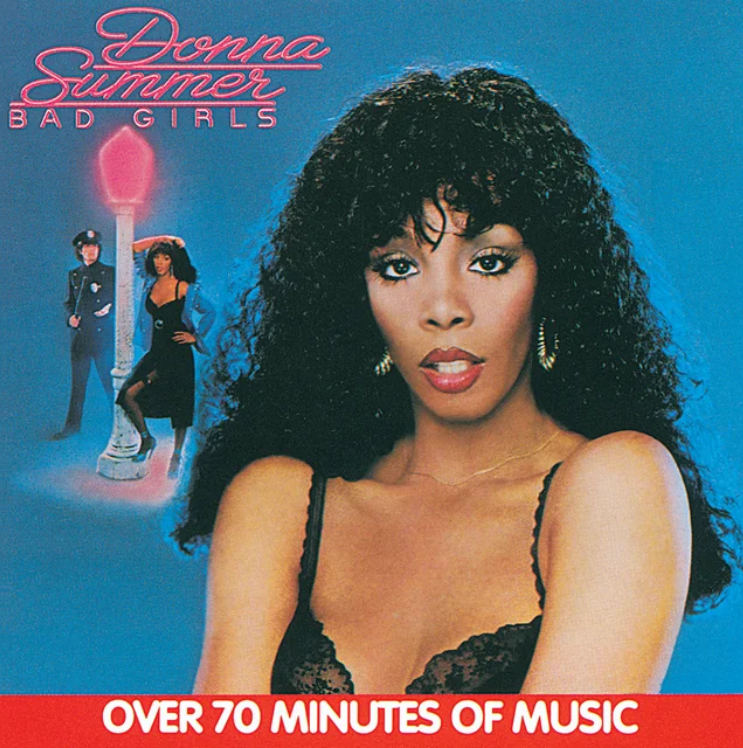
But let’s talk about Donna Summer. I owned a few disco albums (and a lot of singles), but Summer’s “Bad Girls” is the only album that I played repeatedly when it came out and still enjoy listening to today. It’s unfair to call a lot of this disco: there’s soul and pop and rock and something called hi-NRG and a bunch of other stuff, and all of it is lethal. I particularly love the banner along the bottom of the front jacket cover: “Over 70 minutes of music”. The volume isn’t that big of a deal in the oversized streaming age: it’s that every one of those 71 (to be exact) minutes earns its place, unlike the often unlistenable bloat of something like Drake’s “Certified Lover Boy”.

Though not the biggest hit, “Dim All the Lights” was, even then, my favourite of the album’s singles. It doesn’t turn up much on playlists, which is too bad, because it is still great. It’s a song about sex, of course (“You can use me all up / Take me bottom to top” and “Turn my brown body white” – how did that line get onto 1979 radio?), but there are also old-fashioned notions of love and commitment, with the reference to a Victrola a lovely signalling device. It starts out sultry and languid, a slow jam before such things had a name, but with a buzzing energy underneath and a vocal from Donna that lets you know this won’t be a ballad. She draws you in, then, as the disco beat kicks up, holds a note for an impossibly long time. After that, it’s just breathless, the beat never letting up, with even the changes hanging onto the thumping backdrop. It’s a song built for extended forays to the dance floor, and there has got to be a great 12-minute remix out there somewhere. (There is an official seven-minute version that, unfortunately, doesn’t seem to understand what makes the song great.) I particularly love the little bits that sound like a worn-out steel drum during the instrumental break from 2:49 to 3:21. And after the processed vocals that follow that break, it’s chilling when Donna’s pure voice kicks in again at 3:54, and takes you home (blending into “Journey to the Centre of Your Heart” on the album).

So, yes, I love this song, and the whole album. It was Summer’s peak, commercially and artistically, and although she didn’t have a pop hit after 1989, she continued to top the dance charts regularly almost up to her passing in 2012. Even now, this music seems fresh and timeless, and I am happy to get into the trenches with anyone dumb enough to try and argue that all disco was intended to be disposable. Although it was much maligned in its time, there were genuine artists working in the genre, with all-time great albums from the likes of Chic, and even better singles, like Sylvester’s “You Make Me Feel (Mighty Real)”. Of course, there were hacks just churning out records to fit demand, but every genre has its version of Stock, Aitken & Waterman. I was too young to participate in the disco era, but I’m pretty sure I can conjure what it must have felt like to be a young urban adult in 1977 by cranking up “I Feel Love” and letting the beat take over. That’s art, my friends.

Classic Songs of My Youth Revisited #29

New Order – “True Faith”

In the mid 1980s, the place to be on a Friday or Saturday night in St. Catharines, Ontario (should fate have marooned you there) was Club Henley. It was a dark cavernous space completely without any artistically meritorious design elements, but it was easily accessible, could hold a lot of people, and never, to my knowledge, turned anyone away at the door for lack of space.

It was also where I found myself in March 1985 at the end of a labour dispute that had stopped beer distribution in Ontario. Club Henley’s owners had crossed the U.S.-Canada border and stocked up on Genesee, which was pretty awful but (marginally) better than nothing at all. Late in the evening, word came that the strike was at an end, and good ol’ Canadian beer would be flowing again in a few days. Knowing they would never be able to sell the Genesee once a better option was available, the bar announced at around 11:00 p.m. that it was now going for half price, and then, at last call at 12:45 a.m., took the bold step of violating a few laws by telling us that “no one goes home until the Genny is gone!” The roar of approval was overstated, since it only took another hour to finish off what was left, but it was still a pretty awesome night.

Club Henley had a large dance floor, which was its biggest selling point for me and my friends, and they played a pretty decent mix of indie and alternative music that was mostly familiar from CFNY in Toronto, with bands like The Cure, Depeche Mode and Pet Shop Boys, plus pop hits like Dead or Alive’s “You Spin Me Round (Like A Record)”. I remember in particular Melle Mel’s “White Lines (Don’t Don’t Do It)” and Ministry’s “(Every Day Is) Halloween” getting lots of play, and the bar was still popular when Paul Lekakis’ “Boom Boom (Let’s Go Back to My Room)” (what was with all the brackets?) got to number 4 in Canada in June 1987. And, of course, they played a lot of New Order.

Most people weren’t taking New Order too seriously at that time: a guitar rock-loving friend renamed their 1987 double album “Substance” (which I owned on vinyl) by sticking “Lack of” at the beginning. They were a dance band, and generally seen as the lame descendant of the great Joy Division. It wasn’t the fault of New Order’s founding members that Ian Curtis had killed himself, and you certainly couldn’t blame them for pursuing a far less gloomy sound that would distinguish their new band from their old one. But dance music has always been treated as a lesser art by “serious” musicians, which is idiotic, because pretty much everyone loves to dance and helping people do that – while perhaps not as difficult to achieve as moving them to tears – is damned important, and brings a lot of joy into the world. And New Order were masters of that art.

Club Henley, over the 1984 to 1987 period when I was going there, had many New Order songs on its playlist: “Everything’s Gone Green”, “Temptation”, “Blue Monday” (easily the most acclaimed of their tunes), “ The Perfect Kiss”, “Shellshock”, “Bizarre Love Triangle”. I could be wrong about a few of these, but if Club Henley wasn’t playing them, they were definitely turning up at other bars I frequented in my early 20s. The band was at the top of a particular style of music aimed at a particular demographic at a particular moment in history, which I think is pretty impressive.

But none of those songs were my favourite. My top pick was “True Faith”, and it’s this New Order tune that is on my favourite songs of all-time playlist. Why is that? Well, it makes me want to dance, but then so do the other songs listed above. But, unlike those other songs, the lyrics grabbed hold of me and expressed something I was struggling to make sense of in my own life. I was trying to live in two worlds at the time. On one side were my friends and the life we had, going to bars and generally being fun-seeking young adults. On the other was a spiritual need that was being satisfied in a rather extreme way and in which I was beginning to question the choices I had made that got me there. The title alone made me feel subversive when I played it, given my tenuous footing in a religion that liked to believe it alone possessed the Truth about God and all things faith-related. There’s a pull between a sort of despair in the verses (“Now I fear you’ve left me standing / In a world that’s so demanding”) and a slightly hopeful turn in the chorus (“My morning sun is the drug that brings me near / To the childhood I lost, replaced by fear”). I think the title settles the argument: the narrator is choosing to believe, choosing a hopeful path. I was less confident about my path, and by the time I walked away from the religion, most of my Club Henley era friends had already moved on, tired of waiting for me to decide who I was. I didn’t blame them: I was self aware enough to know I was not always an easy person to be around back then.

So the song is both a declaration of my liberation from (self-imposed) religious tyranny, but also a reminder of what I lost. That I almost always forget the sad part and just start bouncing around is a measure of its power. All music can take us back through time, and as I write this, the sad part is what I’m feeling, but I’m remembering the happy part, too, the part where I’m sweaty and singing along at the top of my lungs and carrying way too much alcohol in my veins and just being 21 or 22 and feeling like the night is never going to end and that the friends who I love (and, of course, never said that to) are the best friends anyone could ever have. And I was right. And so were you at your own Club Henley dancing to your own version of “True Faith”. I hope you managed it better than I did.

Favourite “New” Music – December 2022

So, in the great tradition of starting a new year by looking back at the one just ended, I can say that 2022 sort of blew. This isn’t hindsight: I was very aware of its high degree of suckage while I was in the middle of it. It began with my wife and I both having COVID (mild and unenduring cases, thankfully, but even the weaker forms of this malevolent virus can kick your ass hard), and went down from there. We dealt with other medical challenges over the year, both personally and in others who we love, and those, at least in my own case, gave my mental health a ginormous pantsing. My work performance was well below what I expect from myself, I took suboptimal care of the aspects of my health over which I had some control, and I generally was largely unmotivated for big chunks of the calendar.

The good news is that, my health now restored, I am feeling pretty good about 2023. Yes, the world is still a cesspool and that isn’t likely to change anytime soon. But you can often (not always – all piles of shit are not equal) choose to only go in up to your knees instead of to your neck. And you can choose to focus on the things that matter to you – the people you love, the relationships that sustain you, the pursuits that give you joy – instead of those that don’t. Trying to do just that is my sole resolution for the year ahead.

As always, while travelling the 365 days of the metaphysical Sodom and Gomorrah just ended, there was music. I offer below a list of new songs that sustained me with repeated plays over 2022. If any of them were hits, that will be news to me: they (mostly) came to my attention as album tracks that stood out from their neighbours. What they have in common is that they triggered a response: to dance, to smile, to grimly contemplate the contours of my existence. But, mostly, hearing them just made me happy, in that inexplicable way that our favourite art does, and that’s more than enough.

  • Arcade Fire – Age of Anxiety II (Rabbit Hole) (The Art vs the Artist debate comes up here, of course. But Win Butler isn’t the only member of Arcade Fire, and I loved this hypnotic record.)
  • Caracara – Ohio (My favourite lyric of the year – “I remember playing your favourite song / hoping you’d hum along” – has that air of love mixed with despair that guts me every time.)
  • Charlotte Adigery & Bolis Pupul – Ceci n’est pas un cliché
  • Flo Milli featuring Rico Nasty – Payday (I don’t know if they are objectively “better” at rapping, but females are almost always a lot more fun to listen to than males.)
  • Mallrat – Teeth
  • midwxst – riddle
  • MØ – New Moon
  • Mura Masa with Leilah – prada (i like it) (Probably my favourite song of the year.)
  • My Idea – Popstar
  • Nilufer Yanya – stabilise
  • Omar Apollo – Talk 
  • Santigold – Fall First
  • Say Sue Me – Around You
  • Sobs – Burn Book
  • Spoon – Wild 
  • The Juliana Theory – Less Talk
  • The Linda Lindas – Oh!
  • The Wombats – Everything I Love is Going to Die
  • Years & Years – Starstruck
  • Young Guv – Couldn’t Leave You If I Tried

And, of course, here’s the usual roundup of my favourite albums of the past month.

  • The Cure – Seventeen Seconds (1980)
  • Lester Young – In Washington, D.C. 1956, Volume One (1980) (I still know next to nothing about jazz, but when a song like “D.B. Blues” gets you strutting around your kitchen at 6:00 a.m. like you’re Mack the Knife, you know you’ve stumbled onto something magical even if you don’t really understand it.)
  • The Jam – The Gift (1982)
  • Teenage Fanclub – Bandwagonesque (1991)
  • Yellowcard – Ocean Avenue (2003) (The title track is an all-time favourite, so the failure to play the whole album before now is inexcusable.)
  • The Cribs – The Cribs (2004)
  • Ben Kweller – Ben Kweller (2006)
  • Remington Super 60 – Go System Go (2006) 
  • Kids See Ghosts – Kids See Ghosts (2018) (Kanye is always brilliant, even on throwaway side projects, but it is really hard to play his stuff these days and not feel queasy.)
  • 100 gecs – 1000 gecs (2019) (So, so weird.)
  • Chinese Kitty – Kitty Bandz (2019) (See the comment on Flo Milli above.)
  • Wild Honey – Ruinas Futuras (2021) 
  • Sobs – Air Guitar (2022) (My new favourite band, this album just guarantees me 32 minutes of happiness.)
  • Disq – Desperately Imagining Someplace Quiet (2022)
  • Cola – Deep in View (2022)
  • Billy Woods – Aethiopes (2022)
  • Alex G – God Save the Animals (2022)
  • Asake – Mr. Money with the Vibe (2022)
  • Rich Aucoin – Synthetic: Season One (2022) (Maritimers: I hope you are supporting this guy. I hadn’t heard anything from him since 2011’s “We’re All Dying to Live” (the video for “It” is a delight), but he was just off making deliciously odd records like this one.)
  • Ari Lennox – age/sex/location (2022)