Classic Songs of My Youth Revisited #66

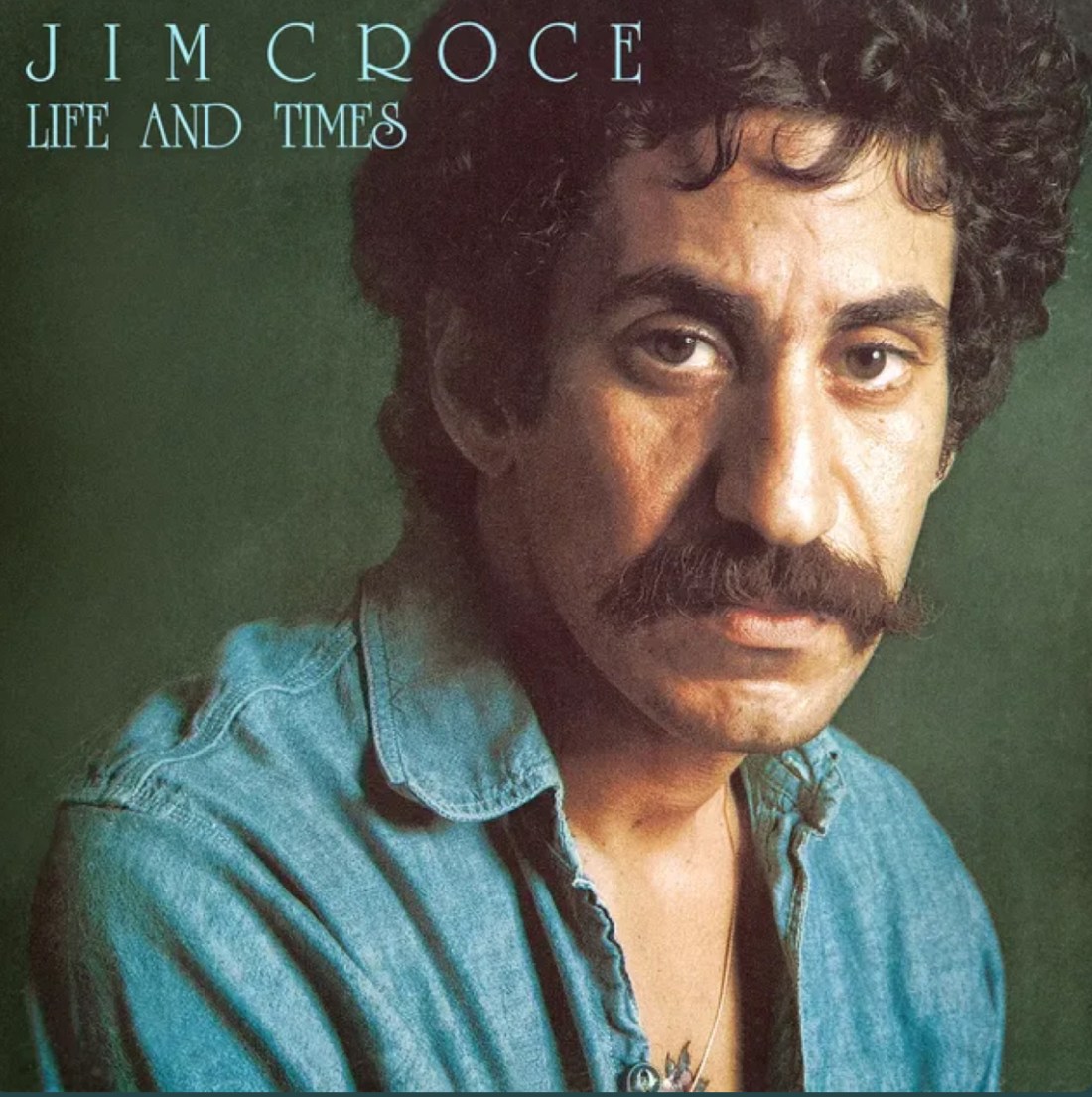
Jim Croce – Bad, Bad Leroy Brown

As much as I love listening to music, as well as talking and writing about it, I am bereft when it comes to creating it. Junior high school music classes included playing the ukelele and recorder, I once owned a keyboard (officially purchased for my children, but, sure, I had notions, too), and I have made several attempts to learn the guitar, but always lacked the staying power to see it through. It may be that my destiny was to end up exactly where I am.

My first glimpse of how I might not be up to swimming in the musical deep end came in the spring of 1976, when I was 11 years old. I had made some early attempts at songwriting by then, if you can call it that, since it consisted of lyrics with a melody, but not even rudimentary chords. I was not shy about promoting my efforts, so on a school trip to Ottawa I broke out some of my songs and sang them for classmates. I remember only positive responses, because of course I do, and I at a minimum felt bolstered in my delusions by that positivity.

Also on that trip was Robert Barrie, who was one of my closest friends. I expect I had heard him sing before that point, but have no firm memory of it. But on the train back to Nova Scotia, he sang for our group, and I remember that as clear as day. It was a lightning bolt through the heart, with their enthusiastic response letting me know just how far I had to go if I was serious about making a life in music. I had dreams, but Robert had actual talent, and all else being equal, you’re far better having the latter. Luckily for me, as the years since have proven, I wasn’t serious about making music; rather, it was one of many dreams (professional hockey player being one, film director another – aim high, right?) that I was trying on over the journey to whatever the heck you want to call what I’ve done with my working life. Robert, on the other hand, was serious, and he has continued to play music in one capacity or another to this day.

That trip came back to me a few weeks ago on a visit to Cape Breton to celebrate the lives of my recently passed mother and stepfather. Robert and I are still close, and when we learned he’d be playing a few solo shows during our visit, my wife and I made up our minds to see him. It turned out to be a fortuitous evening: he was playing at the very place (rebuilt after a fire) where my mother and stepfather first met over 40 years ago, and the evening included a surreptitious request by our future son-in-law for permission to ask our daughter to be his bride. (So old fashioned!) And one of the songs he played during a fantastic show was Jim Croce’s “Bad, Bad Leroy Brown”: the very song that he sang on the train that had left me breathless with jealousy over his colossal talent. To add to the fortuity of it all, he had only recently added it to his set list.

Of course, you know the song: it was a number 1 hit in 1973, and will remain a staple of oldies radio stations as long as such things exist. Croce, tragically, never got to see this afterlife for his song, passing away just two months later and joining the far too long list of musical greats who died in an aviation-related incident. (There’s a Wikipedia entry for this, for God’s sake.)

It starts with a rollicking honky tonk piano, which is either inspired by or stolen from (depending on how generous you feel) the opening to Bobby Darin’s “Queen of the Hop”, and there’s a big “Woo!” before the opening verse kicks in. It isn’t a complicated song: the pace never really changes, and other than a bit of noodling on the guitar and piano starting with the second verse, nothing much happens in the background of the tune. As for the lyrics, Croce never says that Leroy is Black, but he certainly sounds like a character out of a blaxploitation flick: fancy clothes, big flashy cars, a penchant for criminal activities, certain linguistic clues. Leroy is not only the bad guy in the story: he loses the climactic battle. So, it’s basically the tale of an asshole who gets his comeuppance. Of such ingredients are chart topping hits cooked up.

When my father passed away in February 2007, I knew I wasn’t going to be getting any part of an estate, but there was something I wanted. After the funeral, I was trying to figure out how to ask my stepmother for his old Fender guitar, but she offered it to me unprompted. It followed me to a new home a year later when my first marriage broke up, staying in its case until my future wife bought me lessons as a Christmas present. I was working out how to play “Too Much” from the fantastic Elvis Presley compilation “Elvis 56” when I was accepted into law school, and back into the case it went. 15 years later, it’s still there.

In 2024, during one of my many visits that year to see my dying mother, my Uncle Jimmy, who was present when I was gifted that guitar, asked if I ever played it. I confessed that I did not. This was one of two times that year that I believe I disappointed him. I corrected one of those on this last trip, when I finally visited my father’s gravesite for the first time. I think it might be time to crack open the guitar case and get to work on the other. It’ll just be for me and my dad – and Jimmy, if he’s okay with me not sounding as good as Robert, or my father, for that matter. We can’t all have talent, but that’s no reason not to do the things we love.
Classic Songs of My Youth Revisited #64

Murray Head or Carl Anderson – Superstar

Growing up Roman Catholic, the Easter season was defined by food. Ash Wednesday marked the beginning of Lent and the time of deprivation (and, when I was younger, a good reason to get out of washing my face for a day or two), but it was immediately preceded by the pancakes of Shrove Tuesday. The season would end with Easter Sunday, and a bounty of chocolate and other sweet delights. Between these two high points, the lows of Lent forced you to make the significant sacrifice of denying yourself for a time certain things you loved to eat, such as pickled herring, blood pudding or head cheese. It was challenging, but I can say with absolute certainty that I never broke my Lenten vow to not eat any of these treats.

It was also marked by going to church a few extra times. My mother was pretty diligent about getting herself and her offspring to Sunday services most weeks, and there were even occasional sightings of my father at such times. Easter upped the tally, with Ash Wednesday and Good Friday added, and throughout Lent we got to hear in even more detail than usual about how Jesus died for our sins so we’d better get our acts together, and soon.

What I remember in particular about the services around Easter is the priest singing. The churches we attended often had a choir, so the man at the pulpit did not typically get involved with the musical portions of the show. At Easter, however, during the portion of the mass that covered the Passion (with Jesus’ words in red type in our little missals), the priest would sing intermittently, and this may have been my favourite part of the show. I have never been a fan of liturgical music – too turgid, utterly lacking in subtlety, and often performed by people whose ability does not come close to matching their faith – but something about listening to a priest give it that old college try because the Pope said he had to warmed my snotty little heart. The singing was usually, umm, uninspiring, but you had to respect the effort.

It might’ve been simpler if they had just played the entirety of Tim Rice and Andrew Lloyd Webber’s “Jesus Christ Superstar” for us, but it had been greeted on its arrival in the early 1970s with protests by both Christian and Jewish groups, a fairly impressive accomplishment on its own, and the Church was not of a mind to encourage us to pay it much attention. I never listened to the entire album until sometime in the last decade, though I did watch the movie late one night on our local CTV station when I was in high school. It was probably during Easter that it aired, though “Ben Hur” (a man who was not unfamiliar with Jesus) was always the movie that marked the season for me. As for religious adjacent music, my go-to was the same composers’ “Joseph and the Amazing Technicolor Dreamcoat”, which I was introduced to by my junior high school music teacher and which still sounds pretty good today.

My wife, however, loves “Jesus Christ Superstar”. She has seen it on stage, watched the movie at least five times, and listened to the soundtrack many more times than that. Our local repertory movie theatre is hosting a sing-along showing this Easter Sunday, and she would fit right in with that crowd. I would probably recognize – but not know well enough to fully participate – maybe five of the tracks. On the other hand, I put “Joseph . . .” (which I had once owned on vinyl) on this weekend for the first time in at least 20 years and it instantly came back to me.

But even casual appreciators of the entire opus know “Superstar”. Originally sung by Murray Head (the casts of the earliest stage productions and the 1973 film were loaded with future pop hitmakers – Yvonne Elliman, Paul Nicholas, Paul Jabara, Carl Anderson – but Head got there first), it starts with a booming orchestral flourish, stirring up your blood, then detours to become a funk rock jam. I like Anderson’s version from the film over Head’s: it’s a lot less yelly to my ears, more subtle and consistent with the music. But it was Murray who made the charts.

Judas – who has recently taken his own life after betraying Jesus (yet seems to be coming down from heaven in the film) – questions his former friend and leader about his choices and how they lead him to his current unfortunate circumstances (that is, incredible pain as he dies on a cross). The lyrics have a humour that might be unexpected in view of the subject matter and for fans of later overwrought works from Webber, with Judas wondering why Jesus chose to show up at a time when there was no “mass communication” or asking if the stories about Mohammed’s miracles are just hype. For such weighty material, it’s an awfully peppy song: I think you’d be hard pressed (fans of Christian rock may dispute this) to find another song that makes the Crucifixion seem like a good ole time. And it does a great job of restoring Judas’ humanity after almost two millennia of being painted primarily as a villain, when any honest consideration of Scripture can only lead to the conclusion that he was playing a part that had been foreordained and without which there could be no salvation for man. If you believe all that stuff.

Whether you consider the Bible to be absolute truth, total malarkey or a mishmash of fact and fiction, its staying power – like all the classic documents of faith – is impressive. That doesn’t mean it is above reinterpretation: Christians may claim otherwise, but it is in the end a book written by frail humans, whether they were inspired by a higher power or not. “Jesus Christ Superstar”, a controversial work in its time, seems not to bother people much anymore. We certainly haven’t become more tolerant of differences in others, and a less cynical person might say it’s thanks to the power of music to bring people together. Whatever your faith, or lack thereof, we can all agree that when a song rocks, it rocks, and “Superstar” does indeed rock. For roughly four minutes, we can focus on that, and put the rest aside.

Not the Pazz and Jop 1973 #20

David Bowie – Aladdin Sane

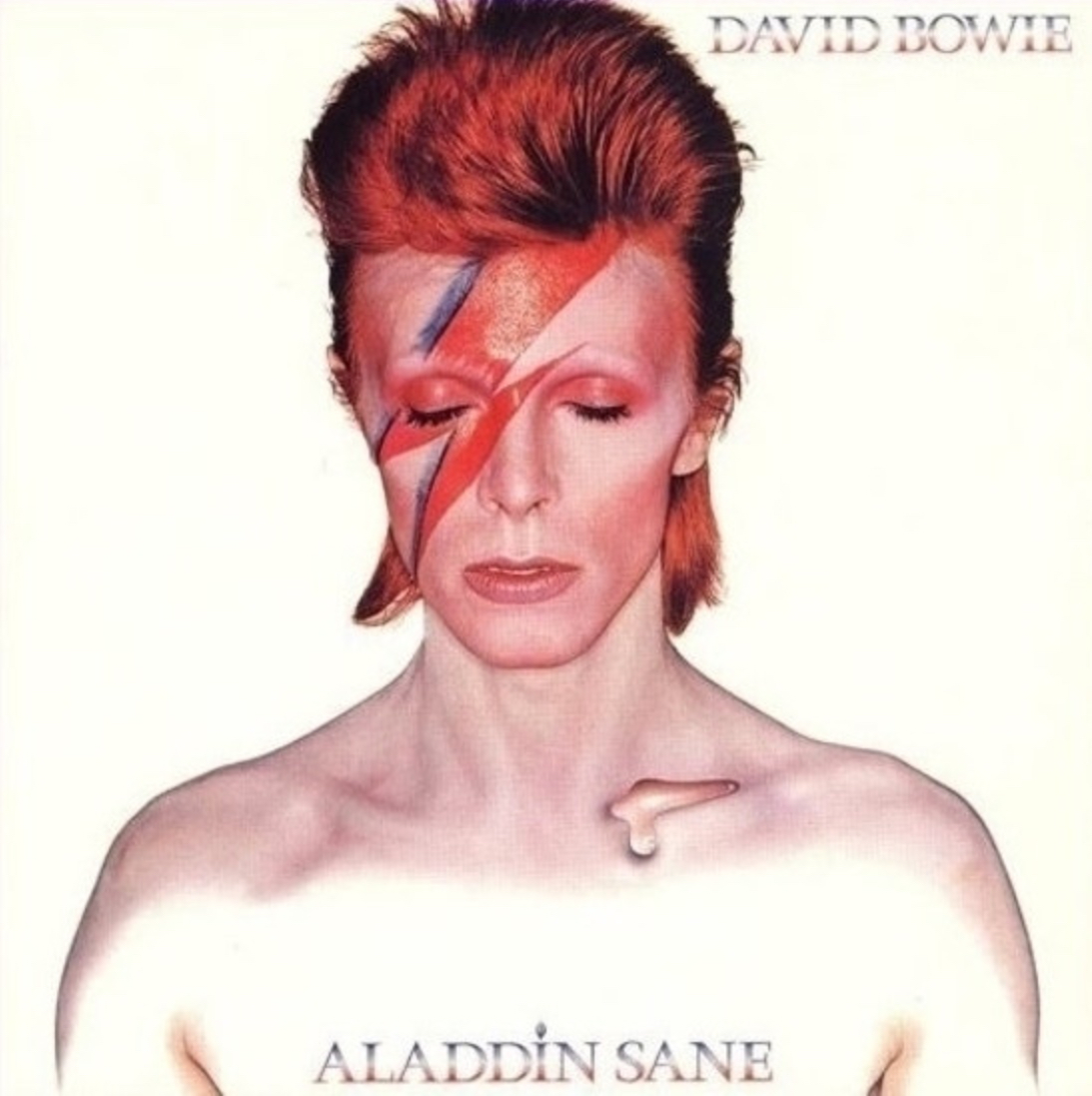
And so we end our journey through the “best” music of 1973 with David Bowie. This is the third of his albums that I’m writing about, and that would normally concern me. Since what I write is as much memoir as music commentary, I only have so many stories to tell about my connection to any artist. After all, I ran out of things to say about Jeff Beck after one paragraph.

Bowie, chameleon that he was, is the antidote to such woes. Each record (so far) has been so unique, so distinctive from its forebears, that it invites a fresh eye, and the stories just tell themselves. I don’t need to personalise “Aladdin Sane”: I need only to swim in its delights, and the pen takes over.

In places, it’s Bowie embracing his inner pop star, producing crowd-pleasing, danceable music that, after the experimentation of “The Rise and Fall of Ziggy Stardust and the Spiders from Mars”, invites you to love him. And it works – if you don’t love Bowie after this record, then you probably never will. It’s more accessible even than his much bigger later hits, because those records – especially “Let’s Dance” – are comparatively soulless, the work of a slumming master.

But, because he’s Bowie – or at least 1973-version Bowie – he can’t just make a pop record. Over his radio-friendly melodies he has to lather up off-beat vocalisations, janky pianos, fuzzy guitars, and oddball lyrics. His voice is often low in the mix, fighting against the music.

“Drive-In Saturday” and “The Prettiest Star” are something of a pair, the sound of an early 1960s doo-wop band, their genre slipping into obsolescence as they try to figure what to do next to stay relevant. The latter is more his updated version of such a record, all bop bops and jazzy horns and honky tonk piano, but with the distorted guitars of a garage band reboot. The former has my favourite line on the record: “She’s uncertain if she likes him / but knows she really loves him.”

That piano keeps coming back, including on “Time”, parts of which make me wonder if Tim Curry was trying to channel this version of Bowie in “The Rocky Horror Picture Show”. A grander, more epic use of the instrument is found in the title track, including a completely unhinged bit of playing around the middle of the song, and the haunted “Lady Grinning Soul”. 

An almost staccato at times cover of “Let’s Spend the Night Together” is playful, not sexy. It’s the Sheldon Cooper version of sexual attraction, so matter-of-fact that it seems carefree when it’s actually laden with mountains of insecurity and confusion. He then does his own take on a Stones tune with “The Jean Genie”, which sounds like a bluesy glam version of southern rock. And I would be remiss if I failed to mention the conga drums setting the beat on “Panic in Detroit”.

This one ranks behind “Ziggy” for me, but well ahead of “Hunky Dory”. After over 50 years of people writing and thinking about his work, there is probably nothing much new to be said about Bowie, and if there is, it won’t be me saying it, or at least not yet. Luckily for me, he (probably) won’t reappear in this space until I get to 1976, which buys me some time to think something up.

Not the Pazz and Jop 1973 #19

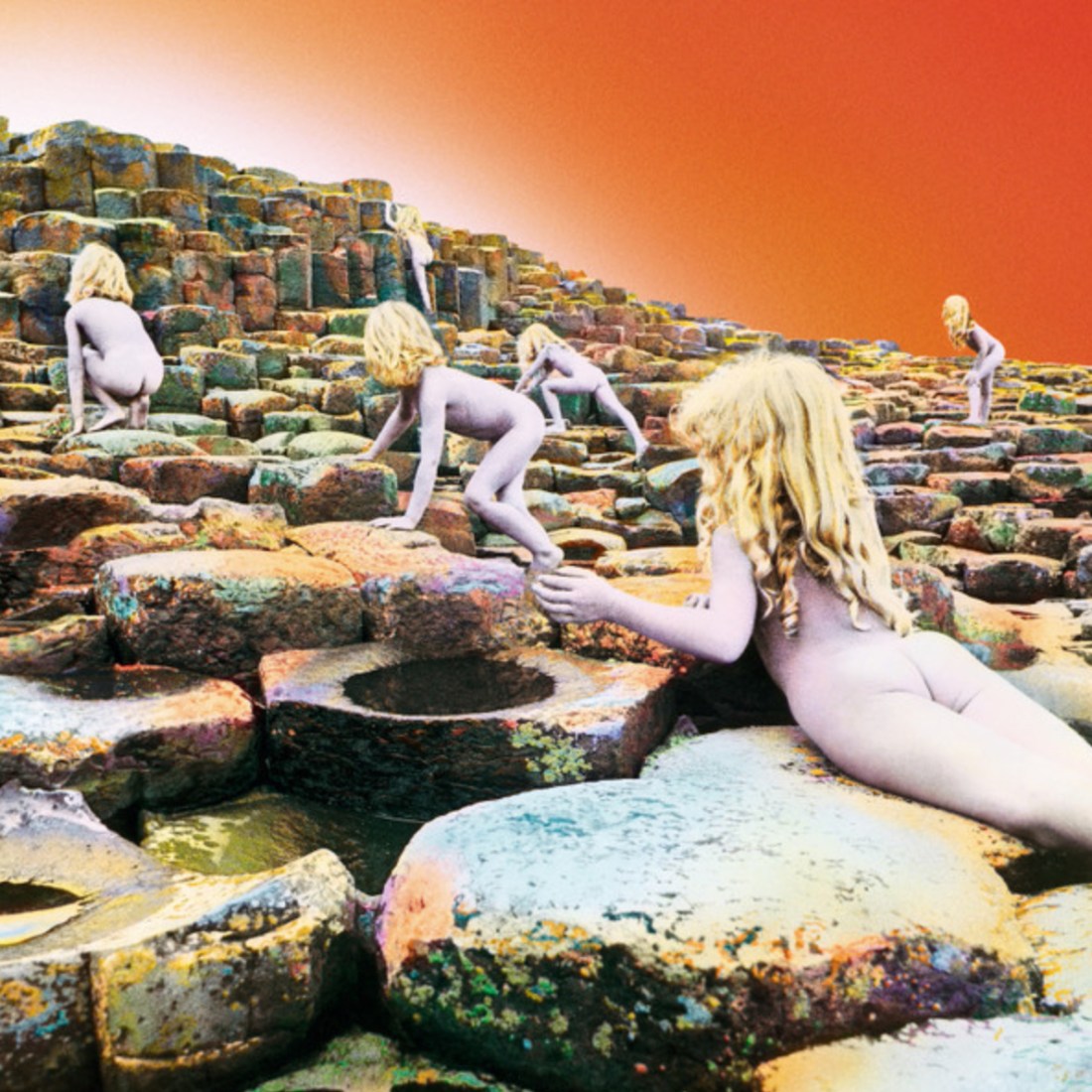
Led Zeppelin – Houses of the Holy

What kind of band, exactly, was Led Zeppelin?

To call them heavy metal, as many have, doesn’t meet my personal smell test for the genre. Blues rock is a better fit, and their acknowledged debt to Muddy Waters led me to listen to two of his albums, so that I am now unreservedly in love with his sound. They are certainly hard rock, but I’ve also seen them classed as folk rock, and I can hear that, too, in some songs.

They might also be the coolest progressive rock band in the world – read the lyrics to “Stairway to Heaven” and then try to convince me there isn’t a prog-rock masterpiece lurking somewhere in there. Some of the songs on this record – mainly “No Quarter”, with a surreal opening and acid guitar, plus the space-aged guitar, twinking keys and helium vocal of “The Song Remains the Same” – also have that feel.

But has anyone ever called them a dance band?

I loved Led Zeppelin in my teens, but not the way a lot of young guys did. I was familiar with the band’s history, of course, but that lumbering dinosaur sound of the songs I had been initially exposed to did nothing for me. My love bloomed with the 1979 release of “In Through the Out Door”, which is very much the picture of a band stepping away from its past to try and evolve a new sound. Unfortunately, it ended there. A year later, drummer John Bonham was dead, and the remaining threesome dissolved the band rather than go on without him. The next stage in Led Zeppelin’s evolution became a giant “what if..?”.

“Houses of the Holy” seems to me to have been an early effort to change what they were doing, and while longtime fans were not taken with it in 1973 (nor did they much care for “In Through the Out Door” six years later), I love it in 2022. And, in places, it is crazy danceable.

Once the sweet acoustic opening of the third song, “Over the Hills and Far Away”, passes, it turns into a thumping, very bassy record that led me to write down “there’s a great dance tune buried in here”. They completely embrace this with a full-on James Brown knockoff on the next track, “The Crunge”. It’s followed by an amazing opening pop guitar hook in “Dancing Days” that, frankly, should have been the prelude to a massive hit single: that it was only a B side was a colossal misstep by their label. “D’yer Mak’er” also has a great hook, and the closer, “The Ocean”, while more of a straightforward rocker, still gets you moving. This album changed my perception of what Led Zeppelin was. Even “The Song Remains the Same”, while not danceable, will get your blood pumping a bit harder, so it sort of counts as cardio.

My two favourite tracks are very different. “The Rain Song” is melancholy, with gently strummed guitar, faux strings, and an overall orchestral effect that is well paired with Robert Plant’s heartfelt vocal. But it is topped by the reggae-lite “D’yer Mak’er”. With a great backbeat from Bonham, and a bit of a Del Shannon feel, it could have been an overwrought 1950s ballad sung by four White guys with crewcuts and wearing ties under their letterman cardigans. It is no surprise that the guy singing this ended up fronting The Honeydrippers a decade later.

We tend to be attracted to the type of music that we first fell in love with, and especially the things we loved when we were young. “Houses of the Holy” matches, more than any of their older records, what Led Zeppelin was to me when I was a teenager, so it had an unfair edge before I even hit play. Which is fine – I am happy to do the work it can take to properly appreciate a record, but it’s nice to have the artist make it easy for me sometimes, too.

Not the Pazz and Jop 1973 #18

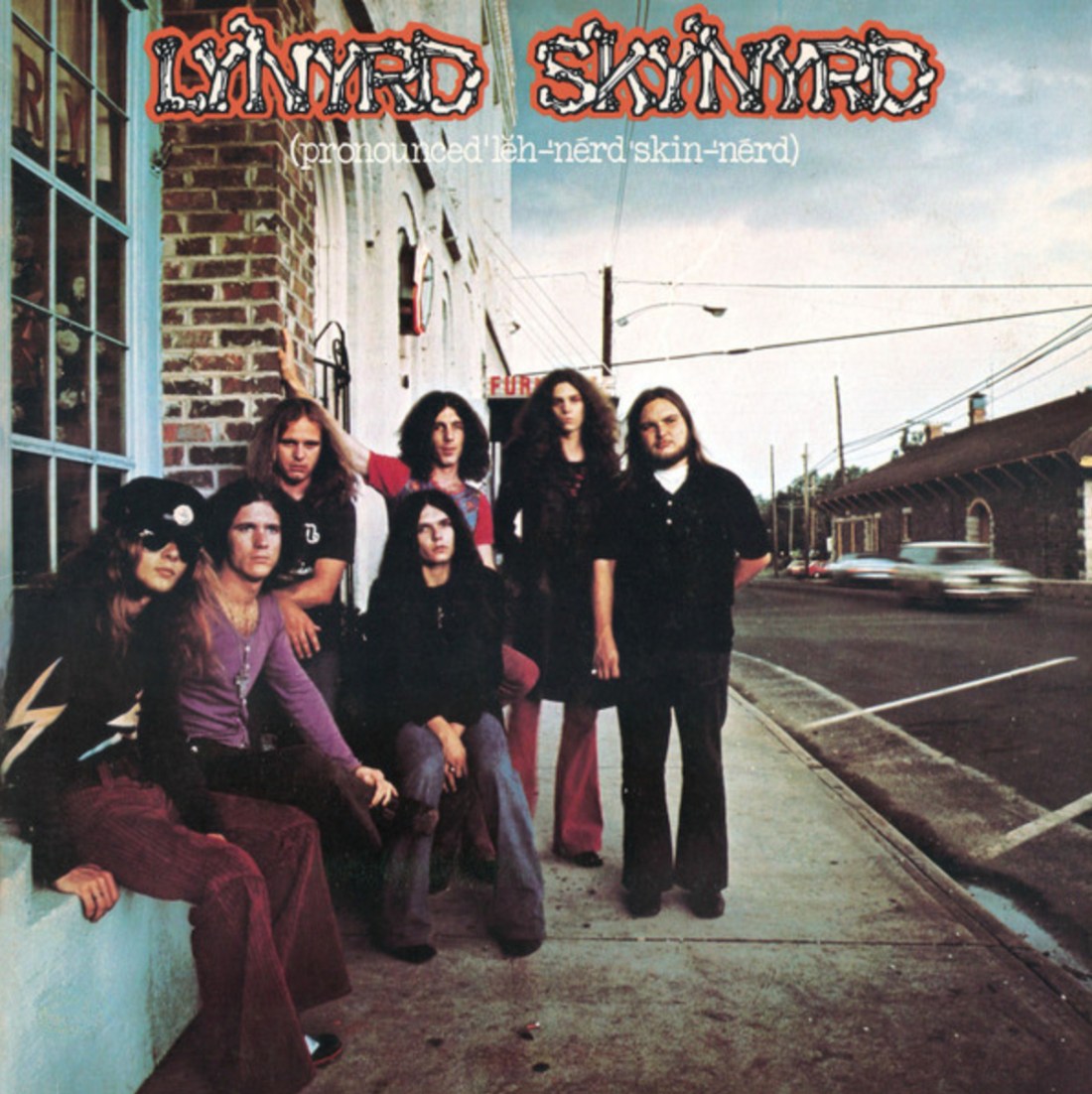
Lynyrd Skynyrd – (Pronounced ‘Leh-‘Nérd ‘Skin-‘Nérd)

Let’s start with a confession: I don’t really care all that much for “Sweet Home Alabama”. Sure, I’ve sung along to it in bars, got hopped up when it accompanied a great scene in a movie, and turned it up a bit louder when it came on while I was driving. On the other hand, I have also sung along with “My Humps”, got teary-eyed to “My Heart Will Go On”, and have at least once played “Friday” not as a hate listen, but out of some sort of perverted joy. The takeaway? My opinions can’t always be trusted, and my behaviours even less so.

But something about this song has always sat wrong with me. And because of that, it polluted my view of southern rock.

First, what exactly is southern rock? It’s a descendant of blues and country, but you can say that about outlaw country and cowpunk and maybe heartland rock a bit as well. It seems like it’s a style that you just know when you hear it, though people get that wrong, too – just because Elvin Bishop played southern rock didn’t mean that “Fooled Around and Fell in Love” was, too, especially when it’s a song that you just know Daryl Hall would have absolutely crushed (and I’m saddened that he appears to have never even tried), and Daryl may be many things, but southern is not one of them.

So, because I didn’t like “Sweet Home Alabama”, I would hear its echoes in other songs, and pull back. It’s no tragedy: there is a lot of music out there, and you need to filter it somehow. It’s a dumb way to do it, especially since I was perfectly fine with listening to one Nickelback song after another at one point in my life (I’d rather not talk about it), but it was all I had.

Now, here I am, closer to 60 than I care to think about, and I am finding myself enjoying southern rock. The Allman Brothers’ “Eat A Peach” was a revelation, and now I can add this Lynyrd Skynyrd album to the list of southern rock that I love (total: two albums).

From the opening drums that draw you in on “I Ain’t the One” to the howling guitars that play you out on “Free Bird”, there isn’t a song on this album that doesn’t justify the time spent in listening to it. It’s a record that grabbed me on the first play, and gets richer and more interesting with each repeat. The blues influences are more prevalent than anything that could pass as country at that time (“Gimme Three Steps”, a bouncy tale of cowardice in a bar that steers into cliche but knowingly and with a sense of fun, comes closest). The playing is selectively showy: the keyboard player has some nice moments and those guitars rule the second half of “Free Bird” and in a few other places as well. And while it’s all rock, it tests different waters, from the more conventionally bluesy sounding “Mississippi Kid” to the hillbilly honkytonk of “Things Goin’ On” to the beautiful prog rock-esque “Simple Man”.

In addition to ”Simple Man”, two other songs stand out for me. I have heard “Free Bird” dozens of times without paying it the least bit of attention before now. The opening keyboards and steady, clean drumming are the definition of “spine tingling”, then are joined by cool guitar. It invokes the freedom of a wandering spirit, but it’s also a love song, with a hint of regret in that declaration, and sadness (“If I leave here tomorrow, Would you still remember me?”). It then turns into a completely different song around the midpoint, only tangentially connected to the beginning. It becomes a showcase for some blistering guitar work and pounding drums. The song races along the open road – propulsive, maddening – ripping you apart with an ending that celebrates that freedom the narrator was seeking: an exuberant roar of delight. Magnificent.

But my favourite might be (it’s close) the plaintive ballad of loss “Tuesday’s Gone”, which feels like a bridge between blues rock and southern rock. The song never feels repetitive, despite the 7-minute length and simple declarative lyrics. It’s a true epic, with an orchestral feel from the electronic strings, and some beautiful and very delicate piano just past the 3-minute mark. It will envelop you if you let it. It will likely be the first song I think of whenever I hear southern rock referred to in future.

I still don’t like “Sweet Home Alabama”, and I’m fine with that: as it turns out, you can love Lynyrd Skynyrd without liking their signature song. I might just have to give The Black Eyed Peas another chance (yeah, no way that’s happening).

Not the Pazz and Jop 1973 #17

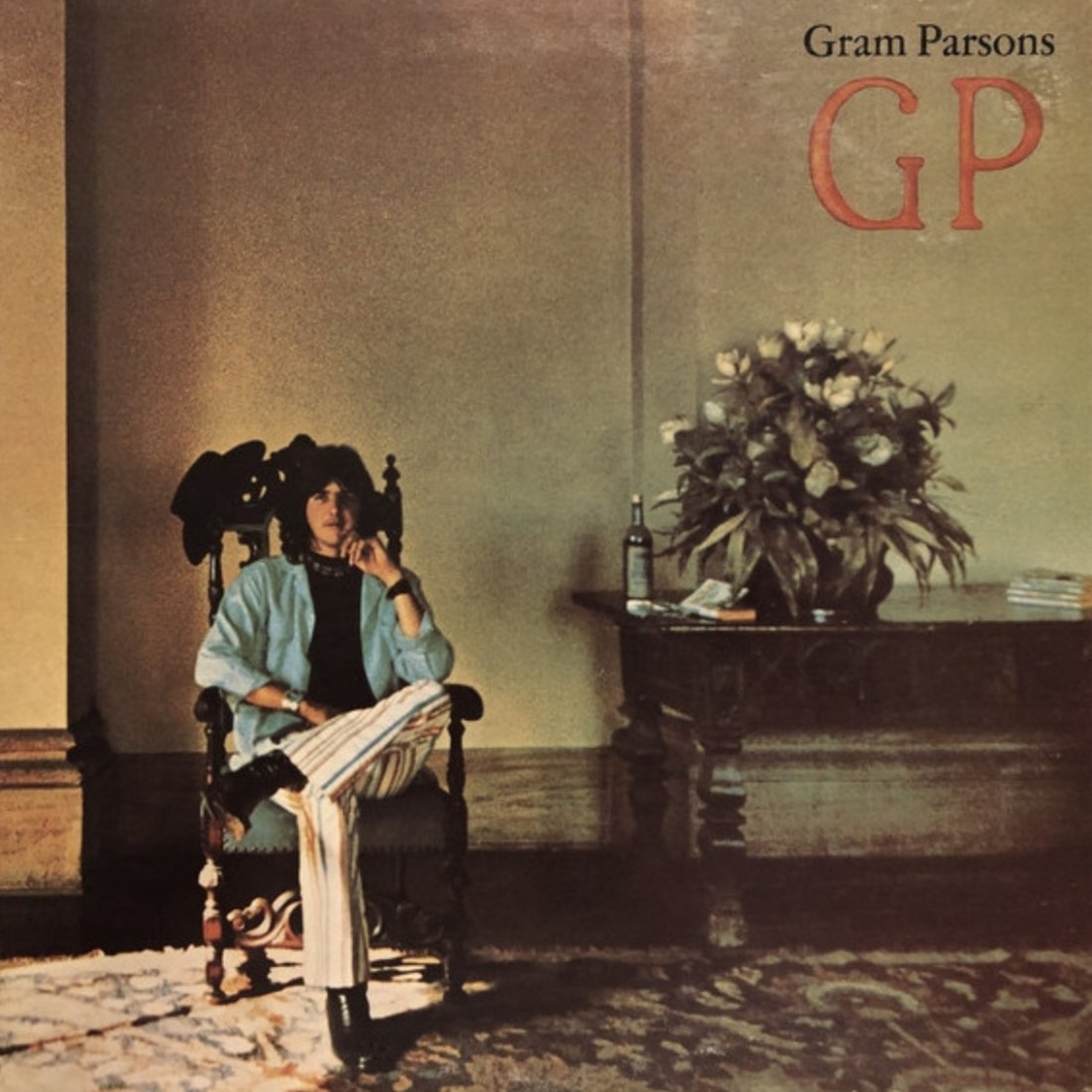
Gram Parsons – GP

When I think about Gram Parsons, what comes to mind first isn’t his music, or his early death that left him outside the 27 Club by less than two months. No, what is foremost is what came after, when his road manager Phil Kaufman and assistant Michael Martin stole his body from an airport, transported it in a borrowed hearse to Joshua Tree National Park and set it on fire, thereby fulfilling the deceased’s wish to be cremated there. It’s a great story, and not even close to the nuttiest thing Kaufman was ever involved in. For that, you need to dig into his relationship with Charles Manson and his role in getting a Manson album released at the height of his infamy. Kaufman, now 86, had moves.

But this is about Parsons the musician, and, damn, that is a wonderful thing to behold. Parsons was a country rocker – maybe even the first and best example of the type – and this record leans strongly to the country side of that formula, with frequent twangy vocals, heavy doses of fiddle and pedal steel guitar, and lots of songs about lost, forlorn or forbidden love.

The album is a blend of six originals, some co-written, and five covers. The covers are a nice mix, from a classic about losing his love to the city (“Streets of Baltimore”) to a George Jones deep cut (“That’s All It Took”). My favourite is his take on The J. Geils Band’s “Cry One More Time”, a slowed down rockabilly country tune that feels like a relic from the late 1950s that could have been a hit for Fats Domino. It’s probably the least mannered vocal on the record, and includes a nice guitar bridge around the midpoint. Finally, there’s a duet with Emmylou Harris – the answer to the musical question “Who are they talking about when they say someone has a voice like an angel?” – on the we-know-we-shouldn’t-but-screw-it-let’s-do-it of “We’ll Sweep Out the Ashes in the Morning”.

The originals include the languid south-of-the-border feel of “The New Soft Shoe” and “A Song for You”, the latter being the most heartfelt of a collection of fairly impassioned ballads. “She” offers up a sentimental idealized version of the American south, and a bit of slander of the Christ-loving central figure, who “wasn’t very pretty” but “sure could sing”. The highlights are the opener “Still Feeling Blue” and the closer “Big Mouth Blues”. The first blue song has a jaunty hepped-up bluegrass feel with the heart-crushing line “Every time I hear your name I want to die”, while the last is an upbeat rocker about urban malaise that would serve as a great encore tune, sending the audience out into the night in a good mood after all the sadness that preceded it.

Parsons didn’t make much of a dent on the culture during his lifetime, but left behind a half dozen records, including his work with The Byrds and Flying Burrito Brothers, that proved highly influential. His songs have been covered by Harris and such diverse artists as Elvis Costello, Lucinda Williams, Willie Nelson, Whiskeytown, Band of Horses and Yo La Tengo. “GP” straddles two worlds, and remains faithful to both rock and country. It’s a record I know I will keep listening to, and that’s as good a marker of greatness as I can imagine.

Not the Pazz and Jop 1973 #16

The Wailers – Burnin’

After my previous encounter with a reggae album, I promised myself I would be better informed about the genre the next time such a record came along. That didn’t happen. So, after multiple plays of “Burnin’”, I finally did it. I listened to albums from Peter Tosh, Burning Spear, Toots and the Maytals, and The Upsetters. And now, having been exposed to a broader selection of what the genre has to offer, I’m still not sure how I feel about reggae. I can, however, say one thing with a fair degree of certainty: I don’t much care for Bob Marley’s form of reggae. (A hush falls over the room.)

Not liking Marley can be a problem if you’re new to the genre, because he towers over it: the top five albums on Acclaimed Music are his. No one else dominates a genre the same way (though Springsteen comes close, with five of the top seven heartland rock records, which isn’t entirely a fair comparison, since it seems to have been invented just to give rock critics a box to contain Bruce). Unless you actively seek it out – at least so far as Canadian mainstream radio goes – you will hear Marley, and then more Marley, and, hey, let’s play some Marley.

There is no shame in that confession. Discernment is a big part of our experience of culture. I keep listening to Marley’s music and I just don’t care. This isn’t the distaste I feel for Jethro Tull, or the deep anxiety caused by most metal, or the loathing of everything related to Ted Nugent. I just don’t see anything to get my blood up about. It is pleasant enough to listen to, but doesn’t engage me – it’s just one song after another that sounds like the last one and the one that comes next. I wish it wasn’t this way – I may be missing out on something marvellous. But, like classical music and a lot of jazz, I am probably without that tiny strand of DNA that gets Marley. Marley sounds the way he sounds, and that’s just how it is. Just because a ton of other people love an artist does not obligate you to do the same. There are lots of celebrated rock/pop artists towards whom I am lukewarm: Dylan, The Who, Joni Mitchell, The Band, The White Stripes, Foo Fighters. I make different choices: give me more Elvis Costello, Fountains of Wayne, Mitski.

What I have learned is that there is a lot of fun music under the reggae banner. It isn’t all the plodding, uninteresting-to-my-ears work of the King. The Upsetters play dub, a reggae subgenre, and it’s playful and goofy and just a delight. Tosh’s record (“Equal Rights”) was very political, but it doesn’t get in the way of some lovely and really interesting beats, and Toots & the Maytals had me bouncing around my house.

As for “Burnin'”, “Get Up, Stand Up” is a justifiable classic, but I much prefer the version from Tosh, who co-wrote the song with Marley. I also prefer Eric Clapton’s (even though he is a racist POS) version of “I Shot the Sheriff”. And the rest is what it is. Like all reggae, it makes me feel like I’m by the pool with a rum cocktail in my hand as I drift off, feeling more relaxed than I have any right to be.

I know there will be more Marley in my future, and I will listen to it multiple times and write about it in this space, God willing. Maybe something will click. Maybe it won’t. But I’ll give it its fair due. Because that’s all any artist has the right to ask of us, and the one thing we should be willing to give them back.

Not the Pazz and Jop 1973 #15

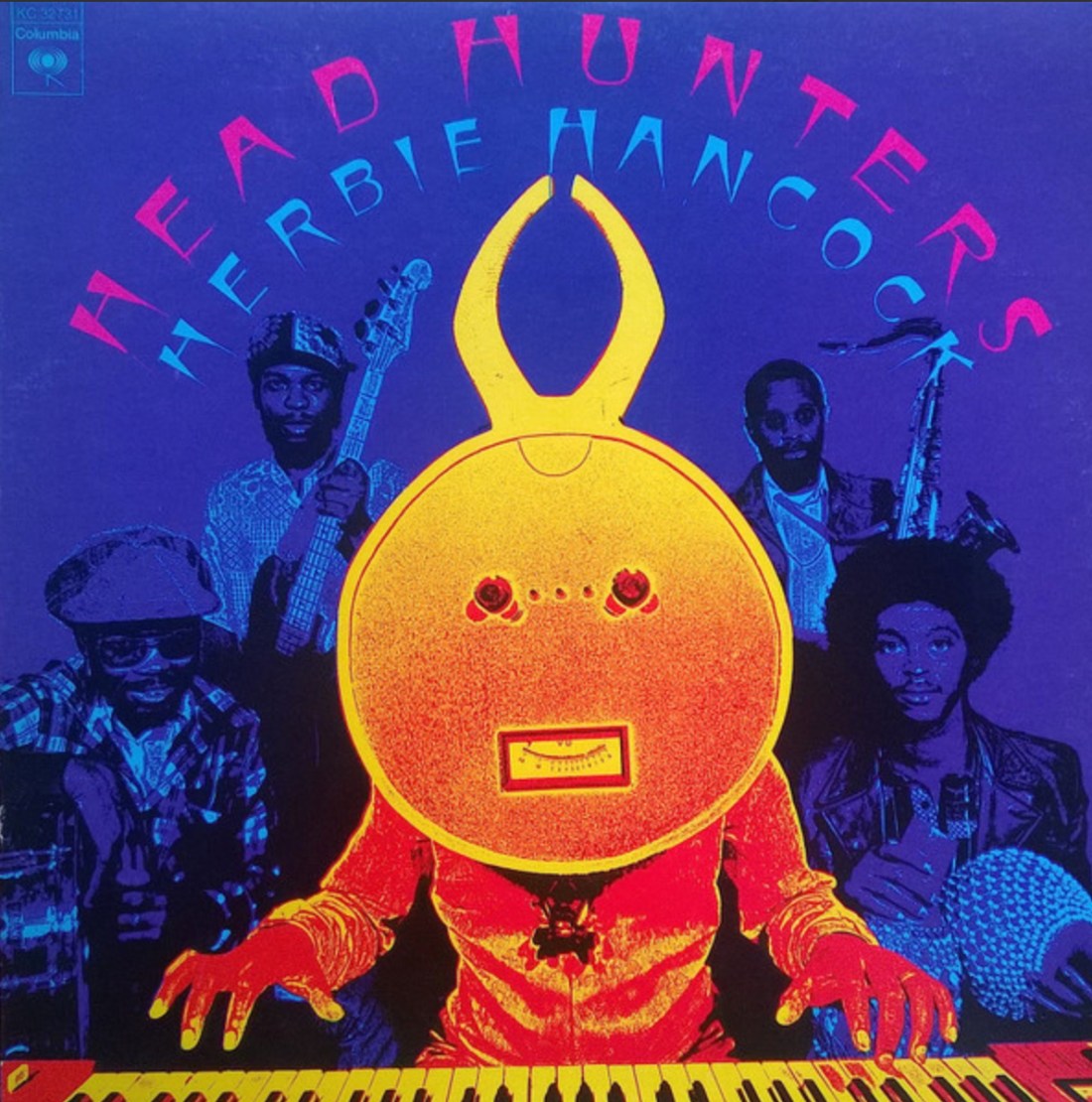
Herbie Hancock – Head Hunters

This site is called PopNotes for a reason. Pop music and it’s many subgenres and fusion genres – and, to a lesser extent, popular music – is the type I’m most familiar with and most enjoy. It isn’t MetalNotes or RapNotes or SkaNotes. (Hmm, sister site branding opportunities galore.) Give me a great pop record and I have more to say than I can comfortably ask you to endure. With many other genres, my ignorance of the art form, that lack of historical perspective, can leave me ill-equipped to write intelligently about a record.

As part of my never-ending effort to be a more rounded listener, I have been playing more jazz. To the extent I’ve played such music previously, it’s definitely leaned heavily on the smooth or easy listening side. Guided by sites like Acclaimed Music, I’ve checked in on classics from folk like Miles Davis and John Coltrane. That’s not how I got around to Herbie Hancock, of course, but “Head Hunters” is certainly not my usual fare. My wife made that point when she heard it playing on arriving home yesterday. Of course, exposing myself to “not my usual fare” was sort of the reason this site came to exist in the first place. 

But is this jazz?

If you punch “Herbie Hancock” into Google, the sidebar on your iPad will tell you he’s an “American jazz pianist”. Google has that way of reducing things to their finest point. Or maybe not so finest: Clint Eastwood is “former Mayor of Carmel-by-the-sea” (I was expecting “American actor”, thus ignoring his two Oscars for directing), Mother Teresa is “Saint” (the details are a bit more complicated), and Jesse Jackson is “former Shadow US Senator”, the meaning of which escapes me. And sometimes it leaves out critical information: Tucker Carlson is an “American television host”, instead of the far more accurate “racist entitled POS American television host”.

The point of this is that I, too, would describe Hancock as a jazz musician, despite the one track I knew by him being absolutely not jazz. The “experts” who pick the Grammys called it rhythm and blues, which is so, so wrong. I’ve also seen “Rockit” described as electro and jazz hip-hop, which gives you a sense of the challenges that come with such labelling.

When I think of jazz, this album is not where my head goes. My first impression is that it’s more of a funk record, but that’s too simplistic. Jazz fusion is probably the most accurate term. It starts from a jazz base, but there are rock and funk and soul elements and probably a dozen other things I haven’t noticed yet.

Someone – the source is very uncertain – said that writing about music is like dancing about architecture. Part of that is about the subjective messiness of taste, but it’s mainly a comment on the challenge of using one form of expression to explain a different form. My solution to that problem has been to try and filter my experience of a piece of music through some connection to my life. It can be a difficult trick when dealing with something completely new, so then it becomes about how the music makes me feel. In that vein, the almost 16-minute long opener “Chameleon” is the track that shines most for me. It feels fun, fresh, alive. Your stride turns into a strut and you may even feel like doing a spin. You feel like you have an edge on all the poor bastards who aren’t listening along with you. I felt fitter, more dapper. I felt cool, in a way that I really am not, like I had the answer to a question that I’d never before thought of asking. As weird as all of that may come across, it isn’t about a sound – it’s a vibe. A mood. A spirit.

None of the above probably helps that much in deciding whether you want to spend 42 minutes listening to “Head Hunters”. All I can offer in the way of assistance is that I loved it, but it took more like 126 to 168 minutes to get comfortable with the record. I did that at the expense of spinning a Ben Folds or Elvis Costello favourite for the 500th time, but I’m okay with that: it’s just part of the tradeoff in becoming “more rounded”.

Not the Pazz and Jop 1973 #14

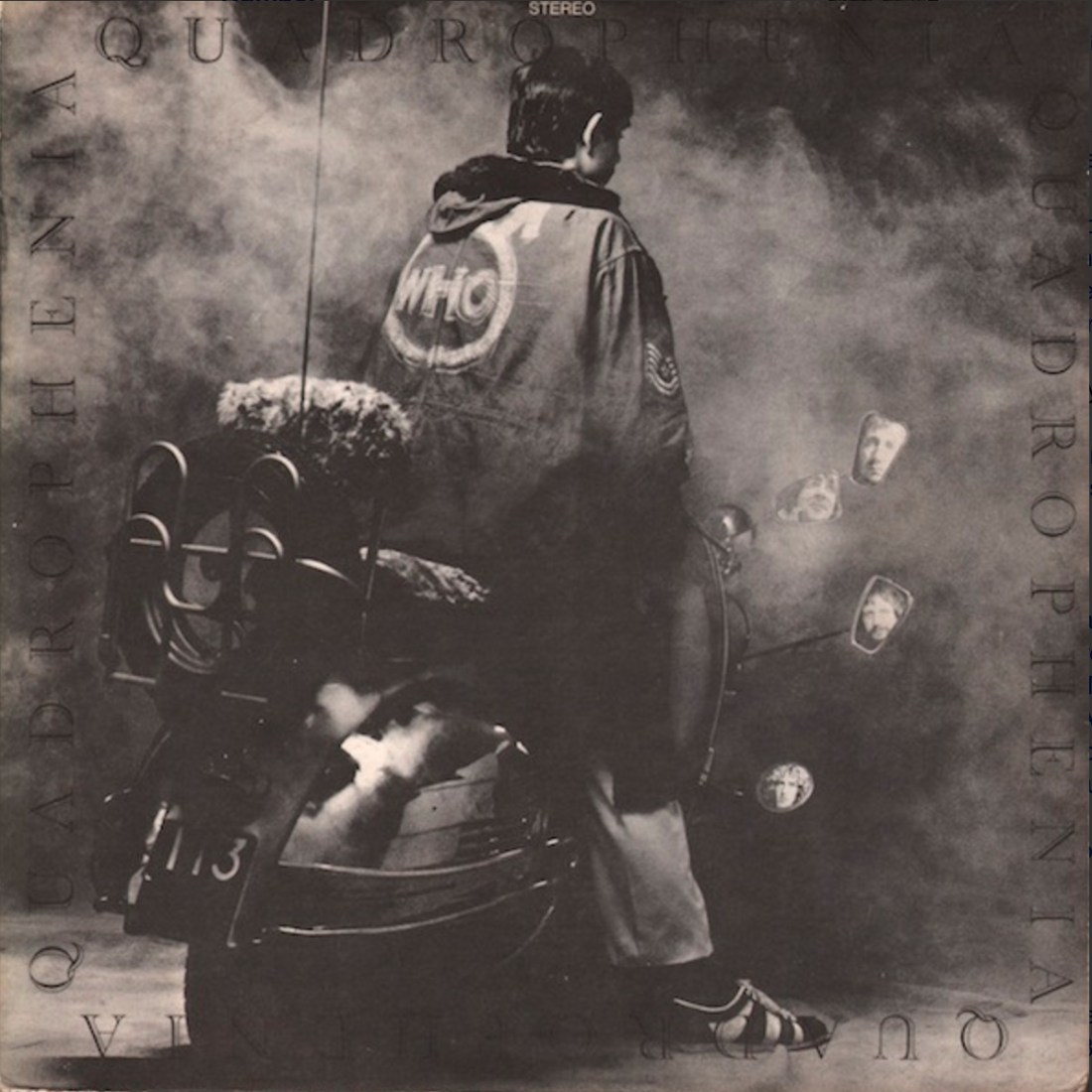
The Who – Quadrophenia

When “The Breakfast Club” was released in early 1985, I saw it in the theatre twice during opening week. I was 20, floating in life, a university dropout, underemployed, pining for an embarrassingly long time over an ex-girlfriend (first heartbreaks are hard – I’m not crying, it’s eye sweat!), and connected intensely with the confusions of characters just a bit younger than me. Then I saw it again a few years later, and, having gotten my shit together to some degree, their constant whining annoyed me to no end. Stop complaining, I thought. Do something about your problems.

For me, “Quadrophenia” is “The Breakfast Club” of rock records.

Let’s step back for a moment. Growing up in the 1970s in Cape Breton, I had a passing familiarity with The Who. Radio was where I mostly learned about bands and I just don’t remember them being that popular with the disc jockeys at CJCB. They weren’t very prolific, so hits were spaced out and not numerous: there was the weirdness of ”Squeeze Box” and the obviousness of ”Who Are You?” and I don’t recall much else. Culturally, I knew that Keith Moon’s death was significant, and the tragedy at Riverfront made for a compelling episode of “WKRP in Cincinnati”. But I simply did not appreciate what a big deal they were.

In September 1982, I moved to Ontario to attend university. That fall, The Who were on a farewell tour (the first of several such “you’ll never see us live again” tours) that was set to end in Toronto on December 17. My roommate was a big fan, and while I can’t remember if he had tickets to the concert, its mere existence was an enormous deal to him and his circle of friends.

If I were a different sort of person, I could tell here the story of how I then became a fan of the band, and have in the almost 40 years since dug deep into their catalogue and charted their subsequent comings and goings. Alas, I am not that kind of person, so this will not be that tale. Instead, this will be the tale of how “Quadrophenia” blew me away on first listen, but I have become less and less enamoured of it with each repeat play and dig into its back story.

Rock bands often seem to go off the rails when they take themselves too seriously, and a rock opera is about as self-important as a band can get. The line between creative genius and self-indulgent pretension is razor thin and overreaching can sully a nice collection of songs by trying to make them seem like more than they are. What works as a guiding principle should probably not evolve into a mission statement. The original release of ”Quadrophenia” included notes explaining the plot for journalists, which might be a clue that maybe the songs haven’t accomplished what you set out to do. It’s the story of a disaffected mod struggling with mental health issues, drug abuse and a series of personal failures. So, maybe not someone you want to spend an hour and a half with. 

None of the songs really stands out – they don’t pop, which is likely why the singles that came off the album failed to become even modest hits. (“Love, Reign O’er Me”, easily the most impressive song for me, peaked at #31 in Canada, and much lower in the U.S.) They’re all good, but none of them are great or at least not great in the way that makes you want to keep hitting repeat. It isn’t prog rock, but there is a sameness across the record, an almost blandness that comes perhaps from the attempt to create a unity that ends up shaving off those rough edges that can make a great record so invigorating. (Pete Townshend’s demos, which come with the ”Super Deluxe Edition” of the album, made more of an impression on me.) It’s, well, pleasant to listen to, which is a pretty damning statement about a rock record. The Sex Pistols are not pleasant. Nirvana is not pleasant. The Who shouldn’t be either.

In the end, I don’t feel any connection to this album. The air of youthful confusion, of trying to find your place in the world, is palpable, but not anything that I’m all that interested in. I really should have encountered this in 1982, or 1985. I have bigger concerns right now.

Not the Pazz and Jop 1973 #13

Paul McCartney & Wings – Band on the Run

The Beatles were the first band I loved, so I can’t really say why I had so little interest in their solo work. I definitely want to blame one of my younger uncles – I can’t remember which one, so all are both tarred and unsullied by this comment – who said we couldn’t play his Beatles records anymore after they broke up. I usually liked their singles that I heard on the radio, but only bought two of their records: a 45 of John Lennon’s “Imagine” years after it was released, and George Harrison’s “Somewhere in England”, which I wanted for his John tribute “All Those Years Ago”. Later, I owned Paul McCartney’s “Flowers in the Dirt” on cassette, but that arose not out of fealty to Paul but because I wanted to hear what his collaboration with Elvis Costello had wrought.

Over the past year, I’ve started to make up for this lack. It turns out “Somewhere in England” is not a very good record, but George’s “All Things Must Pass” is brilliant. John’s “Imagine” annoyed me immensely but I was floored by “Plastic Ono Band”. Ringo Starr’s “Ringo” was a frothy delight. And now, we come to Paul.

I had measured expectations coming in. As a solo artist. Paul always felt to me as someone who too often accepted mediocrity. For every great single (“Live and Let Die, “Band on the Run”, “Let ‘Em In”), there would be treacle (“Silly Love Songs”), silliness (“Coming Up”), or whatever we want to call the utter abomination that is “Ebony and Ivory”. And that Costello collaboration? Meh.

So my absolute joy over this album is beyond reason. I won’t call it perfect, but there isn’t a skippable track here, and that’s the next best thing.

“Band on the Run” has always kicked ass, and I have a new appreciation for “Jet”. But what’s really fun about listening to an album like this is discovering songs you never even realised existed. Why isn’t “Bluebird” a staple of easy listening radio? It’s a wistful and delicate love song with a jazzy horn break and an air that is so tropical you can almost feel the warm breeze. “Mamunia” has a similar feel, but more uptempo so that you’ll be bobbing your head in pace with the music by the end. I love the guitar in the chorus to “No Words” and the rollicking piano of “Nineteen Hundred and Eighty Five”, which ends with saucy horns before sending us off with a snippet from the title track. And the old-timey “Picasso’s Last Words” is probably the most Beatlesesque track, the kind of song that manages to be both simple sounding and pretentiously complex at the same time.

The standouts for me are “Mrs Vandebilt” and “Let Me Roll It”. The former is a bouncy romp (kitchen dancing!) that is the most fun song here, with the “ho hey ho”s of the chorus and snappy horns. (The cackling at the end was sort of creepy, though.) The latter has my favourite vocal on the record – an impassioned and committed tear through the song, joined by uncomplicated guitar work that cuts through you and pairs well with the emotion in the singing. My favourite moment comes with the addition of subtle bass picking and light snare drum leading up to the three-minute mark, which filled me with delight.

If there is one trend in these listening sessions, it’s learning, week after treacherous week, that I formed some flawed ideas about music earlier in life and, despite my belief that I am open to the new, I am as stuck in my listening patterns as the next guy. With every new record, I am taught anew that I need to try to abandon expectations before hitting “Play”. Today, it’s Paul McCartney. Others will soon follow, I’m certain.