Not the Pazz and Jop 1973 #12

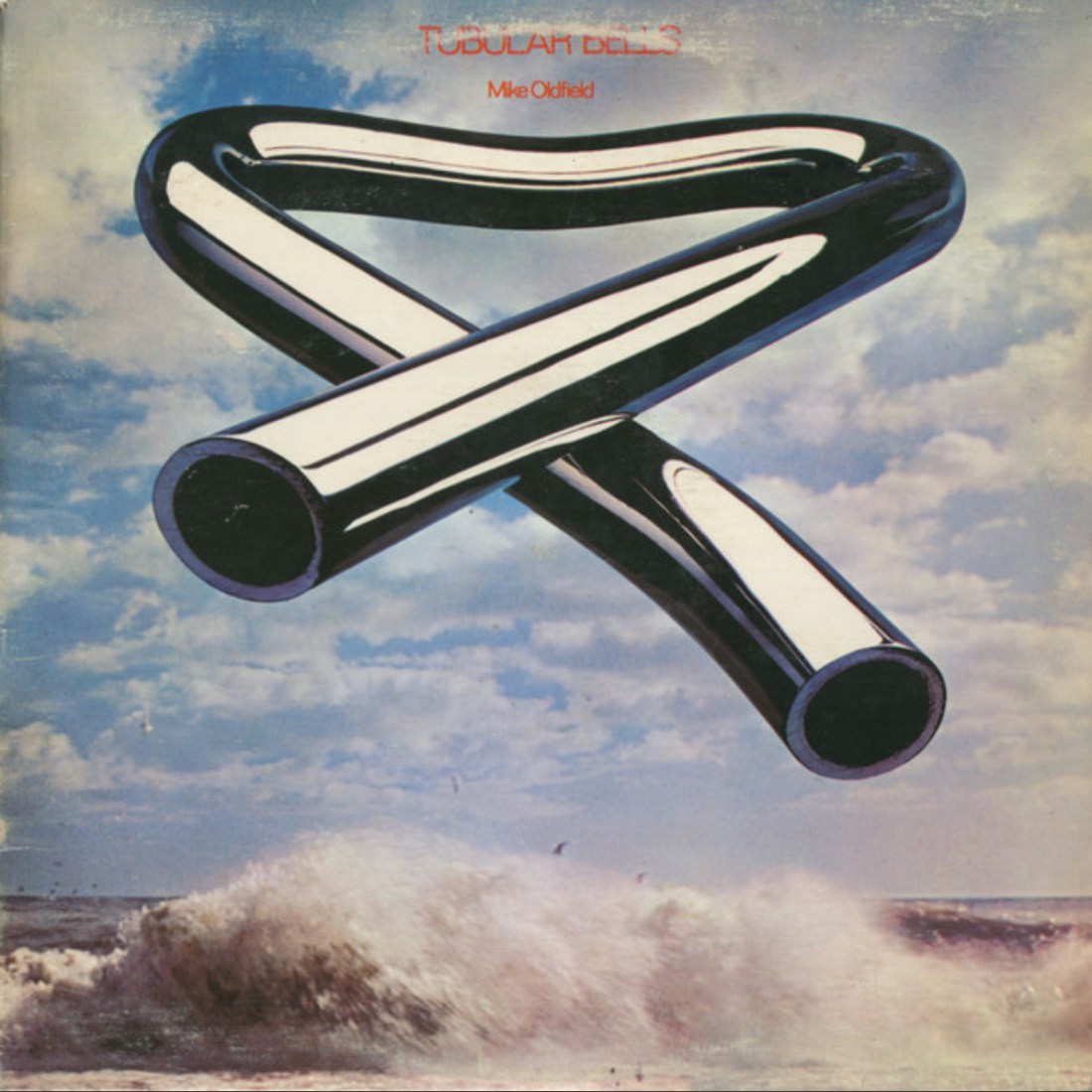
Mike Oldfield – Tubular Bells

Sometimes on this journey I listen to an album and have to ask myself how it is that a consensus was reached that placed it among the top recordings of a given year. The most obvious example to date is everything recorded by Jethro Tull. We can now add “Tubular Bells” to that list.

Now, that does not mean this isn’t a worthy album. (Unlike, for example, Jethro Tull’s records.) But here is a partial list of 1973 records that I won’t be writing about (at this time, anyway) because, at least in part, “Tubular Bells” grabbed a slot in the top 20:

  • Steely Dan – Countdown to Ecstasy
  • Bruce Springsteen – The Wild, the Innocent and the E Street Shuffle AND Greetings from Asbury Park N.J.
  • Sly and the Family Stone – Fresh
  • ZZ Top – Tres Hombres (what a great record this is – so much better than the stuff that came later when they were making hit singles)
  • Genesis – Selling England by the Pound
  • Tom Waits – Closing Time (which made me regret not starting to listen to him much, much sooner)
  • Paul Simon – There Goes Rhymin’ Simon
  • Donny Hathaway – Extension of a Man
  • Jackson Browne – For Everyman
  • The Rolling Stones – Goats Head Soup

So, yeah, it was a pretty good year.

I don’t listen to a lot of instrumental recordings: if a rock band puts more than one such track on an album, I’m enormously disa­ppointed by the waste of good real estate. Contradicting this, I greatly prefer instrumental jazz to its vocal counterpart. I’m a complicated guy.

Part of the reason for this is that you can’t sing along with an instrumental track. (My wife says I actually do this all the time, but I don’t think such gibberish really counts.) My voice is no great treat, but I am a good imitator, so, vocal limitations aside, my “Nights on Broadway” sounds like a Bee Gees song, my “Alison” sounds like an Elvis Costello song, and so on. I don’t need to put my own stamp on a song when I sing along – I am slavish in trying to replicate what the masters already did. I’m a parrot, not a songbird.

A big part of the problem is that I lack the musical vocabulary to articulate what I think about a record like this. (Are there other records like this? God, I hope not.) I can usually put pop music into context, connect it to other things in the culture, call back to how it felt when a song came on over the radio as my friends and I drove around a quiet city at 3:00 a.m. (I’m looking at you, “Elvira” by the Oak Ridge Boys.) But when a record consists of two long tracks almost 25 minutes in duration each and NO SINGING, I am lost – it is that foreign to the music I love. So, I can listen to something like “Tubular Bells”, (sort of) appreciate it, and still be left with nothing to say about it other than to comment on my inability to say anything about it. (If this gets any more meta, it will be a Charlie Kaufman film.)

In the end, it was kind of fun to listen to, for no reason other than I never listen to stuff like this. It’s definitely an interesting record, with seemingly countless instruments used (the honky tonk piano with a humming choir around the 14-minute mark of side one is my favourite section), and there are echoes of so many styles and artists. That opening bit is definitely creepy, and this is from someone who has never seen – nor desired to see – “The Exorcist“. I suspect it’s a record that would reward repeated listens. I also suspect that I don’t care enough to bother – there’s already too much great music that I love that needs to be replayed, and an even bigger volume waiting to be discovered.
Not the Pazz and Jop 1973 – #11

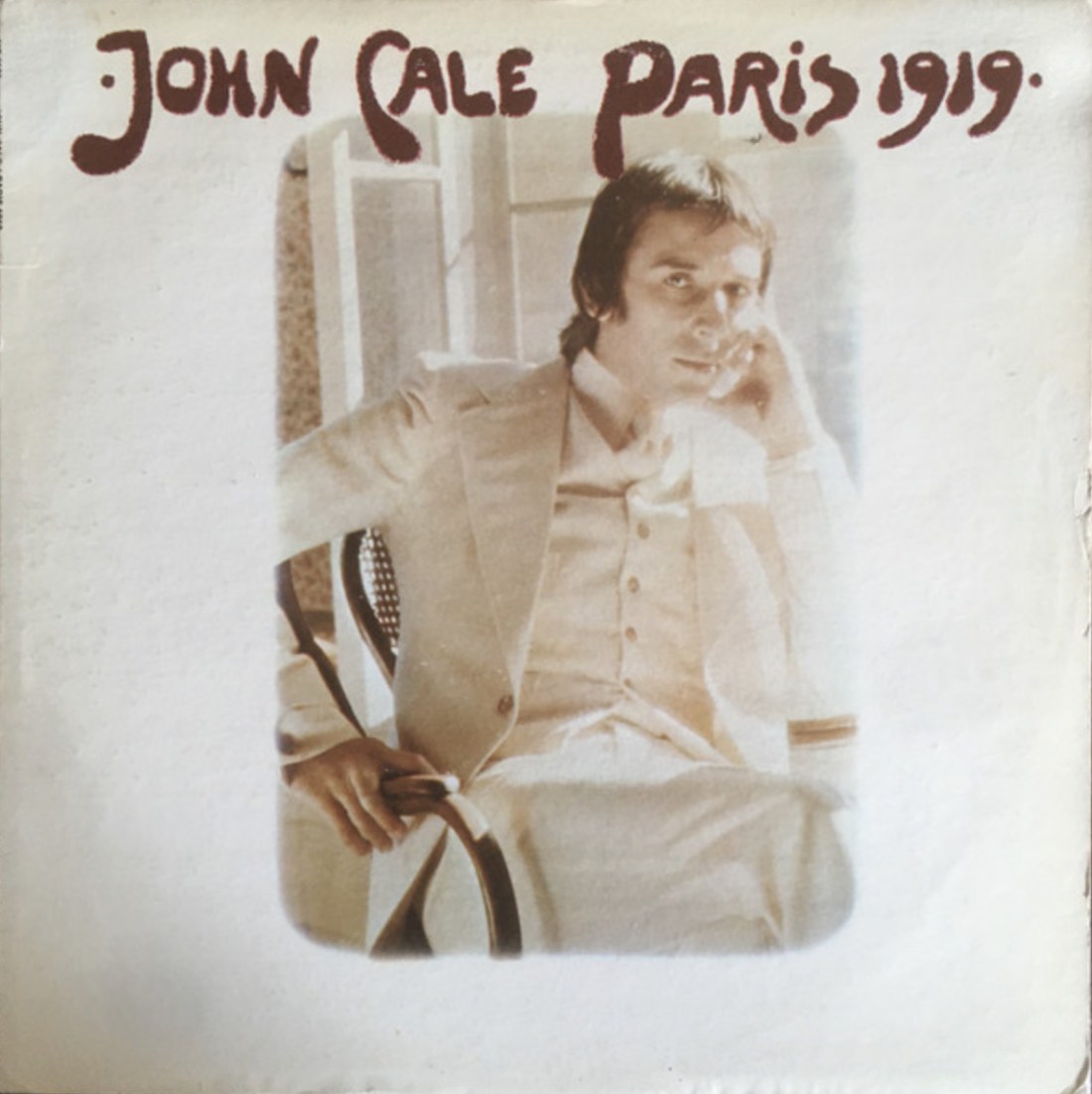
John Cale – Paris 1919

Maybe I don’t really know what they are talking about, but when people use the words “experimental” or “avant-garde” to describe a piece of art, that’s usually the point where I get anxious. Movies are the worst: the 45 minutes spent watching “Wavelength” were painful (is anything going to happen?), and I’m still not 100% sure what was going on in “Last Year at Marienbad”, though at least some things did in fact happen. I’m more willing to give novels a chance, but after three tries, I gave up (probably forever) on reading “Ducks, Newburyport”, and there are others like it.

It should be easier with music, given the length of a typical album, but my dedication to the three-to-four-minute long pop song makes this difficult for me. Plus, anything with these labels that has come to my attention previously was discordant, or noisy, or just odd. I never felt compelled to listen to John Cale because those labels have been attached to him at points in what I now know has been a very varied career.

But I love this record. It’s not at all what I was expecting. His voice is no great treat to listen to, very limited and usually without any hint of emotion (unless sardonic or world-weary count). If you want to apply the label Beatlesesque to this, you won’t get an argument from me. There’s a scope to this, a willingness to jump around the musical palate, that lets it slide comfortably next to “Sgt. Pepper” and its imitators/devotees.

“Child’s Christmas in Wales” is pure pop, like a late autumn Beach Boys, and “Hanky Panky Nohow” prefigures “Morning Phase”-era Beck. “The Endless Plain of Fortune” and “Paris 1919” would sound great with a full orchestra. “Macbeth” rocks hard, a real get-up-and-jump-around song. “Graham Greene” is jaunty with a hint of the islands, the backing track of “Half Past France” feels like southern rock, and “Antarctica Starts Here” has a Carpenters-like easy listening vibe. But he subverts genre norms time and again. That southern rock aspect is remarkably subtle, not in-your-face like a Lynyrd Skynyrd tune, and blended with a dreamy relaxing vibe. And his take on easy listening includes a whispered vocal that defeats casual listening. On top of this, his lyrics are for the most part like poetry, in that way that poetry doesn’t rhyme and makes zero sense.

As a companion to this, I gave Cale’s 2012 album “Shifty Adventures in Nookie Wood” a spin, and also loved it. Did I just get lucky and stumble across his two most accessible records? Or do critics call him experimental because they lack the imagination to accept that some artists just don’t fit into a box? I will continue to gather data on John Cale (setting aside his soundtrack work, there look to be around 30 solo and collaborative works to check out), but for now I think it’s clear which camp I fall into.

Not the Pazz and Jop 1973 – #10

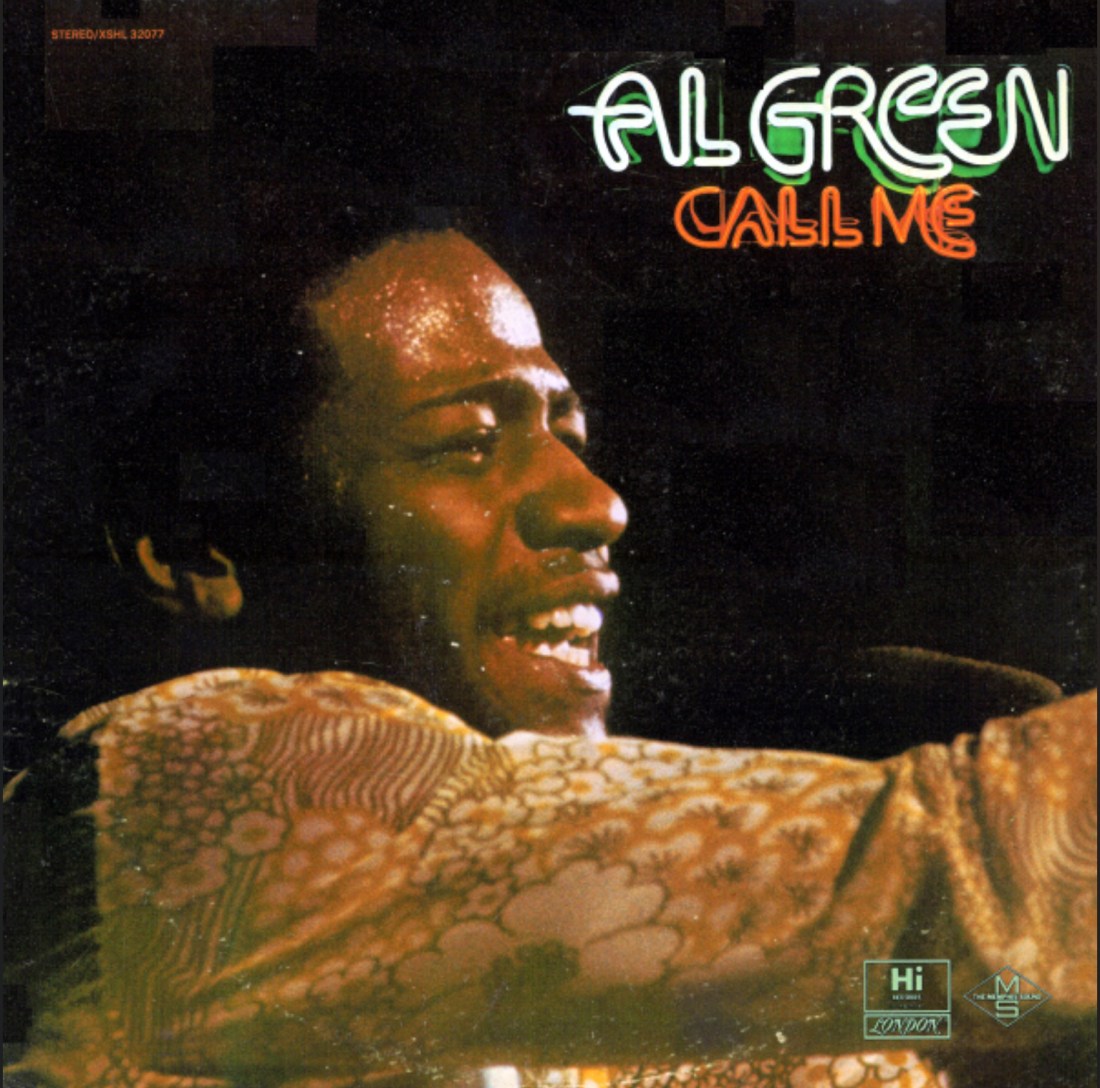
Al Green – Call Me

Al Green wasn’t part of my musical experience growing up, so it’s only in recent years that I have come to appreciate what an enormous star he was in the early 1970s. He wasn’t as successful in Canada – his biggest song here fell short of the Top Ten – but south of the 49th parallel he had six Top Ten singles, and a few others that came close, between 1971 and 1974. I was, however, familiar with his music through cover versions. There was Talking Heads’ late ’70s take on “Take Me to the River”, which was probably the only Heads song then known to casual Maritime listeners like myself, followed a half decade later by Tina Turner’s sultry (as if Tina could do it any other way) version of “Let’s Stay Together“, which was easily my favourite track off “Private Dancer”.

Al’s voice is often described as silky, but that really doesn’t do it justice. The word brings to mind smoothness, sensuality, luxury. There’s a strained quality to his voice: if this is silk, it has snags in it, little divots and tears where he gets caught, drops down, and modulates his instrument with changes in emotion. The result is a record that is never slick – yes, there are strings, because it’s an early ‘70s smooth soul album and I think there was a rule about that or something, but they are used very subtly, so the record never turns into easy listening dreck. It’s a sly and quiet record – even the more up-tempo tracks don’t pass muster as dance-worthy.

My favourite of the original songs are “Stand Up” (love the horns in the chorus) and its exhortation to take control of your life, “You Ought to Be with Me”, and the album’s closer, “Jesus Is Waiting”. He hadn’t become Reverend Al yet, but even outside the not-so-subtle latter track, there is a spirituality to the music, or at least a life-affirming positivity, that shows the direction he was headed in.

Al knows his way around a cover himself and his takes on two country classics are highlights. In both cases, I listened for the first time with that sense of something familiar being encoun­tered in a strange place, like running into an ex at your usual hangout. The record’s strongest vocal is on “I’m So Lonesome I Could Cry”, as he muscles the Hank Williams’ tune into becoming a soul song without losing its connection to the original.

Another highlight is his take on “Funny How Time Slips Away”, which is a natural fit for Green – though originally recorded as a country song, more soulful versions have found greater chart success, from Jimmy Elledge’s blue-eyed version to Dorothy’s Moore’s powerhouse gospel-tinged effort. A fascinating roster of artists have taken this song on, including Junior Parker (weird), Brook Benton (so cheesy you can feel your cholesterol rising), Tom Jones (sexy AF, of course), Jerry Lee Lewis (saucy), The Supremes (flirty) and Bryan Ferry (cool as always, but sort of over the top). Al hits it with a regretful world-weariness, the strain of the years showing in his voice.

There is something comforting about this album. The differences in the tracks are subtle, and if you don’t pay close attention, it can all sound very similar over the course of its 35+ minutes. You really need to sit back, close your eyes, and let Al burrow in without distraction. It’s the musical equivalent of a giant soft pillow: let it envelop you, and it will fill you with a sense of peace.

Not the Pazz and Jop 1973 – #9

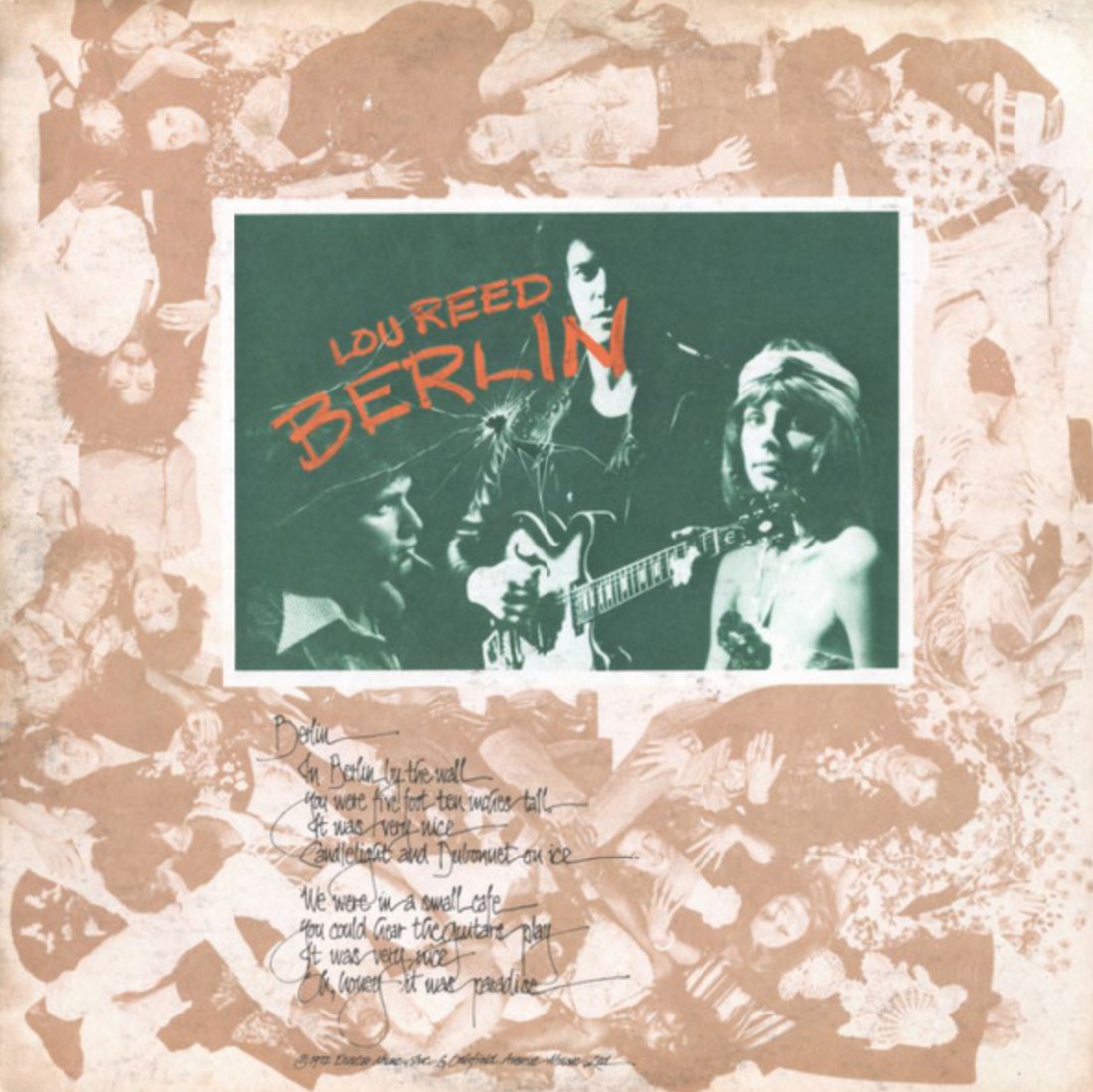
Lou Reed – Berlin

Figuring out the essence of Lou Reed as a creative figure can be challenging. As a rock star, he is iconic – an active cool, dark and aloof – and it almost feels as if the role needed to be invented just to contain him. Yet he’s really more of a gloomy troubadour, with a vagabondish feel to his music – he would’ve thrived as a wandering minstrel in the Middle Ages, not that he didn’t do just fine in our era. But where he really would have been at home is musical theatre, in storytelling songs with dramatic flourishes and stylistic switches, the kind of tunes that are showcases for the performer. 

Of course, one problem with musical theatre is that it is full of big and messy emotions, and that is not who Lou Reed was as an artist. He leaned towards a deadpan vocal style, drained of passion, always chill. But because he so rarely shows emotion, it’s a really big deal when he does. Some singers are forever on the knife’s edge – whether faking it for effect (most of them) or genuinely losing it (basically, Adele) – but that quickly becomes exhausting. Lou usually stays above it all, so when he slips, when the whole human mess of it all gets through to Lou-fucking-Reed, then you notice, and you lean in, and listen harder to take in what this wizard of cool is losing his shit over.

“Berlin” is a love story, but it’s not a happy one, and when the relationship at the heart of the album reaches its conclusion over the brutal sock in the teeth that is the three-song stretch that ends the record, Lou has clearly had enough of Jim and Caroline. You can see it coming, though: the delicate nostalgia of the title song becomes the flirtatious put downs (“she wants a man, not just a boy”) of “Caroline Says I” becomes the abusive toxicity (“You can hit me all you want to but I don’t love you anymore”) of “Caroline Says II”.

He’s in the middle of the mess now on “The Kids”, and he sings with less distance, a hint of emotion seeping into his voice, as the gentle music contrasts with the devastated mother of the tale. This turns into the delicate guitar picking of “The Bed”, an almost whispered inventory of grief so matter-of-fact that there really is no grieving being done (“I’m not at all sad that it stopped this way”), the “oh-oh”s rising to his voice slightly breaking on “what a feeling”. It then ends with “Sad Song”, a lightly hopeful and nostalgic epic that seems to be saying that maybe it’s best that the bitch is gone (“Somebody else would have broken both of her arms”).

There’s lots more to love here, especially the circus-like feel of “Lady Day” and the album’s one true rocker, “How Do You Think It Feels”. It’s an album that lives inside you with repeat listens, as you internalise its rhythms. Although a Lou Reed production would’ve made for a gloomy evening out – more “Sweeney Todd” than “My Fair Lady” – it is not an experience you would have easily forgotten. I’ll definitely be buying a ticket if anyone ever decides to give it a try.

Not the Pazz and Jop 1973 – #8

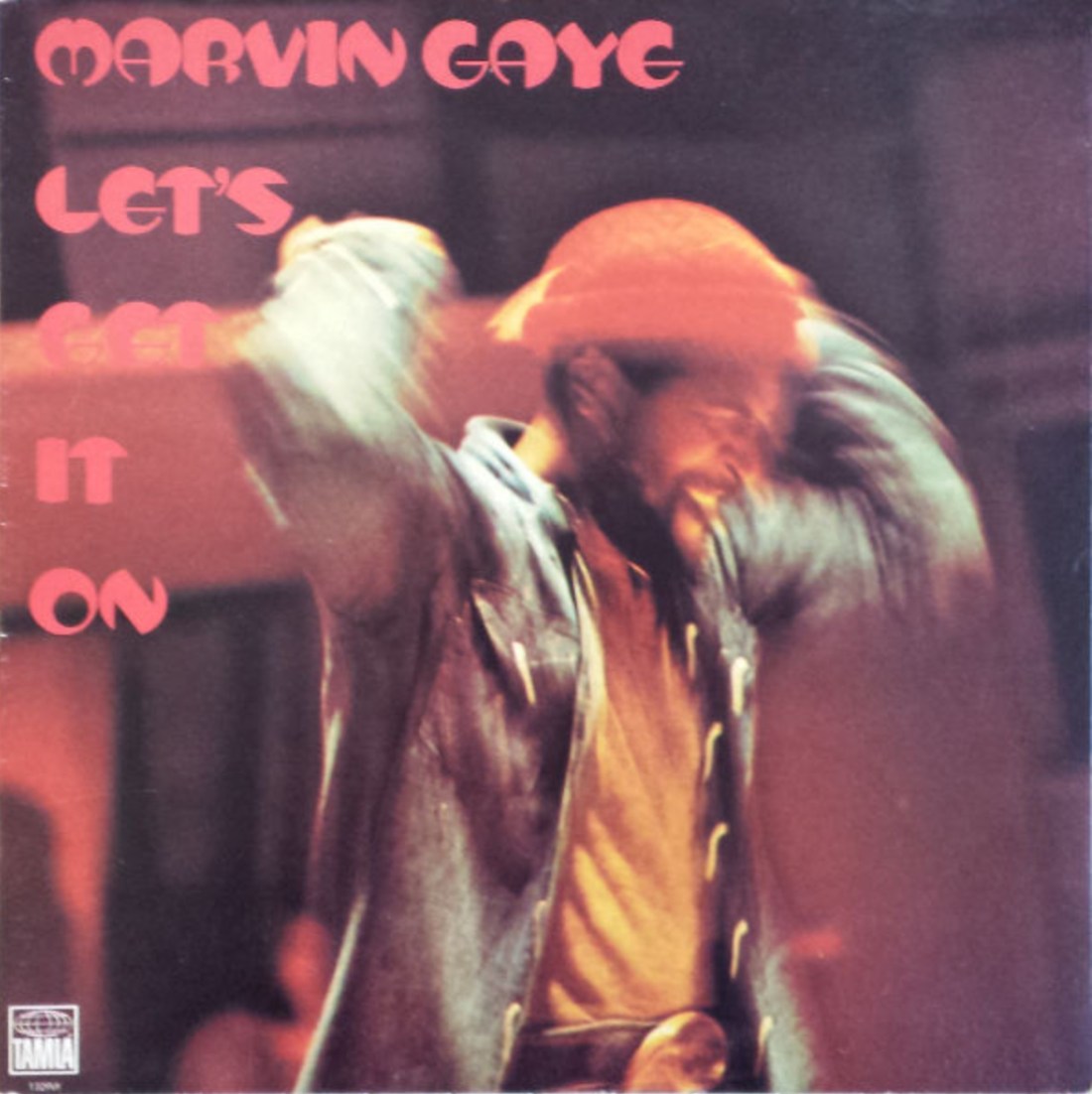
Marvin Gaye – Let’s Get It On

I expect I am on a very lonely island thinking “What’s Going On” is a highly overrated record. I am completely okay with that. Our reaction to music is deeply personal, and consensus doesn’t make something true. And I do like a lot of Marvin Gaye’s music. There are parts of “What’s Going On” that I love. My all-time favorite of his is “Got to Give It Up“, and I can’t believe I missed the obvious thievery (shame on everyone involved) of “Blurred Lines”. I never much cared for “Sexual Healing”, but his duets with Tammi Terrell still rock (just ask Meredith Quill). Marvin’s catalogue contains multitudes – you just need to find the bits that work for you.

I was not a fan of socially-conscious Marvin, but horny and lovelorn Marvin is a very different beast, and this is easily one of the most horned-up records of all time. There are funk elements in the backing tracks, but this isn’t a funk record. It’s right in the heart of what soul should be, while dabbling in a half dozen other areas, with pre-disco wah-wah guitars in places, jazzy elements in others and, in “Come Get to This”, he offers up a slightly slowed down version of something you’d expect to hear from an early ’60s girl group rather than the pre-eminent singer of sweaty ballads of a decade later. Finally, there’s almost a bossa nova feel to “You Sure Love to Ball”, and if you didn’t get the point from the title, the opening coos of pleasure from his female paramour remove those last few drops of uncertainty. It’s the kind of song you expect to hear near closing time at a bar that thinks it’s a lot classier than it is, filled with patrons with more self-awareness than the disc jockey but still happy to play along.

Marvin was far too attached to strings for my liking on “What’s Going on”, and it didn’t feel like a good fit for the harder-hitting content of that record. But they are perfect on a tribute to eros, and the cinematic strings – and liquid horns – of “If I Should Die Tonight” are a perfect complement to Marvin’s heartfelt yearnings.

It’s the rare record that has something unique to offer in every track. It’s also a record that marks a sort of journey, from the don’t-be-a-tease, you-know-you-want-this-as-much-as-I-do callout to a reluctant lover-to-be in the slow grind of “Let’s Get it On”, on to the grateful narrator’s attestation of happiness in “If I Should Die Tonight”. “Keep Gettin’ It On” has echoes, both in its sound and its lyrical content, to the title track, and the frustrated wanna-be lover of the first song is replaced with one who thinks he’s now found the key to how to make the world a better place. By “Distant Lover”, with its dreamy floating feeling, romantic but with the harder edge of his pathos-impassioned vocal, he has switched from frustration to satisfaction, from yearning for the unknown to wishing for a return to the known.

After all the back and forth, the push and pull, Marvin wants to love and be loved. But he knows the challenge of doing this. “Just to Keep You Satisfied” is a heart-rending finale, a tale of love that has soured, but with an enduring nostalgia for what was and sadness over what could have been. It’s the most affecting song on the record, and deeply personal. It doesn’t really end, just drifts away, and then dissolves into silence.

I really liked this album on the first listen, and now, four or five plays in, it just feels richer and more complex. This is a record in love with love, and all the sex talk is merely part of that. Marvin, like all of us, just wants to find that one person he can be himself with: his path to finding that just happens to start in the bedroom.

Not the Pazz and Jop 1973 – #7

New York Dolls – New York Dolls

Although it was the major music magazine of the ’70s – and a lot of other decades – I only rarely read “Rolling Stone” while growing up. It just seemed like it was aimed at an older readership. My first choice was usually a lyrics magazine, of which there were many, with titles like “Song Hits” and “Smash Hits”, since getting the words right while singing along always mattered to me. For actual writing about music, my main choices were “Circus” and, much more likely, “Hit Parader”. And “Hit Parader”, at least as I remember it, loved the New York Dolls.

The group was done by 1976, so I was certainly seeing nostalgia at work. I don’t think I ever read those articles, as I had zero interest in a band I had never once heard on the radio. And I couldn’t make sense of their look. Boys in makeup – not cool makeup like Kiss, but like women wore – was new to me.

When the streaming era came along, I had long forgotten my curiosity about the Dolls. Now, on first listen, I was having trouble figuring out what the fuss was. The music is pre-punk with some glam elements, even a bit of a Stones feel in places. Usually, including the word “punk” in describing music will be enough to tap one of my sweet spots. The band is certainly interesting looking, but the music is like a hundred things I’ve heard before. Iggy Pop was better at – and more committed to – punk, Bowie and a lot of others were servicing glam just fine, and the Stones were still the Stones. The blend of these sounds interesting, but the record just didn’t grab me like I hoped it would.

It then occurred to me that I was listening to it wrong. 

I had that revelation as “Frankenstein” blared into my head – you can’t really listen to this record properly when your ass is in contact with a seat. Imagine yourself in a gritty bar with black walls and the kind of toilet where you’d rather soil yourself than risk the 500 types of germs lurking in its grime. You need to be on your feet bouncing up and down, head nodding, teeth gritting against the pure chaos washing over you. Only then can you feel what the Dolls were really about – making a mess.

And, suddenly, the record makes sense, and I understood why it was so beloved. It is messy sounding, anarchic even, a band that is trying to take the energy of a live show into the studio, with uneven results. “Personality Crisis” is a great starter, a kick to the teeth of raw energy. “Lonely Planet Boy” is a delightful change of pace, with a gentle vocal, acoustic guitar and cheery sax. “Subway Train” is another favourite, along with “Private World”. For all the punk elements, the songs, in their structure and lyrical content, have a very early ‘60s feel. The use of horns and honky tonk piano is unusual for a band of this type, and maybe it isn’t so surprising that frontman David Johansen turned into this guy:

It’s easy to make sense of things you love and of things you hate. It’s everything else that requires an investment of your time, and sometimes it will end up not being worth the effort. It took a half dozen listens, but the Dolls won me over. I think it would make a great workout record, and I plan to put that theory to the test this week.

Not the Pazz and Jop 1973 – #6

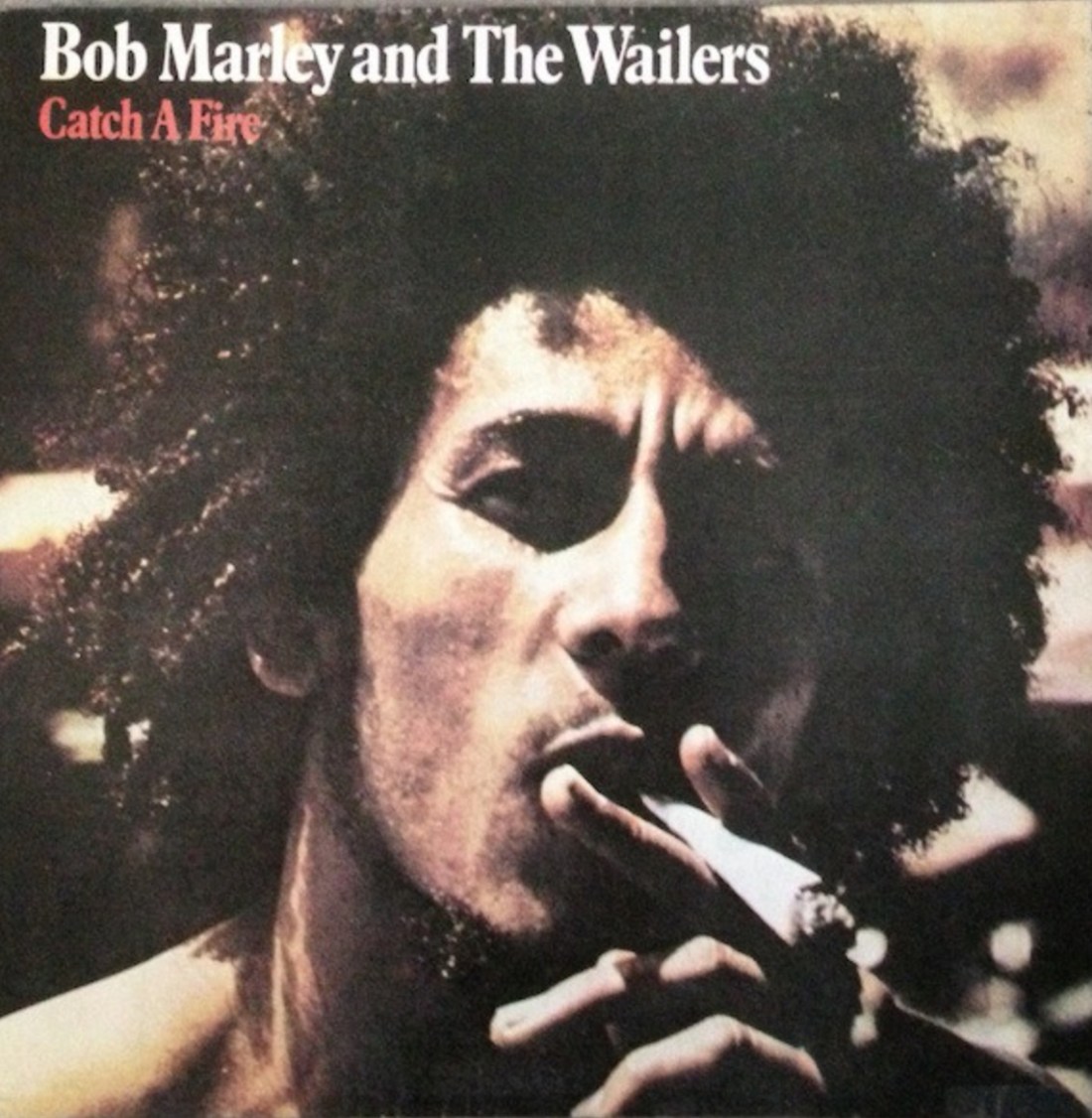
Bob Marley & the Wailers – Catch A Fire

I’ve struggled with this one, because I want to be respectful. I know nothing about reggae, beyond recognizing it when I hear it. And when I hear it, it all sort of sounds the same as every other time I’ve heard it. So, more than most genres, listening to a record like this is both educational and, one hopes of course, entertaining. I’m basically trying to teach my brain – with a critical assist from my ears – to hear things they’ve missed in the past during casual encounters. Consider it the aural equivalent of making love like Sting and Trudie instead of a quickie in a back alley.

My first exposure to reggae was in its influence on early Police records (two Sumner references in one post!), and in the ska bands I heard coming out of England on “90 Minutes with a Bullet” in the late ‘70s, though I knew it only as a word and not as a genre unto itself. I loved the Police (still do), did not like ska at all (that hasn’t changed much either, though the Essential Ska playlist on Spotify has some interesting possibilities), and never thought even once of trying to actually listen to some reggae so I could understand what the music press was talking about. I was far less adventurous in my early teens.

The sound is instantly recognizable on this record, with disjointed rhythms, heavy yet often subtle bass lines, and light fluttery keyboards. In the end, as a bit of a variety junky, it all just sounds too similar to itself to make much of a dent on my consciousness. Very little stands out to me. I love Marley’s vocal, and the interplay with the backing singers, on “Concrete Jungle”, which has an oppressive feeling despite the sunny sound. “High Tide or Low Tide” has a delicate rolling spirituality, and the Peter Tosh-penned “Stop That Train” has a quality that I can’t quite put my finger on, almost a gentle southern rock feel in parts. The closer, “No More Trouble”, has the feel of a spiritual again, with an insistent message.

Feeling contained by my limitations, I cued up the Reggae Classics playlist on Spotify, and it was a revelation. I think the problem is that for the average listener in this market, reggae means Marley, which means one sound and about 6 or 8 songs in rotation. (Imagine how you’d feel if your only notion of rock was, say, U2 and you’ll understand.) So unless we make the effort to change this, we aren’t exposed to the incredibly diverse range seen across different artists. For now, I like reggae just fine, but as more of a palate cleanser between other music, and not as a meal itself. But I’ll keep listening – Jimmy Cliff, especially, caught my attention – because I want to grow in my appreciation of different styles of music, and island rhythms offer warmth on a miserable autumn day.

Not the Pazz and Jop 1973 – #5

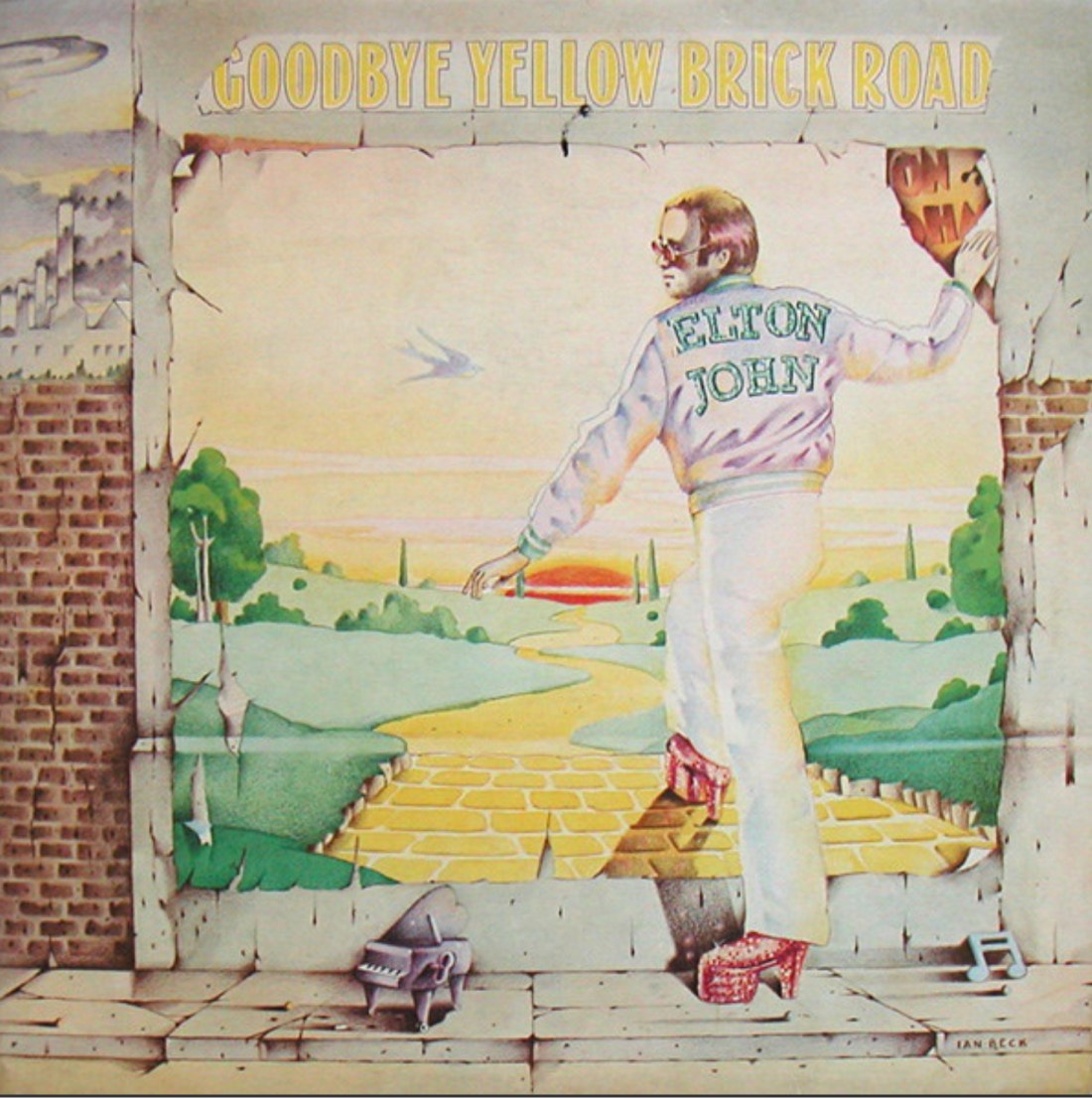
Elton John – Goodbye Yellow Brick Road

In the early to mid-1970s, no artist’s album covers entranced me like Elton John’s. I distinctly remember looking at “Goodbye Yellow Brick Road” and “Captain Fantastic and the Brown Dirt Cowboy” at the local Woolco or whatever department store that was with a sense of awe. The covers were playful and mysterious, and thus very inviting. You wanted to know what was in the grooves of such a package.

Of course, though I never owned any of his albums from that period, I probably knew Elton’s songs better than any other contemporary artist at that time. First, he was all over the radio. Plus, pretty much every K-tel collection in my bin had a track of his: “Crocodile Rock” (my least favourite of his songs from that era), “Daniel”, “Saturday Night’s Alright (for Fighting)”, “Philadelphia Freedom” (okay, maybe this is my least favourite), “Island Girl” and “Don’t Go Breaking My Heart” all had regular spins in my bedroom. “Someone Saved My Life Tonight” remains an all-time favourite song. By 1977, I was buying 45s, and Elton’s artistic peak was over, so I didn’t listen to him much after that. But the songs from that era remain masterful, undimmed by time.

There are a ton of hits, and it’s always nice to revisit those. The title track is one of my favourites of his, “Saturday Night” still kicks serious ass, and even Katherine Heigl can’t ruin “Bennie & the Jets”. It’s also nice to hear “Candle in the Wind” in its original form, without the nonsensical treacle of the post-Diana version. 

The best part for me of listening to these older albums is discovering the songs that weren’t singles. The album’s two-part opener, “Funeral for a Friend/Love Lies Bleeding”, goes from a mournful, stirring extended buildup into one of the rockingest songs Elton ever put to wax. Other tracks that I really liked include “Grey Seal”, the heartbreaking kiss off “I’ve Seen That Movie Too”, the rolling melody and music hall piano of “Sweet Painted Lady”, “The Ballad of Danny Bailey (1909-1934)”,and Bernie Taupin’s fantasies of the American west brought to life in “Roy Rogers”. “All the Girls Love Alice”, with its fuzzy guitars, solid backbeat, jarring piano and tempo switches, is a song I first heard a few years ago, and while it has great energy, it’s best not to listen too closely to the lyrics if you don’t want to get seriously bummed out.

Time has not been kind to Elton (it never is to any of us, of course): the music (mostly) stopped being great around 1977, and he largely became a parody of himself (though this was at least used to great effect in “Kingsman: The Golden Circle”). I stopped paying much attention to him a long time ago. The excellent biopic “Rocketman” (so, so, sooooo much better than the insanely overrated “Bohemian Rhapsody”) shows what great showpieces these songs are for Elton’s over-the-top persona, and it was a reminder of how much I used to love his music. It’s been a real joy listening to this album over and over in recent weeks, and if you’ve forgotten how really great he once was, I suggest you do the same. Elton will not disappoint you.

Not the Pazz and Jop 1973 – #4

Roxy Music – For Your Pleasure

(This is going to get a bit meta, so please bear with me. I will (eventually) get to Roxy Music.)

A while back, a friend described what I do here as criticism. I don’t think that’s accurate, though I do have opinions about what I listen to because, hey, I’m a human being with functioning ears and a soul. I think a lot of the time, music critics feel like frauds. Everything cultural is about taste, and we all have it. I may think you are crazy for liking Jethro Tull, but what I can’t say is that you are wrong to like them. Well, I can say it, and you can tell me to go to hell and that I’m just as crazy for liking Olivia Rodrigo. And we are both right, and also both wrong. And it doesn’t matter, because everyone who disagrees with us can ignore anything we have to say on the issue.

I (almost) never feel like a fraud on this blog. I do this for free, so if I want to babble on for several paragraphs then take a parting shot at a band – it’s coming – I can, and you can read it or not. But what about people who get paid to do this? What is a writer to do when an editor needs 500 words on something you don’t give a shit about and the rent is due?

It’s easy to write about things I love – just open a vein, as they say, and it flows out, whether it’s an old love like the Bay City Rollers, or a new one like Can. It’s also pretty easy to write about things you don’t like – I rather enjoy coming up with new digs at Jethro Tull. The worst are things I like and respect but don’t feel passionate about, or that I can’t connect to my own experience. Stevie Wonder is frickin’ awesome, but I had so little to say about “Innervisions” that the piece I wrote doesn’t even sound like me. If you’re reading this, it’s because you like my voice, and if that’s lost, I don’t really have anything to offer that you can’t find somewhere else from someone who knows a buttload more about music than I do.

Anyway, my point (you knew it was coming) is that, while it is growing on me a bit, this feels like a record that only a music critic could love from the get-go, because it invites extensive commentary, and soon enough you have those 500 words. It all seems very clever and creative, but to me there is almost nothing here that grabs the listener and makes you pay attention. It’s a very mannered record, all artsy pretense and rich sounding and dry as fuck. The one track that stood out was “Grey Lagoons”, with a rockabilly feel dominated by pianos and horns that is just messy and energetic and fun. This record definitely needed more fun. But critics loved it, and through some madness it ended up as the 4th best record of the year in their estimation. If anyone actually listens to this for pleasure, I’d love to hear from them. Because I have a 10cc record I think they should check out – and Olivia Rodrigo, too, for that matter.

Not the Pazz and Jop 1973 – #3

Iggy & the Stooges – Raw Power

For a guy who hasn’t had much commercial success, Iggy Pop has an outsized pop culture presence. A treacherously skinny standup comic I saw live in the early 1990s said he was doing the “Iggy Pop workout tape”, and we all got the reference. (For younger readers, workout tapes were things we could buy in order to help us exercise in front of our televisions in our underwear or pyjamas, before regular people started going to gyms and it became acceptable to wear such items in public.) I’ve always been a little scared of him. He looks like a fit version of the addict he once was, all sinew and raw energy. He’s the guy who, meeting him on a street late at night, you either, depending on how you’re wired, cross the street to avoid or follow to see where he ends up, because you know that’s where the party is. It will shock no one who knows me to hear I am the “cross the street” type.

Though I’ve liked the songs from Iggy that made it into the broader culture, I knew instinctively that this wasn’t something I’d be playing on any kind of regular basis. With only a  few exceptions, I’ve never listened to much hard or punk rock, and Iggy was definitely the former and possibly the original of the latter. The only one of his records I ever bought was the 45 of “Real Wild Child (Wild One)”, which I believe I first heard in the trailer for “Adventures in Babysitting”, which was not a very good movie, though rewatching the trailer reminds me why I went to see it in the first place.

It’s a fired up collection, and if nothing here gets your heart racing, you are either a world class athlete or you really, really need to see a doctor. However you want to describe this – garage or proto-punk – there is something primal about this music. The vocals are often screams, and though prominent in the mix (along with lead guitar, to the virtual negation of the rhythm section at times), he really doesn’t seem to care if you understand what he’s singing. The force of their sound is relentless, the pace rarely lets up, the tenor often menacing. It’s a messy record, distorted and disjointed, but never confused about what it wants to be. The standout songs for me are the more bluesy “I Need Somebody”, along with “Gimme Danger”, a very insistent tune that crawls into your head and won’t leave. 

Despite being a good listen overall, I’m fairly certain I will never play this album again. I don’t know why I don’t love this – maybe I only have room for one purely punk record in my life, and that slot is forever owned by the Sex Pistols. Or maybe that’s just how taste works. If you love everything, then you don’t really love anything.