Pazz and Jop 1974 #16 (tie)

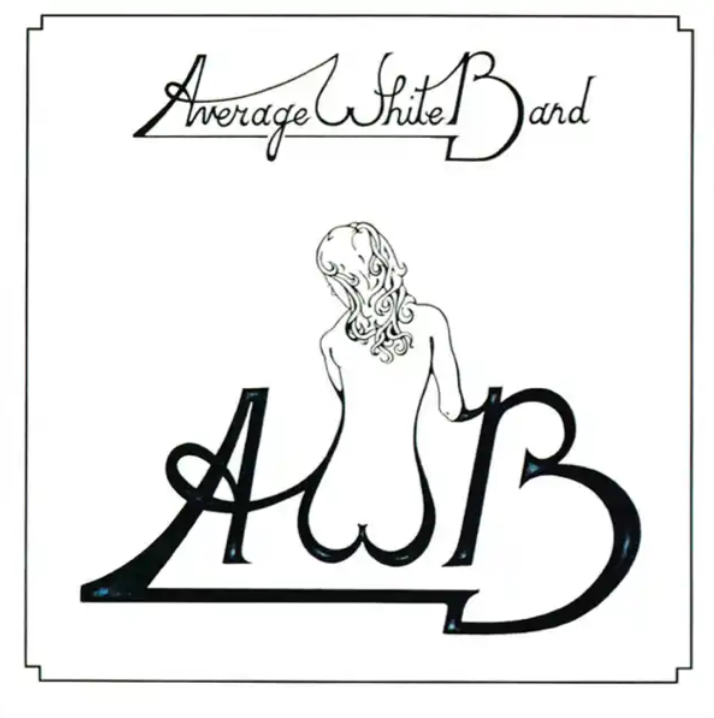
Average White Band – Average White Band

Isaac Newton – a pop idol of sorts among the smarter set when he was in his early 20s – famously tweeted that “If I have seen further, it is by standing on the shoulders of giants.” Newton was of course referring to how his work built on the work of those worthies who came before him. Pablo Picasso added his own thoughts (more or less – the exact quote and its originator are contested) to the nature of that behaviour when he blogged that good artists borrow from others, but great artists steal. This wasn’t about plagiarism: it was about taking inspiration from the world, including its art, and making it into something distinctly your own. The challenge for the critic (which I guess I sort of am in this scenario, for lack of a word that more accurately describes whatever the hell it is I’m doing here) is deciding how good a job they think the artist is doing in managing that relationship between their influences and their own creations.

(Let me jump in here – basically to interrupt myself – to say that I seem to have an ulterior motive of slipping in bits of the most half-assed liberal arts education ever into my music posts. Citing Newton and Picasso in a piece about the Average White Band? What a poser, right?) (If I spared you from having to formulate that notion on your own, then you are welcome.)

The above seems like a lot of intellectual baggage to be hauling around when considering an act as slight as Average White Band, but they might be the perfect lab experiment for this exercise. They were the real life Scottish version of The Commitments: a bunch of white British Empire kids besotted with Black American musical forms. Whereas the cinematic Irish musicians did covers of soul and R’n’B classics, AWB filtered that love through their sensibility to come up with their own thing. But was that thing worthy of a spot on the Pazz and Jop when so many of the other acts on their AllMusic similars page didn’t get the same level – brief though it was – of acclaim?

First, let’s consider the band’s name. It was reportedly suggested by another white person, Bonnie Bramlett, whose music I’ve never listened to out of loyalty to Elvis Costello, even though he absolutely deserved the punch in the face that she gifted him. It feels problematic these days, and the album cover’s sexualized drawing doesn’t make it more welcoming. The name is sort of clever, a knowing wink that they are kind of an oddity, since there was nothing average about this group of people playing this type of music in this particular era.

But what really matters is what’s in the grooves. The album is a nice listen, so long as you keep your expectations at a reasonable level. It is definitely funk adjacent, but what we really end up with, for all their love of funk, is blue-eyed soul. They try, oh they do try, but the overall feel is as funky as a Pablo Cruise record. (This is two Pazz and Jop posts in a row where I reference Pablo Cruise; clearly, that band had a lot more impact on me than even I knew.) And as much as I loved Pablo Cruise in the late 1970s, it’s safe to say that if you are making records that sound even slightly like theirs, you are on the borrowing side of Picasso’s dictum, not the stealing. It’s what I think of as wallpaper music: a pleasing bit of background noise that you don’t have to work too hard to appreciate. And that’s okay: not every record needs to melt your brain. It’s the kind of record that will work for pretty much any audience, and every song succeeds in fulfilling its ambitions. “You Got It” and “Keepin’ It To Myself” feel like peppier Michael McDonald era Doobie Brothers tracks (the vocal on the chorus to the latter tune might be my favourite thing on the record). “Work To Do” (my favourite song overall) is legitimately soulful, and there are in fact some funky (if not actual funk) gems: “Got the Love” feels like something that a real funk act might play on one of their lazier days, and “Person to Person” is a kind of sexy disjointed grind up.

Even considering the above, let’s just not pretend that anything particularly original is happening here.  I have a hard time believing that anyone could listen to this trifle as many times as I have and still come away thinking it was one of the best things released in any year. It certainly hasn’t maintained its place in the musical firmament: only the chart topping instrumental “Pick Up the Pieces” is likely to have reached your ears serendipitously over the last three or four decades. But maybe I’m being unfair: the problem with a retrospective approach to art is that it’s hard to place something in its original context. Maybe this sounded incredibly fresh and unique in 1974, but I highly doubt it: more likely it was because this music appealed to a bunch of white guys of a certain age, while more adventurous work by such artists as Robert Wyatt, Kraftwerk, Richard and Linda Thompson, Sparks, King Crimson, Tangerine Dream and (surprisingly) David Bowie just didn’t seem as sweet as the comforting sounds of men just like them living out their rockstar dreams. There was a lot of that happening in the Pazz and Jop in 1974, and I regret to advise that more of it is coming up. Things got better in 1975 (Patti Smith! Springsteen! Willie Nelson! Fleetwood Mac!), and started going nuts (in the best possible sense of the word) in 1976 before reaching peak craziness in 1977 and 1978. Let’s just get through the next few records together: I promise that the future is going to be a lot more fun for me as a writer, for you as a reader and for all of us as lovers of great pop music.

Pazz and Jop 1974 #15

Ry Cooder – Paradise and Lunch

My first awareness of Ry Cooder was when he wrote the score for “The Long Riders”, a 1980 western that looked cool from the television commercials but not cool enough to spend my hard-earned 16-year-old dollars on at the local multiplex. It had a great marketing gimmick, casting four sets of acting brothers (the Keaches, Carradines, Quaids and Guests) as four sets of bank robbing, murdering outlaw brothers (the Jameses, Youngers, Millers and Fords). The marketing also made note of Cooder, which I thought odd because I had never heard of him.

We can add Ry Cooder to the long list of very successful artists who I managed to get through life without listening to until starting this project. I was clearly a lot less adventurous in the past, because the list of styles he’s associated with on his AllMusic profile is a feverish wet dream of possibility: country, roots and blues rock, contemporary, modern electric and slide guitar blues, Cuban pop and traditions, worldbeat and – my favourite because I had never heard of it – ethnic fusion. (I was sort of disappointed when I saw what it was.) 

This is another 1974 album that is either mostly or entirely covers (see here, here and here) or live versions of earlier studio work (more of those are coming). What was happening that made the year so bereft of great original music that the good voters of the Pazz and Jop couldn’t find 20 collections to get behind? The singles chart doesn’t offer any help: sure, there was dreck like “Seasons in the Sun”, “(You’re) Having My Baby” and “Billy Don’t Be A Hero”, but any year that includes chart toppers from the likes of Stevie Wonder, John Lennon, Paul McCartney and The Spinners is not doing too badly for itself. Based on this list from Acclaimed Music, I believe they just weren’t paying attention.

There are several songs about relationships and infidelity, but that’s all they have in common. The easy rolling “Tattler” may be the most pop-ish song on the record, with the sunny gleam of a fatigued Pablo Cruise. It’s followed by the sluggish Southern rock feel of “Married Man’s A Fool”, then later we get the peppy ‘50s-feeling rhythm and blues of “If Walls Could Talk”. And though the subject matter is far from happy, he never wallows in it: Cooder is having too much fun playing these songs that he clearly loves to let them drag him down.

Other than “Mexican Divorce”, which is a disjointed mix of styles that doesn’t have the same energy as the rest of the record, and the record’s closer, “Ditty Wah Ditty”, which has some delightful jazz piano but doesn’t really come together as a song, I love everything here. It’s one of the more summertime records I’ve ever listened to: if you can’t see yourself sitting around a campfire with a beer in your hand after a blistering hot day while Ry soothes your soul, then we aren’t listening to the same record. The entire album feels like a mosaic of cultures and styles. “Tamp Em Up Solid” has the gently chugging rhythm of a train ride, while “Jesus on the Mainline” is a thumping old spiritual. But my favourite track by far is the jittery rhythm of “It’s All Over Now”, with its cribbed reggae style beat, ragtime piano and sing-a-long chorus. 

I finally sat down and watched “The Long Riders” a little while ago (you can find it on the (lightly) ad-supported free streaming service Tubi). It had its moments – a scene at a funeral where almost all the men carried rifles struck me in particular – but the script is cliche ridden, the plot takes considerable liberties with the true story of the protagonists’ misbehaviours, and the violence is so over the top that it becomes a distraction. Cooder’s score, though, perfectly captures the era when the post-Civil War south was evolving into the stereotypical Wild West. You can get a small taste of it from this trailer: you will also see near the end that Cooder’s name was listed before the director, writers and producers. It feels like something that should be playing under sepia tone images from a Ken Burns documentary. That he accomplished this with some instruments that were definitely not found in Missouri in the 1870s – the baglama and tanpura among them – is all the more a tribute to his creativity, and a good reason why the music has aged better than the images that it accompanied.

Pazz and Jop 1974 #14

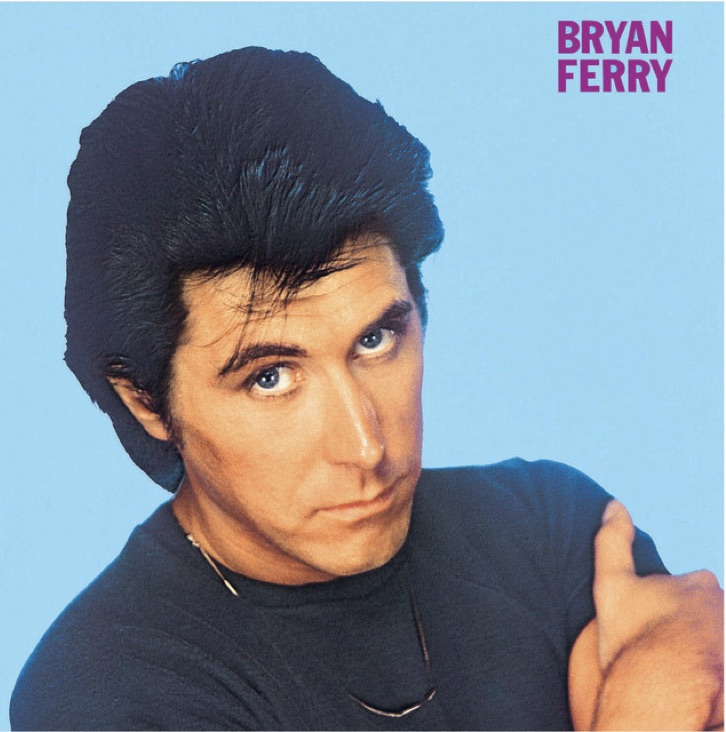
Bryan Ferry – These Foolish Things

I’m not a fan of early Roxy Music, and to go by his first solo album, frontman Bryan Ferry may have been having some issues of his own with the band’s quirky and often uninviting output. His apparent solution was to do an album of nothing but cover versions, and if you’ve been playing along at home, you know that’s catnip to this tabby. I love this album from wackadoodle beginning to heartfelt ending, but it doesn’t mean it all works equally well. To truly appreciate a cover, you need to also know the song that’s being reinterpreted, and that doesn’t always go to Ferry’s favour. (Here’s a little playlist that I made if you want to do your own comparison.)

Let’s get the misses out of the way first. To adopt my late Uncle Brad’s comment on something reckless I had done, it takes more balls than brains to cover a Smokey Robinson song, and maybe he’d have been wiser to stay away from the luscious perfection of The Miracles’ “The Tracks of My Tears”. His innate eccentricities likewise get the better of him when he tackles The Beach Boys’ “Don’t Worry Baby”, losing the simple romanticism of the original. Finally, on “Piece of My Heart” he is competing not only with the well-known Janis Joplin version, but the blistering, heartfelt, tear the MFing roof off original from Erma Franklin, and Ferry’s kind of goofy take is no match for the vocal chops of Aretha’s older sister.

Another weird thing that shows up on some of these covers is a sort of vocal vamping, like it’s “Rocky Horror Picture Show” night for the bottom two queens on “RuPaul’s Drag Race”. It’s really noticeable on Lesley Gore’s “It’s My Party”, which – sidebar – I now see as an empowering tale of a young lady with an IDGAF attitude who is owning her right to be publicly miserable because she’s been screwed over by a jerk, no matter how awkward it is for everyone else.

Some of the songs that work best have a tempo that is sped up from the original. Bob Dylan’s “A Hard Rain’s a-Gonna Fall” goes from stately protest song to rollicking madhouse rant. The Everly Brothers lite of The Crickets “Don’t Ever Change” is turned into a dance tune, with handclaps and dramatic piano. It will put a smile on your face, but also leave you questioning his intent: it is never entirely clear when Ferry is being serious or putting us on, when he’s being a romantic or a dick. And the wispy sweetness of The Paris Sisters’ “I Love How You Love Me” becomes a raunchy, sexual doo-wop: instead of letterman jackets and fraternity pins, there’s dance floor groping and couples being pulled apart by watchful teachers. 

Some of these songs just seem to fit Ferry better than their originators. It is blasphemy to say this about one of my favourite Rolling Stones tunes, but Ferry’s weirdness makes for a believably slick Satan as opposed to Mick Jagger’s seductive version in “Sympathy for the Devil”. His more mature sounding voice strips away the sweetness that Paul McCartney brought to “You Won’t See Me”, making for a more accusatory tone that better fits the lyrical content of a messy romance in its endgame. Likewise, there is a deeper tone and a more desperate vocal in his version of Four Tops’ “Loving You is Sweeter Than Ever”, so that Ferry does a better job of drawing the listener in to the celebratory tale of finally finding real love by dropping his cool for a moment to show the emotion he feels. Finally, the album ends with the oft-covered title track, which starts out like a piano bar lament, with the tempo rising as Ferry ticks off the little things that remind him of his lost love. But it’s a jaunty tune, and never maudlin: he misses his lost love, but has no regrets about it.

In the end, Ferry followed his muse, and while I don’t think it’s entirely successful, it’s still a lot of fun, just a guy singing songs that he loves the best way he knows how. There are two Roxy Music records coming up when I reach 1975, and dear God, I hope some of that fun stuck around for those albums.

Pazz and Jop 1974 #13

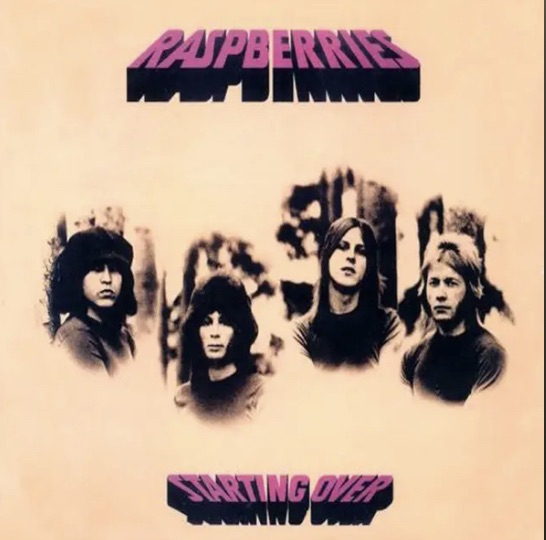
Raspberries – Starting Over

My first awareness of the musical genius that was Eric Carmen came via the Bay City Rollers. On the Rollers’ 1976 album “Dedication” – the one with Ian Mitchell – the opening track is a catchy number called “Let’s Pretend”. One evening, 12-year-old me was playing the album when our baby-sitter – likely only a few years older than me in classic John Mulaney fashion – said the song was by Raspberries. “Who?” I wondered.

Now, before long, Carmen would become a big part of my musical childhood. Shawn Cassidy’s covers of “That’s Rock and Roll” and “Hey Deanie” were part of my 45 collection, as was Carmen’s own “She Did It”. He had other hits, of course – at times, “All By Myself” has been pretty much inescapable – and if I was then who I am now – and had access to a Spotify account – I absolutely would have given Raspberries a listen.

It’s a little more complicated now. These days, you can’t consider Carmen without acknowledging the bloated orange elephant in the room. Yes, he became a Trump supporter, and while I prefer not to dive too deeply into that foetid pool, I remember him getting into Twitter pissing matches with Peter Frampton and the always delightful Richard Marx, plus Amy Lofgren said he was “rabid”, and that’s good enough for me. It became even more complicated when Carmen passed away last week. His story has been written, and the later chapters have some clunkers, with no time for another edit.

For me, all of this makes Carmen another one of those litmus tests about separating the artist from the art. Some of those choices are easy – my life is no less, and probably a lot better, for not having the likes of Ted Nugent and Kid Rock in it. I do not miss R. Kelly, Woody Allen movies, “Dilbert” comic strips or “Love Connection” reruns. Michael Jackson is a bit trickier, and I just can’t quit Kanye. (I’m really hoping he gets some therapy. Redemption is still possible!) Carmen supported a man who has said and done awful things and is making it clear he’ll do much worse if he gets another chance. But this is about 25-year-old Eric Carmen, and I’m giving that guy a chance. So while he may have become a piece of shit in his later years, maybe he wasn’t a piece of shit then, or at least he had the decency to limit the damage caused by that shittiness to his inner circle. Either way, I tried to put the later version out of my mind while listening to this record. I needed a good long shower after, but I did it, because I am a serious person.

By the time “Starting Over” came out in September 1974, the band was running out of steam as a commercial force. Their single top 10 hit had been two years earlier, and their previous album hadn’t cracked the top 100 albums chart or produced a top 40 single. Strife had resulted in two of the four members being replaced over the previous year. They were clearly a band in transition, though they were in fact in their death throes: they never released another studio recording. But, as evidenced by its position on the Pazz and Jop, their collective creative juices still had one last blast of power pop to set free into the world.

Except it isn’t really a power pop record, is it? That’s how we usually think of Raspberries, but this is without a doubt a rock record, and more specifically a “rock band” record. There are songs about being on the road, about the pressure to succeed, about figuring out your path as an artist and as a person. And, of course, there are songs about romantic entanglements, where difficulties are often connected to that life on the road. It’s an album that is infused with the travails of the artist’s life, and the desire to have the freedom that comes with that but also the stability of success. 

The lyrical content of the romantic side of this pairing highlights challenges in matters of the heart (the bitter I-don’t-want-you-back screed of “Cry”, or the delicate beauty of the album’s closer, “Starting Over”, which evokes the image of couples holding hands, swaying on the lawn at an open air show, as they explore a new love) and groin (the hoped-for threesome of “Hands on You”, the “please leave” afterglow of a drunken hookup in “All Through the Night”). But these are all secondary to the pull of creating music: to the thrill of hearing your song on the radio, of being on stage, of creating and dreaming. In the end, there are heartbreaks and failures along the way, but no one would ever willingly give up the rockstar life: the perks are too high to be lost in the noise of the lows. If there is an overarching theme, it’s freedom – to go where you want to go, do what you want to do, sleep with who you want to sleep with without commitment or consequences: the hippie ethos. The spirit of the Summer of Love still alive seven years later.

Musically, what stands out is that on a number of tracks – notably “Overnight Sensation (Hit Record)”, “I Don’t Know What I Want” and “I Can Hardly Believe You’re Mine” – the drums are prominent, not buried in the backbeat but crystal clear and as critical to the sound as any other instrument. Piano is also an important element, tinkly here, honkytonk there, and it lends a southern rock vibe to some of the tracks (“Party’s Over” could have been a Lynyrd Skynyrd B-side). Cribbing from other artists is frequent: there are sweet Beach Boys-esque harmonies on tracks like “Overnight Sensation (Hit Record)” and “Cruisin’ Music”, the goofy acoustic singalong “Hands on You” feels like a Beatles throwaway, and I’ll just have to take the word of the many, many, many more knowledgeable music writers who are hearing Elton John and The Who in these songs. Maybe what they are hearing is the sonically dense, epic feel of many of the tracks: it’s a busy record, the instruments sounding sometimes like they are competing with each other, but completely harmonious in its execution. 

There isn’t a weak song here, and though “Overnight Sensation (Hit Record)” is justly praised as the record’s spiritual centrepiece, my favourite track is probably “All Through the Night”, with its dive bar chug and frank statements on the sexual mores of the scene: “Don’t you tell me your last name / I won’t recognize you after tonight” and “Now that I’ve already had ya / I’m gettin’ bored with the idle chitchat”. 

Carmen wasn’t a one-man show – band mates Wally Bryson and Scott McCarl also contributed songwriting chops and lead vocals, and then there are Michael McBride’s epic drums – but he’s the person most associated with Raspberries, and the only one who had any sort of commercial success outside of the band. There is the kind of optimism that only the young have: he sings that he wants a hit record, not the money that might come with it. I suspect that if 2024 Eric Carmen had a time machine, he would have gone back and slapped his 50 years younger self. Hopefully, 1974 Carmen would have slapped him back twice as hard.

Pazz and Jop 1974 #12

Gram Parsons – Grievous Angel

The mythology of the singer-songwriter leans heavily on the second part, singing on its own somehow being perceived as a much less considerable artistic accomplishment. Squaring this with Gram Parsons is tricky because roughly half the songs he recorded – counting his first four albums as part of three different bands (it seems Gram did not always play well with others) – were written by someone else. (Showing the delusion of music writers when discussing their heroes, I read one article that redefined “prolific” by applying it to his output.) The peak – or low – of this comes here on “Grievous Angel”, where he covers his own “Hickory Wind” from the one record he made with The Byrds. One wonders what mix of admiration for others and inability to generate enough of his own material played into this.

There is, of course, no way of knowing what shape – if any – this record might have taken had Parsons lived to see it through to completion, let alone where the rest of his career might have gone. Certainly, his widow made some changes (allegedly due to jealousy over the large part played by Emmylou Harris in her husband’s artistic life), but even without that, there will always be the question of whether Parsons might have made different choices if he had seen it through to completion rather than keeping busy killing himself piecemeal. What we have instead is the idea of a Parsons record, rather than a Parsons record itself. 

Yet, such quibbles aside, what remains is a firecracker of an album, and one that somehow and contrarily feels more complete than his previous record, “GP”. The opener, “Return of the Grievous Angel”, is a mighty twang of a road song from a singer who’s had a few too many cigarettes and one too many beers. A lovely mellow piano stands out in this tale of a weary traveller who knows where he wants to go: “straight back home to you”. The mournful “Hickory Wind” is thematically similar, only this time the longing is for the home left behind.

There is a lot of loss on this record. “Hearts on Fire” has subtle piano and weepy steel guitar with nifty little picking underneath in a tale that mixes anger and a desire to be free with the enduring frozen-in-time love of the betrayed. The delicate rhythms of “Brass Buttons” are a sort of sense memory as the narrator recounts the details that distinguished a lost love to him. The ambiguous tale in “$1000 Wedding” – is the bride-to-be deceased, or did she merely abandon the groom-to-be at the altar? – is poignant either way, with sombre piano and Parsons’ most impassioned vocal.

When the tempo picks up, Parsons’ rock side doesn’t let him down. Honky tonk piano and southern rock guitar pace the rollicking tale of a girl who can get you to do things you otherwise wouldn’t on “I Can’t Dance”. The faux live version (the cheers and other audience sounds were created in the studio) of “Cash on the Barrelhead” races along, and “Ooh Las Vegas”, the only track on which Harris is formally co-credited, feels like a song that Elvis Presley should have covered.

The album ends with “In My Hour of Darkness”, a spiritual tale of friends who are no longer with us. The second verse could be about Parsons himself, and whether he was foretelling his early end or merely mocking how others perceived him is unknowable. Spiritual doesn’t mean religious, and while some have suggested that he was turning to God “In my hour of darkness / In my time of need”, this is inconsistent with how Parsons was living his life at the time. This makes me wonder if he was cynically parroting the advice he received from others in difficult times. And what he asks of God – to be granted vision and speed – are not stereotypical Christian desires. If Parsons is talking to the Almighty, it’s because he’s looking for a quick way out, not turning himself over to the Lord.

Parsons was a complicated person (but then, aren’t we all?), and whether his genius was amplified or blunted by his dedication to abusing substances is the kind of question that can be asked about a lot of artists. His star burned only briefly and was never very bright during his lifetime, but I’ve listened now to every album he was ever a credited artist on and there isn’t a dud in the regrettably small bunch. A week or so back, I was discussing music of the early 1970s with a similarly aged colleague and I mentioned Parsons in passing with a group that included Jackson Browne, Joni Mitchell and Neil Young. Those are his peers, and that they are still here and creating while Parsons is not is a tragedy. He was every bit their equal then.

Pazz and Jop 1974 #11

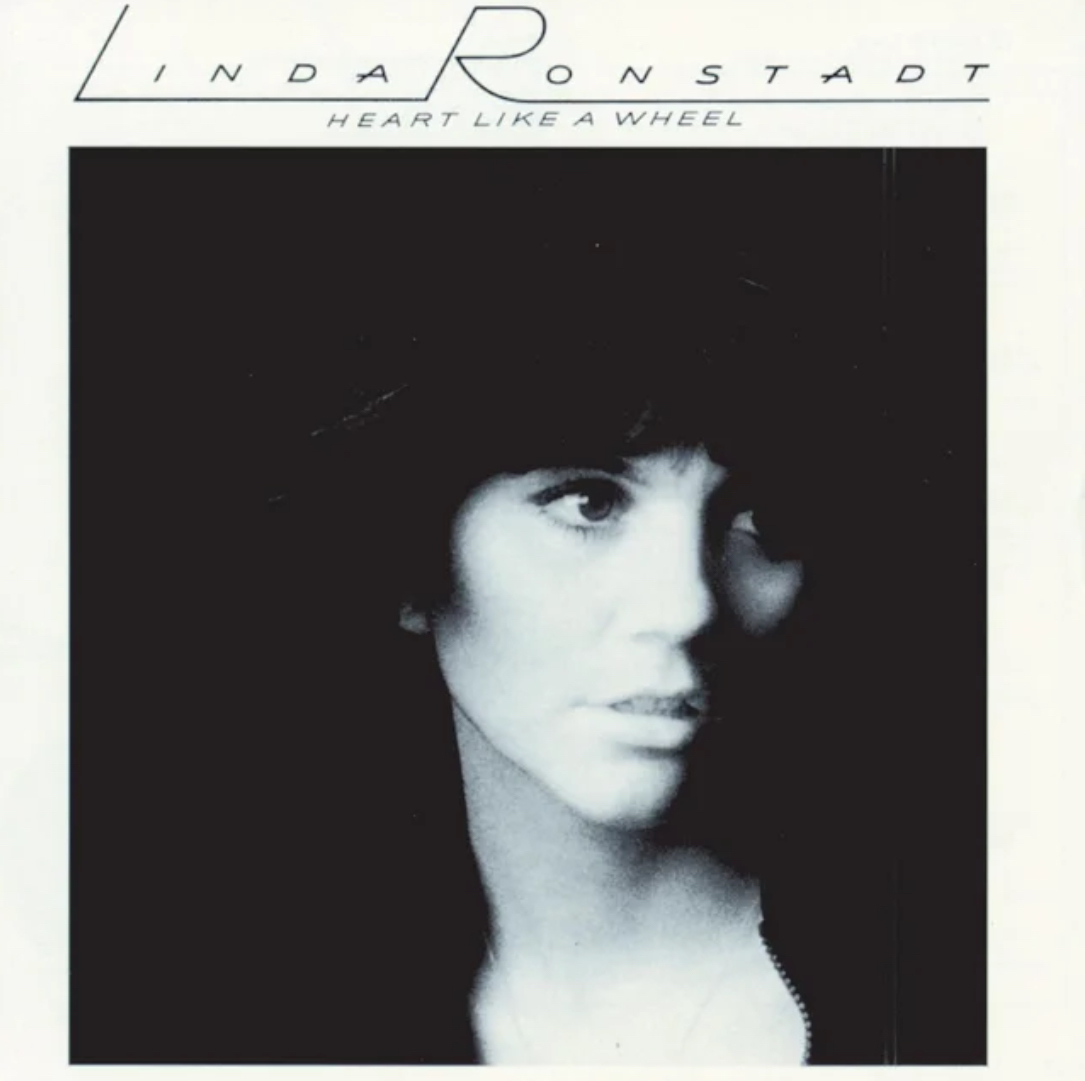
Linda Ronstadt – Heart Like a Wheel

When you decide, as I have, to put on the record your opinion about something, that opinion had better be right. Not “right” in the sense of true or false (since I believe there is no such thing when it comes to music), but in the sense of being a true expression of what you believe. Because while it is fine to change your mind over time, you should at least be clear about why you had a particular opinion in the first place.

With that in mind, I ask: How many chances should you give an album to win you over? The question matters a lot to me because, tragically, I’m beginning to think I need to listen to “Aqualung” again. For Linda Ronstadt’s “Heart Like a Wheel”, after three plays I felt completely lukewarm about it. I was sitting on my couch, writing an earlier version of this post, with the album in the background for a fourth run through, when I unexpectedly found myself singing along. Up to that point, I was certain I was the wrong audience for this record. That’s the best explanation I could come up with for why I found most of it so, well, bland.

I was not a Linda Ronstadt fan growing up, though her music was a regular part of my listening diet in the 1970s thanks to its prevalence on CJCB. It was sort of perfect for that time and place, with a blend of folk and country influences filtered for a pop audience, making it something you could play at any time of the day. “Heart Like a Wheel” produced hits on the pop and country charts, and the artist who could pull that off was catnip for a split format station like CJCB. My feelings about her music weren’t helped by her wussy cover of Elvis Costello’s “Alison” in 1979 (which still sucks), yet a year later I rather liked her turn to a rockier sound with the hits “How Do I Make You” (the songwriter was influenced by “My Sharona”, so I was helpless not to like it) and “Hurt So Bad”.

I never felt compelled to listen to any of her albums, and wouldn’t have now but for the Pazz and Jop showing this one so much love. So, here we are. Which is where?

Here’s the thing: I tend to like music that surprises me the first time I hear it, and I almost never felt surprised by the sound of this record. It’s all very professionally done, with excellent musicianship (shoutout to Andrew Gold especially) and that luscious voice. But I almost never thought, “Huh, I didn’t see that coming” or “That’s an interesting choice” with this record. There are a few of those moments – when JD Souther joins in on “Faithless Love”, the epic soundscape of “The Dark End of the Street”, her attempt to sound like a McGarrigle on Anna’s “Heart Like a Wheel” (and the strings on said track), the guitars on “Keep Me From Blowing Away” – but mostly it’s just Linda being Linda, which is pleasing enough to the ear, but did little for my soul.

This situation wasn’t helped by all but one song being a cover, so not only did I already know several of these tunes, but I could also check the others against the originals. (Here’s a playlist of those tracks.) Her “You’re No Good” lacks the impertinence of Dee Dee Warwick’s. James Carr’s “The Dark End of the Street” has a sense of danger that is lost when Ronstadt sings it. Even my general lack of interest in southern rock isn’t enough to make me pick her version of “Willin’” over Little Feat’s. You can’t argue with her taste: these are all great songs. I just kept wishing she had done something more daring with them.

But the twist was that the more I listened to the album, the more interesting it got, though it’s an emotional complexity, not a musical one. She imbues “The Dark End of the Street” and its tale of forbidden love with great depth of feeling, and you almost feel the pain of the lost soul in “Keep Me From Blowing Away” (the pedal steel guitar does some heavy lifting here). (Also, check out My Chemical Romance’s “Welcome to the Black Parade” – the slowed-down opening of that anthem feels like it jumps off from the latter tune.) My favourite is the album’s closer, James Taylor’s “You Can Close Your Eyes”, and it feels transcendent when her voice rises on the second line of the chorus. 

It was a roller coaster ride, and what I am left with is a record that I sort of begrudgingly love, or at least a big chunk of it. My adoration of cover versions isn’t without limits: I don’t need Linda’s “It Doesn’t Matter Anymore” when Buddy Holly’s is already perfect. It doesn’t all work, but the parts that do are sort of miraculous in their ability to make your spirit soar. It makes me glad for that fourth listen (and I’ve since added a fifth), even if it means that another date with Jethro Tull probably awaits me.

Pazz and Jop 1974 #10

New York Dolls – In Too Much Too Soon

New York Dolls are what you would get if a band from the late ‘50s was suddenly transported to the early ‘70s, took a look around and decided, “We can work with this”.

I liked their previous album, but it took time for me to warm to it. This one grabbed me right away. It has a cleaner sound, more accessible, but still frenetic. Initially a punked up version of glam, while the punks got dirtier as the ‘70s progressed, the Dolls were getting cleaned up, even looking like a more traditional rock band. There’s a strong rockabilly feel to some of their songs (the American parts of “Stranded in the Jungle”, “Bad Detective” – and, yes, these are very racially problematic tunes), lots of harmonica (with a nice solo in “Don’t Start Me Talking”), and backing vocals out of another time (“Bad Detective” again). They are a band with one foot stuck firmly in the past, and my two favourite tracks reflect this. “Who Are the Mystery Girls?”, with handclaps and those nostalgia inducing backing singers, has the feel of an old fashioned pop song about love and romance (though it’s not clear what they’re actually singing about). And for all the grinding guitars of “(There’s Gonna Be A) Showdown”, the song could soundtrack Paul LeMat versus Harrison Ford

At times it feels like a great dance record, with lots of toe tappers, and it’s legitimate to wonder if it’s too poppy to still be punk. David Johansen is a playful frontman, with a sort of yelly singing style in which he over pronounces while slurring at the same time. It comes across as very mannered – Jaggeresque without Mick’s soulfulness. They try hard, from the dirtied up blues riff that opens “Babylon” to the muffled guitars on the closing tracks, but it feels like they never completely let their guard down and just play – they want so badly to be genuine punks, but they’re just a little too talented to go that route. “Human Being” might have the least grit of any gritty song I’ve ever heard, and it’s the closest they get to being unrestrained and messy, in the best way.

I get why a lot of people – including some of the band, apparently – prefer this record to the first. I like the DIY feel of their debut (despite the aid of the estimable Todd Rundgren), which gives it an energy that this one doesn’t have. But as follow ups go, there may not be many better.

Pazz and Jop 1974 #9

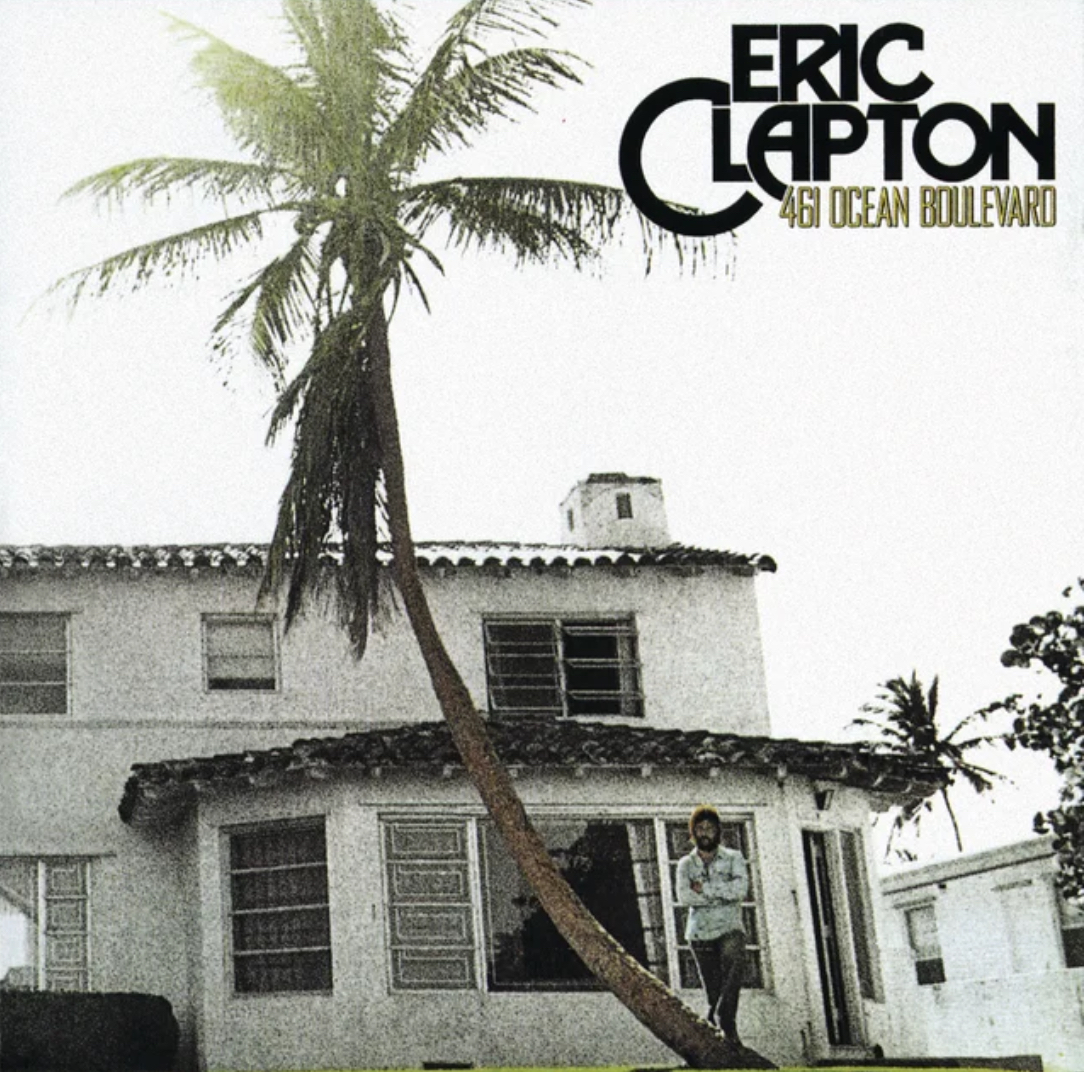
Eric Clapton – 461 Ocean Boulevard

As a body of work, I’ve never had much interest in Eric Clayton’s music. “Layla” is an all-time great, and I liked some of his singles from the 1970s and 1980s, but I have never once felt compelled to check out his albums, whether solo or with any of the several successful bands he’s been part of. It just wasn’t a sound that I connected with overall, and that’s fine: we all have to make choices.

Then came the tragic death of his son (followed years later by Anthony Jeselnik’s brilliant and completely tasteless joke – I won’t link to it here because it’s very dark, but search “Jeselnik Clapton” on YouTube if you’re curious and have a high tolerance for inappropriate humour), and the absolutely dreadful song that he wrote about this loss. I know that an awful lot of people love “Tears in Heaven”, and I won’t argue with that, but to me it’s just mawkish and, frankly, pandering to sentiment for commercial gain. I respect the need to write it as therapy and a memorial to his child. I just wish he’d stopped there.

Anyway, Clapton is the kind of artist who can force you to decide whether you can still enjoy the art while loathing the artist. Let us never forget that “Layla” was written about a woman who he was trying to steal from her husband, who was supposed to be his friend. More recently, he’s held some really shitty and dangerous beliefs during the COVID pandemic. There’s a past history of horrific substance abuse, and he blamed the former for a racist diatribe from an English stage that not nearly enough people seem to know about. The racism also is in the context of a man who feathered his pockets on the backs of Black blues greats. There is a LOT of evidence that he is something of a douche, at minimum, and a monster at worst.

And yet, there is the music. I came to this album, with my historic disregard for his music and general loathing of his person, ready to dislike it. Alas, it was not to be, because it’s a pretty awesome album.

Recorded after Clapton got off heroin, “461 Ocean Boulevard” (named for the street address of the house he lived in while recording) is a shambling record, completely at ease with itself. I don’t want to say he was taking any risks here, since half the songs are covers of old blues or traditional tunes, but Clapton was also definitely not mailing it in: there is a genuine sense of commitment in almost every track. For a guitar god, he made an album where the guitar is not merely a showcase for his playing. On, for example, “I Can’t Hold Out”, it’s played with finesse, not pyrotechnics: careful, technically precise playing, getting the notes right, making sure it is in service of the song. If any instrument takes centre stage overall, it’s the keyboards: the light ballpark organ of “Give Me Strength” gives the track a Christian spiritual feel, and it is similarly highlighted on “I Can’t Hold Out” and “Mainline Florida”.

He’s playing (lightly) with genre here, with souped-up southern rock on “Motherless Children”, sauntering blues on “Willie and the Hand Jive”, low-key funk on “Get Ready”, reggae-lite on “I Shot the Sheriff”, and barroom blues on “Steady Rollin’ Man”. “Let It Grow” feels like the next-to-closing track on a prog rock album, after the hero’s journey is at an end and he’s summing up what it all means before the hallelujah ending. The only real rocker is “Mainline Florida”, and it’s the track that is the most fun and features Clapton’s best vocal for my money. There’s a disjointed feel to several of the songs (on “Get Ready” in particular), with the instruments finding a weird harmony by competing with each other. These last two are my favourite songs on the album, along with “Give Me Strength” and “Please Be With Me”.

It’s far from a perfect record: some tracks run too long (“Motherless Children” runs out of ideas about 90 seconds into its almost five-minute run time), and most of the lyrics are nothing to get excited about. At its best, the album feels like the peace that comes at the end of a long battle, with the person you love most at your side. I don’t know if Clapton deserves that peace – see above re the racism, substance abuse, vaccination denial and wife stealing – but he definitely earned it. I guess there’s some form of redemption to be found here, though I leave it to others to put in the work to find it: he’s too much of a dick for me to bother.

Pazz and Jop 1974 #8

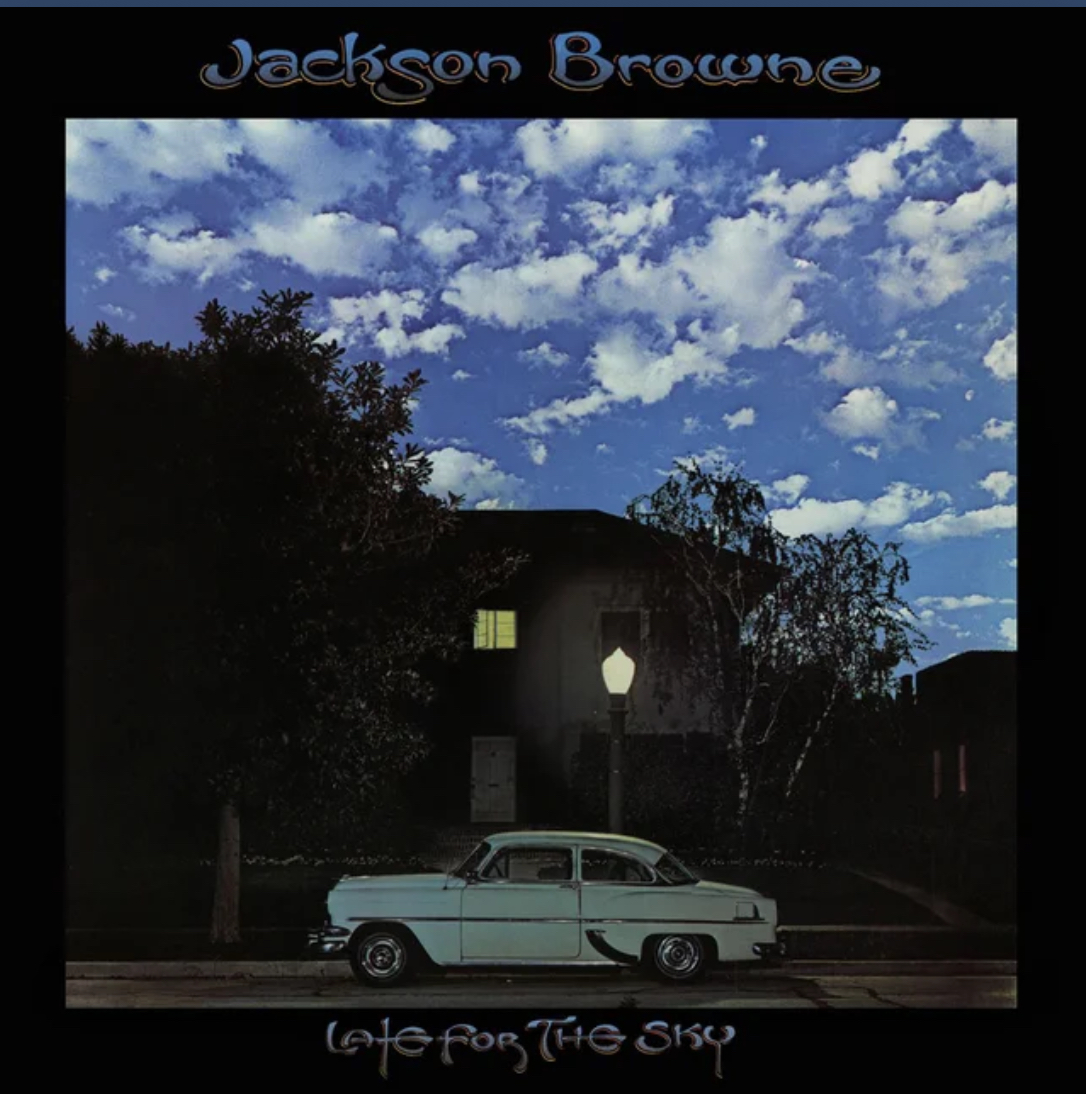
Jackson Browne – Late for the Sky

I’ve never been able to wrap my brain around the love that critics once had for Jackson Browne, and listening to “Late for the Sky” three times hasn’t gotten me to the point where I’ve solved this particular puzzle. Like most early 1970s soft rock, it makes for a great accompaniment to those mundane tasks of daily living, like laundry or emptying the dishwasher. It rarely challenges you, rarely forces you to listen carefully. It’s background music, and dear lord we certainly need that: the world is just a better place to be in when it has a soundtrack. But other (mostly) White guy bands like Chicago and the Doobie Brothers were also doing a damned fine job of that, and critics weren’t building temples to them. So, why the love for Mr. Browne?

I sometimes like to think of Browne as Eagles-lite, with both frolicking in that same soft rock playpen, and you would think critics, who often seem to be in the business of jerking off their musician friends, would have been all over that band, yet you would be wrong. “Hotel California”, the 118th ranked album of all time in the last Rolling Stone poll and #108 at Acclaimed Music, could not crack the Top 30 of the Pazz and Jop in either 1976, when it was released, or 1977, when it had dominion over our airwaves. I am no fan of the Eagles, but that is just whack. What the fuck were they listening to? A lot of Graham Parker, for one thing and, in 1977, more Jackson Browne.

So, what of this album? There’s a real lethargy to a lot of it, a laid back California cool that lacks the dirty passion of truly great rock. No one here seems to be breaking a sweat: it sounds pristine, the musicianship is sharp and precise, and with every perfectly bland note you can sense the early punks gritting their teeth.

There are two exceptions. “The Road and the Sky” is a honky tonk rocker, and you can almost hear his band saying, “Hell, yes”, as they dive in, with great piano and some slick shredding. But Browne’s heart isn’t really in it: he seems uncomfortable with the pace, his vocal showing no more fire than when he’s singing about another beautiful sunset. He gives the band 3:07 to have some fun, then it’s back to our regular programming. He feels more committed on “Walking Slow”, an almost danceable tune with some funky bass notes, a nice guitar solo and joyful handclaps.

A few of the slower tunes stand out, at least in some of their elements. The title track is lovely, a meditation of sorts with a real sense of loss and wonder, and a tune out of a contemporary western. There is lots of pleasing piano on “The Late Show”, and a melancholy beauty to what I think is fiddle on “For A Dancer” and “Before the Deluge”.

Maybe the fourth listen, or the fifth, will be the one when the light turns on. I’ll be spreading peanut butter on a piece of toast, the sliced up banana and Nutella off to the side, when Browne will sing “When the light that’s lost within us reaches the sky” (a lovely line, to be sure), that beautiful fiddle will play us out, and I will stand at the kitchen counter, stunned, while the toast turns cold and dry and the banana ages out of my eating range. I felt that just a tiny bit right now, so I know it can happen. I’m rooting for you to get me there, Jackson.

Pazz and Jop 1974 #7

Roxy Music – Stranded

Every time I listen to early Roxy Music, all I hear is a band that’s trying too hard to – well, what they want to accomplish is the mystery, but it definitely isn’t about entertaining the listener. Yet again, they seem to be trying to straddle a non-existent line between art band and pop band, never realising that the latter is worthy of being art on its own terms. What they end up with manages to accomplish, well, not much worth listening to, for my money.

Oh, it isn’t horrible: they are talented musicians and songwriters, and that has value, but somehow it all just feels horribly flat when the whole package comes together in the grooves. When I look at the track listing, not a single title comes back to me in my imagination. I make notes (because I’m a non-professional, damnit), and from those I can tell you what stood out. But even if my future non-professional music writer status was on the line (it could happen), identifying without prompts what I liked about this album would tax me beyond recovery.

From those notes, I can tell you that Bryan Ferry’s odd vocal style sounds at times like an alien trying in vain to master the local tongue. That the songs are mostly too busy, with jarring tempo shifts and a wilful opposition to allowing anything that pleases the ear to continue unassailed. That a lot of this feels like progressive rock without the label.

As for the individual songs, I like the warped funk opening of “Amazona”, the interplay of drums and piano on “Just Like You”, the piano opening on “Sunset”. Besides these snippets, the powerful “A Song for Europe”, with its “Berlin”-era Lou Reed vibe, beautiful tinkling piano and tempo shifts that are not merely ornamental but increase the song’s drama, is the one track that feels like it finds a balance between whatever artistic statement the band is trying to make and actually giving pleasure to the listener.

I won’t escape Roxy Music anytime soon – two of their albums made the top 20 of the Pazz and Jop in 1975 (a year full of pairs). My hope is that even the embryo of the band that made “Avalon” had shown up by then. Otherwise, I may just recycle this post and change the names where appropriate.