One Hit Wonderment #4

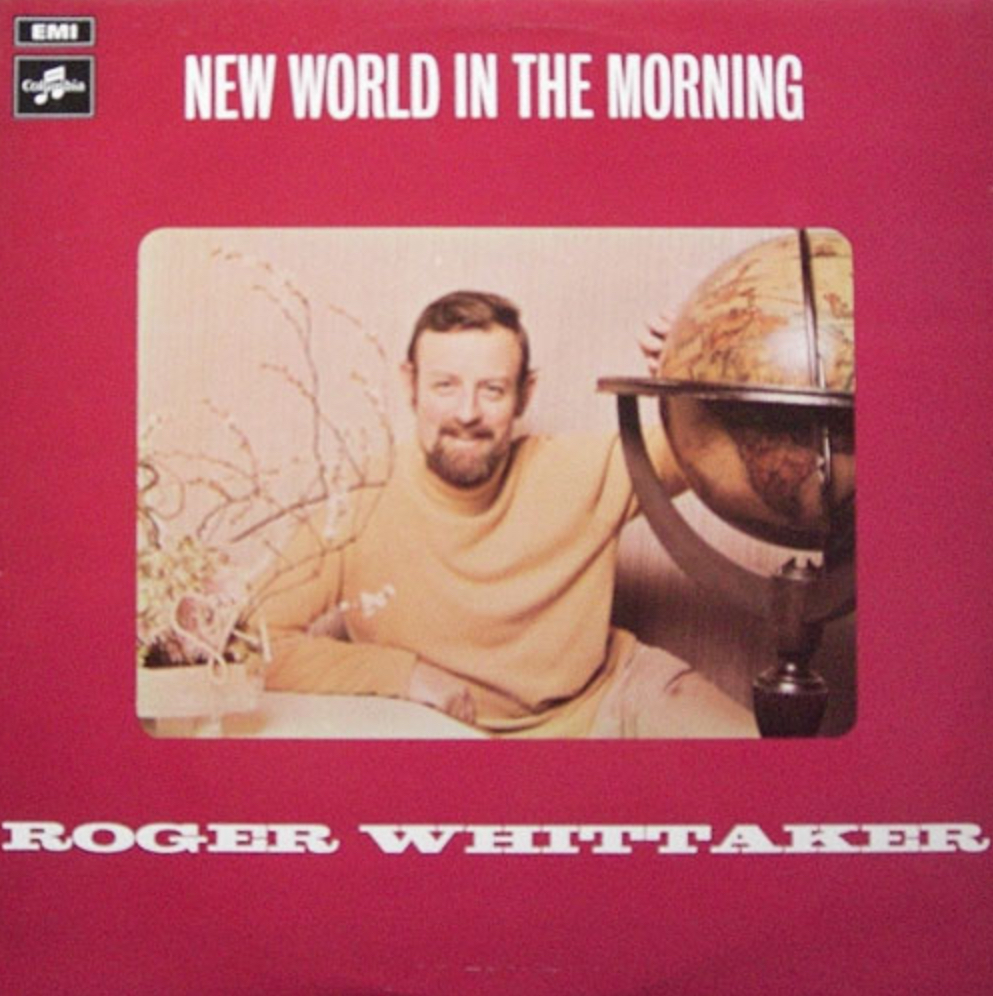
Roger Whittaker – The Last Farewell

Any successful relationship almost certainly requires that the participants change. It’s just simple logic: if all people are unique – and I believe we are – then the work of fitting your life into your partner’s and vice versa means, at a minimum, that there will be edges to be planed down. Or maybe it’s more about appearances, like applying a fresh coat of paint, or something more substantive, like ripping out the plumbing or adding a room. (Can you tell we’re going through a renovation right now?) Whether it’s a job that a Tim Taylor can handle, or if you really need an Al Borland, what matters is that the work gets done.

Of course, this applies to all unsuccessful relationships, too. And that is how I ended up at a Roger Whittaker show circa 1991/1992.

Fandom doesn’t really have age categories. While we probably think of the fans of Sir Tom Jones as ladies in their golden years, a work colleague who is probably (a gentleman never asks) not yet or at most barely 30 somewhat sheepishly professed her love for the silver Welshman to me when admitting that she was accompanying her mother to his show for her own reasons. So it is no comment on my 12 years older then-girlfriend’s musical tastes when she dragged 26/27 year old me to the Whittaker show. Except, of course, that it is.

I heard Whittaker on the radio a lot while growing up, so I was surprised to see he’d only had a single song hit the Billboard top 40. As it turned out, while he had multiple chart hits in the United Kingdom, Ireland and the Netherlands, Canada may have been his biggest market. In 1982, he even charted a song called “Canada Is” in a classic bit of sucking up to the already converted. He had only two “pop” hits here, but between 1970 and 1990, no less than 18 songs reached the top 20 of the adult contemporary chart, including two #1s. But not “The Last Farewell”, which peaked at #3 on the AC chart, as well as at #9 on the pop chart. But its chart performance doesn’t really tell the story of “The Last Farewell”: with roughly 11 million physical copies sold worldwide, the 45 is in very lofty company. Also at that number is a song from Cher, but more impressive is the next group in the 10 million range: Bing Crosby, George Harrison, Elvis Presley, The Monkees, Toni Braxton, ABBA, Paul Anka, Britney Spears, Procol Harum and, umm, “My Sharona” by The Knack.

I don’t remember much about the show. It was at Massey Hall, so the audience was well-behaved and quite elegant, at least by my standards of the time. Everyone remained seated throughout – it was more like going to the theatre than a concert. I recognized an awful lot of the songs, as if I needed more proof that Whitaker had been a big part of my subconscious aural life. And I had a reasonably good time – Whittaker was an amiable and relaxed performer, and the dude could whistle, a skill which never fails to impress me since I am, sadly, most inept when it comes to turning that part of my body into a musical instrument. (Drumming on pretty much any bit of my anatomy that I can reach is a different story.) His whistling was one of the things my girlfriend had been looking forward to – she was actually excited about it – and he did not disappoint.

On listening to “The Last Farewell” now, I was initially sort of boggled by how well the song did until I looked at the rest of the top 20 from its peak week of June 21, 1975. It fits in rather comfortably with a lot of the tunes ahead of it: Michael (Martin) Murphey’s “Wildfire”, Jesse Colter’s “I’m Not Lisa”, “Sister Golden Hair” by America, John Denver’s “Thank God I’m A Country Boy” and “I’ll Play For You” from Seals & Crofts. And radio playlists of that era always had room for the occasional folkie, no matter how truly old fashioned his style might be. Whittaker was probably fine with that – he just kept doing his thing for close to another 40 years.

As for this record, well, I just cannot connect with it in any way. I never paid attention to the verses, so I didn’t know that it’s about a sailor who heads into battle and, even as the possible end of his days looms darkly, he is remembering the great love of his life, and dreaming of the day when he returns to her. The lyrics – written by a silversmith who sent them to Whittaker for a radio contest – are quite poignant, but the whole thing is made unbearably mawkish by the music. It begins with an orchestral swell, before settling down to sappy strings, gently strummed guitar, tinny piano and poser martial horns. A few piano keys struck at the 31-second mark are a lovely note, but the rest is just a bombastic overproduced mush of sound with nothing distinctive about it, save for Whittaker’s warm vocal. Done live, and possibly off the cuff, without the orchestra or a faux attempt to recreate one, it’s just a whole lot more palatable to these ears.

Whittaker retired around 2012, and took that retirement seriously: he didn’t release any music nor, as best I can determine, perform publicly in the last decade of his life. But musicians never really stop making music, and he was still touting his continuing whistling ability in late 2014. He passed away in September 2023, aged 87. I hope he went out whistling.
Classic Songs of My Youth Revisited #33

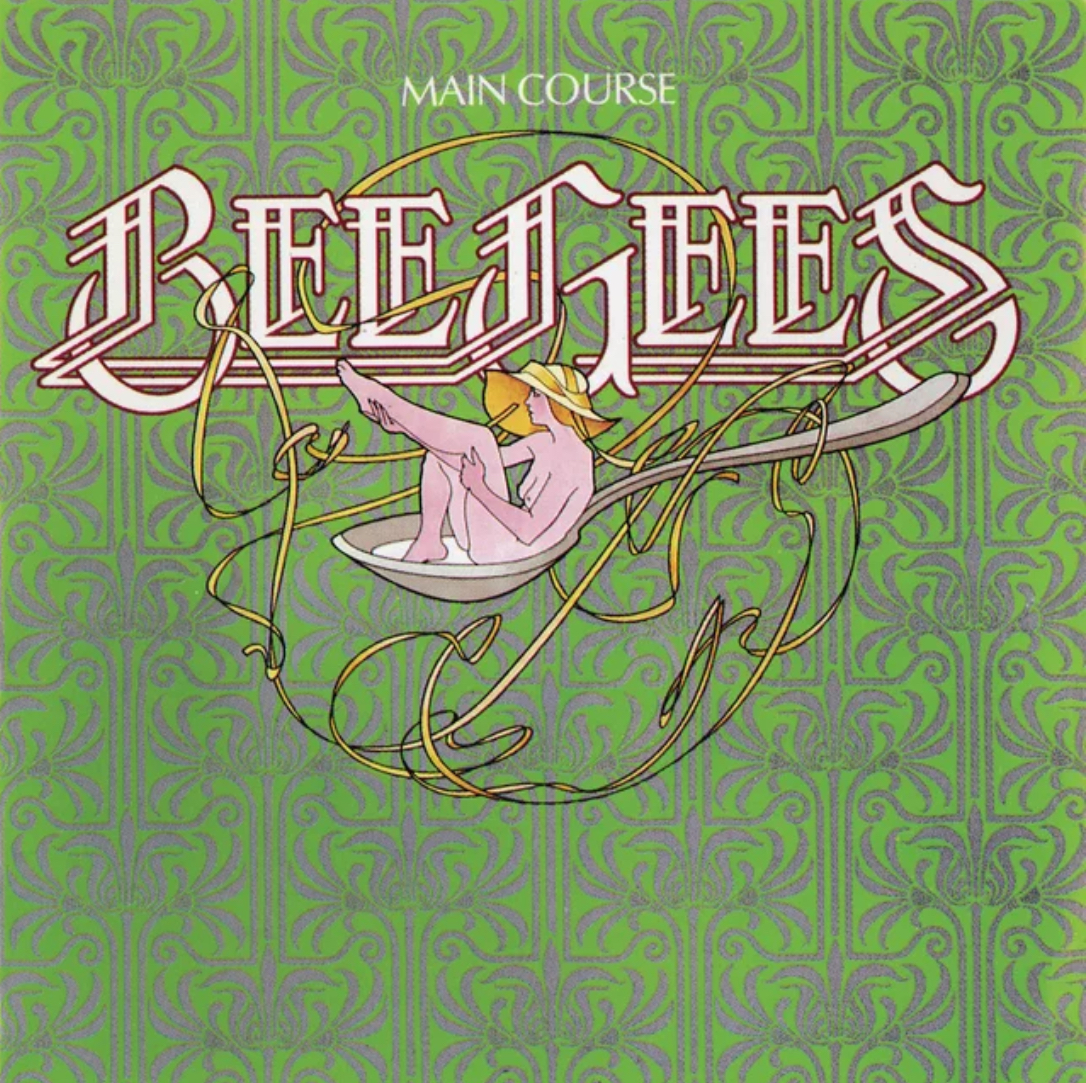
Bee Gees – Fanny (Be Tender with My Love)

On the landing page for this site is a photo of three all-time favourites – Prince, Elvis Costello and Billy Joel – but it could just as easily have been a photo of the three brothers Gibb. For while those artists have fallen in and out of favour – Prince released some barely listenable records, Costello’s “North” will have you looking for synonyms for “dull”, and Joel could deliver a dozen songs like “Scenes from an Italian Restaurant” and still not clear the unforgivable stench of “We Didn’t Start the Fire” – I have never not loved the Bee Gees, or at least the version that I grew up to. Even when much of the world abandoned them in the alleged disco backlash of 1979, I kept playing all my “Saturday Night Fever” 45s, and even the less pleasing tracks on “Spirits Having Flown” went unskipped.

Picking a favourite Bee Gees song was a no-brainer, which is sort of amazing since I could probably start singing without any hesitation about two dozen of them, and that’s without including Bee Gees-adjacent tunes from little brother Andy and folks like Samantha Sang and Frankie Valli. Bob Stanley raved about their songwriting chops in his magnificent book “Yeah! Yeah! Yeah! The Story of Pop Music from Bill Haley to Beyoncé”, and their insane versatility in that area is what made them stars again after every dip in their fortunes as a band. Add the unmistakable harmonies, and you have something undeniable.

Now, my wife may disagree with this choice. For all our years together, she’s been entertained by my response to “Nights on Broadway” whenever it pops up in a playlist. I have an almost physical reaction: my cares lighten, a smile etches itself onto my heart, my vocal cords soften, and then I am howling away like the poppiest pop diva. It is by far my favourite of their songs to sing along to. 

And yet, it is “Fanny” that moves me most, in part because it is probably the ballsiest song they ever recorded. I am a sucker for big epic statements in music, for rock songs that are operatic in scope and in the emotions they convey. For songs that start out gentle and build to an insane intensity that almost makes your heart explode out of your chest. For songs that are so complex in their structure that to perform them as recorded is nearly impossible in a live setting. Ladies and gentlemen, I give you “Fanny (Be Tender with My Love)”, which meets all of these criteria yet is somehow even more than that.

“Fanny” is a song about love, but, as the title makes clear, there’s a lot of trepidation on the narrator’s part about what this love might do to him. It opens with a relaxed tempo, with tinkling keyboards, slightly throbbing guitar and delicate piano bar drums. The intensity rises with the layered voices of the first chorus, then again with the roar of frustration in the second verse of “Do you think I’m gonna stand here / All night in the rain?” It’s a nice song, but it’s from 1:55 to 2:15, in the section ending “You made a promise / You’ll always love me forever”, that you first sense (1) how truly fucked this guy is and (2) you might just be listening to something great.

After another chorus, more intense than the last, voices overlapping in a barely controlled cacophony, the song reaches at 2:55 what could be its natural endpoint. There’s nothing more to say about Fanny, and you could fade out with a few more lines of the chorus and be proud of the work you put in. But there’s more than a minute left, and what a minute it is. From 2:55 to 3:10, the drums pick up and the brothers “ooh” and “aah” and almost howl before Barry comes out for one more chorus on absolute fire, displaying all the vulnerability and terror that lies at the heart of giving yourself to another person so completely, the existential “oh, fuck, what have I gotten myself into?” that every last one of us, if we’ve been lucky, has experienced at least once. Having released that pain, his energy finally depleted, the song fades out, into history.

So, maybe too much weight for a pop song? Hell, no. Music at its best triggers an emotional response, and I can listen to “Fanny” again and again and never not feel that same thrill over the last minute or so. It’s a work of studio wizardry – the brothers never played it live because it was impossible to recreate what they had done – but it isn’t clinical like so much manufactured music because the technology is warm, not cold: the genius isn’t the manipulation of a Pro Tools-wielding producer demigod, but of professional musicians committed to making something timeless and using the tech to enhance their talent, not as a substitute for it. It’s another song that I want played at my funeral (that’s going to be a kickass playlist – too bad I’ll have to miss it), and I hope people start singing along. It’s sort of impossible to resist.

Classic Songs of My Youth Revisited #27

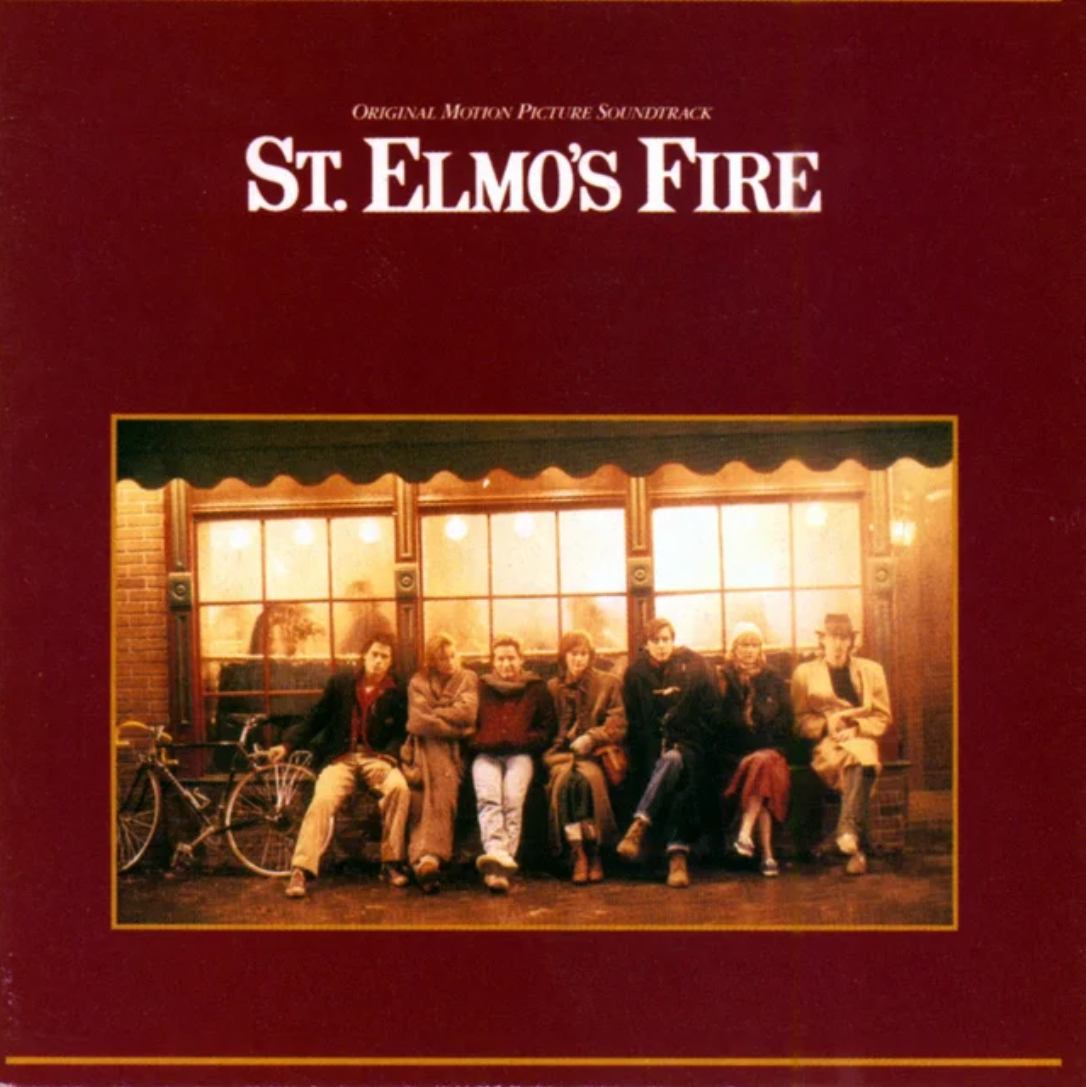
John Parr – St. Elmo’s Fire (Man in Motion)

I think that the artists and entertainers that we form an attachment to at a critical stage in our lives never stop being important to us. That has to be the case, because it’s the only way I can find to explain my lifelong interest in the career of Andrew McCarthy.

In the 1980s, I saw, relative to the total count of movies I attended and the small tally of those he appeared in, a disproportionate number of films starring McCarthy. “Class”, “Heaven Help Us”, “St. Elmo’s Fire”, “Pretty in Pink”, “Mannequin”, “Weekend at Bernie’s”: for all but the first of these, I laid down a part of my limited cash in exchange for the privilege of watching McCarthy act – sometimes poorly (sorry, Andrew!) – in some often fairly awful but always entertaining films. Why? Because something about McCarthy – or at least the characters he played – appealed to me. He seemed like an outsider to the Brat Pack (confirmed in his recent memoir about that era), and therefore more relatable. Who else was a young wanna be novelist going to identify with but the fairly normal looking actor playing a young wanna be novelist saying overwrought things about art and life in a film about trying to get your shit together after university? The rest of the male “St. Elmo’s Fire” cast couldn’t fit that part: Emilio Estevez was too much a try-hard, Judd Nelson was either intimidating (“The Breakfast Club”) or a dick (“St. Elmo’s Fire”), and Rob Lowe was (is!) too painfully beautiful for mere mortals such as I to look to as a model for living. Which left McCarthy.

If you’ve forgotten the film, then you are blessed. My friends and I made fun of it even when we were watching it pretty much every week on First Choice. Since it isn’t on any of the 38 streaming services that I pay for and I didn’t feel like laying out another $4.99 to torture myself, I checked out some of the available clips on YouTube, and it was every bit the overwritten and overacted horror show that I remembered. It’s like Strindberg or Ibsen as interpreted by 12-year-olds, all drama without depth of feeling. There is casual racism (the single minority character of note is a stereotyped Black streetwalker) and a disdainful mockery of outsiders. Maybe accurate for the world of baby yuppies that it purports to show, but hardly a fun day at the movies.

And yet, at 21, I loved it even while knowing what bullshit it was. McCarthy’s Kevin was who I wanted to be. I wanted to be that clever, that attractive (a reachable goal, I thought, before “Pretty in Pink” turned him, ever so briefly, into a heartthrob), and, as he is by the end of the film, a published writer. Plus, I would get to sleep with Ally Sheedy in her super-cute phase. Not a shabby life, really.

I don’t recall where in the film the song shows up, but its synthy pop-rock sound and extremely generic lyrical content don’t match the movie’s vibe at all. That isn’t John Parr’s fault: he hadn’t seen the movie, so co-writer David Foster showed him some video of CanCon superstar Rick Hansen’s world tour via wheelchair for inspiration. The ridiculous music video showing Parr interacting with the actors in character at the burned-out bar that serves as their hangout in the film (their decision to stop going there at the movie’s end is supposed to signal to the viewer that they are now adults) has nothing to do with the film’s narrative. It sounds like a bunch of other songs that were popular in the first half of the 1980s, and somehow – likely thanks to the boost from the movie – jumped past those songs to reach . I owned the 45 and played it frequently, finding the overall positivity of the song to be aspirational and inspirational. But before now, I can’t remember the last time I played it with intent. After a few plays, each of which left me with that old pumped-up feeling, I still can’t see it breaking into my nostalgia rotation.

Anyway, despite wanting to model myself on McCarthy’s character, that wasn’t who I was, and Kevin’s future wasn’t my future, or McCarthy’s. And as I have travelled through life, I have periodically checked in to see what McCarthy was up to. His acting career seemed like a wasteland for a long time, but I knew he ended up as a successful television director. His memoir filled in the gaps, including overcoming alcohol addiction and building a second career as a travel writer. He sounds fulfilled, and as surprised as anyone might be about where he ended up. I get that. I learned long ago that writing The Great Canadian Novel was beyond me, but I know, too, that I wouldn’t want that at the price of what I have. You may not get the life you want, but, if you’re lucky, you get the life you need.

Classic Songs of My Youth Revisited #26

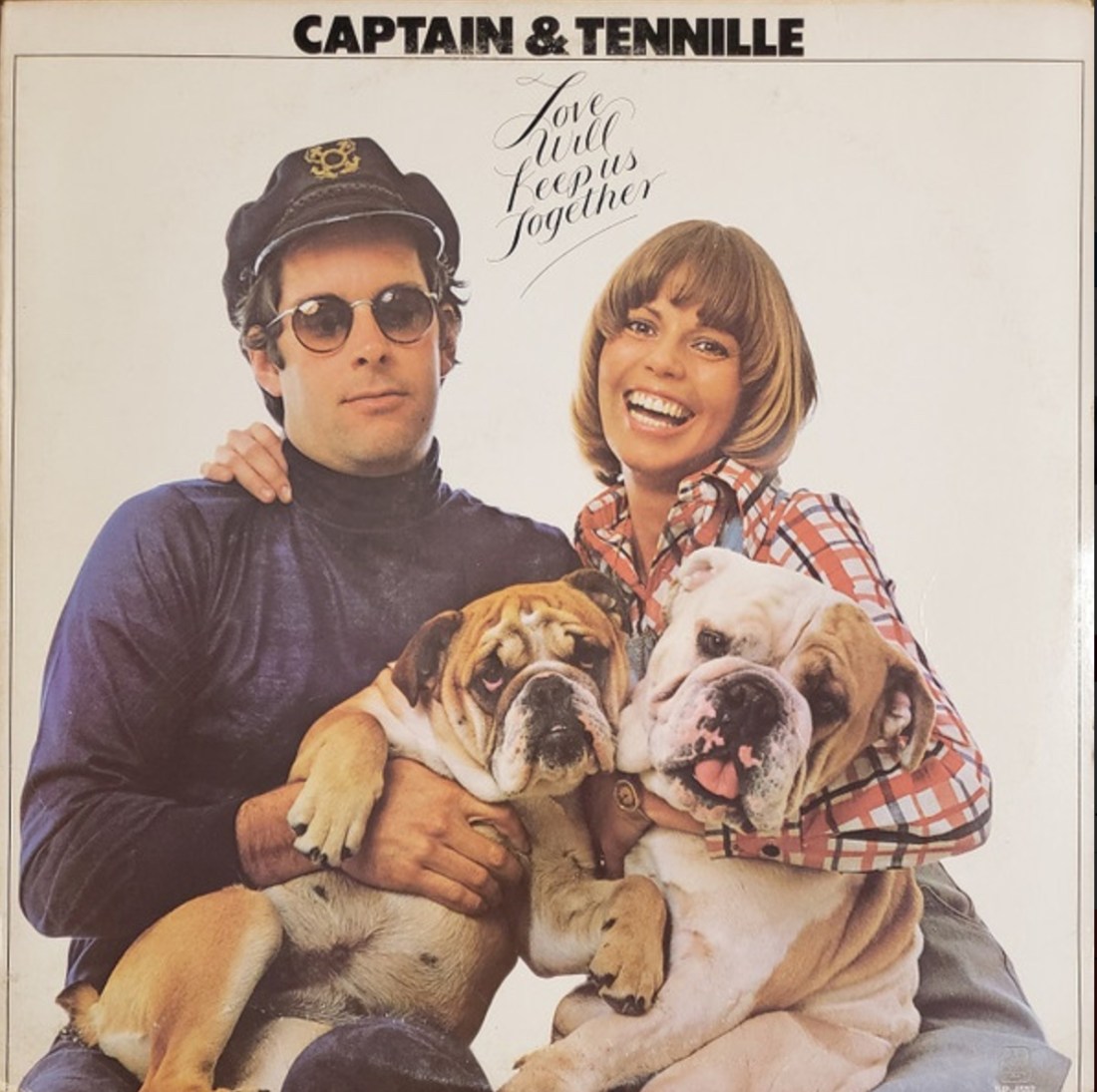
Captain & Tennille – Love Will Keep Us Together

From the mid-1970s into the early 1980s, New Year’s Day would always find me doing the same thing. Around noon, I would set myself down next to a radio and spend the remaining half of the day listening as CJCB counted down the top 100 songs of the year just ended. I think they picked it up from a station in Toronto, but it wasn’t CHUM-FM, and whoever was compiling it wasn’t following the RPM chart. It was a critical part of my musical life, a clearing of the deck before the exciting new sounds to come.

The songs were mixed in with little anecdotes and sometimes interview snippets. I learned – and have never forgotten – the story behind “I Don’t Like Mondays”. The announcer told me in 1978 that The Rolling Stones were the greatest rock ‘n’ roll band in the world. (I had thought it was Kiss.) I also heard – though I’ve never been able to verify that this actually happened – that Al Stewart claimed to make dance music for people with two left feet. My brain is littered with trivia from those long ago January 1s.

The countdown also meant learning that some of the songs I loved best weren’t as widely adored by others, or others that I hated were in fact monster hits. I really disliked Kim Carnes’ “Bette Davis Eyes”, so its place at the top of 1981’s chart befuddled me. (I am so not the same listener I was in my youth – “Bette Davis Eyes” rocks!) There would be a delicious tension as the top 10 were counted down and one mega hit after another fell short of the top spot. I was devastated when the 1976 countdown found my beloved Bay City Rollers and “Saturday Night” falling to Wings’ unquestionably drecky “Silly Love Songs”. The 1977 countdown was the oddest, when a song I’d pretty much already forgotten – Leo Sayer’s “When I Need You” – came out of nowhere to take the top spot.

But in 1975, everything went as the music gods intended. The top song of the year was “Love Will Keep Us Together” by Captain & Tennille. And I was very okay with that.

1975 seems like a pretty decent year for pop music. There were a lot of songs that hold up well today: “Jive Talkin'” by the Bee Gees. Neil Sedaka (with a helping hand from Elton John) and “Bad Blood”. “Ballroom Blitz”, “Someone Saved My Life Tonight”, “Nights on Broadway”, “Fame”, “Only Women Bleed”. Not a bad start. But look a little deeper into the top 100 and things get sketchy. There are hits from The Carpenters, Barry Manilow, Paul Anka, Olivia Newton-John, Frankie Valli. There were a lot of lame tracks in heavy rotation that year. And I liked a lot of them.

The lamest of the lame – and therefore champion of that most lame of musical years – was the married team of Captain & Tennille and “Love Will Keep Us Together”. And I loved that song. I don’t think it was my favourite of the year – “Magic” by Pilot had a serious hold on me – but it was up there. Listening to it now, I can’t really make sense of it. The best explanation is that I was probably a pretty lame 11-year-old. I’ll defer further comment to those who remember me from then.

Yet, as I listen to it now, the song starts to get under my skin again, and it really is something of a masterful pop confection. There’s a simple piano hook and weird little fuzzy synth notes that catch your attention, anchored by Toni Tennille’s sweet but potent voice. Neil Sedaka wrote the song, but his version is sluggish and more discrete, missing the energy that Toni brings. It also lacks the Brill Building feel of Neil’s roots, but Captain & Tennille capture that air a bit with their girl-group background singers. The production from Captain Daryl Dragon is smart, putting the vocal front and centre and most instruments lower in the mix, emphasizing the cheery positivity of the song. The tempo change with jangly piano – again, very subtle, a little trick in the back of your brain – when she sings “young and beautiful” picks up the energy just when it starts to become too familiar, and if you don’t get chills every time Toni hits a run of “I will”s, especially the last one, then you just aren’t listening closely enough.

This was Captain & Tennille’s first song to get wide release, and they never flew so high again – who could? – but they remained reliable hit makers for several years, including giving us the delightfully bizarre soft core “Muskrat Love”. Their marriage was long-lasting but not a happy one, yet they remained on friendly terms afterwards, and Toni was at his bedside when Daryl passed in 2019. You can put your own spin on the title of their biggest hit for a line to end this piece.

Classic Songs of My Youth Revisited #16

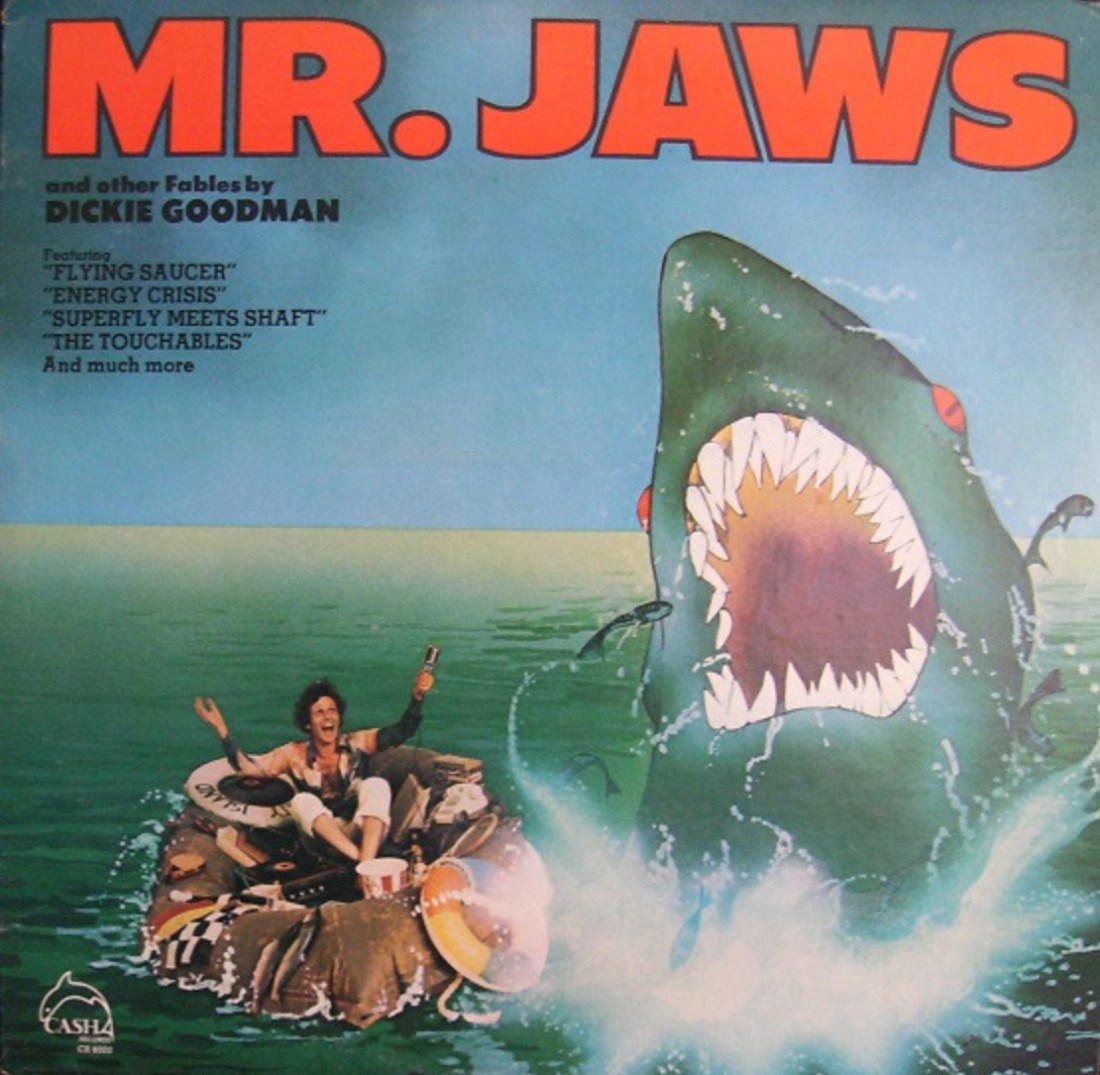
Dickie Goodman – Mr. Jaws

I don’t know if any young people will read this, but I’m here to perform a service for them if they do. The next time someone of your parents’ or grandparents’ generation makes a snotty comment about the music you love – and they will – I want you to play “Mr. Jaws” for them, and leave the room. It’s the ultimate mic drop.

Now, when I was 11 years old, I loved “Mr. Jaws”. But I had a good excuse: I was 11. Who else was listening to this and thinking they wanted more? An army of 11-year-olds couldn’t have pushed a song to number 4 on Billboard and number 1 on Cash Box. (We didn’t do much better in Canada – it reached number 13 on RPM’s chart.) Who were those people who called into radio station request lines and picked this over, say, Neil Sedaka’s magnificent “Bad Blood”, which knocked it from the top of Cash Box’s chart? Or who went to the local record store and put down $1.29 for this rather than one of the great songs that “Mr. Jaws” uses clips from, like “Jive Talkin’” or “Why Can’t We Be Friends?”, or pretty much anything else in the store? Why?

If you don’t remember, we were all a bit nuts over sharks in 1975. “Jaws” was the first real movie blockbuster, dominating the culture that summer, and it definitely had a lot of us looking at the ocean differently. I didn’t even see it until it came to our local drive-in in the summer of 1976, but just knowing it existed – knowing that sharks ATE PEOPLE! – made me wary of the ocean, and I can’t say that’s ever really changed (I feel a bit anxious just remembering it now). But “Mr. Jaws”? Shouldn’t there be a limit to fanaticism? Imagine if something similar were done in our era for Harry Potter or The Avengers. Would we even notice, let alone stream it? Once, maybe, out of curiosity, but we might also skip it after the first few seconds. That may say more about our attention spans than the quality of the track, but even if streaming didn’t exist, we sure as hell wouldn’t get in our cars and trek down to Sam the Record Man (R.I.P.) for the latest parody record.

None of this is to disrespect Goodman. His “break-in” style of sampling was ahead of its time, and he made a nice career out of it, charting tracks (it feels wrong to call them songs) for over 20 years. He didn’t really make any money from it, since, as hip hop artists were to later learn, creators don’t much like it when other people repurpose their stuff. According to his children, financial problems were likely a factor when Goodman killed himself at 55.

As campy as it is, “Mr. Jaws” still has a few good bits. My favourite is when Goodman asks the shark why nothing seems to hurt him, and he responds with the whispered “Big boys don’t cry” from 10cc’s “I’m Not in Love”, which is pretty brilliant.

And here’s a confession. I was so in thrall of what Goodman was doing that when he took a shot at “Star Wars” two years later, I decided to do the same. The ambition is mind-numbing to consider: my record collection was a bunch of K-tel compilations and maybe two dozen 45s, and my recording device was a small tape recorder. I would record my question, position the microphone next to my stereo speakers, start the song and wait to hit the “record” button right before the lyric I wanted came on. If I was too early or too late, I’d rewind and try again. The man hours that went into that thing – which got close to 10 minutes long as I recall – is astonishing. The lesson from this: never underestimate the power of a nerd on a mission. Which is maybe something you could say about Goodman, too.

Classic Songs of My Youth Revisited #3

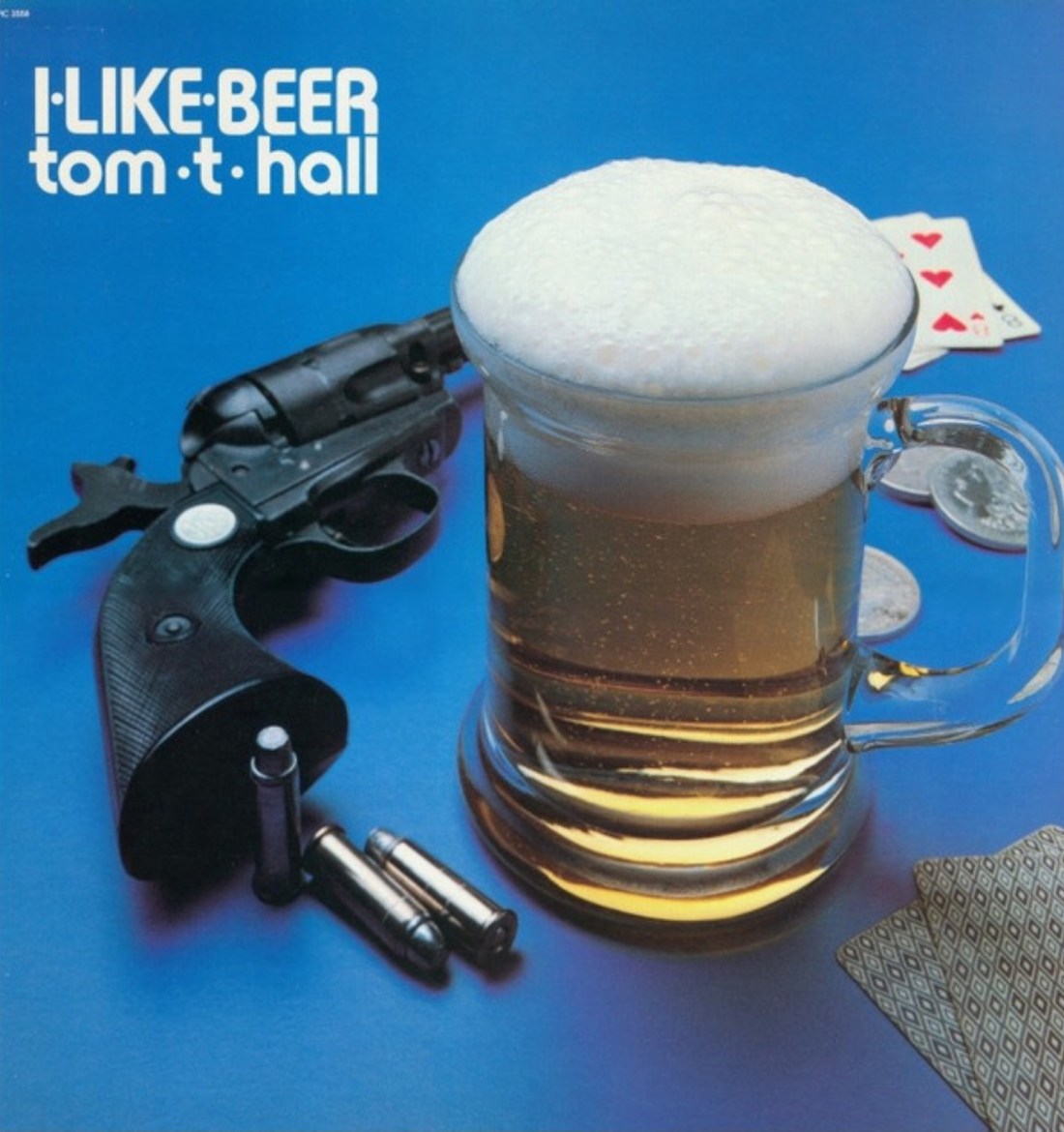
Tom T. Hall – I Like Beer

Country music was a big part of my early listening. Children don’t have a lot of control over, well, pretty much anything in their lives, and music is no exception. My parents listened to country music, so that’s what I listened to. It wasn’t all I heard – my younger uncles played Beatles records when we saw them, and there was other music on the radio and television – but I mostly remember my parents’ records.

There was Merle Haggard, and Charley Pride, and the Statler Brothers, and Conway Twitty, and George Jones, and there must have been some women, too, but for the life of me I can’t remember who. Pride was my favourite (especially “Crystal Chandelier” and “The Snakes Crawl at Night” – also, fuck COVID), but I loved the gentle humour of the Statlers, and Jones’ “The Race is On” is an all-time favourite. And then there was Tom T. Hall.

I can’t say for certain that my parents had one of his records, but that’s my recollection. And if they did, it probably wasn’t 1975’s “I Wrote A Song About It”, which this song first appeared on. But when Hall died last month, there was one song and one song only that immediately came to mind. I pulled it up on Spotify and, a bit to my surprise since I probably hadn’t heard it in over 40 years, I dragged the chorus from the deepest recesses of memory and began singing along:

I like beer, it makes me a jolly good fellow

I like beer, it helps me unwind and sometimes it makes me feel mellow

Whiskey’s too rough, champagne costs too much, vodka puts my mouth in gear

This little refrain should help me explain as a matter of fact I like beer

If that isn’t four perfect lines, I don’t know what is.

It’s the second-most streamed Hall song on Spotify (we’re coming for you, “That’s How I Got to Memphis”!), but his biggest hit was one he wrote but didn’t sing, “Harper Valley P.T.A.”. That song earned him a Grammy nomination for best song in a field that included “Hey Jude” and “Mrs. Robinson”, all of them somehow losing to this. Yes, the Grammys have always sucked.

Anyway, Hall was a master. He could nail a song like “I Love”, with its simple statement of life’s little joys, building to the powerful declaration in the chorus. But give me the jaunty pleasures of “I Like Beer” every time.