Classic Songs of My Youth Revisited #38

Pablo Cruise – Whatcha Gonna Do?

When I was growing up, the fastest way to build your vinyl collection without a heavy upfront cost was to join the Columbia House Record Club. And that is how I came to own not one, but two Pablo Cruise albums.

The Columbia House pitch was simple: buy 11 records now for $1.29, then seven more over three years (at highly inflated prices) to fulfil your membership obligations. (The reality was, of course, not that simple, but that isn’t our concern right now.) If you paid a bit more at the start, you got another three albums and only had to buy six more to escape their clutches. The goal going in was to buy those extra six as fast as you could, then quit and rejoin. In fact, when you quit, they would usually make you an enticing offer of free music to stick around. Plus there were coupons that came after so many purchases that enabled you to get more records at a discount. The whole package was irresistible.

Every month, you would get a mailer listing records available for purchase, along with an order card that included the month’s featured album. You had a few weeks to return the card, otherwise that album was shipped to you automatically. Columbia House was banking on its largely youthful membership forgetting to return the cards, and this was how I ended up with albums I had no interest in, like Journey’s “Captured”, which I ended up liking anyway.

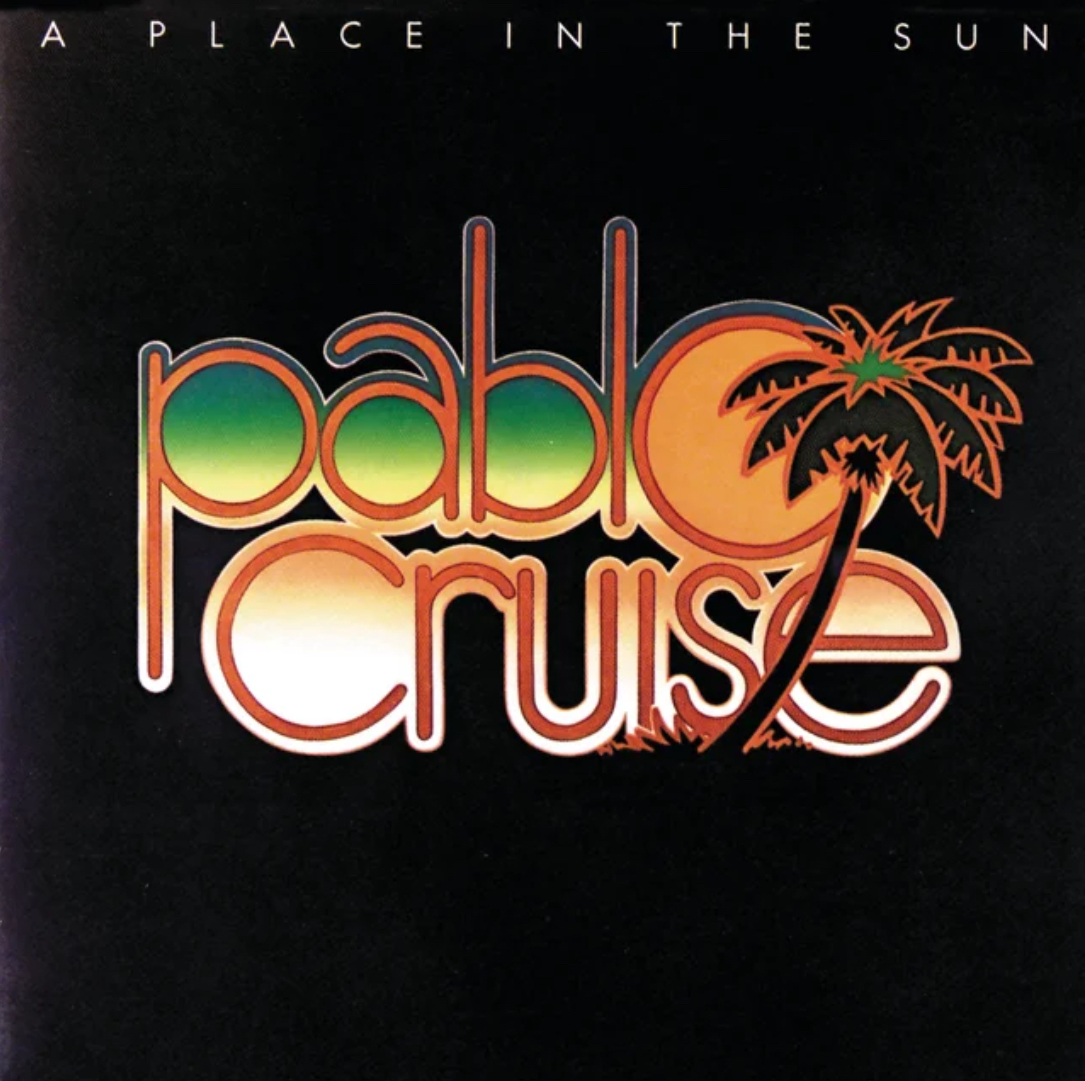
The idea of having hundreds of records to choose from seems like a great idea, but finding 14 that I actually wanted when I first joined in 1979 proved challenging. Most of the offerings were past their best before dates, and included a lot of artists I had no interest in then (I think of the Springsteen records that I missed out on, not long before “The River”, later obtained through Columbia House, made me a fan). The first two Elvis Costello records were easy picks, along with two (well, three, since one was a double album) Peter Frampton discs. I got the first Boston and Eddie Money albums in that order, Meatloaf’s “Bat Out of Hell”, the “FM” soundtrack, and Chicago’s “Hot Streets” (the first post-Terry Kath vs handgun record). And, with the clock winding down, for reasons that are no clearer to me now with the wisdom gained in the intervening years, Pablo Cruise’s “A Place in the Sun” and “Worlds Away”.

Now, this is not intended as a dis of the band, who I liked just fine. But they were sort of just there, delivering a few nice pop songs to slot in around the RSO domination of 1977-78 radio, fighting for scraps like every other pop group not named the Bee Gees. They weren’t an act to fall in love with, to obsess about, to study.

Their signature hit was “Love Will Find A Way”, but “Whatcha Gonna Do?” is the song that has lived with me these many years. It has a sunny disco/funk-lite beat (it feels like it should have been used in “Boogie Nights” – try not to see Wahlberg and Reilly dancing to this), and the entire song is a dire warning from well meaning friends to a man who doesn’t realise how good his romantic situation is. What is weird to me is that I probably didn’t give a moment’s thought to this song in the years since I stopped listening to the album, yet I have on many, many, many occasions spontaneously sung the lines “And all at once, you’re ready to hang it up / Cause things didn’t turn out the way you planned, no / And all your friends, they callin’ you a fool / Cause you don’t know a good thing when you got it in your hand”. I can’t explain it, other than perhaps that the song simply became a part of my pop culture identity in that subconscious way that we all carry odd little things around in our heads, like the Habs third string goalie in 1973-74 (Michel Plasse) or Cher’s full name (Cherilyn Sarkisian) or the name of Ross’ monkey on “Friends” (Marcel). Pablo Cruise, without me ever knowing it, became a part of who I am.

And here’s the kicker: they were a great band, and anyone who says otherwise is just wrong. I replayed all of “Worlds Away” recently (of the two albums, it was my preference back in the day) and was floored by the musicianship (the piano starting at 2:11 of the title track is breathtaking, and it’s followed by some serious shredding), the nimble melodies, the carefree spirit (don’t tell me these guys don’t look like a great hang). The band explained the name (there is no Pablo) as representing an “honest, real, down-to-earth person” with a “fun-loving and easygoing attitude towards life”. We could probably all benefit from being a bit more like Pablo Cruise.
Classic Songs of My Youth Revisited #10

Shaun Cassidy – That’s Rock ‘N’ Roll

The school year of 1976-77 was a difficult one in our family, and for me personally. An uncle died at a horrifically young age. My parents’ marriage was imploding, resulting in a separation that was soon followed by an even more unfortunate reconciliation as they clearly were not done punishing each other for the mistake of having once been madly in love.  And I endured for a time what we would today likely call bullying but back then (had I told anyone) would have been characterised as just boys being boys.

As has been true for much of my life, a major place for me to escape to during difficult times was into books. (Also hockey – I will never be able to overstate how important the success of the 1970s Montreal Canadiens was to my self-image and overall mental health.) A critical part of this were the not-very-mysterious Hardy Boys mysteries. Frank and Joe were nothing special as detectives: typically they were (1) lucky or (2) bailed out by dad Fenton. But as exemplars of late-teen cool, at least from the perspective of someone much younger, they could not be matched.

My attachment was such that during that winter of 1976-77, I went so far as to read the autobiography of Leslie McFarlane, the Canadian ghost writer of many Hardy Boys titles. A few years before, I had done a book report on “What Happened at Midnight!” (scored as a five-star book on my Goodreads). Also during that 1976-77 season, my mother took me along on a visit to a friend one day. On doing my usual (a habit that continues to this day) scan of his bookshelves, I found a Hardy Boys title and was fine for the next few hours, caring not what the adults were up to.

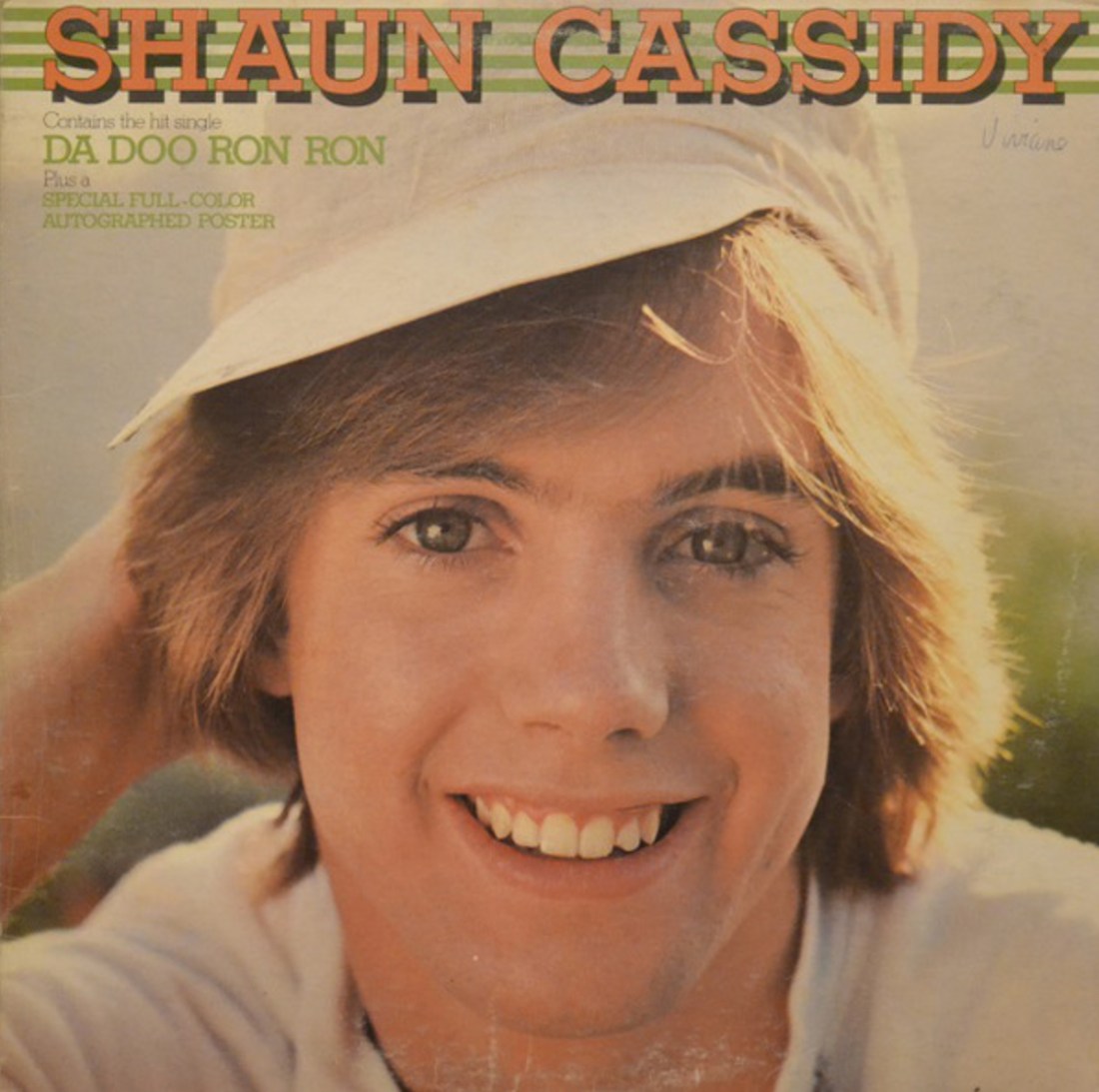
On January 30, 1977, my fandom went to the next level, with the debut of “The Hardy Boys/Nancy Drew Mysteries”. The Nancy part was fine (I had read a few of the books, and Pamela Sue Martin was adorable), but the real draw was the cool guys on the male half, with Parker Stevenson as Frank and Shaun Cassidy as Joe. Cassidy was the younger brother of a past teen heartthrob and had some musical skill of his own, so it was inevitable that it would become part of the show, despite the books’ utter lack of commentary on Joe’s musical talents.

Written by the odious Trump-loving Eric Carmen, “That’s Rock ‘N’ Roll” is a joyous piece of bubblegum. (The song’s excellence justifies the pennies due Carmen from Spotify for my repeated listens in writing this.) It feels like an update of a hit from an earlier age, as Carmen – savant that he was – seemed able to tap into the entire history of popular music in concocting his powerpop delicacies. It’s about teen malaise and insecurity, and the release that comes from discovering that music can be the path out of the woods: you need only to give in to the music and embrace the freedom, with no consideration of consequences. It celebrates that feeling of youthful invincibility, something they never seem to be in short supply of. It is unpretentious, while at the same time being incredibly pretentious about the power of pop music. So, of course, I’m a sucker for what it has to offer.

Cassidy’s voice is fine though not exactly tested here, and he was, of course, a first rank cutie. The song opens with a solid drumbeat. Pseudo chugging guitars follow, then horns, joined by piano on the chorus. And that’s it. Nothing fancy, just a heap of joyful noise packed tight with every pop music cliche you can imagine in under three glorious minutes.

It’s been a long time since I’ve read a Hardy Boys book, though I still own a large collection in the blue covers that will be familiar to anyone of my generation. Sometimes, I think I might like to crack one open, but I know it will never happen, at least not in my present state of sentience. There is no need to sully my memory of them as literary masterpieces.

Classic Songs of My Youth Revisited #6

Andy Gibb – I Just Want to Be Your Everything

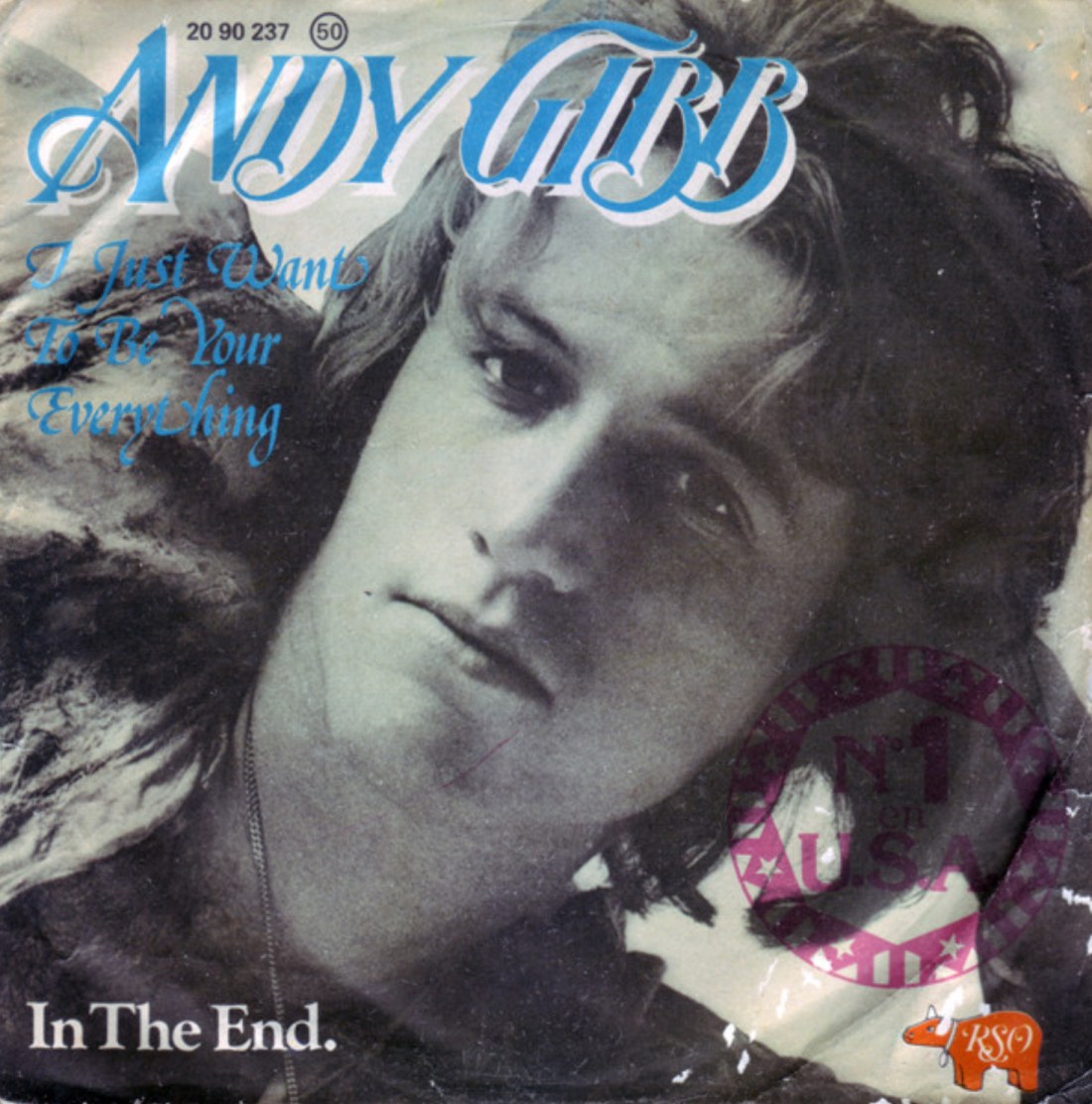
Probably no musical collective has dominated a year’s airwaves like the Gibb brothers did in 1978. The only competition is The Beatles in 1964, when they landed 5 of the top 16 songs, including the top 2, on Billboard’s year-end charts. The Gibbs managed to top that by farming out some of the work. The core trio, known to the world of course as the Bee Gees, had three of the top six songs in 1978, and, in various combinations, they wrote three more of the year’s top 19: “Grease” by Frankie Valli, “Emotion” by Samantha Sang (I am yet to be fully convinced this wasn’t just a clean-shaven Barry Gibb in drag) and “If I Can’t Have You” by Yvonne Elliman. Finally, they turned to little brother Andy to put them over the top, and he came through with two big hits of his own, including the year’s top song in “Shadow Dancing”.

Of course, when Andy first came on the scene in 1977, we had no idea that such a juggernaut lay in our futures, nor that it would end so soon. The Bee Gees’ hits dried up in mid-1979, and Andy’s the following year. He made a series of bad life decisions, then cleaned up and started trying to get his career back on track, but the damage was done, and he was gone less than a week after turning 30.

I wonder if people have forgotten how great this song is. I never hear it on the radio when my wife plays an oldies program, Acclaimed Music ranks it as only the 128th best song of 1977, and on Spotify it has a relatively paltry 36 million plays, of which I have contributed a healthy proportion. The first time I heard this was in my parents’ car on a bright day in the late spring, coming out of what I’m sure was another miserable Cape Breton winter, and I remember that feeling of just instantly loving a song so much that I wanted to live inside it for a while.

It has a sort of slow-roll disco beat, with just enough rhythm to make it danceable. Synths and faux strings gently glide along, the percussion is subtle, and the effect is sunny despite lyrics that are a cry of love to someone who may not feel the same, and the desperate fear of loss that presents (“If I stay here without you, darling, I will die”). The vocal shows that passion, with the trademark Gibb brothers falsetto that makes so many songs sound like they are life and death (check “Fanny (Be Tender with My Love)” for what I think is the best example of this). I think it also makes a very simple but true statement about how love should work: “If you give a little more than you’re asking for, your love will turn the key”.

What really makes this – and all of the Gibbs’ songs – so great is that they are just the most fun to sing along to. I could write 20 of these about those songs (and “Tragedy” is definitely going to happen). I think it’s the falsetto. Even the most voice-challenged listener can muster one up, and it – though you’ll have to check with my poor wife to confirm this – helps hide the weaknesses of the singer’s delivery. Plus, it’s really fun to play the castrato and just howl. There’s a lot of music that I used to love that I no longer have time for, but there will always be a place in my life for the Bee Gees and their tragic junior partner.