Classic Songs of My Youth Revisited #60

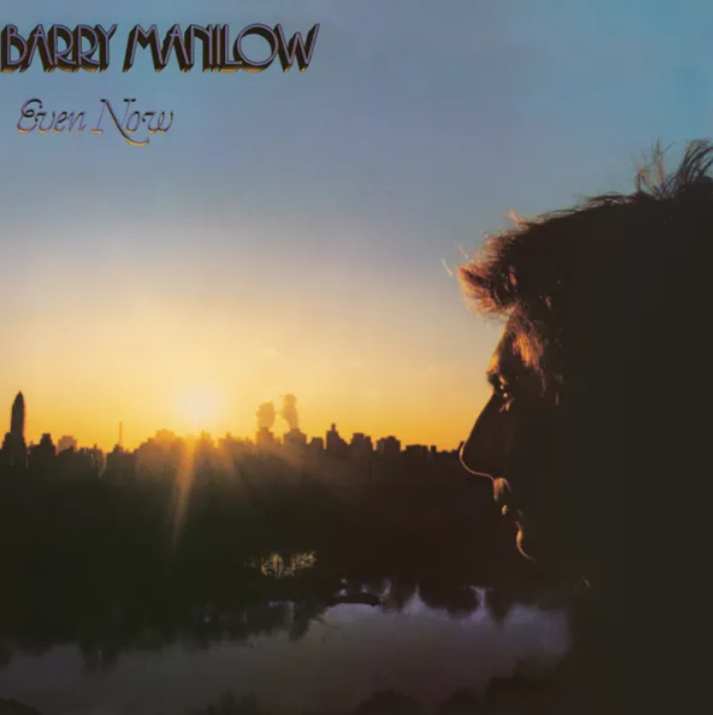
Barry Manilow – Copacabana (At the Copa)

There may not be any more dangerous combination of inspiration and idiocy than that which can be found in the soul of a 14-year-old boy. Put two of them together, and the rise in these elements is exponential. I offer this as a warning note about the misogyny and homophobia that Kirk Boutilier and I got up to in the summer of 1978.

Let’s first step back a bit further. In 1974, in a fit of jealousy after my father complimented something that my brother Stephen wrote, I wrote a play. Called “The Magic Key”, it was as good as you might expect something written by a 10-year-old to be. Amazingly, I had open-minded and encouraging teachers, and very game classmates, and soon we were mounting said play in a travelling road show for the dozen or so classrooms of students at my elementary school. It remains the commercial peak of my artistic efforts.

In fall 1977, “Soap” made its television debut, and despite protests in the U.S. about its content, including a prominent gay character, and the late hour at which it aired (pre-home recording, I must add), it was a very popular show among the junior high set. Kirk got the idea to rewrite my little play in the style of “Soap” – basically by making my king character a misogynist and my prince character a barely closeted queen – and we were off. Thankfully, we ran out of steam a few pages in, but soon Barry Manilow came along with a song that was ripe for adolescent parody.

I’m not embarrassed to admit that I liked a lot of Manilow’s songs while growing up, and I frequently revisit his 1984 album of soft piano faux jazz, “2:00 AM Paradise Cafe”. (The graceful lead single, “When October Goes”, was a top 10 adult contemporary hit.) He is truly part of the tradition of great showmen, and his knack for conjuring up a catchy melody (before pop success, he wrote jingles for commercials) – despite having many of his biggest hits with songs written by and for others – doesn’t get enough credit. He was always a punchline for people who took music seriously, regardless of genre, though other artists seemed to appreciate him: his work with Mel Torme inspired a bit on “Night Court”, and the Australian indie pop band Smudge named their (quite awesome) 1994 debut album “Manilow” because, and this is a direct quote from their frontman Tom Morgan, “he’s really cool”. (Words spoken by exactly zero other people.) And he was successful: between 1974 and 1980, he had eleven top 10 singles and seven top 10 albums, while winning three-quarters of an EGOT.

Copacabana (At the Copa)” is the rare song where I know with reasonable certainty when and where I first heard it. It was released as a single in June 1978, but on February 24 of that year, the song made its broadcast debut on “The Second Barry Manilow Special”, which I watched while sitting – likely on the floor with legs in the lotus position – in our living room. I’m only reasonably certain because I can’t confirm that it aired on CBC or CTV (whichever Canadian network picked it up) as a simulcast with its American originator. I only know that I saw it and heard it at the same time, and I was wowed. (If you have the patience for a longer clip, you can see the breathtaking shirt that he wore on the special.)

Manilow was mostly known for ballads (“Weekend in New England” was the first of his 45s that I owned), so an up tempo tune with a Latin beat – a sort of tropical disco – was not what listeners were expecting from him, though it shouldn’t have been too much of a surprise to anyone familiar with his earlier time spent as Bette Midler’s accompanist at a gay bathhouse. (I was not one of those people: remember, I was 14 and this was before the internet.) It’s super fun to listen to – you can find lots of folks dancing to it at varying skill levels on TikTok – opening with a sort of bongo drum that is then matched with a metallic beat, followed by swirling strings and syncopated disco-esque wah-wah sounds. The joyful music hides the sad tale of the young love between Lola and Tony that reaches its tragic end when Tony falls to a bullet fired by or on behalf of douchebag Rico, leaving Lola to age gracelessly, returning to her old haunt for a reminder of the life that could have been. There are pseudo horns along the way, layered female backup singers and callbacks to the sound of classic Hollywood musicals (Gene Kelly would’ve danced the stuffing out of this song). There is not a single second of the song that isn’t completely in love with the idea of itself, and it’s an infatuation that is earned with every melodramatic note.

As for our play, Kirk is gone now and can’t defend himself, and I’m here and have no defence beyond immaturity. It was awful, and I am reasonably certain (subject to digging through the Poirier family archives at my mother’s house) that the single copy long ago met its richly deserved ending in a Nova Scotia landfill and has passed the point of complete and utter decay. Our Manilow parody was similarly puerile and idiotic, with references to marijuana, sex and other matters about which I at least – I won’t speak for Kirk – had only theoretical knowledge. Although my old brain is tragically still using up badly needed memory real estate for every last line that Kirk and I came up with, I will not share them here.

Manilow is 81, and while the voice has naturally faded from the Grammy-winning high of “Copacabana”, he’s still performing, and is even touring the United States this summer for what he claims are going to be his final visits to a lot of cities. For a man who has repeatedly said he never wanted to be a singer, he turned out to be one of the most charismatic and enduringly beloved performers of his generation. And while “Copacabana” was never as successful in its time as other Manilow songs like “Mandy” and “I Write the Songs”, it’s the tune that always feels to me to be the one that shows Barry’s true essence: a man who throws every bit of himself into entertaining his audience. As fans, we can ask for no more.
Classic Songs of My Youth Revisited #41

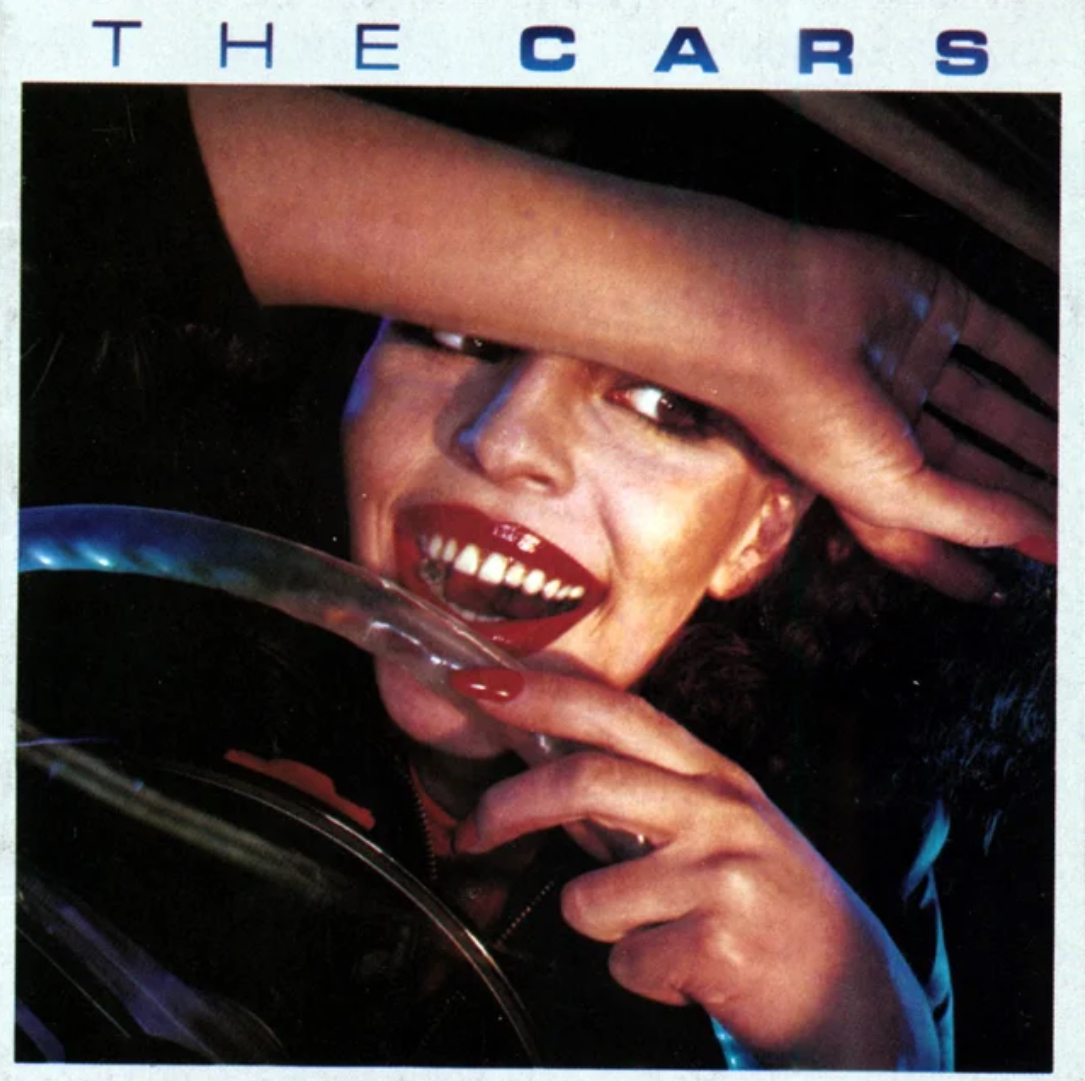
The Cars – Just What I Needed

Growing up in Cape Breton, punk rock was more a rumour than something we could actually experience. Other than the bits offered up on “90 Minutes With A Bullet”, CBC Radio’s weekly pop music show, it simply wasn’t to be found on local airwaves. I can’t say I was all that broken up by it – those Wednesday night dribs and drabs from the CBC made it clear that, for the 1978 version of me, punk was more something I thought I should like than something I actually did like. Even punk’s housebroken cousin, new wave, wasn’t much of a force in Canadian radio: nothing on this list of RPM’s top 100 songs of the year even remotely qualifies. (That definitely changed the following year.)

The closest thing we had to new wave in 1978 was The Cars’ “Just What I Needed”, but it was more than enough. It wasn’t much of a hit, peaking at #38 nationally, and I don’t recall it doing markedly better in my neighbourhood. But it made it onto CJCB radio at least often enough for me to hear it, and one listen was all it took for me to want the 45. It quickly became – and this is impressive considering everything else happening in pop music that year – one of my most frequently played songs. I would get together with my friend Kirk to play records, and this was the song that would have us bouncing around my living room, in an approximation of what we thought punks might be doing, crashing into furniture and each other, caught up in the energy of the song.

Written by the band’s primary lead singer, Ric Ocasek, I always thought he was singing it, which in retrospect just seems dumb. I learned only a few years ago that the singer was in fact Benjamin Orr, who I knew had sung 1984’s “Drive” but also – and I learned this just now – their 1979 hit “Let’s Go”. Ocasek’s influences in writing the tune included The Velvet Underground and bubblegum band Ohio Express, which makes it kind of odd that he was so defensive about artists being influenced by his song. He accused Fountains of Wayne of sampling it in “Stacy’s Mom”, and forced the destruction of the entire first print run of Car Seat Headrest’s “Teens of Denial” (one of my favourite albums of 2016) after revoking (not without a decent reason, to be clear) his permission to use the song. Ric was a very intense guy when it came to defending his intellectual property. Or maybe it was just part of his prickly personality: his last will and testament disinherited his wife and two of his children.

Of course, it’s only sort of new wave: a better way to describe it is as sneering power pop. The opening guitar stretch (a direct theft, in possibly the most bizarre lift ever, from Ohio Express’ “Yummy Yummy Yummy”) draws you in, simple but pulsating, then amping up by adding just one rich double-pump beat where there had been a single. The opening verse is underlain with straightforward guitar and drum, with the guitar getting more forceful at the end and the bridge between verses taken over by a chilly siren-like synth. The obligatory guitar solo comes at the midpoint of the song, and it serves nicely as a bridge rather than, as is too often the case, dull filler that just delays the song’s proper end from arriving on time. The second half of the song more or less repeats the first, with very little difference, but it never feels like it’s going on too long. This is a begrudging love song (“I don’t mind you comin’ here / And wastin’ all my time”), but “I needed someone to bleed” in the chorus certainly complicates that calculus. When Orr sings “So bleed me” near the end, you can detect that sneer underneath, but I wonder, too, if maybe it’s a shift in power, and the cool narrator now finds himself having let his pursuer get too close.

This has long been a favourite of mine, and Spotify will back me up: it has been consistently among my five most listened to tracks every year since at least 2019. It’s the clear star of my “songs I never skip” list, which includes such delights as Fountains of Wayne’s “Maureen”, Jonathan Coulton’s “Ikea”, “All to Myself” by Marianas Trench and Brand New’s “Jude Law and A Semester Abroad”. It’s a song that was made to be sung along to by hopped up males – the shouting of the title by the backing singers in the chorus works for even the least vocally gifted in a crowd. Something of that vibe can be seen when The Strokes played it live, with Pulp’s Jarvis Cocker seeming like a guy at karaoke night being confronted with a song he does not know. Orr and Ocasek are both gone, but they and their band mates left us with at least one immortal tune. There are some other top acts who’ve covered it live – including Red Hot Chili Peppers, The Killers and Eric Church – and every time that opening starts up there is a howl of recognition from the audience. My enduring love for the song may mean I’m in a rut, but I have a lot of company there.

Classic Songs of My Youth Revisited #37

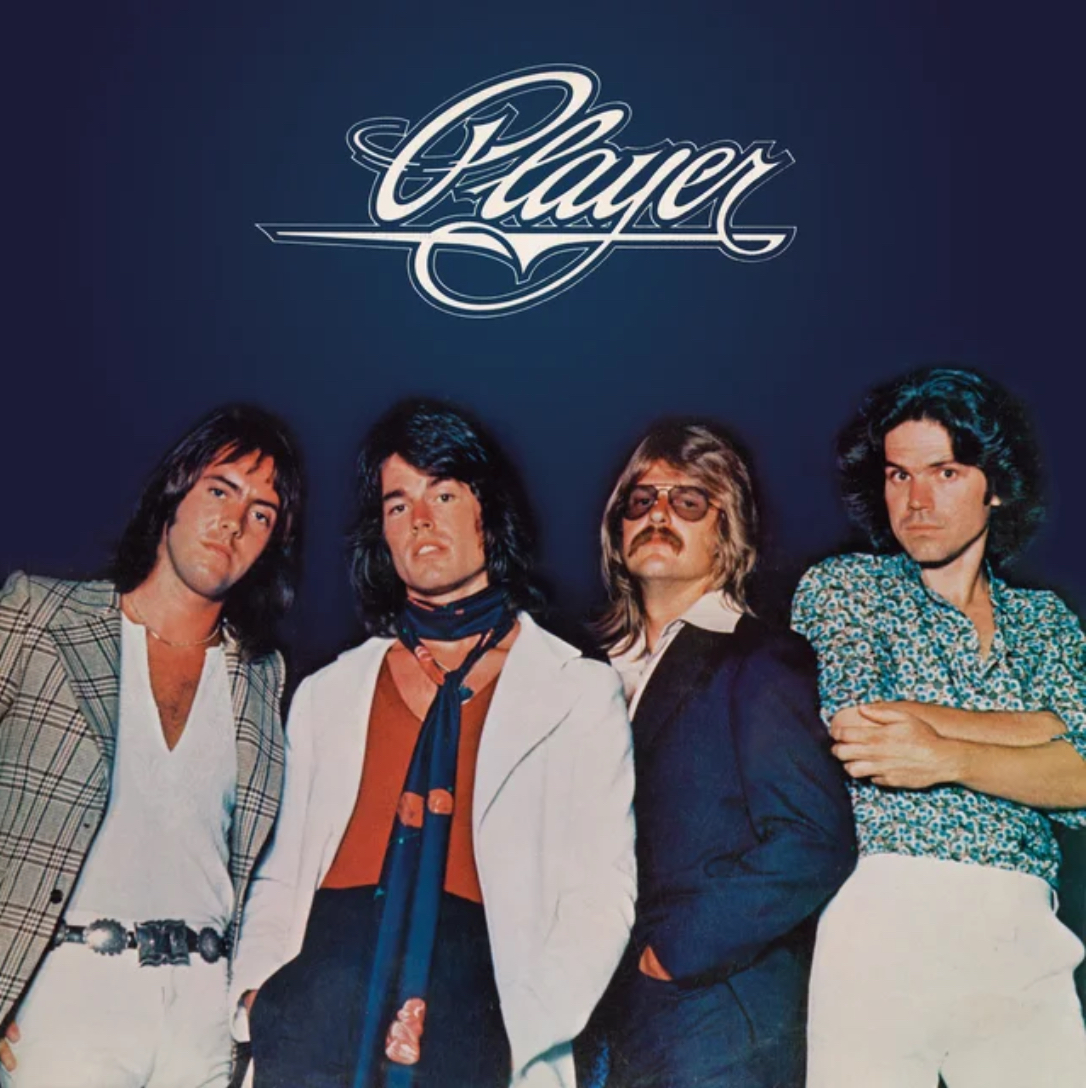
Player – Baby Come Back

In 1978, Robert Stigwood was king of the music industry, and it wasn’t close. He’d been doing just fine before then – managing (Cream, the Bee Gees) and booking (The Who) bands, owning a scriptwriters’ agency (where the British originals that became “All in the Family” and “Sanford and Son” found a home), producing musicals for Broadway (“Hair”) and film (“Tommy”), and running his record label, RSO – but it went to another level that year. On September 24, 1977, “How Deep Is Your Love”, the first Bee Gees single from the upcoming “Saturday Night Fever” soundtrack, was released, and this began an onslaught of single after single that dominated the charts in the coming year, and into the next. Add to this multiple hits from the “Grease” soundtrack and Andy Gibb, along with Stigwood mainstay Eric Clapton, and you couldn’t listen to your radio for very long – and no one wanted to – without hearing an RSO jam.

A chunk of my own limited cash went into Stigwood’s pockets: the little red cow that was the RSO logo was on a lot of my favourite 45s that year. And, in the middle of this were a bunch of transplants to California with an ode to lost love. I certainly liked “Baby Come Back” at the time – I owned a copy – but I never gave the band a moment’s thought, and could not have picked them out in a police lineup. (They still do that, right? Did they ever do that? Or is it just on TV?) And when it comes up on a ‘70s playlist, I’m happy to hear it. But the band was never interesting to me. That is, it wasn’t until Ronn Moss showed up on “The Bold and the Beautiful”.

Soap operas were a big part of my viewing entertainment from the mid and late ‘70s (“Another World”) into the early and mid ‘80s (“General Hospital”, of course) and late ‘80s (“Santa Barbara”, baby!). I loved the form, and would even follow the stories of shows I didn’t have time to watch, through summaries in “Soap Opera Digest”. I would also read the actor profiles in the magazine, which is how I learned that the square-jawed actor playing Ridge Forrester was a former rock star. I thought his career arc was pretty cool. The only other music stars I knew from a soap were Rick Springfield (whose acting and music careers followed different paths) and Jack Wagner (whose music success flowed out of his soap career). Moss had been at the top of the heap – three weeks at – and here he was, working away at a new career.

Now, Moss can present as a little bit ridiculous as a person. I learned this when I stumbled across an episode of “Celebrity Wife Swap” that he appeared on. But he was completely comfortable with this ridiculousness, which is rather charming. And though his soap hunk days are long past, he’s a soap producer now, and doing well at it.

And he’s still making music! So, as part of my commitment to bringing you the best in music journaling, I listened to some of it. There were multiple choices, so I went with the oldest, 2004’s “I’m Your Man”, on the presumption his younger voice would sound best. And I didn’t completely hate it. There’s a Latin feel on a lot of tracks (think Enrique Iglesias, not Celia Cruz), and it’s a breezy listen. He’s a very relaxed performer, and I could see soap fans swooning over this dude. I think a lot of these are covers (Marty Balin’s “Hearts” for sure (which he does a pretty good job on), and Timmy T’s “One More Try”), but good luck finding out much about this record on the internet.

Moss’ old band mate Peter Beckett has only released one album as a solo artist, 1991’s “Beckett”. The album is a pop singer’s idea of what a rock record should sound like: lots of screeching guitars, booming vocals, very little nuance. But I liked it. It’s soooo 1991, and I quickly found myself spontaneously bobbing my head back and forth. These tunes wouldn’t be out of place on a playlist with fellow ‘70s icons like John Waite and Lou Gramm, and that’s not bad company at all.

A third band member, J.C. Crowley, released one country album in 1988 and had a few minor hits, but it’s not on Spotify or Amazon. There are a few songs on YouTube, and I might like them more than Beckett’s record, especially “I Know What I Got”, which is a real toe tapper. After that, he focussed on writing for other artists.

Player still existed as a band into the mid 2010s, though it was just Moss, Beckett and an ever-changing cast of supporting players. They performed on two tours that I absolutely wish I’d been aware of when they happened: Sail Rock 2013, with Christopher Cross, Al Stewart and Robbie Dupree among others on the bill, and Rock the Yacht 2015, which also included Little River Band and Ambrosia. It looks like the partnership finally ended in 2018 following a legal dispute, though the band’s Wikipedia page is vague enough about this to suggest they could still work together again.

And what about “Baby Come Back”? Though an outlier in terms of sound, it fit squarely within the RSO ethos of catchy hooks and great production values. Beckett thought their sound was R&B pop, but if that’s true, it’s the lamest R&B you’ve ever heard. No, this falls squarely in the post-facto yacht rock genre, and that is not a pejorative: any grouping that includes Steely Dan, Pablo Cruise, Seals & Croft and Boz Skaggs is the kind of team I want to support. It’s jazzy without the danger, rock without the volume. And, for a song I think I know pretty well by now, it still has the power to surprise me: I never really appreciated the low-key shredding going on in the song’s last minute. It’s the musical equivalent of being encased in bubble wrap: you feel safe and protected while it plays. But maybe that’s true of all the music we loved in our youth.

Classic Songs of My Youth Revisited #31

Michael Johnson – Bluer Than Blue

One of my closest friends growing up was Kirk Boutilier. We were distant cousins on my mother’s side, but never knew that until we were adults and the day of my first marriage put Kirk in a room with my grandmother, who connected the dots between his arm of the clan and mine. Kirk could always make me laugh, and he had (at least in my eyes) a sort of effortless-appearing cool. Kirk could get me to do things I wouldn’t otherwise have done just by suggesting them, like trick-or-treating in drag when we were 15. I expect he never did anything like that again (I can’t make the same claim): a dress and wig made him into his mother’s doppelgänger, which was commented on at pretty much every door we knocked on.

Robert Barrie was my main music-loving friend, and still is to this day, but Kirk lived just up the road from my house while Robert was a car ride away. So it was with Kirk that I would sometimes play my records, although neither of our dads was particularly fun to be around so it didn’t happen a lot. We would bounce around to The Cars’ “Just What I Needed”, make up silly alternate lyrics to songs like Barry Manilow’s “Copacabana (At the Copa)”, practise our falsettos to Andy Gibb’s “Shadow Dancing” and our air sax to Gerry Rafferty’s “Baker Street”, and channel our inner musical theatre nerds to “Grease”.

I owned all those records on 45, and tons more. I always played the “B” sides, and found some great tunes that way. But I never read the songwriting credits on either side of the record with any sense of purpose, so I missed out on the fact that, in 1978, I owned three discs where the “A” side was written by the same guy. Randy Goodrum was the pop genius who composed Anne Murray’s “You Needed Me” (likely bought by my mother then merged into my collection), Gene Cotton’s Top 20 “Before My Heart Finds Out” and, my personal favourite, Michael Johnson’s Canadian Top 10 “Bluer Than Blue”. 

Kirk called “Bluer Than Blue” the most romantic song of all time. He was being sarcastic, but I wonder now if he wasn’t accidentally right. Having been through a few painful breakups, I have a new perspective on this song. The verses are full of positivity, as the narrator talks about all the things he’ll be able to get done once this woman is out of his life. He can watch his favourite TV shows, get more sleep, have all-night parties (not sure how those last two are supposed to work together), read more. Things are looking good. But the truth comes out in the chorus: he’s actually devastated by the end of the relationship, and life without her is going to be, yes, bluer than blue.

It opens with a melancholy piano, followed by rising strings, and that’s pretty much the song, with some low-key guitar, a gentle but steady backbeat on the chorus and an occasional mild drum flourish. Johnson begins with a matter-of-fact recitation of his future single life, but his voice starts to change halfway through the verse, and the sadness comes through in the chorus. He regains control for the next verse, but there’s a bit of a quiver, and then we’re back to his misery in the chorus. It’s an uncomplicated vocal for an uncomplicated pop song, but it’s amazingly affecting, and I get chills in places. Just a lovely way to spend 2:59.

Goodrum had broken through as a songwriter in 1977 with England Dan & John Ford Coley’s “It’s Sad to Belong” (yep, I owned that one, too), and he’s still at it, though 1978 was probably his commercial peak. Of his future compositions, I remember DeBarge’s sweetly sad “Who’s Holding Donna Now”, and have mad love for the cheesefest that is Steve Perry’s “Oh Sherrie”. Johnson, who passed away in 2017, had another minor pop hit in 1979 before moving on to a run of country hits in the late 1980s, and was releasing new music up to 2012.

My friendship with Kirk abated some as we charted different courses on reaching high school, reconnecting when we worked together for a summer at 19, then again at our 10-year high school reunion at 28. That one lasted a few years until the inevitable drift apart brought about by (1) distance and (2) us being men. Contact had been infrequent over the years when I learned of his terminal illness, and then, before we could reconnect once more, he was gone, only 52. I don’t look on this as a missed opportunity: our friendship was firmly in both our rear view mirrors, and he had people he loved and who loved him in the now that needed his focus, not some ghost from his past. But I miss him, of course, in a way I couldn’t when he was still alive and there was a chance that we would have one more run as close friends. He’s another of those people and moments who become alive to me again through music. To paraphrase Rick Blaine, we’ll always have “Bluer Than Blue”. I think Kirk would smile at that. I certainly do.

Classic Songs of My Youth Revisited #21A/B

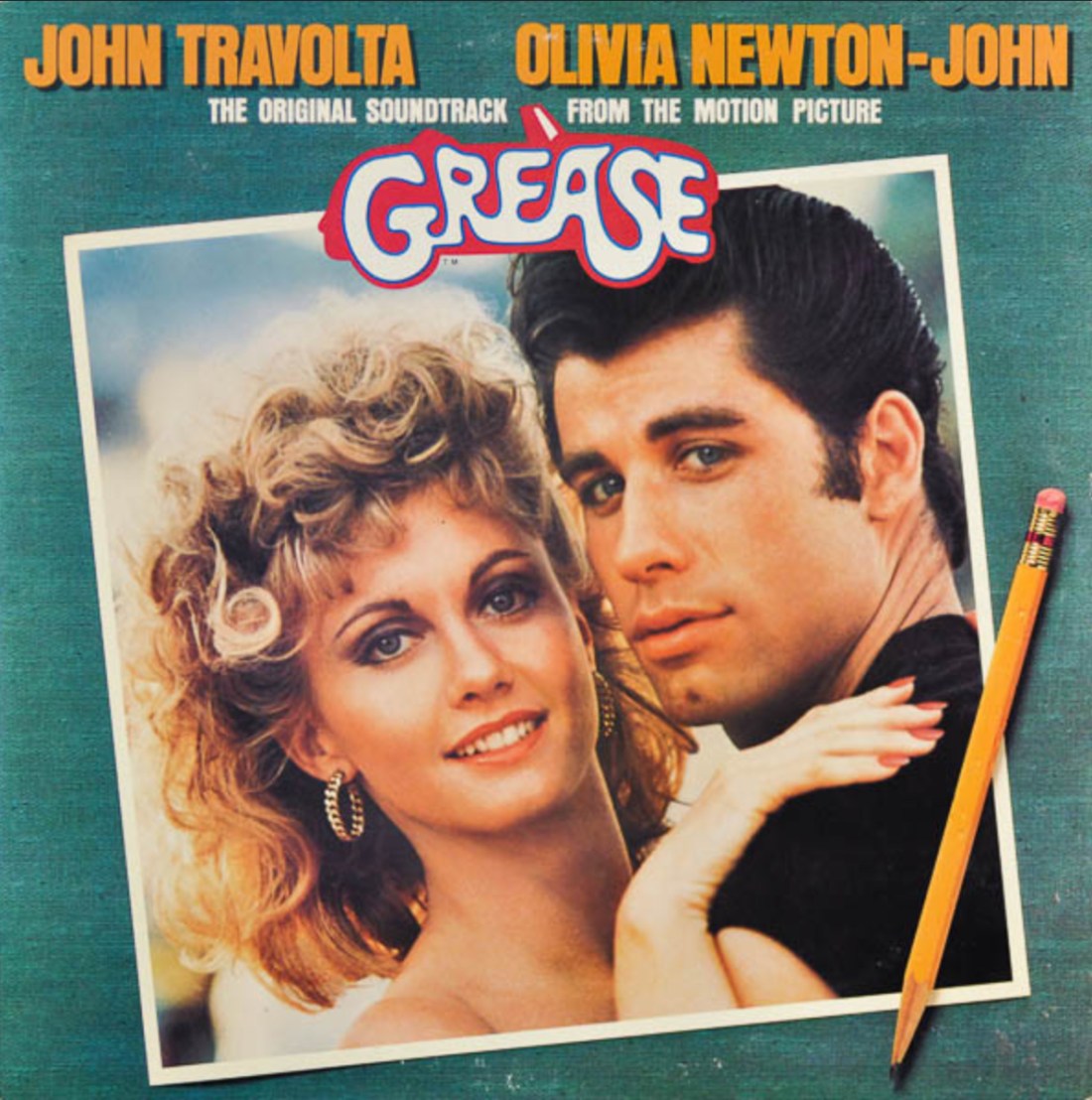
John Travolta & Olivia Newton-John – Summer Nights/You’re the One that I Want

If you were a young boy – or girl, for that matter – who arrived on June 16, 1978 without having reached puberty, there’s a good chance your progress got a significant boost sometime that summer at the 1:41:38 mark of “Grease”. At that moment, after over 101 minutes of sexist jokes and bad acting but undeniably great music, Olivia Newton-John showed up all in black (save for those red shoes that angels so urgently desire) in a tight sweater and tighter pants (apparently, she did not simply slide into those pants but had to have them sewn onto her body), hair frizzed to its theoretical limits, and showed you the future, with all its potential delights and inevitable frustrations. And a glorious reveal it was.

If you had “Olivia Newton-John becomes a sex symbol” on your 1978 bingo card, you were very much in the minority. She was certainly pretty enough for the gig, but her music – all heartfelt ballads and country twang – did not fit the pop vixen model. The first 101 minutes of “Grease” hewed to this image: the last 10 did not. Let’s set aside for now the problematic suggestion that a girl needs to become a tart in order to win over the man she loves. Sure, he claims he is prepared to clean up his act so that he might be worthy of said love. But let us also not forget how quickly his makeover is abandoned when he sees that she has come over to the dark side.

The movie is pretty awful, and amazingly conservative for being so sex obsessed (or maybe it’s sex obsessed because it’s conservative – there was a great “Daily Show” joke in connection with Mark Sanford’s hike along the Appalachian Trail which noted that a lot of conservative men had liberal penises.) The women fare much better than the men, especially Stockard Channing as Rizzo and, to my surprise, Olivia’s often understated work as Sandy. (As an aside, we really didn’t need to wait until Olivia’s makeover – Dinah Manoff was just standing there, looking gorgeous and waiting to be noticed.) Her co-star, John Travolta, almost never stops mugging, and only his star power enables him to overcome this in quieter moments. But the music is the real star anyway, from rock ‘n’ roll classics to songs from the original stage production to new songs like “Hopelessly Devoted to You”.

“Summer Nights” and “You’re the One that I Want” are a matched pair, the former a contradictory account of young love, the latter coming after the lovers have travelled their journey into each other’s arms again. “Summer Nights”, which was taken from the stage show, is a traditional theatrical song, in that the music – with a lot of quietly picked bass notes and even quieter snare taps – is far less important than the lyrics, since it needs to help push the narrative along. Travolta’s thin singing voice works well with Olivia’s angelic tone, helping to highlight the distinction between their characters’ – in his case, fake – perspectives on events of their shared recent past. It is even shot in contrast, with the camera largely aimed up at Travolta and company, and more frequently at eye level – and thus more intimate – when the women are singing. The song has an updated 1960s’ girl group feel (if you ignore the boys’ guttural “well-a, well-a, well-a, huh” contribution), like the Brill Building hit that Goffin and King never got around to writing.

You’re the One that I Want”, written specifically for the movie, is more modern, and maybe sounds a bit too much like “We Go Together”, which follows it in the film. It doesn’t have to carry any narrative weight, so it can be a simple declaration of – well, what, exactly, is it declaring? Attraction and desire, for sure, but not really love. And the way it is staged in the movie is just weird AF. The T-Birds and Pink Ladies, the Greek chorus of the film to that point, are barely seen after the song’s first minute, but a bunch of unnamed backup dancers, including three creepy guys doing weird hand motions and a woman whose dancing style I would characterise as drunk duck, get ample screen time. Plus, the choreography towards the end of the song includes a way-ahead-of-its-time and completely-wackadoodle-for-its-tonal-incongruity country line dancing takeoff. Like I said, weird AF.

I loved “Grease” when I was 14: the following Halloween, my friend Kirk Boutilier and I were paired T-Birds, with me learning in the process – following several hours of repeated washing – that the greasers of the film’s era were not using Johnson’s Baby Oil to achieve their look. But times change: Olivia is, sadly, now gone, as is Jeff Conaway, who played Kenickie, and Travolta has probably never mattered less to the culture in the 50 years that he has been in the public eye. Nostalgia can only take you so far, and the movie will make you squirm at certain points (such as one male character committing what we would now characterize as sexual assault but was then just boys being boys, though certainly not for the girls involved). But the music – boisterous, joyful – hasn’t faded. Nostalgia is best served on your stereo, not your screen, in this case.

Classic Songs of My Youth Revisited #8

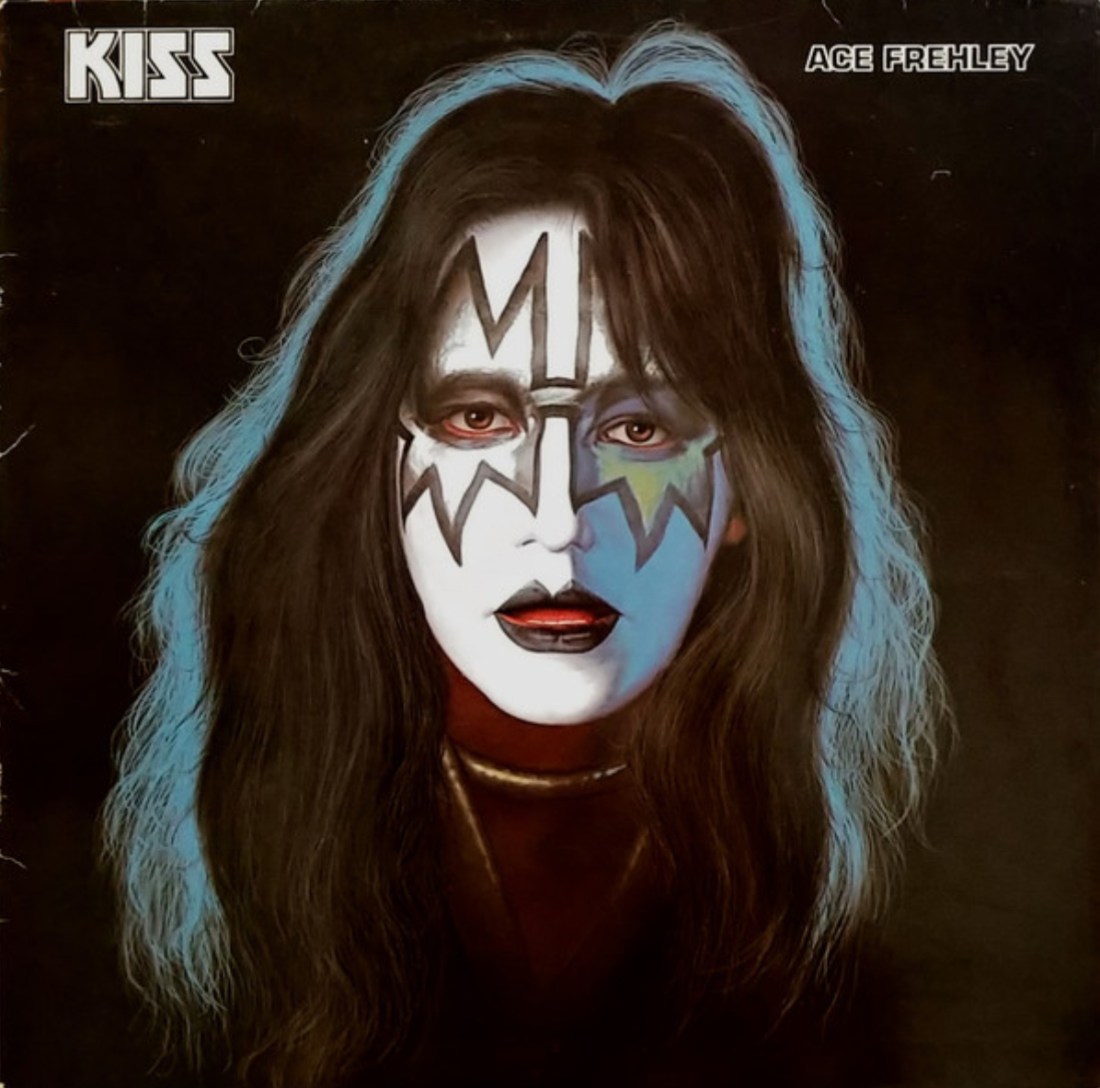
Ace Frehley – New York Groove

Unlike a lot of hormonal boys in the 1970s, I was not the biggest Kiss fan. The makeup and overall schtick was undeniably cool, and I loved the movie “Kiss Meets the Phantom of the Park” (though I remember nothing about it other than some of the band members’ character names). But I was far less enthused by their music. I had their 1979 disco-tinged atrocity “Dynasty”, but it mercifully was soon scratched, and its arresting of my musical development brought to an end. Much better was 1978’s Christmas present from my parents “Double Platinum”, but even this collection of “hits” (only “Beth”, a real outlier for the band, had reached the Top 10) had an awful lot of drudgy filler. The record also irritated me because, for reasons that are unknown and could never make sense anyway, two of their more popular tunes, “Shout It Out Loud” and “Christine Sixteen”, weren’t even included.

So when the band members, either through misplaced confidence in their individual abilities or corporate greed, released solo albums on the same day in late 1978, I mostly shrugged. That they were almost universally dismissed by critics, and performed way below commercial expectations, gave me no reason to reconsider my position. The one exception was the effort from Ace Frehley. It received by far the best reviews – I still remember (meaning I didn’t have to look it up!) a critic saying he was like a .350 hitter on a last-place team who should go play somewhere else. It also sold the most copies. And, for today’s purposes, produced the only hit single.

I don’t know if I loved “New York Groove” from the first listen, but it sure feels like it from the vantage point of 43 years now of playing it. I have never owned a physical copy, but as I moved between delivery models, I usually found a version – a radio-recorded play (cut off slightly at each end to remove the disc jockey’s contribution) on cassette in the ’70s until it become unplayable, a Napster download in the ‘90s, Spotify now – to include on my playlists. It owns a permanent spot on my all-time 100 favourite songs.

I finally used this exercise as a reason to listen to the album, and it is bloody good. More power pop than rock for the most part and not like most of the Kiss that I remember (I think I need to revisit “Double Platinum”, but Spotify is of no help with this). Space Ace did not disappoint.

But the standout remains “New York Groove” – even in a sea of pretty decent tracks, it is the earworm port in the storm. Starting with stomps and handclaps that dare you to not join in, then paired with a guitar that chugs along with a subtle, slowed-down disco churn, it builds to a perfect balance between the vocal and backing track. The ooooooo’s leading into the chorus encourage you to sing along. Against the main guitar line, Ace interjects simple-sounding rock-star flourishes that are in harmony with the rest of the song. His singing conveys the wonder of a traveller getting his legs under him on his return to the site of his greatest triumphs. There is a sense of not believing his good fortune in having a “wicked lady” by his side in HIS Cadillac as he heads into the enticing night. The song never fails to make me want to bounce around and sing along (even after playing it about a dozen times while writing this). It’s 3:03 of pop perfection, ending right before it overstays its welcome.

As an object lesson in how the artist can make the song, check out the original version by Hello. It’s still a pretty good tune, but Ace’s cover – with his more impassioned vocal and slightly-altered grittier lyrics – is the one that has endured. It’s a cleaner and poppier production, and a more fully realized work. Plus, it’s the one, for most listeners, that benefits from the tinge of nostalgia that improves almost everything it touches.

The promise of this record was never fulfilled, and the rest of his tenure with Kiss was filled with drama. He’s still going, 70 now but always rocking, with his last album out in 2020. Not a true one-hit wonder, more a star who exploded with one moment bigger than anything else he could have imagined. If there’s a party in my honour after I’m gone, this absolutely better be played, or I will haunt everyone present until their own final day. Heed these words!