Classic Songs of My Youth Revisited #57

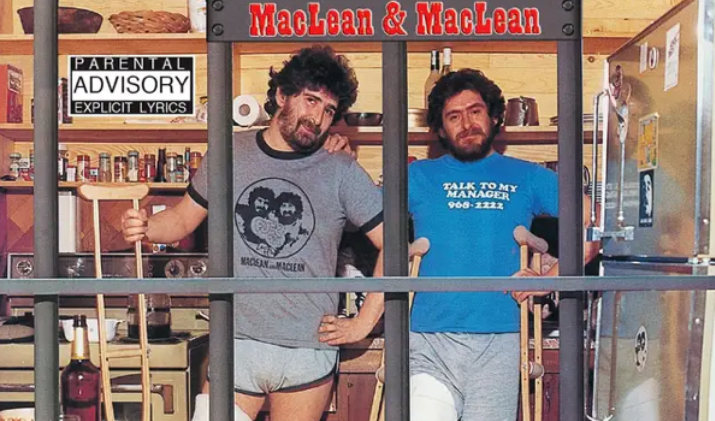
MacLean & MacLean – F**k Ya

If you’re offended by foul language, stop reading right here. You might not want to click any of the links either. I’m not shy about using the occasional obscenity to make a point, but the guys I’m writing about below are on another level. They have song titles that would make George Carlin blush! Consider yourself warned.

It’s pretty unusual to celebrate a song from my youth that I do not, in fact, know for certain that I ever heard the originators perform before I began this journey down memory lane. Such is the case with MacLean & MacLean, the guys who gave the world a musical F- you more than 30 years before Ceelo Green.

In spite of my failing memory, I know I heard this song when I was in high school. Somebody in my circle had access to a copy of their album because we sure as hell weren’t hearing these tunes on CJCB. But on listening to it now, I realized that the tune I’ve had in my head for more than 40 years came from someone else. The voice I’ve been hearing all these years is Robert Barrie’s. Which is good, because Robert is and has always been a singer. God forbid it was Sandy Nicholson or Sandy Fraser – yes, I had two friends with the same first name, who we creatively called Nick and Fras – or some other guy’s voice in my head. Gads, it could have been my own voice.

But it was Robert’s, and I remember his take on the song being less bouncy than the original. Before we get to that, let’s actually talk a bit about MacLean & MacLean. A pair of Cape Bretoners who relocated to Winnipeg, the heyday of brothers Gary and Blair was from 1974 to 1985, over which years they released six albums and allegedly had to go before the Supreme Court of Canada to earn the right to swear on stage in Ontario (it in fact appears to have gone no further than the Ontario Court of Appeal, which is still an impressive commitment to what is essentially a bit, though their entire careers were built on that bit). Before that, they were pals with The Guess Who, and were even credited as co-writers on the band’s live-only 1972 track “Glace Bay Blues”. Their oeuvre was unabashedly obscene: the song titles alone – “Dolly Parton’s T**s”, “Dildo Dawn”, “You Set My D**k On Fire”, and others I don’t dare repeat – tell you exactly what you need to know about the brothers’ act. It was puerile, gloriously stupid, and enormously appealing to the kind of guy who howls with laughter when he sees another man get hit in the testicles for comic effect.

F**k Ya” was one of their many rewritings of existing tunes, another one being “I’ve Seen Pubic Hair”, which spun out from fellow Nova Scotian Hank Snow’s 1962 number one country hit “I’ve Been Everywhere”. This one was from a number called “Ja-Da”, which I had never heard of but is actually a jazz standard, with covers by such artists as Frank Sinatra, Oscar Peterson, Louie Prima, Count Basie, Al Jarreau, Frankie Valli and the Four Seasons (!) and Sharon, Lois & Bram (!!!). My friend Robert’s take on the MacLeans’ parody was harder edged than the original’s finger-snapping, a cappella, standing-on-a-street corner sort of sound. It was a very adaptable tune.

Look, I don’t have much to say about this song, or any of the brothers’ other tunes: it’s a parody, and not even a clever one. But it matters to me because my enjoyment of it shows a side of my personality that might surprise anyone who doesn’t know me all that well (which I think is most people I encounter – I’m a good compartmentalizer). To the world in which I work, and (I think) most family members and more dignified acquaintances, I’m a fairly buttoned down, conservative living and generally decent fellow. I read a lot of books that you would call literature, enjoy foreign and classic movies, listen to a lot of really smart music (and some not-so-smart stuff, too), and have zero interest in “dumb” popular culture like reality TV (except cooking shows). My wife, however, has long commented on her surprise over the things that I find funny. I will happily watch a movie like “Dodgeball” for the umpteenth time and still howl like a maniac at what I’m watching. (If this scene doesn’t make you crack up, I don’t know if we could be friends.) I am that guy who thinks that a kick in the testicles is hilarious – they’d just better not be my testicles. Generally, any kind of comedy that uses low-level violence or bad words to get a laugh is in my wheelhouse. If it would feel awkward to watch it with my mother or daughters, you know I’m turning it on as soon as they leave the room.

MacLean & MacLean are a part of that grand tradition of doing or saying stupid things to make people laugh. I can’t remember the last time I heard anyone mention them, and the under 5,000 monthly listeners on Spotify shows that whatever minimal relevance they had to the culture during their run has long since disappeared. These songs aren’t meant to endure: the best they can offer is a howl while you down another beer and try to forget what’s hurting you. That’s still a pretty noble pursuit in my book, no matter how foul the words are that get you there.
Classic Songs of My Youth Revisited #53

Minglewood Band – Can’t You See

For music lovers of my generation living in Cape Breton, Nova Scotia, there may not have been a more important artist than Minglewood Band. While there were other bands in the area experiencing varying degrees of success – I remember Road (we owned the 45 of “Song for Noel”) and Sam Moon, among others, getting a fair bit of local radio play – Minglewood were the band that stood out, not only for their crisp country-tinged blues rock sound that played equally well in high school gyms, church halls and bars, but also for the fact that someone outside the Maritimes was paying attention: they earned a Juno nomination for most promising group in 1980.

But I have a slightly more personal attachment: every time I hear one of their songs, I think about the night that one of my closest friends stole my prom date.

Calvin Hood and Doug Maxwell were both a year ahead of me in school, as were several others in my circle of friends, and I really wanted to celebrate their prom with them. I was, however, as per my usual high school status, very single, and not exactly gifted with the skill set needed to end that. Calvin’s solution was to have me escort his sister Nadine, who was several years older than me and out of school already, but more importantly a super sweet girl who I was thrilled to have the chance to awkwardly (because awkwardly is how I rolled back then) hang out with. We would go on to become really close friends, and I spent as much time socializing with her as anyone over the next year or so before I headed off to university. But first we had to get through June 1981 and prom.

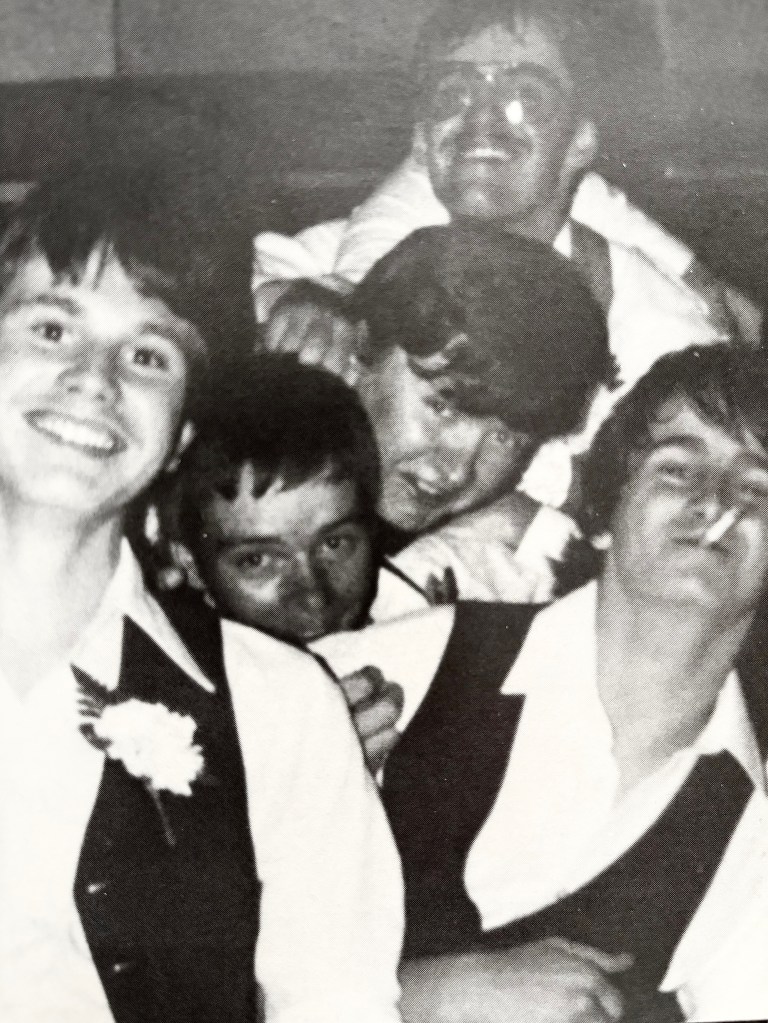
(This might be a good time to point out that I wasn’t entirely without swagger, as this photo taken that night will hopefully prove:

That’s me at the bottom right, with Doug at the top and Calvin directly below him, Robert Garnier on the left and Steve Horton in the middle fighting for breath.) (See! These people that I write about are real!)

And then there was Doug, who was also at prom with a friend who was not a potential romantic partner. And Doug fell hard for Nadine.

Doug knew there was nothing romantic going on between me and my date (as I recall, Steve was the only one in our crowd who was at prom with his actual girlfriend), but he was ever a gentleman and a righteous dude. Prom ended, and we retired to a small gathering at our pal Darrell Clarke’s house, where we ate lobster that I had procured earlier that day, impressing my friends by attacking the little creatures with such gusto that crustacean juice was splashing everyone at the table. We also became progressively drunker, and at some point Doug and I ended up alone when I found him waiting in the hallway as I exited the upper floor washroom. (Yes, it was a setup.) Leaning close in like conspiratorial stupid boys will do in such cases, he told me he had a crush on my date. This wasn’t out of character for Doug: of all my friends of that era, he was probably the most heart-on-his-sleeve type. I affirmed his belief that I was not a barrier to him acting on those feelings, and we parted.

Having been third-wheeled by my pal, I ended up at the stereo, where Minglewood Band’s self-titled 1979 album was playing. And for the rest of the night bleeding into sunrise, I did three things. I would travel to the fridge for another drink. I would flip the album over to the other side. And I would lie on the floor drinking beer and listening to Minglewood Band.

The truth was, I had never been much of a fan. I hadn’t seen them live at that point (that came a few years later, and they were pretty awesome). I was a committed top 40 kid in an era when – and I am surprised now to be reminded of this – Styx and REO Speedwagon spent four painful months moving in and out of the top spot on the best selling albums chart. Minglewood did not play the kind of music I was listening to. But there is something about being 16, hammered out of your ever-loving mind and filled with the glow of having done a solid for a friend that can bind you to the music of that moment, and that was Minglewood, and especially “Can’t You See”.

What’s amazing about “Can’t You See” is that they turned it from a southern rock classic (I didn’t know until years later that it was a cover of a Marshall Tucker Band record) into a tune that is as Cape Breton as pogey, cod fishing and bagpipes. The key lies in the narrative that frontman Matt Minglewood reels out at the beginning: the tale of a small town boy in the big city whose life is falling apart but he just can’t bear the thought of heading back home a failure. Leaving and coming back no better off than you left – whether materially or personally – is the classic Cape Breton journey. Succeeding means staying away, whether it’s for weeks at a time, or years. When my children were relocating to Cape Breton after their mother and I split up, my Ontario friends said I shouldn’t let them go, that they needed to see me all the time. I wasn’t concerned. My father was a fisherman, and he’d be away weeks at a time in summer. Some friends had it worse (or better?), with fathers off in Ontario for month-long turns on the boats that worked the Great Lakes, or longer as they toiled in the oil fields of Alberta or the frozen north. Absent fathers is the Cape Breton way, and I had turned out fine, right?

It’s a gentle opening, subtly evoking the loneliness of the open country, then a mournful guitar kicks in. Matt starts talking at 51 seconds, and right away tells you that “this is definitely a song about loneliness”. In two minutes, before singing even one of Toy Caldwell’s words, he spins the classic East Coaster’s tale of success and failure in the big city, culminating in the dread of “that long anxious walk down that short corridor” that soon leads to him waiting for a train to God only knows where at 4:00 a.m., wanting home but feeling like he can’t go back there, not now, not like this. When he starts to sing, all the pain and anguish of lost love and the migrant’s feeling of dislocation comes through, of feeling that no one would care if you just disappeared. There’s tinkly piano, tear-jerker harmonica and keyboard, and over it all is Matt, leaving every emotion, every bit of himself, in the grooves. The final minute is a tour de force of duelling instruments, conveying the confusion in the young man’s soul. And it ends where it began – with the small town boy going back home. A song of the south was never more poignant than when in the hands of a bunch of Cape Bretoners. 

As for other higher profile cover versions, The Charlie Daniels Band do a good job, but without quite the same depth as Minglewood, and my second favourite version might be from Black Stone Cherry, who dispense with the sentimentality and turn it into a howling rallying cry for a beaten down man. Hank Williams Jr.’s version is too loose, Waylon Jennings’ too mannered, Gary Stewart’s an abomination (this song is not a romp!). Many versions are too up-tempo, as if not trusting the pathos at the song’s heart. Minglewood Band didn’t miss that, and if they skirt the line of becoming maudlin, they don’t cross it. Maybe I only feel that way because the song is personal to me, to my experience, but what’s the point of making and enjoying art if that doesn’t happen?

Doug and Nadine dated for a few years, but their destinies lay elsewhere. I eventually reconnected with both for a time over Facebook, but those kinds of relationships aren’t real and can’t last. Doug is gone now, and it seems he remained a stand-up guy to the end, which would surprise no one who ever met him. I’ve been listening to “Can’t You See” on repeat and feeling sad over Doug, but in the end, the song is about a triumph, about having a home to return to even when you are at your lowest. If you’re from Cape Breton (or anywhere that you call home, really), you understand what that means. And if you’re not, you should go there anyway. As my wife could tell you, you’ll be warmly welcomed by people like Doug: decent, honourable and a good hang – even when they’re stealing your date.

Classic Songs of My Youth Revisited #36

Rick Springfield – Jessie’s Girl

I’ve always thought that “13 Going on 30” had a Rick Springfield problem.

If you know the movie (and if you don’t, then shame on you), 13-year-old Jenna is a big Springfield fan. I, too, had been a fan, but by 1987, when the “13” part of the movie is set, Rick’s time at the top of the charts was long past. He hadn’t released an album since 1985, and his last single had peaked at #22. Jenna would have been 7 when he was at his peak, and 11 when he last mattered. I know that first musical loves hit hard, but I have been the father to two 13-year-old girls, and I am fairly certain that they would have moved on if someone disappeared from their sights for two years. Surely, Jenna was more likely to be listening to Debbie Gibson or Tiffany (two singles that year) or Glenn Medeiros or some other pop icon that you may have forgotten but that burned brightly back then. 1987 Rick Springfield was also 38 years old. Ick.

I’m pretty certain this is because of the lag time between when the script was written and when the movie actually came out. If, say, the script was written in 2001, that would have made Jenna 13 in 1984, the year of “Hard to Hold”, when film stardom was still a possibility for our hero. You also see this problem with the reference to “Thriller”, which was not a song that a lot of people cared about in 1987; by then, we were all listening to “Bad”. But “Thriller” – and it’s video – played a fairly central role in advancing the film’s plot, so factual logic be damned.

None of this is meant to condemn the movie, which I love. Anyone who comes out of it not adoring Jennifer Garner is dead inside. Judy Greer, who has to be a lovely person to keep getting so much work, creates a first class bitch in Jenna’s best frenemy. Andy Serkis shows he’s capable of much more than motion capture, and Mark Ruffalo makes for a charming romantic lead. It’s also got some neat actors in smaller parts. Brie Larson plays one of the teen bad girls. The actor playing the younger version of Ruffalo’s character grew up to become the sort of cool sax playing Johnny Atkins on “The Goldbergs” (and is brother to the guy who played Ryan Reynolds’ horny kid brother in “Just Friends”). And, finally, Jim Gaffigan shows the unfortunate mess (sorry, Jim!) that your teen crush might turn into.

The song, as would appear obvious from the opening lines, is about the narrator’s attraction to his pal Jessie’s new girlfriend. Yet, one of the more amazing things about the song’s pop culture afterlife is the theory that the narrator is actually in love with Jessie (somehow misheard through a sort of wishful thinking as “I wish that I was Jessie’s girl”), and sees the woman as a barrier to that. It’s the sort of thing that would never occur to most of us, but, once pointed out, is hard to ignore. I can find no reason to believe that was Springfield’s intention, but it is odd how vague the object of his affection is as compared to the friend he envies – she doesn’t even have a name. 

There are a lot of cover versions, most of which are too faithful to the original to be worth anyone’s time. Craig Robinson’s version from “Hot Tub Time Machine” is fun because, well, it’s Craig Robinson, so of course it is. Matt the Electrician does a folky version that would confuse you in that “How do I know this?” way if you encountered it accidentally in nature (the way I felt when the acoustic version of “Take On Me” turned up in “Deadpool 2”). Mary Lambert strips it down to just piano, turning it into a torch song, but my absolute favourite is from Tate Logan and Zachary Ross and the Divine, who give it a pop punk spin that shows the true emo roots of the song. (What could be more emo than pining for another dude’s lady?) It even has a sequel, which is a decent tune in its own right.

But this is supposed to be about the original, and Springfield’s “Jessie’s Girl” rules. What’s less clear is why that is so. It certainly wasn’t an obvious hit at the time – it wasn’t even the first single off “Working Class Dog”. It’s a fun song, but as catchy as it is, no one would ever mistake it for an objectively great song, which becomes clearer on repeat listens. It opens with some fairly simple strumming, then Springfield comes in singing, all fey and breathy. Even after the song revs up, it feels confused, like it wants to be a rock song but knows it’s too insubstantial for that. There’s fuzzy guitar on the verses and then tinny on the chorus, and the obligatory solo (which absolutely no one is playing air guitar to) feels like Rick wanting to prove he’s more than another pretty boy who can sing.

And yet, “Jessie’s Girl” can’t be ignored – that opening guitar is immediately recognizable and can transport you to the early 1980s. I have no recall of loving this in 1981, yet I must have: when I got a new cassette player in June 1982, two of my earliest purchases were “Working Class Dog” and its follow up “Success Hasn’t Spoiled Me Yet”. He was so big at the time that we talked about his songs like any other important artist: I remember a friend having a theory about the meaning of a lyric from “What Kind of Fool Am I”. We knew that the dog on his album covers was named Ron. And it attained ultimate cultural relevance by showing by in a Paul Thomas Anderson movie, with stoned Alfred Molina singing along. The now 73-year-old Springfield is still playing his ass off (and looking pretty fine doing it), and the song has never really left the airwaves, or stopped making new fans: on TikTok there is a clip of Harry Styles from 2012 saying it’s the song that gets him and Zayn Malik pumped up before a gig, and they were still doing a little dance routine to it two years later. Teen idols, separated by more than 30 years, but connected by a song. Maybe it’s not so odd after all that Jenna still loved him in 1987.

Classic Songs of My Youth Revisited #32

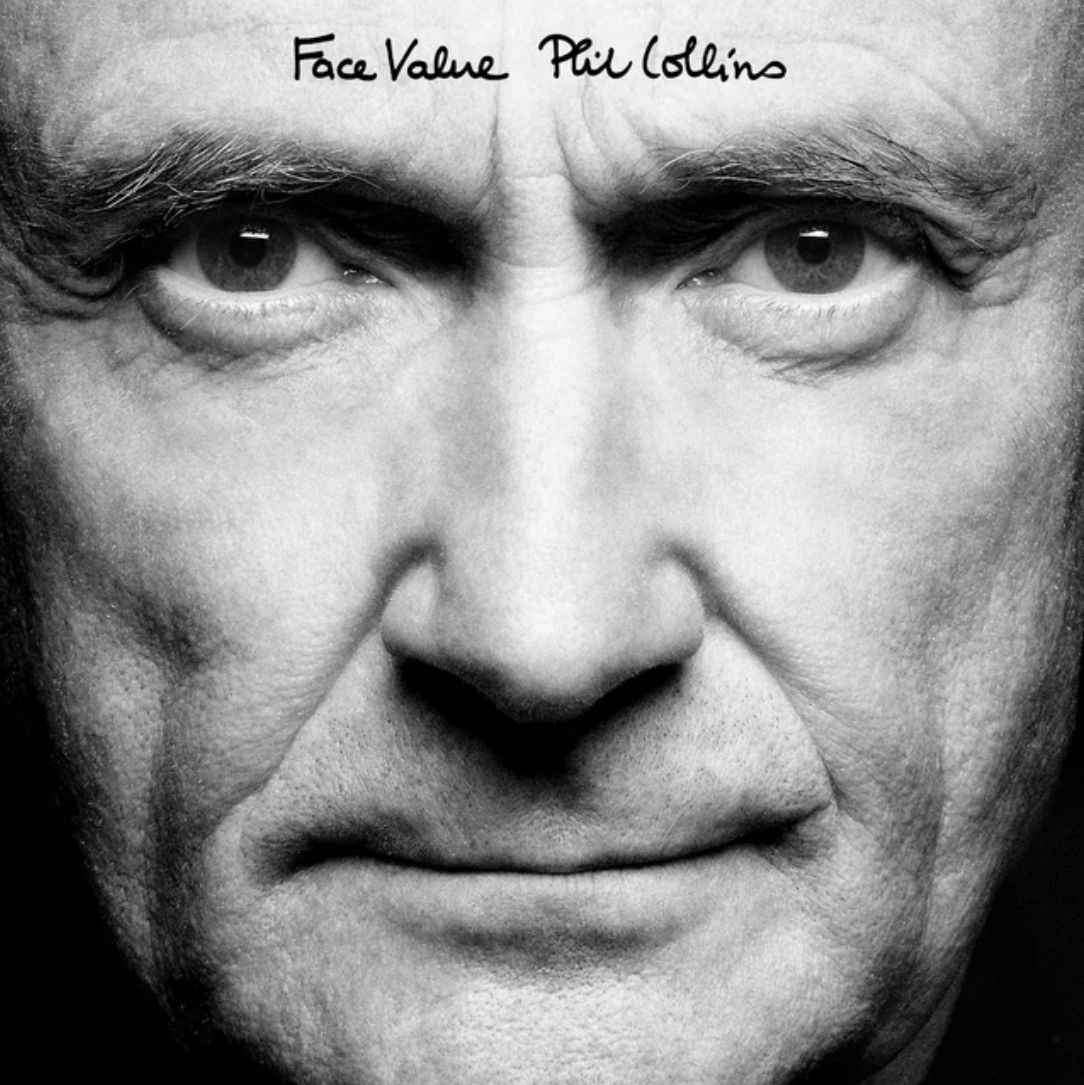
Phil Collins – In the Air Tonight

If you set yourself the task of revisiting your past, musical or otherwise, you are soon going to find yourself writing about a lot of dead people. I don’t think that’s an inherently sad enterprise, as much as I still find myself surprised by all those who are gone who once shone brightly in my days.

It was Doug Maxwell who first played “In the Air Tonight” for me, and he did it in the worst way possible. Before the needle dropped, he told me I was going to be blown away. Never do that to someone. First, it’s a song – keep expectations realistic. It’s also a lot of pressure. What if I’m not blown away? Am I somehow lacking as a result?

I had really crappy music players when I was a kid. First, there was a record player with a tiny speaker in the front, then a proper stereo with detached speakers that was still about 95% cheap plastic. I don’t recall our home ever having an 8-track system, and our cassette player was also low tech. My high school graduation present from my parents was a higher end boombox-type cassette player/radio that gave me my first glimpse of personal hi-fidelity. Up until then, sound quality was something experienced only at friends’ homes.

Doug had a great system. I could not begin to tell you a single thing about it because I just wasn’t paying attention. For all my love of music, sound quality has never been a big priority for me, which might explain my love for jangly guitar rock, the low-effort instinct of punk, and bedroom pop: a great hook is a great hook and a clever lyric still resonates no matter how cruddy it sounds. It could be that because I fell in love with music in a cruddy sonic environment, I developed an ear for hearing what really mattered in a record, since that’s all I could get from it. Music is completely democratic: you just need will, creativity and something to make a sound with. You don’t even need money: your voice is enough of an instrument, and you can set a beat by tapping on, well, anything. What happens after that is mostly out of your control, but you’re still making music, and that DIY aesthetic has long found a home in my ears.

Thankfully, I was blown away by “In the Air Tonight”, though it was never a tune that made it into heavy rotation for me, likely because it really is one of those songs that benefits immensely from being played on a great sound system. It’s all gloomy atmospherics, and sounds like it’s being sung underwater, or at least in an empty swimming pool. No wonder the “Miami Vice” producers were attracted to it: it’s pure feeling distilled into sound (it was from Phil’s divorce album, after all, and divorce is very much about feeling powerless and incapable of expressing how you feel without devolving into histrionics). It’s an incredibly bitter song – “Well, if you told me you were drowning / I would not lend a hand” is an all-time Top 10 “fuck you” – and there is a tension, an edginess, that never relents.

But what makes this song legendary is the drum solo, and everything that comes after that. If you watch the official music video (Speaking of democratic, remember when pop stars could look like the guy who fixes your broken household items?), you can tell the director had no idea what a weapon he had at his disposal in that oh-so-brief drum solo. The song changes after Phil lets rip at 3:41 for a mere three seconds of “holy fuck, what was that?” bloodletting as all his anxiety and fear and anger are taken out on his kit. And though the tempo doesn’t really change, it somehow feels more urgent, with the drum a constant throbbing presence until the end. And that end takes forever to come: it has the longest fade-out in my experience, with a noticeable volume change 52 seconds before the song ends. And Phil is at full howl for all of it, a Janovian rant against the wilds.

Doug passed away less than a year ago, far too fucking early as usual. He had a big personality in a small form, and was one of many music-loving friends that I, coincidentally, surrounded myself with during those years of growth. He was also one of too many friends who I mostly lost touch with over the years. It happens: life’s journey is, hopefully, a long and varied one, and it’s foolish to think that the people who mattered most to you at 17 will still be on the ride with you when it comes to a stop. And yet, once again, I feel sad about it. It might be that drifting apart is the best way for a friendship to end: the happy memories aren’t tinged by the less happy stuff that came after. With Doug, I have a lot of musical memories: “Elvira”, “Jumping Jack Flash” and the still-to-be-told “Can’t You See” prom night tale. It’s nice that they aren’t befouled by an argument over something like Limp Bizkit’s “Nookie”. Wouldn’t that be awful?

Classic Songs of My Youth Revisited #17

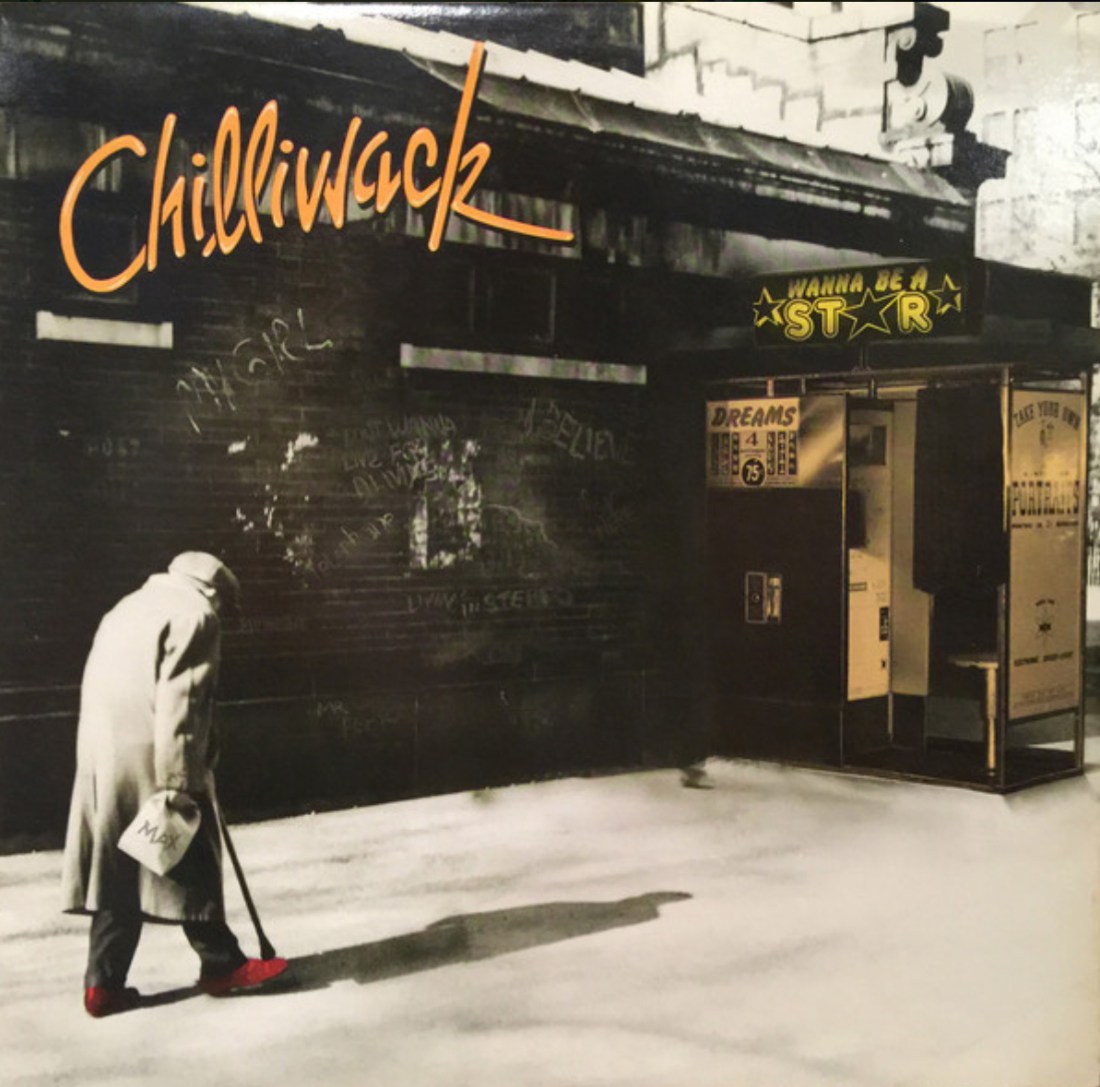
Chilliwack – My Girl (Gone, Gone, Gone)

I never much cared for Chilliwack, or most of the other Canadian groups that got lots of airplay, like Bachman-Turner Overdrive, Trooper and April Wine, when I was growing up in Cape Breton in the 1970s. (Rush was the notable exception.) Their songs were fine, but that’s a pretty mealy-mouthed bit of non-praise. I never bought any of their albums or singles, and only rarely recorded them off the radio for replay. I didn’t leave the room when they came on: I was simple apathetic about their existence.

I wonder if Canadian content rules hurt some artists creatively while helping them fiscally. It certainly gave lots of acts a boost, guaranteeing that more of them got on the air. But sometimes that protection granted an unearned spot that could have gone to a better, non-Canadian band. As an example, I coincidentally (because I would never play it on purpose) heard “California Girl” by Chilliwack while browsing in a Halifax thrift shop just two days ago. I hated this song in 1977, and I still think it sucks in 2022. My local rock station could’ve used that time on a whole bunch of classics that never made it to their airwaves: Television’s “Marquee Moon” on its own could’ve replaced two plays of “California Girl” (though radio stations everywhere were missing out on this particular masterpiece in 1977). On the flip side, if those MAPL protections are the reason for “My Girl (Gone, Gone, Gone)” coming along four years later, I guess it was worth it. I guess.

Nope, it was totally worth it, because “My Girl” still kicks ass 41 years later. As a measure of this, I bought the album it came from, “Wanna Be A Star”, and the one that came after it a year later out of pure continuing good will. I first heard the song in the basement of Jay Galpin’s house. Jay and I were in the same grade, but ran in different circles. (Well, Jay probably ran – I hung near the back and slunk in when I saw a gap.) I briefly dated his younger sister Jill, and one Saturday night, as Jill and I were hanging around in their basement listening to music, Jay came in, barely acknowledged our presence, and commandeered the stereo. He played two songs – “Destroyer” by The Kinks and “My Girl” – then fucked off without another word. It was pretty gangster, in retrospect, and I had heard two amazing new songs.

“Destroyer”, which I hadn’t listened to in years, is still fantastic, but we’re here to talk about “My Girl”. There’s a real ‘50s doo wop feel right out of the gate, like a bunch of guys standing in a tunnel over a trash can fire or scattered around a high school washroom, snapping their fingers to set the beat for the echoey “gone, gone, gone” intro. It’s a song that was made for singing along to. It quickly turns into a modern pop song, with a really solid toe-tapping backbeat, but never loses that air of nostalgia, including a nice Beach Boys-esque “woo ooo” just before the 1:00 mark. The obligatory guitar solo is pleasant enough, and they get it out of the way early, so you haven’t lost interest by the time the chorus kicks back in at 2:13, upping the drama with just the tiniest uptick in tempo. Then, right when they should be winding down, the energy kicks up just before 3:00, and it becomes a balls out race to the fade out.

One thing that makes it great is the interplay between the lead and backing vocals. And while it hasn’t been covered widely, all three versions that made an impression on me were completely faithful to the original, while taking advantage of that dynamic. The Stanford Mendicants, the Treblemakers of this particular tale, though hopefully less dickish than Bumper, do a classic a capella take, and Bailey Pelkman has a gals only countrified version that feels like this is a song The Andrews Sisters and their ilk could’ve knocked out of the park. But the version that really reveals the song’s strength comes from a dedicated ‘80s covers act, The B.A. Baracus Band, who hit it with their unique blend of acoustic guitar, djembe and kazoos (the singer is no match for Bill Henderson – he’s game as fuck though, so major props to him). Pity the fool who doesn’t appreciate the effort.

This was Chilliwack’s biggest hit by far, though “I Believe” from the same album also did well. Amazingly, “Fly at Night”, a Canada-only hit from 1976, is more popular than “My Girl” on Spotify, and I don’t understand that at all. In 1982, they tried to recapture the magic with “Whatcha Gonna Do?”, and it sort of worked, but it was no “My Girl” and had nowhere near the success. By the next year, they were a band in name only. But they left us one perfect 4:14 record of their time on our airwaves.

Classic Songs of My Youth Revisited #13

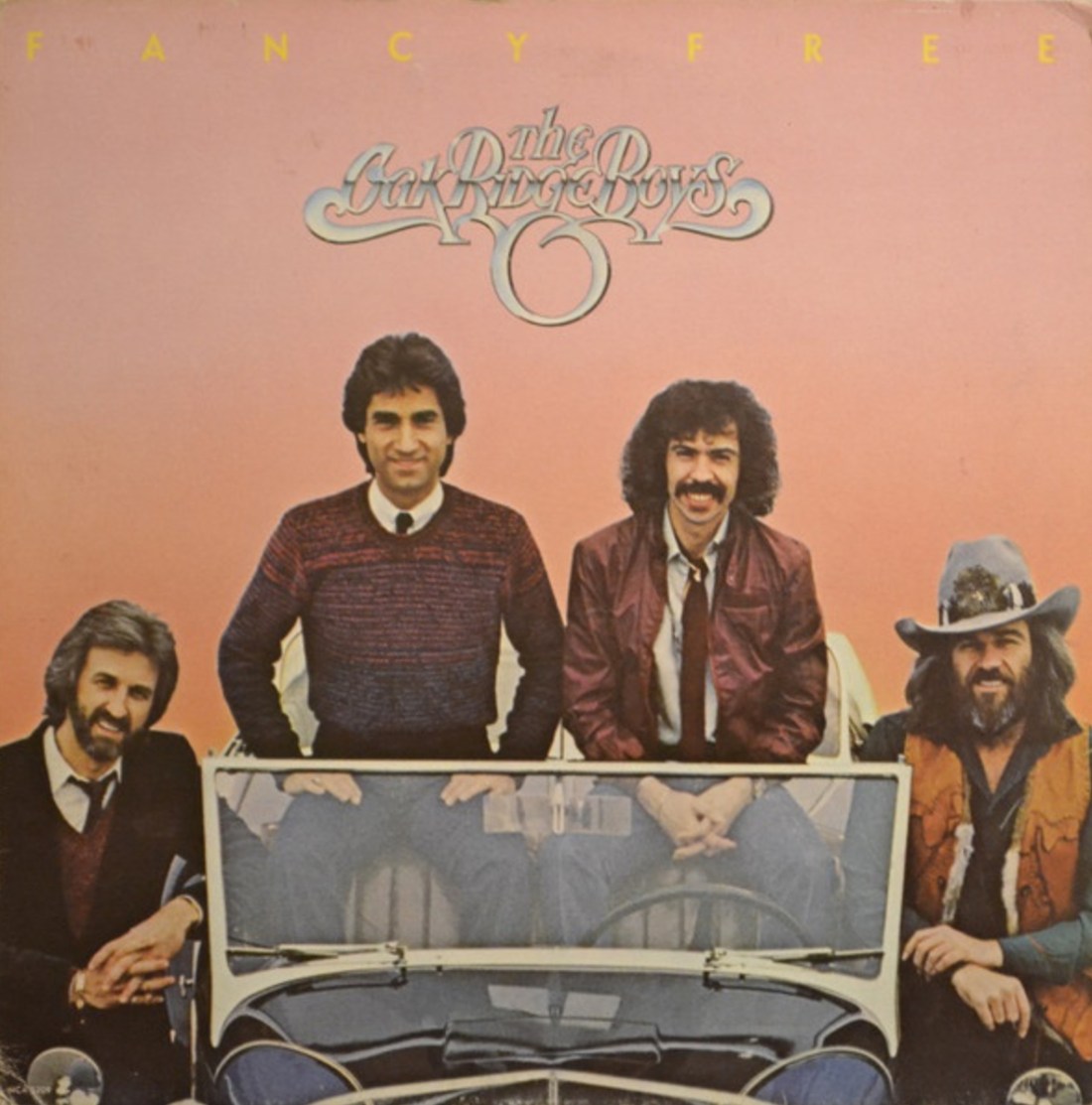
The Oak Ridge Boys – Elvira

Nostalgia can be very dangerous. It can easily lead you down a path where you greatly overstate the awesomeness of some past thing. But I don’t think it’s nostalgia when I say that I had more fun in the summer of 1981 than any other.

The linchpin of this was one Calvin Hood, who decided in the fall of 1980 that I was his friend, so I (after some brief hesitation) gladly jumped on for the ride. He was several years older, back in high school on a part-time basis to finish an aborted diploma now that he had figured out his path in life. Calvin might have been the most essentially decent person I ever met – and one of my aunts is a nun. He made decisions for his own life based in part on how they might impact YOUR immortal soul. He was unabashedly Christian, but never preachy or pushy – he just lived his life in a way that you couldn’t help but admire.

The highlight of that summer would come on Sunday nights. An ever-changing group of four to six of us would go to the drive-in for the midnight double feature, a carful of rowdy late teens and young adults who were usually too busy trying to crack each other up or visiting friends in other vehicles to pay much attention to the movie (mostly cheesy action or detective flix and soft core erotica (I think Calvin took a pass on those nights) from the 1960s and early 1970s – I (sort of) saw “Vixen!” and “Supervixens” in one night). After­wards, we would drive into the nearby city, play “spy” on the dark empty streets (basically, chasing each other around) or have Chinese fire drills, then head to Tim Hortons, where we would consume most of a large portion of Timbits before heading out to play tennis badly as the sun was coming up. We did this for several weeks, then Calvin left town for a new job and Doug Maxwell – the only decent tennis player among us (and I better not hear from anyone else who was there trying to defend their tennis game) – left to join the military, and the rest of us drifted off to other activities. As stupid as it all sounds now, it was a blast, and that was really more about who I was with than what we did. To paraphrase the narrator at the end of “Stand by Me“, I never had any friends later on like the ones I had when I was 16.

On CJCB radio, lords of the soundtrack to our summer, the biggest song – or at least the one that seemed to always be playing that year – was “Elvira” by The Oak Ridge Boys. Sometimes, we would request it, timing our call so that it came on the air while we were at the coffee shop. But it was better if it played when you weren’t expecting it. You would be rolling along, laughing about something stupid or ragging one of the other guys (or being ragged on), and then you’d hear that intro and – boom! – a car full of idiots were singing along in full voice.

It’s such a fun song to sing along with. Maybe it’s a karaoke standard by now but I expect it’s better to have the Boys as your backing track. Those giddy ups and oom poppas are delightful – I defy you to sing along and not feel happy. It’s almost entirely corn, like good bourbon mash, and that’s also part of the fun. A lot of the best country music doesn’t take itself too seriously – think of people like Brad Paisley or Toby Keith, or consider a song like “I’m Gonna Hire a Wino to Decorate our Home” or “You’re the Reason our Kids Are Ugly” or “It’s Hard to Be Humble”. This makes them a buttload of fun to sing along with, to give in to the ridiculousness of the thing, and let loose and just have fun with it. “Elvira” tapped into that, and for a group of rock-loving boys – I was at a party on prom night that June where we kept playing the same Minglewood Band album over and over and over until we were too drunk to care anymore – The Oak Ridge Boys owned an awful lot of our aural real estate for that brief window in time. I’ll never be able to separate that song from the love I felt – never expressed, of course, because I was a male teenager of a certain generation – for the friends I sang along with. I’ve had a lot of great summers since, with a lot of great songs, but I don’t think any of them can compete with 1981 and “Elvira”.