Classic Songs of My Youth Revisited #66

Jim Croce – Bad, Bad Leroy Brown

As much as I love listening to music, as well as talking and writing about it, I am bereft when it comes to creating it. Junior high school music classes included playing the ukelele and recorder, I once owned a keyboard (officially purchased for my children, but, sure, I had notions, too), and I have made several attempts to learn the guitar, but always lacked the staying power to see it through. It may be that my destiny was to end up exactly where I am.

My first glimpse of how I might not be up to swimming in the musical deep end came in the spring of 1976, when I was 11 years old. I had made some early attempts at songwriting by then, if you can call it that, since it consisted of lyrics with a melody, but not even rudimentary chords. I was not shy about promoting my efforts, so on a school trip to Ottawa I broke out some of my songs and sang them for classmates. I remember only positive responses, because of course I do, and I at a minimum felt bolstered in my delusions by that positivity.

Also on that trip was Robert Barrie, who was one of my closest friends. I expect I had heard him sing before that point, but have no firm memory of it. But on the train back to Nova Scotia, he sang for our group, and I remember that as clear as day. It was a lightning bolt through the heart, with their enthusiastic response letting me know just how far I had to go if I was serious about making a life in music. I had dreams, but Robert had actual talent, and all else being equal, you’re far better having the latter. Luckily for me, as the years since have proven, I wasn’t serious about making music; rather, it was one of many dreams (professional hockey player being one, film director another – aim high, right?) that I was trying on over the journey to whatever the heck you want to call what I’ve done with my working life. Robert, on the other hand, was serious, and he has continued to play music in one capacity or another to this day.

That trip came back to me a few weeks ago on a visit to Cape Breton to celebrate the lives of my recently passed mother and stepfather. Robert and I are still close, and when we learned he’d be playing a few solo shows during our visit, my wife and I made up our minds to see him. It turned out to be a fortuitous evening: he was playing at the very place (rebuilt after a fire) where my mother and stepfather first met over 40 years ago, and the evening included a surreptitious request by our future son-in-law for permission to ask our daughter to be his bride. (So old fashioned!) And one of the songs he played during a fantastic show was Jim Croce’s “Bad, Bad Leroy Brown”: the very song that he sang on the train that had left me breathless with jealousy over his colossal talent. To add to the fortuity of it all, he had only recently added it to his set list.

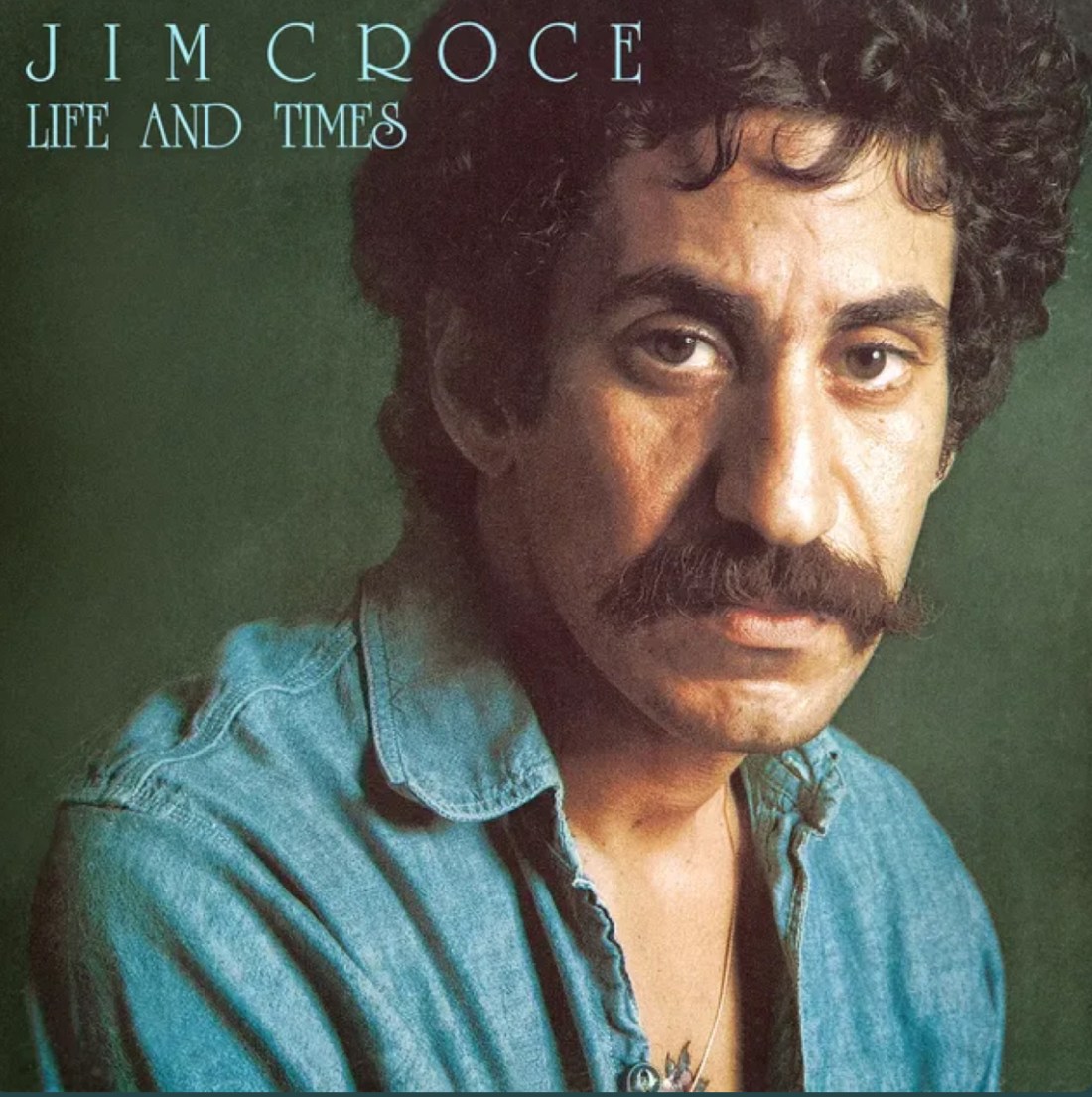
Of course, you know the song: it was a number 1 hit in 1973, and will remain a staple of oldies radio stations as long as such things exist. Croce, tragically, never got to see this afterlife for his song, passing away just two months later and joining the far too long list of musical greats who died in an aviation-related incident. (There’s a Wikipedia entry for this, for God’s sake.)

It starts with a rollicking honky tonk piano, which is either inspired by or stolen from (depending on how generous you feel) the opening to Bobby Darin’s “Queen of the Hop”, and there’s a big “Woo!” before the opening verse kicks in. It isn’t a complicated song: the pace never really changes, and other than a bit of noodling on the guitar and piano starting with the second verse, nothing much happens in the background of the tune. As for the lyrics, Croce never says that Leroy is Black, but he certainly sounds like a character out of a blaxploitation flick: fancy clothes, big flashy cars, a penchant for criminal activities, certain linguistic clues. Leroy is not only the bad guy in the story: he loses the climactic battle. So, it’s basically the tale of an asshole who gets his comeuppance. Of such ingredients are chart topping hits cooked up.

When my father passed away in February 2007, I knew I wasn’t going to be getting any part of an estate, but there was something I wanted. After the funeral, I was trying to figure out how to ask my stepmother for his old Fender guitar, but she offered it to me unprompted. It followed me to a new home a year later when my first marriage broke up, staying in its case until my future wife bought me lessons as a Christmas present. I was working out how to play “Too Much” from the fantastic Elvis Presley compilation “Elvis 56” when I was accepted into law school, and back into the case it went. 15 years later, it’s still there.

In 2024, during one of my many visits that year to see my dying mother, my Uncle Jimmy, who was present when I was gifted that guitar, asked if I ever played it. I confessed that I did not. This was one of two times that year that I believe I disappointed him. I corrected one of those on this last trip, when I finally visited my father’s gravesite for the first time. I think it might be time to crack open the guitar case and get to work on the other. It’ll just be for me and my dad – and Jimmy, if he’s okay with me not sounding as good as Robert, or my father, for that matter. We can’t all have talent, but that’s no reason not to do the things we love.
Classic Songs of My Youth Revisited #65

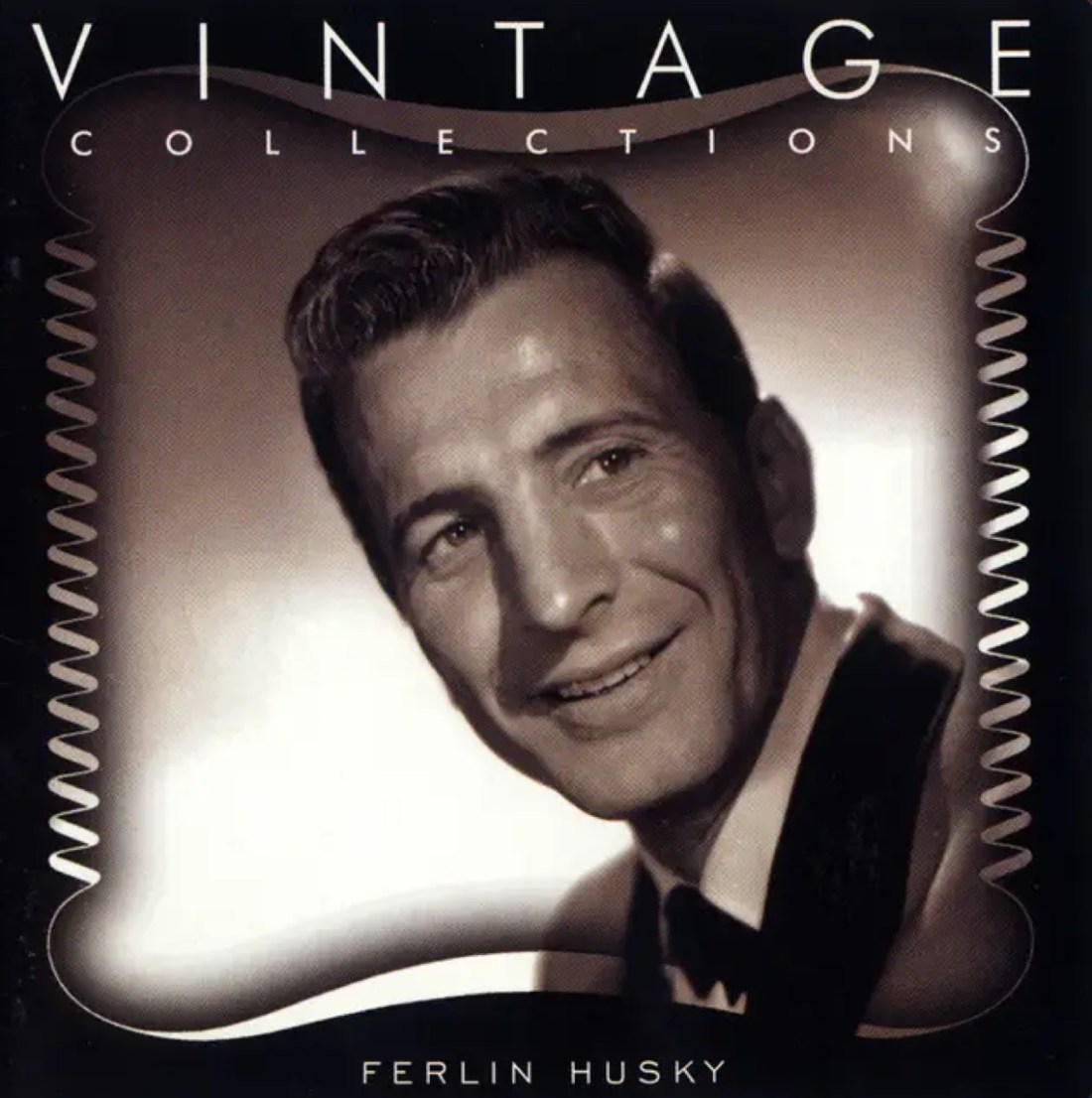
Ferlin Husky (probably) – Wings Of A Dove

The 1970s were boom years for promoting physical activity in Canada. A government study discovered that all that time spent eating poutine while watching “Hockey Night in Canada” on the CBC was putting us at risk of looking like crap as the world got to see us on their own television screens when the summer Olympics reached Montreal in 1976. The solution was ParticipACTION (which I was surprised to discover still exists), which sought to encourage exercise by such measures as shaming us when compared to a typical Swede twice our age, or later going the glitz route by recruiting national treasures Al Waxman and Jayne Eastwood to awkwardly shill for the cause. Around the same time, another wing of the government came up with the Canada Fitness Award Program, which enabled some school age children (me, for one) to confirm their tacit understanding of how woefully unfit they were compared to certain of their classmates. Yes, it was dystopian (but then so is elementary school); however, it was also, in the words of the legendary Oscar Leroy, possibly “the last great thing this country ever achieved”.

I have no way of knowing if they were connected, but it couldn’t have been a coincidence that the local school board added formal physical education to the curriculum when I reached Grade 5 in the fall of 1974. More importantly to me, during one of our elementary school winters, we began making regular (I’m thinking monthly, though it could have been more or less frequent) excursions during the school day to our local arena for ice skating. And that was a glorious thing.

I was never a particularly good skater, but I loved doing it, whether at an arena or on one of the many patches of ice in the tiny metropolis of Little Pond, Nova Scotia. When I played hockey, I was sufficiently inept to be the third best goalie in a community with – you guessed it – exactly three goalies. My skill set was at the “I can get around the ice without falling most of the time” level, and that was good enough. I avoided going too fast, tried to stay away from the kids who were much better than me, and therefore dangerous, and generally could get through an outing without being injured.

It wasn’t just about the skating: time at the arena was where romances could blossom (not for me, you understand, but I saw friends seize the chance to spend time on a hoped-for love match). Or grand schemes could be cooked up: it was on a break from the ice that I teamed with a few friends and came up with a plan to launch a school newspaper, and, amazingly, we went on to publish two glorious issues of the Elementary Herald that school year.

There was, of course, music playing to accompany our efforts in circling the ice. I have been assured by my friend Robert Barrie that lots of current pop hits were in rotation, but those aren’t the numbers that have stayed with me over the years. I was the child of two country music lovers, so that kind of music was almost like comfort food. Sure, by 1974-75 I was definitely trying to manifest my own musical destiny, but it didn’t mean I couldn’t still appreciate a finely honed country ballad. My relationship with the genre has been up and down, but I always seem to find my way back.

Two such songs stick in my memory from those skating days: “A White Sport Coat (And A Pink Carnation)” by Marty Robbins and “Wings Of A Dove”, probably by Ferlin Husky. I say probably because I didn’t know then and because the Charley Pride and George Jones versions sure sound familiar, though both were also artists who got a fair bit of play in our house. The Husky version is closer in time to the Robbins tune, and I’m going to bet our DJ enjoyed this music during a narrow window in his life – just as I had – and indulged his yen for era-specific nostalgia. That’s all I’ve got since my ears aren’t reliable on this point, and it’s more interesting to me to write about Husky than the two bigger stars.

Ferlin wasn’t supposed to be his name, but there was a typo on the birth certificate so that’s what he became. Apparently, in those days you couldn’t complain about such a thing and get it fixed: “I guess you ain’t gonna be named after yer grampa after all.” (That’s how they speak in Missouri, right?) Before becoming a country music star, he’d served in the marines and his ship may (it’s weird that there aren’t better records of this) have participated in the D-Day invasion. His career peaked with “Wings of a Dove” – it topped the country charts for 10 weeks in 1960 – but he was a regular presence on the country top 40 from 1953 to 1975, and even made it to no. 4 on the pop chart with the mournful ballad “Gone” in 1957.

If you know “Wings of a Dove”, you may think me an idiot for not realizing how religious the song is. In my defence, I was 10 when I first heard it, and I honestly don’t think it made its way to my ears even once during the many years between the end of those skating trips and listening to it for this writeup. Look at the lyric sheet and you will see every “he” is capitalized, plus there is a whole verse about Noah and the end of the flood. I love the quiver in Husky’s voice when he sings “A sign from above” in the chorus, and the song uses a super efficient 2:19 to get its (alright, kind of preachy) point across. It’s pretty uptempo, and the beats hit at just the right moments, as if it were designed to accompany moving gracefully across a slick surface – and I sometimes get a weird muscle memory tingle in my legs when it plays, as if I’m about to clumsily go around the ice with my friends one more time, all of us healthy and carefree Canadian youth, living the ParticipACTION dream. That 60-year-old Swede had nothing on us.

Classic Songs of My Youth Revisited #64

Murray Head or Carl Anderson – Superstar

Growing up Roman Catholic, the Easter season was defined by food. Ash Wednesday marked the beginning of Lent and the time of deprivation (and, when I was younger, a good reason to get out of washing my face for a day or two), but it was immediately preceded by the pancakes of Shrove Tuesday. The season would end with Easter Sunday, and a bounty of chocolate and other sweet delights. Between these two high points, the lows of Lent forced you to make the significant sacrifice of denying yourself for a time certain things you loved to eat, such as pickled herring, blood pudding or head cheese. It was challenging, but I can say with absolute certainty that I never broke my Lenten vow to not eat any of these treats.

It was also marked by going to church a few extra times. My mother was pretty diligent about getting herself and her offspring to Sunday services most weeks, and there were even occasional sightings of my father at such times. Easter upped the tally, with Ash Wednesday and Good Friday added, and throughout Lent we got to hear in even more detail than usual about how Jesus died for our sins so we’d better get our acts together, and soon.

What I remember in particular about the services around Easter is the priest singing. The churches we attended often had a choir, so the man at the pulpit did not typically get involved with the musical portions of the show. At Easter, however, during the portion of the mass that covered the Passion (with Jesus’ words in red type in our little missals), the priest would sing intermittently, and this may have been my favourite part of the show. I have never been a fan of liturgical music – too turgid, utterly lacking in subtlety, and often performed by people whose ability does not come close to matching their faith – but something about listening to a priest give it that old college try because the Pope said he had to warmed my snotty little heart. The singing was usually, umm, uninspiring, but you had to respect the effort.

It might’ve been simpler if they had just played the entirety of Tim Rice and Andrew Lloyd Webber’s “Jesus Christ Superstar” for us, but it had been greeted on its arrival in the early 1970s with protests by both Christian and Jewish groups, a fairly impressive accomplishment on its own, and the Church was not of a mind to encourage us to pay it much attention. I never listened to the entire album until sometime in the last decade, though I did watch the movie late one night on our local CTV station when I was in high school. It was probably during Easter that it aired, though “Ben Hur” (a man who was not unfamiliar with Jesus) was always the movie that marked the season for me. As for religious adjacent music, my go-to was the same composers’ “Joseph and the Amazing Technicolor Dreamcoat”, which I was introduced to by my junior high school music teacher and which still sounds pretty good today.

My wife, however, loves “Jesus Christ Superstar”. She has seen it on stage, watched the movie at least five times, and listened to the soundtrack many more times than that. Our local repertory movie theatre is hosting a sing-along showing this Easter Sunday, and she would fit right in with that crowd. I would probably recognize – but not know well enough to fully participate – maybe five of the tracks. On the other hand, I put “Joseph . . .” (which I had once owned on vinyl) on this weekend for the first time in at least 20 years and it instantly came back to me.

But even casual appreciators of the entire opus know “Superstar”. Originally sung by Murray Head (the casts of the earliest stage productions and the 1973 film were loaded with future pop hitmakers – Yvonne Elliman, Paul Nicholas, Paul Jabara, Carl Anderson – but Head got there first), it starts with a booming orchestral flourish, stirring up your blood, then detours to become a funk rock jam. I like Anderson’s version from the film over Head’s: it’s a lot less yelly to my ears, more subtle and consistent with the music. But it was Murray who made the charts.

Judas – who has recently taken his own life after betraying Jesus (yet seems to be coming down from heaven in the film) – questions his former friend and leader about his choices and how they lead him to his current unfortunate circumstances (that is, incredible pain as he dies on a cross). The lyrics have a humour that might be unexpected in view of the subject matter and for fans of later overwrought works from Webber, with Judas wondering why Jesus chose to show up at a time when there was no “mass communication” or asking if the stories about Mohammed’s miracles are just hype. For such weighty material, it’s an awfully peppy song: I think you’d be hard pressed (fans of Christian rock may dispute this) to find another song that makes the Crucifixion seem like a good ole time. And it does a great job of restoring Judas’ humanity after almost two millennia of being painted primarily as a villain, when any honest consideration of Scripture can only lead to the conclusion that he was playing a part that had been foreordained and without which there could be no salvation for man. If you believe all that stuff.

Whether you consider the Bible to be absolute truth, total malarkey or a mishmash of fact and fiction, its staying power – like all the classic documents of faith – is impressive. That doesn’t mean it is above reinterpretation: Christians may claim otherwise, but it is in the end a book written by frail humans, whether they were inspired by a higher power or not. “Jesus Christ Superstar”, a controversial work in its time, seems not to bother people much anymore. We certainly haven’t become more tolerant of differences in others, and a less cynical person might say it’s thanks to the power of music to bring people together. Whatever your faith, or lack thereof, we can all agree that when a song rocks, it rocks, and “Superstar” does indeed rock. For roughly four minutes, we can focus on that, and put the rest aside.

Classic Songs of My Youth Revisited #63

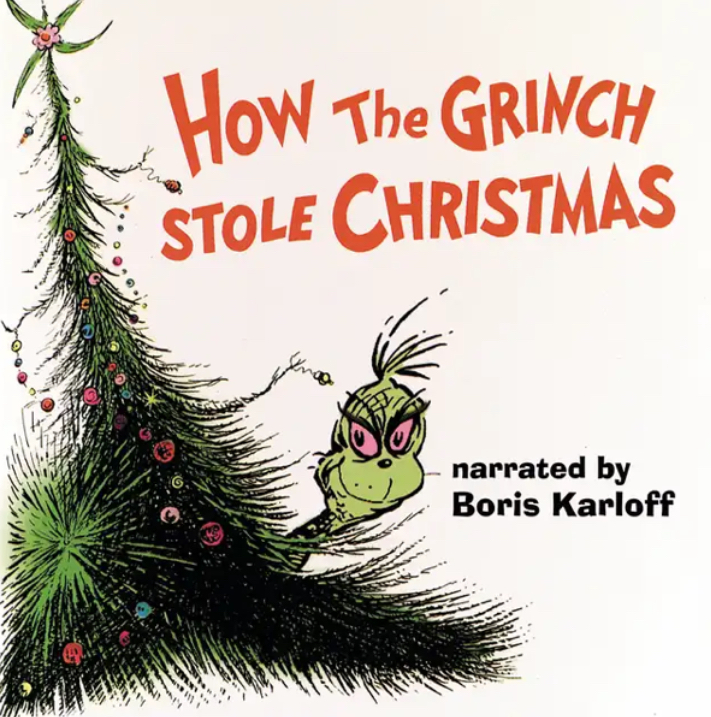
Thurl Ravenscroft – You’re A Mean One, Mr. Grinch

I can’t remember a time when I liked Christmas music, though surely as a child I couldn’t have felt the antipathy that I later developed towards the genre. Growing up in Cape Breton, with limited radio stations to choose from, it was never a good thing to find the airwaves dominated by old white guys like Bing Crosby, Burl Ives or Andy Williams for most of December each year. CJCB was less in thrall to such a takeover than CHER, the other main local station, so it got even more of my listening time in December than other months, when I thought CHER sucked generally, and not just because it played “The Little Drummer Boy” too many times for my liking.

I did, however, love watching Christmas specials on television. I may be remembering this wrong, but it seemed that the arrival each year of “A Charlie Brown Christmas” was evidence that the holiday season was upon us. This would be followed over the next few weeks by the likes of “Frosty the Snowman”, “Rudolph the Red-Nosed Reindeer”, “Santa Claus is Comin’ to Town” and the way too preachy adventures of Davey and his stoned-sounding dog Goliath. And right near the top of that list was the, somewhat unexpectedly, most Christmasy of them all, “How the Grinch Stole Christmas”, the tale of the ultimate curmudgeon who learns the true meaning of the holiday and finally gets out of his own way to have a good life experience.

The special’s theme song was written by Albert Hague, and maybe that name doesn’t mean anything to you, but I jumped up (well, I would have if it wasn’t feeling so comfortable in my chair) when I read that. Hague, you see, was very much a part of my later teen years as the grumpy but supportive music teacher Mr. Shorofsky in the film and related television show “Fame”, a cultural experience which, coupled with appearing (partly in blackface!!!) in my high school’s musical production of “Finian’s Rainbow” (a non-singing part – no one needed to suffer through my warbling), drove me toward a misbegotten and in many ways life-altering decision to study theatre at an Ontario university instead of English at a school located in New Brunswick. Hague wrote a lot of other songs, mostly for musical theatre, and none of them rang even the tiniest bell with me. But “You’re A Mean One, Mr. Grinch” is eternal.

The version that my generation grew up with was sung by Thurl Ravenscroft, whose lengthy resume included roughly five decades as the voice of Tony the Tiger. I’ve seen it described as a dis song, and you can’t really argue with that: among the unpleasant things that the Grinch is compared to (usually unfavourably) are eels, rotting banana peels, termites, nauseous reptiles, skunks, arsenic and unwashed socks. Kendrick calling Drake a white slaver seems almost quaint in this context. The song is three minutes of attacks on his character, sung in a throaty bass over a bouncy orchestral track.

I haven’t watched the original show in many years – the Whos just leave me gritting my teeth with their unnatural sweetness – and I found the Jim Carrey-starring live action version too awful to even consider revisiting, but I am a big fan of the 2018 animated remake, with Benedict Cumberbatch as the titular character. My wife and I rewatched it on Christmas Day, and I enjoyed the movie as much as ever. I love physical comedy, and animation can absolutely brutalize characters with zero consequences for their overall well being (see: Wile E. Coyote, Scratchy, etc.), which, truthfully, makes things a whole lot funnier. But my favourite bit by far is the goat that shows up a few times and makes the most God awful sound that’s ever come out of one of its species. Just anticipating the goat’s arrival on the screen makes me giddy.

The song, though, remains a reliable bit of snark in the unabashed positivity of the most frequently played Christmas songs. There are a lot of cover versions, though most don’t really make much effort to mix things up. To my surprise, the lighter than air approach of the usually (to my ears) painful Pentatonix is a perfect match for the song. RuPaul’s version is almost sultry, a kittenish croon over a glossy synth backing track with soulful backup singers, like she’s flirting with a bad boy, not insulting a monster, before turning into a giant kiss off. And then there is violinist Lindsey Stirling (why has she been all over my Facebook feed the past few weeks?), who successfully enlisted a pre-superstardom Sabrina Carpenter to add some vixenish sass to her usual high-energy brand.

I have a 15-hour playlist of holiday/winter tunes that don’t suck, and there are lots of dark tracks on there, but you aren’t going to hear them on your local radio station nestled in between Dean Martin and Mariah Carey. You may, however, experience that juxtaposition with the Grinch. It isn’t my favourite holiday tune – that remains, for the fourth consecutive year, Carrie Underwood’s “Stretchy Pants” – but it is one of the few classics that doesn’t make me feel like canceling my Spotify account and throwing my Sonos system in the garbage. That’s no mean accomplishment this time of year.

Classic Songs of My Youth Revisited #62

Cheap Trick – I Want You To Want Me

Bands are always evolving, often due to personnel changes (there are at least three clearly distinct versions of Fleetwood Mac (the Peter Green, Bob Welch and Nicks/Buckingham eras), a solid case can be made for two others, and there are arguably several more beyond those, and Pink Floyd’s sound has been likewise defined by the three men who took turns fronting the group) but sometimes due to the existing group maturing together or becoming interested in new sounds. This can be difficult for listeners to accept – music fans are notorious for becoming attached to a version of the artist that they first fell in love with and refusing to follow them as they veer in new directions. I have a friend who seems to always prefer a band’s first record: I’m not sure there’s any artist I can say that about.

One such band that evolved in an unexpected direction was Cheap Trick, and about the only explanation for this is money. Between February 1977 and April 1978, the band released three albums of original material, with negligible sales figures as the last of these peaked at number 48 on the albums chart. Singles success was similarly evasive: only one release – the all-time great tune “Surrender” – made the charts, stalling at number 62. Critics, on the other hand, loved Cheap Trick: 1977’s “In Color” ranked 10th in that year’s Pazz and Jop poll, and “Heaven Tonight” was number 22 the following year. Some critics went so far as to compare them to The Beatles, which is a simply awful thing to do to a young band (except Klaatu – those guys were asking for it). This acclaim was one of the more unexpected discoveries for me when looking over old Pazz and Jop lists, because my contemporaneous experience of Cheap Trick was of a band that no one took seriously, including the band members themselves, which was a big part of their charm.

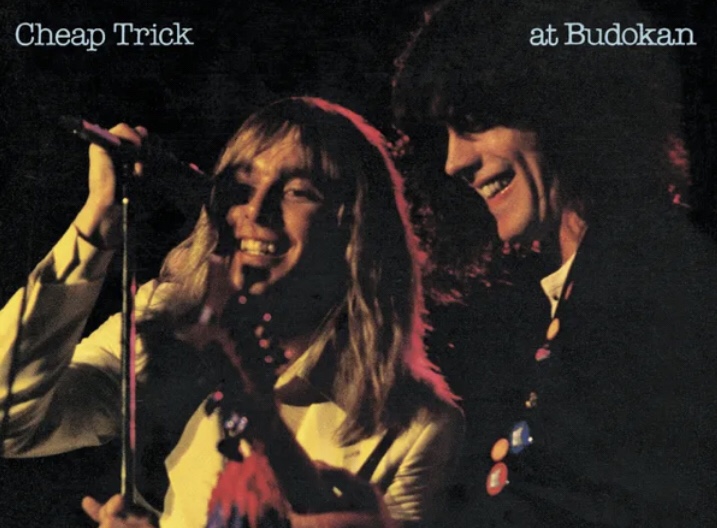
Another funny thing was happening across the Pacific Ocean. While North American listeners mostly shrugged at hearing these punkish power poppers, young folks in Japan went nuts: their 1978 tour was greeted with paroxysms of Beatlesesque proportions. A few of the shows at the Budokan arena were recorded for what was initially intended to be a Japan only release. Pressure mounted to share it with the band’s home audience, and in April 1979, “I Want You to Want Me” exploded onto our radios.

Some context, for those who either don’t remember or are too young to have been there. The first few months of 1979 were still the heyday of disco, and a glimpse at the songs that made Billboard’s top 10 singles list over the first third of the year shows a lot of this genre paired with a plethora of soft poppy tunes. About the closest thing to a song that really rocked during that period had been “Hold the Line” from Toto – never a good sign for a rock fan. (I will explain elsewhere why songs like “Sultans of Swing” and “Heart of Glass” don’t count.) Matters were so dire that Frank Mills’ “Music Box Dancer” reached number 3. It was indeed a very dark timeline.

So, a song like “I Want You to Want Me” was musical Viagra to all the hormone-drenched teen wannabes sweating away their bewildered frustrations with a musical ecosystem that didn’t seem to have a place for them. It blasted out of the speakers with the confidence you would expect from a much more successful band – it’s hard to argue with 15,000 screaming Japanese girls as an ego boost. And it was made to be played loud, with Rick Neilsen’s swirling guitar and Bun E. Carlos pounding the living shit out of his drum kit. But these were the (not conventionally attractive) faces on the back of the record’s jacket: on the front were the more adorable faces and flowing locks of lead singer Robin Zander and bassist Tom Petersson. The combination of cutie pies and loud noise made for a four quadrant blockbuster, with the album going on to eventually sell over 3.5 million copies in North America.

After Zander emphatically states the song’s title, Carlos goes a bit nuts on the drums, then the guitars jump in with a riff that I will recognize long after my inevitable dementia sets in. While Zander sings, Carlos thumps away as little swirls of fuzzy guitar slide up and down. On the original release in Japan, the song topped the charts, so the audience knows when to sing along: you can hear them in the break between each of Zander’s “Didn’t I, didn’t I” lines, and it’s kind of awesome. Nielsen finally gets a moment at 2:11, but it feels like a cheat when the singer jumps back in before he can really get rolling. Worry not: his real moment to shine comes at 2:29, and the bedroom rock stars are given 10 seconds of dreamy air guitar inspiration. The pace is brisk for three minutes, followed by a brief respite to bask in their fans’ love (though the audience is unusually muted at this point – were they dazed after all the screaming?), before winding down in a squall of guitars and drums. Perfection.

The original version is ranked the 1372nd best song of all time on Acclaimed Music, which may not seem that impressive until you look just below that and see greats like Peter Gabriel’s “In Your Eyes” (1374), The Beatles’ “She’s Leaving Home” (1379) and “Let’s Go Crazy” by Prince and the Revolution (1380). While the band went on to have other hits, including a number one with the 1988 power ballad “The Flame”, they were by then a more conventional rock band, and none of these received the kind of love from critics that the early records got. Carlos left the band in the early 2010s in a nasty breakup, but the other three carry on, occasionally with Zander’s son helping out, with their most recent album (an often catchy collection – I was especially taken with “Boys & Girls & Rock N Roll”) being released in 2021. Their next scheduled show is at Soaring Eagle Casino in Mount Pleasant, Michigan on December 6, and based on recent set lists, there’s a near 100% chance that “I Want You To Want Me” will be played. Screaming Japanese teenagers are probably not included, of course. Probably.

Classic Songs of My Youth Revisited #61

Benny Mardones – Into the Night

In the glorious history of pop music, there may be no more unsettling collection of songs than those that are dedicated to exploring the wonders found by males aged 21 and (often much) older in the arms of females who are, umm, not yet 21. Like, a fair bit not 21. Okay – sixteen-year-old girls.

There is no question it’s creepy, yet somehow not nearly as creepy as a song about a fifteen-year-old girl would be. The age of consent in Canada and 60% of the United States – where most of these tunes originate – is 16, so there is nothing legally wrong in these jurisdictions with, for example, 27-year-old Gene Simmons observing that “Christine Sixteen” is “hot every day and night”, or for 33-year-old Ringo Starr to know what his beloved’s more-than-half-as-old-as-his lips tasted like. Disturbing, yes, but neither of these gents were at risk of doing hard time for these predilections.

A defence can be made out for certain songs, like Sam Cooke’s “Only Sixteen”, which is clearly from the perspective of someone of a similar age (although the Dr. Hook version still makes me feel a tiny bit off). But then you get into the leather-booted fantasies of Iggy Pop, and you know there’s a good chance the singer is going to hell. However, if you crawl far enough down the “sixteen” musical rabbit hole you’ll also encounter the droll delights of the table-turning Ayesha Erotica, so the journey is definitely worth the trouble.

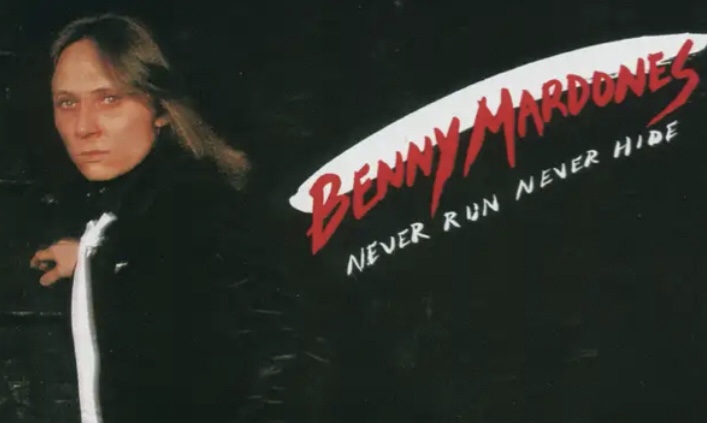
Among these anthems we also find “Into the Night”, Benny Mardones’ top 20 hit from 1980. The song itself leaves open the possibility that these are just a pair of star-crossed teens, a Bronx or Brooklyn Romeo and Juliet. Sure, the opening line says “She’s just 16 years old / leave her alone, they said”, but it’s not outside the realm of plausibility that this could just be a protective parent trying to chase away a local ne’er do well of similar age, like Sandy’s dad would’ve felt about Danny, or Virginia’s about Billy Joel. The video, unfortunately, removes all doubt.

It starts with 33-year old Benny, looking maybe a decade older (fighting in Vietnam will age a guy), rolling down the street in his prison-issue tee shirt and jacket with pushed up sleeves the way all the cool guys wore them back then. After his beloved’s Amish dad turns him away at the front door to her house, Benny offers up a diva eye roll, then slides around to her bedroom window in best stalker fashion and watches as she morosely contemplates her inexplicable attraction to a guy who thinks a wife beater is a good fashion choice. The two-shot leaves no doubt about how really, really young this girl is, all fresh-faced innocence, compared to smoker Benny’s under-hydrated countenance. Following a fairly static shot where Benny sings to her over a pay phone (strategic misstep by her dad in not taking her phone privileges away) and another shot where he’s still on the phone but with weird blue-tinged stock footage of a cityscape in the background, he makes his big move. He sneaks in through her window (Amish dad, can we talk about why your teen daughter has a room on the ground floor?), rolls out a tiny carpet, then Aladdins her into a flight around nighttime New York City against the best green screen effects that can be pulled together on a budget of $1.75. And, of course, they kiss, and if that doesn’t make your skin crawl even a little while wishing for an officer of the law to be waiting when they land, then you and I are not watching the same video.

And yet, as awful as the video is – and it is really, really awful – and the pure ick factor at the song’s core, I will never stop loving “Into the Night”. Take away the sleaze, and you’re left with a bombastic declaration of love, which hit my hormone-flooded 16-year-old body hard back in 1980. The key lyrics – “If I could fly / I’d pick you up / I’d take you into the night / And show you a love” – are simple, yet touch on that universal feeling of wanting to escape from the world’s restrictions with the person who touches your heart most deeply. The music is deep and bold with subtly booming drums offset by delicate piano and twinkling synth notes. Benny occasionally slips into a limp falsetto that is perfect for capturing the desperation that he feels over the efforts being made to keep him from his true love. It’s a powerful vocal, passionate and tortured, melodramatic, yes, but it’s an earned melodrama. Like all the best love songs, it can feel personal to anyone who sings it. Try singing along – really singing, like when you’re alone in your home and no one else can hear you – and not have a catch in your throat, and maybe a bit of eye sweat. I’ll wait.

Like a lot of artists, Mardones didn’t stop making music just because most of us stopped paying attention. Over the next 35 years, he released another 10 albums, and even had a second run into the top 20 with the same song in 1989. Despite a Parkinson’s diagnosis in 2000, he remained active until at least 2017, with the disease finally claiming him in 2020. His hands were very shaky in December 2017 when he performed the song for what he claimed would be the last time in a New York casino. He asks the crowd to help him sing, and they meet the challenge. When the camera pans across the audience, what you see is not only oldsters like me, but also a number of people who wouldn’t have been around to hear “Into the Night” on their radios in 1980, or probably even 1989. Somehow, in this fragmented musical ecosphere, where you can listen to almost anything whenever you choose, the song found its way to them, and they fell in love with it just like I did 44 years ago. I suspect it will continue to make new fans as long as they exist to discover it.

Classic Songs of My Youth Revisited #60

Barry Manilow – Copacabana (At the Copa)

There may not be any more dangerous combination of inspiration and idiocy than that which can be found in the soul of a 14-year-old boy. Put two of them together, and the rise in these elements is exponential. I offer this as a warning note about the misogyny and homophobia that Kirk Boutilier and I got up to in the summer of 1978.

Let’s first step back a bit further. In 1974, in a fit of jealousy after my father complimented something that my brother Stephen wrote, I wrote a play. Called “The Magic Key”, it was as good as you might expect something written by a 10-year-old to be. Amazingly, I had open-minded and encouraging teachers, and very game classmates, and soon we were mounting said play in a travelling road show for the dozen or so classrooms of students at my elementary school. It remains the commercial peak of my artistic efforts.

In fall 1977, “Soap” made its television debut, and despite protests in the U.S. about its content, including a prominent gay character, and the late hour at which it aired (pre-home recording, I must add), it was a very popular show among the junior high set. Kirk got the idea to rewrite my little play in the style of “Soap” – basically by making my king character a misogynist and my prince character a barely closeted queen – and we were off. Thankfully, we ran out of steam a few pages in, but soon Barry Manilow came along with a song that was ripe for adolescent parody.

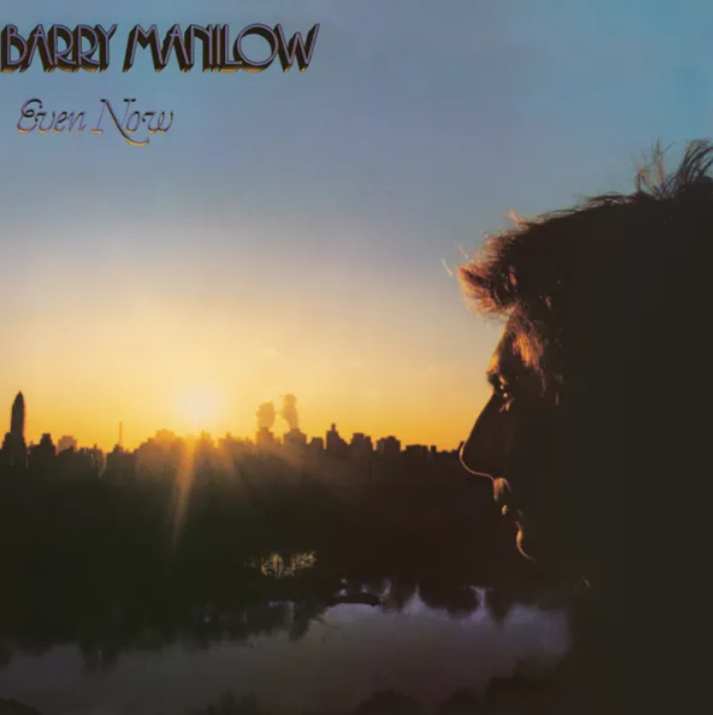
I’m not embarrassed to admit that I liked a lot of Manilow’s songs while growing up, and I frequently revisit his 1984 album of soft piano faux jazz, “2:00 AM Paradise Cafe”. (The graceful lead single, “When October Goes”, was a top 10 adult contemporary hit.) He is truly part of the tradition of great showmen, and his knack for conjuring up a catchy melody (before pop success, he wrote jingles for commercials) – despite having many of his biggest hits with songs written by and for others – doesn’t get enough credit. He was always a punchline for people who took music seriously, regardless of genre, though other artists seemed to appreciate him: his work with Mel Torme inspired a bit on “Night Court”, and the Australian indie pop band Smudge named their (quite awesome) 1994 debut album “Manilow” because, and this is a direct quote from their frontman Tom Morgan, “he’s really cool”. (Words spoken by exactly zero other people.) And he was successful: between 1974 and 1980, he had eleven top 10 singles and seven top 10 albums, while winning three-quarters of an EGOT.

Copacabana (At the Copa)” is the rare song where I know with reasonable certainty when and where I first heard it. It was released as a single in June 1978, but on February 24 of that year, the song made its broadcast debut on “The Second Barry Manilow Special”, which I watched while sitting – likely on the floor with legs in the lotus position – in our living room. I’m only reasonably certain because I can’t confirm that it aired on CBC or CTV (whichever Canadian network picked it up) as a simulcast with its American originator. I only know that I saw it and heard it at the same time, and I was wowed. (If you have the patience for a longer clip, you can see the breathtaking shirt that he wore on the special.)

Manilow was mostly known for ballads (“Weekend in New England” was the first of his 45s that I owned), so an up tempo tune with a Latin beat – a sort of tropical disco – was not what listeners were expecting from him, though it shouldn’t have been too much of a surprise to anyone familiar with his earlier time spent as Bette Midler’s accompanist at a gay bathhouse. (I was not one of those people: remember, I was 14 and this was before the internet.) It’s super fun to listen to – you can find lots of folks dancing to it at varying skill levels on TikTok – opening with a sort of bongo drum that is then matched with a metallic beat, followed by swirling strings and syncopated disco-esque wah-wah sounds. The joyful music hides the sad tale of the young love between Lola and Tony that reaches its tragic end when Tony falls to a bullet fired by or on behalf of douchebag Rico, leaving Lola to age gracelessly, returning to her old haunt for a reminder of the life that could have been. There are pseudo horns along the way, layered female backup singers and callbacks to the sound of classic Hollywood musicals (Gene Kelly would’ve danced the stuffing out of this song). There is not a single second of the song that isn’t completely in love with the idea of itself, and it’s an infatuation that is earned with every melodramatic note.

As for our play, Kirk is gone now and can’t defend himself, and I’m here and have no defence beyond immaturity. It was awful, and I am reasonably certain (subject to digging through the Poirier family archives at my mother’s house) that the single copy long ago met its richly deserved ending in a Nova Scotia landfill and has passed the point of complete and utter decay. Our Manilow parody was similarly puerile and idiotic, with references to marijuana, sex and other matters about which I at least – I won’t speak for Kirk – had only theoretical knowledge. Although my old brain is tragically still using up badly needed memory real estate for every last line that Kirk and I came up with, I will not share them here.

Manilow is 81, and while the voice has naturally faded from the Grammy-winning high of “Copacabana”, he’s still performing, and is even touring the United States this summer for what he claims are going to be his final visits to a lot of cities. For a man who has repeatedly said he never wanted to be a singer, he turned out to be one of the most charismatic and enduringly beloved performers of his generation. And while “Copacabana” was never as successful in its time as other Manilow songs like “Mandy” and “I Write the Songs”, it’s the tune that always feels to me to be the one that shows Barry’s true essence: a man who throws every bit of himself into entertaining his audience. As fans, we can ask for no more.

Classic Songs of My Youth Revisited #59

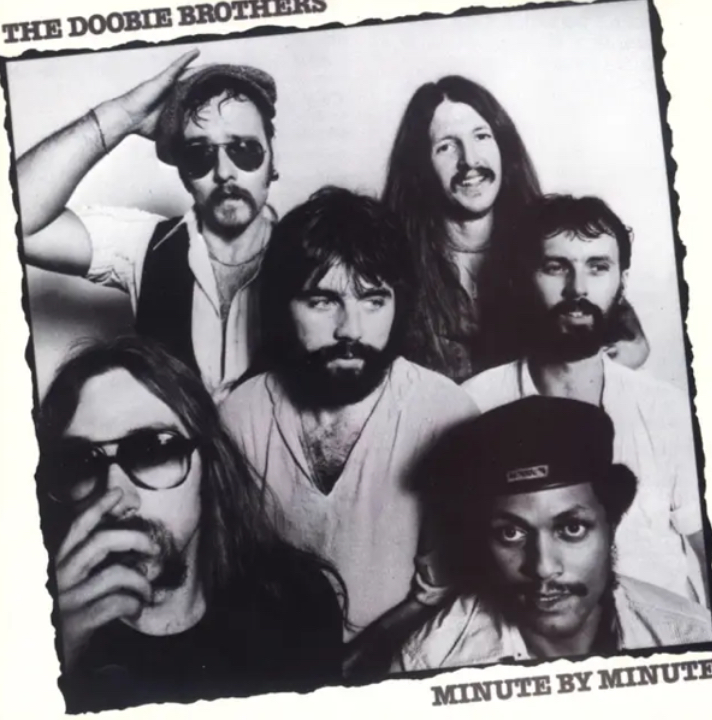
The Doobie Brothers – What A Fool Believes

I don’t believe I was really aware of The Doobie Brothers until they turned up on the soundtrack to the film “FM”. I have never seen that movie (the plot summary on Wikipedia suggests a fairly pedestrian rebellion story that I probably would have loved when I was 14), but I did own the double album soundtrack, likely thanks to one of my memberships in Columbia House. Owning it was an easy way to get recent hits by a bunch of artists I liked – Steve Miller Band, Foreigner, Bob Seger – without buying the 45s, and it was absolutely the first place I ever encountered Tom Petty & the Heartbreakers. And right in the mix, as the opening track to side four, were The Doobies and their 1976 top 40 tune “It Keeps You Runnin’”.

If you’ve been reading along at all, you would expect this to be the place where I say that a lifelong love of the band began then and there. But this is not that story. Truthfully, the song made very little impression on me: the band’s variant on boogie rock just wasn’t where my ears were in 1978. (See here, here and here, among others, for examples of what I favoured.) So, when they had a monster hit in 1979 with “What A Fool Believes”, it was just another decent pop song that I enjoyed but formed no great attachment to. That’s how music works: you can’t fall in love with everything. Even when the song took the major Grammy categories in early 1980, it didn’t lead to any reconsideration. The band had a few more lesser hits, then broke up in 1982. If it weren’t for former lead singer Michael McDonald being a constant chart presence over the next few years, I might have forgotten them entirely.

My first name is of Greek origin and means farmer. My last name is French and means pear tree. So it was something akin to nomenclatural destiny that I became – this is absolutely true – a pear farmer in the mid to late 1980s. From April 1986 to October 1988, I worked for a vineyard and orchard maintenance company, helping the farmers of the Niagara region of Ontario get their pears, apples, peaches, plums, grapes and other produce off the trees and vines and on to be processed or otherwise directed towards the marketplace. It was hard work that didn’t pay all that well, but I was incredibly fit – easily the closest I’ve ever come to being even remotely buff – and had a glorious year-round tan from working outdoors (winter wind burn counts, people). I spent hours of every day working on my own, listening to music and enjoying the outdoors. There were a lot of things that I was trying to work out in my life, but I was pretty satisfied – save for the pay – with my employment right then.

My employer was a man named Bernard, who was maybe 10 years older than me. When it came to listening to music, Bernard was a purist of a most unusual sort: everything he owned was stored on reel-to-reel tapes, which he played on a monstrously-sized yet surprisingly portable machine. He thought the sound was better, and since I typically listened to music on a cheap plastic stereo or some low cost Walkman variant I had picked up at Consumers Distributing, I was not in a position to argue the point. Bernard loved The Doobie Brothers. He did not love Michael McDonald. To his ears, The Doobies’ glory years ended in 1976, when McDonald started sharing lead vocals with Tom Johnston. “What A Fool Believes” might as well not even exist.

(Commercial reel-to-reel players are still a thing, and while I’ve seen new models going for over $12,000, there are lots of used versions on eBay and elsewhere. I could at this very moment walk into a store not a 10-minute drive away and trade some $1,600 for a used one from TEAC if I so desired, though why would I do that?)

Co-written by McDonald and Kenny Loggins, the song actually showed up first on Loggins’ 1978 album “Nightwatch”. The Doobies’ version was an anomaly, one of the few non-disco tracks to top the charts in 1978/79, and that it managed to pop and become a hit in that context says something about the record. It’s still unbearably catchy – from the first bar, the keyboard almost demands that you start humming along. We’re not reinventing the wheel here: that I can listen to it over and over to write this piece is because it’s a sort of musical wallpaper, comforting and unchallenging. And it never wavers – the backing track barely changes from start to finish. It’s a pretty conventional pop song – I won’t even call it pop/rock, since I can’t clearly hear anything that resembles an electric guitar, and while there is probably a real drum in there somewhere, I defy you to find it. It definitely qualifies as yacht rock, but it feels more like a sort of white guy funk, which is very low on the scale of genre coolness.

And what’s it about? I have to be honest here – I never cared, I just figured it was about a guy deceiving himself about his relationship with a woman. The lyrics are sort of vague (why is she apologizing?), and force you to pay attention to certain nuances, which I absolutely had not done, and it doesn’t help that McDonald sometimes sounds like he is singing with a few walnuts tucked away in his cheek pouches. I now see that it’s about two former lovers where one partner hopes to rekindle things while the other is merely being nice. Again, nothing earth-shattering.

Although Loggins got there first, the tune is a rather slight confection in Ken’s (as he went by on the record’s credits) hands, and not a recording that would give the slightest impression of glory ahead. I would blame it on Loggins’ lack of funk were it not for Complex ranking him as the 25th funkiest white boy in music history in a 2013 article. (McDonald was not ranked.) Let’s just call it an honest misstep. When Aretha Franklin covered it brilliantly in 1980, she followed the Doobies’ template, but with the funk dialled up to 10.

I last spoke to Bernard a short time after I left his employ in 1988: he was my boss, not my friend, and I was at the time also running away from his faith, which I had realized I didn’t share. His firstborn, still a toddler when I knew him, is staring down his 40th birthday, which makes me feel unbearably old. Googling Bernard this past weekend was not a satisfying experience, as I learned that he passed away in September 2019. (I have got to stop turning over these old rocks.) He and wife were together 38 years, and ultimately had five children together. And he continued to work in vineyard and orchard maintenance until, it seems, ill health took that away. Bernard loved being outdoors, loved the sun and the fresh air, and even the blast of a January wind across a wide open field of barren grape vines couldn’t break him. He was a very spiritual man, and I expect he was disappointed when I turned out not to be, or at least not his type of spiritual. He wouldn’t have forgiven me for that choice, and I never expected him or anyone else to: I knew that was a consequence of walking away. I do hope, however, that he forgave Michael McDonald for ruining his favourite band: as redemptive acts go, I think “What A Fool Believes” is a pretty good listen.

Classic Songs of My Youth Revisited #58

Don McLean – American Pie

When it comes to music, we live in a super-sized era. The digital delivery system means there are no theoretical limits to how long an album can be: I know of at least two original releases that exceed four hours, and I will absolutely listen to them someday when I have nothing better to do. On the same day recently, Taylor Swift released a 65-minute album and a 122-minute extended version. These kinds of excesses put even Drake’s extravaganzas to shame. Even now, Kanye West is probably plotting his return to glory with a 106-hour album that is 90% him making animal sounds. (And, yes, I would absolutely check that out.)

In an earlier time, the length of a record was confined to the limits of the medium it was delivered on. (These are all approximations: there were technical tweaks that could lengthen these times, though sound quality degradation was a real risk in doing so.) A compact disc could run up to 74 minutes, the standard cassette tape held 30 minutes per side, vinyl albums up to 44 minutes total. The shortest of all was the humble 45 vinyl record: just a mere 5 minutes maximum per side.

These technical limitations had an impact on how the art could be presented. The Allman Brothers’ 34 minutes-plus epic “Mountain Jam” took up two (non-consecutive for some reason) sides of their 1972 double album “Eat A Peach”. Anyone who ever listened to music on an 8-track player knows the experience of the loud click between tracks interrupting a favourite tune. Longer songs were edited to a 45-friendly length, creating a pretty much new song, such as chopping out more than 14 minutes of Iron Butterfly’s “In-A-Gadda-Da-Vida” for the thrill of reaching number 30 on Billboard.

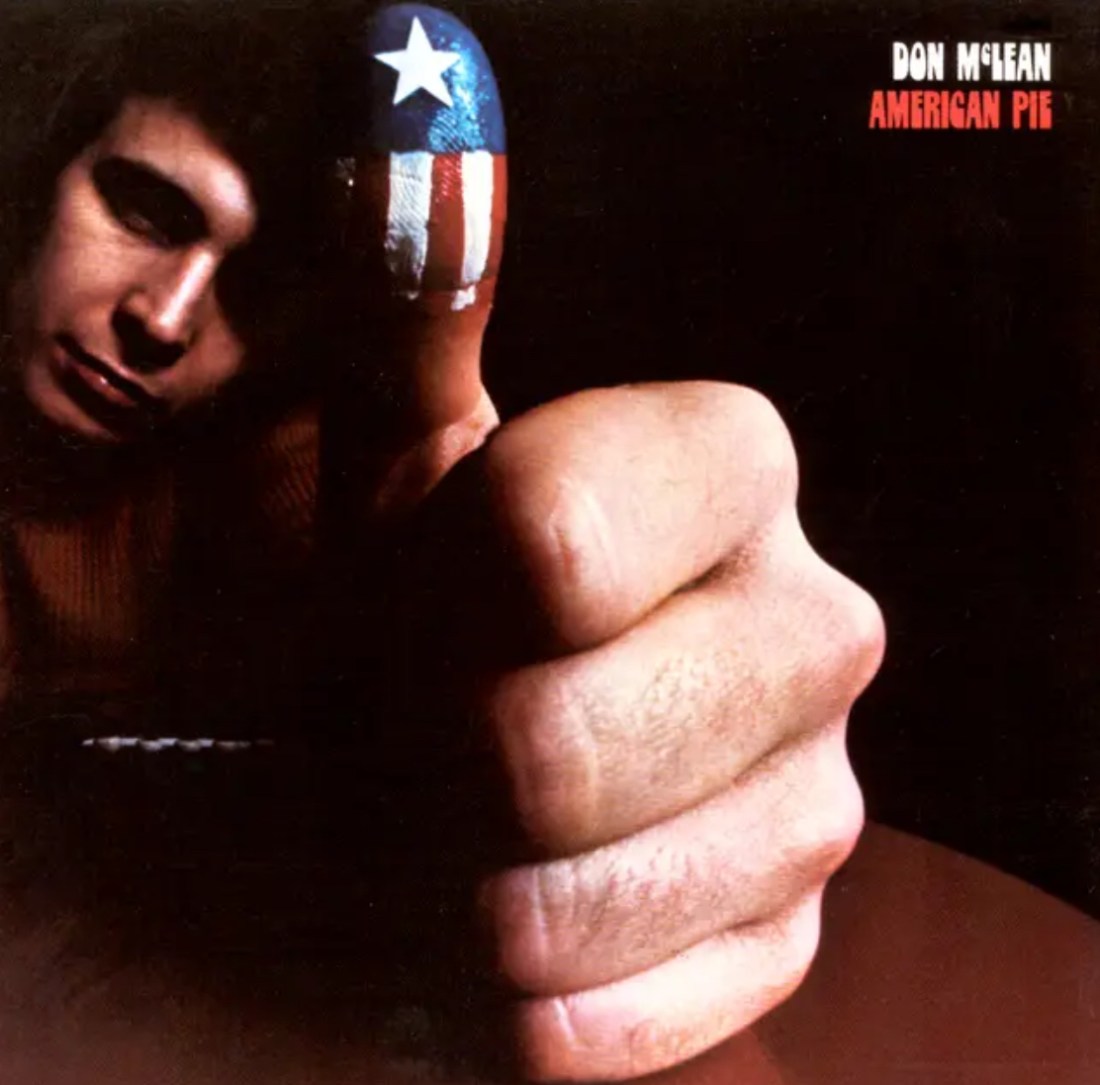
Don McLean’s opus “American Pie” wasn’t edited: it was sliced (roughly) in half, with 4:11 of the 8:42 song on the 45’s A side and the rest on the B. I had that 45, and it was annoying, though not so annoying that I went so far as to just buy the whole album. As the tune grew in popularity, radio stations started to play the album version, and that’s the one I – and probably most people alive today – heard first (ownership of the 45 came later, from deep diving a discount bin at K-Mart, Woolco or some other bygone department store chain).

An entire cottage industry was built up around trying to figure out what McLean was singing about, and the songwriter himself was often coy or offered misdirection, although in recent years he’s started to come clean. It’s a song that’s drenched in nostalgia, in the recall of those key moments that marked his development as a person. It begins with an air of sadness over the death of Buddy Holly (“bad news on the doorstep”), with only piano under the vocal. Acoustic guitar jumps in, the tempo picks up, and now we’re racing through the landmarks of a young life. There’s unrequited love, as the “lonely teenage broncin’ buck” sees the object of his affections dancing with another in the school gym. (I always think of the dance scene from “It’s A Wonderful Life” during this part.) It’s an oddly disjointed song, with a peppy sound diluting the slashing of its words. There are questions about god and country and of the part that music can play in nurturing your soul. The song is hopeful, but those hopes frequently falter (“the levee was dry”, “no verdict was returned”). We keep coming back to music, to dancing, and to the celebration of what is good. It’s about being young, when everything is possible, of an unearned hopefulness that can go sour, ending in a slowed down coda, where the news is not happy, and the loss is real, and cuts close.

I think the ambiguity has been good for the song’s longevity. It doesn’t matter that the references that McLean makes are very personal and connected with his life experiences. Because what “American Pie” means to him isn’t what it means to me, or what it might mean to someone 10 years older, or 20 years younger. For McLean, “the day the music died” refers to Buddy Holly, but for someone else it could mean Joplin, or Presley, or Cobain, or any artist, musical or otherwise, who moved you, inspired you, terrified you. And it is, after all, merely a metaphor for the loss of innocence, of McLean’s innocence to be sure, but also of his country’s, mired at the time in an unwinnable war for no good reason and a lot of bad ones. What he is really getting at – specific references to the likes of James Dean, John Lennon, Charles Manson and the fear of nuclear destruction be damned – is timeless. Youth always feels lost, always feels like it’s figured shit out and things will get better, always ends up disappointed, and ALWAYS recalibrates to the new reality. This song is about the ‘60s, but adjust some of the references a bit and it can be about the ‘80s, or the ‘00s, or last week. That’s partly what makes it a classic: it’s a choose your own adventure song.

Classic Songs of My Youth Revisited #57

MacLean & MacLean – F**k Ya

If you’re offended by foul language, stop reading right here. You might not want to click any of the links either. I’m not shy about using the occasional obscenity to make a point, but the guys I’m writing about below are on another level. They have song titles that would make George Carlin blush! Consider yourself warned.

It’s pretty unusual to celebrate a song from my youth that I do not, in fact, know for certain that I ever heard the originators perform before I began this journey down memory lane. Such is the case with MacLean & MacLean, the guys who gave the world a musical F- you more than 30 years before Ceelo Green.

In spite of my failing memory, I know I heard this song when I was in high school. Somebody in my circle had access to a copy of their album because we sure as hell weren’t hearing these tunes on CJCB. But on listening to it now, I realized that the tune I’ve had in my head for more than 40 years came from someone else. The voice I’ve been hearing all these years is Robert Barrie’s. Which is good, because Robert is and has always been a singer. God forbid it was Sandy Nicholson or Sandy Fraser – yes, I had two friends with the same first name, who we creatively called Nick and Fras – or some other guy’s voice in my head. Gads, it could have been my own voice.

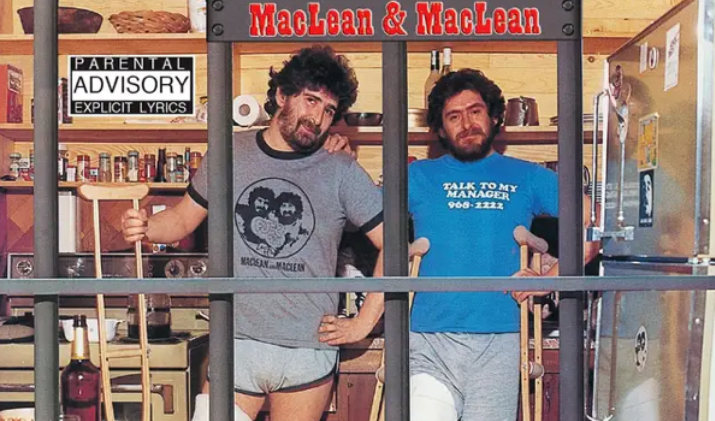
But it was Robert’s, and I remember his take on the song being less bouncy than the original. Before we get to that, let’s actually talk a bit about MacLean & MacLean. A pair of Cape Bretoners who relocated to Winnipeg, the heyday of brothers Gary and Blair was from 1974 to 1985, over which years they released six albums and allegedly had to go before the Supreme Court of Canada to earn the right to swear on stage in Ontario (it in fact appears to have gone no further than the Ontario Court of Appeal, which is still an impressive commitment to what is essentially a bit, though their entire careers were built on that bit). Before that, they were pals with The Guess Who, and were even credited as co-writers on the band’s live-only 1972 track “Glace Bay Blues”. Their oeuvre was unabashedly obscene: the song titles alone – “Dolly Parton’s T**s”, “Dildo Dawn”, “You Set My D**k On Fire”, and others I don’t dare repeat – tell you exactly what you need to know about the brothers’ act. It was puerile, gloriously stupid, and enormously appealing to the kind of guy who howls with laughter when he sees another man get hit in the testicles for comic effect.

F**k Ya” was one of their many rewritings of existing tunes, another one being “I’ve Seen Pubic Hair”, which spun out from fellow Nova Scotian Hank Snow’s 1962 number one country hit “I’ve Been Everywhere”. This one was from a number called “Ja-Da”, which I had never heard of but is actually a jazz standard, with covers by such artists as Frank Sinatra, Oscar Peterson, Louie Prima, Count Basie, Al Jarreau, Frankie Valli and the Four Seasons (!) and Sharon, Lois & Bram (!!!). My friend Robert’s take on the MacLeans’ parody was harder edged than the original’s finger-snapping, a cappella, standing-on-a-street corner sort of sound. It was a very adaptable tune.

Look, I don’t have much to say about this song, or any of the brothers’ other tunes: it’s a parody, and not even a clever one. But it matters to me because my enjoyment of it shows a side of my personality that might surprise anyone who doesn’t know me all that well (which I think is most people I encounter – I’m a good compartmentalizer). To the world in which I work, and (I think) most family members and more dignified acquaintances, I’m a fairly buttoned down, conservative living and generally decent fellow. I read a lot of books that you would call literature, enjoy foreign and classic movies, listen to a lot of really smart music (and some not-so-smart stuff, too), and have zero interest in “dumb” popular culture like reality TV (except cooking shows). My wife, however, has long commented on her surprise over the things that I find funny. I will happily watch a movie like “Dodgeball” for the umpteenth time and still howl like a maniac at what I’m watching. (If this scene doesn’t make you crack up, I don’t know if we could be friends.) I am that guy who thinks that a kick in the testicles is hilarious – they’d just better not be my testicles. Generally, any kind of comedy that uses low-level violence or bad words to get a laugh is in my wheelhouse. If it would feel awkward to watch it with my mother or daughters, you know I’m turning it on as soon as they leave the room.

MacLean & MacLean are a part of that grand tradition of doing or saying stupid things to make people laugh. I can’t remember the last time I heard anyone mention them, and the under 5,000 monthly listeners on Spotify shows that whatever minimal relevance they had to the culture during their run has long since disappeared. These songs aren’t meant to endure: the best they can offer is a howl while you down another beer and try to forget what’s hurting you. That’s still a pretty noble pursuit in my book, no matter how foul the words are that get you there.