Classic Songs of My Youth Revisited #45

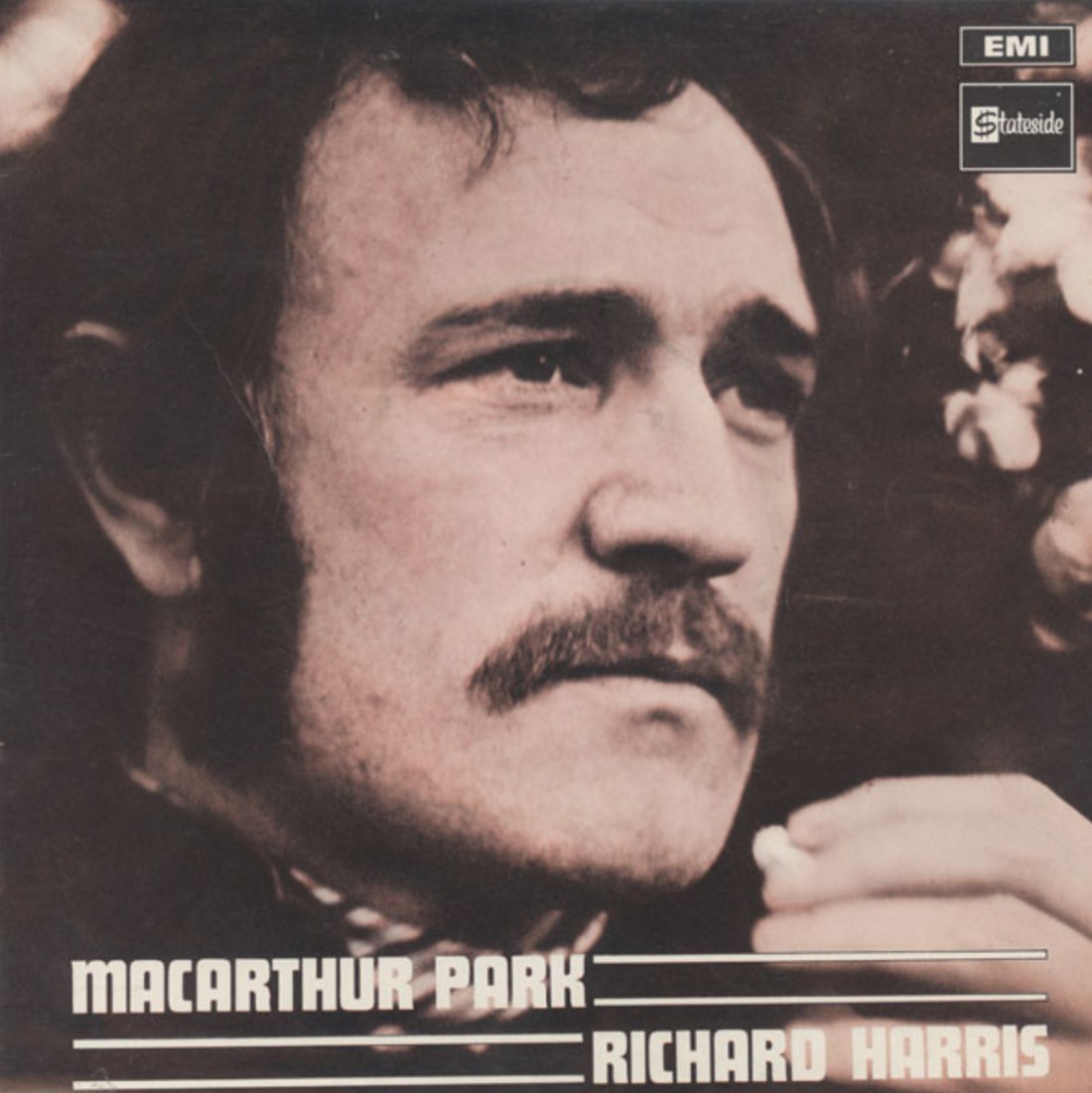
Richard Harris – MacArthur Park

Sometimes, a song can make such an impression that you can clearly recall a time in your life when you heard it playing. It might be the backdrop to your first kiss with your true love, or the soundtrack to a heartache (I’m going to do a whole series on those songs, just you wait), or just the theme to a great sports memory (I’m sorry Chicago Bears fans – in no parallel universe does “The Super Bowl Shuffle” count). What matters is the connection between how you were feeling and the song that was in the air.

And sometimes, you remember because you were confused.

I know exactly when I first really listened to Richard Harris’ take on “MacArthur Park”. At some point in 1982, CJCB ran a countdown of the Top 100 rock and pop songs of all time. I know it was 1982 because I was at that point under the delusion that John Lennon’s “Woman” might be the greatest song ever recorded – I had kissed a girl that I was crushing over badly while we slow danced to it, so my perspective was of course quite skewed – and I listened to eight-plus hours of great music only to end up, weirdly, disappointed. (That “Hey Jude”, a to my mind vastly overrated tune, was did not help.) I don’t know who was polled to come up with this ranking, but it definitely was outside the mainstream. The oddest song that made it onto the list was probably “Vehicle” from The Ides of March, and I have no idea why that one in particular stuck in my head, but I’m glad it did. It’s a pretty good tune, but so little considered now that Acclaimed Music lists 222 songs from the year it came out in its top 10,000 tunes, and “Vehicle” isn’t one of them (though it is “bubbling under”).

Anyway, getting back to Harris, I knew his original had been a hit, and then there was Donna Summer’s smash disco cover from a few years earlier, but tracking down an older song was no easy task back then, especially if you were a teenager and, let’s be honest, didn’t really care all that much. (If me not having heard it seems unlikely to you, ask yourself how Sam Smith had never heard Tom Petty’s “I Won’t Back Down” before 2014 – and I happen to believe him – and then reconsider my position between 1968 (age: 4) and 1982.) So when I finally heard Harris’ take, I was – what? Dumbfounded, maybe. Perplexed for sure. This was a hit? This? How? Why?

Although he had starred on stage in “Camelot”, Harris wasn’t known as a singer, and I can’t say this recording really furthers any argument in his favour. Yet, in 1968, that’s exactly what he – with the considerable help of songwriter/producer Jimmy Webb – told the world he was, and the world said “Okay!” The song got to #2 on Billboard and earned him a Grammy nomination for Contemporary Pop Male Vocalist. (He lost to Jose Feliciano.) The album it came from, “A Tramp Shining”, was nominated for top album, along with Feliciano, The Beatles, Simon & Garfunkel and the winner, Glen Campbell. The category feels like a bit from “Sesame Street”.

This song shows up on some lists of the worst songs of all time, and I can only assume those people are not listening to it in the proper frame of mind. This is high camp, and while I have no way of knowing if that was Harris’ intention, I’m giving him the benefit of the doubt. He was a larger than life figure, and in more than a few of his film roles he leaned into the more foolish side of his character’s personality. (Plus, with no disrespect to the great Michael Gambon, he gave us the definitive Dumbledore.)

But leaving aside what Harris brought to the party, it’s simply a great song. There are three movements (making the world safe for “Paradise by the Dashboard Light”), the first being the baroque (thank you, harpsichord) moanings of a lovelorn troubadour. This blends into the gracefully balletic and contemplative second movement, before we get to the heart racing third movement, with the breathless pace of the theme song to a spy television show, or a stand-in for Supertramp on “W5”. Then we end with a call back to the first movement, with the big finish that sounds like the soaring choir at the curtain drop of a stage musical. And if all that isn’t enough, we have some of the most wackadoodle lyrics to ever grace the pop charts, like a poem from Shelley off his meds (in other words, just regular ole Shelley). Beautiful.

As weird as the song is – and for a pop song, it is mighty weird – you need only look at the heavyweights who have covered it to get a sense of its greatness: in addition to Summer, there’s Frank Sinatra, Tony Bennett, Glen Campbell, Waylon Jennings, Four Tops, and a bunch more. A lot of these are heavily edited, dropping a movement or two, none more so than the brisk 97 seconds of punk howl from The Queers, which makes things easier – for them, not us – by dispensing with any pretence of sounding like the song Webb wrote. My favourite might be the 1979 ska-esque version from Morgan Fisher under the names The Burtons and Hybrid Kids. The final results may vary, but what they have in common is an appreciation for the song’s scale and adaptability. It was an unusual recipe, but there is no denying that the cake itself is delicious.
Classic Songs of My Youth Revisited #44

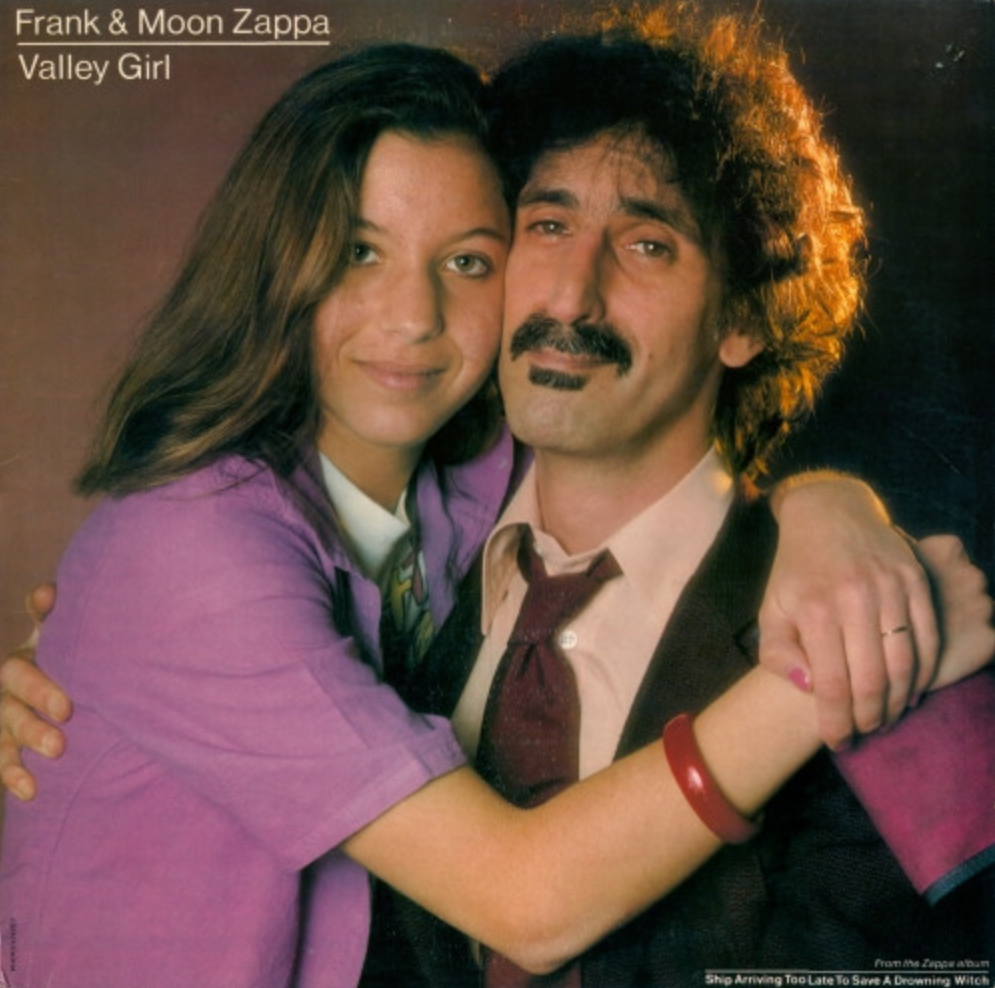
Frank & Moon Zappa – Valley Girl

I recently wrote about a novelty song, and that of course lead to thinking about other songs of this type. There’s a natural goofiness to such tunes, but it doesn’t mean that the artists writing and performing them aren’t deadly serious about what they’re doing, or applying all of their talents to make them, well, not great, because let’s not overstate this, but good, maybe. Frank Sinatra did one (“Mama Will Bark”, quickly defeating my above “good” position – WTF was Frank on when he agreed to this monstrosity?), as did The Coasters (“Yakety Yak”), Roger Miller (“You Can’t Roller Skate in a Buffalo Herd”), Chuck Berry (“My Ding-a-Ling”, which turns out to be about exactly what giggling 12-year-old me thought it was) and probable future Rock and Roll Hall of Famer Warren Zevon (“Werewolves of London”).

I don’t know when I last heard “Valley Girl” in nature, but 1982 is definitely a possibility. And I know I still had positive memories of its silliness. So, when Spotify served it up one recent Sunday afternoon as part of my personal “Discover Weekly” playlist, I was struck with an odd joy on hearing the opening notes.

It didn’t last.

Frank Zappa apologised to his fans for this song – he promised never to accidentally write a hit again (giving a very elastic definition to “hit”), and he was good to his word. But I don’t think he had creator’s remorse about it. Elvis Costello once talked about hoping he never had a hit with a crappy song that he would then be forced to sing over and over again despite hating it. (For my money, he accomplished this unfortunate end with “Veronica”.) Zappa never seems to have expressed regret about the fact of “Valley Girl” existing (though this Letterman clip comes close), but only that it was successful. Alas, he was bothered by the wrong thing.

It sort of is a great song, if not a good one, and, yes, something can be the former without being the latter. Zappa hated the San Fernando Valley and the people who lived there, and turned his daughter Moon Unit’s gift for mimicking them into a satirical masterpiece that shows how ridiculous they are. (And, yes, that is her given name.) But that’s one of the problems with satire – it needs an audience that understands what is being satirised. In this case, the Valley aesthetic was largely unknown to the outside world, and the song helped popularise it for a brief time, which couldn’t have pleased Zappa very much.

Also, satire isn’t really designed to stand up to repeated scrutiny: there’s only so many times you can hear the same joke before you want to punch the person telling it to you. “Valley Girl” is almost five excruciating minutes long, and if the aim is to make you feel annoyed, it only half succeeds: I actually feel sort of sympathetic towards the girl that Moon is channelling, while dad Frank’s bits are just abrasive. Again, the latter at least seems to be intentional, but it doesn’t make it any more satisfying as a listen.

In the end, I’m glad I stumbled across this again. I was rooting for this song to be a hit in 1982 – it got to #18 in Canada – and just because 2023 me finds it annoying doesn’t devalue 1982 me’s love of it. And while I also enjoyed Buckner & Garcia’s “Pac-Man Fever” – which is exactly as awful as you would expect – that year, I was also listening to albums from The Human League, Go-Go’s, Rush, Elvis Costello and ABC, so I wasn’t a complete idiot. I just had moments of idiocy, and we’ve all been there. Even Frank Sinatra.

Classic Songs of My Youth Revisited #43

The Psychedelic Furs – Pretty in Pink

One of the worst things a music fan can say about a favourite artist is to call them a sellout. It’s such a dirty word: it implies a corruption of intent, a sacrifice of one’s true artistic identity in the pursuit of something crass. We almost never say it about people who are already stars: whatever you may think of the latest Taylor Swift or Drake record, you can’t really sell out when there is already a massive crowd ready to spend money on whatever musical grievance settling you choose to release. I’m not even sure the word was used when folks like Rod Stewart and The Rolling Stones dabbled in disco beats in the late 1970s. No, it is generally reserved for so-called independent or alternative artists who change their sound or image in some way, and then become more commercially successful. Whether there is a connection between the change and the increase in sales seems besides the point.

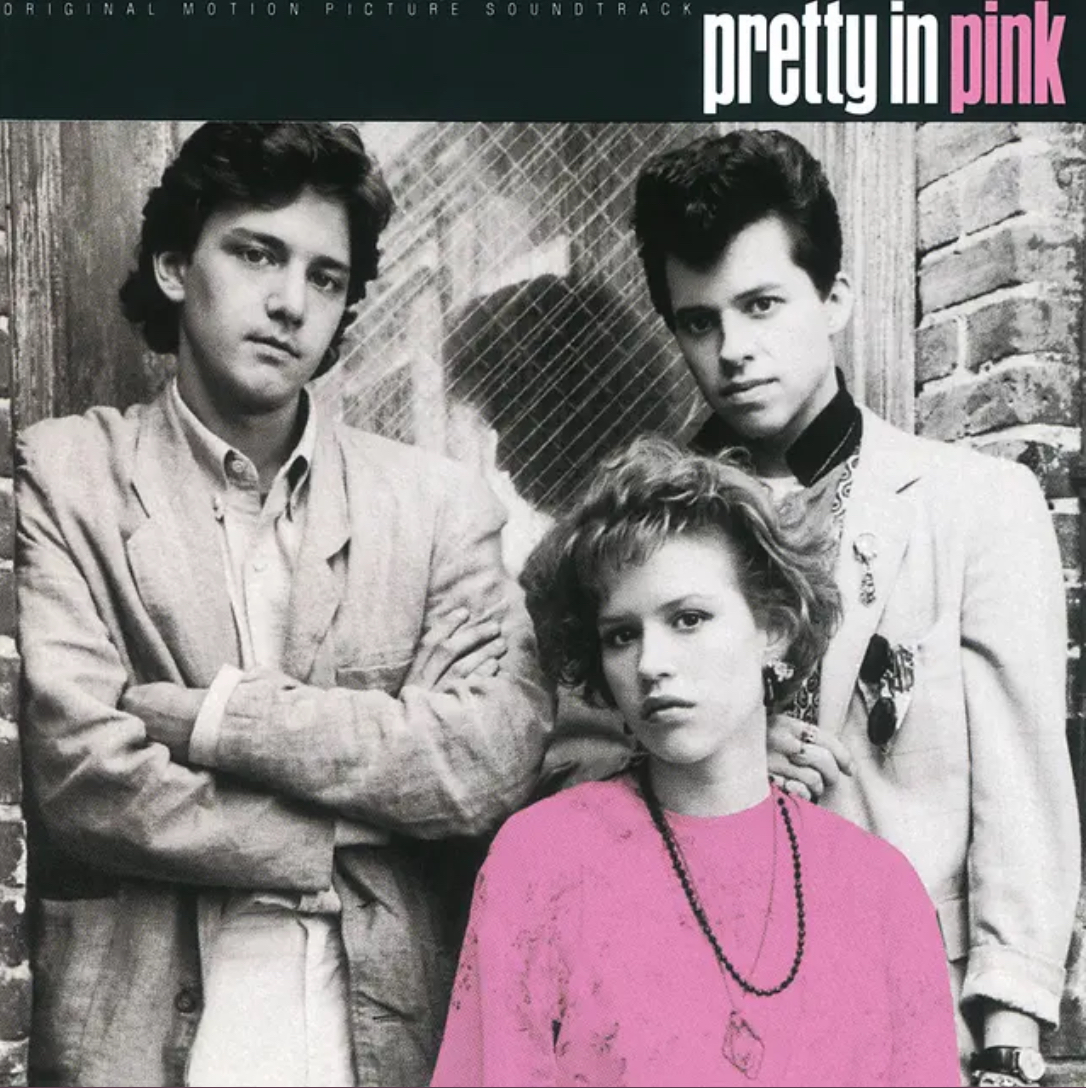
My friend Shelley thought The Psychedelic Furs sold out when they released their 1987 album “Midnight to Midnight”, saying it was too commercial. I was not much of a Furs fan at the time – my appreciation for them developed later – so I didn’t really hear that big of a change from their previous records. Yes, “Heartbreak Beat” was definitely more upbeat than its predecessor singles, which were in continuous rotation on CFNY, and the record is more cleanly produced and upbeat. But it’s not like Richard Butler changed his singing style, which is one of the things that made the band stand out. And if they were selling out, it had happened the year before, when they re-recorded their 1981 release “Pretty in Pink” for the soundtrack to the movie of the same name.

I loved John Hughes’ movies in the mid-1980s (though not all have aged well, with their sexualizing of teen girls and questionable racial attitudes among the issues), but “Pretty in Pink” (which he wrote but did not direct) did not move me like others had. I guess in part it was because I was ageing out, and didn’t really share the concerns of the main characters, with first loves and prom night micro dramas. Hughes was starting to repeat himself, too, with diminishing returns: Jon Cryer was fantastic as the lovelorn Duckie, but his lip syncing to Otis Redding’s “Try A Little Tenderness” is too much in the vein of Matthew Broderick’s iconic “Twist and Shout” from “Ferris Bueller’s Day Off” the year before. (Both are also bits that neither advance the plot nor tell us anything about the two teens we couldn’t figure out on our own, but let’s skip past that part for now.) But the soundtrack? For my money, it’s the best of Hughes’ teen films: The Smiths, Joe Jackson, Suzanne Vega, INXS, Orchestral Manoeuvres in the Dark, New Order, Echo & the Bunnymen. I owned it on cassette, and played it and played it over and over for the next several years, and even now I sometimes call it up (minus the New Order track and one other for some reason) on Spotify. It’s just one great tune after another.

The centrepiece – and my favourite – is the Furs with the title track. Unless you listen to the two versions back to back, you might not pick up on the difference. What they mainly did for the movie version is clean up the song, like wiping the grime off something so that it shines a bit more brightly. That’s it: less scuzz on the guitars, less muting of the drums, putting the vocals near the end higher in the mix so you can actually hear (sort of) what Butler is mumbling about. The only substantive change comes towards the end, when they tack on about 45 seconds to wind down with a horn section, more Butler mumbling, and a bit more horns. Hardly such a massive corruption of their talent to be labelled a sellout.

Either way, it’s a great tune, though I do favour the cleaned-up version: I like to (sort of) hear what singers are going on about. The meaning of the song is far removed from the film: unlike the chaste Andie of the movie, the Caroline of the song is a girl who, in Butler’s words, “sleeps around a lot and thinks that she’s popular because of it. It makes her feel empowered somehow and popular, and in fact, the people that she’s sleeping with are laughing about her behind her back and talking about her.” And while I am loath to disagree with a creator about his own work, I’ve never felt that was true. Caroline just seems to be looking for someone to love her, and is unfortunately aiming that desire at a lot of undeserving people. But take away the sex, and the experiences of Caroline and Andie – being treated poorly just for being true to who they are – aren’t all that different, and you can see how the song could have been a beacon for Hughes. I always feel sad for Caroline, and am hopeful that she found a way to move past the douchebags in her life and find love with someone who appreciated her. Unlike poor Duckie, who is matched with future vampire slayer and Trump supporter Kristy Swanson in the film’s closing moments while his true love Andie goes off with the boring “major appliance” that is Blane. It’s a bittersweet ending, but it was the one that test audiences demanded. Now, that’s a sellout.

Classic Songs of My Youth Revisited #42

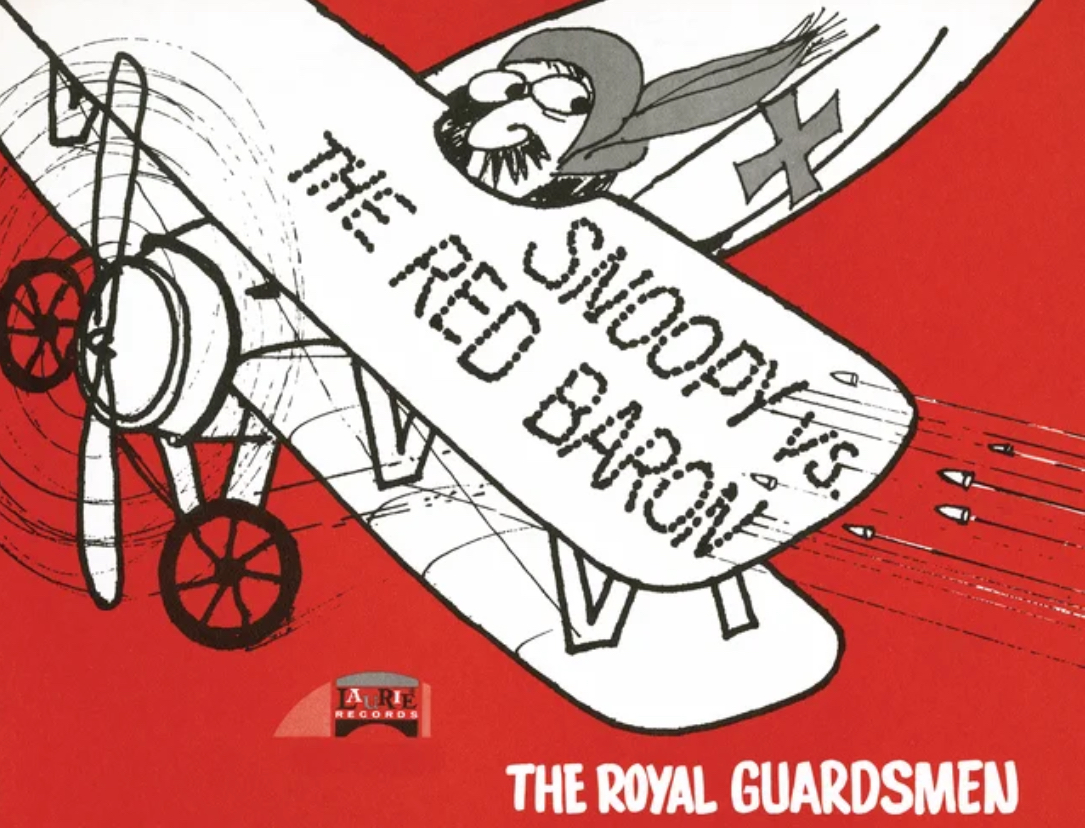
The Royal Guardsmen – Snoopy vs. the Red Baron

The 1960s was probably the era in musical history that the word “goofy” can best be applied to. It was the glory days of the novelty song, when a weird record might be followed by an even weirder record, and none of this weirdness could stop both of them from climbing into the upper reaches of the singles chart. This included acts like The Singing Nun and The Irish Rovers – just those names tell you something about what you’re going to be listening to – but these were mere glimpses of the nuttiness of those years. There was Larry Verne’s “Mr. Custer”, which might get him cancelled today, with “Injuns” and “redskins”, whoops and scalping. The Trashmen’s gloriously obnoxious “Surfin’ Bird” (which wears out its welcome about 30 seconds in), The Hollywood Argyles’ comic strip-inspired “Alley Oop”, and other oddballs like “Simon Says” and “Yummy Yummy Yummy” were all hits. Ray Stevens made a career out of novelties, with two songs that I can recall the lyrics to today almost in their entirety in “Ahab the Arab” and “Gitarzan”. Even some acts that were very serious about the music they were making, like The Monkees, had a decidedly non-serious image.

Novelty songs didn’t have much staying power on radio, as listeners would soon tire of them and move on to the next strange thing. Luckily, for a child in the 1970s, there was K-tel. The discount record label would, as it did with all the popular music it could get hold off, repackage these tunes in collections of 20 tracks, and deliver them to our ears with teasing television commercials that lured us to the bins and racks of our local record store. My family owned several of these compilations, but the only one I can remember by name is “Goofy Greats”. The tracks listed above save “Gitarzan” were included, along with a dozen-plus more. And starting it off, in keeping with its cultural might, was The Royal Guardsmen and “Snoopy vs. the Red Baron”.

Snoopy, of course, is the pet beagle of Charlie Brown, the protagonist of the “Peanuts” comic strip. Like most kids of that era, I would read “Peanuts” and other comics in the daily paper, skipping over more adult offerings like “Mary Worth” (while also bemoaning the space being wasted on them), and my family’s book offerings included some paperback collections of older strips. Snoopy was the breakout, the supporting character who became the real star: the Steve Urkel of his day. He had a rich interior life full of bold adventures, sometimes accompanied by his bird friend Woodstock. And most prominent of these was his long-running feud as a World War I fighter pilot with the dastardly German flying ace, Manfred von Richthofen, a.k.a. the Red Baron. So, in the spirit of the era, it was logical for the writers of a tune about the Baron to add some new lyrics – the inevitable litigation to come be damned – after failing to capitalize on the vogue for historical songs to try and instead take advantage of this helpful new attention being paid to their very old subject. That lawsuit meant that the songwriters had to give up the publishing revenues from the tune, but the song got out into the world, and eventually hit #2 on Billboard, losing out on the top spot to the non-novelty Monkees and “I’m A Believer”.

The song is definitely worthy of the label “goofy”. There’s lots of psychotic-sounding German – the opening spiel calls Snoopy pig-headed – along with machine gun fire and the sound of airplanes falling out of the sky. Snoopy, after initially failing to take out the Baron, consults with renowned military strategist the Great Pumpkin (Linus is redeemed!), forms a plan and shoots down his foe, stealing glory from the soldier – whose identity has never been definitively agreed upon, but may have been a Canadian pilot – who actually did the deed. The backbeat feels like a sped-up march, and there’s a pseudo sample of “Hang on Sloopy” that almost resulted in a second bit of litigation for this little tune. Musically, there is nothing much happening here, but it has the virtue of a taut narrative: it just races through the entire tale in a crisp 2:40. That precision has another benefit: you can listen to it several times in a row without wanting to throw yourself out of the nearest Sopwith Camel in mid-flight.

This is possibly the greatest novelty tune of all time for several reasons. First, The Royal Guardsmen didn’t just disappear like so many bands after their moment of oddball chart glory passed: they later had some minor non-novelty hits, and with some interruptions and changes in personnel, remained a functioning act as recently as 2011, and possibly beyond. Second, it spawned numerous (and occasionally successful) sequels, including “Snoopy for President” (my wife owned the album), “Snoopy’s Christmas” and the absolutely nutbar 2006 release “Snoopy vs. Osama”, in which our beloved beagle seems a tad bloodthirsty (while suggesting that “Zero Dark Thirty” is as true a tale as the Apollo moon landing). Third, the song itself has had surprising longevity: Quentin Tarentino even used a snippet in “Once Upon A Time in Hollywood”. Finally, and most importantly, there are covers: in Spanish, Italian and Finnish, and ska and punk-ish versions, too. The last two are kind of fun, but the others are just the same song in a different language. But that, too, is a triumph because someone thought it was worth the trouble to do that.

There is, however, a clear winner for the weirdest version of this song. Fearful of litigation, the Canadian arm of The Royal Guardsmen’s record label refused to release it as written, so the band re-recorded it with new lyrics under the name “Squeaky vs. the Black Knight”. It actually got some traction on Canadian airwaves before the legal issues were sorted out and the original began its journey to becoming the most popular song in the country. The song is identical in almost every way but for a few changes in the lyrics, but those changes make it completely nonsensical, entirely detached from any context that would help you enjoy it: only here can you find a buck-toothed beaver keeping the skies over Europe free from German tyranny. It’s a true novelty song: horrible, but not so horrible that you won’t be tempted to hit “repeat” at least once to make sure of what you thought you heard.

Classic Songs of My Youth Revisited #41

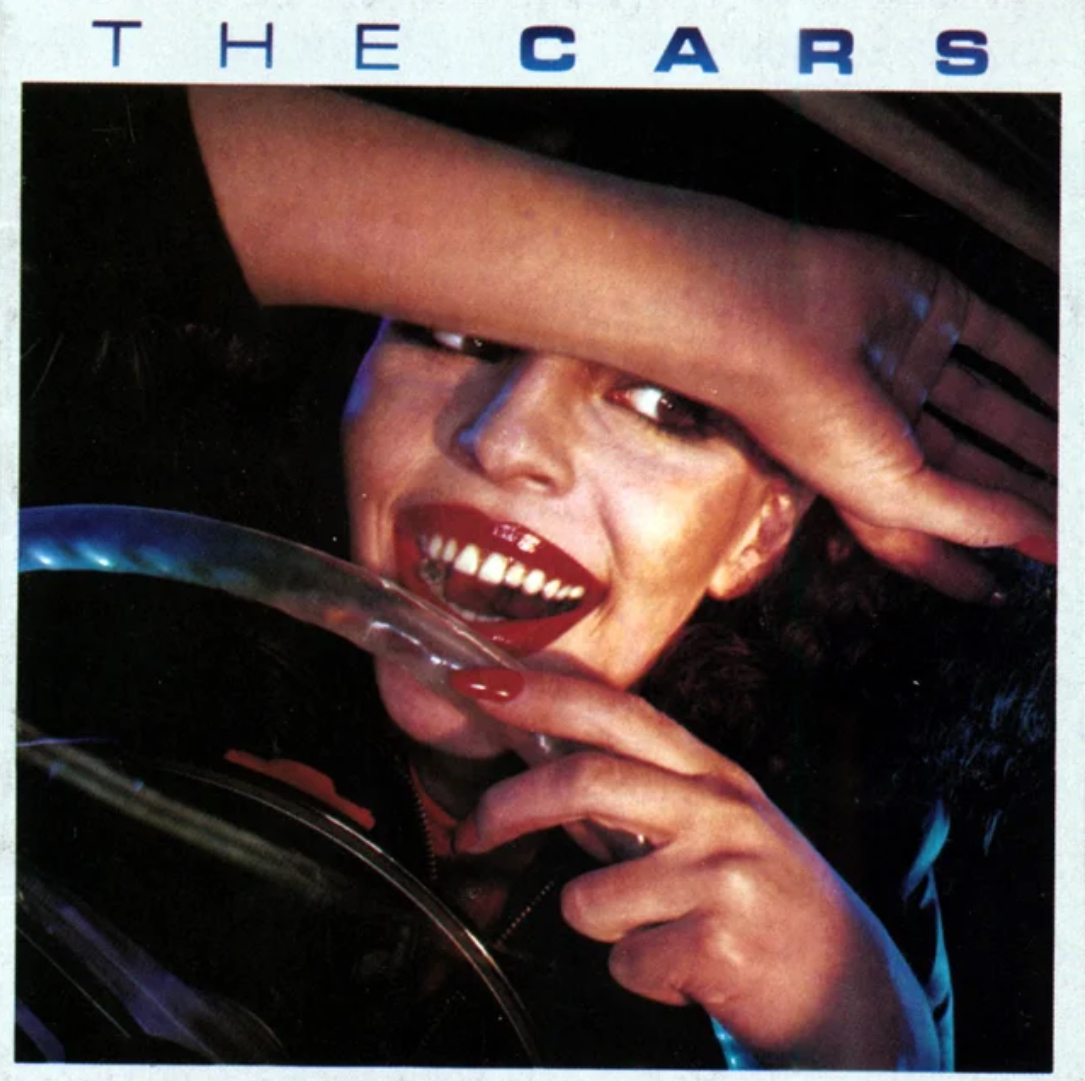
The Cars – Just What I Needed

Growing up in Cape Breton, punk rock was more a rumour than something we could actually experience. Other than the bits offered up on “90 Minutes With A Bullet”, CBC Radio’s weekly pop music show, it simply wasn’t to be found on local airwaves. I can’t say I was all that broken up by it – those Wednesday night dribs and drabs from the CBC made it clear that, for the 1978 version of me, punk was more something I thought I should like than something I actually did like. Even punk’s housebroken cousin, new wave, wasn’t much of a force in Canadian radio: nothing on this list of RPM’s top 100 songs of the year even remotely qualifies. (That definitely changed the following year.)

The closest thing we had to new wave in 1978 was The Cars’ “Just What I Needed”, but it was more than enough. It wasn’t much of a hit, peaking at #38 nationally, and I don’t recall it doing markedly better in my neighbourhood. But it made it onto CJCB radio at least often enough for me to hear it, and one listen was all it took for me to want the 45. It quickly became – and this is impressive considering everything else happening in pop music that year – one of my most frequently played songs. I would get together with my friend Kirk to play records, and this was the song that would have us bouncing around my living room, in an approximation of what we thought punks might be doing, crashing into furniture and each other, caught up in the energy of the song.

Written by the band’s primary lead singer, Ric Ocasek, I always thought he was singing it, which in retrospect just seems dumb. I learned only a few years ago that the singer was in fact Benjamin Orr, who I knew had sung 1984’s “Drive” but also – and I learned this just now – their 1979 hit “Let’s Go”. Ocasek’s influences in writing the tune included The Velvet Underground and bubblegum band Ohio Express, which makes it kind of odd that he was so defensive about artists being influenced by his song. He accused Fountains of Wayne of sampling it in “Stacy’s Mom”, and forced the destruction of the entire first print run of Car Seat Headrest’s “Teens of Denial” (one of my favourite albums of 2016) after revoking (not without a decent reason, to be clear) his permission to use the song. Ric was a very intense guy when it came to defending his intellectual property. Or maybe it was just part of his prickly personality: his last will and testament disinherited his wife and two of his children.

Of course, it’s only sort of new wave: a better way to describe it is as sneering power pop. The opening guitar stretch (a direct theft, in possibly the most bizarre lift ever, from Ohio Express’ “Yummy Yummy Yummy”) draws you in, simple but pulsating, then amping up by adding just one rich double-pump beat where there had been a single. The opening verse is underlain with straightforward guitar and drum, with the guitar getting more forceful at the end and the bridge between verses taken over by a chilly siren-like synth. The obligatory guitar solo comes at the midpoint of the song, and it serves nicely as a bridge rather than, as is too often the case, dull filler that just delays the song’s proper end from arriving on time. The second half of the song more or less repeats the first, with very little difference, but it never feels like it’s going on too long. This is a begrudging love song (“I don’t mind you comin’ here / And wastin’ all my time”), but “I needed someone to bleed” in the chorus certainly complicates that calculus. When Orr sings “So bleed me” near the end, you can detect that sneer underneath, but I wonder, too, if maybe it’s a shift in power, and the cool narrator now finds himself having let his pursuer get too close.

This has long been a favourite of mine, and Spotify will back me up: it has been consistently among my five most listened to tracks every year since at least 2019. It’s the clear star of my “songs I never skip” list, which includes such delights as Fountains of Wayne’s “Maureen”, Jonathan Coulton’s “Ikea”, “All to Myself” by Marianas Trench and Brand New’s “Jude Law and A Semester Abroad”. It’s a song that was made to be sung along to by hopped up males – the shouting of the title by the backing singers in the chorus works for even the least vocally gifted in a crowd. Something of that vibe can be seen when The Strokes played it live, with Pulp’s Jarvis Cocker seeming like a guy at karaoke night being confronted with a song he does not know. Orr and Ocasek are both gone, but they and their band mates left us with at least one immortal tune. There are some other top acts who’ve covered it live – including Red Hot Chili Peppers, The Killers and Eric Church – and every time that opening starts up there is a howl of recognition from the audience. My enduring love for the song may mean I’m in a rut, but I have a lot of company there.

Classic Songs of My Youth Revisited #40

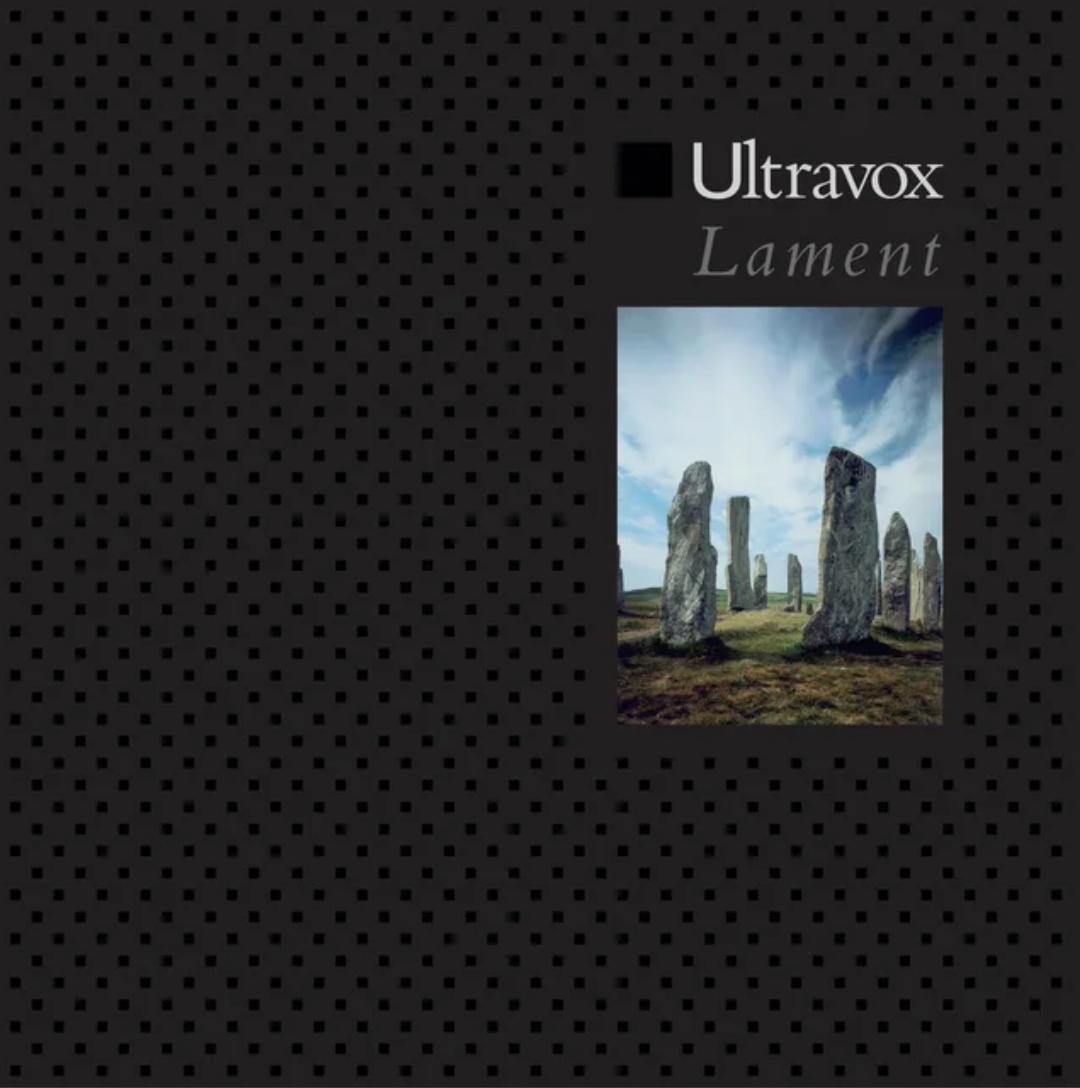
Ultravox – Dancing with Tears in My Eyes

Living during the Cold War, you could never entirely shake yourself free of the concern that your life might end in a nuclear war. I haven’t thought of this in years, but this was something I was genuinely worried about in real time, to the point of adding scary dreams about this potential war to my other major sleep time worry: my mother driving our car over the cliff and into the water at the end of the road that we took to get from Little Pond to Alder Point. Part of that was the unavoidable reality of our geography: the missiles fired by the United States and Soviet Union stood a good chance of flying over our Canadian heads. Whether through a misfire, an intentional shot at America’s most faithful ally or just the subsequent fallout, Canada was as likely as anywhere to be a hellscape after the bombs stopped falling.

This seemed to become more prominent in pop culture after the near-disaster at Three Mile Island in March 1979. Over the next decade, major films with a nuclear war/reactor element included “The China Syndrome”, “The Day After”, “The Dead Zone” (Martin Sheen has never been more chilling – he makes Christopher Walken’s future-seer seem rational), “Terminator”, and, the champion of all such films, 1983’s “WarGames”, which gave me a long-lasting crush on Ally Sheedy and a deep mistrust of video games. In literature, heavyweights like Martin Amis and Bernard Malamud weighed in on the subject. And in music we had such songs as Nena’s “99 Luftballons”, “Def Con One” by Pop Will Eat Itself (I had forgotten this fantastic song, with samples that include a chilling use of Lipps Inc.’s “Funkytown”), “Walk the Dinosaur” from Was (Not Was), Frankie Goes to Hollywood’s “Two Tribes”, and “I Melt With You” by Modern English. I did not realise until seeing them on a comprehensive Wikipedia list (and I don’t entirely trust the inclusion of all entries) that some of these were even about nuclear concerns. The subtlety of great pop music continues.

For me, though, the most compelling – and therefore terrifying – of these came from Ultravox. The band has released 11 albums, and I am pretty certain that “Dancing With Tears in My Eyes” is the only one of their songs that I know. (Frontman Midge Ure’s Canadian #12 “If I Was” from 1985 doesn’t count, nor does his writing and production work on “Do They Know It’s Christmas?” (Sidebar: Why doesn’t Ure’s role in this charitable work that is also a great song – as opposed to, say, the self-important dreck that is “We Are the World” – get the same attention as Bob Geldof’s? Feel free to discuss among yourselves.)) I only ever bought one of their records, the 1984 album “Lament”, and that was just so I could get this song, which I’m pretty confident is the only track I ever played. Sorry, guys.

As I have mentioned previously, I watched a lot of music videos in the first half of the 1980s, and I am quite certain this is how I was introduced to “Dancing With Tears In My Eyes”. The images from the video have always shaped my perception of the song, even though I hadn’t seen it in at least a decade and probably a lot further back than that. On the cusp of a nuclear reactor failure, a man rushes to get back to his wife and child. Everything is either dark or washed out, bereft of colour, as they drink their last drink together, dance their last dance, and, presumably, make love for the final time. Then, as they lay together, a window blows out, light floods the room, and it’s over. We see their home, emptied of life, before ending with an extended selection of brightly coloured and lively home movies of happier days, before the film melts in the apocalypse.

That’s the video, of course, but the song is awfully potent without it. Against a synth-and-drum-machine-heavy new wave beat, Ure’s vocal is taut, pained, desperate. Opening with a thumping like a sped up heartbeat, then a quick drumbeat and power stance guitar strokes, Ure explodes without any preamble into the chorus and the title line, with spine tingling keyboard in the background, just outside of your direct notice. The tempo never really changes, but the verses feel less rushed than the chorus. The lyrics speak of things already lost – a life gone by, a love that has died – but we aren’t there yet. Through each verse, the final moment looms, and there is soon a resigned and even grateful acceptance of the unavoidable. And then, with the word “time” repeating like a warning cry, there is no more. Guitar rises, and we get one more run of the chorus before the song draws to an end, fading at first, then simply over.

I know that sounds like I’m putting an awful lot of weight on a pop song. But there’s a reason why this still hits me hard after 39 years.

I thought this was a hit in Canada, but it only peaked at #52 on RPM’s weekly chart. I guess my perception was skewed by seeing it three times a day on MuchMusic and regular plays on southern Ontario’s leading (only?) alternative radio station. It did better in Europe, and is the band’s second biggest song after “Vienna” (which did not chart in Canada or the U.S. and rang no bells when I listened to it). They played it at Live Aid in 1985 – I think I had the same shirt (or at least a lower-priced knockoff) that Ure is wearing – but there was no bump in popularity on this side of the pond.

With Putin-related terrors a constant in our lives, I’ve been expecting a revival of 1980s nuclear angst music, but so far that does not seem to have happened. If you read the YouTube comments under the video (try to ignore the political stuff), you will see a lot of people who feel as I do about the song and video, including its relevance to today’s world. At the same time, the film “Oppenheimer”, and its account of how this awful story began, is almost upon us. Time passes, and we make the same mistakes, and live with the same horrors. Music, at least, can be a tiny respite from that, even when the song scares the crap out of you. And if you need a happy ending, there’s always “WarGames”.

Classic Songs of My Youth Revisited #39

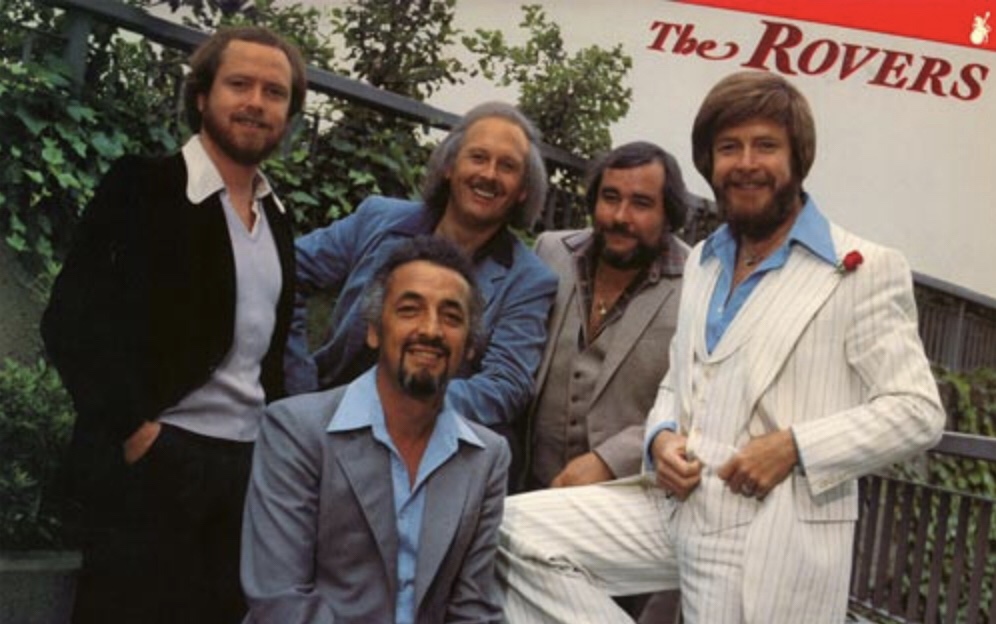
The Rovers – Wasn’t That A Party

Growing up in Canada in the 1970s, I was not a fan of our national television networks. They were great for sports and, to the extent I was paying attention, news, but our scripted programming left much to be desired. There were such short-lived “classics” as “The Trouble with Tracy” (which I mostly remember now in connection with co-star Steve Weston’s tragic early death) and “Excuse My French”, and long-lived but mostly not-much-better shows like “The Beachcombers” and “The King of Kensington”. I did love some of the children’s shows – “The Waterville Gang” stands out in my memory (it’s crazy that almost 50 years later I can remember character names and what their voices sounded like) – and there were smart quiz shows, like “Headline Hunters”, “Front Page Challenge” and my beloved “Reach for the Top”. But all of the musical and variety shows were pretty old fashioned, with such gems as “The Pig and Whistle”, “The Bobby Vinton Show”, “The Tommy Hunter Show” and the stars of today’s missive, The Irish Rovers, and their eponymous series.

I had nothing against The Irish Rovers, or anyone else on these shows. But their music had nothing to offer me when, for example, Don Cornelius and “Soul Train” were airing on Saturdays (which I foolishly almost never watched because I didn’t know the songs – soul music didn’t have a big presence on our local radio band waves). I knew there were other great shows being denied to me – like “American Bandstand” and “Don Kirshner’s Rock Concert” – from reading “TV Guide” and other print media. Instead, I was being served up traditional Irish music, country and soft pop. My ears were not interested.

Then, in 1980, The Irish Rovers went rogue. They rebranded – punting the Irish part of their name – and made a stab at the pop charts. They’d been there before, but 1968’s Top 10 “The Unicorn” was one of those freak occurrences that could only happen in the pop folk environment of the era. It wasn’t a half-hearted effort either – they appeared on frickin’ “Solid Gold”. (I offer this fake but oh-so-accurate clip from “The Boys” as some evidence of how truly bonkers that show was.) And it worked: it got them back into the American top 40, and to #3 in Canada, which seems somehow factually wrong to me even though I remember it happening.

What I have trouble understanding now is why this song was a hit at all: it should’ve been a tune that got a few plays, was rewarded with some earnest chuckles, and then consigned to the musical dustbin other than being hauled out now and then at evening’s end by a not-as-clever-as-he-thinks-he-is dive bar deejay. (On the other hand, Joe Dolce’s “Shaddap You Face” was an even bigger hit the following year, so it’s possible we were all just idiots back then.) It’s a fun song, but it’s not a good one. How do I know it’s not good? Because good songs reward repeated plays. There are songs that compel you to play them again, and again, and maybe again, only to reveal more depths over time. That’s not “Wasn’t That A Party”. The lyrics have a few cute lines (you won’t go wrong with me by throwing in references to cats and the law), but the music is simple and repetitive, save for some honky tonk piano and horn bits. On the first replay, I was bored after two minutes, and there is really no reason for this recording to last longer than 2:30 – almost everything after that simply repeats what came before, so that a cute little ditty becomes something you have to survive. And survive is what I did. On the second play, my ears began to hurt. On the third, blood began to flow from my eyes. I stopped there, fearing one more would put me in “Scanners” territory. (I may be exaggerating a bit here.) If you can get to four, you are clearly made of tougher stuff than I, and probably also way too drunk to be on your phone right now.

As it turns out, this was a cover of a song by a fellow named Tom Paxton, whose version is vastly superior. Gentler, more melancholy, remorseful as opposed to boasting, and, though some 33 seconds shorter, not at all repetitive.

Anyway, I hadn’t thought of the band in years, save for every Christmas season when “Grandma Got Run Over By A Reindeer” turns up again. I can’t even say why I thought of them now. So I was surprised to learn they are still very much an active concern, 38 years after they last had a song on the charts. (That would be 1985’s “Everybody’s Making It Big (But Me)”, also a cover and, yes, also not even close to as interesting as Shel Silverstein’s drunken piano bar blues original, or Dr. Hook’s goofily strained version.) They toured from Sarnia to Victoria in March and April 2023, supporting the January 2022 release of their latest album, “No End in Sight”. The title song is an original in the traditional style, and I like it a lot. 10-year-old me would be shaking his head at the codger I’ve turned into.


Classic Songs of My Youth Revisited #38

Pablo Cruise – Whatcha Gonna Do?

When I was growing up, the fastest way to build your vinyl collection without a heavy upfront cost was to join the Columbia House Record Club. And that is how I came to own not one, but two Pablo Cruise albums.

The Columbia House pitch was simple: buy 11 records now for $1.29, then seven more over three years (at highly inflated prices) to fulfil your membership obligations. (The reality was, of course, not that simple, but that isn’t our concern right now.) If you paid a bit more at the start, you got another three albums and only had to buy six more to escape their clutches. The goal going in was to buy those extra six as fast as you could, then quit and rejoin. In fact, when you quit, they would usually make you an enticing offer of free music to stick around. Plus there were coupons that came after so many purchases that enabled you to get more records at a discount. The whole package was irresistible.

Every month, you would get a mailer listing records available for purchase, along with an order card that included the month’s featured album. You had a few weeks to return the card, otherwise that album was shipped to you automatically. Columbia House was banking on its largely youthful membership forgetting to return the cards, and this was how I ended up with albums I had no interest in, like Journey’s “Captured”, which I ended up liking anyway.

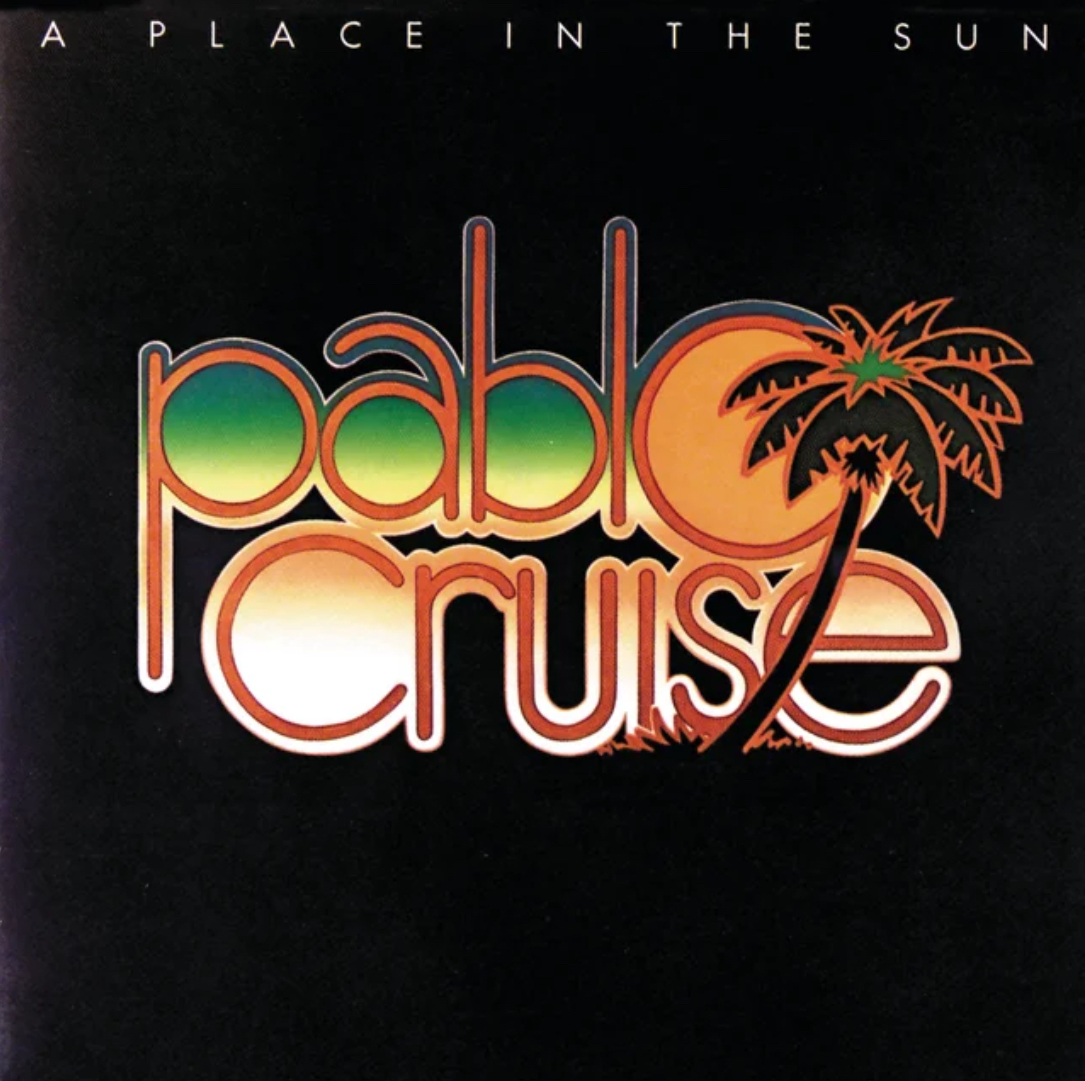
The idea of having hundreds of records to choose from seems like a great idea, but finding 14 that I actually wanted when I first joined in 1979 proved challenging. Most of the offerings were past their best before dates, and included a lot of artists I had no interest in then (I think of the Springsteen records that I missed out on, not long before “The River”, later obtained through Columbia House, made me a fan). The first two Elvis Costello records were easy picks, along with two (well, three, since one was a double album) Peter Frampton discs. I got the first Boston and Eddie Money albums in that order, Meatloaf’s “Bat Out of Hell”, the “FM” soundtrack, and Chicago’s “Hot Streets” (the first post-Terry Kath vs handgun record). And, with the clock winding down, for reasons that are no clearer to me now with the wisdom gained in the intervening years, Pablo Cruise’s “A Place in the Sun” and “Worlds Away”.

Now, this is not intended as a dis of the band, who I liked just fine. But they were sort of just there, delivering a few nice pop songs to slot in around the RSO domination of 1977-78 radio, fighting for scraps like every other pop group not named the Bee Gees. They weren’t an act to fall in love with, to obsess about, to study.

Their signature hit was “Love Will Find A Way”, but “Whatcha Gonna Do?” is the song that has lived with me these many years. It has a sunny disco/funk-lite beat (it feels like it should have been used in “Boogie Nights” – try not to see Wahlberg and Reilly dancing to this), and the entire song is a dire warning from well meaning friends to a man who doesn’t realise how good his romantic situation is. What is weird to me is that I probably didn’t give a moment’s thought to this song in the years since I stopped listening to the album, yet I have on many, many, many occasions spontaneously sung the lines “And all at once, you’re ready to hang it up / Cause things didn’t turn out the way you planned, no / And all your friends, they callin’ you a fool / Cause you don’t know a good thing when you got it in your hand”. I can’t explain it, other than perhaps that the song simply became a part of my pop culture identity in that subconscious way that we all carry odd little things around in our heads, like the Habs third string goalie in 1973-74 (Michel Plasse) or Cher’s full name (Cherilyn Sarkisian) or the name of Ross’ monkey on “Friends” (Marcel). Pablo Cruise, without me ever knowing it, became a part of who I am.

And here’s the kicker: they were a great band, and anyone who says otherwise is just wrong. I replayed all of “Worlds Away” recently (of the two albums, it was my preference back in the day) and was floored by the musicianship (the piano starting at 2:11 of the title track is breathtaking, and it’s followed by some serious shredding), the nimble melodies, the carefree spirit (don’t tell me these guys don’t look like a great hang). The band explained the name (there is no Pablo) as representing an “honest, real, down-to-earth person” with a “fun-loving and easygoing attitude towards life”. We could probably all benefit from being a bit more like Pablo Cruise.

Classic Songs of My Youth Revisited #37

Player – Baby Come Back

In 1978, Robert Stigwood was king of the music industry, and it wasn’t close. He’d been doing just fine before then – managing (Cream, the Bee Gees) and booking (The Who) bands, owning a scriptwriters’ agency (where the British originals that became “All in the Family” and “Sanford and Son” found a home), producing musicals for Broadway (“Hair”) and film (“Tommy”), and running his record label, RSO – but it went to another level that year. On September 24, 1977, “How Deep Is Your Love”, the first Bee Gees single from the upcoming “Saturday Night Fever” soundtrack, was released, and this began an onslaught of single after single that dominated the charts in the coming year, and into the next. Add to this multiple hits from the “Grease” soundtrack and Andy Gibb, along with Stigwood mainstay Eric Clapton, and you couldn’t listen to your radio for very long – and no one wanted to – without hearing an RSO jam.

A chunk of my own limited cash went into Stigwood’s pockets: the little red cow that was the RSO logo was on a lot of my favourite 45s that year. And, in the middle of this were a bunch of transplants to California with an ode to lost love. I certainly liked “Baby Come Back” at the time – I owned a copy – but I never gave the band a moment’s thought, and could not have picked them out in a police lineup. (They still do that, right? Did they ever do that? Or is it just on TV?) And when it comes up on a ‘70s playlist, I’m happy to hear it. But the band was never interesting to me. That is, it wasn’t until Ronn Moss showed up on “The Bold and the Beautiful”.

Soap operas were a big part of my viewing entertainment from the mid and late ‘70s (“Another World”) into the early and mid ‘80s (“General Hospital”, of course) and late ‘80s (“Santa Barbara”, baby!). I loved the form, and would even follow the stories of shows I didn’t have time to watch, through summaries in “Soap Opera Digest”. I would also read the actor profiles in the magazine, which is how I learned that the square-jawed actor playing Ridge Forrester was a former rock star. I thought his career arc was pretty cool. The only other music stars I knew from a soap were Rick Springfield (whose acting and music careers followed different paths) and Jack Wagner (whose music success flowed out of his soap career). Moss had been at the top of the heap – three weeks at – and here he was, working away at a new career.

Now, Moss can present as a little bit ridiculous as a person. I learned this when I stumbled across an episode of “Celebrity Wife Swap” that he appeared on. But he was completely comfortable with this ridiculousness, which is rather charming. And though his soap hunk days are long past, he’s a soap producer now, and doing well at it.

And he’s still making music! So, as part of my commitment to bringing you the best in music journaling, I listened to some of it. There were multiple choices, so I went with the oldest, 2004’s “I’m Your Man”, on the presumption his younger voice would sound best. And I didn’t completely hate it. There’s a Latin feel on a lot of tracks (think Enrique Iglesias, not Celia Cruz), and it’s a breezy listen. He’s a very relaxed performer, and I could see soap fans swooning over this dude. I think a lot of these are covers (Marty Balin’s “Hearts” for sure (which he does a pretty good job on), and Timmy T’s “One More Try”), but good luck finding out much about this record on the internet.

Moss’ old band mate Peter Beckett has only released one album as a solo artist, 1991’s “Beckett”. The album is a pop singer’s idea of what a rock record should sound like: lots of screeching guitars, booming vocals, very little nuance. But I liked it. It’s soooo 1991, and I quickly found myself spontaneously bobbing my head back and forth. These tunes wouldn’t be out of place on a playlist with fellow ‘70s icons like John Waite and Lou Gramm, and that’s not bad company at all.

A third band member, J.C. Crowley, released one country album in 1988 and had a few minor hits, but it’s not on Spotify or Amazon. There are a few songs on YouTube, and I might like them more than Beckett’s record, especially “I Know What I Got”, which is a real toe tapper. After that, he focussed on writing for other artists.

Player still existed as a band into the mid 2010s, though it was just Moss, Beckett and an ever-changing cast of supporting players. They performed on two tours that I absolutely wish I’d been aware of when they happened: Sail Rock 2013, with Christopher Cross, Al Stewart and Robbie Dupree among others on the bill, and Rock the Yacht 2015, which also included Little River Band and Ambrosia. It looks like the partnership finally ended in 2018 following a legal dispute, though the band’s Wikipedia page is vague enough about this to suggest they could still work together again.

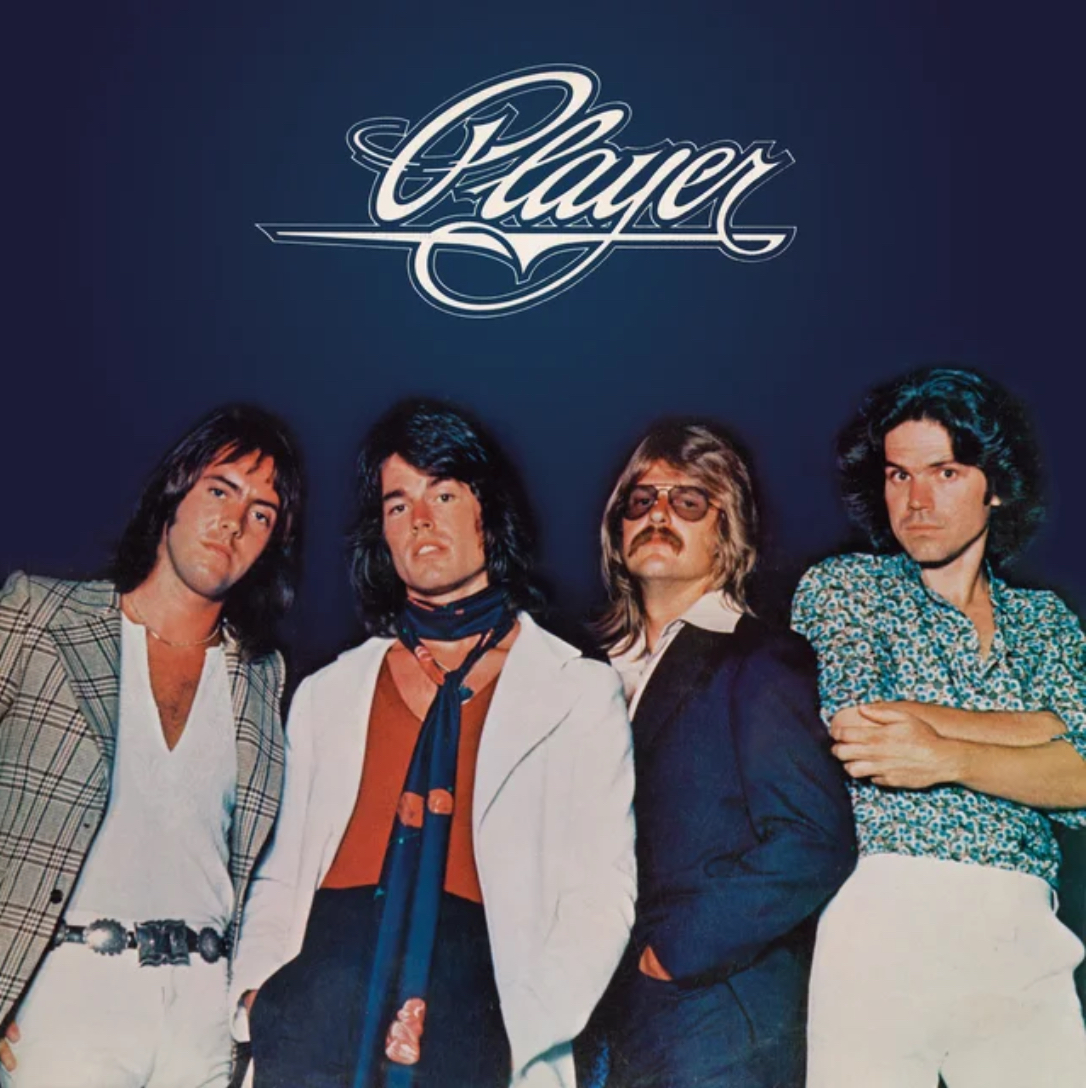
And what about “Baby Come Back”? Though an outlier in terms of sound, it fit squarely within the RSO ethos of catchy hooks and great production values. Beckett thought their sound was R&B pop, but if that’s true, it’s the lamest R&B you’ve ever heard. No, this falls squarely in the post-facto yacht rock genre, and that is not a pejorative: any grouping that includes Steely Dan, Pablo Cruise, Seals & Croft and Boz Skaggs is the kind of team I want to support. It’s jazzy without the danger, rock without the volume. And, for a song I think I know pretty well by now, it still has the power to surprise me: I never really appreciated the low-key shredding going on in the song’s last minute. It’s the musical equivalent of being encased in bubble wrap: you feel safe and protected while it plays. But maybe that’s true of all the music we loved in our youth.

Classic Songs of My Youth Revisited #36

Rick Springfield – Jessie’s Girl

I’ve always thought that “13 Going on 30” had a Rick Springfield problem.

If you know the movie (and if you don’t, then shame on you), 13-year-old Jenna is a big Springfield fan. I, too, had been a fan, but by 1987, when the “13” part of the movie is set, Rick’s time at the top of the charts was long past. He hadn’t released an album since 1985, and his last single had peaked at #22. Jenna would have been 7 when he was at his peak, and 11 when he last mattered. I know that first musical loves hit hard, but I have been the father to two 13-year-old girls, and I am fairly certain that they would have moved on if someone disappeared from their sights for two years. Surely, Jenna was more likely to be listening to Debbie Gibson or Tiffany (two singles that year) or Glenn Medeiros or some other pop icon that you may have forgotten but that burned brightly back then. 1987 Rick Springfield was also 38 years old. Ick.

I’m pretty certain this is because of the lag time between when the script was written and when the movie actually came out. If, say, the script was written in 2001, that would have made Jenna 13 in 1984, the year of “Hard to Hold”, when film stardom was still a possibility for our hero. You also see this problem with the reference to “Thriller”, which was not a song that a lot of people cared about in 1987; by then, we were all listening to “Bad”. But “Thriller” – and it’s video – played a fairly central role in advancing the film’s plot, so factual logic be damned.

None of this is meant to condemn the movie, which I love. Anyone who comes out of it not adoring Jennifer Garner is dead inside. Judy Greer, who has to be a lovely person to keep getting so much work, creates a first class bitch in Jenna’s best frenemy. Andy Serkis shows he’s capable of much more than motion capture, and Mark Ruffalo makes for a charming romantic lead. It’s also got some neat actors in smaller parts. Brie Larson plays one of the teen bad girls. The actor playing the younger version of Ruffalo’s character grew up to become the sort of cool sax playing Johnny Atkins on “The Goldbergs” (and is brother to the guy who played Ryan Reynolds’ horny kid brother in “Just Friends”). And, finally, Jim Gaffigan shows the unfortunate mess (sorry, Jim!) that your teen crush might turn into.

The song, as would appear obvious from the opening lines, is about the narrator’s attraction to his pal Jessie’s new girlfriend. Yet, one of the more amazing things about the song’s pop culture afterlife is the theory that the narrator is actually in love with Jessie (somehow misheard through a sort of wishful thinking as “I wish that I was Jessie’s girl”), and sees the woman as a barrier to that. It’s the sort of thing that would never occur to most of us, but, once pointed out, is hard to ignore. I can find no reason to believe that was Springfield’s intention, but it is odd how vague the object of his affection is as compared to the friend he envies – she doesn’t even have a name. 

There are a lot of cover versions, most of which are too faithful to the original to be worth anyone’s time. Craig Robinson’s version from “Hot Tub Time Machine” is fun because, well, it’s Craig Robinson, so of course it is. Matt the Electrician does a folky version that would confuse you in that “How do I know this?” way if you encountered it accidentally in nature (the way I felt when the acoustic version of “Take On Me” turned up in “Deadpool 2”). Mary Lambert strips it down to just piano, turning it into a torch song, but my absolute favourite is from Tate Logan and Zachary Ross and the Divine, who give it a pop punk spin that shows the true emo roots of the song. (What could be more emo than pining for another dude’s lady?) It even has a sequel, which is a decent tune in its own right.

But this is supposed to be about the original, and Springfield’s “Jessie’s Girl” rules. What’s less clear is why that is so. It certainly wasn’t an obvious hit at the time – it wasn’t even the first single off “Working Class Dog”. It’s a fun song, but as catchy as it is, no one would ever mistake it for an objectively great song, which becomes clearer on repeat listens. It opens with some fairly simple strumming, then Springfield comes in singing, all fey and breathy. Even after the song revs up, it feels confused, like it wants to be a rock song but knows it’s too insubstantial for that. There’s fuzzy guitar on the verses and then tinny on the chorus, and the obligatory solo (which absolutely no one is playing air guitar to) feels like Rick wanting to prove he’s more than another pretty boy who can sing.

And yet, “Jessie’s Girl” can’t be ignored – that opening guitar is immediately recognizable and can transport you to the early 1980s. I have no recall of loving this in 1981, yet I must have: when I got a new cassette player in June 1982, two of my earliest purchases were “Working Class Dog” and its follow up “Success Hasn’t Spoiled Me Yet”. He was so big at the time that we talked about his songs like any other important artist: I remember a friend having a theory about the meaning of a lyric from “What Kind of Fool Am I”. We knew that the dog on his album covers was named Ron. And it attained ultimate cultural relevance by showing by in a Paul Thomas Anderson movie, with stoned Alfred Molina singing along. The now 73-year-old Springfield is still playing his ass off (and looking pretty fine doing it), and the song has never really left the airwaves, or stopped making new fans: on TikTok there is a clip of Harry Styles from 2012 saying it’s the song that gets him and Zayn Malik pumped up before a gig, and they were still doing a little dance routine to it two years later. Teen idols, separated by more than 30 years, but connected by a song. Maybe it’s not so odd after all that Jenna still loved him in 1987.