Classic Songs of My Youth Revisited #25

Peter Frampton – Jumpin’ Jack Flash

So, yeah. Peter Frampton. Let’s start there.

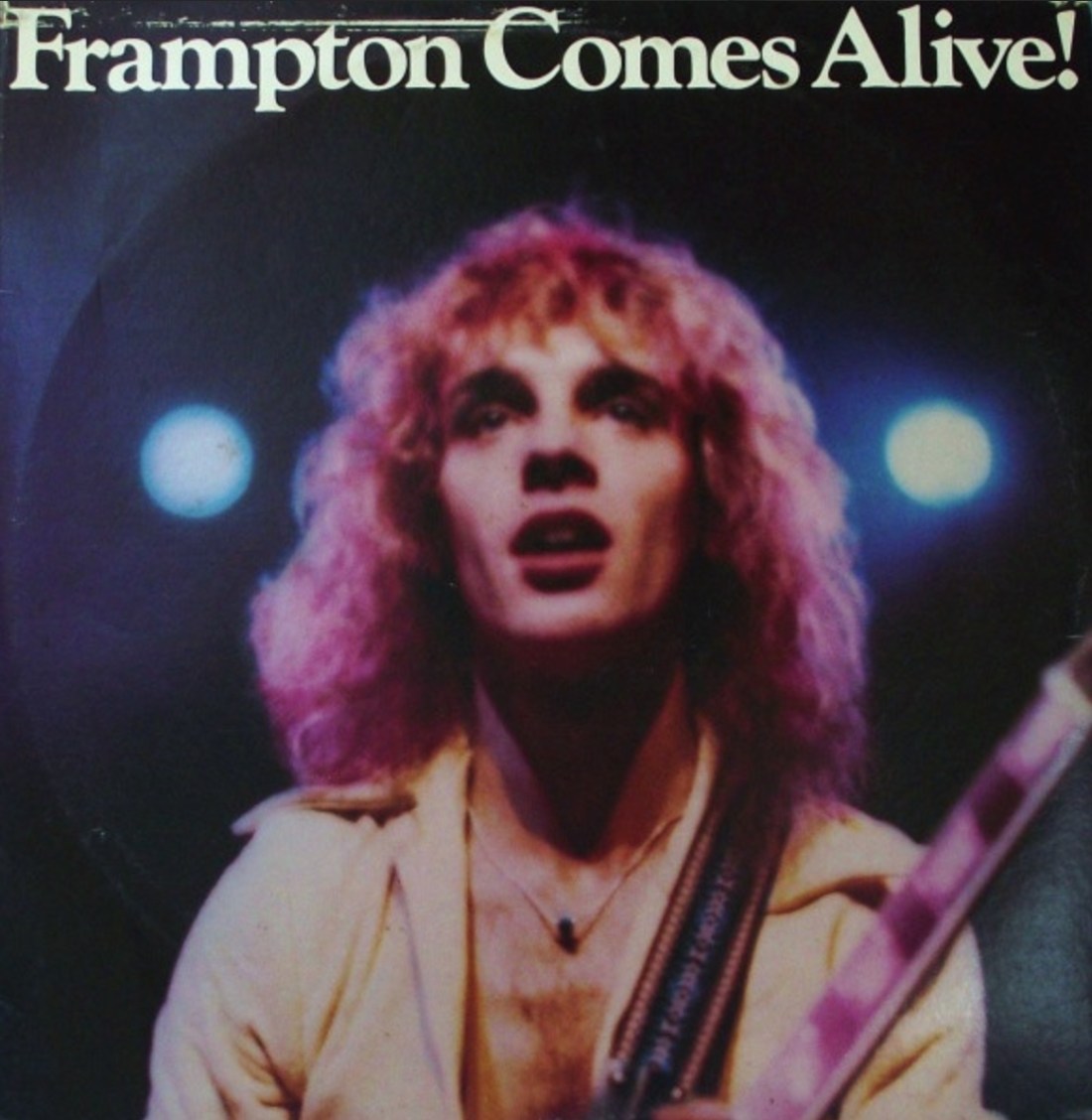
In 1976, for reasons that are not clear in hindsight and probably didn’t make a lot of sense at the time, A & M Records released “Frampton Comes Alive!” The question is why Frampton, after four albums and only modest commercial success, was deemed worthy of the double live album treatment. Clearly, someone at the label was at the top of their game because the record was a true sensation, selling around 10 million copies and producing three hit singles. Buried in all the hype was, at the end of side three, a cover of “Jumpin’ Jack Flash”. And though I read the liner notes and knew it was a Rolling Stones song, it may as well have been a Frampton original, because I had never heard the Stones’ version. I don’t know how that could have happened but it did, and that made it – still makes it – a Peter Frampton song for me. (I also never heard “Tumbling Dice” until it showed up on the “FM” soundtrack as a Linda Ronstadt cover in 1978. Someone older than me clearly fell down in not turning me on to the Stones.)

The album still kicks ass, especially the 14:15 long “Do You Feel Like We Do” and the guitar lick at 3:04 and 4:20 of “Something’s Happening”, and Frampton, now in his 70s, remains one of the coolest guys out there. His Twitter feed is a frequent delight, though it helps that we tend to agree on political and social issues.

With that out of the way, let’s get to the crux of this: every teenage boy wants to be a rock star. Okay, maybe a few don’t, but they all have equally preposterous alternate goals. It doesn’t matter if you can’t sing or play an instrument: in your bedroom, you’re a rock ‘n’ roll god. And it never really goes away: even at 58, you can at times find me in my kitchen at 5:00 a.m. supporting Tom Scholz with some wicked air guitar licks on “More Than A Feeling”.

I actually had friends who sort of were rock stars in our community. Robert Barrie and Alan Sutherland were two of my pals in high school, and they played together in a series of bands, even releasing a pretty cool single when we were in Grade 12. (Shout out to “Endlessly” backed with “Coke Avenue”, though I was always a “Kiss Your Picture” guy – you can’t beat a good power ballad.) I haven’t seen Alan in ages, but Robert’s house has always been a guaranteed stop on my rare trips back to Cape Breton. I can’t remember if they were still playing together, but when my rock star moment came, Robert was the one who made it happen.

It was summer, I’m pretty sure 1985. I was back in Cape Breton for a visit, as were some other old friends – definitely Doug Maxwell (R.I.P., you magnificent bastard – BTW, if you don’t get that that was a compliment, I can’t help you), almost certainly Sandy Nicholson, probably Darrell Clark. Robert’s band was playing a charity event and our gang went out to support the cause, of course, but mostly to drink cheap beer, try to win a raffle and see our friend play. Towards the end of the night, Robert called Doug to the stage, and, somehow thinking it was intended for all of us (it really wasn’t), the rest of our group followed, and before I knew it we had become an impromptu backing chorus on “Jumpin’ Jack Flash”. I learned that night that years of bedroom listens didn’t mean I knew the lyrics very well. I can’t remember what I thought was being sung, but “It’s a gas! Gas! Gas!” was not it.

It’s important to understand that I was born to be a backup singer. I would have made a great Pip, had I but only found my Gladys Knight. I can carry a tune, only sound good as part of a group, and am generally happy just to be included. The synchronized dancing would’ve been a challenge, but we’d have worked it out – it’s not like those guys were channeling James Brown or anyone equally electric. So that night, for the four or five minutes we were on stage, was glorious.

Oh, and Peter’s version? It’s good, but the original is so much better. There is, of course, no shame in that – they’re The Rolling Stones, for god’s sake – and I imagine Frampton would agree. Like all live versions, it seems, it goes on forever – twice the length of the Stones’ original. The original is a true strut song: crisp, with a propulsive backbeat, deep bass notes and a rich chorus. Frampton’s version is slightly sluggish, more plodding – more of a guitar god record than the singer’s showcase of the original – and stretched out for audience interactions.

All of this is part of why I love cover versions: every few years, sometimes longer, a new group of people gets to call a song their own. My “Hurt” is by Johnny Cash, but yours could be Nine Inch Nails’ original. Your “Always on My Mind” could be by Elvis or Willie, while mine is by the Pet Shop Boys. Versions of “Hallelujah” are like Tim Hortons – there’s one for every block in Canada. There’s no right or wrong answer here: it’s whatever makes you fall in love with the song.
Classic Songs of My Youth Revisited #24

Thompson Twins – If You Were Here

I could write a dozen of these about songs from John Hughes’ movies, and I just might by the time I hang up my, uh, . . . keyboard? Or digital pen? Fingers? Anyway, let’s start with this one, the first song – and film – that made me realize that Hughes was a genius at integrating pop music and teen comedy.

This wasn’t a hit, and it wasn’t even released as a single, which is a bit of a surprise, since the non-Twins hit number 3 the same month the film was released with “Hold Me Now” (worthy of its own write up, for sure). It could be record label shenanigans – it was a track from two albums ago, and maybe they didn’t want any focus taken off the current release. Or maybe they thought it wasn’t a worthy single, which is (1) completely stupid and (2) irrelevant. The streaming era has its flaws, but one good thing is that record labels – and artists for that matter – have little say about what becomes a hit. The listener decides which tracks to stream and which to skip, and the charts reflect that. And “If You Were Here” found its audience – it’s one of the band’s most popular tracks on Spotify.

So, no single, so you only heard this song if you were already a fan of the band or saw the movie or bought the soundtrack, which you likely would only have done if you, you know, saw the movie. I don’t remember why I went to see this, but I was already a massive Hughes fan thanks to some of his truly demented writings in National Lampoon during the 1970s. It was summer 1984, and after crashing out of university in spectacular fashion (I think I changed majors four times in five months then just stopped attending classes entirely – yeah, direction I did not have), then wallowing in my failure in Cape Breton for three months (including a horrendous fishing trip on my father’s boat), I returned to St. Catharines – the scene of my academic washout – and secured a job with the catering company at the university, where I had previously worked part-time. And, most importantly, rented a room in the house where my friend Serge was living.

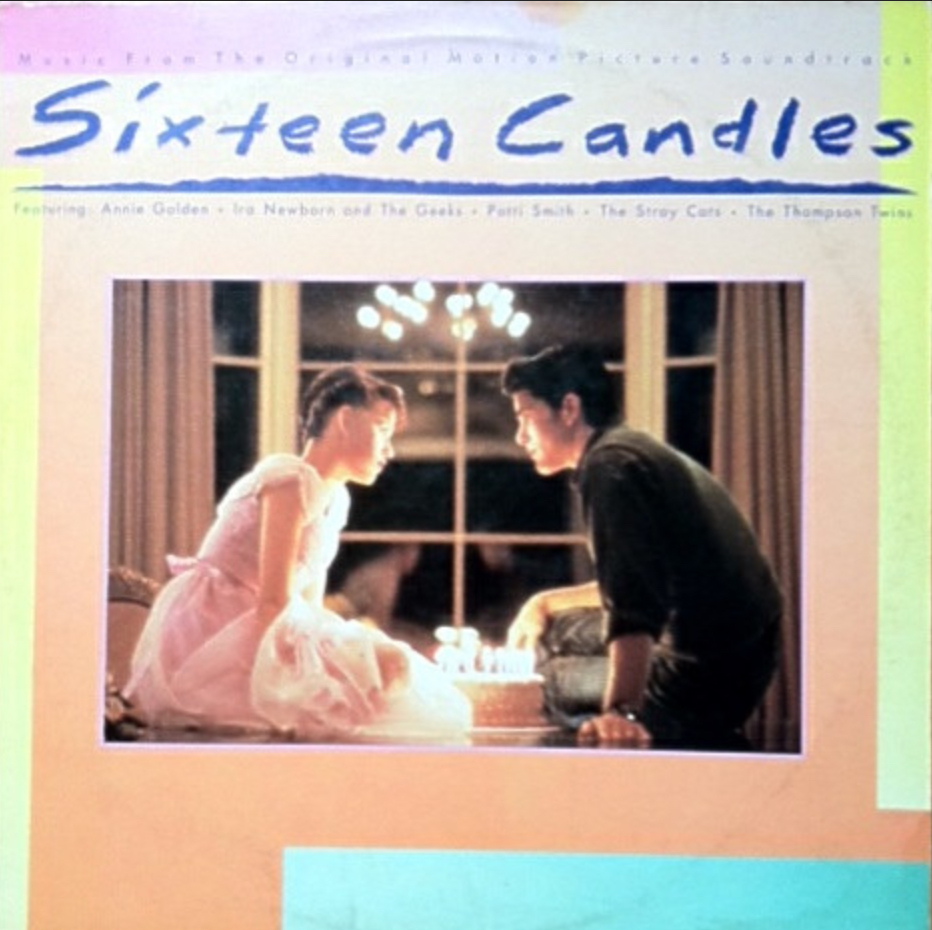
My friendship with Serge ended in spectacular fashion, but before it all went south, that summer might just have been the best of my life. On one of those nights, with nothing better to do, Serge and I jumped in his car with a case of beer and went to the drive-in to see “Sixteen Candles” and some other film whose identity has been lost to time.

I wish I could say I was really focused on the film, but when two or more young men get together and alcohol is involved, there’s usually as much screwing around as paying attention to any nominal focal point like a movie or whatever bullshit your girlfriend is complaining about. So it wasn’t until 6 or 9 months later when it showed up on The Movie Network that I appreciated what a great – albeit juvenile, sexually inappropriate and racially insensitive – film it was. But the music? Yeah, that caught me right away.

There are a ton of great songs in this film, and just seeing the titles takes me in my mind to the accompanying scene. It of course helps that I’ve probably watched it all the way through a dozen times, and can’t help but watch for 10 or 15 minutes if I come across it while channel surfing. It’s my favourite Hughes film – for all it’s inappropriateness, there is also a strange innocence to the film, and, yes, I am of the school that Farmer Ted is a complete gentleman who doesn’t take advantage of Caroline, and so that kiss is romantic, not creepy. The teens are not Ferris Bueller cool, they have issues: Ted hides his insecurity with bravado, Jake feels unappreciated, Sam’s whole family forgets her 16th birthday. Real teen trauma. Yeah, I know that’s a bit thick – it’s a movie. But I really love it.

And a big reason why it’s stuck with me is this song. After an entire film of misfortune – including having her story stolen out from under her by Anthony Michael Hall as Ted – Molly Ringwald’s Sam, emerging from the church after her sister’s wedding, watches the crowd disperse only to see dreamboat Michael Schoeffling’s Jake waiting for her. As the song’s opening plays under the scene, Sam and Jake navigate some miscommunication to come to the realization that both want the same thing: to be together. (I’m not crying, you’re crying.) (Also, pair this with “Breaking Away” for a double feature of Paul Dooley playing great dads.) And the film ends with their first kiss over her birthday cake, the end of an unexpectedly perfect day – just a day later than Sam had been hoping for, but far better than she ever imagined it could be.

It sounds like I love the song because of the movie but it goes both ways – the song helps me love the movie, too. It’s a perfect early ‘80s pop confection, all atmospheric synth and Tom Bailey’s whispery vocal and perfectly placed percussion from Joe Leeway. Despite the romantic context in the film, it’s about a dying love, not a blossoming one – the word “deceive” is not sung by accident. But the vibe of the song is completely New Romantic, and it sweeps you up.

Leeway left the band in 1986, and while it’s probably coincidental (no disrespect intended), they never had another major hit. But they left behind some great pop tunes – “King for a Day” is another personal favourite – and a couple of classic albums that probably don’t get played enough these days. The music of the early ‘80s was fun, and there isn’t nearly enough of that in the world today, or in music for that matter. It’s well worth spending some time with those records.

Classic Songs of My Youth Revisited #23

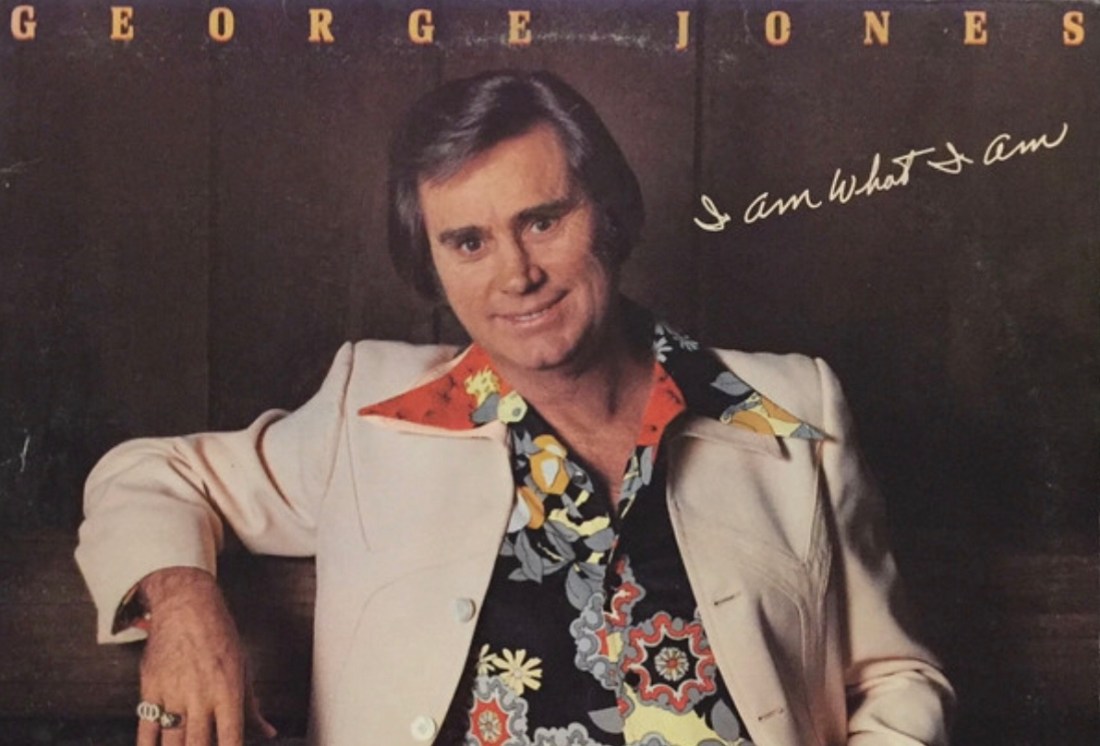
George Jones – He Stopped Loving Her Today

Every time I see a photo of Johnny Cash, I think of my father. For the longest time, I couldn’t figure out why. If I look at the right photo at the proper angle I can see a physical resemblance, but that isn’t it. No, I think of my father when I see Johnny Cash because of who Cash isn’t. It’s because he isn’t George Jones.

I grew up around country music because that’s what my parents mostly listened to. (My mother also played the shit out of Helen Reddy’s “I Am Woman”, and her album collection included such pop-folk wonders as Dan Hill’s “Longer Fuse”.) I know there was some Cash in there, because how else would I have heard it, and there was Merle Haggard and Don Williams (I think that was my mother’s pick) and the Statler Brothers and lots of others. And there must have been some Jones, because I knew “The Race is On” and “She Thinks I Still Care”, though the latter at least is a song that my dad also played.

I loved my father and I believe he loved me, in his own fashion, but I don’t think he liked me, and most of the time I didn’t much care for him either. We were just two very different people who could never find much common ground. We both loved hockey when I was younger, but that only took us so far (and still managed to be a source of conflict between us most of the time). Other than being someone I didn’t wish to emulate, I can’t say he played much of a role in who I became. (My mother is a very different story.) If he was still here, he’d probably agree with that statement, and be okay with me saying it – he likely wouldn’t want people thinking I was too much like him either.

In the early 2000s, I bought my father a Johnny Cash songbook for Christmas. He was underwhelmed, which is how I learned that George Jones was his favourite singer. (Merle Haggard was right up there, too.) Me being wrong about Cash and Jones’ places in my dad’s musical hierarchy is just another measure of the closeness of our relationship.

“He Stopped Loving Her today” (yes, this piece is still about a song, smartass – but thank you for sticking around this far into my therapy session) came out in April 1980, and I am absolutely certain that soon-to-be 16-year-old me did not have the song on his radar. By then, I had been fully emancipated from my parents’ musical tyranny, and likely had Billy Joel’s “Glass Houses” on repeat that spring and summer, along with Elvis Costello’s “Get Happy” and Pete Townshend’s “Empty Glass”. It wasn’t until sometime in the 1990s that I became aware of the song. The hows and whys don’t matter – it’s the discovery that counts. Because I am completely in agreement with those who rank it the greatest country song ever.

For a song about a life-altering love, there is a surprising amount of dark humour. The opening line – “He said I’ll love you ‘til I die” – immediately alerts you in its answer to the title that this is not a love song in its traditional form. There is also the mention a bit further on of “First time I’d seen him smile in years”, that rictus grin being a gift from death itself. Gently strummed guitar is paired with chill-inducing harmonica and slide guitar, leading into the operatic chorus. Jones’ vocal is impassioned and heartfelt: it’s a song that only a mature voice can do justice to, a voice that is a tiny bit shaky but still holding most of its former abundance.

After someone is gone, you don’t get do-overs, and I’ve never wanted one when it came to my father: I think we could have lived a thousand lifetimes together and never bridged the gap between us. In this case, biology is destiny. But I do wish I had embraced country music sooner: it would have at least given us something to talk about that (probably) wouldn’t have us butting heads in mere minutes. As for what happened after he was gone, a different version of us both may have found a way to bond over a song like George Strait’s “Give It Away” when my life was falling apart and I turned to music again and again for sustenance. That was something that he understood very well, and it makes me sad that we missed out on that opportunity: I think it would have done us both a world of good.

Classic Songs of My Youth Revisited #22

Dan Hartman – I Can Dream About You

There are a LOT of jobs in the music business. The glamour spots, of course, involve being a successful solo performer or front person in a band. But every song ever recorded didn’t get that way without the involvement of writers, other musicians and singers, engineers, producers and/or a host of other players who don’t make the liner notes other than as special thank you’s to the artist’s significant other, massage therapist, dealer or life coach. Which means that a lot of people who are famous for a few minutes then seem to disappear are probably still very much involved in making music: they just aren’t famous for it anymore. Which brings us to Dan Hartman.

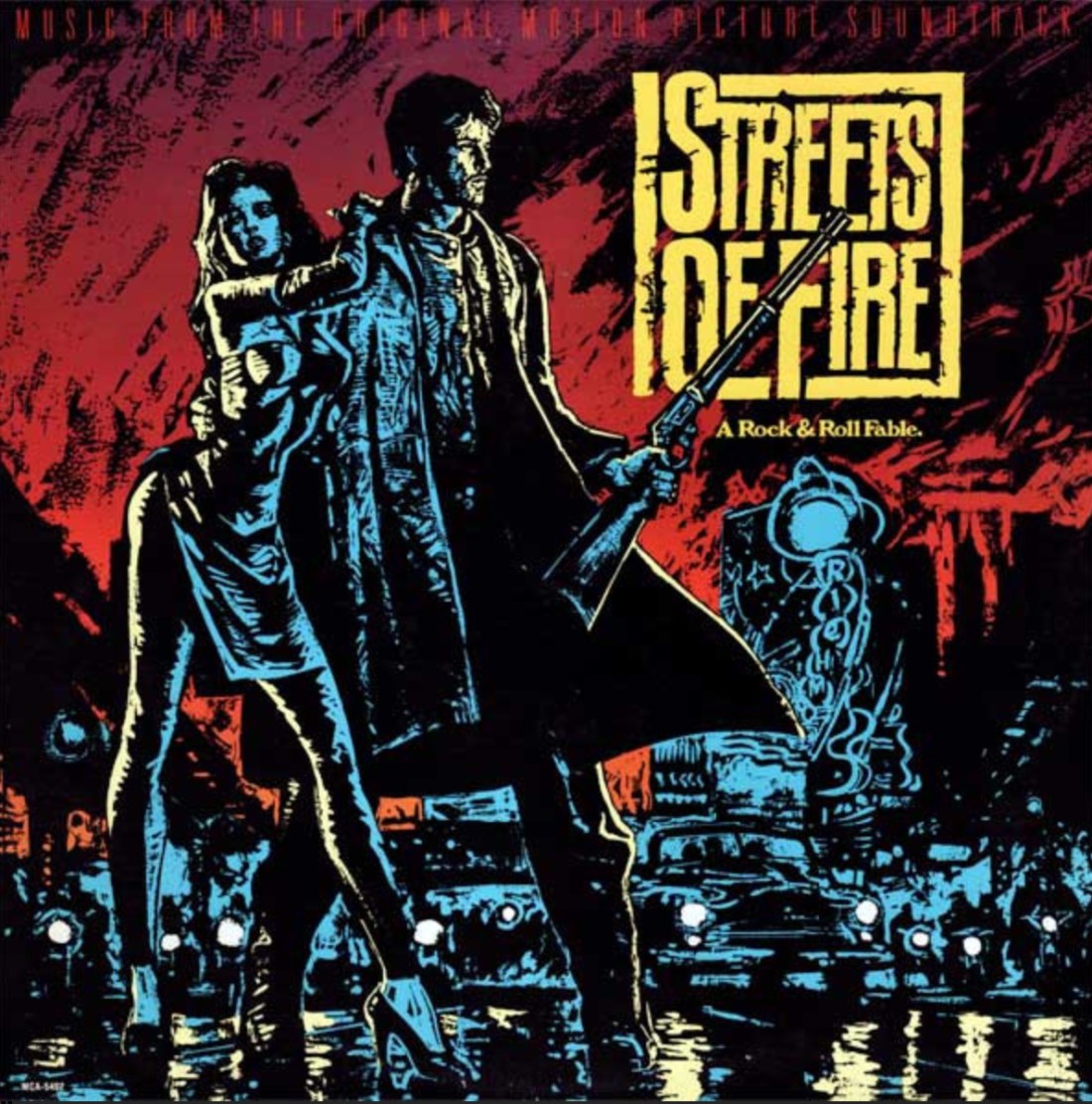
I have loved “I Can Dream About You” since I first heard it in 1984 in connection with the film “Streets of Fire”. I was not alone: it became a Top 10 hit, and has over 58 million steams – presumably mostly from nostalgic boomers like myself – on Spotify. But there are some odd background notes about this song. For years I thought Hartman was Black, which he absolutely was not. I guess I never saw the video when the song was a hit, so when the movie showed up on television around a year later (shoutout to a young Willem Defoe as the villain, but I don’t remember much else about the film but this song and Diane Lane looking like, well, Diane Lane, and that was enough), what I saw was four Black guys performing it. Even that was a bit of a trick: the actor playing the lead singer was lip syncing to a recording by another guy who was not Dan Hartman. Ah, movie magic.

Despite loving the song, and being a total music trivia nerd, I never looked into Hartman to see what became of him post-fame. This morning, Spotify suggested I listen to The Edgar Winter Group’s 1973 album “They Only Come Out at Night”, which turned out to be a brilliant recommendation. I’m reading about who worked on the album, and there I see Dan Hartman’s name. As it turned out, he had a pretty impressive career as a performer, writer, engineer and producer. He wrote and sang “Free Ride” for the Winter band, and co-wrote (with the awesomely-named Charlie Midnight) James Brown’s “Living in America”. As an artist, he sandwiched the disco hit “Instant Replay” between his rock work with Winter and the synth soul of “I Can Dream About You”. He worked with a ton of notable artists (including Tina Turner, Steve Winwood and Joe Cocker) and died way, way too fucking young from AIDS in 1994.

It sets the beat off the top, with a funk-lite edge and some thumping drums, followed by a sort-of scuzzy synth bass and faux piano, then Hartman starts singing, sounding like he was dropped onto the stage in front of a mic, as surprised as the audience is to see him there, and just decided to go for it. In a flash, we’re into the chorus, with smooth soul backing vocals acting as a layered echo to Hartman’s lead, and then it just sort of repeats the same motifs for the next round, before the tone alters slightly through said backup singers at just under the two-minute mark. Then we’re back to the initial setup, before the obligatory guitar solo as Hartman keeps on dreaming over and over and over until it fades out.

I can’t really rationalize my love for this song. The lyrics are meh, and the music is pretty much unvaried from beginning to end. But something about it picks me up and makes me want to strut. If I could dance, I could totally see myself swirling around a club floor, the star of my own “Saturday Night Fever” knockoff. (Check out the movie for what I see in my head. The outfits are pretty terrific, too.) That’s the ineffable magic of great pop music. It doesn’t comply with a logical analysis – it’s all about how it makes you feel. “I Can Dream About You” makes me happy, and it’s been doing so for 38 years and counting. Nothing else really matters, right?

Classic Songs of My Youth Revisited #21A/B

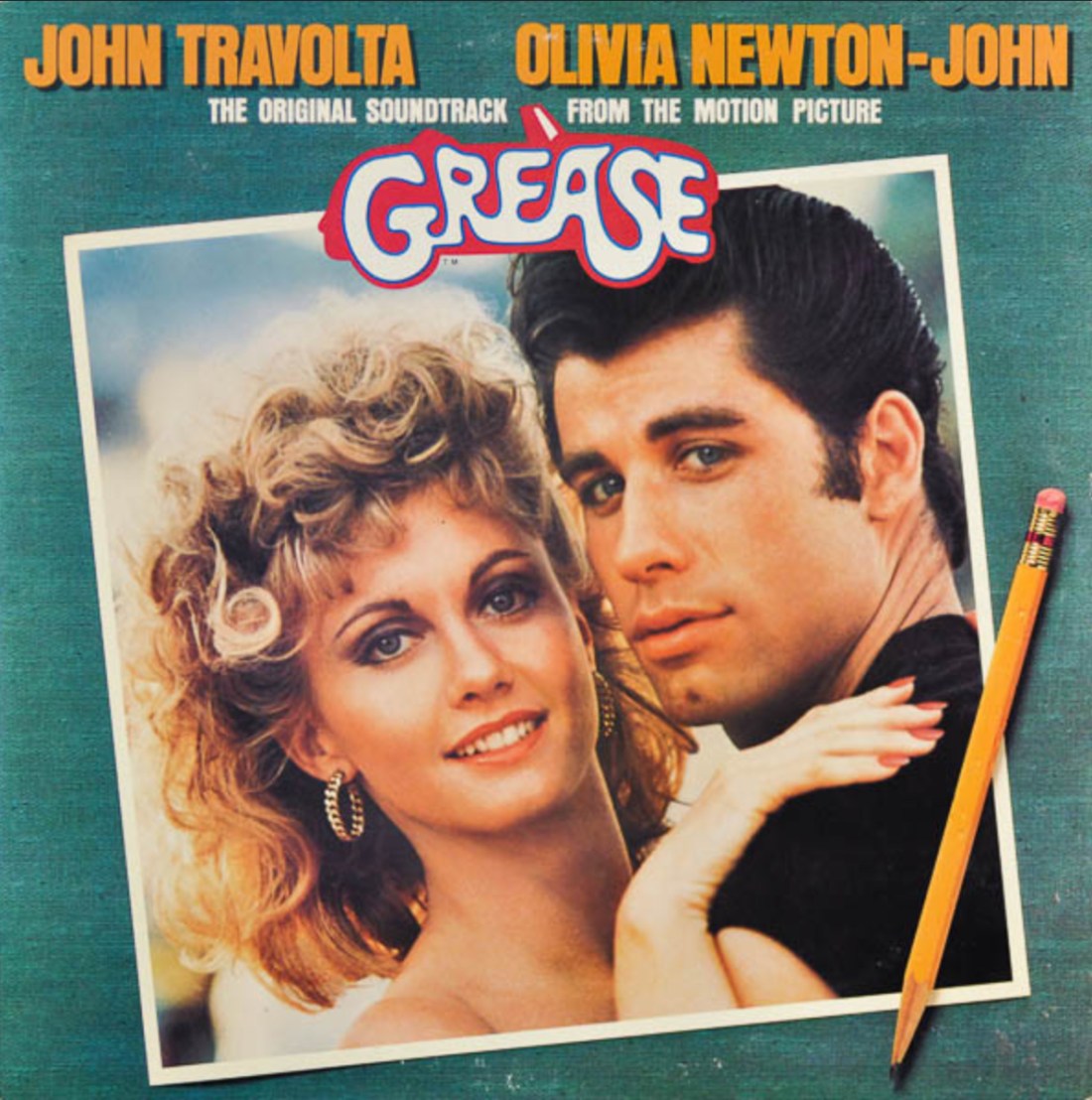
John Travolta & Olivia Newton-John – Summer Nights/You’re the One that I Want

If you were a young boy – or girl, for that matter – who arrived on June 16, 1978 without having reached puberty, there’s a good chance your progress got a significant boost sometime that summer at the 1:41:38 mark of “Grease”. At that moment, after over 101 minutes of sexist jokes and bad acting but undeniably great music, Olivia Newton-John showed up all in black (save for those red shoes that angels so urgently desire) in a tight sweater and tighter pants (apparently, she did not simply slide into those pants but had to have them sewn onto her body), hair frizzed to its theoretical limits, and showed you the future, with all its potential delights and inevitable frustrations. And a glorious reveal it was.

If you had “Olivia Newton-John becomes a sex symbol” on your 1978 bingo card, you were very much in the minority. She was certainly pretty enough for the gig, but her music – all heartfelt ballads and country twang – did not fit the pop vixen model. The first 101 minutes of “Grease” hewed to this image: the last 10 did not. Let’s set aside for now the problematic suggestion that a girl needs to become a tart in order to win over the man she loves. Sure, he claims he is prepared to clean up his act so that he might be worthy of said love. But let us also not forget how quickly his makeover is abandoned when he sees that she has come over to the dark side.

The movie is pretty awful, and amazingly conservative for being so sex obsessed (or maybe it’s sex obsessed because it’s conservative – there was a great “Daily Show” joke in connection with Mark Sanford’s hike along the Appalachian Trail which noted that a lot of conservative men had liberal penises.) The women fare much better than the men, especially Stockard Channing as Rizzo and, to my surprise, Olivia’s often understated work as Sandy. (As an aside, we really didn’t need to wait until Olivia’s makeover – Dinah Manoff was just standing there, looking gorgeous and waiting to be noticed.) Her co-star, John Travolta, almost never stops mugging, and only his star power enables him to overcome this in quieter moments. But the music is the real star anyway, from rock ‘n’ roll classics to songs from the original stage production to new songs like “Hopelessly Devoted to You”.

“Summer Nights” and “You’re the One that I Want” are a matched pair, the former a contradictory account of young love, the latter coming after the lovers have travelled their journey into each other’s arms again. “Summer Nights”, which was taken from the stage show, is a traditional theatrical song, in that the music – with a lot of quietly picked bass notes and even quieter snare taps – is far less important than the lyrics, since it needs to help push the narrative along. Travolta’s thin singing voice works well with Olivia’s angelic tone, helping to highlight the distinction between their characters’ – in his case, fake – perspectives on events of their shared recent past. It is even shot in contrast, with the camera largely aimed up at Travolta and company, and more frequently at eye level – and thus more intimate – when the women are singing. The song has an updated 1960s’ girl group feel (if you ignore the boys’ guttural “well-a, well-a, well-a, huh” contribution), like the Brill Building hit that Goffin and King never got around to writing.

You’re the One that I Want”, written specifically for the movie, is more modern, and maybe sounds a bit too much like “We Go Together”, which follows it in the film. It doesn’t have to carry any narrative weight, so it can be a simple declaration of – well, what, exactly, is it declaring? Attraction and desire, for sure, but not really love. And the way it is staged in the movie is just weird AF. The T-Birds and Pink Ladies, the Greek chorus of the film to that point, are barely seen after the song’s first minute, but a bunch of unnamed backup dancers, including three creepy guys doing weird hand motions and a woman whose dancing style I would characterise as drunk duck, get ample screen time. Plus, the choreography towards the end of the song includes a way-ahead-of-its-time and completely-wackadoodle-for-its-tonal-incongruity country line dancing takeoff. Like I said, weird AF.

I loved “Grease” when I was 14: the following Halloween, my friend Kirk Boutilier and I were paired T-Birds, with me learning in the process – following several hours of repeated washing – that the greasers of the film’s era were not using Johnson’s Baby Oil to achieve their look. But times change: Olivia is, sadly, now gone, as is Jeff Conaway, who played Kenickie, and Travolta has probably never mattered less to the culture in the 50 years that he has been in the public eye. Nostalgia can only take you so far, and the movie will make you squirm at certain points (such as one male character committing what we would now characterize as sexual assault but was then just boys being boys, though certainly not for the girls involved). But the music – boisterous, joyful – hasn’t faded. Nostalgia is best served on your stereo, not your screen, in this case.

Classic Songs of My Youth Revisited #20A/B

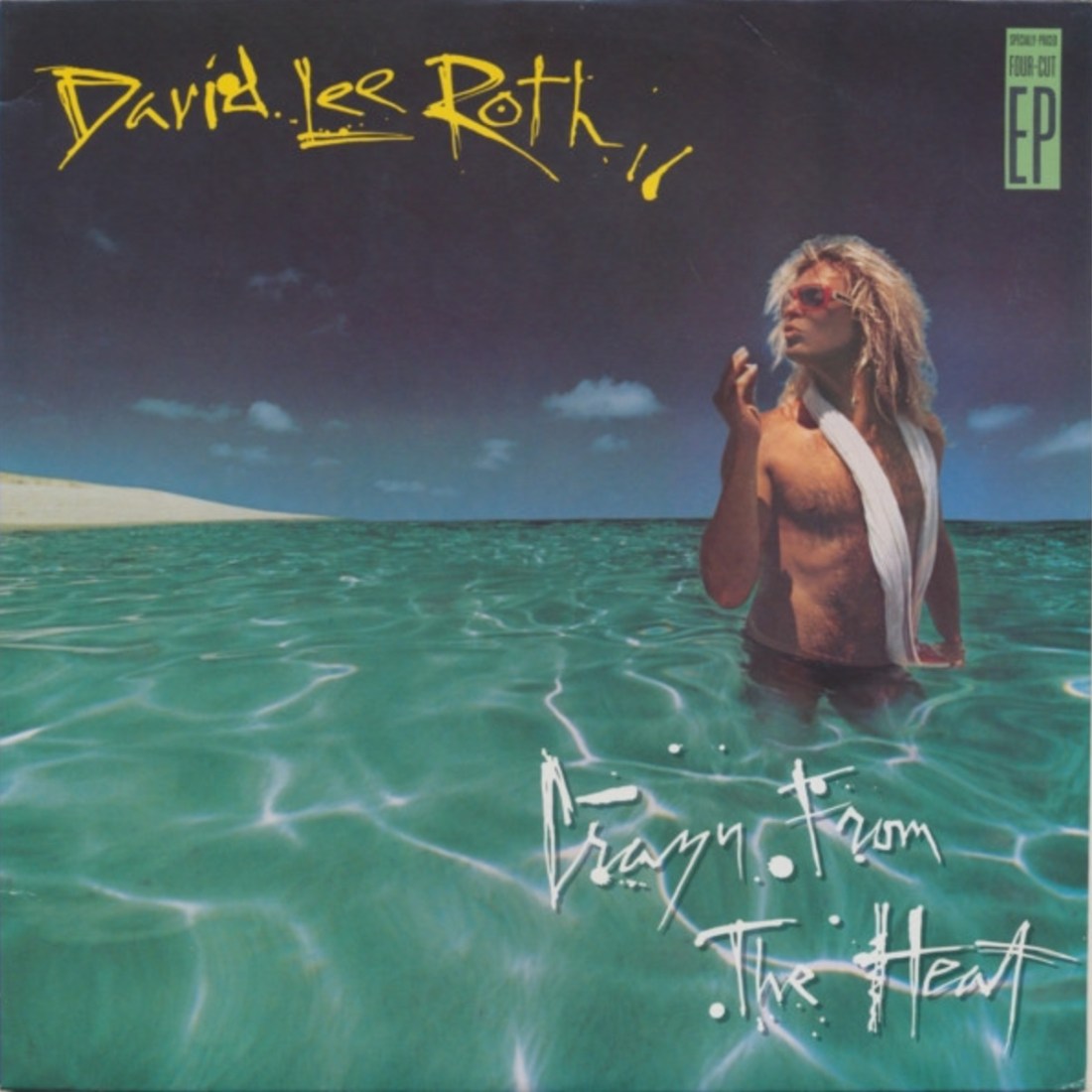
David Lee Roth – California Girls and Just A Gigolo/I Ain’t Got Nobody

The first time I really noticed Van Halen was in 1983. What got my attention was that the band was paid $1.5 million dollars to perform at the Us Festival, and the press about this made it clear that getting one-quarter of a Steve Austin was a very significant payday. At this point, Van Halen had one decent-sized hit in Canada – a not very interesting cover of Roy Orbison’s “Oh, Pretty Woman” – and as a dedicated listener to Top 40 radio, this amount made no sense at all to me. Why would they be paid so much when they had so few hits?

That, of course, changed the following year, with “1984” the album and a little song called “Jump”. Now, “Jump” is an awesome song that I am always happy to hear. But what came next was a lot more fun.

Eddie Van Halen may have been the heart and soul of the band, but frontman David Lee Roth was its genitals, and in rock and roll, that’s really what matters most. Outside of the music, everything interesting about the band starts and ends with Roth. Eddie was an amazing guitar player, but other than the axe nerds, we were all watching Crazy Dave to see what would come next. Roth was a consummate showman who would have fit in any era of music, and he proved it in 1985.

You can’t separate the songs from the videos, and it was those visuals that made him, ever so briefly, a solo superstar. “California Girls” casts Dave as a wacky – Dave is always wacky – tour guide. The subject of the tour is a collection of beautiful women, who Dave displays to his charges. It’s horr­ibly sexist – most of the women are little more than props, although it is clear at the end that everyone knows that’s what’s happening. Between the faux Rod Serling intro and outro, and Roth suggestively peeling an ear of corn and generally bringing an energy that at one point reminded me of Heath Ledger as The Joker, the whole thing is completely nutbar. Meanwhile, “Just A Gigolo” pokes fun at his competition, with Dave electrocuting Billy Idol, getting put in a wrestling hold by Cyndi Lauper, dancing with Michael Jackson, and being pawed at by Boy George. Both videos break the fourth wall, showing what happens behind the scenes in a sort of heightened madness. Throughout, Dave is the campy ringleader.

And the songs are just crazy fun to listen to. As covers, they don’t reinvent the wheel – they just add a healthy dose of Daveness to a few classics. There are howls, yelps, falsettos. “Just A Gigolo” is a knowing wink at his persona, which, in case you missed it, is made clear with the line change to “people know the part Dave’s playing”. Roth is just out there having fun, but he also knows he’s a product, and there’s a psychic price to that. It’s all fun and games until no one cares anymore, and there’s a world weariness to his delivery that brings this home.

But let’s not get too serious. In the end, this is just a very rich man at the top of his game screwing around because he’s playing with house money. No one was saying “no” to David Lee Roth in 1985, and he cashed in with a pair of delightful camp classics.

“California Girls” is easily the better of the two songs, and is for my money superior to the Beach Boys’ original (blasphemy!). The Beach Boys’ version is sluggish when put up against Roth’s, and just not nearly as much fun to listen to. It’s also more rock and roll with Dave. While the Beach Boys looked so conservative in their short hair and collared shirts, the kind of boys who would give their letterman jacket and school pin to Barbara Ann, David had other ideas for what he could get up to with those midwest farmers’ daughters.

Roth and Eddie Van Halen had an often tempestuous relationship, but everything seemed to be okay between them when Eddie passed in October 2020. Roth is only 67, but he claims he is retired. I have a hard time believing that – he always seemed like a guy who would die in the saddle (an appropriate turn of phrase if you’ve ever listened to the band’s album “Diver Down”). Roth may prove to be the musical version of the answer to the question, “If a tree falls in a forest and no one is around to hear it, does it make a sound?” If David Lee Roth isn’t entertaining someone somewhere, does he still exist? I hope so, but I’d love it if he gave us another “California Girls” before he rode off into the sunset.

Classic Songs of My Youth Revisited #19

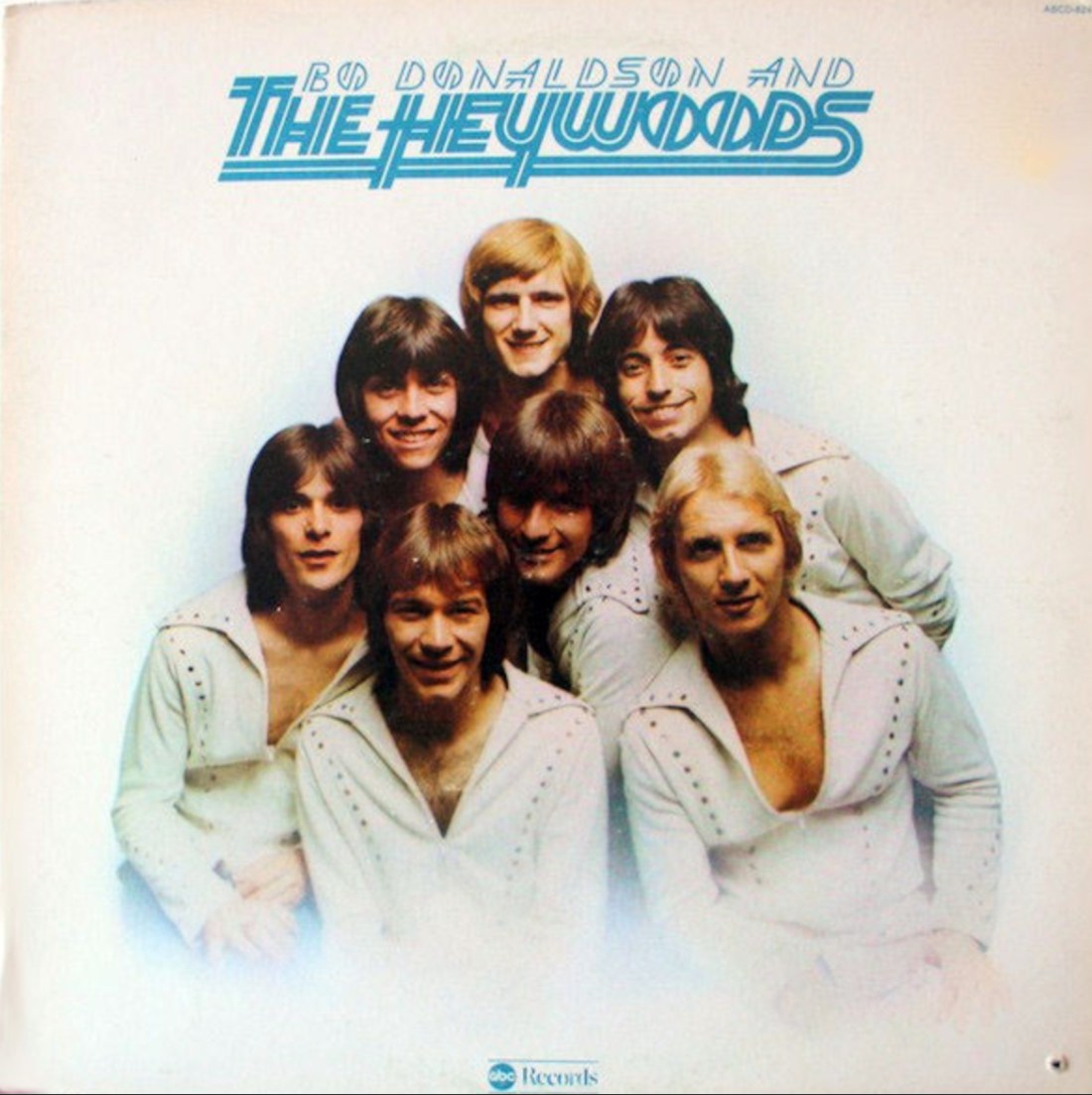
Bo Donaldson and the Heywoods – Billy, Don’t Be A Hero

I haven’t completed my empirical study on this issue – I’m still waiting on my Canada Council for the Arts funding to come through – but my preliminary findings would indicate that the 1970s were the Golden Age of musical cheese. A quick look at the Billboard charts will steer you towards enough product for the largest fondue party of all-time, with chart-toppers like Ray Stevens’ “Everything is Beautiful”, Debby Boone’s “You Light Up My Life”, Mary McGregor’s “Torn Between Two Lovers”, Morris Albert’s “Feelings”, Terry Jacks’ “Seasons in the Sun”, and, of course, Paul Anka and Odia Coates’ “(You’re) Having My Baby” all making fine contributions. But none can match the all-encompassing melted Gruyere mastery of Bo Donaldson and the Heywoods when they put “Billy, Don’t Be A Hero” on tape.

I was aware of the band through the pages of “Tiger Beat”, though the amount of coverage seemed to far outweigh their cultural import. (This was a common issue with the magazine: for example, see De Franco, Tony or Eure, Wesley or Sherman, Bobby.) I certainly was very familiar with “Billy, Don’t Be A Hero”, but can’t say I knew at the time who was singing it: when looking up the song recently, I was sure it was Paper Lace’s slightly earlier version that was the Canadian hit, but in fact Bo and company topped both the RPM and Billboard charts while Paper Lace (which made its own important contribution to musical Emmental with “The Night Chicago Died”, reaching number one that same glorious summer of 1974) barely made a dent in either country with the song. I usually have a pretty good memory about such things, which says a lot about how much I’ve thought about this song in the past 48 years.

But, my god, why would I have thought about it? Rolling Stone readers voted it the 8th worst song of the 1970s, and with no disrespect intended to list-topper Rick Dees, who knew that “Disco Duck” was awful (and that awfulness was part of its charm), or the other un-notables in spots two through seven, I really think the Golden Toilet (yes, I invented that award, but it’s apropos) should have gone to “Billy” in a walkaway.

Sometimes, I revisit these songs with a measure of trepidation, thinking time will have dimmed my ardour. With “Billy” it was the opposite: would it, like a fine wine, have improved with time? I need not have concerned myself. “Billy” is, in fact, like a whine: something that gets worse the longer it goes on. I don’t blame the band: they were just trying to make a living, and this certainly helped draw those crowds to Mott’s Berry Farm (a mythical place that played an outsized part in my musical imagination thanks to “Tiger Beat”). When it comes to reading the musical zeitgeist, they couldn’t have made a better choice.

Considering the subject matter – Billy heads off to war and gets himself killed by doing the one thing his girl told him not to do (a mistake men have been making in endless contexts since the first caveman made note of a well-turned ankle) – it’s an amazingly cheery-sounding song, all jaunty Civil War-era marching band snare drum and toot-toot whistles. I’m sure it came off better live, because on record it gives the impression that no actual instruments were played; rather, it sounds like it came out of a late-night GarageBand session that ended when someone said, “Fuck it, I’m putting it up on my Soundcloud.” Some unidentified perv is close enough so that, while he’s eyeballing Billy’s “young and lovely fiance”, he hears her instructing the young soldier to let his fellow warriors take the fall rather than put his own life on the line. Really, if that was going to be the plan, Billy would have been doing everyone a favour by just staying at home. But he goes, tosses his lady’s advice in the dumpster, and gets taken down by some eagle-eyed (or lucky) Johnny Reb. And after Billy saved her from the Confederates, the ungrateful young lady, rather than carrying her virginity to the grave, drops the letter from Edwin Stanton into the garbage, and, maybe (I’m speculating here), goes looking for the narrator, who for some reason did not sign up for duty in the Union army and thus may have been the one un-maimed man of marrying age left in their town in 1865.

Anyway, that was a lot of reading between the lines.

Look, it’s not a good song (I need to be careful here with my “there is no bad music” ethos), but I don’t hate it, and I get why it was a hit. At that moment in time, bubblegum sounds ruled. Pop music often got too smart for its own good in the 1960s, and there was a lot of reactionary dumbing down in the first few years of the 1970s. Radio was painful to listen to a lot of the time, but the young people who rejected what they were being fed went out and started bands of their own to change this. So, yes, “Billy Don’t Be A Hero” can take some of the credit (just go with me on this) for “God Save the Queen” and ”I Wanna Be Sedated”.

Thank you, Bo Donaldson and the Heywoods, for your service.

Classic Songs of My Youth Revisited #18

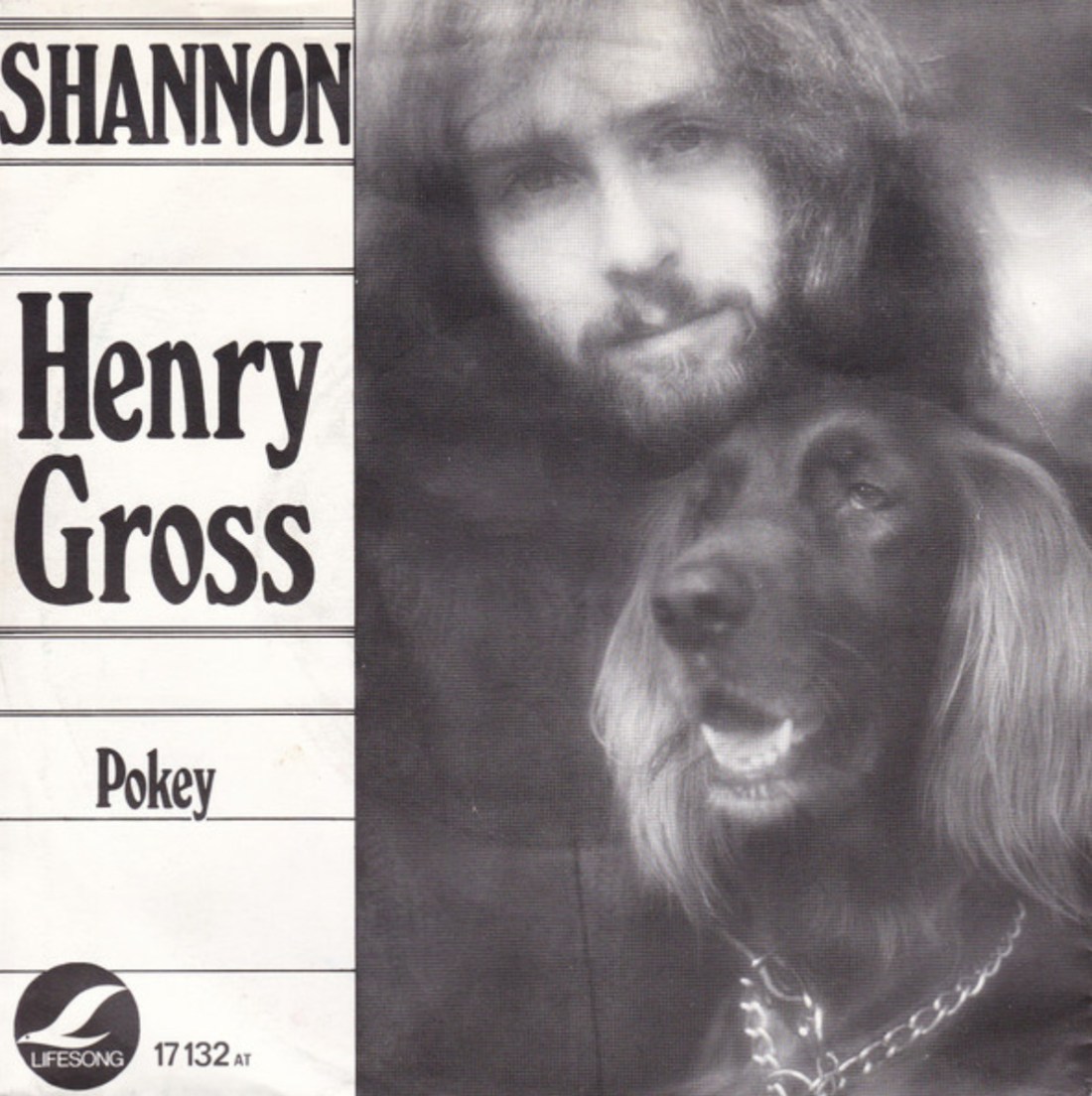
Henry Gross – Shannon

Before we get to this, let me state that I love this song. I wouldn’t be writing about it if I didn’t love it. But . . . I have some issues.

First, was I the only one back in 1976 who didn’t know this was about a dog? Second, if I was not the only one, and, unlike myself, you have not in the many years since been corrected in your erroneous ways by a loving spouse, then I apologise for the blunt way I just broke the news to you.

The incongruity between the verses and the song’s meaning are knock-you-off-your-chair awkward. I always thought it was about a young girl, likely the singer’s sister, and thus the heaviness made sense. But a dog? I love animals, and have had strong attachments to multiple cats as an adult. And I was sad when they passed on, even cried a few times, and sometimes feel great melancholy when I think of them now. But I never once tried hard to pretend things would get better again. I certainly didn’t need Papa to tell me what was going on, and I didn’t need to keep it all inside me.

I don’t mean to minimise the bonds that people have with their pets. Those connections can be incredibly intense. But if you had a very close relationship with a human relative – like what I believed to be the daughter and sister of the song – and then lost that person, I have a hard time believing that your emotional reaction was on a par with what you felt when a pet died. I’m talking about someone you share DNA with versus someone you bought/found and then had a mostly parasitic relationship with. (A reminder here: I love animals.)

So, notwithstanding my feelings about being deceived, I still love the song. The chorus is heart-rending, and it manipulates the crap out of you, and your voice will likely crack if you sing along, and, no, I have no idea why I thought a young girl would be looking for a shady tree other than it being something awesome to sit under and who wouldn’t want that?

It starts out like a less mellow Seals & Croft deep cut, or maybe something John Oates would’ve played around with if Daryl Hall had dumped him before they made “Bigger than Both of Us”. It has a very sunny vibe, like it was meant to be played on a tinny-sounding transistor radio on a scorching July afternoon. Gross does a sort-of falsetto on the chorus, with those Beach Boys-esque “ahs” in the background and a drummer who sounds like he’d rather be somewhere else until a little run near the end, which is then followed by 33 seconds of nothing – ahs and ehs and hums and oohs – until it ends. It’s a pretty good example of the richly-produced AM radio fodder of the mid 1970s. But, again, it’s an ode to a pet, so all those junior high school slow dances seem even creepier in retrospect.

Gross had a great start to his career, founding Sha Na Na, touring with the Beach Boys – the song is about Carl Wilson’s late Irish Setter – and having a number one song (in Canada, but it still counts, damnit) by age 25. He’s not a true one-hit wonder – “Springtime Mama”, which I remembered existing and know that I heard though it is not at all familiar to me now, also made the top 40. But I won’t argue if you count him as one: “Shannon” has 191 times as many streams on Spotify as his next most popular tune. And he’s still out there: he last released an album in 2020, and a single last month. That song – “Thank God for God” – reinforces my long-held suspicions about there being a slightly Christian angle to his song about a dead dog. Which is fine – we all need whatever help we can find when dealing with the rainbow bridge.

Classic Songs of My Youth Revisited #17

Chilliwack – My Girl (Gone, Gone, Gone)

I never much cared for Chilliwack, or most of the other Canadian groups that got lots of airplay, like Bachman-Turner Overdrive, Trooper and April Wine, when I was growing up in Cape Breton in the 1970s. (Rush was the notable exception.) Their songs were fine, but that’s a pretty mealy-mouthed bit of non-praise. I never bought any of their albums or singles, and only rarely recorded them off the radio for replay. I didn’t leave the room when they came on: I was simple apathetic about their existence.

I wonder if Canadian content rules hurt some artists creatively while helping them fiscally. It certainly gave lots of acts a boost, guaranteeing that more of them got on the air. But sometimes that protection granted an unearned spot that could have gone to a better, non-Canadian band. As an example, I coincidentally (because I would never play it on purpose) heard “California Girl” by Chilliwack while browsing in a Halifax thrift shop just two days ago. I hated this song in 1977, and I still think it sucks in 2022. My local rock station could’ve used that time on a whole bunch of classics that never made it to their airwaves: Television’s “Marquee Moon” on its own could’ve replaced two plays of “California Girl” (though radio stations everywhere were missing out on this particular masterpiece in 1977). On the flip side, if those MAPL protections are the reason for “My Girl (Gone, Gone, Gone)” coming along four years later, I guess it was worth it. I guess.

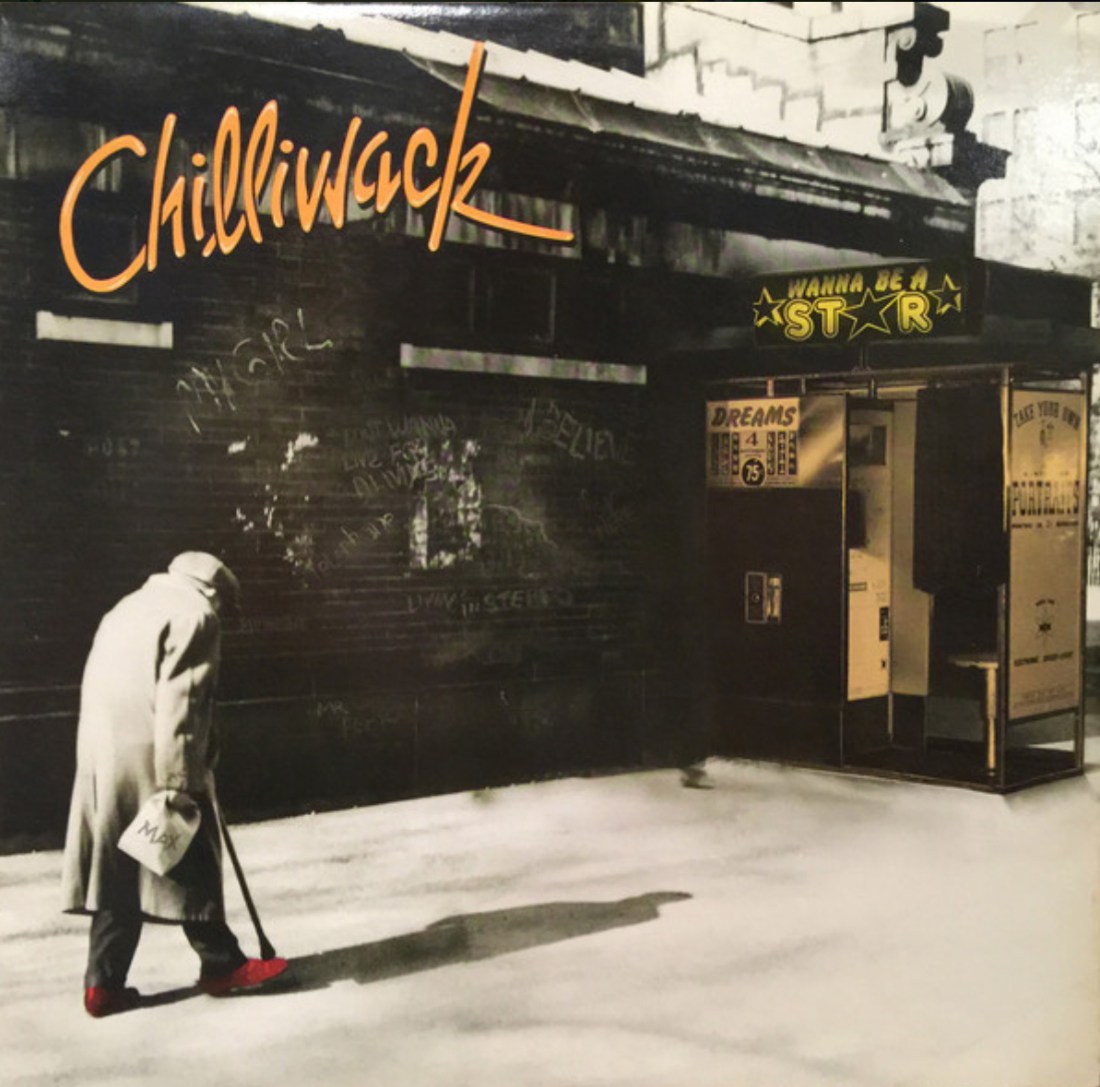
Nope, it was totally worth it, because “My Girl” still kicks ass 41 years later. As a measure of this, I bought the album it came from, “Wanna Be A Star”, and the one that came after it a year later out of pure continuing good will. I first heard the song in the basement of Jay Galpin’s house. Jay and I were in the same grade, but ran in different circles. (Well, Jay probably ran – I hung near the back and slunk in when I saw a gap.) I briefly dated his younger sister Jill, and one Saturday night, as Jill and I were hanging around in their basement listening to music, Jay came in, barely acknowledged our presence, and commandeered the stereo. He played two songs – “Destroyer” by The Kinks and “My Girl” – then fucked off without another word. It was pretty gangster, in retrospect, and I had heard two amazing new songs.

“Destroyer”, which I hadn’t listened to in years, is still fantastic, but we’re here to talk about “My Girl”. There’s a real ‘50s doo wop feel right out of the gate, like a bunch of guys standing in a tunnel over a trash can fire or scattered around a high school washroom, snapping their fingers to set the beat for the echoey “gone, gone, gone” intro. It’s a song that was made for singing along to. It quickly turns into a modern pop song, with a really solid toe-tapping backbeat, but never loses that air of nostalgia, including a nice Beach Boys-esque “woo ooo” just before the 1:00 mark. The obligatory guitar solo is pleasant enough, and they get it out of the way early, so you haven’t lost interest by the time the chorus kicks back in at 2:13, upping the drama with just the tiniest uptick in tempo. Then, right when they should be winding down, the energy kicks up just before 3:00, and it becomes a balls out race to the fade out.

One thing that makes it great is the interplay between the lead and backing vocals. And while it hasn’t been covered widely, all three versions that made an impression on me were completely faithful to the original, while taking advantage of that dynamic. The Stanford Mendicants, the Treblemakers of this particular tale, though hopefully less dickish than Bumper, do a classic a capella take, and Bailey Pelkman has a gals only countrified version that feels like this is a song The Andrews Sisters and their ilk could’ve knocked out of the park. But the version that really reveals the song’s strength comes from a dedicated ‘80s covers act, The B.A. Baracus Band, who hit it with their unique blend of acoustic guitar, djembe and kazoos (the singer is no match for Bill Henderson – he’s game as fuck though, so major props to him). Pity the fool who doesn’t appreciate the effort.

This was Chilliwack’s biggest hit by far, though “I Believe” from the same album also did well. Amazingly, “Fly at Night”, a Canada-only hit from 1976, is more popular than “My Girl” on Spotify, and I don’t understand that at all. In 1982, they tried to recapture the magic with “Whatcha Gonna Do?”, and it sort of worked, but it was no “My Girl” and had nowhere near the success. By the next year, they were a band in name only. But they left us one perfect 4:14 record of their time on our airwaves.

Classic Songs of My Youth Revisited #16

Dickie Goodman – Mr. Jaws

I don’t know if any young people will read this, but I’m here to perform a service for them if they do. The next time someone of your parents’ or grandparents’ generation makes a snotty comment about the music you love – and they will – I want you to play “Mr. Jaws” for them, and leave the room. It’s the ultimate mic drop.

Now, when I was 11 years old, I loved “Mr. Jaws”. But I had a good excuse: I was 11. Who else was listening to this and thinking they wanted more? An army of 11-year-olds couldn’t have pushed a song to number 4 on Billboard and number 1 on Cash Box. (We didn’t do much better in Canada – it reached number 13 on RPM’s chart.) Who were those people who called into radio station request lines and picked this over, say, Neil Sedaka’s magnificent “Bad Blood”, which knocked it from the top of Cash Box’s chart? Or who went to the local record store and put down $1.29 for this rather than one of the great songs that “Mr. Jaws” uses clips from, like “Jive Talkin’” or “Why Can’t We Be Friends?”, or pretty much anything else in the store? Why?

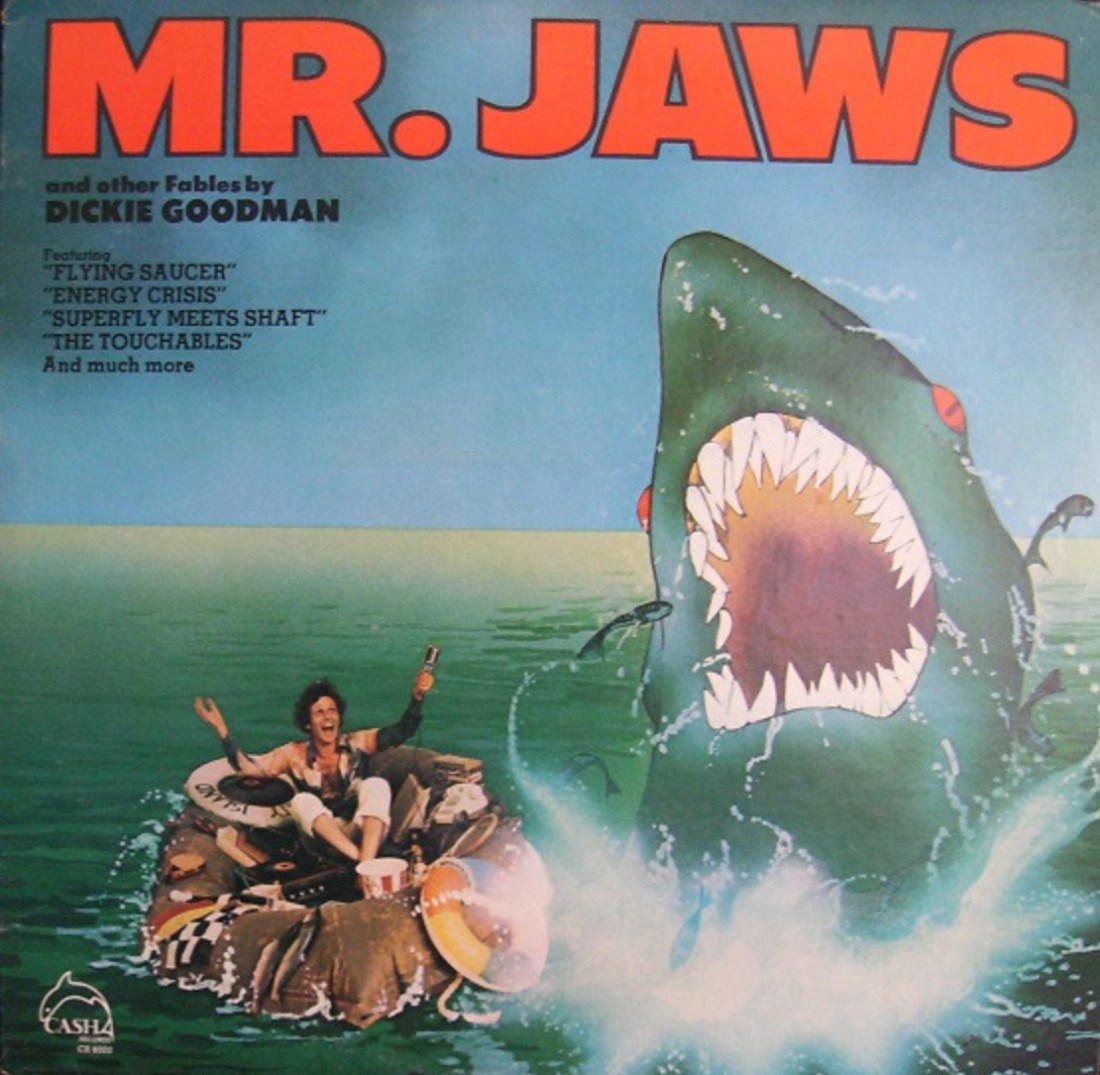
If you don’t remember, we were all a bit nuts over sharks in 1975. “Jaws” was the first real movie blockbuster, dominating the culture that summer, and it definitely had a lot of us looking at the ocean differently. I didn’t even see it until it came to our local drive-in in the summer of 1976, but just knowing it existed – knowing that sharks ATE PEOPLE! – made me wary of the ocean, and I can’t say that’s ever really changed (I feel a bit anxious just remembering it now). But “Mr. Jaws”? Shouldn’t there be a limit to fanaticism? Imagine if something similar were done in our era for Harry Potter or The Avengers. Would we even notice, let alone stream it? Once, maybe, out of curiosity, but we might also skip it after the first few seconds. That may say more about our attention spans than the quality of the track, but even if streaming didn’t exist, we sure as hell wouldn’t get in our cars and trek down to Sam the Record Man (R.I.P.) for the latest parody record.

None of this is to disrespect Goodman. His “break-in” style of sampling was ahead of its time, and he made a nice career out of it, charting tracks (it feels wrong to call them songs) for over 20 years. He didn’t really make any money from it, since, as hip hop artists were to later learn, creators don’t much like it when other people repurpose their stuff. According to his children, financial problems were likely a factor when Goodman killed himself at 55.

As campy as it is, “Mr. Jaws” still has a few good bits. My favourite is when Goodman asks the shark why nothing seems to hurt him, and he responds with the whispered “Big boys don’t cry” from 10cc’s “I’m Not in Love”, which is pretty brilliant.

And here’s a confession. I was so in thrall of what Goodman was doing that when he took a shot at “Star Wars” two years later, I decided to do the same. The ambition is mind-numbing to consider: my record collection was a bunch of K-tel compilations and maybe two dozen 45s, and my recording device was a small tape recorder. I would record my question, position the microphone next to my stereo speakers, start the song and wait to hit the “record” button right before the lyric I wanted came on. If I was too early or too late, I’d rewind and try again. The man hours that went into that thing – which got close to 10 minutes long as I recall – is astonishing. The lesson from this: never underestimate the power of a nerd on a mission. Which is maybe something you could say about Goodman, too.