Cover Version Showdown #6

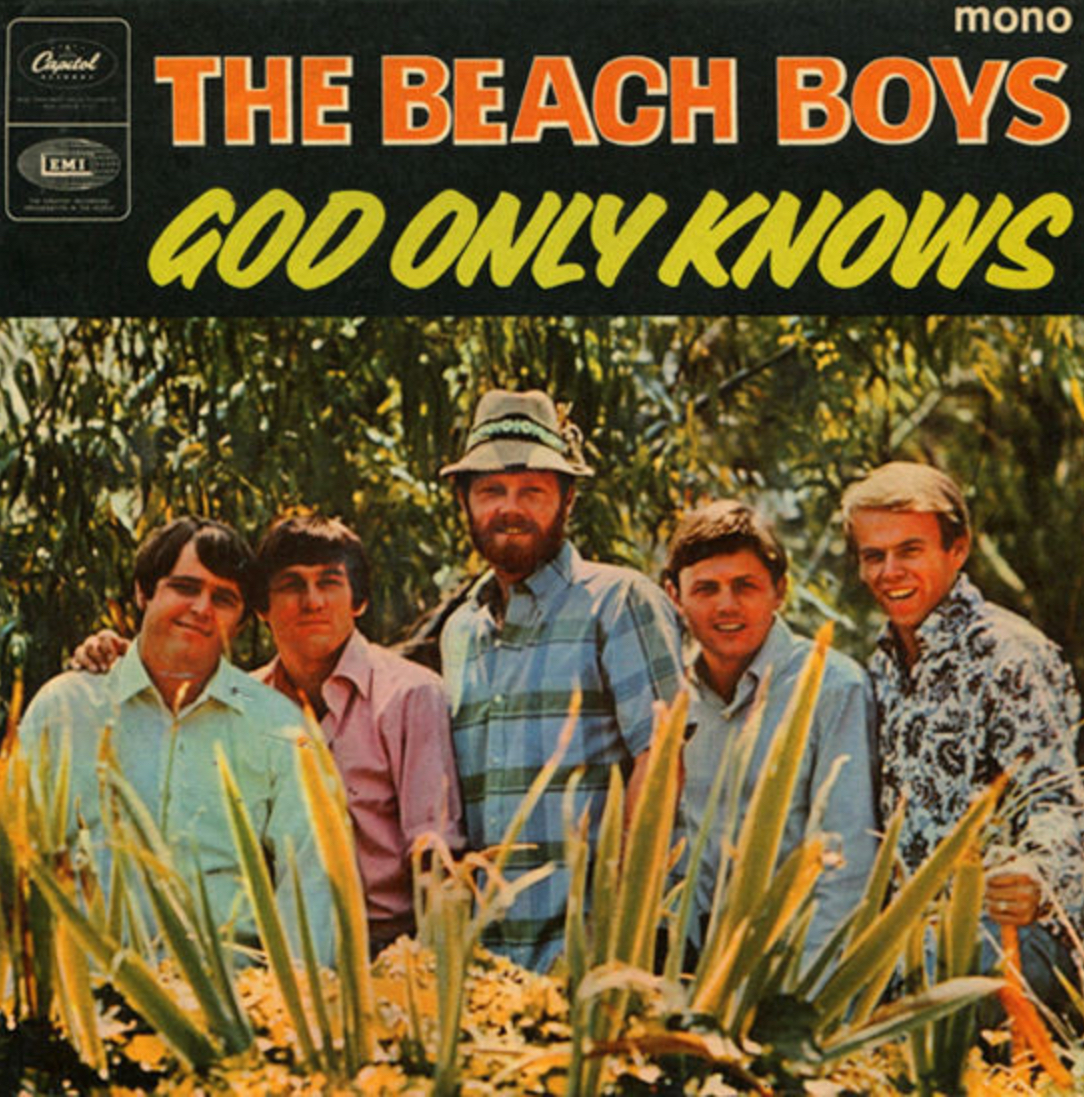
The Beach Boys, “God Only Knows” – David Bowie v Claudine Longet

Probably the first Beach Boys song that I have a clear memory of hearing is “Surfer Girl”, which turned up on “Flashback Fever”, a 1975 K-tel compilation of 1960s songs that also included such classics as Jan & Dean’s “Surf City”, Ronettes’ “Be My Baby” and Bee Gees “(The Lights Went Out in) Massachusetts”, which is also possibly the first Gibb brothers track that made a real dent on my attentions. Over the nearly 50 years that have followed, I have heard a lot of Beach Boys music and saw them live a few times, though I never really got on board with the idea that they were anything special. They had a lot of really good singles, but it wasn’t an output that could stand comparison to the Beatles or Stones, and anyone that said otherwise was delusional.

After starting my Pazz and Jop project, I finally began listening to their albums, and my appreciation blossomed. This included “Pet Sounds”, which, while brilliant, also has a bit too much of a “Look at me, Ma, look at me!” vibe. Sure, it’s cool that you can do all this interesting stuff, but should you? It has “Wouldn’t It Be Nice?” and “God Only Knows”, which are two of my three favourite Beach Boys songs (“All Summer Long” is the other), “Caroline, No” and “Sloop John B” are also classics, and there really isn’t any dead air. It’s just very busy.

God Only Knows” certainly isn’t free of Brian Wilson’s artistic fever dreams, but it’s the lyrics that have always pulled me in anyway. Though the opening line is “I may not always love you”, it’s framed in such a way – immediately followed by “But as long as there are stars above you / You never need to doubt it” – that you know instantly that it’s a lie, that the narrator is so besotted that there is no coming back from this. When he sings “God only knows what I’d be without you” it is both a declaration and an entreaty: please don’t let me find out. It is a song of undying love, and though he will carry on if she leaves, he will be a shell. It’s also a song that is deeply personal for me. I felt lost when I met my wife, not knowing what was coming next, and every time I hear this song – which was about 50 or 60 times today – I think of her and feel like she rescued me from an unknowable darkest timeline. So, of course, it’s not only my favourite Beach Boys song: it’s probably one of my 5 or 10 favourite songs period. Thus diving into cover versions was not without some risk, though I felt confident that my love of the original would preserve me in the face of whatever fuckery people got up to in the name of artistic expression.

Sometimes, finding two distinctive and listenable cover versions can be a struggle, but when it comes to “God Only Knows”, there are riches beyond the dreams of avarice. Not that all are created equally. Too many versions – Captain & Tennille (the Captain should have known better given his history with the Beach Boys), Neil Diamond, Michael Buble, Bryan Adams, Holly Cole, Joss Stone – slow it down and by doing so suck all the life out of the song. Yes, it’s a love song, but it’s celebratory, not the mourn-fest that these artists seem to think it is. Similarly, John Legend and Cynthia Erivo have lovely voices, of course, especially hers, but the orchestration is a complete slog. Other versions miss for different reasons: Andy Williams’ mannered and melodramatic singing ruins some lovely piano; Glen Campbell’s is pure cheese (though the opening appears to have been ripped off in 1978’s Superman movie tie-in “Can You Read My Mind”); Joey Hetherton is too bombastic; and Edith Whiskers is painful to listen to (though at least it’s sort of intentional). The backing track on Olivia Newton John’s version is annoying, and she seems to be trying to be sexy when that was definitely not the brand of pre-“Grease” Olivia. Brandi Carlile’s version is guitar forward, but it sounds like a guy in the corner at a party fiddling around with an instrument he’s still learning how to play. And, finally, Pentatonix are, well, Pentatonix, and you either like this overwrought a capella or you don’t, and I do not – it’s exhausting to listen to, all mannerisms and no subtlety, and no joy. Hard pass.

There are also a lot of whimsical versions, picking up on the baroque side of “Pet Sounds”: She & Him’s version is lighter than air, and just what you would expect from a manic pixie dream girl; Imaginary Future slow it down but still have some bounce, and it feels like the husband and wife that make up the band are singing to each other; and Lilia Tracie gives it a sort of tinkly bossa nova take. There are also some versions that don’t try to reinvent the song but just do a stellar job of showing their respect and love for it: Dale Earnhardt Jr. Jr., Avenged Sevenfold (which starts out quietly, and sort of low energy, like they aren’t really sure why they’re even playing this particular song, until the tempo picks up and they rock out the rest of the way), Jars of Clay (as wholesome as you would expect from a Christian band, but unexpectedly one of the more purely enjoyable listens), and Dr. Teeth and the Electric Mayhem, which is faithful, but with The Muppets, which has to be worth something. 

Finally, before we get to our contenders, three unique versions that stand out. The Nylons bring a joy to a capella that Pentatonix lacks, and while the song works well in this style, it does go on much longer than it should considering how repetitive it is. Although I love Elvis Costello, classical music is not my thing, so I rarely revisit his work with the Brodsky Quartet, and while their version of this, as Elvis says, old California folk song is lovely, I just cannot get into it. Finally, we have Daniel Johnston, whose singing voice is a taste I have not yet acquired, but it’s still charmingly minimalist, which is a real challenge with a Brian Wilson composition.

The first of these covers that I listened to was from David Bowie, who quickly established himself as the front runner. Bowie never waters things down: to call it epic may not do it justice. It’s like the centrepiece of a gothic musical: the Phantom crying over his Christine, a tortured soul howling into the darkness. He stretches the song out, slows it down, accentuates the pain and fear at its heart. Swelling strings, heartbeat drums, a gloom-inflected vocal that rises to despair. But, like the Phantom, a dark lord obsessing over an unreachable desire, there is certainly an air of creepiness, which Bowie also excels at. There is something of the stalker to its presentation, like a guy watching someone through slightly parted (stage) curtains.

So, who is he watching? Well, how about Andy Williams’ ex, Claudine Longet. Full disclosure: I did not know she was a “singer”, and the quotes are entirely in reference to this recording. What I knew about Longet came down to two men: Williams and Spider Sabich, the boyfriend who she may have murdered but escaped justice thanks to some dreadful police work. And while this is really talking musically instead of singing, it has the kind of breathless sexiness that never fails to charm (well, men, at least). Maybe it’s the accent, like a druggy “Zou Bisou Bisou”. The baroque feel of the original is retained, though subtly: you certainly would not have heard this playing in the court of Louis XV while Rousseau stood by waiting for his monarch’s response. The only problem is that you never really believe what she’s saying: you’d be fine without him, Claudine, but he’d be a mess. But the whole thing somehow works, drifting on a cloud of Gallic grace and charm.

The Winner: David Bowie

This was never a fair battle. While Longet’s version is a lovely distraction, Bowie’s has gravitas, and is a more worthy descendant of the original. If both songs were encountered without foreknowledge, I think it would take you longer to recognize the Bowie track as a cover, and that matters to me. But both are honourable, neither tied to the past nor neglectful of it, original without being destructive. 

The end of Brian Wilson’s time as a creative force seems to be close based on recent reports that he is suffering from dementia and being placed in a conservatorship. He has been part of that decision making process, so more music may yet come, but those days are certainly numbered. He has given the world a body of work that is breathtaking in both volume and quality, especially in view of the many interruptions to his career from challenges with his mental health. And his California folk songs will continue to brighten many a day in gloomier climes.
Cover Version Showdown #5

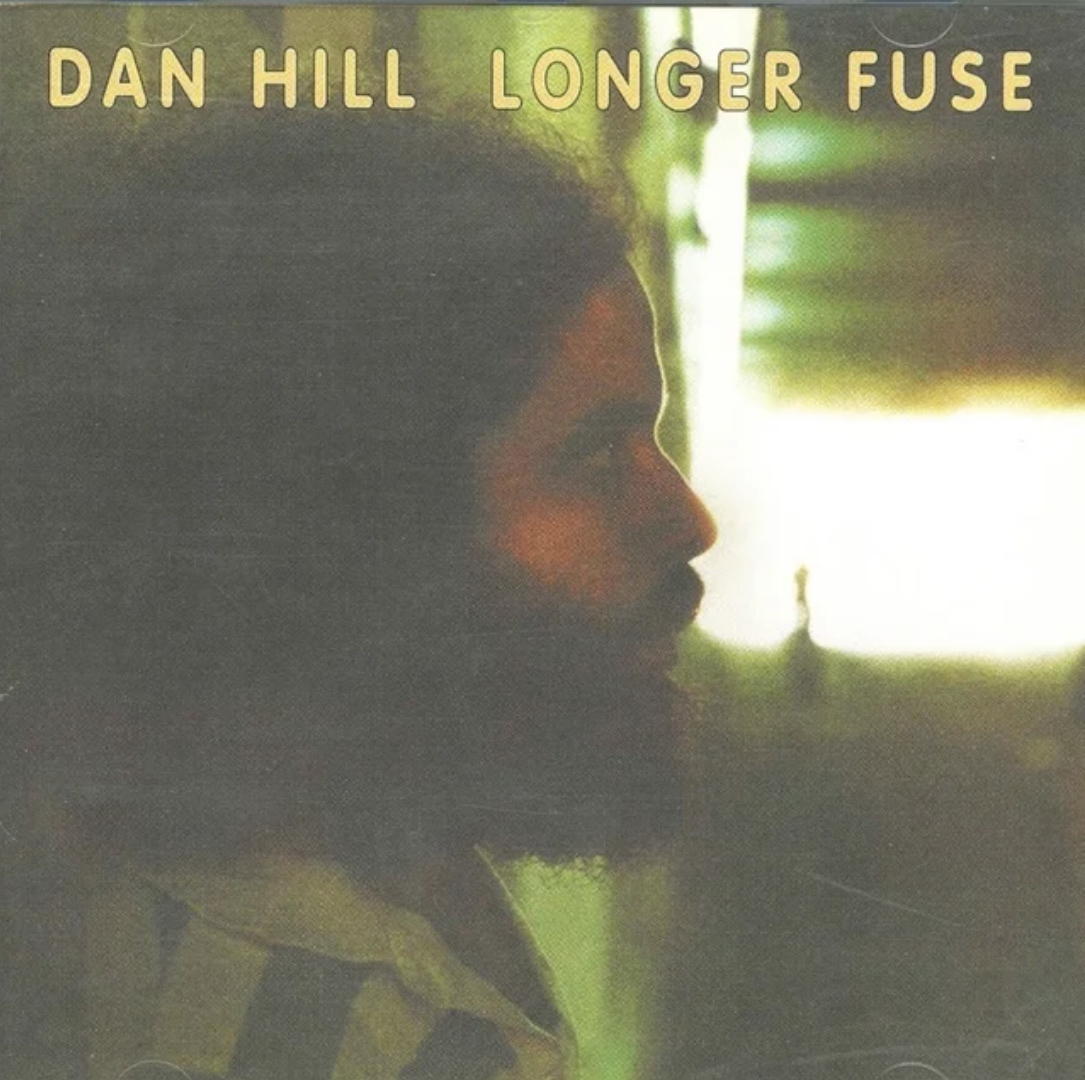
Dan Hill, “Sometimes When We Touch” – Tina Turner v Diesel

It’s probably due to growing up in the cultural shadow of the United States, but I will never not cheer the success of Canadian creatives. It doesn’t matter whether I personally think what they are doing is good – it only matters that other people do (though Bieber pushes the envelope on this support). So, critics can take all the shots they want at Nickelback, and I might even agree with some of them (though, honestly, this is so worn out): the band has sold over 50 million records, “How You Remind Me” remains a fantastic power ballad, and don’t get me started on my love for “Hero”, frontman Chad Kroeger’s duet with Josey Scott. Nickelback are Canadian and loved by millions, and the haters are just jealous knobs.

So, yeah, when Dan Hill was kicking major chart ass in 1978 with “Sometimes When We Touch”, I was very happy about that. Likewise, I was pleased when he did it again in 1987 with “Can’t We Try”. He’s Canadian and was briefly loved by millions, and . . . well, that’s all I need.

I think I owned the 45, but I wouldn’t have needed it because my mom had the album it came from. Her record collection was a mix of country and soft pop, and by the time Hill was getting attention for the song in late 1977 and the first half of 1978, I was already into my Gibb brothers-centric listening phase that would dominate the next year and a half.

Something about this song attracts bizarre cover versions. The most painful listen was from some guy named Vernon, who has over 4,000 monthly listeners on Spotify, and I would love to speak to just one of those people to ask, “Why?” (But do make sure to check out his version of “Every Breath You Take”, though it might be better if you don’t – let’s not encourage him.) Or musical genius Oscar Peterson, whose piano bar version is quite lovely but would have been better served by pretty much any singer besides himself (well, anyone besides himself and, of course, Vernon). Finally, we have former world boxing champion turned politician Manny Pacquiao, whose thin monotonous voice is overshadowed on the chorus by Hill, who, based on the video, can still somehow get worked up to sing this tune that has been part of his artistic life for a very long time.

But they aren’t all duds. There are lots of competently sung country versions, including one from icon Marty Robbins, who leaves out the histrionics and ends up with a recording that is very compelling for its subtlety. It clearly was noticed in Asia, with three female singers – Tracy Huang, Olivia Ong and Susan Wong – delivering lovely if uninspired takes (I like Ong’s voice best). Cleo Laine’s might actually be the cover that I found the most fun, but in the “Well, that was a wacky thing that I’m glad I tried” way, not in a “Let’s do that again” way. And reggae singer Eddie Lovette really takes ownership of the song, though it is in no way a reggae version.

(By the way, lest you, dear reader, ever question my commitment to this little musical and literary project of mine, know that I listened to every version of the song referenced herein, and a bunch more. Never doubt that I take my mission very, very seriously.)

But for a battle like this, you need heavyweights who can do justice to Hill’s original, and you’d be hard pressed to find two more potent voices than Tina Turner and Bonnie Tyler. Both were in rather fallow periods when they covered the song. After her 1978 hit “It’s A Heartache”, which had risen up the charts as Hill was headed down, Tyler’s next two albums were barely noticed, and she wouldn’t have another hit until 1983’s monster “Total Eclipse of the Heart”. Turner was newly divorced and finding her way as a solo performer, with her breakout coming the year after Tyler’s.

And yet, Tyler just doesn’t make the cut, because I don’t get any sense that she actually believes in the song that she’s performing. Say what you like about the high cheese content of Hill’s original, but you can’t tell me he doesn’t mean with all his person every word he’s singing. It wasn’t a hit by accident: from the gentle underlying piano to the tour de force of the final minute, with pounding drums, clashing cymbals and swelling strings, this was manufactured to take people from the dance floor to somewhere more private, and it’s Hill’s lost soul vocal that closes the deal. Bonnie sounds like it’s just another day at the office: it would take the operatic stylings of Jim Steinman to unlock her passion.

Tina, on the other hand, could make singing an instruction manual for your new toaster oven sound sensual. As a singer, she has one mode: give everything you have on every song. Where Hill is mushy and sentimental, Tina is weary and maybe a bit angry: when she sings “I’m only just beginning to see the real you”, it’s an accusation, and not Hill’s sense of wonderment at his lover’s depths. She howls and growls her way to an epiphany, and goes into full on “Proud Mary” mode by the end, triumphant over the confusing emotions that she’s feeling, which makes me wonder to what extent this may have been a declaration of her escape from the villainous Ike Turner. It just gets more interesting with each listen.

So who is this artist who beat out Bonnie Tyler to go up against Tina? Mark Lizotte, who was going by the name Diesel when he covered the song in 2001, has had a pretty decent career in Australia while making zero impact on the North American charts: but for searching out covers of “Sometimes When We Touch”, I likely would have never heard of him. And what a loss that would have been: his take on the song is revelatory. It’s a bluesy rock version, and unlike Hill’s desire for rapprochement with his faithless lover, Lizotte turns the entire song into an assault. Like all great blues songs, the artist is as disappointed in himself as he is in the evil woman who done him wrong, and he wants to punish her by punishing himself, by not walking away. It’s kind of twisted, actually, and twisted relationships are, again, a staple of the blues.

(Sidebar: searching for Diesel on Spotify led me to the Dutch band of that name and their 1980 hit “Sausolito Summernight”, which was fun to revisit.)

The Winner: Tina Turner

Was there ever any doubt with Tina Turner in the race? That voice is truly one of the great instruments of our times. Yet, Diesel made this a real fight. If you heard his version without any context, there’s a good chance you wouldn’t be able to place it, and that’s about as good a way as there is to make someone else’s song your own. He has a deep catalogue that I’m looking forward to exploring, starting with “Americana”, with covers of greats like Springsteen, Cash and Dylan. I never think of Australia as foreign in the way I think of countries that don’t share a connection with a common Crown, but there is, of course, an entire world of artists who are barely known outside their borders, just as we have in Canada with, for example, Blue Rodeo. (But not, I was surprised to learn, Billy Talent, who are massive stars in Austria, Germany and Switzerland.) Discovering these “foreign” artists is one of life’s little joys.

Cover Version Showdown #4

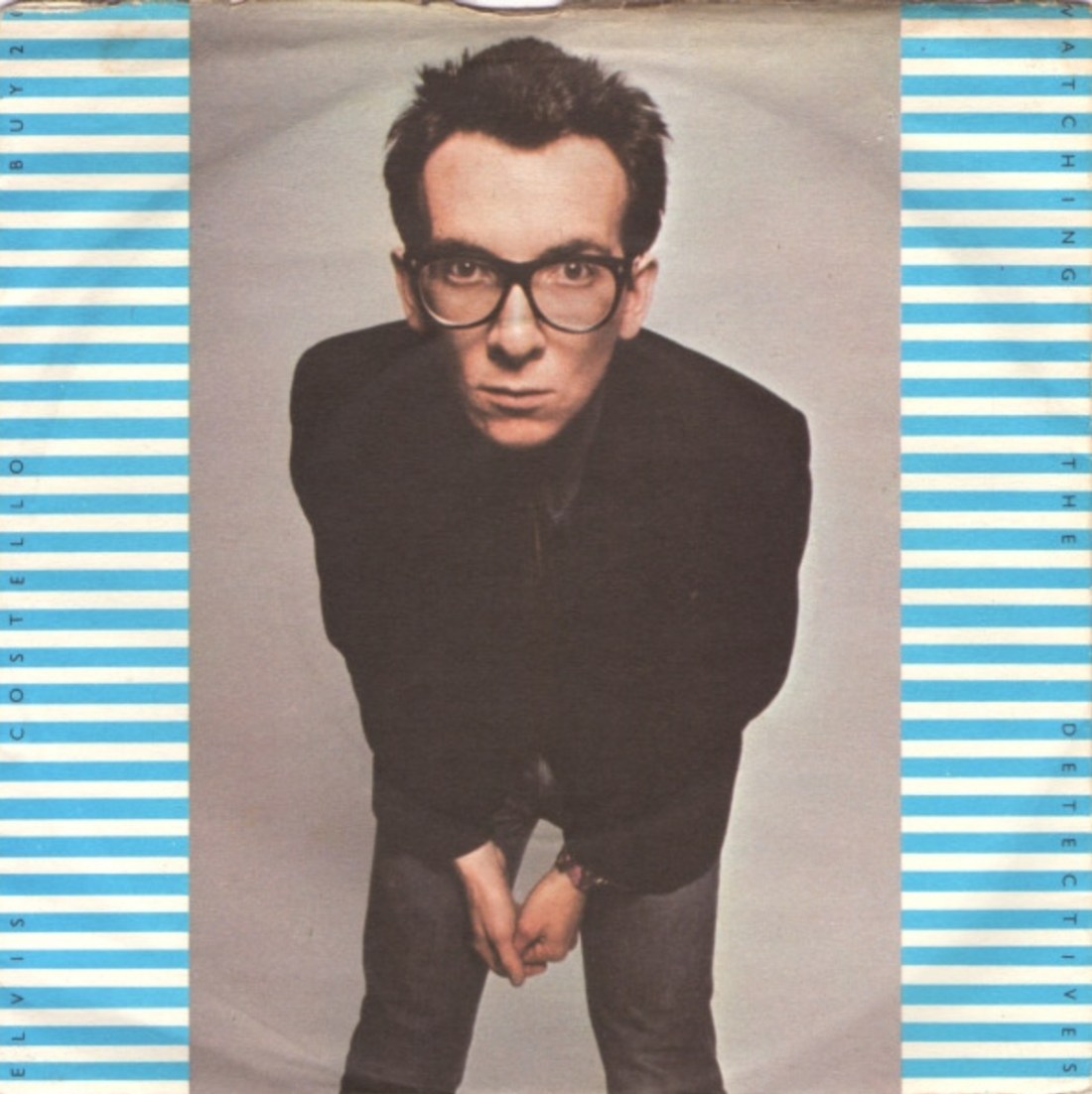
Elvis Costello, “Watching the Detectives” – Duran Duran v The Henry Girls

It’s kind of amazing to me that I’ve made it this far without writing about Elvis Costello, who, more recent disappointments aside, is my all-time favourite musical artist. He came along too late for Pazz and Jop (that’s going to change big time once we reach 1977), and none of his individual tunes fits with Classics Revisited. I didn’t think there were enough noteworthy cover versions out there – my apologies to Linda Ronstadt – for this space. And then I heard The Henry Girls sing “Watching the Detectives”.

But first, let’s go back to the original. It wasn’t a hit in North America – it fell outside the Billboard Top 100 at 108, and peaked at 60 in Canada – but it was certainly one of the songs that EC was known for in his late ‘70s heyday, when his albums were selling over a million copies each and everyone kept waiting for that hit single that would put him on the same level as contemporaries like Joe Jackson. That hit never came, but he made great album topped by (maybe) greater album year after year, and that has pretty much sustained him through 40 years of musical adventurism. Every record is a surprise – I’m a big fan of “Painted from Memory”, his collaboration with Burt Bacharach, and there is a crazily diverse palate of albums with The Brodsky Quartet, Anne Sofie Von Otter, Allen Toussaint (I own all of these) and, as the proof of my theory that a great musician can work in any genre (see Hartman, Dan), Wendy James. I finally checked the latter record out recently, and it might be the most fun I’ve had listening to an album he was involved in. I hope he enjoyed writing it.

Elvis’ original is a menacing little thing, with booming drums and throbbing bass with a staccato reggae-lite beat. The entire thing is sung with a sneer and a rising sense of danger, the score to a film noir that ends with the protagonist wondering how the fuck did he get so turned inside out. Written in a fever after a night spent slowly falling in love with The Clash, it is certainly among the punkier of his recordings, in attitude at least.

Our first competitor is Duran Duran, and I am very surprised to be writing about them again. They were a band I paid as little attention to as possible, which was pretty darned challenging from 1982 to 1988. Lots of hits, very few of them memorable, yet so tinged with nostalgic value that they now give me great pleasure to revisit. They tackled “Watching the Detectives” on an album of cover versions released in 1995. There are versions of songs from Bob Dylan, Lou Reed, Sly and the Family Stone, Public Enemy, and, holy shit, how can I be sitting here writing when that record exists in the world and I still haven’t listened to it 27 years later. It’s lush and jittery, a haunted doomscape out of Godard’s “Alphaville” nightmares. It practically vibrates, Simon Le Bon’s breathy vocal laced with faux sexiness, the messy backing tracks digging under your skin in about a dozen different ways.

And then we come to The Henry Girls. If, like me until recently, you’ve never heard of them before, then you’re in for a treat. Three sisters from Ireland, their music has been described as a blend of Irish roots music and Americana. Their melodies are a thing of genius. This is the record that would’ve been created if the “Rum and Coca Cola” version of The Andrews Sisters had met 1977 Nick Lowe (Elvis’ producer) on 1967 Carnaby Street right after Nick had completed a fellowship with Phil Spector and then rejected everything Phil taught him except for the stuff about harmony, and if you understand that I loved writing that sentence, then you get me, and I thank you. It’s sort of goofy and so personal and unique, and highlights Elvis’ intricate wordplay in a way his own singing never does. 

The Winner: Duran Duran

I had this locked and loaded for The Henry Girls from the first listen, but then a weird thing happened. With each play, Duran Duran’s version revealed new layers, while The Henry Girls remained the same piece of wonder it was from the beginning. And that gives the Brits the edge over the Irish right now. This could easily switch in another day or two, and then back, which is sort of fantastic. Each artist put their personal mark on the song, and I love both, and how they respect Elvis and sort of piss in his eye at the same time. I’m pretty sure he’d be good with that, and so am I.

Cover Version Showdown #3

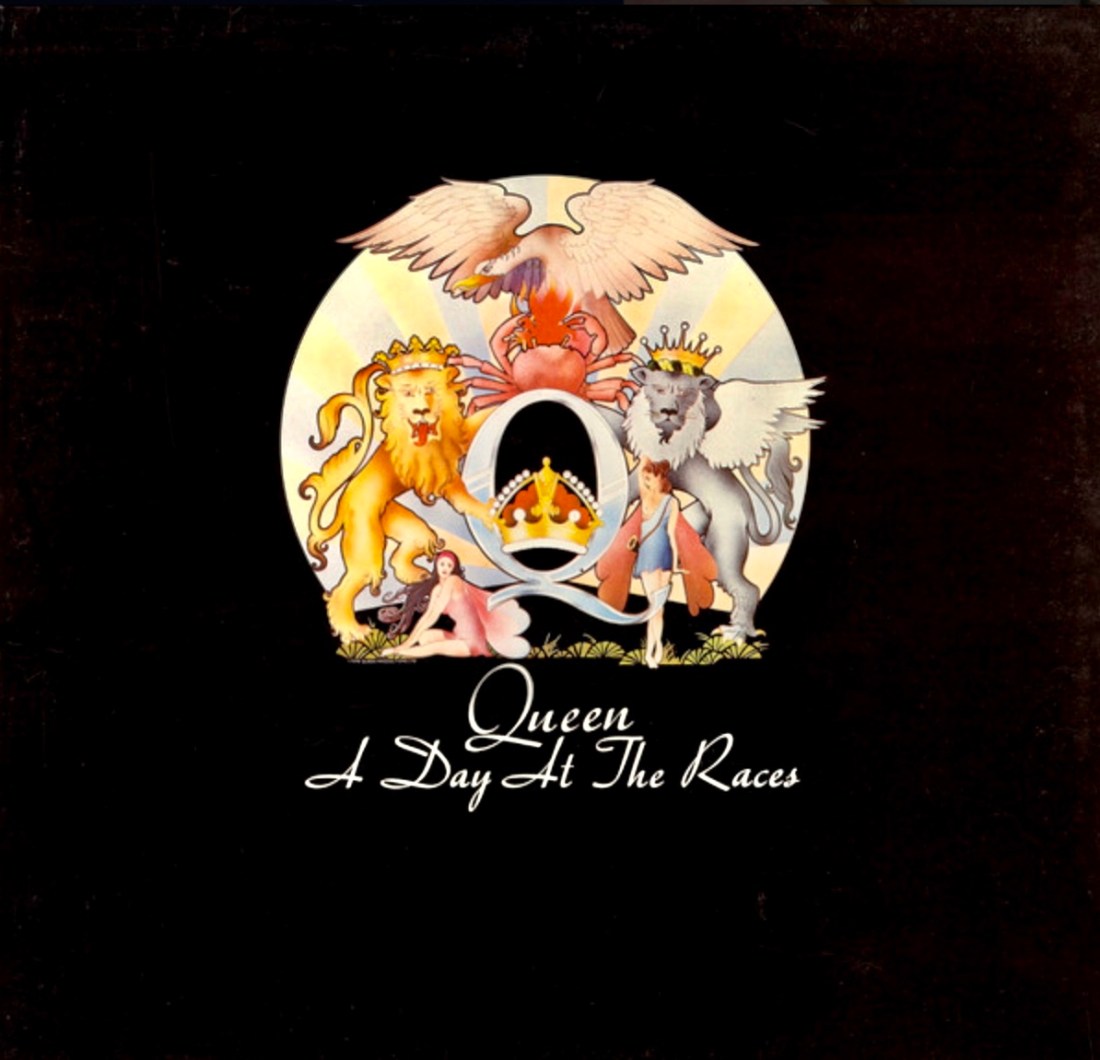
Queen, “Somebody to Love” – Anne Hathaway v MxPx

When my first marriage broke up, my nine-year-old daughter, who loved “The Princess Diaries” and “Ella Enchanted” (I can’t recall if we had let her watch ”The Devil Wears Prada”), told me I should date Anne Hathaway. It’s sort of awesome that my daughter – who clearly couldn’t see what a complete mess I was – thought that me dating a movie star was not completely implausible. Aw, children. We will never know how that might have turned out – I didn’t have Anne’s number at the time – and things have gone just fine for us both: Anne won an Oscar, and I, in my usual sort-of oblivious way, found my soulmate. But that alternate timeline is worthy of “Everything Everywhere All at Once”, or at least “Remedial Chaos Theory”.

I still haven’t seen Anne’s award-winning turn in “Les Miserables”, but parents of adolescent girls had long known she could carry a tune. The “Ella Enchanted” soundtrack was mostly covers of popular songs, and Anne showed she had chutzpah to spare by taking on a track originally sung by Freddie fucking Mercury.

Oh, Freddie. If he isn’t among your 10 greatest singers in rock history, I want to know who crowds him out of your personal selection, because I will take that person’s best track and crush it with Freddie’s 30th best. Queen are sort of overrated as a band – they made a lot of great singles, but the deeper cuts on their albums are pretty unmemorable – but that takes nothing away from the brilliant lunatic at the mic stand. Pick a random Queen hit and be rewarded by the dexterity of his instrument. Too bad the movie about his life is complete garbage (love the sequence about the making of “Bohemian Rhapsody” though).

Anyway, “Somebody to Love” is way down on my list of favourite Queen songs. (“Bohemian Rhapsody” will always be at the top, but in recent years “Don’t Stop Me Now” – shoutout to the rest of the band on backing vocals: they always have amazing harmonies – and “I Want to Break Free” have given me a lot of pleasure.) But there is certainly an argument to be made that it’s Freddie’s best individual performance. His voice switches gears on a dime, low then high, quiet then loud. I love the way he sings the “everybody wants to put me down” line at around the 1:44 mark, and he really does sound a little mad when he sings “crazy”. There’s a lot of repetition in the song: it feels like it’s going to end about a half dozen times, but it goes on and on and on, way past the point when it should finish up, but Freddie and the lads still hold your attention. 

And little Anne Hathaway took that on? Did her people try to talk her out of it? They should have – there’s no better way to highlight the frailties of your own voice by covering a Queen song. Maybe she was under a spell, like her character in the film. Was “Ella Enchanted” really a documentary? “Here, Anne, put on this old-timey outfit and act like you’re a rock star.” Zing! And you find yourself way out of your depth but go for it anyway because you have no choice.

There aren’t a ton of versions out there – professional musicians really know better, but Troye Sivan does a weird sort of dirge-like gloom monster meets teen idol version that isn’t as completely horrible as that description makes it sound. The San Francisco Gay Men’s Chorus really believe in the song, but, yikes, the lead singer is pretty dreadful. And the season one cast of “Glee” did a decent job of butchering it into submission, which was pretty much what happened weekly on that show for long after most of the world stopped caring.

For Anne’s competition, I chose MxPx, a pop punk band that I sort of recall (I erroneously thought they had a track on the “American Pie 2” soundtrack). At one point they were considered Christian punk, which is a thing I did not know existed but am now dying to dig into. It sounds exactly like you’d expect – sped up, sung in a yelling monotone, completely lacking in subtlety. Which is sort of the smart play: if you love Queen and know you can’t compete with Freddie – because who can? – then you need to make your own path through their songs. 

And then there’s Anne. Strangely, though most of the “Ella Enchanted” soundtrack is on Spotify, this song has been pulled (Anne’s people trying to protect her too late, perhaps). Thankfully, the movie clip is preserved for the curious on YouTube. Somehow, it’s worse than I remember. Her voice is strong enough, but there isn’t a lot of colour or nuance, and the cover is so committed to trying to sound like the original that it’s doomed to failure. Only a lunatic goes head on with Freddie.

The Winner: MxPx

This was a tough one. I wanted to reward Anne for her nerve, but it just isn’t a very good record: if you’re going to be slavish in a cover, you need to be a powerhouse, and that just doesn’t describe my almost-girlfriend. But MxPx, sometimes for the worse but often enough for the better, make the song their own, and I like it more with each play. It’s sort of a stacked deck – I owned that “American Pie 2” soundtrack because I love pop punk – but it’s still an honourable effort in tribute to the master, and that gets them over the top. Anne will have to make do with her Oscar and the sweet memories of our near miss for now.

Cover Version Showdown #2

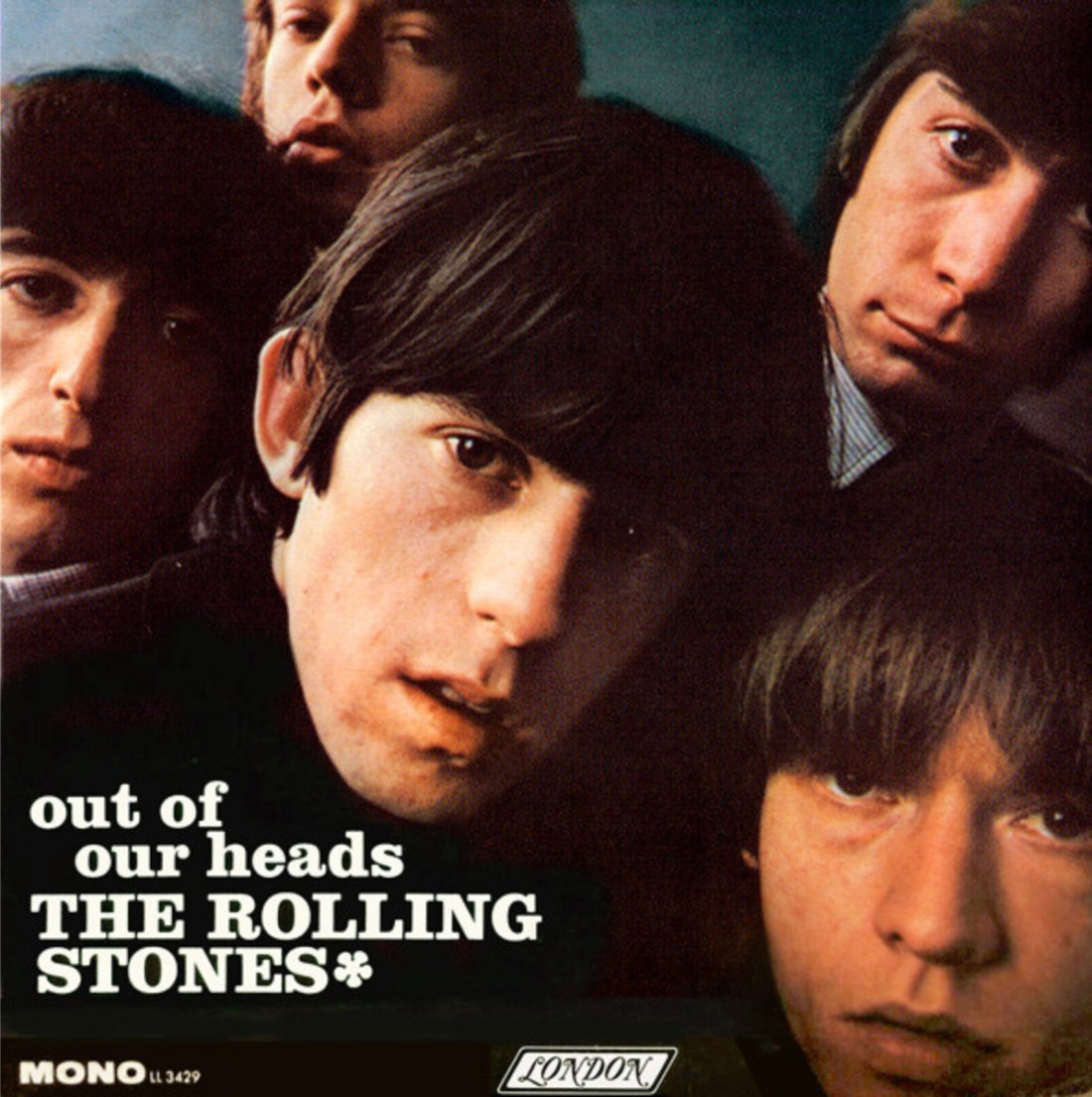
The Rolling Stones, “(I Can’t Get No) Satisfaction” – Devo vs Cat Power

My image of The Rolling Stones was formed by a comment I read comparing their appearance on “The Ed Sullivan Show” to The Beatles’ edition. This came at a point where I still loved the boys from Liverpool while the Stones were barely on my radar. The writer said that while the Beatles wanted to hold your hand, the Stones had something more adult in mind. This was a reference to “Let’s Spend the Night Together” – infamously rewritten to “let’s spend some time together” for the show – but the idea of a bunch of sex-hungry wild boys stuck in my head. Why I didn’t immediately beg my mother for money to buy their records is beyond my present-day comprehension.

I don’t know when I first heard “(I Can’t Get No) Satisfaction“, but it sure feels like it’s always been a part of my listening exper­ience. It is one of those songs that everyone seems to know the chorus to without actually having paid all that much attention to the verses. Count me among those until recently, although I did recognize that there was a lot more happening there than the title would suggest. It is, of course, about sexual frustration, but it is also about being frustrated with the world in general and its commercialism specifically. It’s also about fitting in, about wearing the right clothes and smoking the right cigarettes. It is both cynical and idealistic in that way that only the very young would even dare to try and pull off. And, yes, Mick, Keith and company were once very, very young. That is sometimes forgotten since they’ve been in our lives in one form or another for over 55 years.

It, of course, opens with that all-time Top 5 riff from Keith. Mick slides in, loose and carefree at first, calm on the I-can’t-get-no’s, then getting amped up. A lot of shit is bothering Mick, and he needs to tell us about it. As the verses roll along, he becomes more impassioned, but he never completely loses his cool, pulling back just in time. It’s like when Zuko and Kenickie get caught up in the moment and hug in “Grease”, then quickly act like they didn’t just show some genuine human emotion. And throughout it all, Keith and company roll along, the comb sliding through the greased-back hair of life (I’m stretching this metaphor to its absolute limits, I know).

Picking the contenders gave me a wealth of options. Should I pit the Queen of Soul Aretha Franklin against a fellow R&B master in Otis Redding, or, for the greatest mismatch since the 1992 U.S. basketball Dream Team decimated Angola, have her take on Page-3-girl-turned-pop-star Samantha Fox? What about Fox against fellow dance pop hottie Britney Spears? Or maybe borderline paedophile Jerry Lee Lewis matching up with mid-60s celebrity sons trio Dino (Martin), Desi (Arnez) and Billy (okay, they didn’t all have famous parents)? In the end, because I prefer covers that put a unique spin on the original, I went with quirk versus cool.

For the former we have Devo, an all-time quirk great. Their take on the song is a sort of robotic funk. If you have ever wondered (and let’s be honest here, we know you have), what a horny robot would sound like, well, I give you Devo. The vocal is something of a monotone, and at first it seemed to me that he never really gets worked up, because that is just how shit goes. Then I realized he is always worked up, with that slight rise on “satisfaction” suggesting it’s a bit of a fight to keep things together. The song has a rhythm that keeps you off balance, and the monotony of his voice and the song’s tone gradually wear you down. In the end, no one really feels satisfied.

Satisfaction seems besides the point in Cat Power’s dreamy guitar-only acoustic take: she doesn’t sing the chorus, so the key word never passes her lips. It’s a sultry and world weary take on the song, slowed down and sluggish, played late in a sweaty bar as last call approaches. You are forced to pay attention to those oft-overlooked verses, and, as if to hammer home the point, the last verse is sung twice, slightly modified, and then ends in the middle. There is no catharsis, and the song just drifts off.

The Winner: Cat Power

The Devo version is fun, but Power’s take has more of a pull than even the original, because you never get that jolt from the chorus. There is no satisfaction, but it’s pretty clear Devo isn’t satisfied either. Devo’s reads as resignation, while Power’s is a more adult acceptance, and maybe more about someone who has control over the situation, as well as a clearer understanding of why things are the way they are, and thus maybe a better chance of fixing them. More importantly, of course, is that I think her piano bar version opens the song up, shows new tones and levels, while Devo’s, while an absolute reinvention, doesn’t really tell you anything new about the song, only about the performer. That Power somehow does both puts her in the winner’s circle this time around.

Cover Version Showdown #1

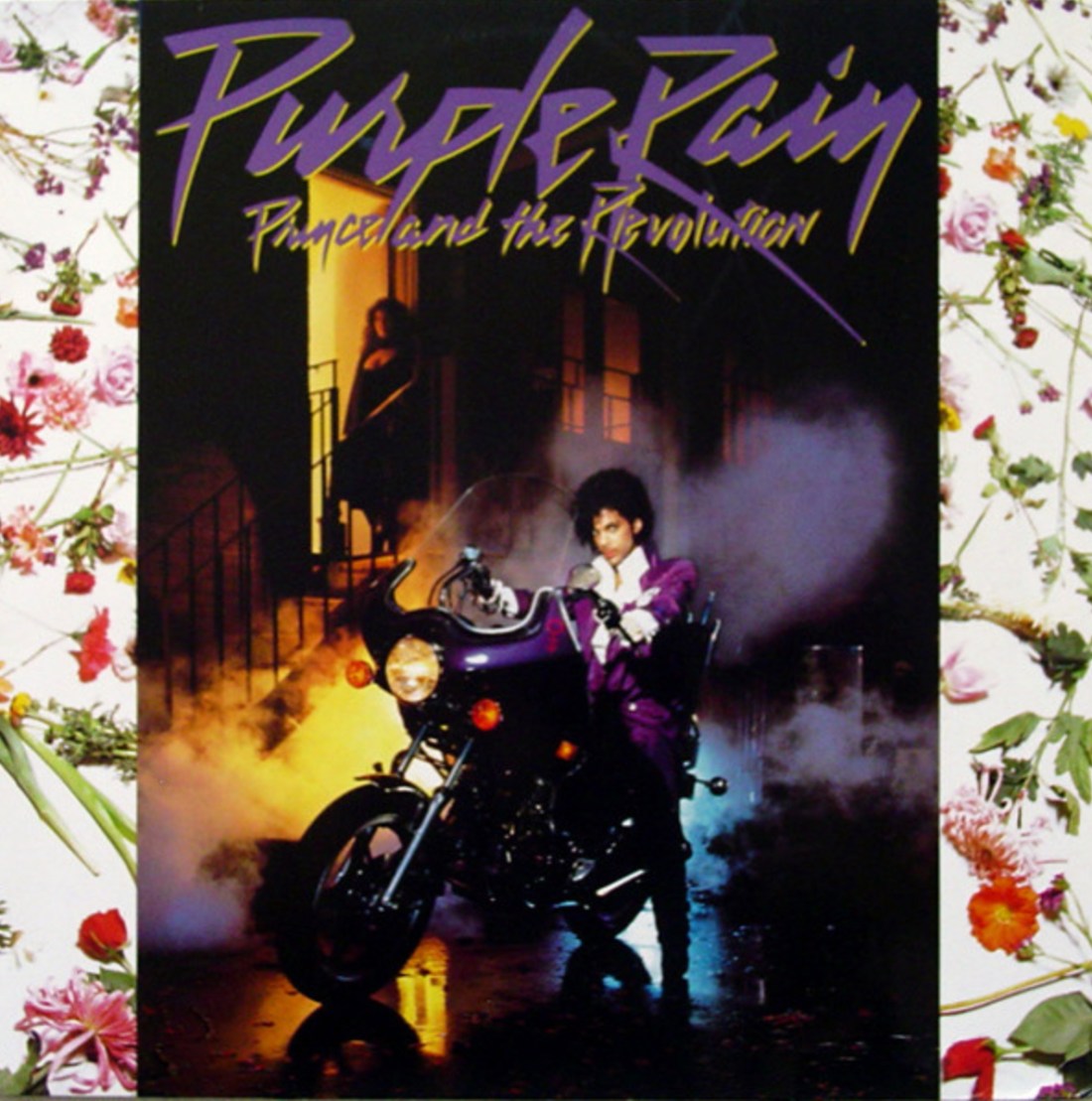
Prince, ”Darling Nikki” – Foo Fighters vs Rebecca Romjin Stamos

Prince is on the front page of this site, but I haven’t written about him yet. His debut album was released in 1978 and he first received Pazz and Jop notice in 1980, after which he was a regular for much of the following decade. So, when I decided to start this series, I went looking for a Prince song. And, in “Darling Nikki“, I found, like a gift from the gods, Rebecca Romjin (formerly Rebecca Romjin Stamos – does it bother Jerry O’Connell that she didn’t change her name for him, too?). You know, model Rebecca Romjin. Actress Rebecca Romjin. But a singer? She has exactly one song on Spotify – this one. Her music career is so obscure that it doesn’t even warrant a mention on her Wikipedia page. Yes, please, I’ll have that one, thank you.

As for our other contender, the Foo Fighters are a band I am certainly familiar with, and have occasionally enjoyed, without actually paying even the tiniest bit of attention to. Dave Grohl is one of the coolest guys around (and I love Nirvana), but I have never once consciously played one of their songs. Seriously – not a single time. I have to strain my mind to remember any titles (I’m not going to check this – they have one called “Learning to Fly”, right?), and I don’t think I’ve ever heard anyone in my circle say they can’t wait for the next Foo Fighters record.

But first, let’s check in with the champion. In 1984, Prince was at the height of his powers, with “Purple Rain”, the Oscar-winning film and Grammy- winning album. There are so many great options coming out of that album. Lydia Loveless does a killer version of “I Would Die 4 U”. “Purple Rain” filtered through Dwight Yoakam will make you forget it didn’t start out as a country song. And Susanna Hoffs does a lovely “Take Me with U” that I think I like more than the original.

But “Darling Nikki” was contro­versial. Tipper Gore completely lost her shit when she heard what her 11-year-old daughter was listening to. (It doesn’t seem to have harmed her too much.) Back when we were still buying CDs, those “Parental Advisory” stickers could be traced back to that moment when Tipper met Prince. Thanks in part to this song, Luther Campbell was arrested in June 1990. A butterfly flaps its wings.

Anyway, the song itself kicks ass, like pretty much everything good on that album. (I love Prince but all songs are not created equal.) “Let’s Go Crazy” rocks harder, but “Nikki” has Prince’s most impassioned vocal outside of the title track. 40 seconds in, almost every straight man listening wishes he could meet a girl like Nikki, and is terrified of what might become of him if he did. Prince has no such concerns – he jumps right in. In the movie, it’s a revenge song when his lover abandons him for a rival impresario (Morris Day just does not get talked up enough). Nikki uses the narrator, and moves on, leaving him a changed man.

And what of Ms. Romjin? How the hell did this become the one song she seems to have ever recorded? It comes from an album so obscure that it also is absent from Wikipedia: “Party o’ the Times: A Tribute to Prince“. The artists involved who I’ve heard of were way past their best before dates when this came out in 1999: Heaven 17, Missing Persons, Gary Numan, Information Society. Ice T is the closest thing to someone with a functioning music career, and he hadn’t made a great record since 1991’s “O. G. Original Gangster” (which I owned on cassette and played, and played, and played some more). Yet, for all the strangeness of this project, the presence of Rebecca takes first place.

So, how did she do? Pretty great, actually. It’s less raunchy musically, and her vocal is cool, sultry, casual, with that girl-on-girl air that makes it more risque – this was 1999 after all. It’s sexy AF without even trying all that hard, and I really wish she had sang more. Maybe the Romjinaissance that’s coming with her extended foray into the “Star Trek” universe will make this happen.

The Foo Fighters version is more faithful to the original, but it is unmistakably their song. It rocks harder than Prince did, and while Grohl roars like His Purpleness, it isn’t sexy, it’s pained. Prince came away from the encounter a new man – Grohl sounds like she left him a mere husk of what he was.

The Winner: Rebecca Romjin

No one outdoes Prince, except maybe Sinead O’Connor or The Bangles – and it’s telling that he gave those songs to others rather than release them himself. “Darling Nikki” is no exception. And the Foo Fighters do a respectable job in making it their own, but the bar is high when a band is already so accomplished. I put on Romjin’s version expecting a travesty, and was instead delighted. It’s faithful, yet also personal – my definition of a perfect cover version. That the source is so unexpected only adds to the delight.