Classic Songs of My Youth Revisited #58

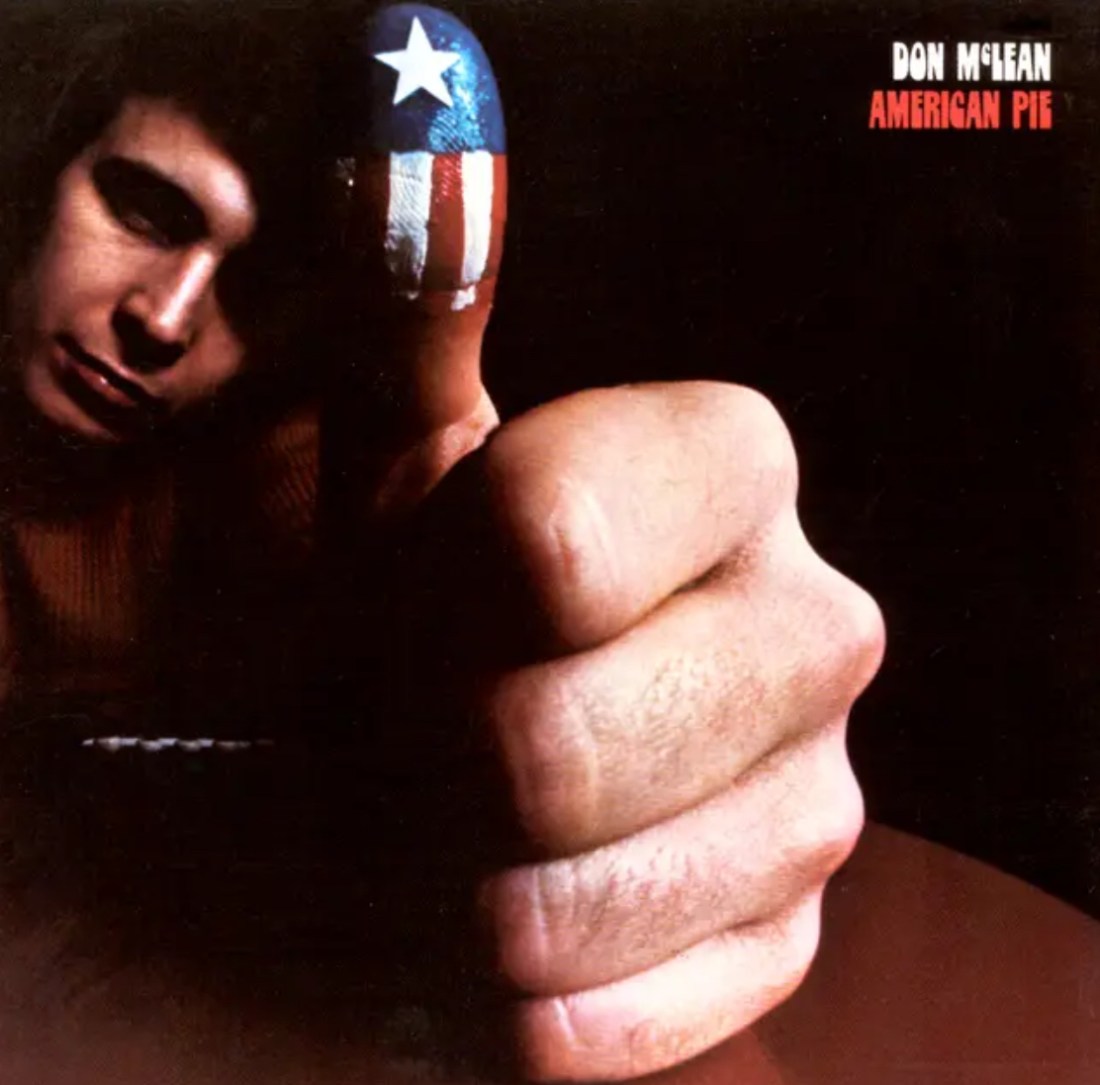
Don McLean – American Pie

When it comes to music, we live in a super-sized era. The digital delivery system means there are no theoretical limits to how long an album can be: I know of at least two original releases that exceed four hours, and I will absolutely listen to them someday when I have nothing better to do. On the same day recently, Taylor Swift released a 65-minute album and a 122-minute extended version. These kinds of excesses put even Drake’s extravaganzas to shame. Even now, Kanye West is probably plotting his return to glory with a 106-hour album that is 90% him making animal sounds. (And, yes, I would absolutely check that out.)

In an earlier time, the length of a record was confined to the limits of the medium it was delivered on. (These are all approximations: there were technical tweaks that could lengthen these times, though sound quality degradation was a real risk in doing so.) A compact disc could run up to 74 minutes, the standard cassette tape held 30 minutes per side, vinyl albums up to 44 minutes total. The shortest of all was the humble 45 vinyl record: just a mere 5 minutes maximum per side.

These technical limitations had an impact on how the art could be presented. The Allman Brothers’ 34 minutes-plus epic “Mountain Jam” took up two (non-consecutive for some reason) sides of their 1972 double album “Eat A Peach”. Anyone who ever listened to music on an 8-track player knows the experience of the loud click between tracks interrupting a favourite tune. Longer songs were edited to a 45-friendly length, creating a pretty much new song, such as chopping out more than 14 minutes of Iron Butterfly’s “In-A-Gadda-Da-Vida” for the thrill of reaching number 30 on Billboard.

Don McLean’s opus “American Pie” wasn’t edited: it was sliced (roughly) in half, with 4:11 of the 8:42 song on the 45’s A side and the rest on the B. I had that 45, and it was annoying, though not so annoying that I went so far as to just buy the whole album. As the tune grew in popularity, radio stations started to play the album version, and that’s the one I – and probably most people alive today – heard first (ownership of the 45 came later, from deep diving a discount bin at K-Mart, Woolco or some other bygone department store chain).

An entire cottage industry was built up around trying to figure out what McLean was singing about, and the songwriter himself was often coy or offered misdirection, although in recent years he’s started to come clean. It’s a song that’s drenched in nostalgia, in the recall of those key moments that marked his development as a person. It begins with an air of sadness over the death of Buddy Holly (“bad news on the doorstep”), with only piano under the vocal. Acoustic guitar jumps in, the tempo picks up, and now we’re racing through the landmarks of a young life. There’s unrequited love, as the “lonely teenage broncin’ buck” sees the object of his affections dancing with another in the school gym. (I always think of the dance scene from “It’s A Wonderful Life” during this part.) It’s an oddly disjointed song, with a peppy sound diluting the slashing of its words. There are questions about god and country and of the part that music can play in nurturing your soul. The song is hopeful, but those hopes frequently falter (“the levee was dry”, “no verdict was returned”). We keep coming back to music, to dancing, and to the celebration of what is good. It’s about being young, when everything is possible, of an unearned hopefulness that can go sour, ending in a slowed down coda, where the news is not happy, and the loss is real, and cuts close.

I think the ambiguity has been good for the song’s longevity. It doesn’t matter that the references that McLean makes are very personal and connected with his life experiences. Because what “American Pie” means to him isn’t what it means to me, or what it might mean to someone 10 years older, or 20 years younger. For McLean, “the day the music died” refers to Buddy Holly, but for someone else it could mean Joplin, or Presley, or Cobain, or any artist, musical or otherwise, who moved you, inspired you, terrified you. And it is, after all, merely a metaphor for the loss of innocence, of McLean’s innocence to be sure, but also of his country’s, mired at the time in an unwinnable war for no good reason and a lot of bad ones. What he is really getting at – specific references to the likes of James Dean, John Lennon, Charles Manson and the fear of nuclear destruction be damned – is timeless. Youth always feels lost, always feels like it’s figured shit out and things will get better, always ends up disappointed, and ALWAYS recalibrates to the new reality. This song is about the ‘60s, but adjust some of the references a bit and it can be about the ‘80s, or the ‘00s, or last week. That’s partly what makes it a classic: it’s a choose your own adventure song.
Pazz and Jop 1971 – #20

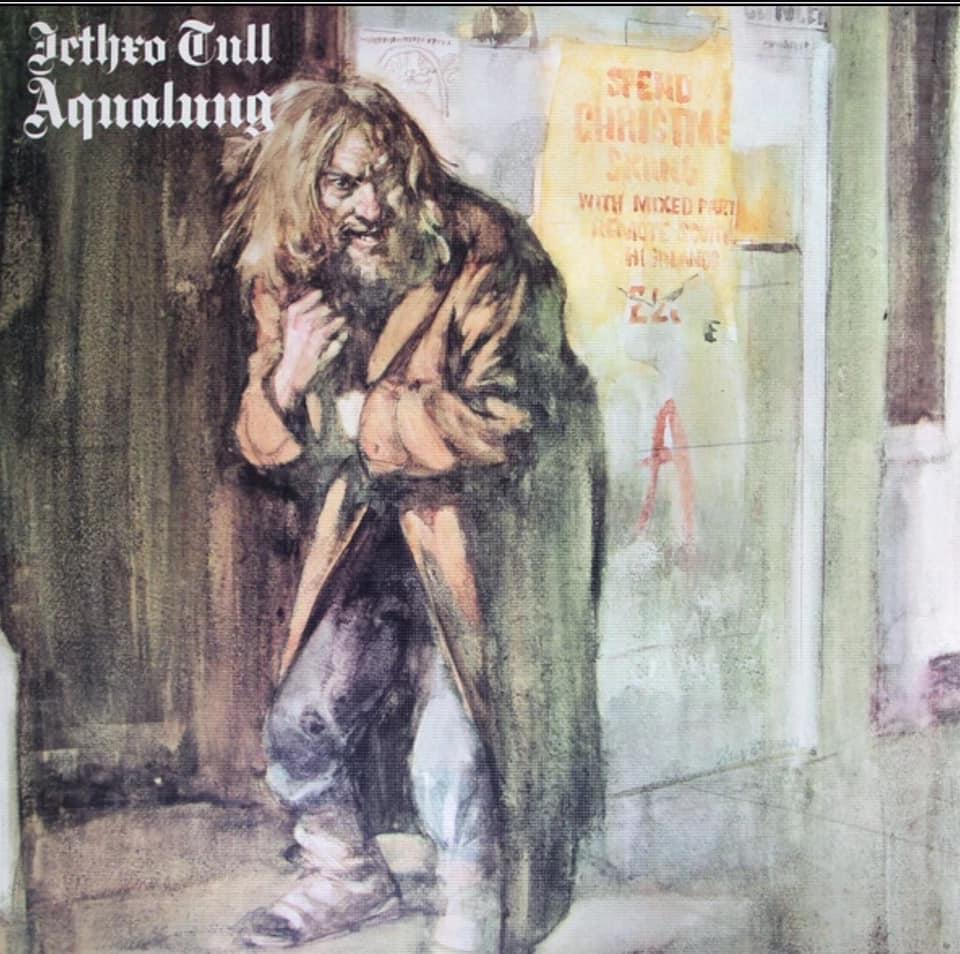
Jethro Tull – Aqualung

We end our journey through 1971 with this, umm, classic. It’s hard to be objective about Jethro Tull: everything about them cries out pretension, from the name (taken from an agriculturist who died in 1741) to the prominence of flute in their music to the image I have never been able to clear from my memory banks of Ian Anderson in tights looking like a demented Pan. The whole thing is ripe for parody, and maybe that’s part of the problem: I’ve seen too many things over the years making fun of Tull-like bands to take the real thing very seriously.

But the real problem is that it simply isn’t very memorable. As I listened to this for a second time, I couldn’t think of anything to say about it. I don’t really dislike any of this, but that’s because I don’t have much of a reaction to it at all. Yeah, the flute is unique for a rock record, there are some lovely piano bits, the guitar definitely rocks, and I give a shit about almost none of it. I can imagine lots of effort being put into interpreting the profundities found on the lyric sheet, but I can’t be bothered to try. No one track stands out enough to call it my favourite, and there is nothing here worth hating. It just is. And so 1971 ends with a whimper. That 1972 will begin with a bang is an understatement.

(I thought about leaving out the Spotify link since I can’t recommend this record, but figured that if you wanted to punish yourself, it’s not my place to get in the way.)

(Originally posted on Facebook, May 8, 2021)

Pazz and Jop 1971 – #18 (tied)

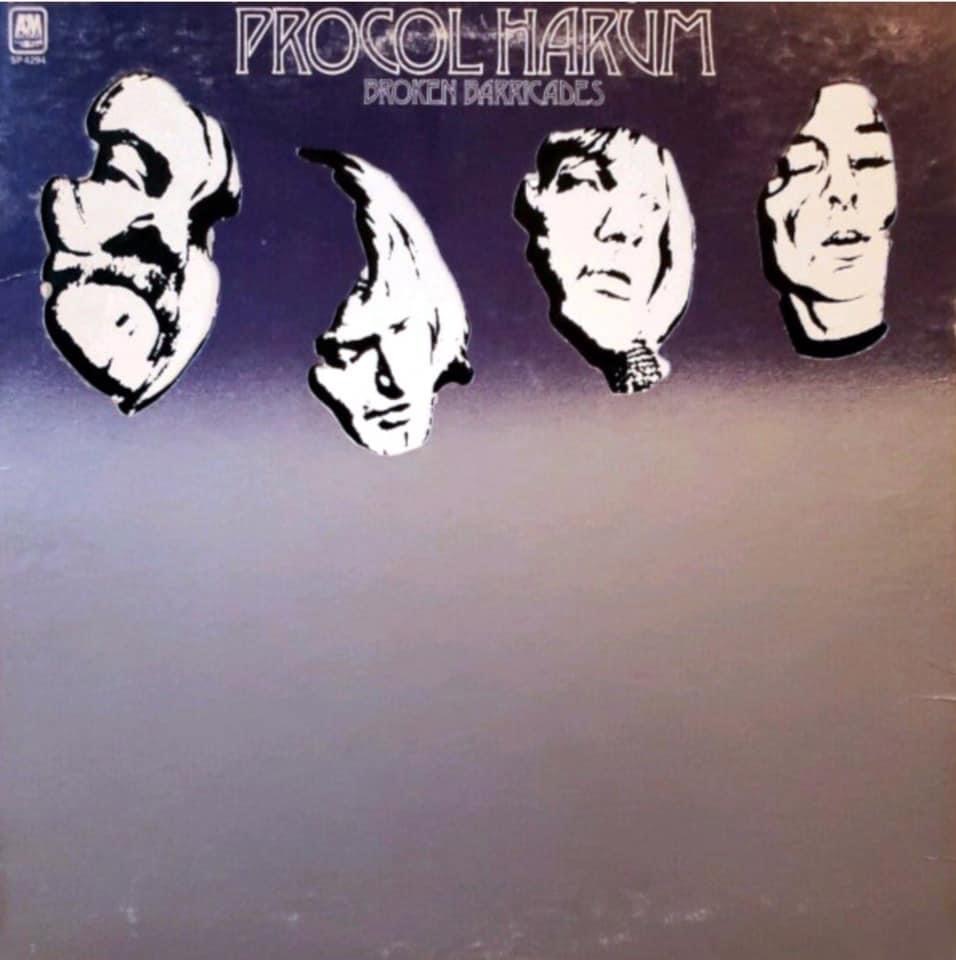
Procol Harum – Broken Barricades

When you think of Procol Harum, if you think of them at all, it is of the mystical beauty of “A Whiter Shade of Pale” (easily a top 100 all-time rock song, and I will wrestle to the death (or at least until we’re both really, really tired and bored) anyone who disagrees) or whatever the hell “Conquistador” is getting at. Those are pretty different tunes, and knowing nothing about the band coming into this, it did not surprise me to learn there was by 1971 an internal tension as to what they were and would become. The album is kind of schizophrenic, switching in disjointed fashion from track to track. (Track 2 practically gave me vertigo, it so differed from its predecessor.) The rockers really rock, the mellow songs are often beautiful (though not all that interesting, other than the lovely strings, horns and gentle piano of “Luskus Delph”), and none of it seems to fit together all that well. For all that each song brings, the album doesn’t feel like a big experience, but rather a collection of really nice smaller ones.

My favourites are the rocking bookends of “Simple Sister” and “Poor Mohammed”. In the former, the stretch from (roughly) 2:38 to 5:05 is awe-inspiring: starting with a simple bass riff and light drums, elements are added bit by bit to amp up the intensity, remaining grounded by the original instruments. It’s how an epic should sound. The latter is a sort of southern rocker, with possibly the only coherent lyrics on the record, though, man, they could sure use a better vocalist on this one (the lead guitarist was given the chance to, umm, shine). The lyrics on other tunes, though certainly unique and memorable, are often nonsensical (“Baby sandwich soaped for comfort”? “Your baking breath breeds body ‘x’”?). I loved the piano on the bluesy  “Memorial Drive” (a sort of honky tonk feel) and “Playmate of the Mouth” (banging away in the background), though organ, the instrument the average listener most associates with the band, is largely absent (likely because the current organist was also their bass player). Also pleasing is a sort-of percussion jam session on “Power Failure” (though I didn’t much care for the song overall, and the part I like definitely feels out of place), and there is some fantastic guitar work throughout. In the end, a band I always thought of as a one- (or maybe two-, depending on how you feel about “Conquistador”) trick pony just maybe has enough tricks to make a further dip into their catalog worthwhile.

(This is another one I listened to on YouTube, but Spotify at least has a version of my favourite track for your listening pleasure.)

(Originally posted on Facebook, May 1, 2021)

Pazz and Jop 1971 – #18 (tied)

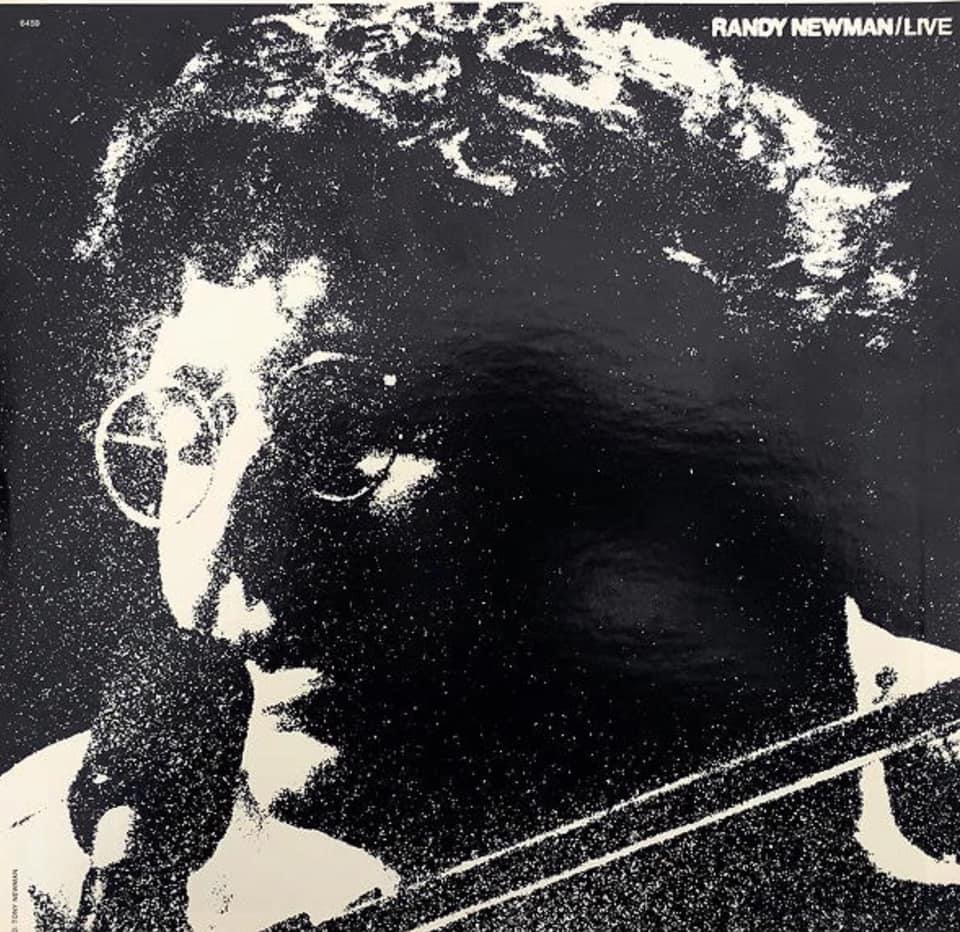
Randy Newman – Randy Newman/Live

There are prettier voices and far more virtuosic ivory ticklers, and his style is so consistent as to seem mannered and worthy of parody all these years later. So it is easy to forget what a great songwriter he is. It’s no surprise he ended up writing for the movies, given his pedigree (two of his uncles are legendary Hollywood composers) and penchant for storytelling. A lot of his songs take the perspective of someone other than himself, so you can see how not-very-bright people could get upset with a song like “Yellow Man” if you think too hard on what he’s saying and not the way he’s saying it. It would get him in trouble in 1978 with his one hit, “Short People” (one of three great humourous hits from that weird year, the others being, of course, Warren Zevon’s “Werewolves of London” and Steve Martin’s “King Tut”).

That reliable style can be a bit much over a full record, so it helps that this checks in at a brisk 32 minutes over 14 tracks. All the fat has been trimmed off this album. “Tickle Me” is a delight, probably my favourite song here, and a sharp comment on a dying relationship (“You won’t have to talk to me and I won’t have to talk to you”), as is “Lonely at the Top”, which would make more sense coming from Frank Sinatra, who rejected it (Frank was not known for having a sense of humour about himself), although it would then seem pompous rather than funny. “I’ll Be Home” is beautiful, revelling in it’s simplicity (and check out Barbra Streisand’s version to get around the baggage of Newman’s voice), there is a powerful pathos to “Cowboy”, and “I Think Its Going to Rain Today” is another favourite. Newman might best be appreciated in small doses, and this is about as small as something can get and still be called an LP with any degree of honesty.

(Originally posted on Facebook, April 25, 2021)

Pazz and Jop 1971 – #17

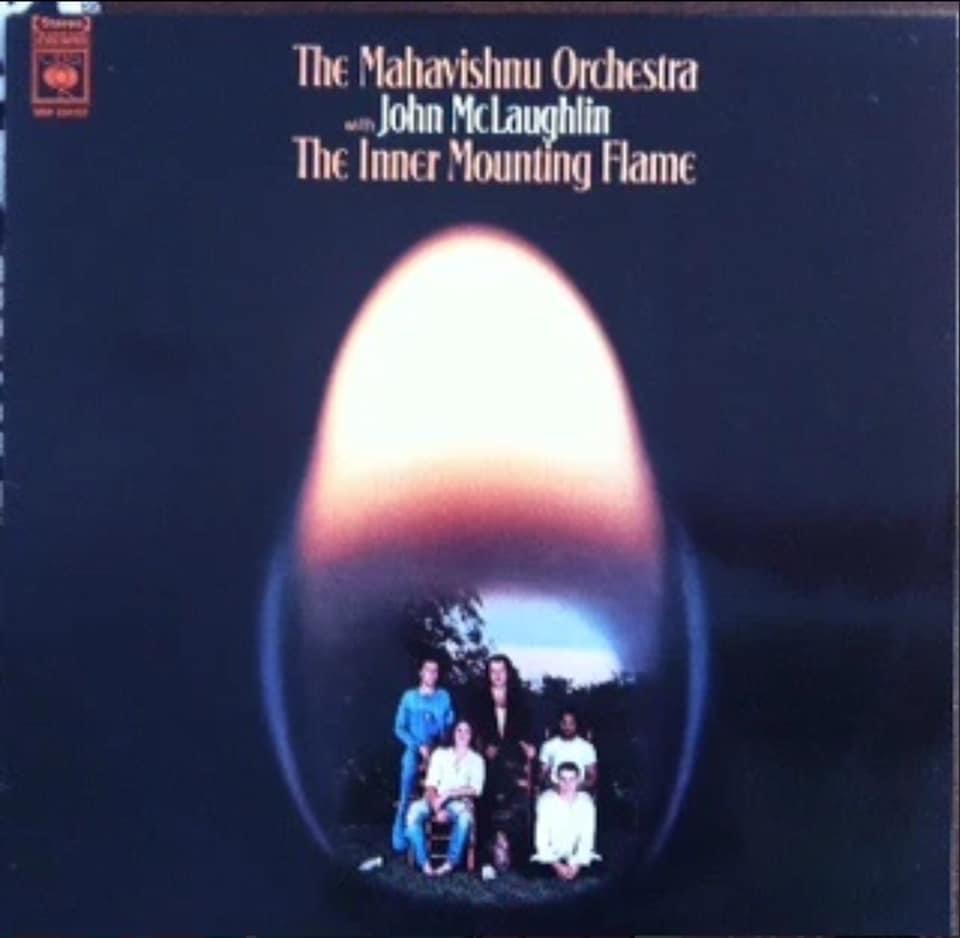
Mahavishnu Orchestra – The Inner Mounting Flame

As we move down the list, some strange records start to turn up. That’s to be expected – it takes less consensus on an album’s merits to be voted the 17th best of a year as compared to anything higher ranked. Which brings me to this enormous mess of an LP. This is where my limitations as a reviewer come to full bloom, because I don’t even have the language to talk about this in a way that means anything (this will be a common refrain as we encounter anything that attaches the word “jazz” to itself), as opposed to more popular music, where I can connect it to other things I know well (like “that time when Kanye West lost his mind” (pretty much everything after “Graduation”) or “that time Garth Brooks thought growing a soul patch made him cool” (you know)).

It’s definitely an album that requires immersive and focussed listening for a newbie to make sense of: listen on earbuds while walking in my neighbourhood left me confused, but listen #2 on my couch with big Bose headphones allowed me to hear more of the nuances (while still being very confused). I don’t know what this is supposed to be – it’s labelled jazz fusion, but the guitar rocks as hard as anything I’ve heard during this journey through 1971. (It makes a bit more sense now that I see Kamasi Washington, possibly the only jazz artist who I’ve ever listened to with actual intent, is also considered a jazz fusionist.) I can’t even begin to consider recommending this, because I don’t know what this is. But I will definitely listen to it again, because sometimes my need to understand something prevails over all common sense. Those who know me best will not be surprised by this.

(Also, do check out Kamasi Washington, you will not regret it (or maybe you will, I don’t know, I’m just rambling here). Start with “Harmony of Difference”, which is how I was first exposed to his brilliance.)

(Originally posted on Facebook, April 24, 2021)

Pazz and Jop 1971 -#16

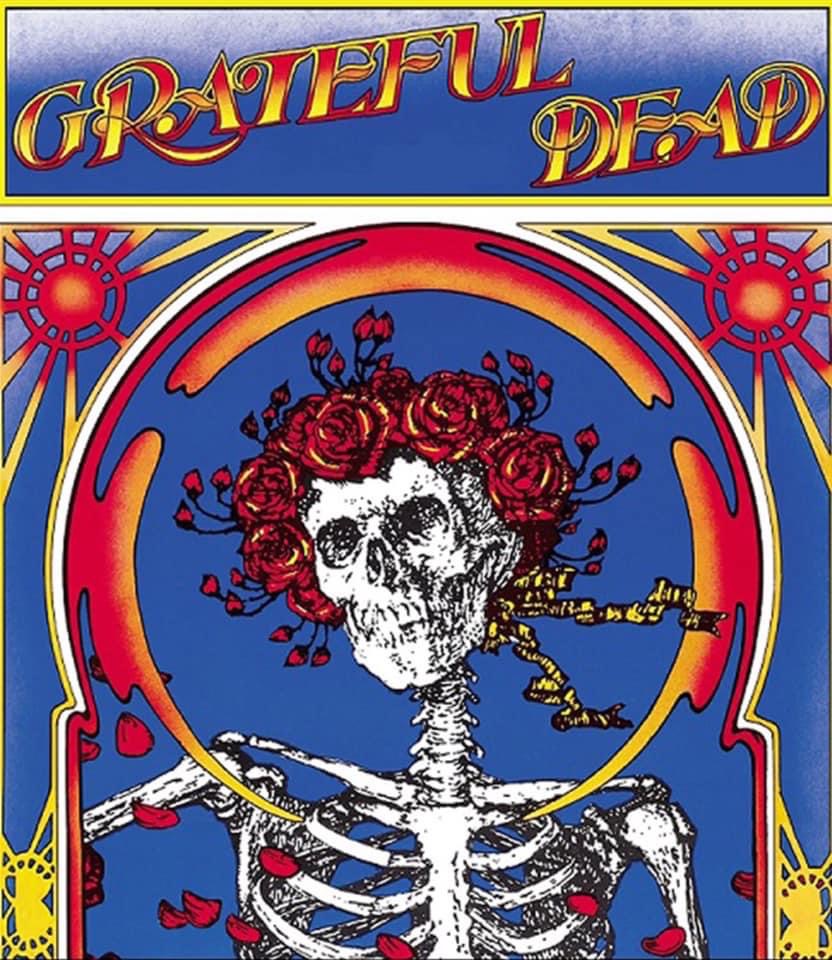
Grateful Dead – Grateful Dead (Skull & Roses)

I have aggressively resisted the Grateful Dead for pretty much as long as I’ve been aware of their existence, for two reasons. First, the passion of their fan base is anathema to my broader tastes when it comes to art. Second, I mostly just shrugged at what I did hear through passive exposure (though I owned a 45 of their 1987 hit “Touch of Grey”, I was buying just about everything that made the charts back then, and rarely played it). (Also, 45s were the worst – I don’t need (well, I do, but that’s a different conversation) to be doing interval training while listening to music.) I can’t say there’s much chance of me seeking out other of their records, but after more shrugging initially, I ended up enjoying this album. It’s odd for a live record in that you are barely aware of the presence of an audience. I couldn’t find the answer (Google, you failed me!) but it would have been on brand to ask for quiet to enhance the quality of much-encouraged bootleg recordings. 

As for the songs themselves, the five-minute eight-second long drum solo at the beginning of “The Other One” was more interesting than any five-minute eight-second long drum solo deserves to be. This turns out to be noteworthy, because the Dead had two drummers until two months before the first of these tracks was recorded, so it seems someone took the opportunity to show off. Their poppy cover of “Me and Bobby McGee” is a delight (Kristofferson was EVERYWHERE in 1971), as is their faithful rendering of “Johnny B. Goode”, and I enjoyed the original “Wharf Rat”. You definitely come away understanding how much fun it might have been to see them live – there’s no better way to listen to an 18-minute song than stoned and in the company of fellow travellers. The Dead were as much a religion as a rock band, and this seems like a pretty decent introduction to their creed.

(Originally posted on Facebook, April 24, 2021)

Pazz and Jop 1971 – #15

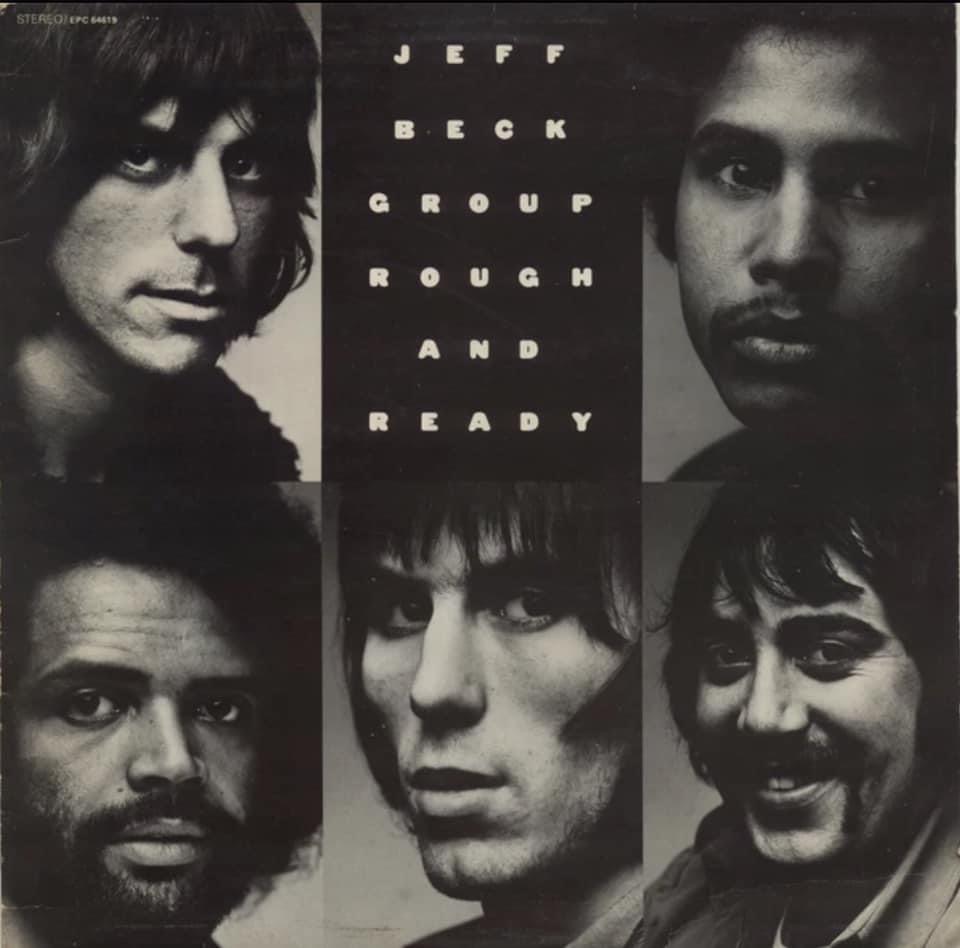
Jeff Beck Group – Rough and Ready


I don’t think I’ll remember much about this record a month from now, but it was a (mostly) fun listen while it was on. It’s a messy record, a mishmash of rock, jazz, blues and soul influences that can’t seem to figure out what it wants to be. (Or maybe that’s exactly what it wants to be.) I know of Beck as a guitar god, and my first thought when I hear mention of him is his 1985 video for “Ambitious”, with its Murderer’s Row of B- and C-list celebrities (including Donny Osmond, who channeled George Michael’s look – and an unexpected assist from Peter Gabriel – into a comeback a few years later). So, of course, there’s a lot of great guitar playing, though it sometimes seems to serve no point other than to remind you that “Holy shit, Jeff Beck can really play!” The piano and drums are what stand out mostly (the instrumental centrepiece “Max’s Tune” is a showcase for the former) and my predilection for solid bass playing is frequently rewarded, but the vocalist is just a howler without much nuance in his delivery (sort of a discount bin David Clayton-Thomas was my initial impression). The lyrics are about as unremarkable as such things can be, with not a single phrase making an impression. Taken together, we are left with a record that is pleasing to the ear without making much of a dent on the soul.

(Originally posted on Facebook, April 21, 2021)

Pazz and Jop 1971 – #14

Joni Mitchell – Blue

My wife does not like Joni Mitchell’s music at all. I don’t feel quite the same (I owned on cassette and enjoyed often her 1988 sort-of comeback “Chalk Mark in a Rain Storm”), but in deference to the love of my life, I usually skip her tunes when they come up on a Spotify playlist. The problem is her voice: there are those too frequent moments when it sounds like a small bird is being gently murdered. She can never quite shake herself of the need to aim for those higher notes, even though the sound doesn’t really change, it just feels strained. I thus came to this with a lot of resistance, though half the tracks here were familiar from long passive exposure.

The songwriting cannot be faulted. I know next-to-nothing about Mitchell and her career arc, but would be unsurprised to learn she was a favourite of desperate artsy girls and boys lying stoned in dorm rooms trying to figure their shit out. There’s a nakedness to her confessional lyrics, a leaving-it-all-out-there (Kris Kristofferson supposedly told her to “keep something to yourself”) approach to her art that should draw young aesthetes to her. “I could drink a case of you, darling, and still be on my feet” just gutted me with that sense of desperate desire for another person that we all – if we’re both lucky and cursed – have felt. (And, weirdly, the strain in her voice works for this song.) I especially liked the songs where it is Joni and her piano (except “My Old Man”, which is a microcosm of the things that can make her a difficult listen) or guitar, and when she combines those and reins in somewhat the vocal tics, the results are sublime, as in “Blue” and “River”. “Little Green” was new to me, and I love this gentle song about the daughter she gave up for adoption. In the end, while I won’t be playing this regularly – I would like to stay married, for one thing – I can see myself coming back to it, all alone and wallowing in Joni.

(Originally posted on Facebook, April 18, 2021)

Pazz and Jop 1971 -#12 (tied)

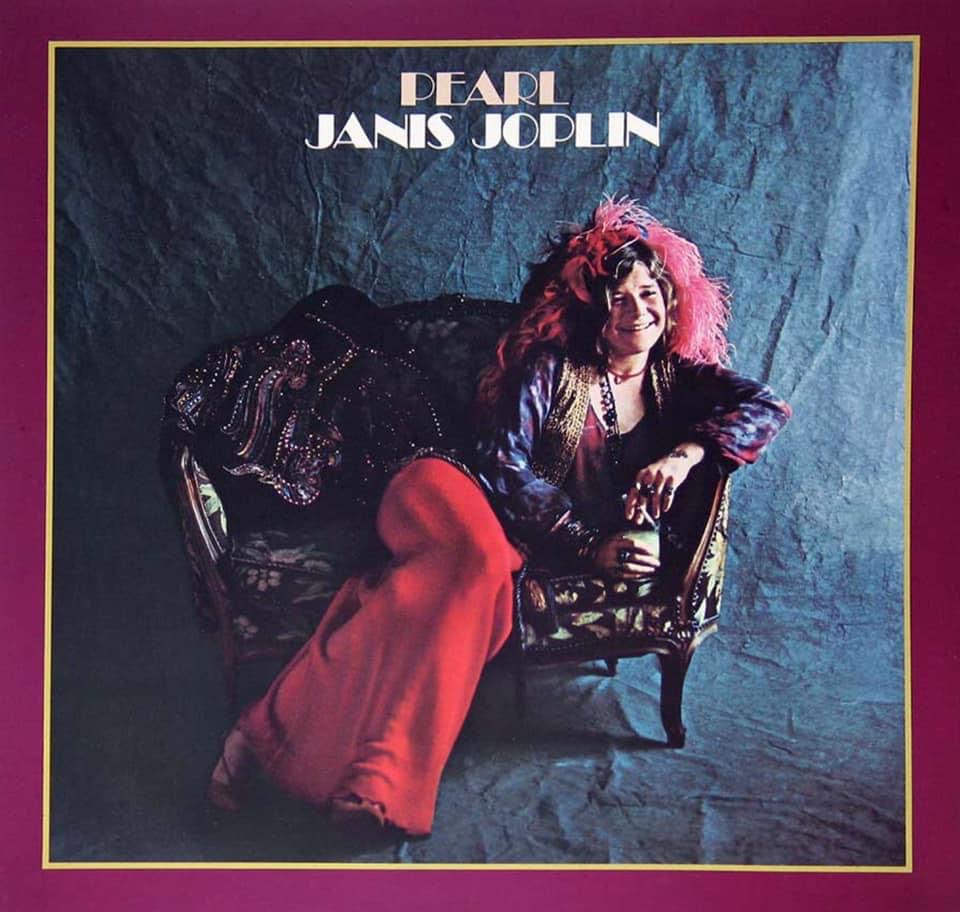
Janis Joplin – Pearl

(Weirdly, it just occurred to me after doing this for the past two months that this is the 50th anniversary year of all these records. Ah, such a keen observer, I am.)

We finally come to a record I’ve listened to before. This was only a few months ago, after I read an incredibly sweet letter that she wrote to her family shortly before she became a star. (Check out “More Letters of Note” if you’re curious.) I thought it was fine, but didn’t remember much about it. My (now evolved) method with these mostly unfamiliar albums is to play them once to get over the strangeness (a lesson learned from Sly and the Family Stone), then again later with more attentiveness. When I listened on Tuesday past, I thought it was mostly meh. I don’t feel that way anymore. 

It’s an unfinished record – “Buried Alive in the Blues” is an instrumental because she died before her vocals could be recorded – which lends a bit of “what if?” to the proceedings. I think she was really a soul singer at heart, with several covers here of songs from Black artists and writers. Her voice is truly unique, which might explain why so few female artists of note have covered these songs over the past 50 years. There’s a bit of tension between her often howling vocals and the smooth playing of her Canadian (!) backing band that makes for a nice counterpoint. The piano especially stands out on a number of tracks, in particular on the powerful closer “Get It While You Can”, where the interplay between singer and band reaches its fulfilment. (Very different from the Howard Tate original, or the poppy posthumously released version from Chris Cornell.)

Other favourites are “Cry Baby”, which sounds in places like a relic from the 1950s. (It turns out to be a cover of a pretty decent 1963 hit from Garnet Mimms & the Enchanters. Check out the original for an object lesson in what happens when a good song ultimately finds the right singer. Mimms may be a forgotten great – she also covers his “My Baby” here.) “A Woman Left Lonely”, my favourite track, is more restrained (by Janis’ standards), almost tear-jerking, with a delightful instrumental bridge between the two verses that feels like it was part of a montage in “The Big Chill”. (Imagine the gloomy, sexless Jeff Goldblum staring into the camera.) (Also, props to Cat Power for taking this on, though her version is kind of lame.) “Half Moon” is a busy song, almost funky (pre-funk?), with surprisingly gentle vocals in places that brought to mind Fiona Apple. And, of course, there’s “Me and Bobby McGee”, known even to people living under a rock, which made me want to check out more Kris Kristofferson songs. There really isn’t a track here that I don’t like, and the record grows with each replay as I’m writing this. A good reminder to not always trust first impressions.

(Originally posted on Facebook, April 17, 2021)

Pazz and Jop 1971 – #12 (tied)

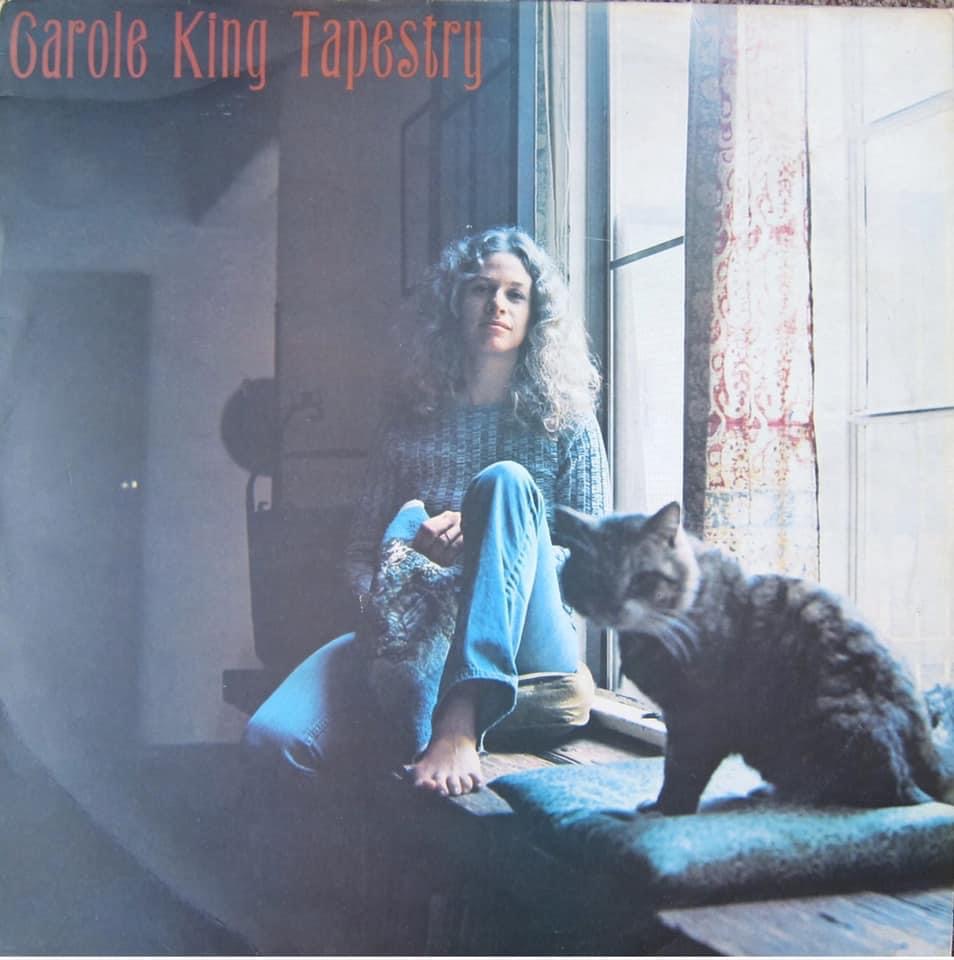
Carole King – Tapestry

The list has been light on female artists, but that’s about to change. I first heard of Carole King when I was 9 or 10 and read in the Guinness Book of World Records that this was the biggest selling album of all time. I couldn’t believe that anyone could outsell The Beatles or Elvis Presley. She is one of my wife’s favourites, and I’ve certainly been familiar with her work over the years – I already knew more than half the songs here (though maybe not her version – King’s considerable success as a performer probably ranks second to her achievements as a writer for others), but never once gave them a careful and respectful listen.

The problem with visiting the past is I’ve heard so many imitators over the years that it’s hard to define what made this so great in 1971. That’s where the unfamiliar tunes become so helpful in making sense of an album’s merits: you get to recreate the (in this case) 1971 experience of putting the needle on the record and settling in for the ride. The soulful “Way Over Yonder” stands out (shocked to learn this has never been covered by a major black female artist, though Blessid Union of Souls killed it on a tribute album). Her slowed-down “Will You Love Me Tomorrow” highlights the song’s pathos (and it was a bit of a rush to hear James Taylor on the chorus). “Smackwater Jack” is a high energy rollick with a bluesy (for King, anyway) feel. I was sort of annoyed by “Tapestry”, but I’ll chalk that up to my natural aversion to songs that seem to be working too hard to convey some deeper analysis of the mysteries of life. (It’s pop music, for God’s sake.) But what an ending. I felt actual chills (goose-bumpy, nipple-stiffening, who opened a window in January? chills) when she sang “(You Make Me Feel Like) A Natural Woman”. King wrote it, but the chutzpah involved in taking on a song OWNED by Aretha is the ultimate sign of an artist in complete control and brimming with confidence. I also sort of love that she put a TON of money in her ex-husband’s pockets by covering three songs that they wrote together. Those royalty cheques must have felt a bit like a stabbing to Gerry Goffin. What a power move. Well played, Carole. Well played.

(Originally posted on Facebook, April 11, 2021)