
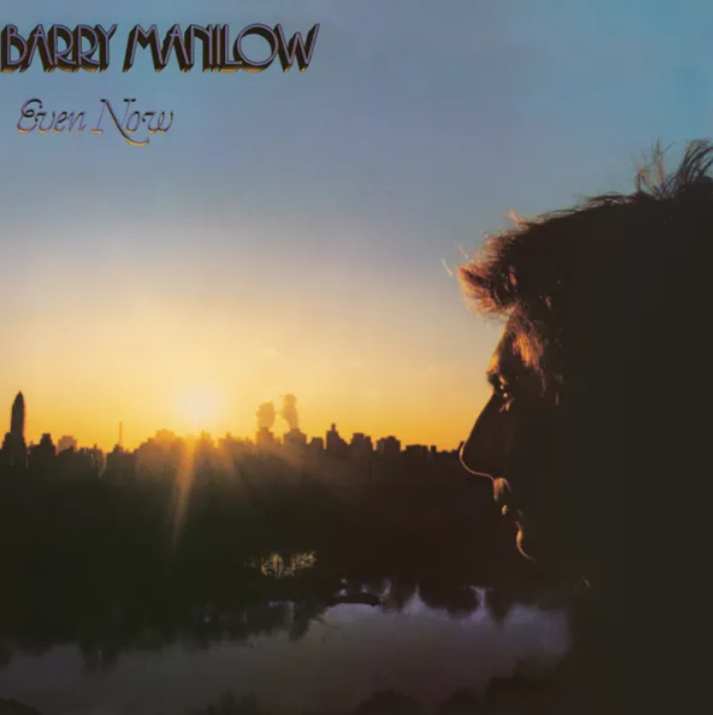
Barry Manilow – Copacabana (At the Copa)
There may not be any more dangerous combination of inspiration and idiocy than that which can be found in the soul of a 14-year-old boy. Put two of them together, and the rise in these elements is exponential. I offer this as a warning note about the misogyny and homophobia that Kirk Boutilier and I got up to in the summer of 1978.
Let’s first step back a bit further. In 1974, in a fit of jealousy after my father complimented something that my brother Stephen wrote, I wrote a play. Called “The Magic Key”, it was as good as you might expect something written by a 10-year-old to be. Amazingly, I had open-minded and encouraging teachers, and very game classmates, and soon we were mounting said play in a travelling road show for the dozen or so classrooms of students at my elementary school. It remains the commercial peak of my artistic efforts.
In fall 1977, “Soap” made its television debut, and despite protests in the U.S. about its content, including a prominent gay character, and the late hour at which it aired (pre-home recording, I must add), it was a very popular show among the junior high set. Kirk got the idea to rewrite my little play in the style of “Soap” – basically by making my king character a misogynist and my prince character a barely closeted queen – and we were off. Thankfully, we ran out of steam a few pages in, but soon Barry Manilow came along with a song that was ripe for adolescent parody.
I’m not embarrassed to admit that I liked a lot of Manilow’s songs while growing up, and I frequently revisit his 1984 album of soft piano faux jazz, “2:00 AM Paradise Cafe”. (The graceful lead single, “When October Goes”, was a top 10 adult contemporary hit.) He is truly part of the tradition of great showmen, and his knack for conjuring up a catchy melody (before pop success, he wrote jingles for commercials) – despite having many of his biggest hits with songs written by and for others – doesn’t get enough credit. He was always a punchline for people who took music seriously, regardless of genre, though other artists seemed to appreciate him: his work with Mel Torme inspired a bit on “Night Court”, and the Australian indie pop band Smudge named their (quite awesome) 1994 debut album “Manilow” because, and this is a direct quote from their frontman Tom Morgan, “he’s really cool”. (Words spoken by exactly zero other people.) And he was successful: between 1974 and 1980, he had eleven top 10 singles and seven top 10 albums, while winning three-quarters of an EGOT.
“Copacabana (At the Copa)” is the rare song where I know with reasonable certainty when and where I first heard it. It was released as a single in June 1978, but on February 24 of that year, the song made its broadcast debut on “The Second Barry Manilow Special”, which I watched while sitting – likely on the floor with legs in the lotus position – in our living room. I’m only reasonably certain because I can’t confirm that it aired on CBC or CTV (whichever Canadian network picked it up) as a simulcast with its American originator. I only know that I saw it and heard it at the same time, and I was wowed. (If you have the patience for a longer clip, you can see the breathtaking shirt that he wore on the special.)
Manilow was mostly known for ballads (“Weekend in New England” was the first of his 45s that I owned), so an up tempo tune with a Latin beat – a sort of tropical disco – was not what listeners were expecting from him, though it shouldn’t have been too much of a surprise to anyone familiar with his earlier time spent as Bette Midler’s accompanist at a gay bathhouse. (I was not one of those people: remember, I was 14 and this was before the internet.) It’s super fun to listen to – you can find lots of folks dancing to it at varying skill levels on TikTok – opening with a sort of bongo drum that is then matched with a metallic beat, followed by swirling strings and syncopated disco-esque wah-wah sounds. The joyful music hides the sad tale of the young love between Lola and Tony that reaches its tragic end when Tony falls to a bullet fired by or on behalf of douchebag Rico, leaving Lola to age gracelessly, returning to her old haunt for a reminder of the life that could have been. There are pseudo horns along the way, layered female backup singers and callbacks to the sound of classic Hollywood musicals (Gene Kelly would’ve danced the stuffing out of this song). There is not a single second of the song that isn’t completely in love with the idea of itself, and it’s an infatuation that is earned with every melodramatic note.
As for our play, Kirk is gone now and can’t defend himself, and I’m here and have no defence beyond immaturity. It was awful, and I am reasonably certain (subject to digging through the Poirier family archives at my mother’s house) that the single copy long ago met its richly deserved ending in a Nova Scotia landfill and has passed the point of complete and utter decay. Our Manilow parody was similarly puerile and idiotic, with references to marijuana, sex and other matters about which I at least – I won’t speak for Kirk – had only theoretical knowledge. Although my old brain is tragically still using up badly needed memory real estate for every last line that Kirk and I came up with, I will not share them here.
Manilow is 81, and while the voice has naturally faded from the Grammy-winning high of “Copacabana”, he’s still performing, and is even touring the United States this summer for what he claims are going to be his final visits to a lot of cities. For a man who has repeatedly said he never wanted to be a singer, he turned out to be one of the most charismatic and enduringly beloved performers of his generation. And while “Copacabana” was never as successful in its time as other Manilow songs like “Mandy” and “I Write the Songs”, it’s the tune that always feels to me to be the one that shows Barry’s true essence: a man who throws every bit of himself into entertaining his audience. As fans, we can ask for no more.

 PopNotes