
Ultravox – Dancing with Tears in My Eyes
Living during the Cold War, you could never entirely shake yourself free of the concern that your life might end in a nuclear war. I haven’t thought of this in years, but this was something I was genuinely worried about in real time, to the point of adding scary dreams about this potential war to my other major sleep time worry: my mother driving our car over the cliff and into the water at the end of the road that we took to get from Little Pond to Alder Point. Part of that was the unavoidable reality of our geography: the missiles fired by the United States and Soviet Union stood a good chance of flying over our Canadian heads. Whether through a misfire, an intentional shot at America’s most faithful ally or just the subsequent fallout, Canada was as likely as anywhere to be a hellscape after the bombs stopped falling.
This seemed to become more prominent in pop culture after the near-disaster at Three Mile Island in March 1979. Over the next decade, major films with a nuclear war/reactor element included “The China Syndrome”, “The Day After”, “The Dead Zone” (Martin Sheen has never been more chilling – he makes Christopher Walken’s future-seer seem rational), “Terminator”, and, the champion of all such films, 1983’s “WarGames”, which gave me a long-lasting crush on Ally Sheedy and a deep mistrust of video games. In literature, heavyweights like Martin Amis and Bernard Malamud weighed in on the subject. And in music we had such songs as Nena’s “99 Luftballons”, “Def Con One” by Pop Will Eat Itself (I had forgotten this fantastic song, with samples that include a chilling use of Lipps Inc.’s “Funkytown”), “Walk the Dinosaur” from Was (Not Was), Frankie Goes to Hollywood’s “Two Tribes”, and “I Melt With You” by Modern English. I did not realise until seeing them on a comprehensive Wikipedia list (and I don’t entirely trust the inclusion of all entries) that some of these were even about nuclear concerns. The subtlety of great pop music continues.
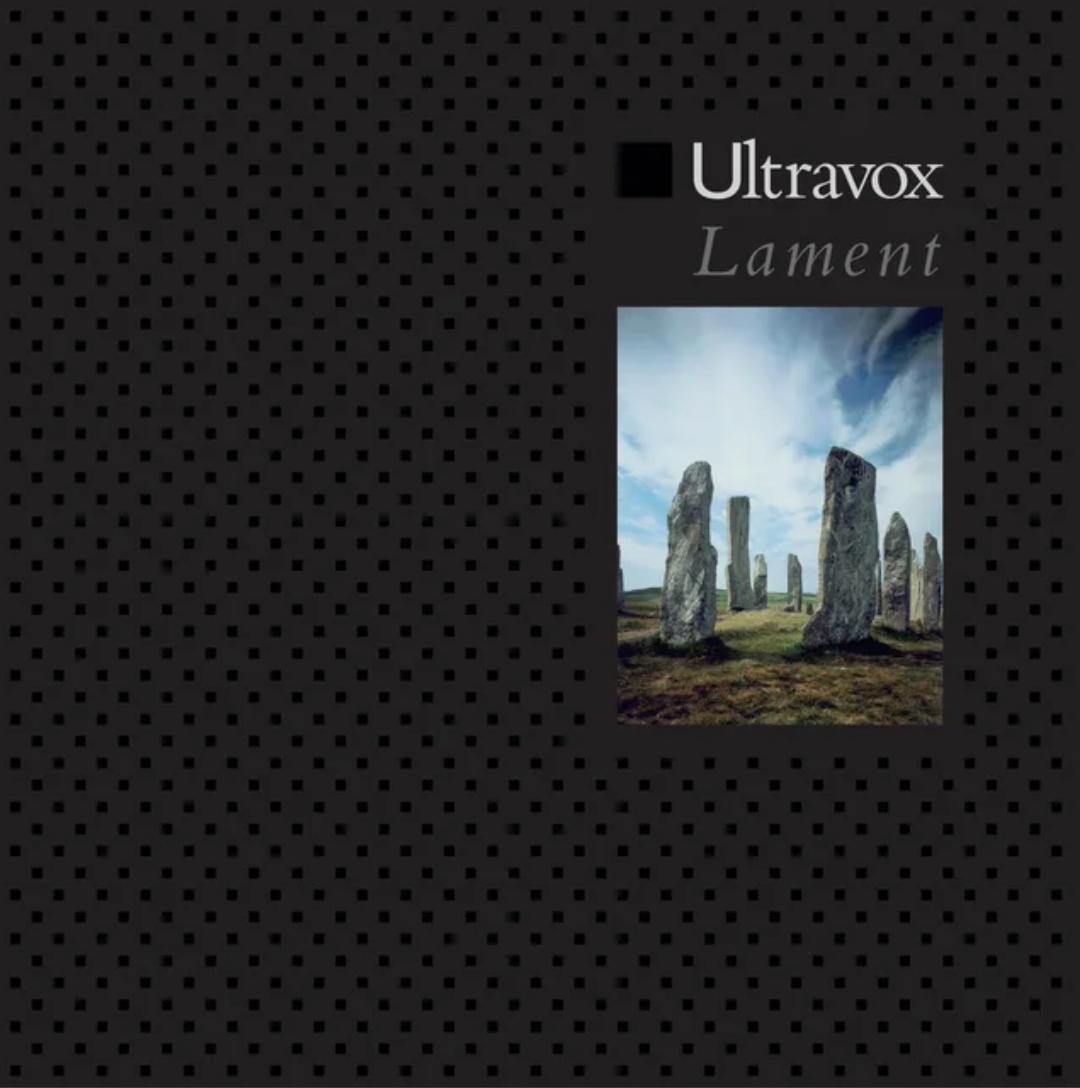
For me, though, the most compelling – and therefore terrifying – of these came from Ultravox. The band has released 11 albums, and I am pretty certain that “Dancing With Tears in My Eyes” is the only one of their songs that I know. (Frontman Midge Ure’s Canadian #12 “If I Was” from 1985 doesn’t count, nor does his writing and production work on “Do They Know It’s Christmas?” (Sidebar: Why doesn’t Ure’s role in this charitable work that is also a great song – as opposed to, say, the self-important dreck that is “We Are the World” – get the same attention as Bob Geldof’s? Feel free to discuss among yourselves.)) I only ever bought one of their records, the 1984 album “Lament”, and that was just so I could get this song, which I’m pretty confident is the only track I ever played. Sorry, guys.
As I have mentioned previously, I watched a lot of music videos in the first half of the 1980s, and I am quite certain this is how I was introduced to “Dancing With Tears In My Eyes”. The images from the video have always shaped my perception of the song, even though I hadn’t seen it in at least a decade and probably a lot further back than that. On the cusp of a nuclear reactor failure, a man rushes to get back to his wife and child. Everything is either dark or washed out, bereft of colour, as they drink their last drink together, dance their last dance, and, presumably, make love for the final time. Then, as they lay together, a window blows out, light floods the room, and it’s over. We see their home, emptied of life, before ending with an extended selection of brightly coloured and lively home movies of happier days, before the film melts in the apocalypse.
That’s the video, of course, but the song is awfully potent without it. Against a synth-and-drum-machine-heavy new wave beat, Ure’s vocal is taut, pained, desperate. Opening with a thumping like a sped up heartbeat, then a quick drumbeat and power stance guitar strokes, Ure explodes without any preamble into the chorus and the title line, with spine tingling keyboard in the background, just outside of your direct notice. The tempo never really changes, but the verses feel less rushed than the chorus. The lyrics speak of things already lost – a life gone by, a love that has died – but we aren’t there yet. Through each verse, the final moment looms, and there is soon a resigned and even grateful acceptance of the unavoidable. And then, with the word “time” repeating like a warning cry, there is no more. Guitar rises, and we get one more run of the chorus before the song draws to an end, fading at first, then simply over.
I know that sounds like I’m putting an awful lot of weight on a pop song. But there’s a reason why this still hits me hard after 39 years.
I thought this was a hit in Canada, but it only peaked at #52 on RPM’s weekly chart. I guess my perception was skewed by seeing it three times a day on MuchMusic and regular plays on southern Ontario’s leading (only?) alternative radio station. It did better in Europe, and is the band’s second biggest song after “Vienna” (which did not chart in Canada or the U.S. and rang no bells when I listened to it). They played it at Live Aid in 1985 – I think I had the same shirt (or at least a lower-priced knockoff) that Ure is wearing – but there was no bump in popularity on this side of the pond.
With Putin-related terrors a constant in our lives, I’ve been expecting a revival of 1980s nuclear angst music, but so far that does not seem to have happened. If you read the YouTube comments under the video (try to ignore the political stuff), you will see a lot of people who feel as I do about the song and video, including its relevance to today’s world. At the same time, the film “Oppenheimer”, and its account of how this awful story began, is almost upon us. Time passes, and we make the same mistakes, and live with the same horrors. Music, at least, can be a tiny respite from that, even when the song scares the crap out of you. And if you need a happy ending, there’s always “WarGames”.
 PopNotes