
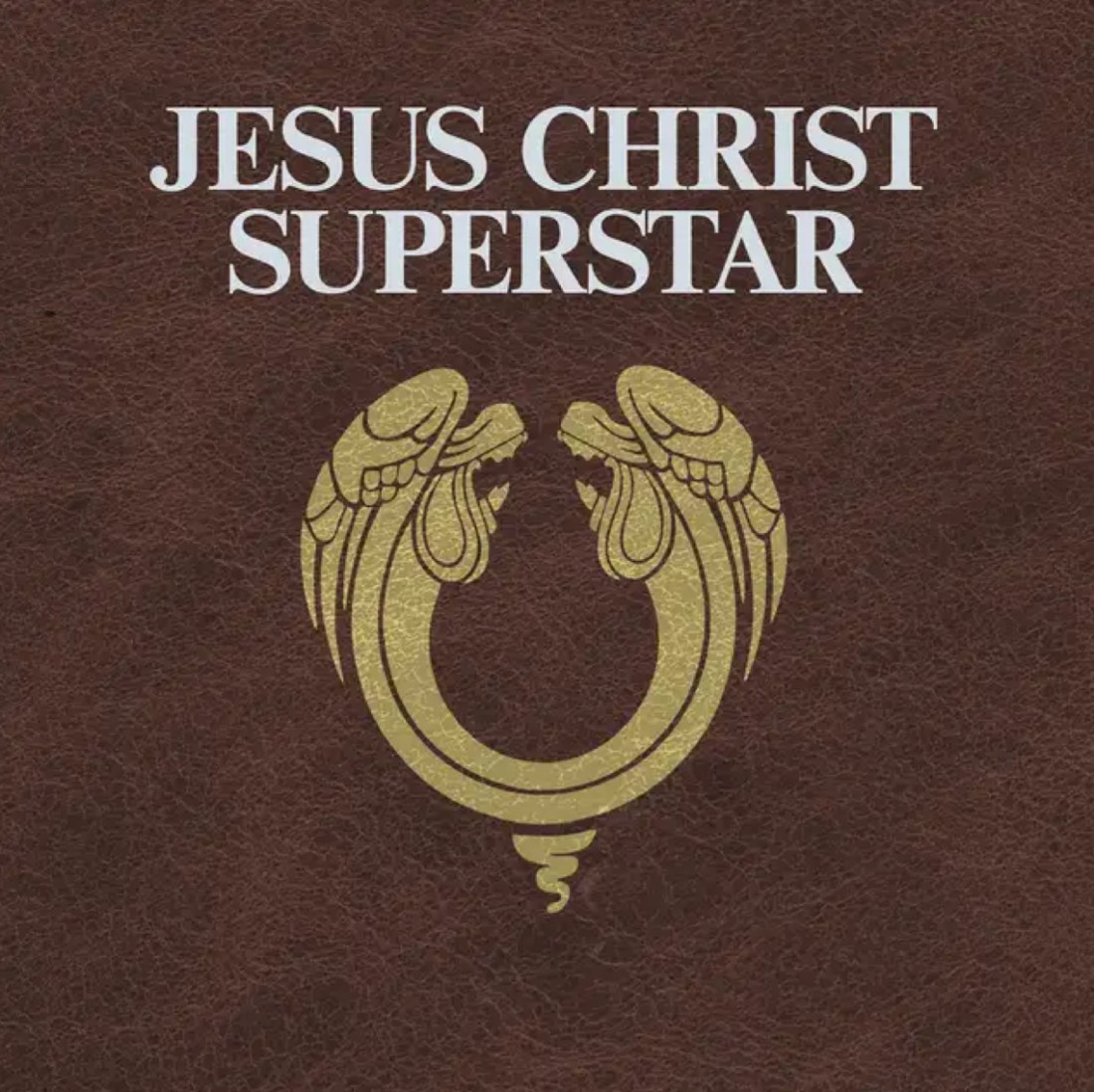
Murray Head or Carl Anderson – Superstar
Growing up Roman Catholic, the Easter season was defined by food. Ash Wednesday marked the beginning of Lent and the time of deprivation (and, when I was younger, a good reason to get out of washing my face for a day or two), but it was immediately preceded by the pancakes of Shrove Tuesday. The season would end with Easter Sunday, and a bounty of chocolate and other sweet delights. Between these two high points, the lows of Lent forced you to make the significant sacrifice of denying yourself for a time certain things you loved to eat, such as pickled herring, blood pudding or head cheese. It was challenging, but I can say with absolute certainty that I never broke my Lenten vow to not eat any of these treats.
It was also marked by going to church a few extra times. My mother was pretty diligent about getting herself and her offspring to Sunday services most weeks, and there were even occasional sightings of my father at such times. Easter upped the tally, with Ash Wednesday and Good Friday added, and throughout Lent we got to hear in even more detail than usual about how Jesus died for our sins so we’d better get our acts together, and soon.
What I remember in particular about the services around Easter is the priest singing. The churches we attended often had a choir, so the man at the pulpit did not typically get involved with the musical portions of the show. At Easter, however, during the portion of the mass that covered the Passion (with Jesus’ words in red type in our little missals), the priest would sing intermittently, and this may have been my favourite part of the show. I have never been a fan of liturgical music – too turgid, utterly lacking in subtlety, and often performed by people whose ability does not come close to matching their faith – but something about listening to a priest give it that old college try because the Pope said he had to warmed my snotty little heart. The singing was usually, umm, uninspiring, but you had to respect the effort.
It might’ve been simpler if they had just played the entirety of Tim Rice and Andrew Lloyd Webber’s “Jesus Christ Superstar” for us, but it had been greeted on its arrival in the early 1970s with protests by both Christian and Jewish groups, a fairly impressive accomplishment on its own, and the Church was not of a mind to encourage us to pay it much attention. I never listened to the entire album until sometime in the last decade, though I did watch the movie late one night on our local CTV station when I was in high school. It was probably during Easter that it aired, though “Ben Hur” (a man who was not unfamiliar with Jesus) was always the movie that marked the season for me. As for religious adjacent music, my go-to was the same composers’ “Joseph and the Amazing Technicolor Dreamcoat”, which I was introduced to by my junior high school music teacher and which still sounds pretty good today.
My wife, however, loves “Jesus Christ Superstar”. She has seen it on stage, watched the movie at least five times, and listened to the soundtrack many more times than that. Our local repertory movie theatre is hosting a sing-along showing this Easter Sunday, and she would fit right in with that crowd. I would probably recognize – but not know well enough to fully participate – maybe five of the tracks. On the other hand, I put “Joseph . . .” (which I had once owned on vinyl) on this weekend for the first time in at least 20 years and it instantly came back to me.
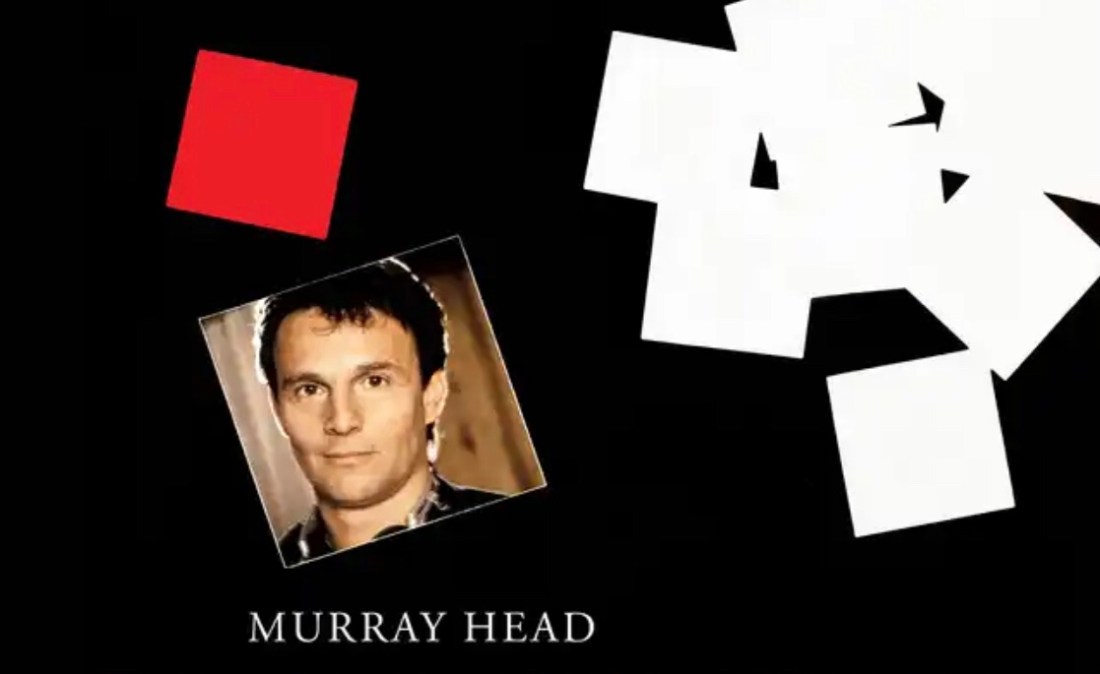
But even casual appreciators of the entire opus know “Superstar”. Originally sung by Murray Head (the casts of the earliest stage productions and the 1973 film were loaded with future pop hitmakers – Yvonne Elliman, Paul Nicholas, Paul Jabara, Carl Anderson – but Head got there first), it starts with a booming orchestral flourish, stirring up your blood, then detours to become a funk rock jam. I like Anderson’s version from the film over Head’s: it’s a lot less yelly to my ears, more subtle and consistent with the music. But it was Murray who made the charts.
Judas – who has recently taken his own life after betraying Jesus (yet seems to be coming down from heaven in the film) – questions his former friend and leader about his choices and how they lead him to his current unfortunate circumstances (that is, incredible pain as he dies on a cross). The lyrics have a humour that might be unexpected in view of the subject matter and for fans of later overwrought works from Webber, with Judas wondering why Jesus chose to show up at a time when there was no “mass communication” or asking if the stories about Mohammed’s miracles are just hype. For such weighty material, it’s an awfully peppy song: I think you’d be hard pressed (fans of Christian rock may dispute this) to find another song that makes the Crucifixion seem like a good ole time. And it does a great job of restoring Judas’ humanity after almost two millennia of being painted primarily as a villain, when any honest consideration of Scripture can only lead to the conclusion that he was playing a part that had been foreordained and without which there could be no salvation for man. If you believe all that stuff.
Whether you consider the Bible to be absolute truth, total malarkey or a mishmash of fact and fiction, its staying power – like all the classic documents of faith – is impressive. That doesn’t mean it is above reinterpretation: Christians may claim otherwise, but it is in the end a book written by frail humans, whether they were inspired by a higher power or not. “Jesus Christ Superstar”, a controversial work in its time, seems not to bother people much anymore. We certainly haven’t become more tolerant of differences in others, and a less cynical person might say it’s thanks to the power of music to bring people together. Whatever your faith, or lack thereof, we can all agree that when a song rocks, it rocks, and “Superstar” does indeed rock. For roughly four minutes, we can focus on that, and put the rest aside.
 PopNotes