Pazz and Jop 1974 #16 (tie)

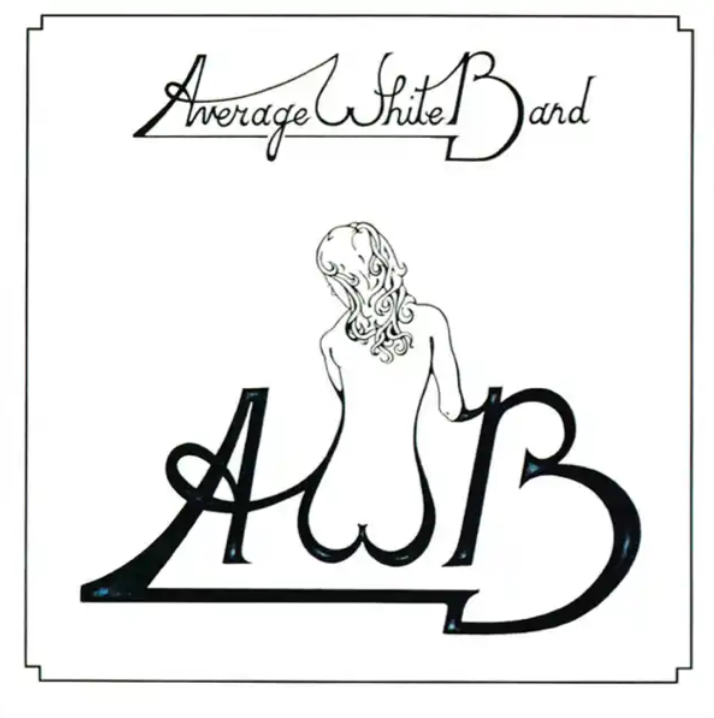
Average White Band – Average White Band

Isaac Newton – a pop idol of sorts among the smarter set when he was in his early 20s – famously tweeted that “If I have seen further, it is by standing on the shoulders of giants.” Newton was of course referring to how his work built on the work of those worthies who came before him. Pablo Picasso added his own thoughts (more or less – the exact quote and its originator are contested) to the nature of that behaviour when he blogged that good artists borrow from others, but great artists steal. This wasn’t about plagiarism: it was about taking inspiration from the world, including its art, and making it into something distinctly your own. The challenge for the critic (which I guess I sort of am in this scenario, for lack of a word that more accurately describes whatever the hell it is I’m doing here) is deciding how good a job they think the artist is doing in managing that relationship between their influences and their own creations.

(Let me jump in here – basically to interrupt myself – to say that I seem to have an ulterior motive of slipping in bits of the most half-assed liberal arts education ever into my music posts. Citing Newton and Picasso in a piece about the Average White Band? What a poser, right?) (If I spared you from having to formulate that notion on your own, then you are welcome.)

The above seems like a lot of intellectual baggage to be hauling around when considering an act as slight as Average White Band, but they might be the perfect lab experiment for this exercise. They were the real life Scottish version of The Commitments: a bunch of white British Empire kids besotted with Black American musical forms. Whereas the cinematic Irish musicians did covers of soul and R’n’B classics, AWB filtered that love through their sensibility to come up with their own thing. But was that thing worthy of a spot on the Pazz and Jop when so many of the other acts on their AllMusic similars page didn’t get the same level – brief though it was – of acclaim?

First, let’s consider the band’s name. It was reportedly suggested by another white person, Bonnie Bramlett, whose music I’ve never listened to out of loyalty to Elvis Costello, even though he absolutely deserved the punch in the face that she gifted him. It feels problematic these days, and the album cover’s sexualized drawing doesn’t make it more welcoming. The name is sort of clever, a knowing wink that they are kind of an oddity, since there was nothing average about this group of people playing this type of music in this particular era.

But what really matters is what’s in the grooves. The album is a nice listen, so long as you keep your expectations at a reasonable level. It is definitely funk adjacent, but what we really end up with, for all their love of funk, is blue-eyed soul. They try, oh they do try, but the overall feel is as funky as a Pablo Cruise record. (This is two Pazz and Jop posts in a row where I reference Pablo Cruise; clearly, that band had a lot more impact on me than even I knew.) And as much as I loved Pablo Cruise in the late 1970s, it’s safe to say that if you are making records that sound even slightly like theirs, you are on the borrowing side of Picasso’s dictum, not the stealing. It’s what I think of as wallpaper music: a pleasing bit of background noise that you don’t have to work too hard to appreciate. And that’s okay: not every record needs to melt your brain. It’s the kind of record that will work for pretty much any audience, and every song succeeds in fulfilling its ambitions. “You Got It” and “Keepin’ It To Myself” feel like peppier Michael McDonald era Doobie Brothers tracks (the vocal on the chorus to the latter tune might be my favourite thing on the record). “Work To Do” (my favourite song overall) is legitimately soulful, and there are in fact some funky (if not actual funk) gems: “Got the Love” feels like something that a real funk act might play on one of their lazier days, and “Person to Person” is a kind of sexy disjointed grind up.

Even considering the above, let’s just not pretend that anything particularly original is happening here.  I have a hard time believing that anyone could listen to this trifle as many times as I have and still come away thinking it was one of the best things released in any year. It certainly hasn’t maintained its place in the musical firmament: only the chart topping instrumental “Pick Up the Pieces” is likely to have reached your ears serendipitously over the last three or four decades. But maybe I’m being unfair: the problem with a retrospective approach to art is that it’s hard to place something in its original context. Maybe this sounded incredibly fresh and unique in 1974, but I highly doubt it: more likely it was because this music appealed to a bunch of white guys of a certain age, while more adventurous work by such artists as Robert Wyatt, Kraftwerk, Richard and Linda Thompson, Sparks, King Crimson, Tangerine Dream and (surprisingly) David Bowie just didn’t seem as sweet as the comforting sounds of men just like them living out their rockstar dreams. There was a lot of that happening in the Pazz and Jop in 1974, and I regret to advise that more of it is coming up. Things got better in 1975 (Patti Smith! Springsteen! Willie Nelson! Fleetwood Mac!), and started going nuts (in the best possible sense of the word) in 1976 before reaching peak craziness in 1977 and 1978. Let’s just get through the next few records together: I promise that the future is going to be a lot more fun for me as a writer, for you as a reader and for all of us as lovers of great pop music.
Pazz and Jop 1974 #14

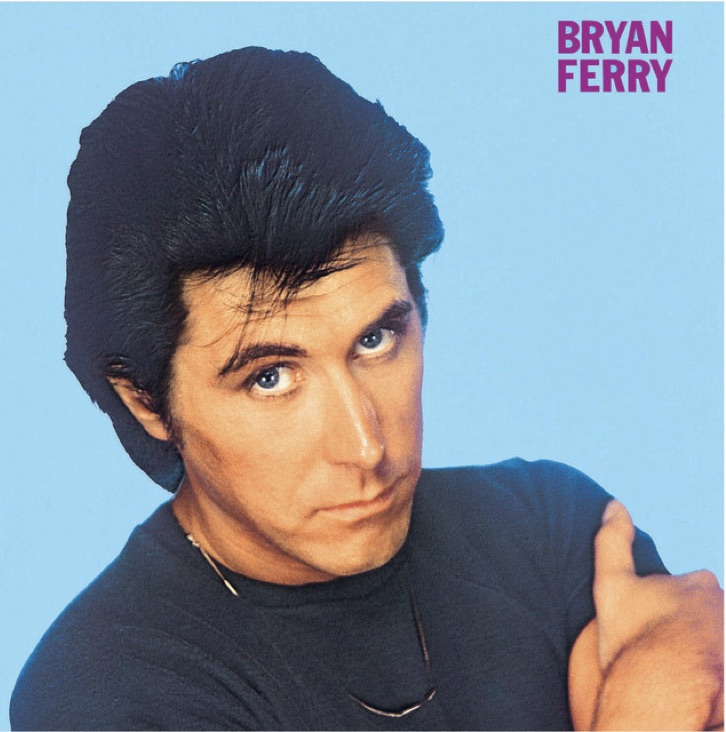
Bryan Ferry – These Foolish Things

I’m not a fan of early Roxy Music, and to go by his first solo album, frontman Bryan Ferry may have been having some issues of his own with the band’s quirky and often uninviting output. His apparent solution was to do an album of nothing but cover versions, and if you’ve been playing along at home, you know that’s catnip to this tabby. I love this album from wackadoodle beginning to heartfelt ending, but it doesn’t mean it all works equally well. To truly appreciate a cover, you need to also know the song that’s being reinterpreted, and that doesn’t always go to Ferry’s favour. (Here’s a little playlist that I made if you want to do your own comparison.)

Let’s get the misses out of the way first. To adopt my late Uncle Brad’s comment on something reckless I had done, it takes more balls than brains to cover a Smokey Robinson song, and maybe he’d have been wiser to stay away from the luscious perfection of The Miracles’ “The Tracks of My Tears”. His innate eccentricities likewise get the better of him when he tackles The Beach Boys’ “Don’t Worry Baby”, losing the simple romanticism of the original. Finally, on “Piece of My Heart” he is competing not only with the well-known Janis Joplin version, but the blistering, heartfelt, tear the MFing roof off original from Erma Franklin, and Ferry’s kind of goofy take is no match for the vocal chops of Aretha’s older sister.

Another weird thing that shows up on some of these covers is a sort of vocal vamping, like it’s “Rocky Horror Picture Show” night for the bottom two queens on “RuPaul’s Drag Race”. It’s really noticeable on Lesley Gore’s “It’s My Party”, which – sidebar – I now see as an empowering tale of a young lady with an IDGAF attitude who is owning her right to be publicly miserable because she’s been screwed over by a jerk, no matter how awkward it is for everyone else.

Some of the songs that work best have a tempo that is sped up from the original. Bob Dylan’s “A Hard Rain’s a-Gonna Fall” goes from stately protest song to rollicking madhouse rant. The Everly Brothers lite of The Crickets “Don’t Ever Change” is turned into a dance tune, with handclaps and dramatic piano. It will put a smile on your face, but also leave you questioning his intent: it is never entirely clear when Ferry is being serious or putting us on, when he’s being a romantic or a dick. And the wispy sweetness of The Paris Sisters’ “I Love How You Love Me” becomes a raunchy, sexual doo-wop: instead of letterman jackets and fraternity pins, there’s dance floor groping and couples being pulled apart by watchful teachers. 

Some of these songs just seem to fit Ferry better than their originators. It is blasphemy to say this about one of my favourite Rolling Stones tunes, but Ferry’s weirdness makes for a believably slick Satan as opposed to Mick Jagger’s seductive version in “Sympathy for the Devil”. His more mature sounding voice strips away the sweetness that Paul McCartney brought to “You Won’t See Me”, making for a more accusatory tone that better fits the lyrical content of a messy romance in its endgame. Likewise, there is a deeper tone and a more desperate vocal in his version of Four Tops’ “Loving You is Sweeter Than Ever”, so that Ferry does a better job of drawing the listener in to the celebratory tale of finally finding real love by dropping his cool for a moment to show the emotion he feels. Finally, the album ends with the oft-covered title track, which starts out like a piano bar lament, with the tempo rising as Ferry ticks off the little things that remind him of his lost love. But it’s a jaunty tune, and never maudlin: he misses his lost love, but has no regrets about it.

In the end, Ferry followed his muse, and while I don’t think it’s entirely successful, it’s still a lot of fun, just a guy singing songs that he loves the best way he knows how. There are two Roxy Music records coming up when I reach 1975, and dear God, I hope some of that fun stuck around for those albums.

Pazz and Jop 1974 #11

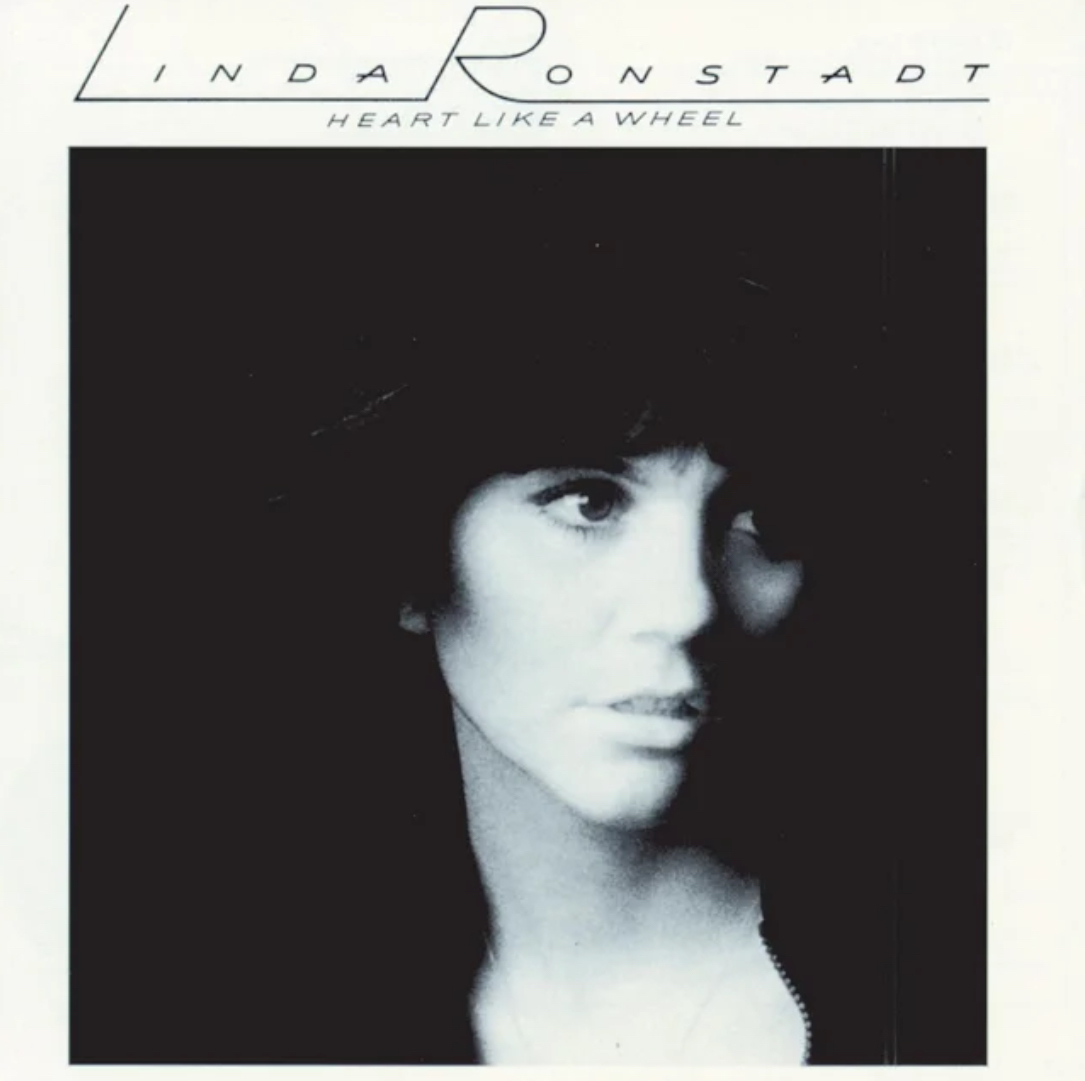
Linda Ronstadt – Heart Like a Wheel

When you decide, as I have, to put on the record your opinion about something, that opinion had better be right. Not “right” in the sense of true or false (since I believe there is no such thing when it comes to music), but in the sense of being a true expression of what you believe. Because while it is fine to change your mind over time, you should at least be clear about why you had a particular opinion in the first place.

With that in mind, I ask: How many chances should you give an album to win you over? The question matters a lot to me because, tragically, I’m beginning to think I need to listen to “Aqualung” again. For Linda Ronstadt’s “Heart Like a Wheel”, after three plays I felt completely lukewarm about it. I was sitting on my couch, writing an earlier version of this post, with the album in the background for a fourth run through, when I unexpectedly found myself singing along. Up to that point, I was certain I was the wrong audience for this record. That’s the best explanation I could come up with for why I found most of it so, well, bland.

I was not a Linda Ronstadt fan growing up, though her music was a regular part of my listening diet in the 1970s thanks to its prevalence on CJCB. It was sort of perfect for that time and place, with a blend of folk and country influences filtered for a pop audience, making it something you could play at any time of the day. “Heart Like a Wheel” produced hits on the pop and country charts, and the artist who could pull that off was catnip for a split format station like CJCB. My feelings about her music weren’t helped by her wussy cover of Elvis Costello’s “Alison” in 1979 (which still sucks), yet a year later I rather liked her turn to a rockier sound with the hits “How Do I Make You” (the songwriter was influenced by “My Sharona”, so I was helpless not to like it) and “Hurt So Bad”.

I never felt compelled to listen to any of her albums, and wouldn’t have now but for the Pazz and Jop showing this one so much love. So, here we are. Which is where?

Here’s the thing: I tend to like music that surprises me the first time I hear it, and I almost never felt surprised by the sound of this record. It’s all very professionally done, with excellent musicianship (shoutout to Andrew Gold especially) and that luscious voice. But I almost never thought, “Huh, I didn’t see that coming” or “That’s an interesting choice” with this record. There are a few of those moments – when JD Souther joins in on “Faithless Love”, the epic soundscape of “The Dark End of the Street”, her attempt to sound like a McGarrigle on Anna’s “Heart Like a Wheel” (and the strings on said track), the guitars on “Keep Me From Blowing Away” – but mostly it’s just Linda being Linda, which is pleasing enough to the ear, but did little for my soul.

This situation wasn’t helped by all but one song being a cover, so not only did I already know several of these tunes, but I could also check the others against the originals. (Here’s a playlist of those tracks.) Her “You’re No Good” lacks the impertinence of Dee Dee Warwick’s. James Carr’s “The Dark End of the Street” has a sense of danger that is lost when Ronstadt sings it. Even my general lack of interest in southern rock isn’t enough to make me pick her version of “Willin’” over Little Feat’s. You can’t argue with her taste: these are all great songs. I just kept wishing she had done something more daring with them.

But the twist was that the more I listened to the album, the more interesting it got, though it’s an emotional complexity, not a musical one. She imbues “The Dark End of the Street” and its tale of forbidden love with great depth of feeling, and you almost feel the pain of the lost soul in “Keep Me From Blowing Away” (the pedal steel guitar does some heavy lifting here). (Also, check out My Chemical Romance’s “Welcome to the Black Parade” – the slowed-down opening of that anthem feels like it jumps off from the latter tune.) My favourite is the album’s closer, James Taylor’s “You Can Close Your Eyes”, and it feels transcendent when her voice rises on the second line of the chorus. 

It was a roller coaster ride, and what I am left with is a record that I sort of begrudgingly love, or at least a big chunk of it. My adoration of cover versions isn’t without limits: I don’t need Linda’s “It Doesn’t Matter Anymore” when Buddy Holly’s is already perfect. It doesn’t all work, but the parts that do are sort of miraculous in their ability to make your spirit soar. It makes me glad for that fourth listen (and I’ve since added a fifth), even if it means that another date with Jethro Tull probably awaits me.

Not the Pazz and Jop 1973 #16

The Wailers – Burnin’

After my previous encounter with a reggae album, I promised myself I would be better informed about the genre the next time such a record came along. That didn’t happen. So, after multiple plays of “Burnin’”, I finally did it. I listened to albums from Peter Tosh, Burning Spear, Toots and the Maytals, and The Upsetters. And now, having been exposed to a broader selection of what the genre has to offer, I’m still not sure how I feel about reggae. I can, however, say one thing with a fair degree of certainty: I don’t much care for Bob Marley’s form of reggae. (A hush falls over the room.)

Not liking Marley can be a problem if you’re new to the genre, because he towers over it: the top five albums on Acclaimed Music are his. No one else dominates a genre the same way (though Springsteen comes close, with five of the top seven heartland rock records, which isn’t entirely a fair comparison, since it seems to have been invented just to give rock critics a box to contain Bruce). Unless you actively seek it out – at least so far as Canadian mainstream radio goes – you will hear Marley, and then more Marley, and, hey, let’s play some Marley.

There is no shame in that confession. Discernment is a big part of our experience of culture. I keep listening to Marley’s music and I just don’t care. This isn’t the distaste I feel for Jethro Tull, or the deep anxiety caused by most metal, or the loathing of everything related to Ted Nugent. I just don’t see anything to get my blood up about. It is pleasant enough to listen to, but doesn’t engage me – it’s just one song after another that sounds like the last one and the one that comes next. I wish it wasn’t this way – I may be missing out on something marvellous. But, like classical music and a lot of jazz, I am probably without that tiny strand of DNA that gets Marley. Marley sounds the way he sounds, and that’s just how it is. Just because a ton of other people love an artist does not obligate you to do the same. There are lots of celebrated rock/pop artists towards whom I am lukewarm: Dylan, The Who, Joni Mitchell, The Band, The White Stripes, Foo Fighters. I make different choices: give me more Elvis Costello, Fountains of Wayne, Mitski.

What I have learned is that there is a lot of fun music under the reggae banner. It isn’t all the plodding, uninteresting-to-my-ears work of the King. The Upsetters play dub, a reggae subgenre, and it’s playful and goofy and just a delight. Tosh’s record (“Equal Rights”) was very political, but it doesn’t get in the way of some lovely and really interesting beats, and Toots & the Maytals had me bouncing around my house.

As for “Burnin'”, “Get Up, Stand Up” is a justifiable classic, but I much prefer the version from Tosh, who co-wrote the song with Marley. I also prefer Eric Clapton’s (even though he is a racist POS) version of “I Shot the Sheriff”. And the rest is what it is. Like all reggae, it makes me feel like I’m by the pool with a rum cocktail in my hand as I drift off, feeling more relaxed than I have any right to be.

I know there will be more Marley in my future, and I will listen to it multiple times and write about it in this space, God willing. Maybe something will click. Maybe it won’t. But I’ll give it its fair due. Because that’s all any artist has the right to ask of us, and the one thing we should be willing to give them back.

Not the Pazz and Jop 1973 – #10

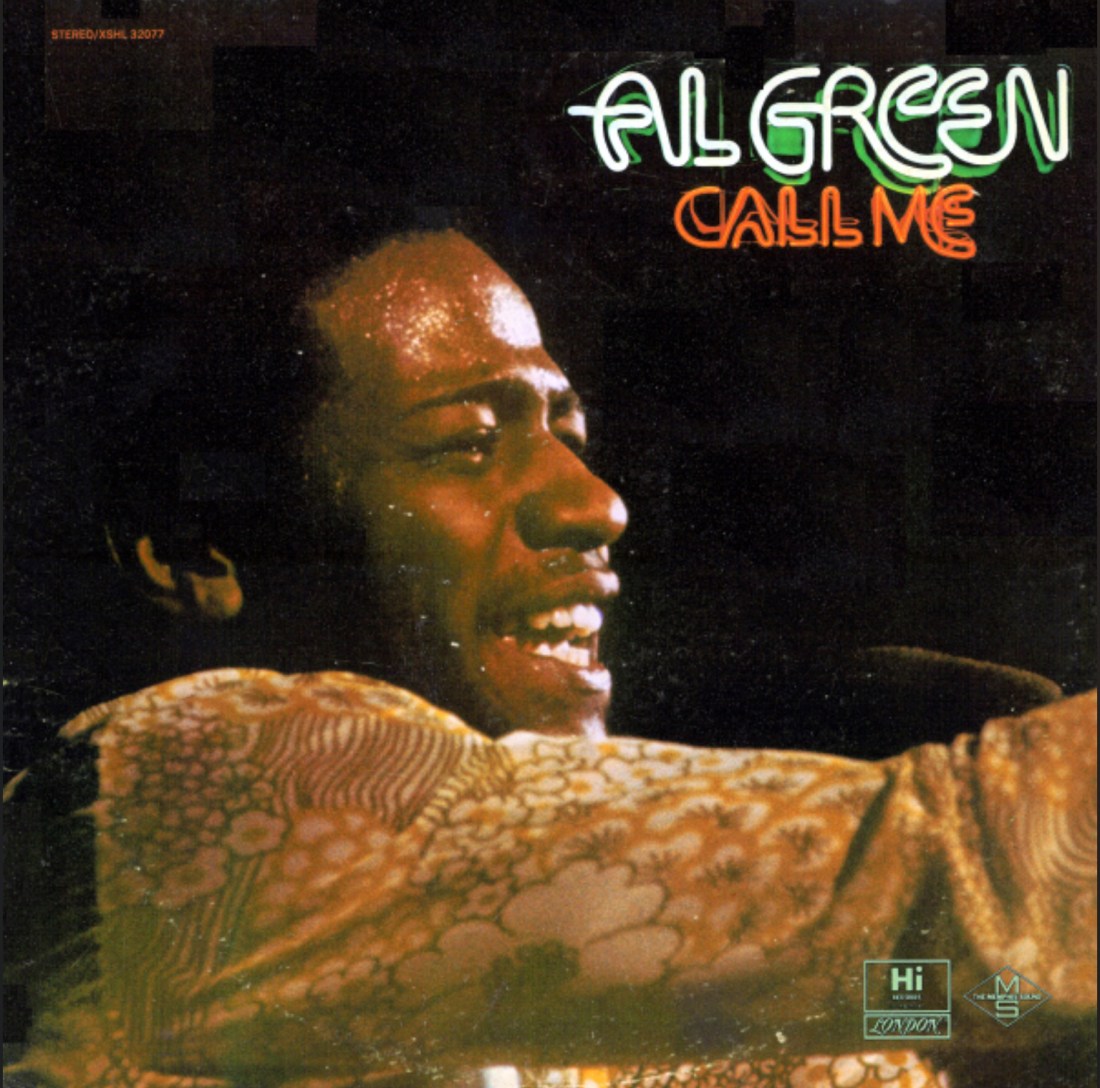
Al Green – Call Me

Al Green wasn’t part of my musical experience growing up, so it’s only in recent years that I have come to appreciate what an enormous star he was in the early 1970s. He wasn’t as successful in Canada – his biggest song here fell short of the Top Ten – but south of the 49th parallel he had six Top Ten singles, and a few others that came close, between 1971 and 1974. I was, however, familiar with his music through cover versions. There was Talking Heads’ late ’70s take on “Take Me to the River”, which was probably the only Heads song then known to casual Maritime listeners like myself, followed a half decade later by Tina Turner’s sultry (as if Tina could do it any other way) version of “Let’s Stay Together“, which was easily my favourite track off “Private Dancer”.

Al’s voice is often described as silky, but that really doesn’t do it justice. The word brings to mind smoothness, sensuality, luxury. There’s a strained quality to his voice: if this is silk, it has snags in it, little divots and tears where he gets caught, drops down, and modulates his instrument with changes in emotion. The result is a record that is never slick – yes, there are strings, because it’s an early ‘70s smooth soul album and I think there was a rule about that or something, but they are used very subtly, so the record never turns into easy listening dreck. It’s a sly and quiet record – even the more up-tempo tracks don’t pass muster as dance-worthy.

My favourite of the original songs are “Stand Up” (love the horns in the chorus) and its exhortation to take control of your life, “You Ought to Be with Me”, and the album’s closer, “Jesus Is Waiting”. He hadn’t become Reverend Al yet, but even outside the not-so-subtle latter track, there is a spirituality to the music, or at least a life-affirming positivity, that shows the direction he was headed in.

Al knows his way around a cover himself and his takes on two country classics are highlights. In both cases, I listened for the first time with that sense of something familiar being encoun­tered in a strange place, like running into an ex at your usual hangout. The record’s strongest vocal is on “I’m So Lonesome I Could Cry”, as he muscles the Hank Williams’ tune into becoming a soul song without losing its connection to the original.

Another highlight is his take on “Funny How Time Slips Away”, which is a natural fit for Green – though originally recorded as a country song, more soulful versions have found greater chart success, from Jimmy Elledge’s blue-eyed version to Dorothy’s Moore’s powerhouse gospel-tinged effort. A fascinating roster of artists have taken this song on, including Junior Parker (weird), Brook Benton (so cheesy you can feel your cholesterol rising), Tom Jones (sexy AF, of course), Jerry Lee Lewis (saucy), The Supremes (flirty) and Bryan Ferry (cool as always, but sort of over the top). Al hits it with a regretful world-weariness, the strain of the years showing in his voice.

There is something comforting about this album. The differences in the tracks are subtle, and if you don’t pay close attention, it can all sound very similar over the course of its 35+ minutes. You really need to sit back, close your eyes, and let Al burrow in without distraction. It’s the musical equivalent of a giant soft pillow: let it envelop you, and it will fill you with a sense of peace.

Not the Pazz and Jop 1973 – #9

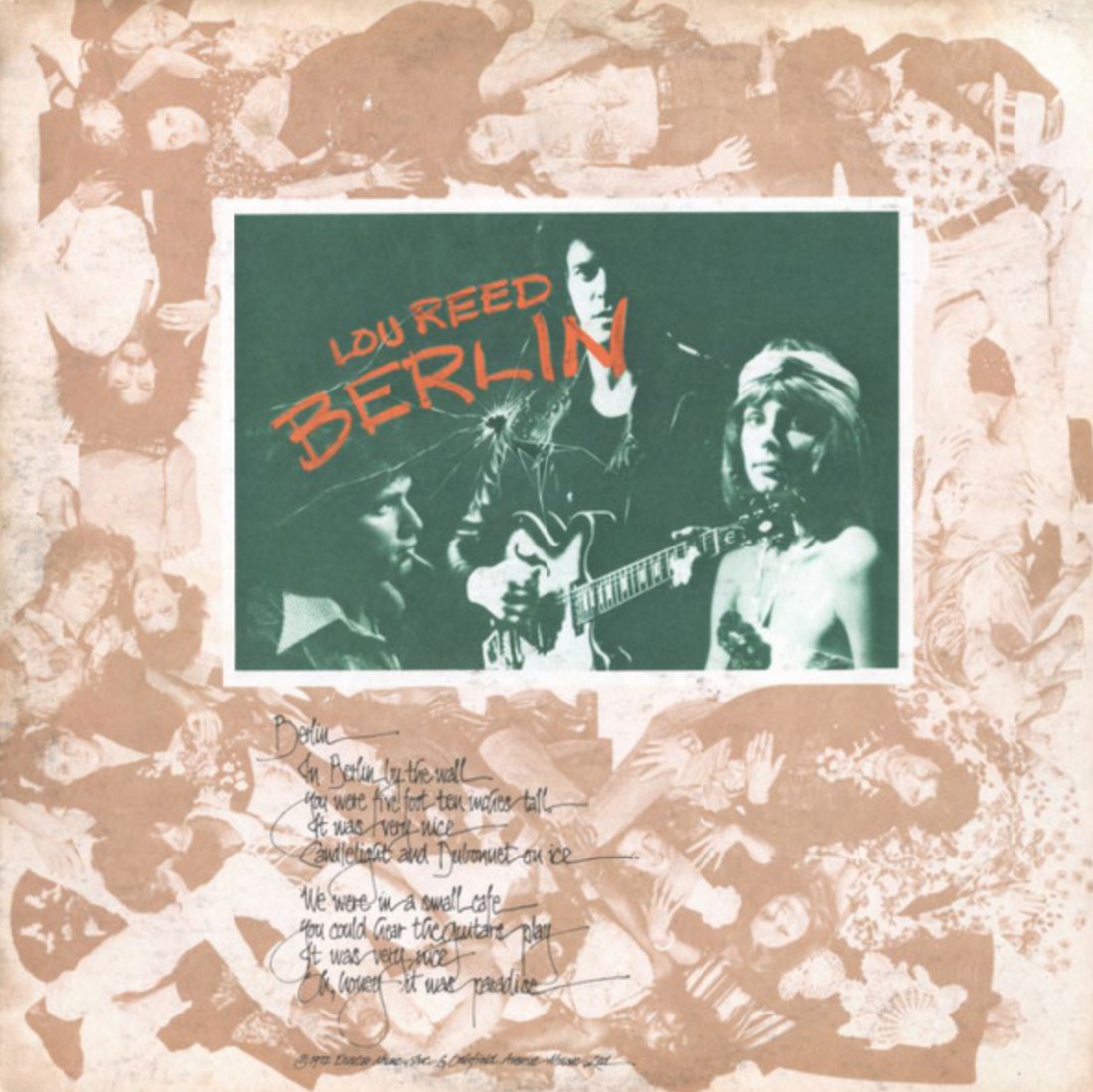
Lou Reed – Berlin

Figuring out the essence of Lou Reed as a creative figure can be challenging. As a rock star, he is iconic – an active cool, dark and aloof – and it almost feels as if the role needed to be invented just to contain him. Yet he’s really more of a gloomy troubadour, with a vagabondish feel to his music – he would’ve thrived as a wandering minstrel in the Middle Ages, not that he didn’t do just fine in our era. But where he really would have been at home is musical theatre, in storytelling songs with dramatic flourishes and stylistic switches, the kind of tunes that are showcases for the performer. 

Of course, one problem with musical theatre is that it is full of big and messy emotions, and that is not who Lou Reed was as an artist. He leaned towards a deadpan vocal style, drained of passion, always chill. But because he so rarely shows emotion, it’s a really big deal when he does. Some singers are forever on the knife’s edge – whether faking it for effect (most of them) or genuinely losing it (basically, Adele) – but that quickly becomes exhausting. Lou usually stays above it all, so when he slips, when the whole human mess of it all gets through to Lou-fucking-Reed, then you notice, and you lean in, and listen harder to take in what this wizard of cool is losing his shit over.

“Berlin” is a love story, but it’s not a happy one, and when the relationship at the heart of the album reaches its conclusion over the brutal sock in the teeth that is the three-song stretch that ends the record, Lou has clearly had enough of Jim and Caroline. You can see it coming, though: the delicate nostalgia of the title song becomes the flirtatious put downs (“she wants a man, not just a boy”) of “Caroline Says I” becomes the abusive toxicity (“You can hit me all you want to but I don’t love you anymore”) of “Caroline Says II”.

He’s in the middle of the mess now on “The Kids”, and he sings with less distance, a hint of emotion seeping into his voice, as the gentle music contrasts with the devastated mother of the tale. This turns into the delicate guitar picking of “The Bed”, an almost whispered inventory of grief so matter-of-fact that there really is no grieving being done (“I’m not at all sad that it stopped this way”), the “oh-oh”s rising to his voice slightly breaking on “what a feeling”. It then ends with “Sad Song”, a lightly hopeful and nostalgic epic that seems to be saying that maybe it’s best that the bitch is gone (“Somebody else would have broken both of her arms”).

There’s lots more to love here, especially the circus-like feel of “Lady Day” and the album’s one true rocker, “How Do You Think It Feels”. It’s an album that lives inside you with repeat listens, as you internalise its rhythms. Although a Lou Reed production would’ve made for a gloomy evening out – more “Sweeney Todd” than “My Fair Lady” – it is not an experience you would have easily forgotten. I’ll definitely be buying a ticket if anyone ever decides to give it a try.

Not the Pazz and Jop 1973 – #5

Elton John – Goodbye Yellow Brick Road

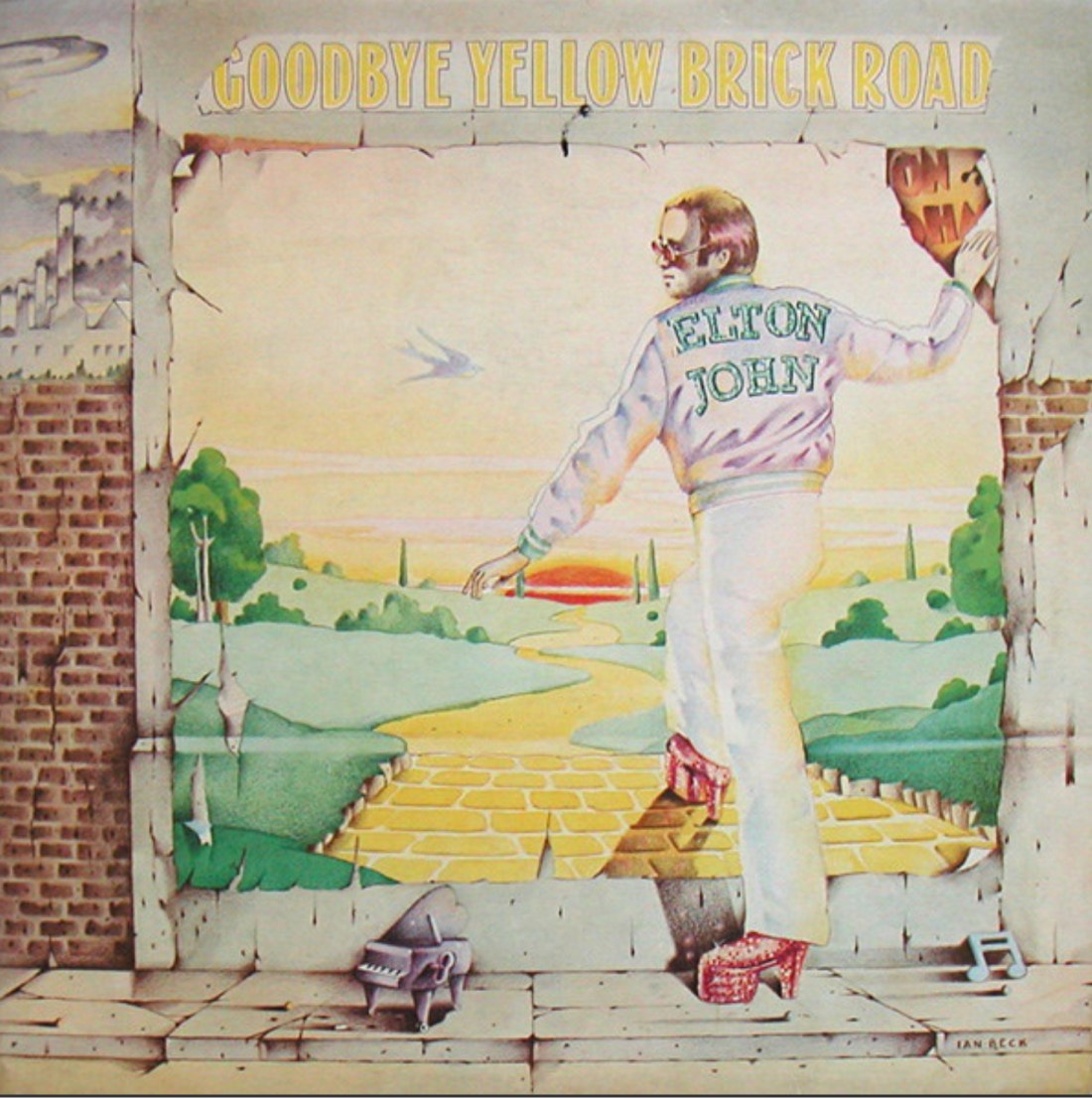
In the early to mid-1970s, no artist’s album covers entranced me like Elton John’s. I distinctly remember looking at “Goodbye Yellow Brick Road” and “Captain Fantastic and the Brown Dirt Cowboy” at the local Woolco or whatever department store that was with a sense of awe. The covers were playful and mysterious, and thus very inviting. You wanted to know what was in the grooves of such a package.

Of course, though I never owned any of his albums from that period, I probably knew Elton’s songs better than any other contemporary artist at that time. First, he was all over the radio. Plus, pretty much every K-tel collection in my bin had a track of his: “Crocodile Rock” (my least favourite of his songs from that era), “Daniel”, “Saturday Night’s Alright (for Fighting)”, “Philadelphia Freedom” (okay, maybe this is my least favourite), “Island Girl” and “Don’t Go Breaking My Heart” all had regular spins in my bedroom. “Someone Saved My Life Tonight” remains an all-time favourite song. By 1977, I was buying 45s, and Elton’s artistic peak was over, so I didn’t listen to him much after that. But the songs from that era remain masterful, undimmed by time.

There are a ton of hits, and it’s always nice to revisit those. The title track is one of my favourites of his, “Saturday Night” still kicks serious ass, and even Katherine Heigl can’t ruin “Bennie & the Jets”. It’s also nice to hear “Candle in the Wind” in its original form, without the nonsensical treacle of the post-Diana version. 

The best part for me of listening to these older albums is discovering the songs that weren’t singles. The album’s two-part opener, “Funeral for a Friend/Love Lies Bleeding”, goes from a mournful, stirring extended buildup into one of the rockingest songs Elton ever put to wax. Other tracks that I really liked include “Grey Seal”, the heartbreaking kiss off “I’ve Seen That Movie Too”, the rolling melody and music hall piano of “Sweet Painted Lady”, “The Ballad of Danny Bailey (1909-1934)”,and Bernie Taupin’s fantasies of the American west brought to life in “Roy Rogers”. “All the Girls Love Alice”, with its fuzzy guitars, solid backbeat, jarring piano and tempo switches, is a song I first heard a few years ago, and while it has great energy, it’s best not to listen too closely to the lyrics if you don’t want to get seriously bummed out.

Time has not been kind to Elton (it never is to any of us, of course): the music (mostly) stopped being great around 1977, and he largely became a parody of himself (though this was at least used to great effect in “Kingsman: The Golden Circle”). I stopped paying much attention to him a long time ago. The excellent biopic “Rocketman” (so, so, sooooo much better than the insanely overrated “Bohemian Rhapsody”) shows what great showpieces these songs are for Elton’s over-the-top persona, and it was a reminder of how much I used to love his music. It’s been a real joy listening to this album over and over in recent weeks, and if you’ve forgotten how really great he once was, I suggest you do the same. Elton will not disappoint you.

Not the Pazz and Jop 1973 – #4

Roxy Music – For Your Pleasure

(This is going to get a bit meta, so please bear with me. I will (eventually) get to Roxy Music.)

A while back, a friend described what I do here as criticism. I don’t think that’s accurate, though I do have opinions about what I listen to because, hey, I’m a human being with functioning ears and a soul. I think a lot of the time, music critics feel like frauds. Everything cultural is about taste, and we all have it. I may think you are crazy for liking Jethro Tull, but what I can’t say is that you are wrong to like them. Well, I can say it, and you can tell me to go to hell and that I’m just as crazy for liking Olivia Rodrigo. And we are both right, and also both wrong. And it doesn’t matter, because everyone who disagrees with us can ignore anything we have to say on the issue.

I (almost) never feel like a fraud on this blog. I do this for free, so if I want to babble on for several paragraphs then take a parting shot at a band – it’s coming – I can, and you can read it or not. But what about people who get paid to do this? What is a writer to do when an editor needs 500 words on something you don’t give a shit about and the rent is due?

It’s easy to write about things I love – just open a vein, as they say, and it flows out, whether it’s an old love like the Bay City Rollers, or a new one like Can. It’s also pretty easy to write about things you don’t like – I rather enjoy coming up with new digs at Jethro Tull. The worst are things I like and respect but don’t feel passionate about, or that I can’t connect to my own experience. Stevie Wonder is frickin’ awesome, but I had so little to say about “Innervisions” that the piece I wrote doesn’t even sound like me. If you’re reading this, it’s because you like my voice, and if that’s lost, I don’t really have anything to offer that you can’t find somewhere else from someone who knows a buttload more about music than I do.

Anyway, my point (you knew it was coming) is that, while it is growing on me a bit, this feels like a record that only a music critic could love from the get-go, because it invites extensive commentary, and soon enough you have those 500 words. It all seems very clever and creative, but to me there is almost nothing here that grabs the listener and makes you pay attention. It’s a very mannered record, all artsy pretense and rich sounding and dry as fuck. The one track that stood out was “Grey Lagoons”, with a rockabilly feel dominated by pianos and horns that is just messy and energetic and fun. This record definitely needed more fun. But critics loved it, and through some madness it ended up as the 4th best record of the year in their estimation. If anyone actually listens to this for pleasure, I’d love to hear from them. Because I have a 10cc record I think they should check out – and Olivia Rodrigo, too, for that matter.

Classic Songs of My Youth Revisited #4

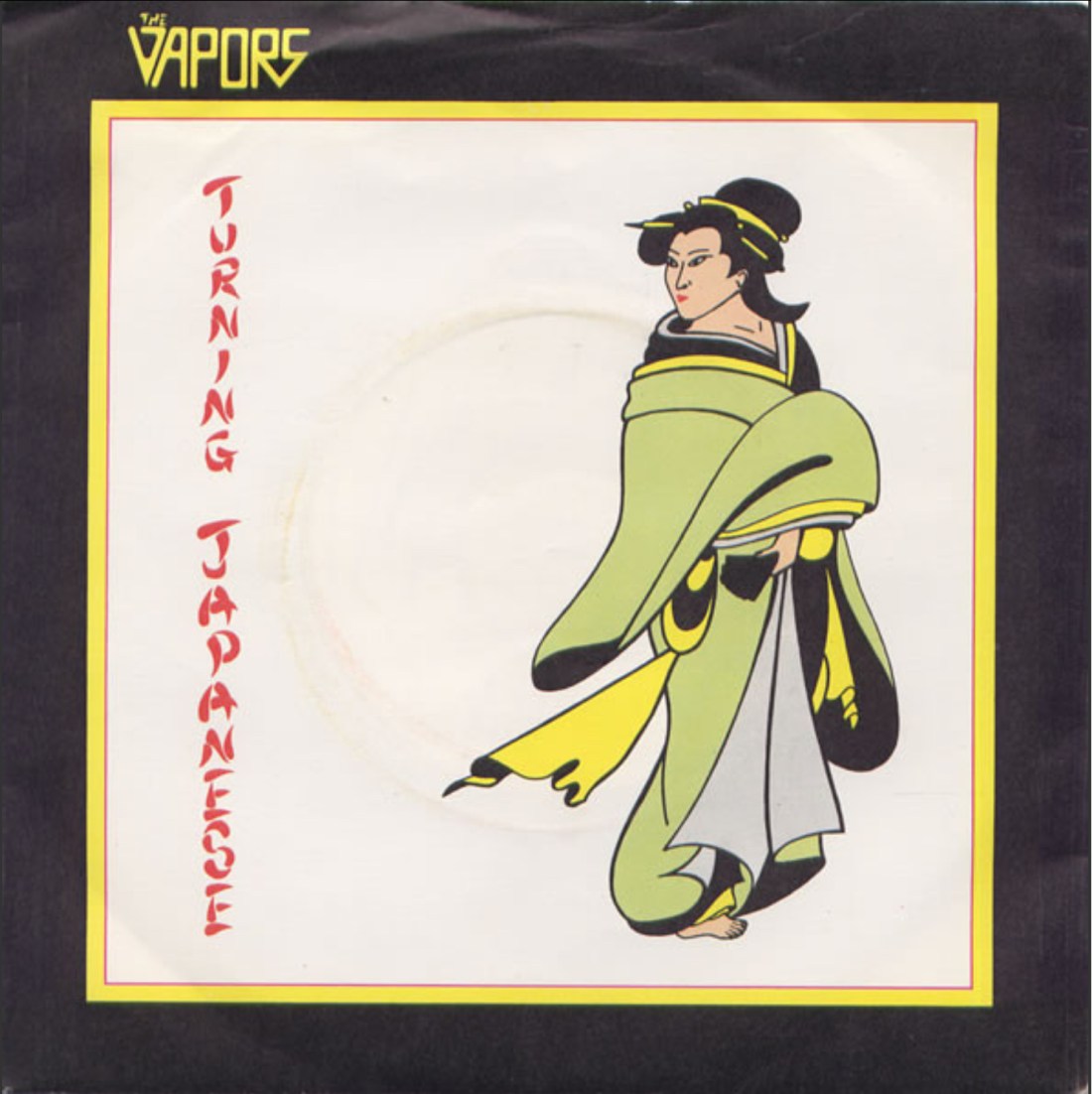
The Vapors – Turning Japanese

If you had the good fortune to attend a Friday night dance at Memorial High School during the 1980-81 school year, you might have witnessed me having what could best be described as a spasm whenever “Turning Japanese” was played. I don’t remember if it was my favourite song of that year – though I’m pretty sure these trips down memory lane will inevitably answer that question – but it was definitely the song that gave me the most joy. Never the most graceful of dancers – ask my wife and children if you doubt the accuracy of that statement – this song somehow made me worse, all flailing arms, spastic legs and, oh regret, a racially insensitive bow or two. My friend Sandy Nicholson, who always had an air of chill about him, was definitely embarrassed for me for my gyrations. And I gave zero fucks, which might have been the only thing in my life then that made me feel that way. I wasn’t a good dancer, but I was a committed one, and giving in to a song and just moving was a source of immense joy.

I thought it might have been a Cape Breton novelty, a song that some local DJ fell in love with, but it was actually a pretty big hit across the country, getting to #6 on the RPM chart and ending up as one of the top 100 songs of the year in both 1980 and 1981. It barely made the top 40 in the U.S., but the Aussies loved it even more than we did, and it did well in other parts of the waning British Empire. There is a pretty cool video – David Fenton’s dancing isn’t much better than mine, and he also went on to become a lawyer, so maybe it’s a lawyer thing – and the critics at Pazz and Jop knew a good thing when they heard it, ranking it the 8th best single of 1980.

The band was confident this was going to be a hit, but were concerned it would doom them to be one-hit wonders because it was such a novelty. Which is rather unfortunate, because the album it came from, “New Clear Days”, is pretty fantastic, a great example of the New Wave of the era, bleeding into power pop, sounding often like The Jam on speed, which was probably not an accident, since Paul Weller’s dad was their manager.

The song is either (depending, it seems, on Fenton’s mood when you ask him) about masturbation or just regular teen boy angst, which, if we’re being honest here, is probably the source of more teen boy masturbation than actual lust is. It, of course, starts with that stereotypical Oriental riff, telling you this isn’t like anything you’ve heard before on pop radio, and it keeps coming back throughout. It is propulsive, a high energy rush from end to end, and if you don’t end up bouncing around your kitchen as it plays, I’m not sure I want to know you. It easily remains one of my all-time favourites. Kirsten Dunst loves it, too.

And The Vapors are back, baby! They released an album in 2020, and had a few songs on the lower end of this very British thing called the Heritage Chart. It’s more power pop than New Wave, and a pretty good listen, proving that lawyers can rock, even in their 60s. The bar thanks you, David Fenton.

Not the Pazz and Jop 1973 – #3

Iggy & the Stooges – Raw Power

For a guy who hasn’t had much commercial success, Iggy Pop has an outsized pop culture presence. A treacherously skinny standup comic I saw live in the early 1990s said he was doing the “Iggy Pop workout tape”, and we all got the reference. (For younger readers, workout tapes were things we could buy in order to help us exercise in front of our televisions in our underwear or pyjamas, before regular people started going to gyms and it became acceptable to wear such items in public.) I’ve always been a little scared of him. He looks like a fit version of the addict he once was, all sinew and raw energy. He’s the guy who, meeting him on a street late at night, you either, depending on how you’re wired, cross the street to avoid or follow to see where he ends up, because you know that’s where the party is. It will shock no one who knows me to hear I am the “cross the street” type.

Though I’ve liked the songs from Iggy that made it into the broader culture, I knew instinctively that this wasn’t something I’d be playing on any kind of regular basis. With only a  few exceptions, I’ve never listened to much hard or punk rock, and Iggy was definitely the former and possibly the original of the latter. The only one of his records I ever bought was the 45 of “Real Wild Child (Wild One)”, which I believe I first heard in the trailer for “Adventures in Babysitting”, which was not a very good movie, though rewatching the trailer reminds me why I went to see it in the first place.

It’s a fired up collection, and if nothing here gets your heart racing, you are either a world class athlete or you really, really need to see a doctor. However you want to describe this – garage or proto-punk – there is something primal about this music. The vocals are often screams, and though prominent in the mix (along with lead guitar, to the virtual negation of the rhythm section at times), he really doesn’t seem to care if you understand what he’s singing. The force of their sound is relentless, the pace rarely lets up, the tenor often menacing. It’s a messy record, distorted and disjointed, but never confused about what it wants to be. The standout songs for me are the more bluesy “I Need Somebody”, along with “Gimme Danger”, a very insistent tune that crawls into your head and won’t leave. 

Despite being a good listen overall, I’m fairly certain I will never play this album again. I don’t know why I don’t love this – maybe I only have room for one purely punk record in my life, and that slot is forever owned by the Sex Pistols. Or maybe that’s just how taste works. If you love everything, then you don’t really love anything.