Not the Pazz and Jop 1972 – #12

Curtis Mayfield – Super Fly

I don’t think I’ve ever seen a blaxploitation film. “Uptown Saturday Night” (a great film, but one I can’t recommend due to the whole Cosby-is-a-sex-criminal element) is probably not one, and the recent “Shaft” remake was a goofy homage rather than a true entry in the field. “My Name is Dolemite” is a love letter to one of the genre’s outsiders, but the film itself is not blaxploitation. “Jackie Brown” slots in similarly, with the usual Tarantino genius in the mix.

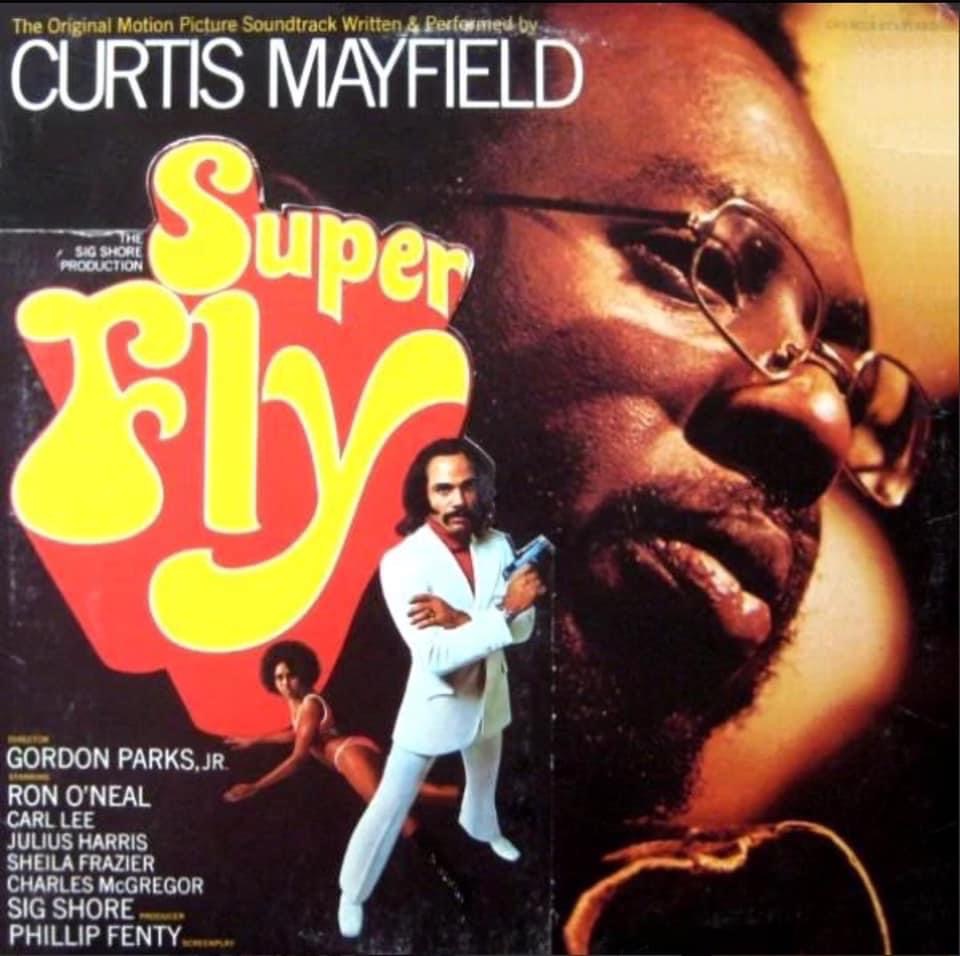
Look at the cover photo. A sharply dressed (five years before Travolta, I might add) serious looking dude with a gun and a lady who looks like she stepped off the jacket of a Mickey Spillane paperback. It’s not just wrong that I’ve never watched one of these – I should have seen them all. These films took their soundtracks seriously – in addition to Mayfield, artists like James Brown, Isaac Hayes, Marvin Gaye and Bobby Womack were tasked with helping to create the soundscapes for these movies. Think of that list of talent the next time you hear some Diane Warren piece of treacle run over the credits at your local cinema.

The record starts on fire, with three blasts from “Little Child Runnin’ Wild” (with the chorus’ plaintive cry “didn’t have to be here . . . Why couldn’t they just let me be”), “Pusherman” and the solid funk of “Freddie’s Dead”. The middle tune is my favourite, with island rhythms, a gentle bass line and disco-worthy wah-wah guitars. Mayfield uses a lot of strings, and they certainly sweeten things up, but this balances the funk without becoming cloying. He likes horns, too, with the sax on “Little Child” a standout. I’m not as big a fan of side two – it just doesn’t have the same energy – and while I usually find instrumentals on pop records a drag on the festivities, Mayfield nails these, with the adrenaline of “Junkie Chase” (how can you not love a record with a track bearing such a name?) and the unhurried contemplation of “Think”. He ends on another high note with the funky title track, laying on the guitars and horns. There is a strong anti-drug stance in the album’s lyrics, and an even stronger push towards the dance floor in its music. 1972 continues to impress.

(Originally posted on Facebook, July 24, 2021)
Not the Pazz and Jop 1972 – #11

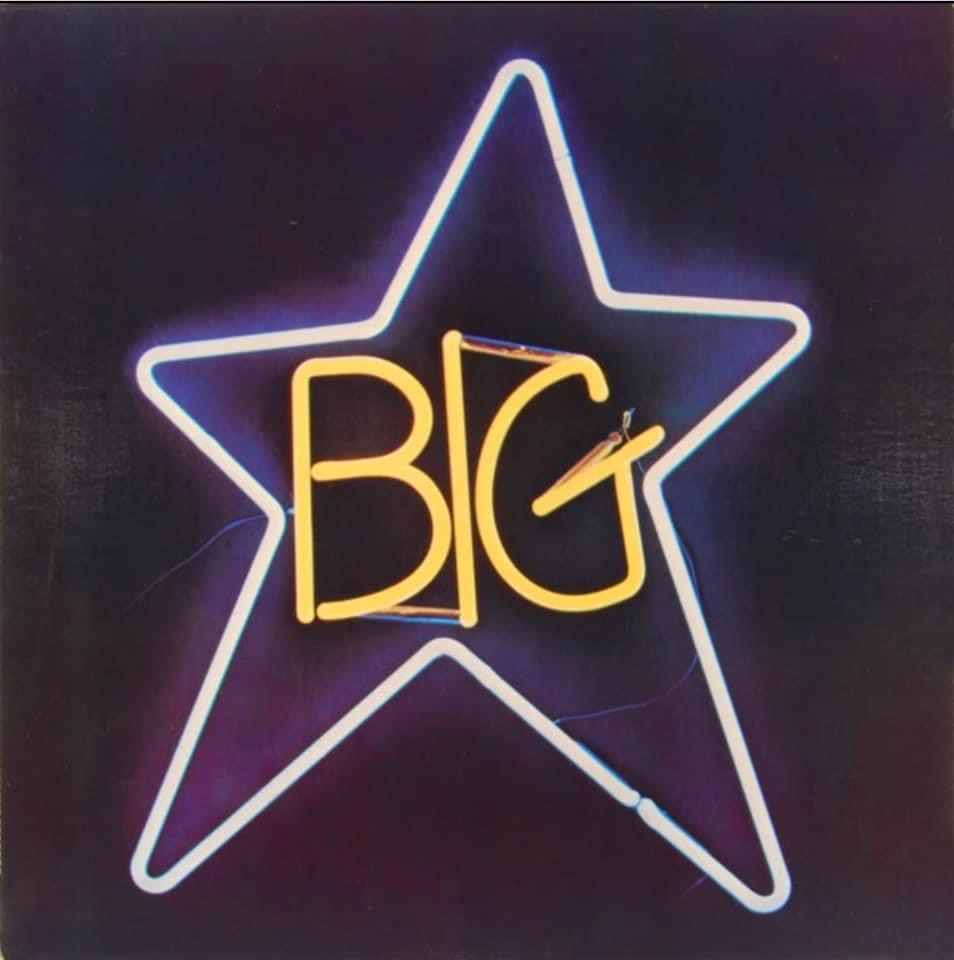
Big Star – Record

Business is never “fair”, in the Merriam-Webster sense of “free from self-interest, prejudice, or favouritism” (hell, is anything?), and the music industry has made zero effort to be an exception. Talent and hard work matter, as do luck, timing, and all those other things that led us to watch VHS instead of Beta, listen on iPods instead of Zunes, and run Windows instead of Linux on our computers. But a world where Macklemore is winning Grammies over Kendrick Lamar is obviously one seriously effed up place.

Which brings us to Big Star, and “#1 Record”. With every listen, I love this album a little bit more, and yet somehow only 10,000 people laid down their cash – and it absolutely was cash – to own a copy of it in 1972. It isn’t a lost gem – it earned great reviews out of the gate – but the label bungled the release and that was that. There was no social media to allow the band to take control of promotion, no hordes of Pitchfork-loving nerds to make YouTube cover versions and TikTok skits for favoured tracks. Maybe it wouldn’t have mattered – Chris Bell would’ve probably still quit the band, since depression, Christianity and resentment wouldn’t have been “cured” by wealth and fame – but a world where Big Star topped the charts would’ve been a more interesting place than the endless prog rock I’ve been slogging through.

Possibly the original power pop band, admired by REM and The Replacements (check out “Alex Chilton”, their tribute to the band’s frontman), there are echoes in their music of acts I would come to love over the years: Squeeze, Toad the Wet Sprocket, Matthew Sweet, Fountains of Wayne, and, especially, Sloan and Guster. Fans of “That 70s Show” (such people exist, right? It was on the air forever.) will recognize “In the Street”, and the poignant tale of young love, “Thirteen”, has been widely covered. Other favourites include the surprisingly spiritual “The Ballad of El Goodo” with its lovely harmonies and jangly guitars, and “The India Song”, which seems almost from a different band. It isn’t perfect – too much of side two sounds alike – but side one is flawless, and this has been my go-to listen for two weeks now. Summer 1972 should’ve been filled with “Feel” or “When My Baby’s Beside Me” blasting from open car windows. I’m doing what I can to make up for it in 2021.

(Originally posted on Facebook, July 15, 2021)

Not the Pazz and Jop 1972 – #10

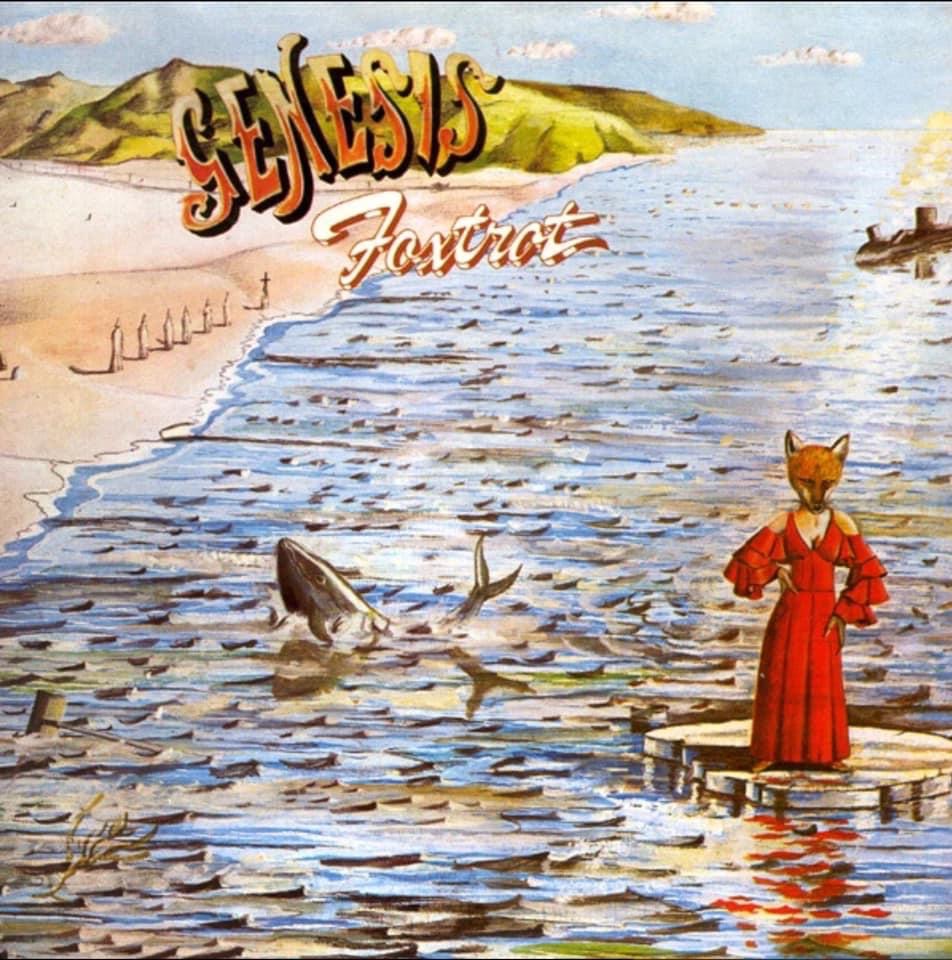
Genesis – Foxtrot

What did they put in the water in England in the late 1940s and 1950s that led to the rise of so many progressive rock bands filled with clever lads in the late 1960s and early 1970s? Was it their public healthcare, making children healthy for once (maybe the first time) in the country’s history and thus allowing their minds to reach greater fulfilment? And if this is true, why did they choose this particular avenue of expression? Were they just not ambitious enough to get that novel out of their systems and then settle into writing pop music, instead of trying to write musical novels?

I only ever owned one Genesis album, “Invisible Touch”, which I played a ton when it was popular and have never once thought worthy of a listen in the last 30+ years. I also liked a lot of solo Phil Collins hits, but the only one I ever play on purpose now is “In the Air Tonight” (though I’m always especially happy to encounter “Against All Odds”). The reverence for Peter Gabriel-era Genesis made me resist it (my historic stubbornness is becoming a recurring theme on this journey – ah, the idiocy of youth), as I quite liked Collins as a personality (Ex-wives and occasionally his children excepted, who didn’t? He’s the patron saint of short chubby guys, with the land mines of our own ex-wives and children to navigate through.) and wasn’t happy seeing him being slagged for, basically, not being the guy who quit.

Having endured a fair bit of prog rock lately, it clearly isn’t my bag, which isn’t to say I didn’t find much to enjoy here. Throughout, there is a wonderful balance in the music, heavy on the keyboard, with timely guitars and a strong drum backbeat. “Time Table” is gentle and delicate, with the lovely “why, whyyyyyyyyy” in the chorus. And a note to Jethro Tull: “Supper’s Ready” is how you make a 23-minute song. It meanders at times over the course of its seven mostly distinct sections, but it’s never boring, and the final two sections neatly tie it together with a callback to the first two. Romantic, soaring, whimsical, goofy, aggressive, angry, frightening – there are so many mood changes here, it can feel like an hour in the life of a 13-year-old set to music. Overall, a pleasing-enough experience, but not a record that will likely come to mind when looking for something to play on a lazy afternoon. That is absolutely not the case with the next record I’ll be writing about.

(Originally posted on Facebook, July 10, 2021)

Not the Pazz and Jop 1972 – #9

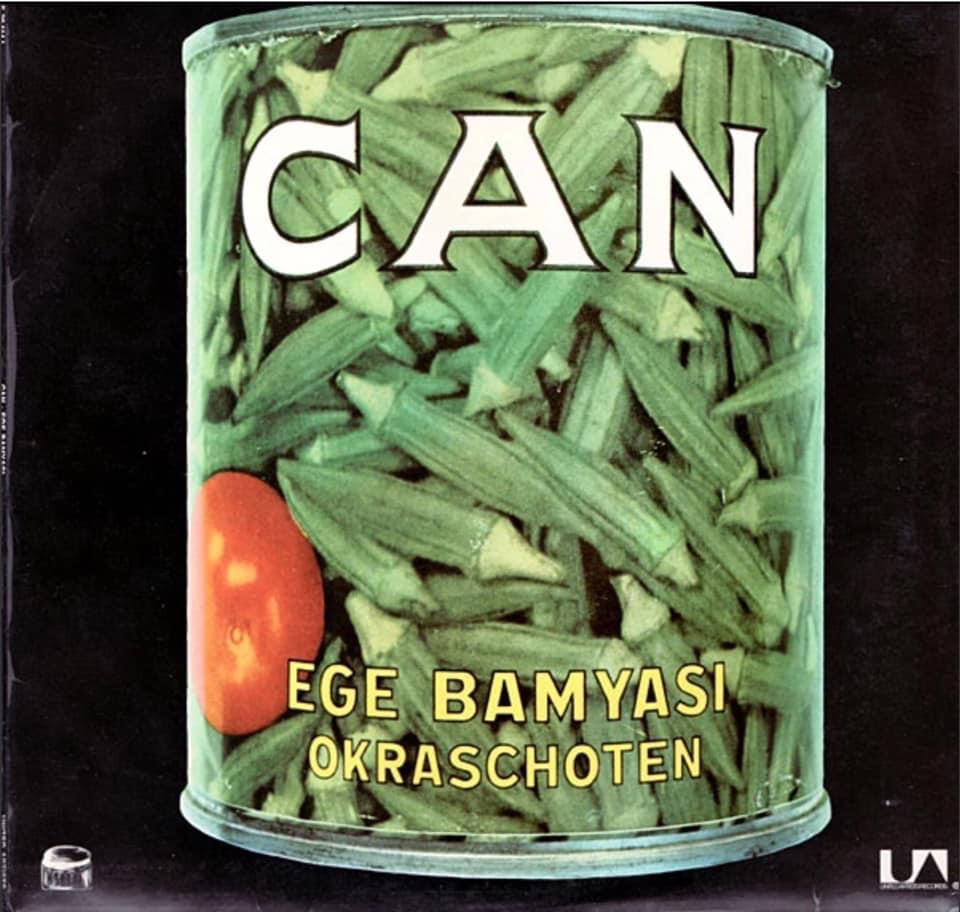
CAN – Ege Bamyasi

CAN is partly why I started this project. Not them specifically, since I had never heard of CAN or Krautrock, the catch-all geographic genre they are jammed into by the music press, before starting out. But the idea of them, and of a band and style of music I had never encountered, was as much a part of this as giving me a reason to finally listen to classic albums I had been neglecting.

Yet, here we are with another “WTF was that?” experience. This is one crazy record, a sort of discombobulated funk, with percussion the most prominent sound and a singer who usually puts zero effort into being intelligible. No two songs are alike. “Pinch” is a disorderly jam session, like the band was trying to figure out what to play while the tape was running, then gave up after 9 exhausting minutes. If you haven’t quit on this yet, there come three more accessible songs: the haunting “Sing Swan Song” and its little flutters gliding along your heart (sampled to amazing effect by Kanye in “Drunk and Hot Girls”), the chilled out “One More Night” has lounge lizard vocals low in the mix like he doesn’t want anyone to hear him, then “Vitamin C”, a dance tune for people who really came to sway. “Soup” goes from a lazy start into a funk rocker before turning into a spooky mess of weird demons howling from the underworld, as if they are actively working to make you not want to listen to this. “I’m So Green” has a 1990s Brit indie pop feel, like a blurry Soup Dragons, before ending with the gentle percussion and Middle Eastern-like sounds of “Spoon”, and a vocal that weirdly made me think of “Snoopy vs the Red Baron”. Overall, half of the run time (“Pinch” and “Soup”) is taken up by weirdness, but the other five tracks are pretty delightful, and would not be out of place on any more adventurous indie playlist. I will absolutely be coming back to this – we can all use a little weird in our listening life.

(Originally posted on Facebook, June 30, 2021)

Not the Pazz and Jop 1972 – #8

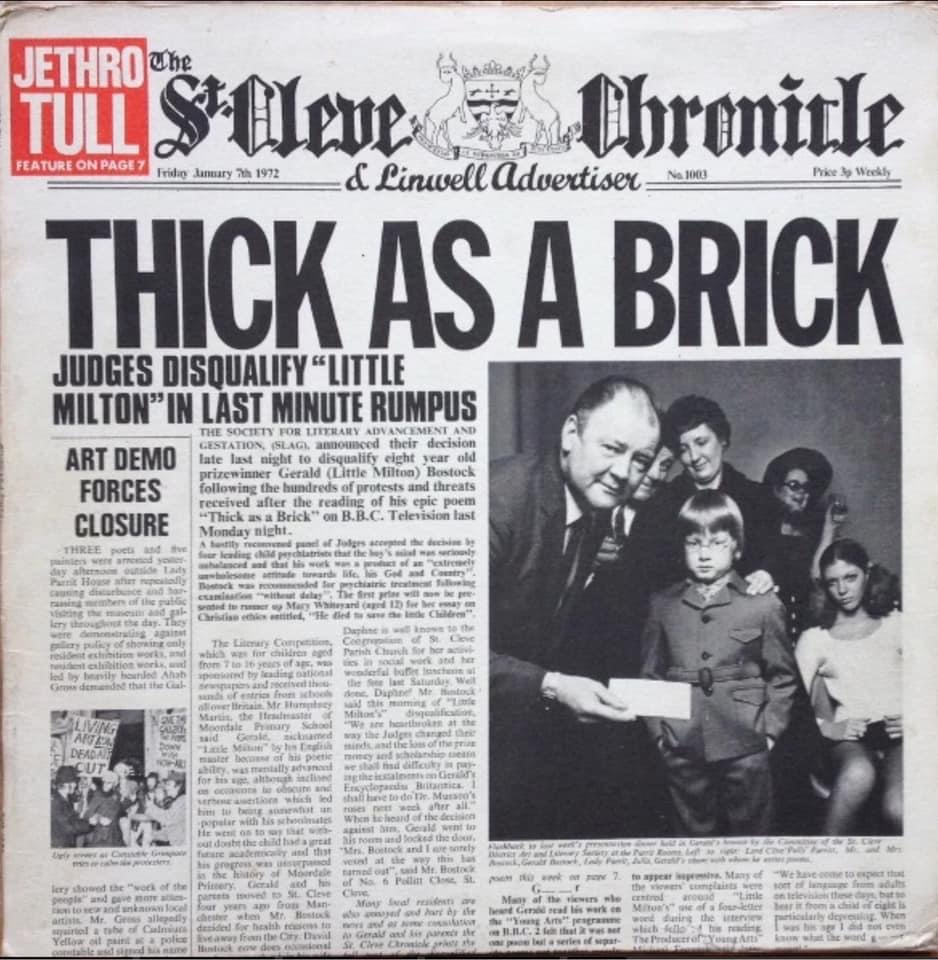
Jethro Tull – Thick As A Brick

Bands like Jethro Tull force me to confront my limitations as a music fan. I love a perfectly-constructed 3-to-5-minute pop song: within those dimensions can be fit the best that rock music has to offer – “Good Vibrations”, “Anarchy in the U.K.”, “Billie Jean”, “Smells Like Teen Spirit”, “Hey Ya”. There are exceptions. I’ll stretch it to 7 or so minutes for “Layla” or “I Like Chopin”, go to 8 or 9 to accommodate “Paradise by the Dashboard Light” or “November Rain” or “Me and Giuliani Down by the School Yard”. For the right song – “Marquee Moon” basically – 11 minutes is just fine. Anything beyond that is merely testing my patience.

So WTF am I supposed to do with a song that is 22 minutes long? There’s nothing in my background to prepare me for this. These aren’t really songs, they’re suites, with changes in tempo and theme and style, bound together by – well, what exactly? I expect these types of records reward repeated listens, and by the third time through I was starting to appreciate it more. Side one has a very playful and bouncy opening three minutes that left me thinking “maybe these guys aren’t so bad”, then Anderson is screeching in my ears and I’m ready to call it a day. There’s also a keyboard bit, with a little flute mixed in along the way, that starts around 12:30 that I quite like. 

Then I accidentally hit play on “(I Can’t Get No) Satisfaction” and was reminded that three and a half minutes is more than enough time to make great art. Sometimes a longer piece of music doesn’t mean it’s more serious or important: maybe it’s just longer. Jethro Tull and their ilk are trying way too hard. Aretha Franklin only needed 2:27 to earn our “Respect”.

(Originally posted on Facebook, June 28, 2021)

Not the Pazz and Jop 1972 – #7

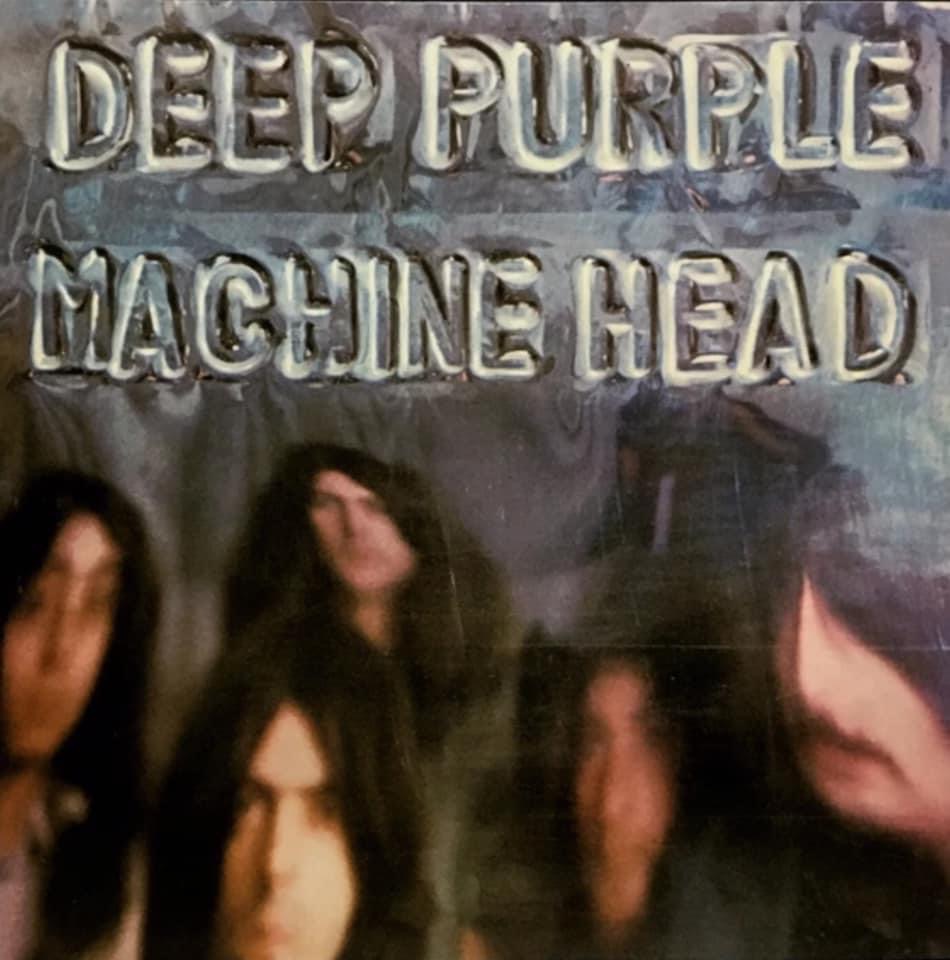
Deep Purple – Machine Head

I’ve never been a fan of metal, so I can say with absolute certainty I never would have played a Deep Purple record (or a lot of other things I’ve listened to thus far) if I hadn’t set out on this journey of discovery. I don’t think there is anything wrong with this – every day, we are forced to make choices about what we consume, and since we can’t do it all, we rotate back to things we already like: I play Costello albums, watch superhero movies and read Murakami novels, and my wife and I always order the same meal at Mi Mi. If you already know you love something, why shouldn’t you enjoy it again?

Of course, I set out to do the exact opposite of travelling the known path. Which brings me to this record. It’s odd that I never checked out Deep Purple, since my high school pal Alan Sutherland was, at least in the late ‘70s/early ‘80s, a Ritchie Blackmore disciple. Even the most casual rock listener knows “Smoke on the Water” and that chugging riff. For guitar fans, this record is pure crack, and you really have no choice but to crank it up (my poor aging ears) if you want the true Deep Purple experience. It’s a bouncy album, which was surprising since I’ve always had in my mind the image of a rather plodding dinosaur of a band. Even the label “heavy metal” feels like a misnomer: there are blues elements here, but also pop and improvisational jazz, so it’s enough to just call it “rock” and leave it at that. 

The speed at which Blackmore plays inspires awe: the guitar in “Highway Star” races along, sounding almost like a sitar at one point. Organ is also prominent on many tracks, although it sometimes feels like it’s a guitar being made to sound like an organ. “Never Before” opens with a funky jam band feel, before becoming a more conventional bluesy rocker with a get-up-and-dance vibe. “Lazy” is not so much a song as a collection of solos wrapped around a bare set of lyrics, though some of those solos are among the more interesting things on the album. Overall, I enjoyed this record, but it probably won’t readily come to mind when looking for something to play down the line. We can’t love everything.

(Originally posted on Facebook, June 19, 2021)

Not the Pazz and Jop 1972 – #6

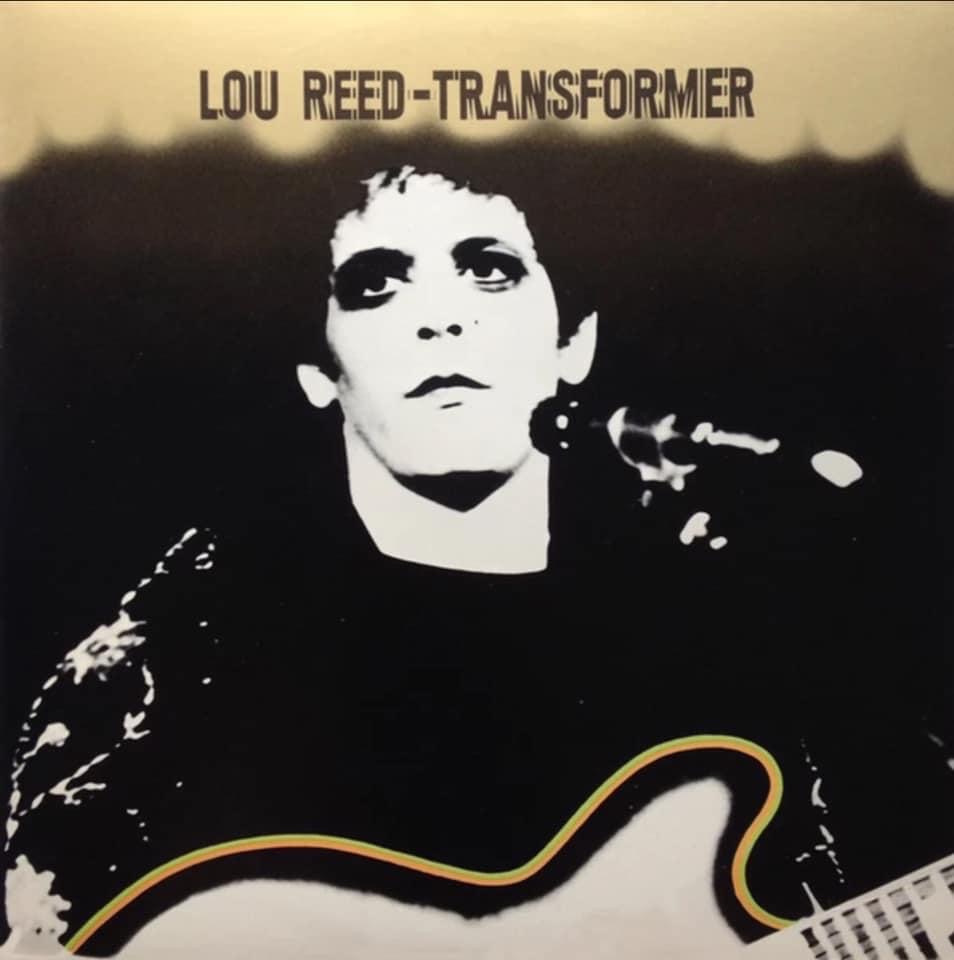
Lou Reed – Transformer

I never thought of Lou Reed as fun. He always seemed so serious, and the songs I was familiar with spoke of outsiders and people generally on the margins of polite society, like sex workers and junkies. It’s nuts that I thought that, given the evident humour in those tales (or the weirdness of something like “The Gift” from his Velvet Underground days). Plus, he was part of Warhol’s circle in the ‘60s, and though those folks were so pompous and narcissistic that it left little air in the room for visitors, no one would ever say they didn’t know how to party. (It may have helped that Warhol hung around with aliens.)

I no longer feel that way, at least based on this record. Co-Produced by David Bowie, it fits well as a glam rock complement to “Ziggy Stardust”. It earns its stripes as a rock record with tracks like “Vicious”, with its fuzzy guitar and not-so-vicious lyric “you hit me with a flower”, the jangly piano of “Hangin’ Round” and its dis of an old friend, and “I’m So Free”, a get-up-and-shake tune with a bit of a rockabilly feel. “Wagon Wheel” starts out like T-Rex’s “Bang A Gong (Get It On)” before finding its own path.

What stands out for me are the odd little touches in quieter songs that are playful or whimsical. The ba-ba-ba-ba-ba’s on the chorus to “Andy’s Chest”, the bum-bum-bum’s of “Satellite of Love”, the endless do-do’s on “Walk on the Wild Side” or the tuba oom-pah-pah’s in “Make Up” (I’ve been walking around singing “slick little girl” for no good reason). More theatrical tunes like “New York Telephone Conversation” and “Goodnight Ladies” feature off-Broadway level backing that highlights the frolic within. My favourite – and, yes, I’ve been walking around singing this a lot, too – is the gentle piano and strings of the beautifully un-ironic “Perfect Day” (I assume I’m not the only person who first heard a version of it in this PlayStation commercial.) There is fun to be found in unexpected places.

(Originally posted on Facebook, June 13, 2021)

Not the Pazz and Jop 1972 – #5

Neil Young – Harvest

I will always stan for Canadian artists (except Bieber – screw that guy). I still feel a slight rush when I see something recognizably Canadian in an American movie or television show. I love it when I learn that some famous entertainer has a Canuck connection. I’m not confused about where this weirdness comes from – I grew up in an era where our national culture was not very interesting (to a person of my age), and our government felt the need to step in and put rules in place to try and help our artists develop free of the oppressive shadow coming from the south. (As good as acts like Trooper and April Wine might have been, they were mostly Canada-only pleasures.) When I see one of our own break through, it gives me an unearned sense of pride. In 1970s pop and rock, with a few exceptions like BTO, that was mostly limited to one-offs, like Nick Gilder. (I didn’t have a lot of interest then in the music of our international superstars, like Gordon Lightfoot (who I was wrong about), Joni Mitchell (probably wrong) or Anne Murray (yeah, I’m good).) Now, we have Drake and The Weeknd and Carly Rae and Alessia Cara and Shawn Mendes and even that twerp from Stratford.

So why didn’t Neil get more love from Canadian radio in the ‘70s? He was a massive star and insanely prolific, but other than endless repeats of “Heart of Gold”, I don’t remember hearing him very often. (I’ve checked, and this wasn’t just another case of Cape Breton being behind the curve.) Was he not Canadian enough for our culture overlords? His dad was a hockey writer, for God’s sake. Sure, he worked in America with mostly American collaborators, but he probably bled MAPL syrup. Remember when Bryan Adams got so upset about CanCon? (I know Robert Barrie does.) Why wasn’t someone speaking up for Neil two decades earlier? Of course, he didn’t really need the help – “Harvest” was the best-selling album of the year.

This record is awesome. I’ve owned it on CD for about two decades, but hadn’t played it through in ages (because I pretty much haven’t been playing any of my old CDs for the past decade). It’s a (mostly) understated album, with relaxed drums, guitar and piano leading the way, occasionally jolted from their reverie by harmonica or harder guitar. I like every song here, including the two hits, but highlights include “Out on the Weekend”, which washes over you, the gentle pedal steel guitar contrasting with the harmonica, then is followed by the pleasant slow country crawl of “Harvest”. The cinematic orchestral flourishes of the haunting “A Man Needs A Maid” (no, it is NOT chauvinistic) are my favourite thing here (and would be more impactful if he did not go back to that well later in the record on “There’s A World”), and “Are You Ready for the Country?” is the bounciest track, led by Young banging on the piano like a drunk at a house party. The record peaks with the simple and heartbreaking “The Needle and the Damage Done”, ending with an epic duel between loud guitar and a relaxed piano melody on “Words (Between the Lines of Age)”. CanCon at its finest – no matter what our government of the day may have thought.

(Originally posted on Facebook, June 8, 2021)

Not the Pazz and Jop 1972 – #4

Yes – Close to the Edge

I loved this album on the first listen, which was unexpected since more progressive rock after the displeasing Jethro Tull experience was not my idea of a good time. I loved it less on listens 2 and 3, but was still happy with it overall. Plus, it lead me to some nostalgia listens of Jon Anderson’s team-up with Vangelis on “Friends of Mr. Cairo”, leading into Vangelis’ “Chariots of Fire” theme, an all-time Top 2 inspirational sports movie theme (along with “Gonna Fly Now” from “Rocky”, of course).

You can’t really talk about songs – these are true epics – but of moments and movements within tracks. Anderson says the album was inspired by “Siddhartha”, which I read in high school and only vaguely remember. I kept hearing the Beach Boys in some of the vocals, especially in “Close to the Edge” and “Siberian Khatru”. The beginning isn’t promising – nature sounds are the hallmark of a pretentious band, as are four-part songs that take up an entire side of vinyl. The opening few minutes is discordant, like the musicians haven’t agreed yet on what they’re going to play. I love the chorus in parts 1 and 2 (and 4) of “Close to the Edge”, but part 3, “I Get Up, I Get Down”, is one of my two favourite things here. There is a crazy tonal shift from what surrounds it – haunting keyboards, gently beautiful harmonies on the chorus and overlapping during the verses, rising to the sounds of a church organ encircling the last unmussed run-through of the chorus. My other favourite is the jazz fusion-funk (yes, you can dance to Yes) of “Siberian Khatru”, which is just a really fun way to end a fairly serious record. If it makes you think of Red Hot Chili Peppers, that isn’t an accident.

The sound is so rich, so immersive, at times it can feel like you are at a live show for one listener – this record was made to be played with headphones on, your head thrown back as the sound washes over you, especially the “Eclipse” portion of “And You and I” and the lead in to “Apocalypse”. There’s a strange unity, with the songs echoing each other in tiny snippets of instrumentation or vocal tics.

You know, I take it back – I do still love this record. It just took writing this (and my 4th listen) to make me realize it. Music is funny that way.

(Originally posted on Facebook, May 30, 2021)

Not the Pazz and Jop 1972 – #3

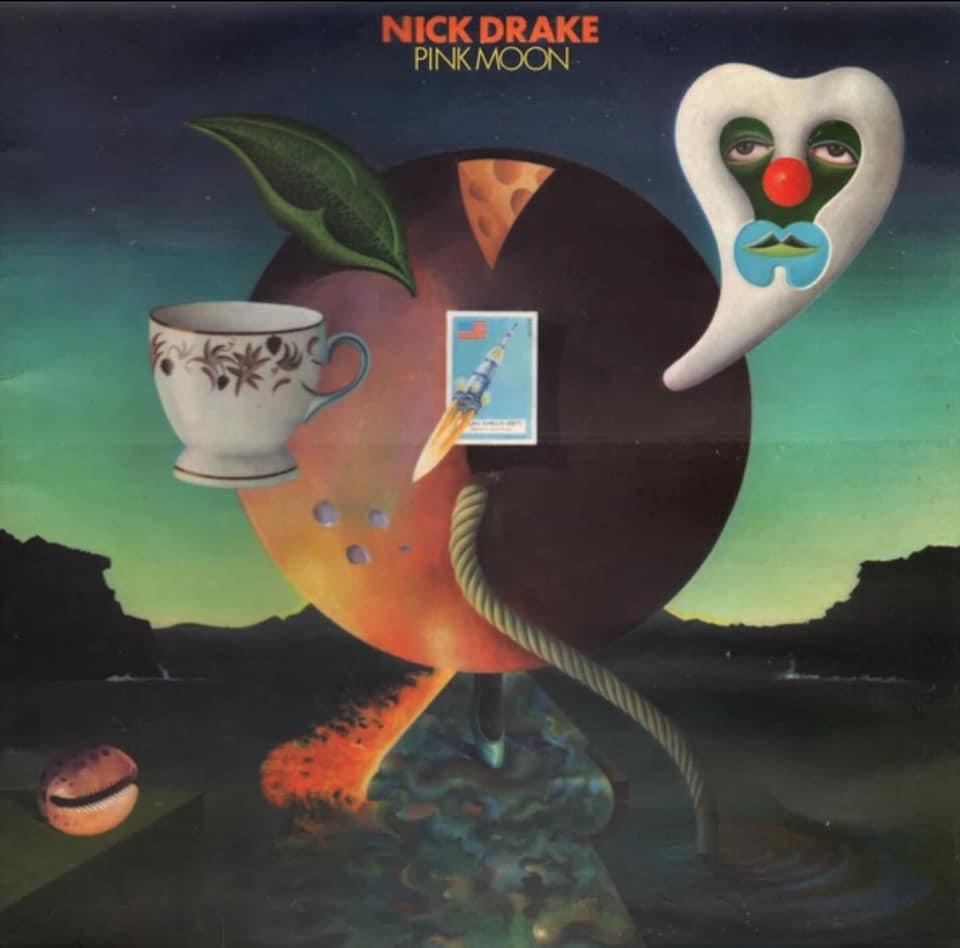
Nick Drake – Pink Moon

I first encountered Nick Drake in the early 2000s when my new computer included Musicmatch, which allowed you to pick an artist you liked and the service would stream songs in a similar vein. Basically, the forerunner of any artist radio channel on Spotify today. I don’t remember who the match was. Probably Elliott Smith. His spare acoustic guitar, (usually) unmessy production and straightforward vocals caught my ear, and I’ve been a fan ever since, so I was very pleased to see this album coming up.

Except, as it turns out, I wasn’t a fan of this particular record. One of the effects of the streaming culture is that you forget where songs, taken out of their original context, first appeared. And most of what I’ve been listening to over the years is from his other two albums. It makes sense, as they are more playlist friendly, with sunnier production and a little less gloomy lyrically. (Reading a Drake lyric sheet is not as a general rule going to brighten your day.) This album is Drake’s voice and acoustic guitar and almost nothing else. After being caught off guard by so much unfamiliarity on the first listen, I dug in and now love it as much as “Five Leaves Left” and “Bryter Layter”. The longing in “Place to Be” hits hard, and “Which Will” and “Things Behind the Sun” are among the more welcoming tracks here. The final track, “From the Morning”, is almost bouncy, and quite hopeful. In the end, it’s a simple record from an incredibly complicated human, and worthy of our attention.

As a side note, Drake’s mom, Molly, was also a singer and songwriter, though none of her work was released during her lifetime. A few years back, an album of home recordings from the 1950s was released. It’s a bit of a slog at times – accompanied only by piano, her voice is limited and untrained, and the lo-fi production wears over the course of 26 songs. But there is one genuine masterpiece, “I Remember”, a bittersweet reminiscence that reminds us that a shared experience isn’t a shared response to that experience. (Also, the guy in this song seems like a total dick. Molly, I hope it isn’t about the guy you married.)


(Originally posted on Facebook, May 22, 2021)