Pazz and Jop 1974 #3

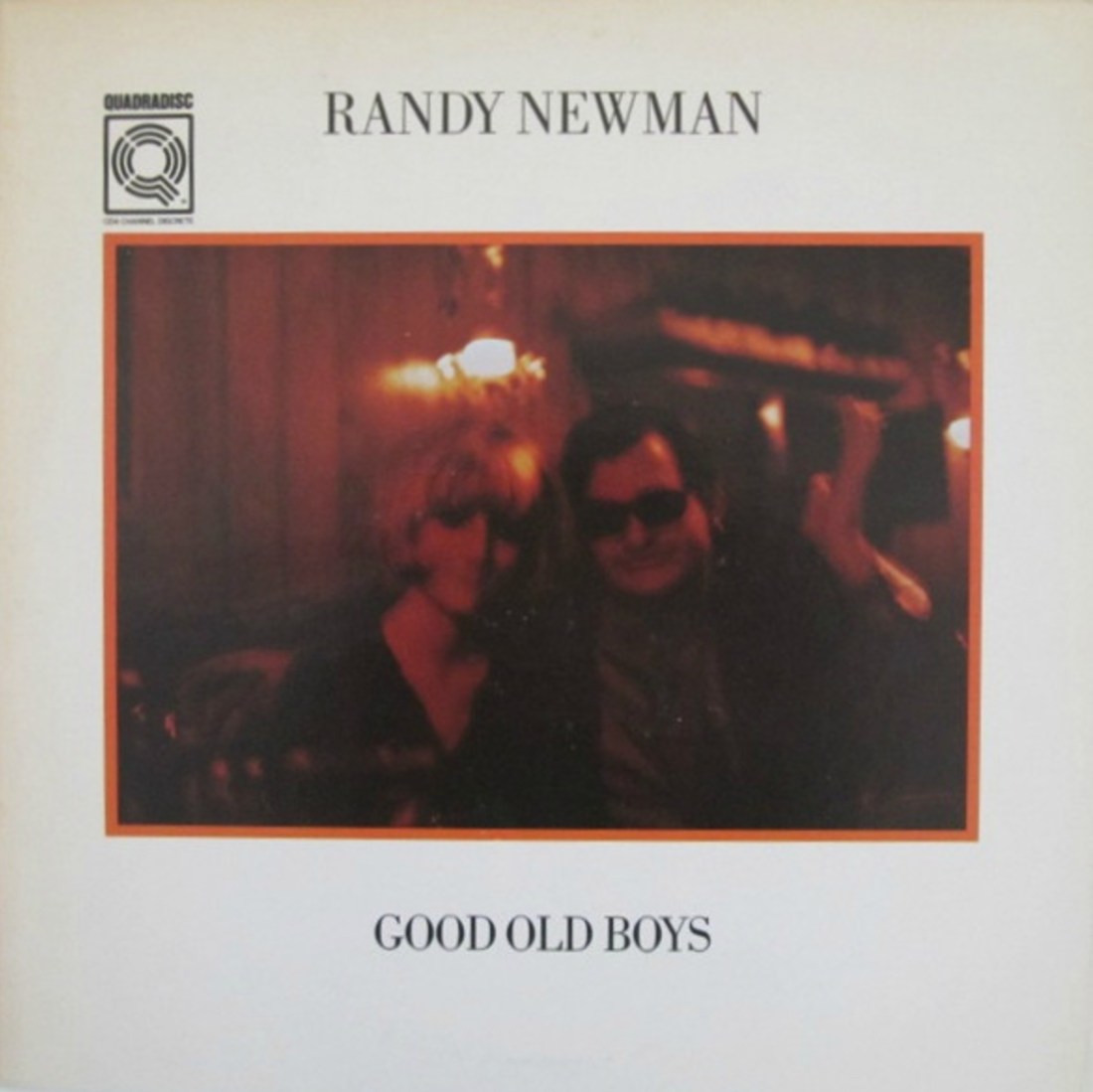
Randy Newman – Good Old Boys

There is nothing at stake here, so I can be brutally honest: this album is sort of boring.

There’s a difficulty at the heart of all of Randy Newman’s work: he writes (mostly) great songs that he then, unfor­tunately, chooses to perform himself, often with little more than his own piano-playing as an accompaniment. His observational lyrics (gently skewered by “Family Guy”) force you to pay attention, but rarely does the music part of the song do the same.

The early part of the album has a sluggish ragtime feel, as if each track should be playing over a sepia-toned title card in a black-and-white silent movie. It’s a fitting style, as much of the lyrical content deals with an ironic longing for the American south of the pre-civil rights era (with some pointed smartassery about northern hypocrisy), but ragtime itself has more variety than these tunes. There are odd moments of excitement that slip in – a country echo in “Birmingham”, the hint of a tropical feel in “Naked Man”, sneaky southern rock forays in bits of “Kingfish” and “Back on My Feet Again” – but these really just highlight the sameness of the rest. Even those clever lyrics become a problem: unless you already understand this going in, it can be challenging to get Newman’s point of view when almost everything is sung sarcastically.

The record is not without its moments. “Marie” is a delicate love song from an unworthy lover, and “Every Man A King” (co-written by Huey Long, the subject of “Kingfish”) is a snappy honkytonk ditty with a rich chorus from Eagles on a daycation. But in its entirety, the album left me with little compelling reason to listen to it again, since, unlike the very best music, I have no expectation of being surprised or brought to joy on any future play. Which is fine – there are lots of records that do that for me already.
Not the Pazz and Jop 1972 – Extra Credit

Even with listening to most of these records a few times before doing a post, that still leaves a lot of time – mostly on walks, but also while doing yard work – to listen to other music. This includes records from 1972 that didn’t make it into the top 20, and not just the already-commented-on Black Sabbath’s “Vol. 4”. How Jethro Tull made it ahead of any of these records is mystifying to me, and some of your favourites are likely here, too. I can’t recommend everything from 1972, but the albums listed below gave me a lot of pleasure.

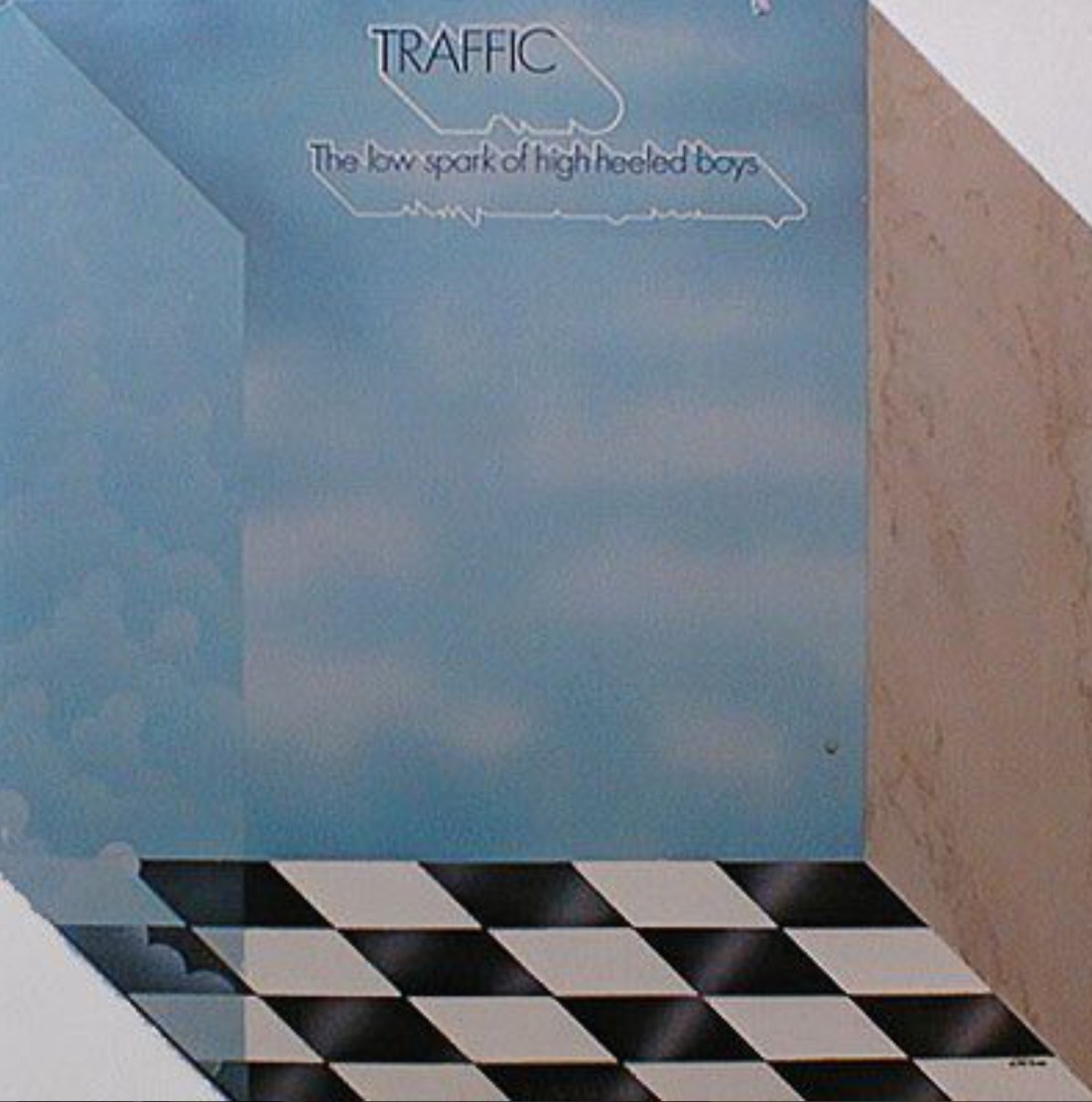
  • Traffic – The Low Spark of High Heeled Boys (especially the epic title track, an immediate addition to my Spotify playlist “Long Songs that Never Get Boring”)
  • Stevie Wonder – Music of My Mind (what a year he had)
  • The O’Jays – Back Stabbers
  • Todd Rundgren –  Something/Anything?
  • Randy Newman – Sail Away
  • Al Green – I’m Still in Love with You; Let’s Stay Together (also a pretty good year)
  • T. Rex – The Slider
  • Mott the Hoople – All the Young Dudes (produced by David Bowie – its a crime these guys aren’t appreciated more)
  • Miles Davis – On the Corner
  • Elton John – Honky Chateau
  • Alice Cooper – School’s Out (possibly 1972’s biggest surprise outside of Black Sabbath – I think there’s a musical theatre nerd in Vince that managed to sneak out for part of this record)
  • Captain Beefheart and the Magic Band – Clear Spot
  • Eagles – Eagles (it pains me to include this – Don Henley seems like an enormous tool (just ask Frank Ocean), and Glenn Frey may have been one – but there is no denying these guys made some decent records)

Pazz and Jop 1971 – #18 (tied)

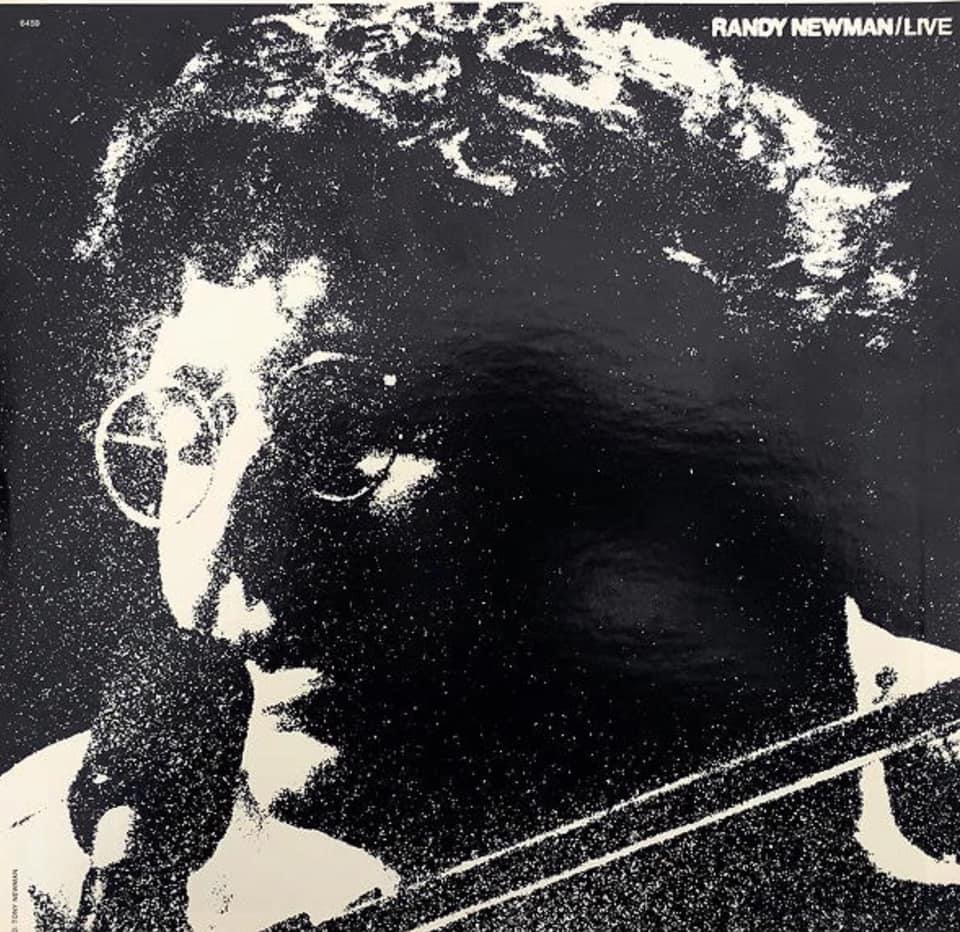
Randy Newman – Randy Newman/Live

There are prettier voices and far more virtuosic ivory ticklers, and his style is so consistent as to seem mannered and worthy of parody all these years later. So it is easy to forget what a great songwriter he is. It’s no surprise he ended up writing for the movies, given his pedigree (two of his uncles are legendary Hollywood composers) and penchant for storytelling. A lot of his songs take the perspective of someone other than himself, so you can see how not-very-bright people could get upset with a song like “Yellow Man” if you think too hard on what he’s saying and not the way he’s saying it. It would get him in trouble in 1978 with his one hit, “Short People” (one of three great humourous hits from that weird year, the others being, of course, Warren Zevon’s “Werewolves of London” and Steve Martin’s “King Tut”).

That reliable style can be a bit much over a full record, so it helps that this checks in at a brisk 32 minutes over 14 tracks. All the fat has been trimmed off this album. “Tickle Me” is a delight, probably my favourite song here, and a sharp comment on a dying relationship (“You won’t have to talk to me and I won’t have to talk to you”), as is “Lonely at the Top”, which would make more sense coming from Frank Sinatra, who rejected it (Frank was not known for having a sense of humour about himself), although it would then seem pompous rather than funny. “I’ll Be Home” is beautiful, revelling in it’s simplicity (and check out Barbra Streisand’s version to get around the baggage of Newman’s voice), there is a powerful pathos to “Cowboy”, and “I Think Its Going to Rain Today” is another favourite. Newman might best be appreciated in small doses, and this is about as small as something can get and still be called an LP with any degree of honesty.

(Originally posted on Facebook, April 25, 2021)