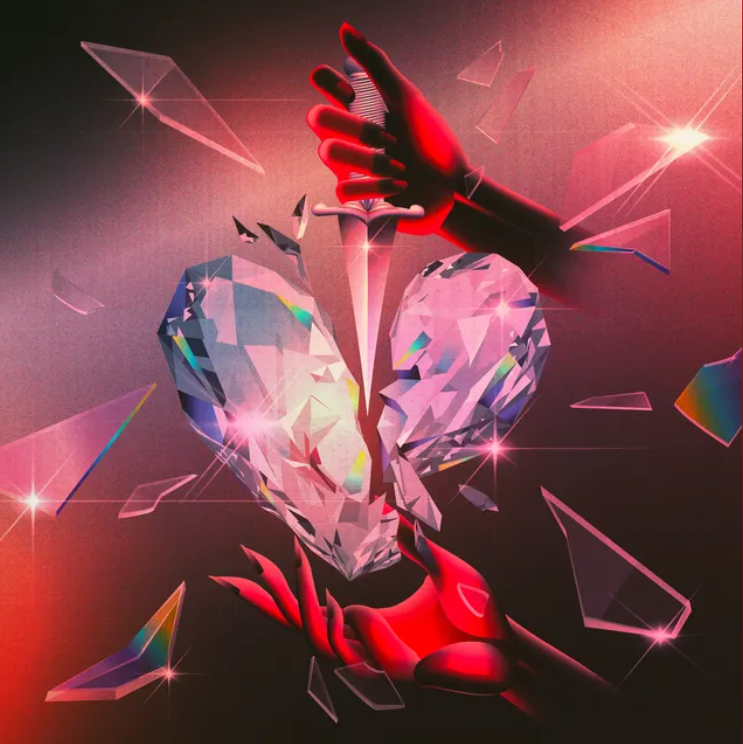
The Rolling Stones – Hackney Diamonds

Growing up, I believed that the music you listened to was a product of your chronological age. In younger years, you gravitated towards rock ‘n’ roll (the idea of “pop” didn’t even occur to me, and anything Black – soul, R ‘n’ B, blues – simply did not exist as a category in my corner of the world), followed by a dalliance with country before you settled into old age – which I suppose I imagined began around 50 – with the kind of stuff that Marg Ellsworth played on CHER on Sunday mornings, which was what Johnny Fever was rebelling against on that classic first episode of “WKRP in Cincinnati”. Classical and jazz were not considered – I knew they existed, but no one I knew was listening to them openly to any significant degree.

So, now that I know that all of that is a lie, and that I was not in fact destined to become musically boring, I am still left with the question of what it means to “act your age” musically. My father would sometimes say to me that I had to grow up and stop listening to that noise. Keep in mind, I was, like, 15 at the time, and years away from growing up. But that message fed into my mindset about what kind of music was proper at a given age.

Thankfully, The Rolling Stones never met my dad.

What are we to make of an ass-kicking band of actual and borderline octogenarians? Well, first there is a sort of amazement that they are even doing this, no doubt with their hearing aids cranked up to 11. The Stones will, like all successful acts, be faced with the reality of being compared to the better records they made when they were younger, and, god, I am so over that garbage. Yes, this is no “Sticky Fingers” or “Exile on Main St.” or whichever album tops your ranking of their canon. But, dear god, I had fun listening to this album. It’s a saggy balls out, smash/bang howl of a record, and if the Stones are now little better than a honky tonk bar band playing the nostalgia tour (and I don’t necessarily share that assessment), they are still the very best at that. The songs have solid melodies, Mick still sounds great, and Keith, Ron and the rest of the band deliver on every track. My favourite tune is probably the British grannies bitch slap “Bite My Head Off” with Paul McCartney, but you could talk me into favouring the opener “Angry” or “Whole Wide World” or “Live By The Sword”, the last of which includes contributions from former band mates Bill Wyman and the late Charlie Watts. Even the slower tunes, like the Lady Gaga and Stevie Wonder team up on “Sweet Sounds Of Heaven”, should feel no shame when sitting next to “Angie” or “Wild Horses”.

This might be their last gift to us – ending with an honest cover of the Muddy Waters classic that gave the band its name seems a signal – and, if so, it’s a very honourable ending. It’s a good record, even a great one at times, and if you disagree – I’m looking at you, Pitchfork – please, for your own sake, pull your head out of your ass and give it another spin.
SoundTracking #3

Career Planning

Growing up, there were two jobs that I set my sights on attaining once I entered the workforce. First and foremost, I wanted to be a professional hockey goalie. If that didn’t work out, my backup plan was to be a statistician. I really had no idea what the latter position entailed, but I liked math, and my imagining of it was that I’d be the guy who tracks all the assists and penalty minutes and figures out what someone’s goals against average was. Now that I have some idea of what a statistician actually does, it’s clear my conception was really more of a scorekeeper role, and not the analytics-type worker that professional sports teams hire in droves these days. (Career tip for anyone still figuring things out: statisticians are in high demand right now and will remain so for the foreseeable future.)

Eventually, I did a lot of jobs that had nothing to do with hockey or numbers before settling in the legal field and ultimately becoming a lawyer. And while I (usually) like what I do, it isn’t a calling: I’m a lawyer because they let me into law school. (Crazy bastards.) If they hadn’t, I’d have tried something else.

It’s too late to head down this path now, but ever since I learned that such a gig existed (yes, it was after law school), my dream job has been to be a music supervisor for film and television. These are the folks who, working with other members of the creative team, help to come up with the songs that you hear in a movie or show, including such simple things as a background tune in a diner, or the critical mood-setter underlying a scene.

I think this job would’ve been a great fit because I’ve always had a filmmaker’s sensibility without any actual cinematic eye. Music almost always sparks a visual connection for me. A good reminder of this came one recent day in my car with a Spotify playlist on when the Swedish behemoth served up “You Should Be Dancing” from the Bee Gees. What my brain pulled up was not a picture of the Gibb brothers in their satiny disco era glory. No, what I saw was Gru, the supervillain turned father-of-the-year from “Despicable Me” (and four sequels/spin-offs). There are a lot of other songs that my mind spontaneously connects with cinematic visuals. I can’t hear any version of “I’m A Believer” without seeing the celebration of Shrek and Fiona’s nuptials in “Shrek”. Queen’s “Bohemian Rhapsody” means I’ll soon imagine the head shaking and hair flying everywhere of “Wayne’s World”. And there are a half-dozen songs – including ELO’s “Mr. Blue Sky” and David Bowie’s “Moonage Daydream” – that bring back scenes from the first two “Guardians of the Galaxy” films. Even a noteworthy cover version can have this effect: what fan of The Police and “48 Hrs.” does not see – and, more importantly, hear – Eddie Murphy’s falsetto when “Roxanne” comes on?

What I am talking about are songs we already love that the movies have hijacked. There are, of course, songs we love that were created for the movies, like “Don’t You (Forget About Me)” or “Streets of Philadelphia” or “Lose Yourself”. Or a song like Yello’s “Oh Yeah”, which was not widely known before it became associated with a movie. And then there are smaller bits of songs that show up in movies, sometimes without us even realising that they have a pre-history outside of the film. I love the movie “Moneyball” (the book is awfully good, too), and there is a mournful bit of music that I always thought was composed for the film but turns out to be a piece called “The Mighty Rio Grande” from a band named This Will Destroy You. 

We’ve all seen different movies, so your list will differ from mine. But below (SPOILER ALERT!!!) are five more songs that my brain can no longer separate from the movies in which they later appeared.

The Rolling Stones, “You Can’t Always Get What You Want” (The Big Chill)

Truly one of the great song scores, this track sets the tone for the almost-midlife reckoning to come.

The Beatles, “Twist and Shout” (Ferris Bueller’s Day Off)

We should all be honest and admit that super cool Ferris Bueller is something of a selfish dick. But when he climbs up on a parade float and lip syncs to this classic (and Wayne Newton’s “Danke Schoen”), who wouldn’t want to be in his orbit?

Derek and the Dominos, “Layla” (Good Fellas)

As betrayal follows betrayal and the bodies pile up, the haunting piano and wailing guitar lead into one of the most unexpected deaths in the history of cinema.

Stealers Wheel, “Stuck in the Middle with You” (Reservoir Dogs)

Once you’ve heard a song played while a lunatic dances around, cuts off a man’s ear, then covers that man in gasoline, you can never go back.

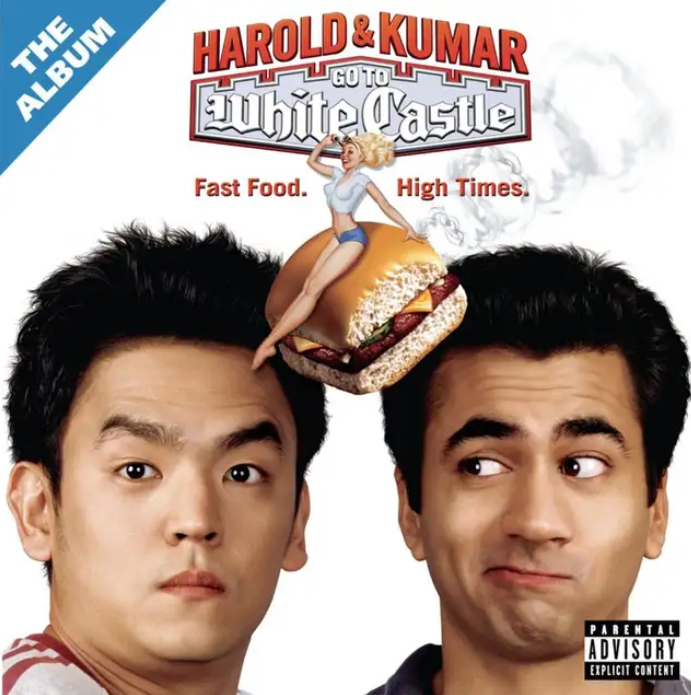
Wilson Phillips, “Hold On” (Harold and Kumar Go to White Castle)

I won’t try to convince you that this is one of the great comedies of the last 20 years: either you are on board, or you aren’t. But in this scene, near the end of a night that tested their friendship, the titular heroes somewhat reluctantly bond over a pop classic.

Pazz and Jop 1974 #5

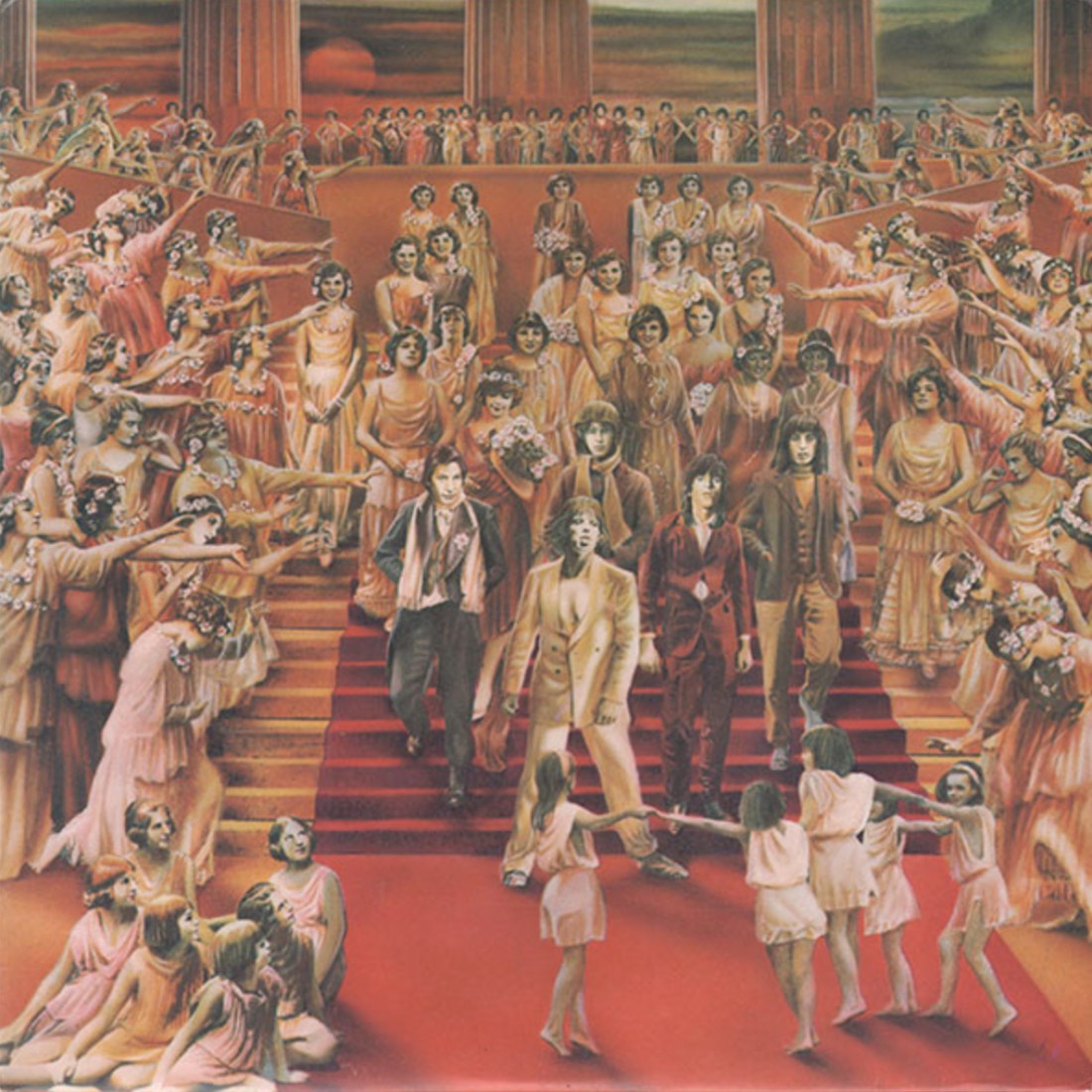
The Rolling Stones – It’s Only Rock ‘n’ Roll

I’ve never been comfortable with the notion that The Rolling Stones are the greatest rock and roll band in the world. It comes off as nothing but hype, the kind of thing dreamed up to get some press. There is a very good argument to be made that in 1969, when this tag was first given to them by the announcer at the outset of one of their shows (and not immediately disavowed by the band), they weren’t even the best band on their home island: The Beatles were still very much a thing, and The Who and Led Zeppelin were staking their claims to greatness. The arrogance of that moniker, especially in view of the diminishing returns of their 1970s records, contributed to the rise of punk in mid decade. And “It’s Only Rock ‘n’ Roll” seems to have played a big part in this.

As I have readily acknowledged previously, I am by no means an authority on The Rolling Stones (or anything, really), so I could be completely off base here, but this feels like the most rock album that I’ve encountered from them so far. It still has bluesy rhythms and the other genre-hopping markers that the band liked to play around with. But there is also a real commitment to pre-power ballads and excessively long songs for no apparent purpose other than to include extended guitar solos. You know – a rock record, as opposed to a more free-wheeling and uncloistered rock ‘n’ roll record.

And that excess and some weird experimentation, it seems, may have been the problem for the folks who were in the vanguard of punk. For them, the Stones weren’t a rock and roll band anymore. They were a rock band, and that signified a bunch of unattractive elements that just called out to be rebelled against. Rock was corporate, and took itself far too seriously: rock and roll was dirtier, and way more fun. And a lot of this album just isn’t much fun.

It sure starts out great, though. “You Can’t Rock Me” explodes out of the gate. It’s a real toe-tapper, with great work from Charlie Watts on the drums, and its failure to be released as a single further convinces me I would have just killed had I been making such decisions in the early ‘70s. The title track is justifiably legendary, even if the guitar sound feels like the shy cousin of Marc Bolan’s chug on “Get It On”. Keith Richard does some fantastic playing heading to the three-minute mark, and the song is a true anthem, with an amped-up country-blues feel. “Dance Little Sister” is another good one, a rollicking stomp with a heavy backbeat, honkytonk piano and a blistering guitar solo.

The forays into non-rock elements show up early, with a funky break 1:30 into the opening track. The sounds of Black artists seem particularly attractive to the lads. They include a cover of “Ain’t Too Proud to Bed” that offers nothing new but scuzz on the guitars and a bit of volume: Mick Jagger is great, but he can’t equal David Ruffin on the original. There’s a bizarre attempt by Mick to sound Jamaican on “Luxury”, they brought in Blue Magic to provide backing vocals on “If You Really Want To Be My Friend”, and “Fingerprint File”, which feels like it belongs on a different record, has a Sly Stone electro-funk vibe with the edges sanded down.

The peaks though are those ballads, highlighted by some all-world piano from Nicky Hopkins. “Til the Next Goodbye” has great cinematic images (“snow swirl around your hair”), pairing delicate beauty with an air of heartbreaking desperation. But it pales next to “Time Waits for No One”, a tale of loss and regret (“hours are like diamonds, don’t let them waste”) which goes on way too long initially then feels like it ends too soon. Hopkins again, subtle until he starts slamming on the keys over the last minute. A consistent, unobtrusive back beat from Watts. Deliciously melancholy guitar from Keith that deepens around 3:00 and becomes virtuosic after 4:00, and our reward for sticking around is Keith playing us out.

It’s a (mostly) good record, but, no, it’s not a fun one. There’s just way too much melancholy, too much self-important seriousness and experimentation for experimentation’s sake to be purely enjoyable. The peaks are marred by some overly long tracks and a few cringe moments (“Short and Curlies” is both), and, again, WTAF is Mick up to on “Luxury”. It feels a bit like a band trying to figure out its future, and relying on trickery to sustain it. That future had one last great record in it, but that was four years away, and the mid ‘70s found the Stones flailing a bit. No wonder the punks felt the crown was theirs for the taking if this was the best the world had to offer.

Classic Songs of My Youth Revisited #25

Peter Frampton – Jumpin’ Jack Flash

So, yeah. Peter Frampton. Let’s start there.

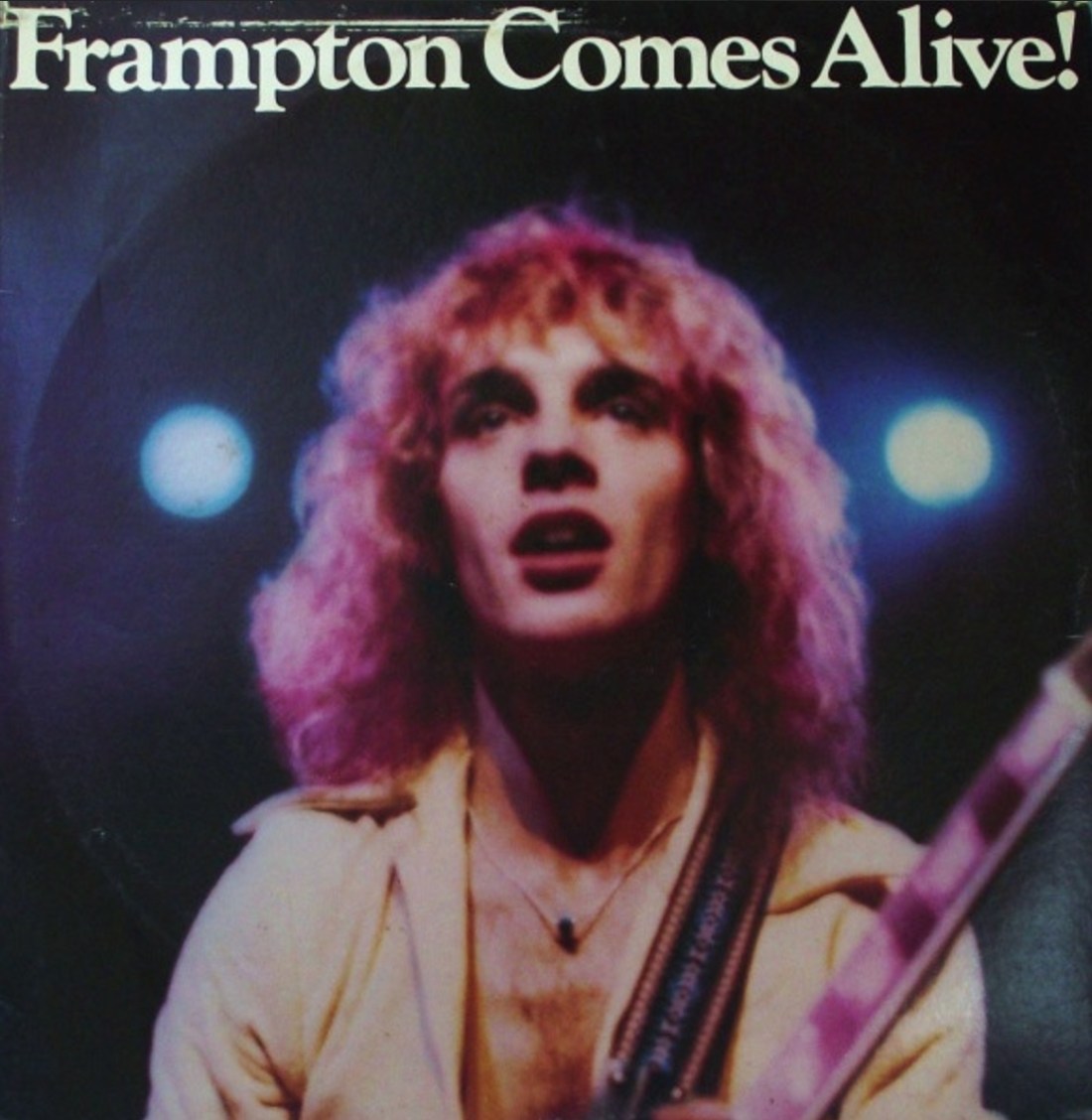
In 1976, for reasons that are not clear in hindsight and probably didn’t make a lot of sense at the time, A & M Records released “Frampton Comes Alive!” The question is why Frampton, after four albums and only modest commercial success, was deemed worthy of the double live album treatment. Clearly, someone at the label was at the top of their game because the record was a true sensation, selling around 10 million copies and producing three hit singles. Buried in all the hype was, at the end of side three, a cover of “Jumpin’ Jack Flash”. And though I read the liner notes and knew it was a Rolling Stones song, it may as well have been a Frampton original, because I had never heard the Stones’ version. I don’t know how that could have happened but it did, and that made it – still makes it – a Peter Frampton song for me. (I also never heard “Tumbling Dice” until it showed up on the “FM” soundtrack as a Linda Ronstadt cover in 1978. Someone older than me clearly fell down in not turning me on to the Stones.)

The album still kicks ass, especially the 14:15 long “Do You Feel Like We Do” and the guitar lick at 3:04 and 4:20 of “Something’s Happening”, and Frampton, now in his 70s, remains one of the coolest guys out there. His Twitter feed is a frequent delight, though it helps that we tend to agree on political and social issues.

With that out of the way, let’s get to the crux of this: every teenage boy wants to be a rock star. Okay, maybe a few don’t, but they all have equally preposterous alternate goals. It doesn’t matter if you can’t sing or play an instrument: in your bedroom, you’re a rock ‘n’ roll god. And it never really goes away: even at 58, you can at times find me in my kitchen at 5:00 a.m. supporting Tom Scholz with some wicked air guitar licks on “More Than A Feeling”.

I actually had friends who sort of were rock stars in our community. Robert Barrie and Alan Sutherland were two of my pals in high school, and they played together in a series of bands, even releasing a pretty cool single when we were in Grade 12. (Shout out to “Endlessly” backed with “Coke Avenue”, though I was always a “Kiss Your Picture” guy – you can’t beat a good power ballad.) I haven’t seen Alan in ages, but Robert’s house has always been a guaranteed stop on my rare trips back to Cape Breton. I can’t remember if they were still playing together, but when my rock star moment came, Robert was the one who made it happen.

It was summer, I’m pretty sure 1985. I was back in Cape Breton for a visit, as were some other old friends – definitely Doug Maxwell (R.I.P., you magnificent bastard – BTW, if you don’t get that that was a compliment, I can’t help you), almost certainly Sandy Nicholson, probably Darrell Clark. Robert’s band was playing a charity event and our gang went out to support the cause, of course, but mostly to drink cheap beer, try to win a raffle and see our friend play. Towards the end of the night, Robert called Doug to the stage, and, somehow thinking it was intended for all of us (it really wasn’t), the rest of our group followed, and before I knew it we had become an impromptu backing chorus on “Jumpin’ Jack Flash”. I learned that night that years of bedroom listens didn’t mean I knew the lyrics very well. I can’t remember what I thought was being sung, but “It’s a gas! Gas! Gas!” was not it.

It’s important to understand that I was born to be a backup singer. I would have made a great Pip, had I but only found my Gladys Knight. I can carry a tune, only sound good as part of a group, and am generally happy just to be included. The synchronized dancing would’ve been a challenge, but we’d have worked it out – it’s not like those guys were channeling James Brown or anyone equally electric. So that night, for the four or five minutes we were on stage, was glorious.

Oh, and Peter’s version? It’s good, but the original is so much better. There is, of course, no shame in that – they’re The Rolling Stones, for god’s sake – and I imagine Frampton would agree. Like all live versions, it seems, it goes on forever – twice the length of the Stones’ original. The original is a true strut song: crisp, with a propulsive backbeat, deep bass notes and a rich chorus. Frampton’s version is slightly sluggish, more plodding – more of a guitar god record than the singer’s showcase of the original – and stretched out for audience interactions.

All of this is part of why I love cover versions: every few years, sometimes longer, a new group of people gets to call a song their own. My “Hurt” is by Johnny Cash, but yours could be Nine Inch Nails’ original. Your “Always on My Mind” could be by Elvis or Willie, while mine is by the Pet Shop Boys. Versions of “Hallelujah” are like Tim Hortons – there’s one for every block in Canada. There’s no right or wrong answer here: it’s whatever makes you fall in love with the song.

Cover Version Showdown #2

The Rolling Stones, “(I Can’t Get No) Satisfaction” – Devo vs Cat Power

My image of The Rolling Stones was formed by a comment I read comparing their appearance on “The Ed Sullivan Show” to The Beatles’ edition. This came at a point where I still loved the boys from Liverpool while the Stones were barely on my radar. The writer said that while the Beatles wanted to hold your hand, the Stones had something more adult in mind. This was a reference to “Let’s Spend the Night Together” – infamously rewritten to “let’s spend some time together” for the show – but the idea of a bunch of sex-hungry wild boys stuck in my head. Why I didn’t immediately beg my mother for money to buy their records is beyond my present-day comprehension.

I don’t know when I first heard “(I Can’t Get No) Satisfaction“, but it sure feels like it’s always been a part of my listening exper­ience. It is one of those songs that everyone seems to know the chorus to without actually having paid all that much attention to the verses. Count me among those until recently, although I did recognize that there was a lot more happening there than the title would suggest. It is, of course, about sexual frustration, but it is also about being frustrated with the world in general and its commercialism specifically. It’s also about fitting in, about wearing the right clothes and smoking the right cigarettes. It is both cynical and idealistic in that way that only the very young would even dare to try and pull off. And, yes, Mick, Keith and company were once very, very young. That is sometimes forgotten since they’ve been in our lives in one form or another for over 55 years.

It, of course, opens with that all-time Top 5 riff from Keith. Mick slides in, loose and carefree at first, calm on the I-can’t-get-no’s, then getting amped up. A lot of shit is bothering Mick, and he needs to tell us about it. As the verses roll along, he becomes more impassioned, but he never completely loses his cool, pulling back just in time. It’s like when Zuko and Kenickie get caught up in the moment and hug in “Grease”, then quickly act like they didn’t just show some genuine human emotion. And throughout it all, Keith and company roll along, the comb sliding through the greased-back hair of life (I’m stretching this metaphor to its absolute limits, I know).

Picking the contenders gave me a wealth of options. Should I pit the Queen of Soul Aretha Franklin against a fellow R&B master in Otis Redding, or, for the greatest mismatch since the 1992 U.S. basketball Dream Team decimated Angola, have her take on Page-3-girl-turned-pop-star Samantha Fox? What about Fox against fellow dance pop hottie Britney Spears? Or maybe borderline paedophile Jerry Lee Lewis matching up with mid-60s celebrity sons trio Dino (Martin), Desi (Arnez) and Billy (okay, they didn’t all have famous parents)? In the end, because I prefer covers that put a unique spin on the original, I went with quirk versus cool.

For the former we have Devo, an all-time quirk great. Their take on the song is a sort of robotic funk. If you have ever wondered (and let’s be honest here, we know you have), what a horny robot would sound like, well, I give you Devo. The vocal is something of a monotone, and at first it seemed to me that he never really gets worked up, because that is just how shit goes. Then I realized he is always worked up, with that slight rise on “satisfaction” suggesting it’s a bit of a fight to keep things together. The song has a rhythm that keeps you off balance, and the monotony of his voice and the song’s tone gradually wear you down. In the end, no one really feels satisfied.

Satisfaction seems besides the point in Cat Power’s dreamy guitar-only acoustic take: she doesn’t sing the chorus, so the key word never passes her lips. It’s a sultry and world weary take on the song, slowed down and sluggish, played late in a sweaty bar as last call approaches. You are forced to pay attention to those oft-overlooked verses, and, as if to hammer home the point, the last verse is sung twice, slightly modified, and then ends in the middle. There is no catharsis, and the song just drifts off.

The Winner: Cat Power

The Devo version is fun, but Power’s take has more of a pull than even the original, because you never get that jolt from the chorus. There is no satisfaction, but it’s pretty clear Devo isn’t satisfied either. Devo’s reads as resignation, while Power’s is a more adult acceptance, and maybe more about someone who has control over the situation, as well as a clearer understanding of why things are the way they are, and thus maybe a better chance of fixing them. More importantly, of course, is that I think her piano bar version opens the song up, shows new tones and levels, while Devo’s, while an absolute reinvention, doesn’t really tell you anything new about the song, only about the performer. That Power somehow does both puts her in the winner’s circle this time around.

Not the Pazz and Jop 1972 – #2

The Rolling Stones – Exile on Main Street

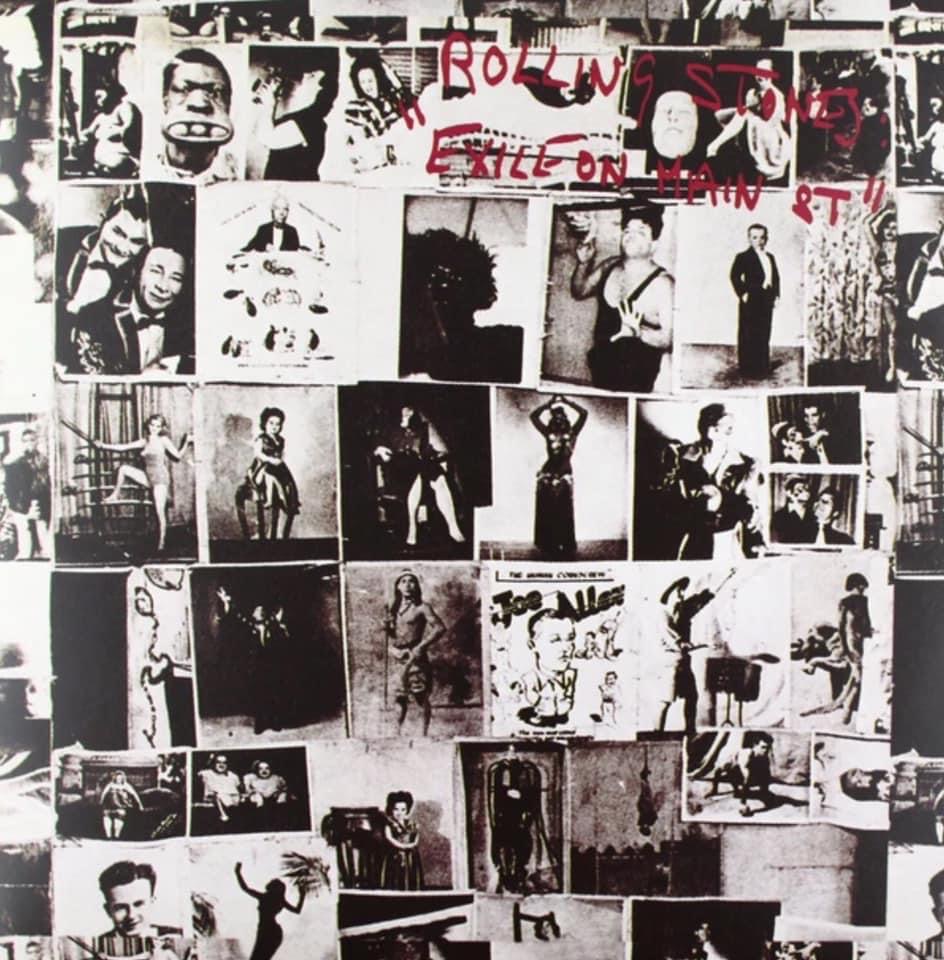
I would never call myself a Stones fan: I think fandom requires a bit more than just liking anything you hear on the radio or a Spotify playlist. Having heard so much of the band over the years, I had a pretty good idea what a Stones record would sound like before listening to it. It would reliably be in the blues-rock vein, but with lots of honky tonk-style piano, maybe some country, soul or gospel elements. They own that lane – everyone else should be smart enough to stay out of their way – but it’s still a fairly recognizable path. The songs I really love by them – the ones that I want to crank up – are those that don’t sound like they came from exactly the same band, like “Ruby Tuesday”, “Sympathy for the Devil” or “Gimme Shelter”.

The thing is, I was wrong, and it took the third listen for me to realize it. There are nuances that only become clear in repeated plays. This song is like a church spiritual (“Torn and Frayed”), that song is like a swing classic updated to late 50s rockabilly (“Rip this Joint”), another is a country-blues shuffle (“Sweet Virginia”), and this other song sounds like it was mixed by a drunk in a gas station bathroom (“Rocks Off”). There was, unexpectedly, another near-brush with solo public dancing during “Loving Cup”.

Part of the problem with double albums is listener fatigue. You start record two full of gusto, but after an hour of the same band, side four is usually the least-listened to of the set. I never felt that way here – much of what I like best on this record is on disc two: the gospel-tinged jam of “I Just Want to See His Face”, the spine-tingling ballad “Let it Loose” (my favourite new-to-me song on the record, and as lovely as anything I’ve ever heard from them), the dance-rocker “All Down the Line”, the balls out Robert Johnson cover “Stop Breaking Down”. The pinnacle comes with “Shine A Light”, the penultimate track, which steers into the gospel elements played with earlier in the record and is haunting in places, followed by “Soul Survivor”, a true show stopper to end the record. It’s a good feeling to be wrong about something this great.

(Originally posted on Facebook, May 16, 2021)

Pazz and Jop 1971 – #2

The Rolling Stones – Sticky Fingers

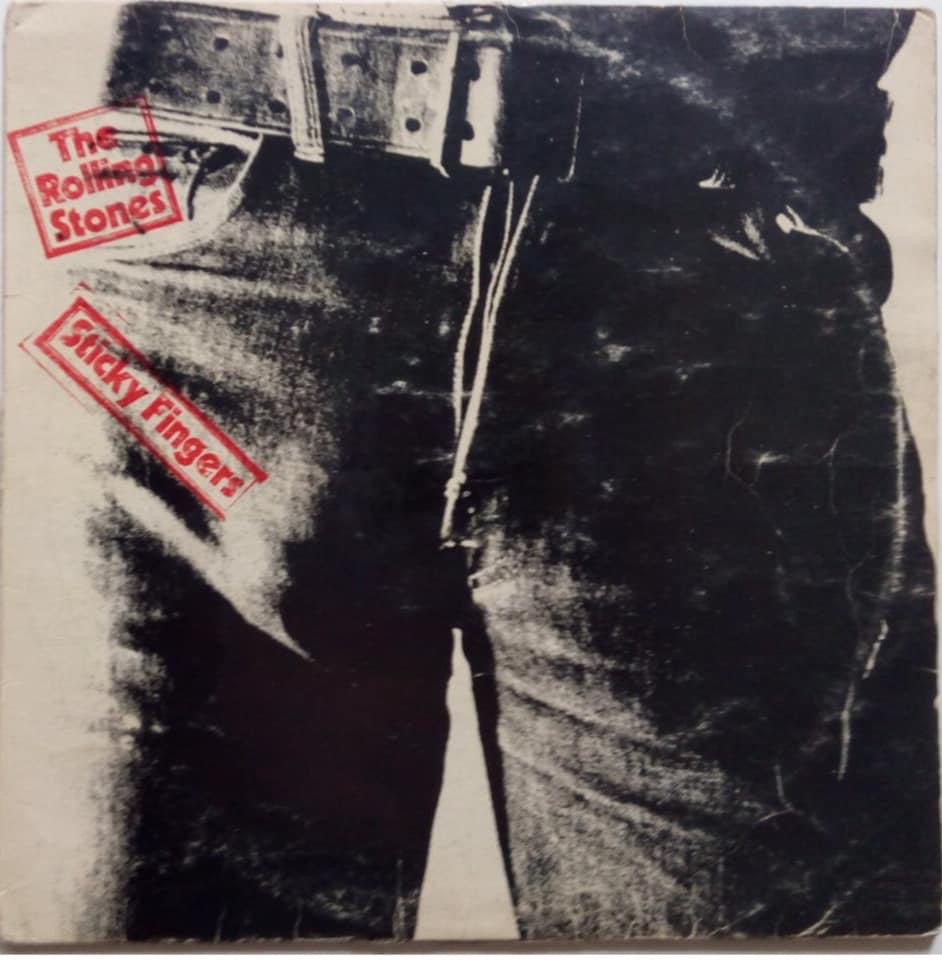
Spotify offers four versions of “Sticky Fingers”: Remastered, Deluxe, Super Deluxe and Spotify Landmark Edition. I want to limit myself – as best I can – to the version of the album released in the year it made the list, and the Remastered (in 2009) version comes closest. And what is there to say about this record? A genuine classic and, despite having owned multiple Stones records over the years, one I never played straight through. I’ve always preferred The Sundays’ cover of “Wild Horses” to the original, but hearing Mick wail into my ears in its intended context elevates the song for me. (The Gram Parsons version, which may slightly predate the Stones release, is a less angsty rendering.) “Can You Hear Me Knocking” feels, during the end stretch, like a jazz improvisation. (Like nothing I’ve ever heard from these guys, which likely shows how poor my knowledge of their catalogue is.) The entire second side, with which I have at most negligible familiarity, is beautiful, especially “I Got the Blues” and the melancholic closer, “Moonlight Mile”.

(Originally posted on Facebook, February 27, 2021)