Pazz and Jop 1971 – #9

Various – The Concert for Bangladesh

Another one that isn’t on Spotify, but someone has been courteous enough to put the entire thing on YouTube. This record is a lot more interesting as a cultural artifact than as a collection of music. I’m not generally a fan of live albums – I have this issue of wanting familiar songs to sound, you know, familiar (contradicted by my love of covers as reinvention, like M. Ward’s “Let’s Dance”, Scott Bradlee taking on Radiohead, or Richard Thompson and Fountains of Wayne giving Britney Spears a go) – but this outing is an exception. It is, of course, an epic accomplishment, the “We Are the World” or “Live Aid” of its day, without the, respectively, treacle or pomposity. The almost 17-minute long Ravi Shankar-led jam “Bangla Dhun” is bracing, and smartly opened the show before the audience was sated by the star power that would follow. Then you mostly get great artists singing already popular tunes. The other highlight for me was Leon Russell and Don Preston’s medley cover “Jumpin’ Jack Flash/Youngblood”, which has the energy and sense of the unexpected that only a live performance can deliver, but Bob Dylan messing with his own “Just Like A Woman” also makes an impression. Sometimes, a cultural artifact can still surprise you.

The playlist below is an excellent effort that gets as close as one can manage on Spotify to recreating this album.

(Originally posted on Facebook, March 28, 2021)
Pazz and Jop 1971 – #8

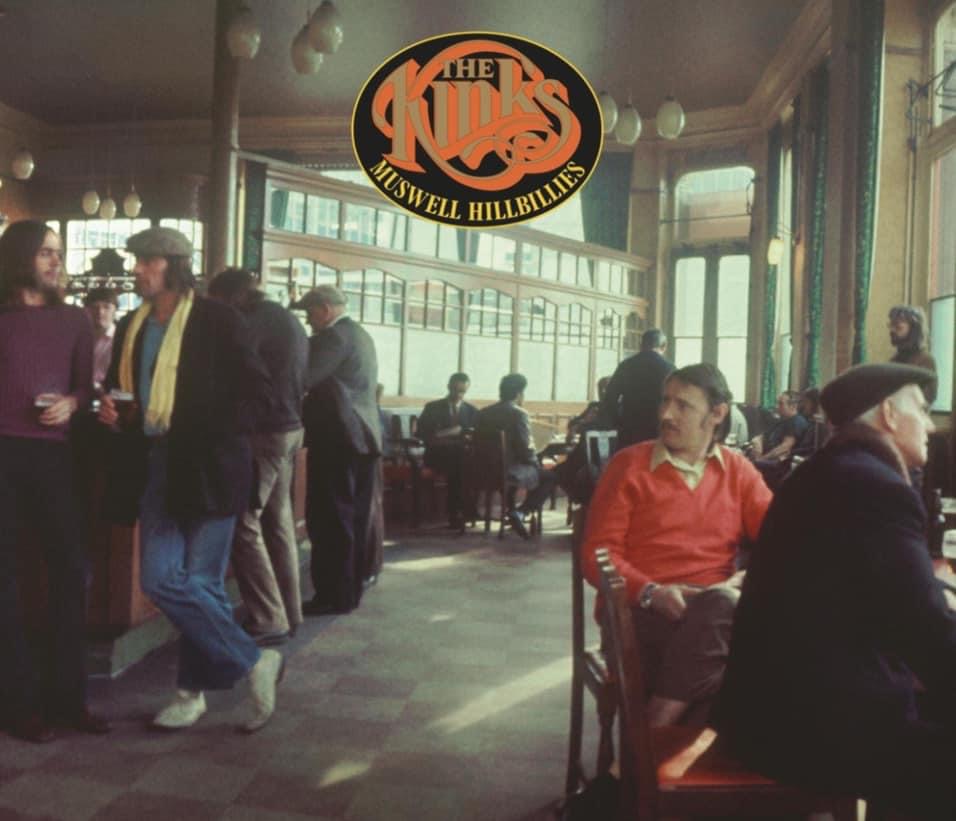
The Kinks – Muswell Hillbillies

My first thought was that this fit in nicely with early ‘70s southern rock, which is a neat trick for a bunch of Brits. I’ve seen it described as country rock, but I don’t accept that: it takes more than a little slide guitar to make something country. There are bits of blues, and music hall piano flourishes. But what it really feels like is the song score for a musical theatre production: each track has that sense of a character stopping to sing part of the story. “Holiday” was the first place I noticed this (I even had the basic dance steps worked out in my head), but it could apply to pretty much anything here. The lyrics are rather glum in spots (the theme is essentially the destruction of a way of life thanks to government overreach in a specific London suburb), but done in such a fun way that you probably wouldn’t notice without reading the lyric sheet. Under the hauntingly beautiful melody of “Oklahoma U.S.A.” lurks the dark heart of an unsatisfying life. Other favourites include “Acute Schizophrenia Paranoia Blues”, “Skin and Bone”, “Alcohol” (check out Brad Paisley if you want an actual country song with this title) and “Holloway Jail”. The closer, “Muswell Hillbilly”, returns (somewhat) to the southern rock mode (Ronnie Van Zant would’ve owned this tune), and offers a hint of rebellion to the attempt to fit everyone into “identical little boxes”. From beginning to end, there isn’t a weak song on this record. A lovely surprise from a band I’ve never paid much attention to.

(Originally posted on Facebook, March 27, 2021)

Pazz and Jop 1971 – Potential Sin of Omission

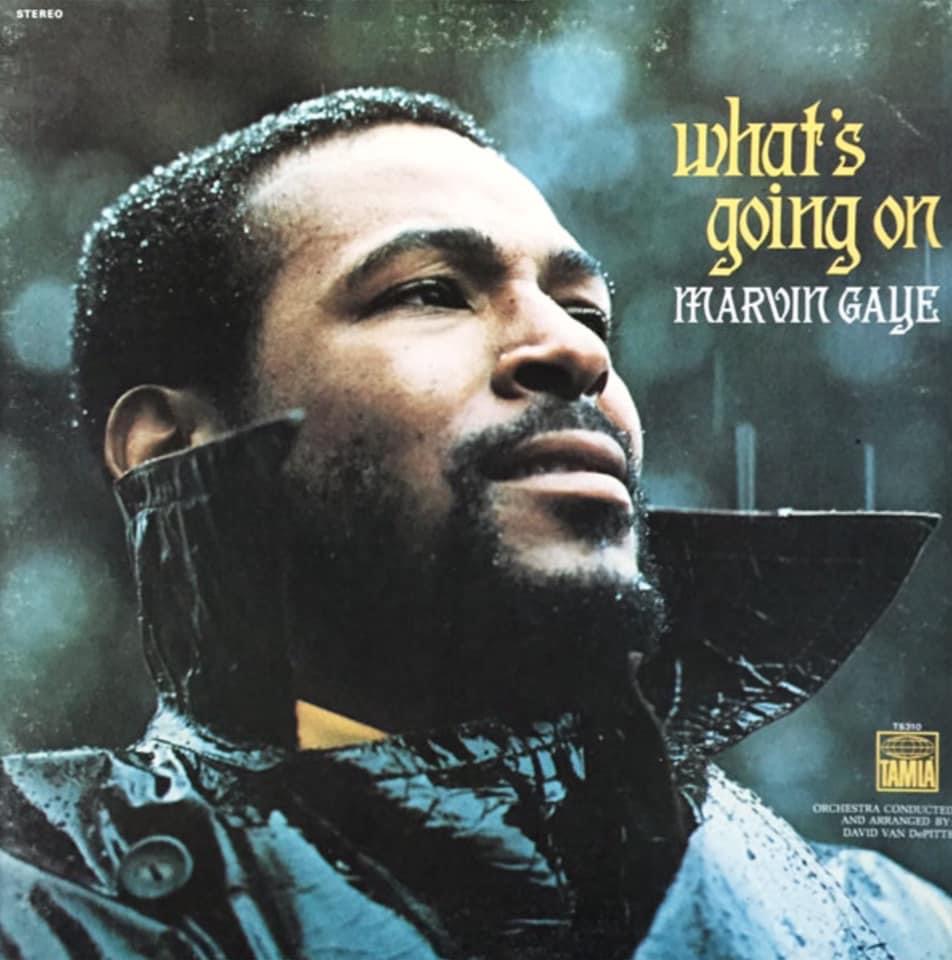
Marvin Gaye – What’s Going On

Rolling Stone voters last year ranked this as the best album ever made. So, WTF was going on with (most) music critics in 1971 that it couldn’t even crack the Pazz and Jop top 20? It’s not like this was an unappreciated gem at the time: the album sold two million copies, spent over a year on the charts, and spawned three Top 10 singles. I don’t have any perspective on this: by the time I noticed the album’s existence, it was because I was being told it was great, so I have no way of judging 1971 listeners. But I don’t disagree with them.

Side one is a blur, and I’m only now realizing how much similarity there is between “Mercy Mercy Me” and the title track. It’s a soul record, but loaded down with so many strings that it has a jarring sweetness that feels years out of date and undermines the lyrical content. Songs flow smoothly into each other, echoing themes from the previous track, but this is an unfortunate sameness that limits how much any individual song can stand out. (If you can distinguish tracks 2 to 4 from each other, you’re much better at this than me.) Side two starts out cooking, but two-thirds through “Right On”, those damned strings are back, before coming back to life in the last 40 seconds or so, then reverting to form on the next track.

No, this isn’t the best album ever made. That’s just silly. I wanted to love this record, but I just can’t see it ever happening. It’s 3 or 4 good songs joined to background music for a boring dinner party. I’m going to give the 1971 critics a W for this one over the 2020 critics.

(Originally posted on Facebook, March 21, 2021)

Pazz and Jop 1971 – #7

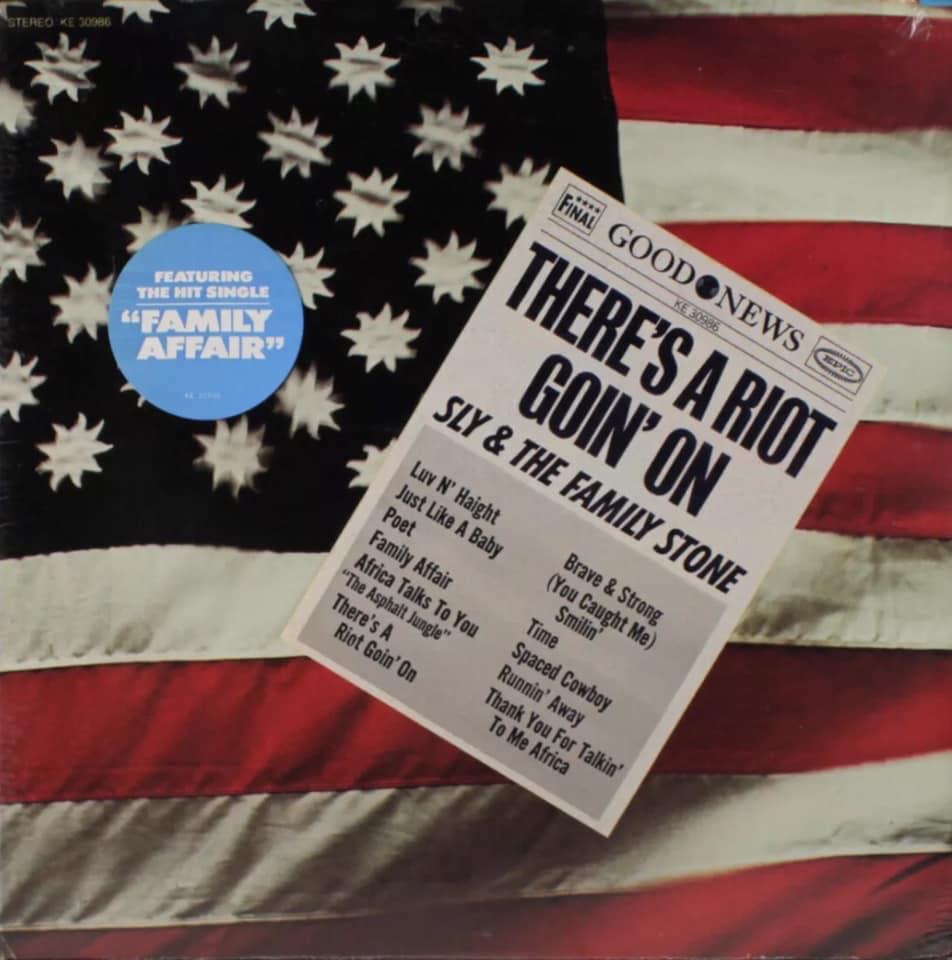
Sly and the Family Stone – There’s a Riot Goin’ On

At last, a black artist, the only one (I believe) to make the 1971 list. It’s certainly a comment on music criticism in 1971, though not music itself: individual critics cited records from Bill Withers, Marvin Gaye (“What’s Going On”, ranked the greatest album ever by Rolling Stone voters in 2020), Smokey Robinson & the Miracles and others, but there wasn’t enough collective support for any of these. So, how did Sly & company break through to get noticed in big enough numbers? (Trivia note – the album title is a direct response to Gaye’s query.)

There is soooo much going on in some of these songs – instruments competing with voices, or each other. And some weird stuff – slowed down vocals, yodelling (or a stoned man’s version), an unhealthy attachment to overdubbing. The bass playing (Drake’s uncle!) stands out (I do love a solid bass line) and a lot of it has an improvised feel, but it can also be discordant. (Sly does not care about your comfort.) It’s not a record for distracted listening if you’re trying to figure out what’s going on. Initially, I felt distanced from it, but by the side two opener “Brave & Strong” I was getting caught up in the experience. “Spaced Cowboy” was the most fun (yodelling!), and “Runnin’ Away” is bouncy (don’t listen too closely to what she’s singing if you want to enjoy this feeling) and relatively simple. The closer, “Thank You for Talkin’ to Me, Africa”, reworks and (I think) improves on “Thank You (Falettinme Be Mice Elf Agin) by slowing it down, uncluttering the instrumentation and softening the vocals. A great palate cleanser to end a messy and heavily-seasoned record.

UPDATE: As I replayed the album on my morning walk, the sounds no longer unusual to me, I had even greater appreciation for it, with “Just Like A Baby” and “Time” especially standing out. The yodelling remains my favourite bit – had fellow beachfront walkers looked my way as it played this morning, my lunatic grin would have likely terrified them. I think Sly would approve.

(Originally posted on Facebook, March 20, 2021)

Pazz and Jop 1971 – #6

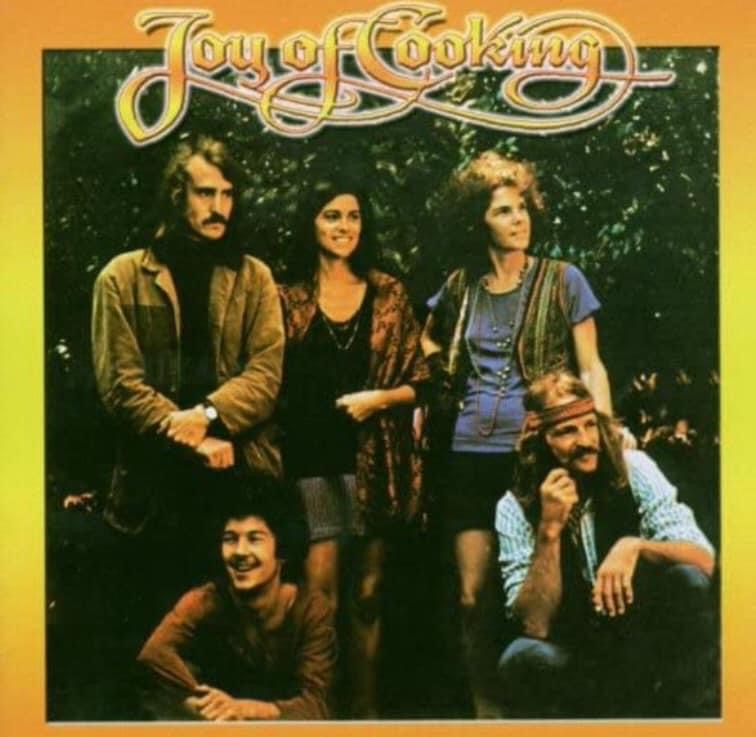
Joy of Cooking – Joy of Cooking

I had never heard of Joy of Cooking before looking at this year’s list, and that as much as anything convinced me to start this project. They were pretty much done by 1972 and only three albums, and never had a true hit single to cement a place on AM radio. (They peaked at #66 on the US chart, with “Brownsville”, maybe the least interesting song here.) There are echoes of Janis Joplin and Carole King and Joni Mitchell and Maria Muldaur, and maybe that’s kind of sexist of me, comparing female artists (it’s a mixed gender band, but dominated by the two women) to other female artists, but that’s what I hear. And that’s quite a range. Some lovely harmonies (sometimes cut by Janis-y yelps), a folky or bluesy tune followed by barroom jazz (“Down My Dream” is hypnotic) or rock, but throughout it’s a piano-forward record (with dabbles of organ, especially pleasing on “Only Time Will Tell Me”). The genre-hopping (even within songs – I have no idea how you would categorize some of these tunes, someone should’ve told John Lennon that “Did You Go Downtown” is how you do a 6-minute song, and the almost 7-minute closer “Children’s House” is a genuine epic) is invigorating, and doesn’t detract from the unity of the record. It isn’t perfect – I found the harmonies on “Red Wine at Noon” jarring – but the music deserves a wider audience. This is my small part in that effort.

(Originally posted on Facebook, March 14, 2021)

Pazz and Jop 1971 – #5

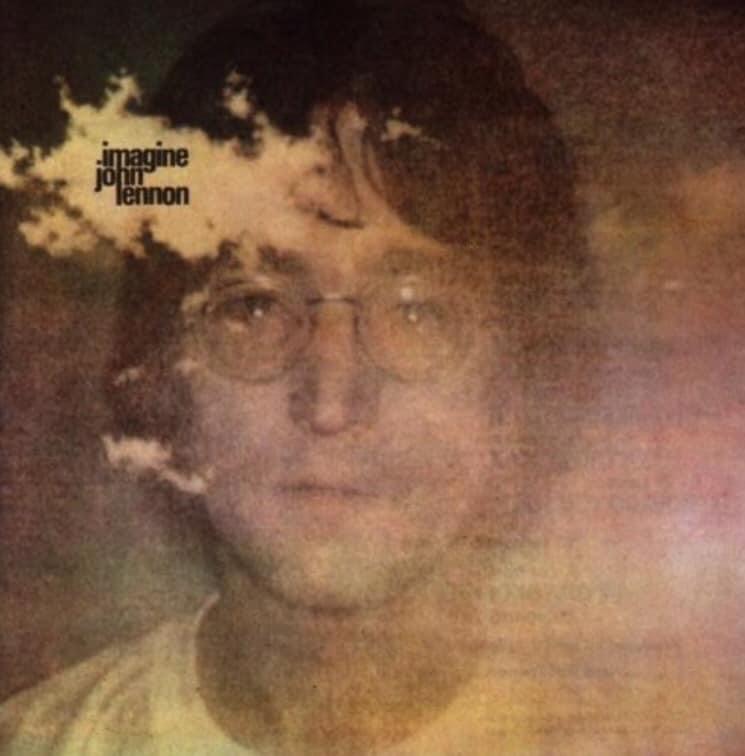
John Lennon – Imagine

Critics always preferred Lennon to McCartney, probably because he seemed more serious, more of an artist. But Paul’s music was definitely a lot more fun. The title track seemed very profound to me as a child when, of course, it’s really rather trite and simple and very much of its time. Yet the sentiment it expresses remains the noblest goal, and seemingly farther away than ever. “Crippled Inside” is a jaunty romp if you ignore what he’s singing about, and “Jealous Guy” remains as awesome as ever (though maybe a bit less now that I’ve just read it’s directed at PAUL!). There is no good reason for “I Don’t Wanna Be A Soldier Mama” to be 6 minutes long other than no one told him not to do that. (Phil Spector circling the drain can be blamed if you need a scapegoat.) There’s a lot of rage here, but it feels very mannered and without much subtlety. (Except the Paul dis “How Do You Sleep?” – referencing the cute Beatle’s “pretty face” is bloody brilliant.) Also, it’s great that you love your wife, but how many sappy ways do you need to tell us that on one album? (Though “Oh Yoko” is at least bouncy and fun.) Overall, the kind of ponderous work you’d expect from the smart Beatle – a few genuinely great songs, but not really something I’d ever venture to play straight through again.

BTW, I discovered a great site, Cover Me Songs, that gathered various cover versions of the songs on this album. A Perfect Circle’s sugar-free version of “Imagine” is soooooo good, and Donny Hathaway on “Jealous Guy” is Donny-fucking-Hathaway, so, yes, it’s brilliant and why are you even still reading this and not out looking for his version on Spotify?

(Originally posted on Facebook, March 13, 2021)

Pazz and Jop 1971 – #4

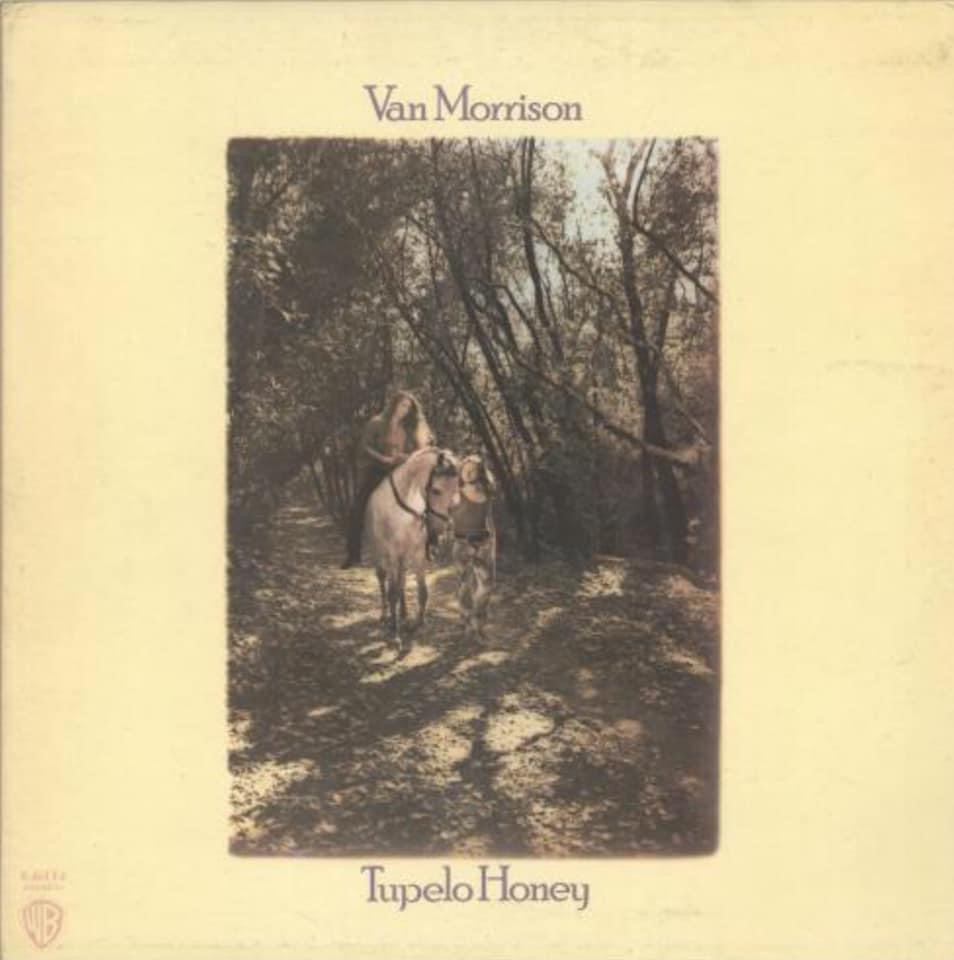
Van Morrison – Tupelo Honey

I’ve never given Van Morrison much thought. Lots of familiar tracks that just sort of drift through the air and into my ears. Other than maybe “Moondance”, I’ve definitely never felt compelled to listen to one of his albums in its entirety. I don’t know if that’s going to change, but this was certainly a pleasant enough listening experience. I had to do a bit more work on this one as it, amazingly, isn’t on Spotify. Thankfully, someone put together a YouTube playlist, though the variations in production make it clear they aren’t all the original album versions, and the ads between tracks were a bit jarring. So, YMMV, but of the versions I could access, I have a new appreciation of “Wild Night”, and especially liked “Old Old Woodstock”, “You’re My Woman” and “Tupelo Honey” (except for the backup singers). It’s a very romantic and passionate album (seriously, listen to “You’re My Woman” and feel your temperature rise), and if this record was a popular backdrop to early ‘70s make out sessions, I would not be even mildly surprised. I won’t be running out to pay to hear this in it’s intended form, but it’s not an idea completely outside the realm of possibility. Which isn’t too bad for an artist I never gave much thought to.

Very little from this album is available on Spotify, but here are a few versions that offer a taste for the curious.

(Originally posted on Facebook, March 6, 2021)

Pazz and Jop 1971 – #3

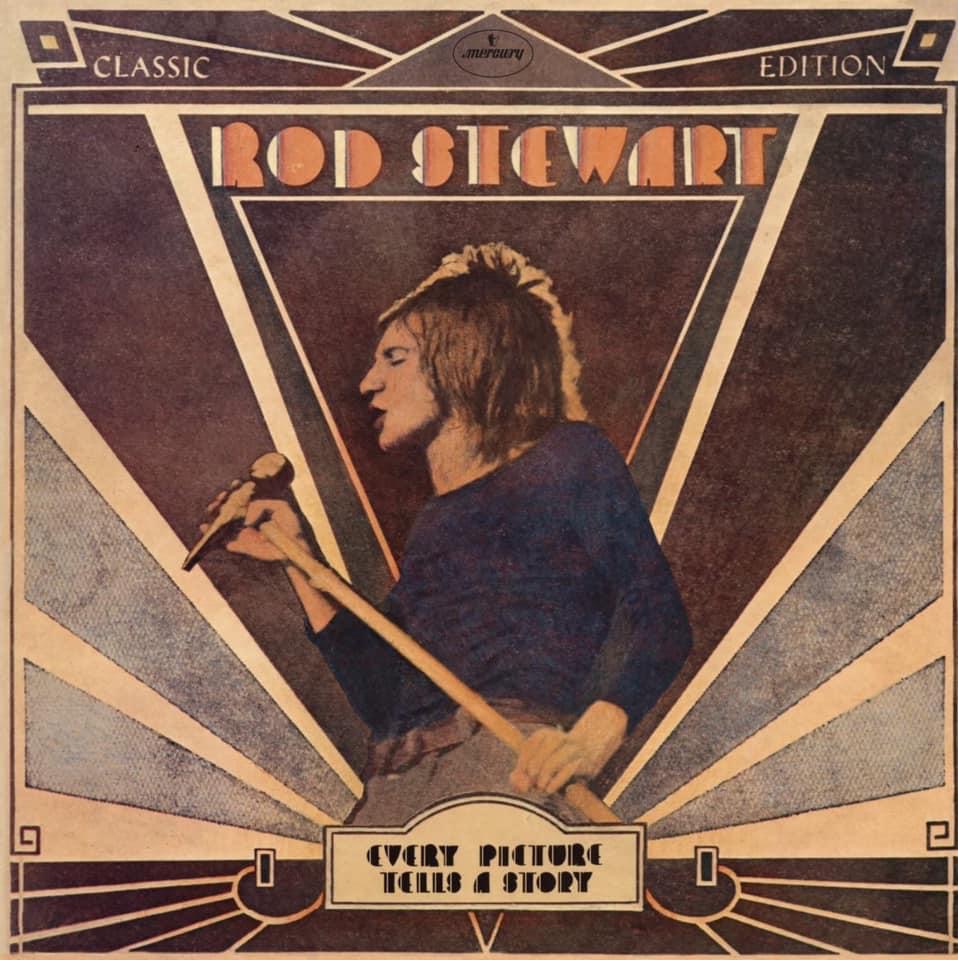
Rod Stewart – Every Picture Tells A Story

I’ve never really thought of Rod Stewart as a covers artist, at least not until his Great American Songbook phase, because his biggest hits have been (mostly) his own compositions. But looking through his catalog, he’s always put a lot of other people’s songs on his albums. I would take his version of “That’s All Right” over Elvis’ (which I’ve always found cheesy), he kills it on Dylan’s “Tomorrow is a Long Time”, he’s the rare artist who can cover a Temptations hit without embarrassing himself (god, “(I Know) I’m Losing You” is fire, especially the drum solo), and, of course, there’s “Reason to Believe”. But the best song on here might be the original, “Mandolin Wind”. Almost unbearably poignant, and my heart raced when he sped up at around the 4:45 mark. Songs like this are why I decided to do this exercise – because I’d rather live in a world where I know about “Mandolin Wind” than one where I don’t. I have no idea what made this the third best album of 1971 – I only know what I like about it. Which is sort of how we all react to music.

UPDATE: So I just replayed “Mandolin Wind” and “(I Know) I’m Losing You” while writing this. Yep, they’re bloody brilliant.

(Originally posted on Facebook, February 28, 2021)

Pazz and Jop 1971 – #2

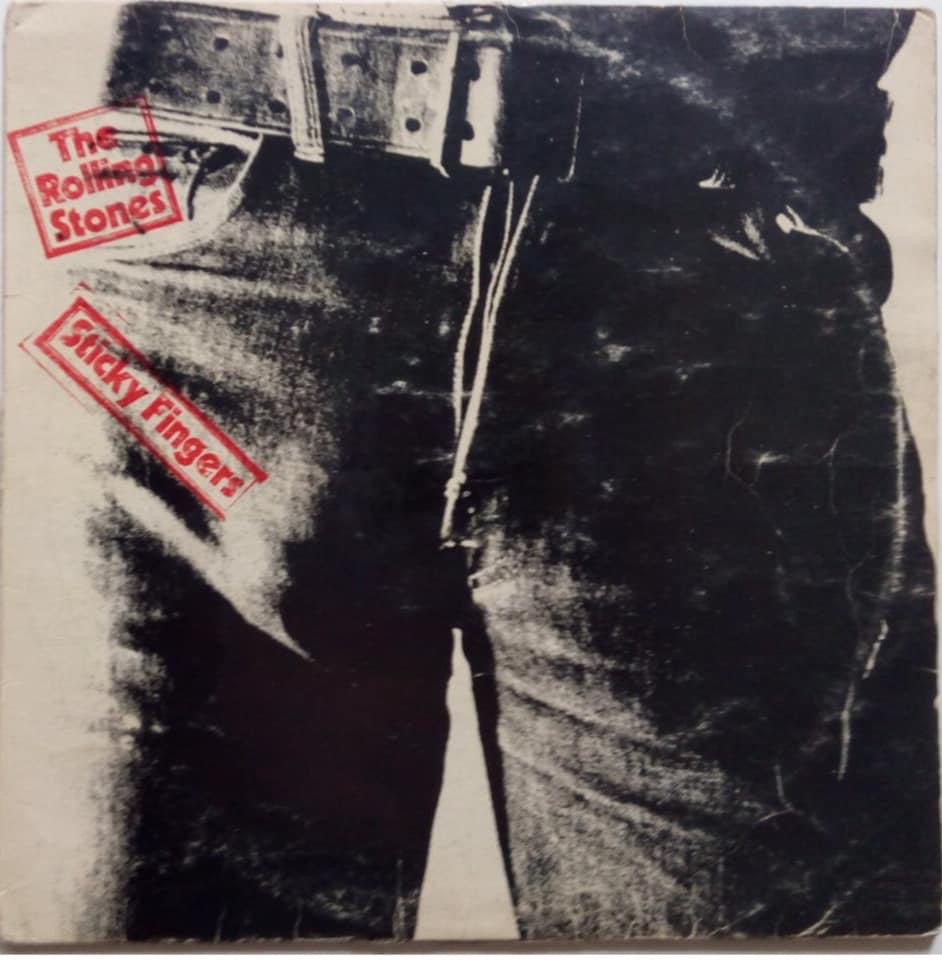
The Rolling Stones – Sticky Fingers

Spotify offers four versions of “Sticky Fingers”: Remastered, Deluxe, Super Deluxe and Spotify Landmark Edition. I want to limit myself – as best I can – to the version of the album released in the year it made the list, and the Remastered (in 2009) version comes closest. And what is there to say about this record? A genuine classic and, despite having owned multiple Stones records over the years, one I never played straight through. I’ve always preferred The Sundays’ cover of “Wild Horses” to the original, but hearing Mick wail into my ears in its intended context elevates the song for me. (The Gram Parsons version, which may slightly predate the Stones release, is a less angsty rendering.) “Can You Hear Me Knocking” feels, during the end stretch, like a jazz improvisation. (Like nothing I’ve ever heard from these guys, which likely shows how poor my knowledge of their catalogue is.) The entire second side, with which I have at most negligible familiarity, is beautiful, especially “I Got the Blues” and the melancholic closer, “Moonlight Mile”.

(Originally posted on Facebook, February 27, 2021)

Pazz and Jop 1971 – #1

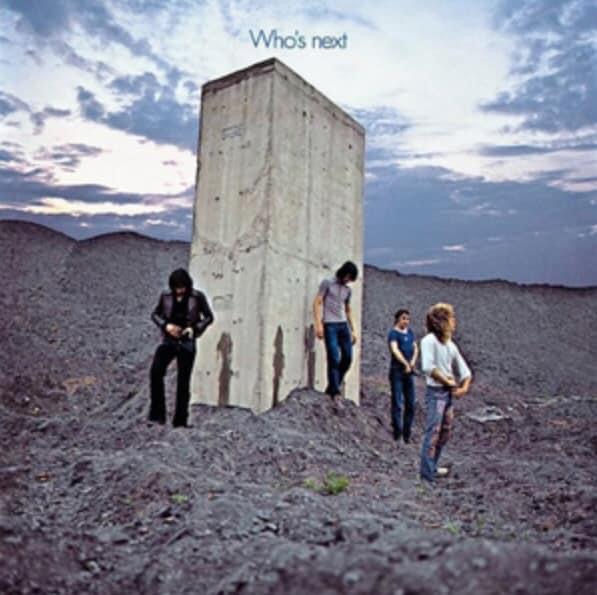
The Who – Who’s Next?

My music-loving friends might appreciate this, or maybe no one else gives a crap and this goes into the void. Anyway. I’ve long had it in my head to listen through the entire history of albums that made it onto the annual Pazz and Jop polls (formerly of the late Village Voice, carried on now by dedicated lunatics), because sometimes, in a world full of music, one can feel paralyzed when trying to decide what to listen to next. Today is the day I begin, with 1971’s top album from The Who. “Baba O’Riley”. “Behind Blue Eyes”. “Won’t Get Fooled Again”. Feeling pretty good heading into this.

UPDATE: Remember when albums were all under 45 minutes long because that’s all they could squeeze onto two sides of a hunk of vinyl? What a trip. I’ve always been a passive fan of The Who, enjoying the songs that made it onto my radar but never actively seeking out the rest. A mistake, perhaps. Really enjoyed this album, especially the middle stretch – “My Wife”, “The Song is Over” and “Getting in Tune” – of songs I have no recall of ever having heard before. Just a solid record from start to finish, and a very encouraging start to my project.

(Originally posted on Facebook, February 27, 2021)